Top 20 Caves in the Pennines Mountains
Best caves in the Pennines Mountains are found primarily in the Yorkshire Dales and the Peak District, a region often referred to as the "backbone of England." This area features extensive cave systems and geological formations, offering a diverse range of subterranean experiences. The Pennines provide opportunities for exploring natural limestone caves, former mines, and dramatic collapsed caverns. These geological features make the Pennines a significant destination for caving and exploration.
Best caves in the Pennines Mountains
- The most popular caves is View of Rydal Water from Rydal Cave, a cave that is a large, man-made cavern resulting from slate mining. Visitors can use stepping stones through shallow water at the entrance to reach drier sections of the cave.
- Another must-see spot is Janet's Foss, a forest area featuring a beautiful waterfall with a cave located to its right. Visitors can splash in the waterfall's plunge pool, making it a popular location.
- Visitors also love Hull Pot, a collapsed cavern measuring 91 meters long by 18 meters deep. This impressive hole is a notable sight and a suitable spot for a picnic off the main Three Peaks trail.
- The Pennines Mountains is known for accessible show caves, challenging caving expeditions, and extensive subterranean systems. Visitors can explore natural limestone caves, former mines, and dramatic collapsed caverns.
- The caves in the Pennines Mountains are appreciated by the komoot community, with more than 600 upvotes and over 290 photos shared by users.
Last updated: August 17, 2026
Rydal Cave
Highlight • Cave
Take the stepping stones through the shallow water at the entrance to the drier part of the cave. A torch is not really necessary.
Translated by Google •
Tip by

Janet's Foss
Highlight • Forest
Tip by

Sign up now to discover places like this
Get recommendations on the best single tracks, peaks, & plenty of other exciting outdoor places.
Sign up for free
Cathedral Cavern
Highlight • Historical Site
As it is an abandoned quarry, the site has unprotected steep drops, deep water and there is a risk of falling rocks. If you decide to visit the quarry, make sure you are well prepared.
(National Trust)
Showing Translation
Tip by
Hull Pot
Highlight • Canyon
In the late 18th century, in a guidebook published, it was called 'a Hulpit', and the author stated that it "would have appeared like the inside of an enormous old Gothic castle, the high ruinous walls of which were left standing after the roof was fallen in".
Tip by

Trollers Gill
Highlight • Gorge
Tip by

Priest's Hole
Highlight • Cave
Tip by

Gaping Gill Waterfall and Cave Entrance
Highlight • Cave
Tip by

Black Moss Pot
Highlight • Gorge
Tip by
How Stean Gorge
Highlight • Natural Monument
Tip by
Yordas Cave
Highlight • Natural Monument
Tip by

Sign up for free to discover even more caves in the Pennines Mountains.
Sign up for free
Already have an account?
Start today with a free account
Your next adventure awaits.
Login or Signup
Popular around Pennines Mountains
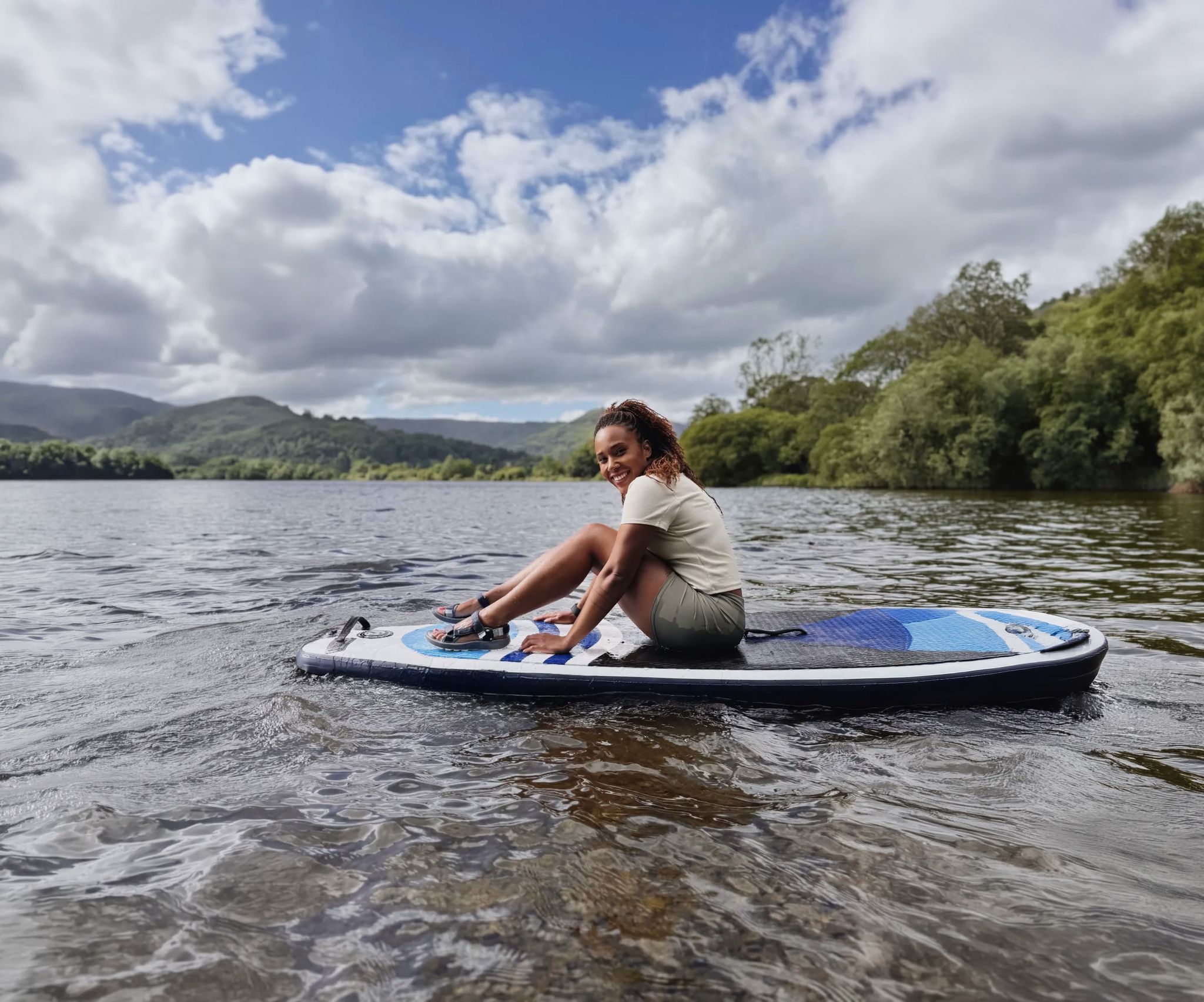
Scenic hikes to stand-up paddleboarding locations in the UK

Supporting the National Three Peaks FKT in true Green Runners’ Style
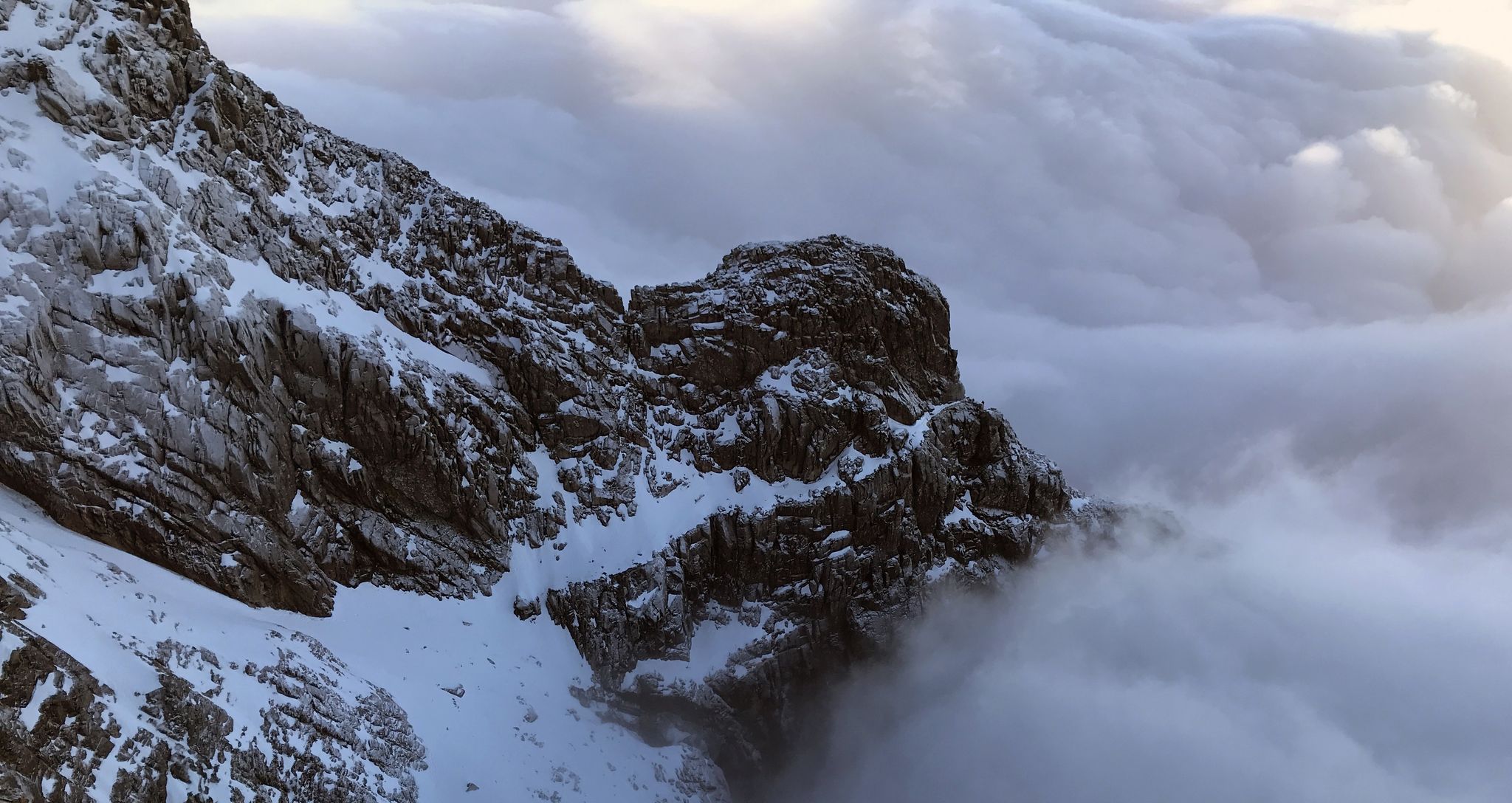
Ephemeral Lines – Stunning UK Winter Ridges
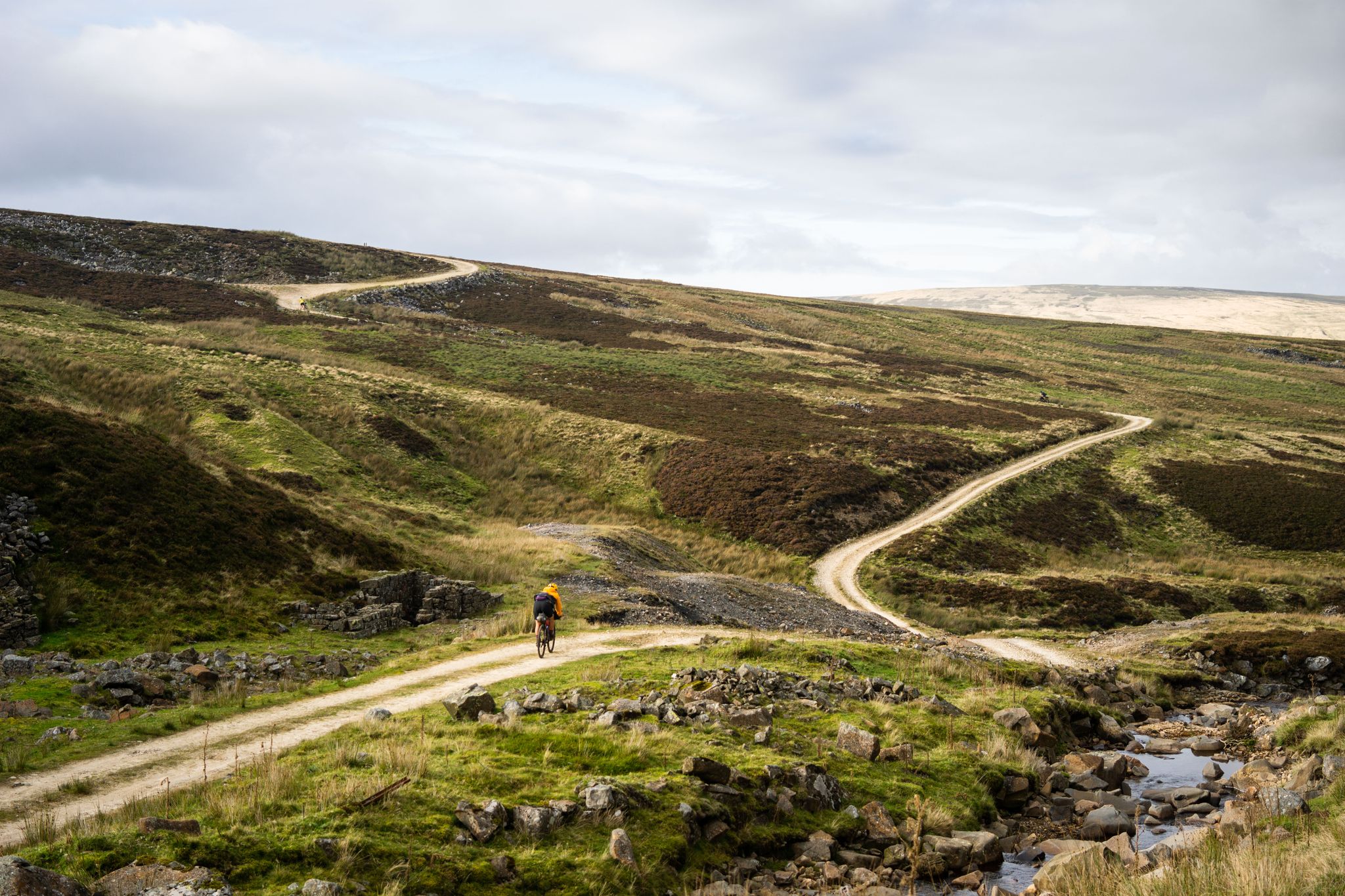
Second City Divide — Rough Stuff Of The North
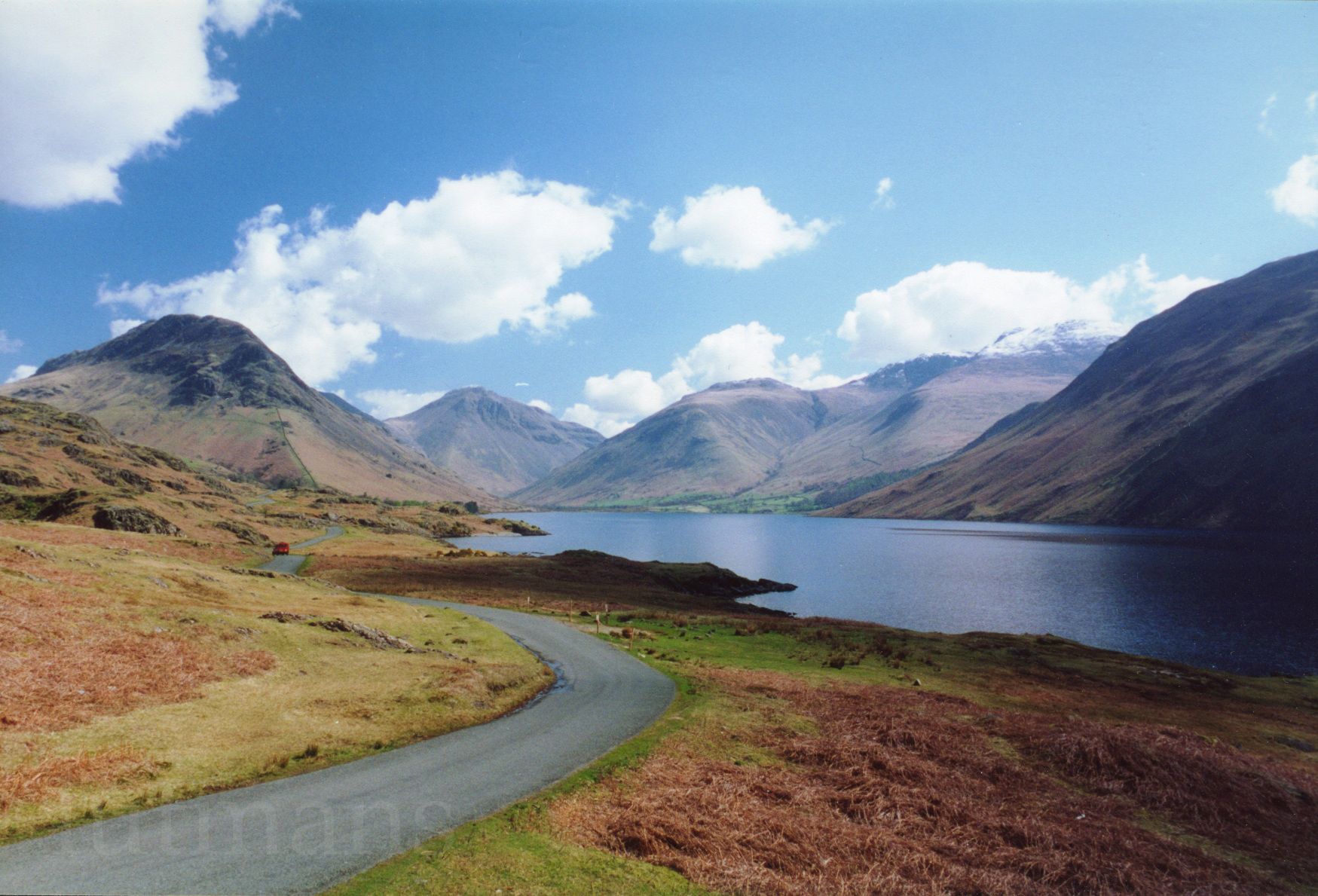
Lakeland 300 — Bikepacking in the hills of the Lake District
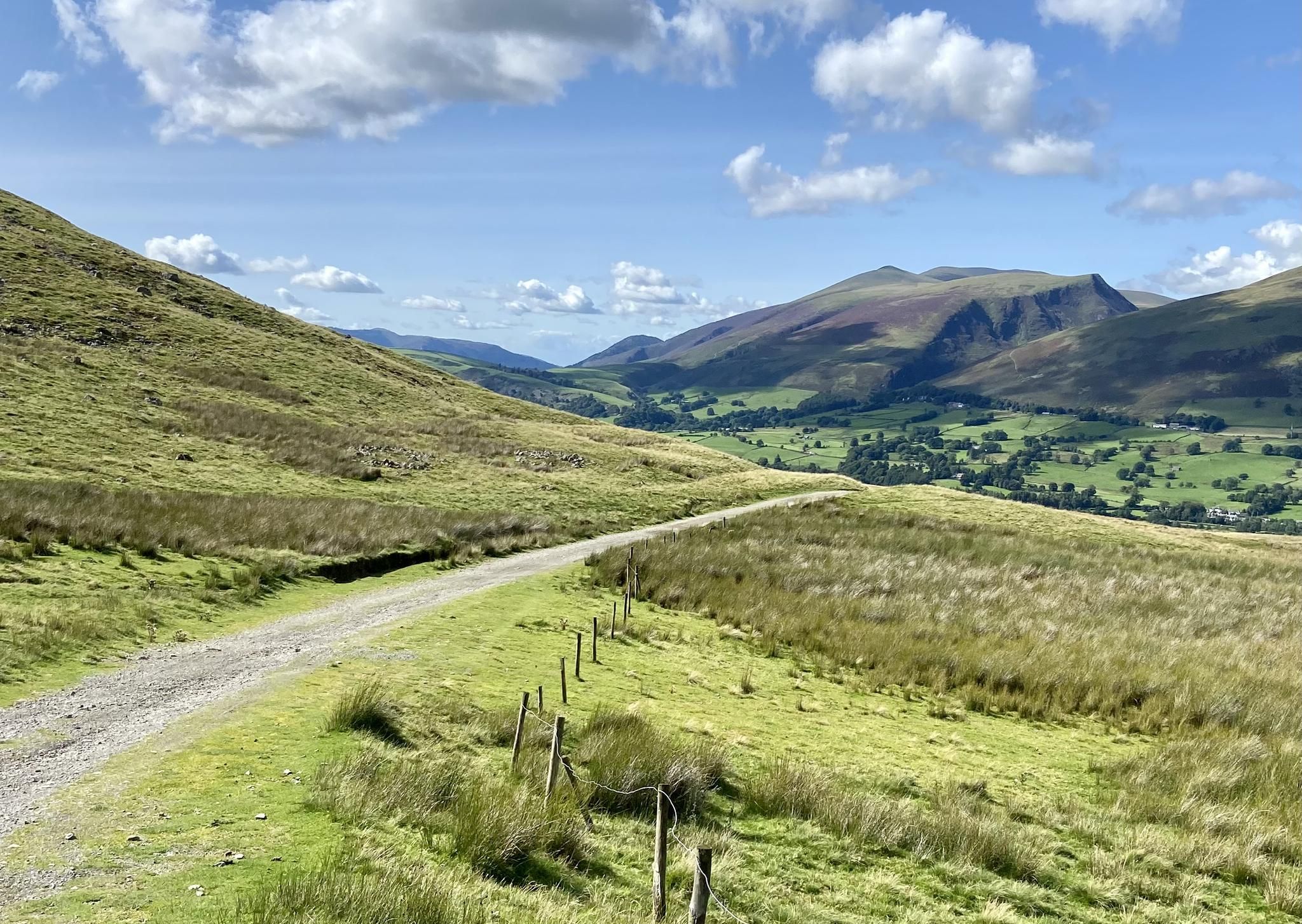
Lakeland 100 – ultra tour of the Lake District
Lake District National Park – A Walk in the Parks
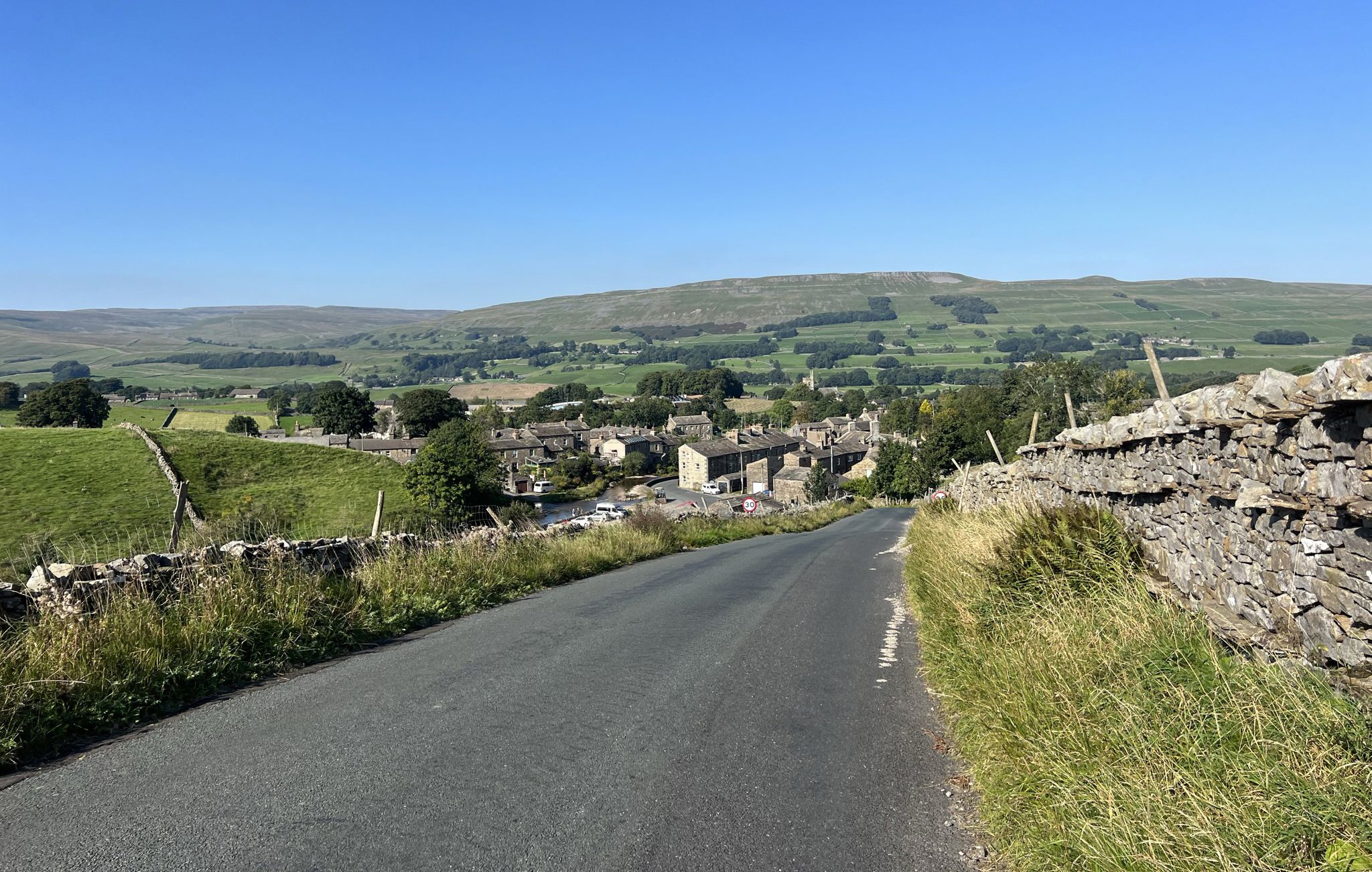
Yorkshire Dales National Park – A Walk in the Parks
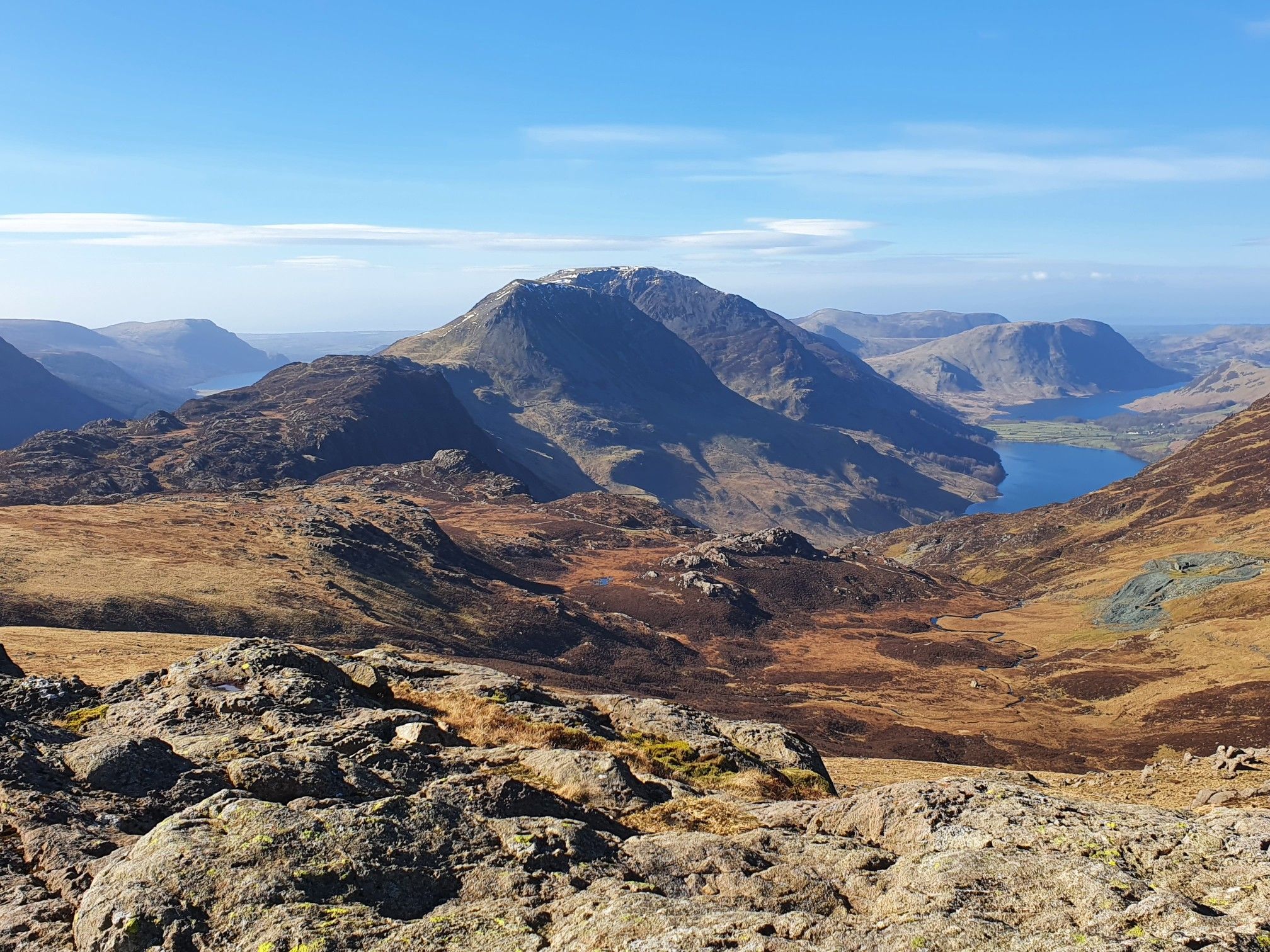
Cumbrian Traverse – A sublime high-level hike across Lakeland
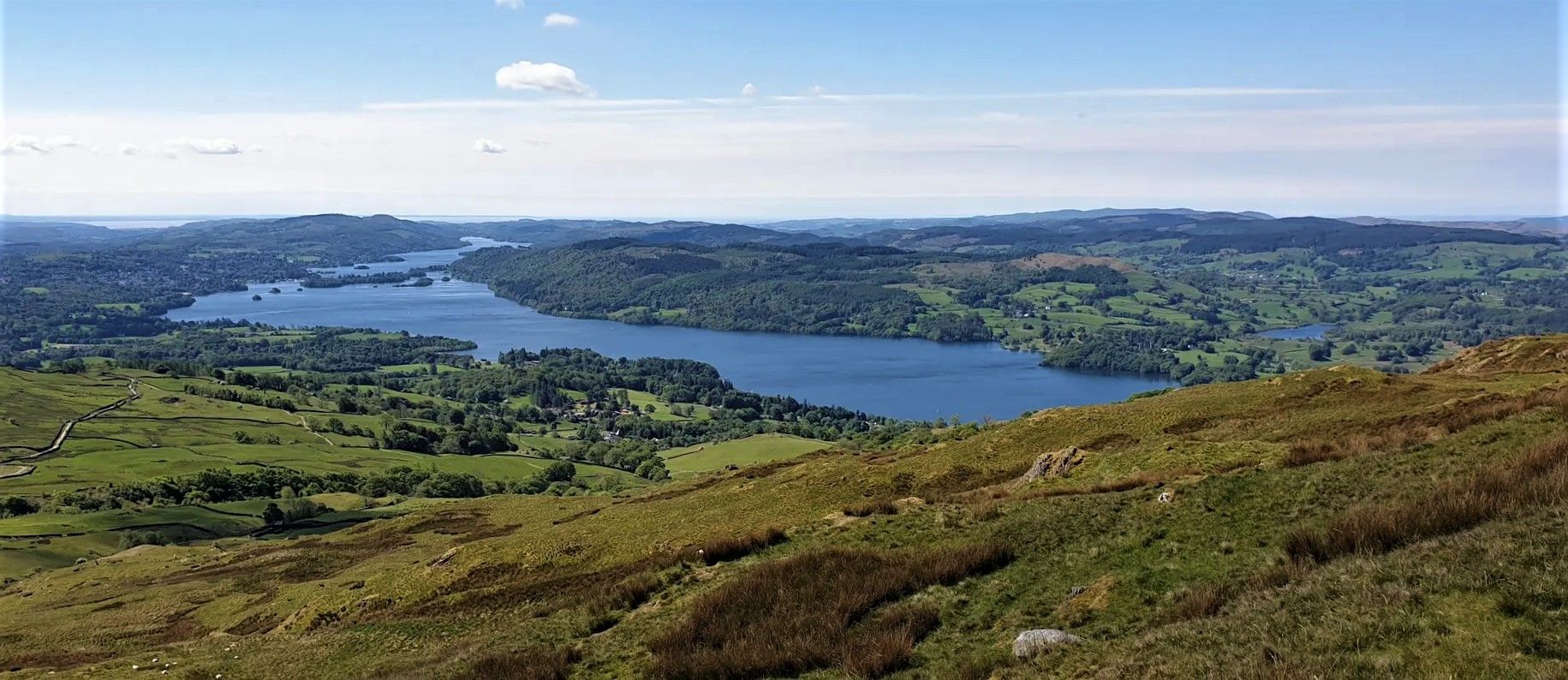
Windermere Way — Hike a poetic loop of a Lakeland legend
Other adventures in the Pennines Mountains


Tips from the Community

An abandoned slate quarry, gifted to the National Trust by Beatrix Potter. The site is a relic of the area's quarrying past, shaped by man and now slowly being reclaimed by nature. As it is an abandoned quarry, the site has unprotected steep drops, deep water and there is a risk of falling rocks. If you decide to visit the quarry, make sure you are well prepared. (National Trust)
10
0

Yordas Cave is such an underrated gem in North Yorkshire! It’s incredible to think that people have been visiting this place as a natural curiosity since the 1700s. Walking into the main chamber really feels like stepping back in time. Just make sure to pack a solid headlamp and some sturdy boots if you plan to explore! https://www.kaisermemberservice.com
0
0

Troller's Gill is a dramatic, limestone gorge in the Yorkshire Dales National Park, North Yorkshire, England. Most of the year, Skyreholme Beck flows underground, leaving a rocky, dry limestone bed. Hikers walk directly between the cliffs, which requires some physical agility.
0
0

Mega little walk make sure you have good waterproof boots the water is a little deep in a few spots in the cave and a good torch head light for exploring the caves you could spend hour exploring great for the kids
3
0
Take your time visiting Rydal Cave. It is a large cave on the north side of Loughrigg Fell, above Rydal Water. This cave is actually man-made, as a result of slate mining. Take the stepping stones through the shallow water at the entrance to the drier part of the cave. A torch is not really necessary.
10
1

Access: 🚗 c. 2miles from the village of Horton-in-Ribblesdale 🥾 Alternatively, enjoy a 9 miles hike with just 2,000ft of total elevation from Horton-in-Ribblesdale, via Pen-y-Ghent
0
0
Trollers Gill is a narrow limestone gorge in the Yorkshire Dales, near the village of Appletreewick in North Yorkshire. It has a mysterious reputation tied to local folklore. 🥾A great adventure for those who enjoy off-the-beaten-path routes and perfect introduction to Ghyll scrambling. 📜 The gorge is said to be haunted by trolls, hence its name. According to legend, it is home to a fearsome barghest—a supernatural black dog with glowing red eyes, often associated with death and misfortune. Some stories also link the ghyll to mythical goblins and other eerie creatures, adding to its reputation as a place of mystery. 🪨 The gorge is cut into limestone, featuring rocky outcrops, scree slopes, and a sometimes dry streambed. It was likely formed by glacial meltwater, carving out the dramatic landscape seen today. The ghyll can be dry for much of the year, but after heavy rain, water flows through the valley.
0
0

Take wellies if you want to escape out through the tunnels. And torches if you want to do the longer one.
2
0
Frequently Asked Questions
Which caves in the Pennines are suitable for families or those seeking easy access?
Several caves in the Pennines are well-suited for families and offer easy access. Ingleborough Cave in the Yorkshire Dales is accessible to most visitors, including those with pushchairs, featuring a well-lit path and expert guides. White Scar Cave, also in the Dales, is England's longest show cave with well-lit paths and metal gridwork walkways. In the Peak District, Poole's Cavern is another excellent choice, known for its magnificent formations and guided tours. Stump Cross Caverns offers a self-guided tour with provided helmets and UV torches, and even a fairy trail for children.
What are some unique caving experiences available in the Pennines?
The Pennines offer several unique caving experiences. At Gaping Gill, local caving clubs organize 'winch meets' for one week in May and one in August, allowing the public to be lowered into England's largest underground chamber. Speedwell Cavern in the Peak District offers a distinctive boat trip through former 18th-century lead mine workings. For those interested in geology, Blue John Cavern and Treak Cliff Cavern are world-famous as the only places where the semi-precious Blue John stone is found, offering guided tours to see its deposits.
Are there any caves in the Pennines with historical significance?
Yes, several caves in the Pennines hold significant historical value. Peak Cavern in the Peak District, also known as the 'Devil's Arse,' was historically inhabited by rope-making cave dwellers until the early 20th century, with demonstrations still available. Poole's Cavern in Buxton has evidence of Roman occupation and a history of lead mining. Rydal Cave, while appearing natural, is actually a large man-made cavern resulting from slate mining. Fairy Holes Cave in the Forest of Bowland shows evidence of human habitation dating back to prehistoric times, including Bronze Age pottery.
What kind of geological formations can I expect to see in the Pennine caves?
The Pennine caves showcase a wide array of impressive geological formations. You can expect to see thousands of stalactites and stalagmites, flowstones, and calcite formations, particularly in caves like White Scar Cave, Ingleborough Cave, and Poole's Cavern. Blue John Cavern and Treak Cliff Cavern are unique for their deposits of the rare Blue John stone, a type of fluorospar with distinctive blue and yellow crystalline bands. Stump Cross Caverns features rock walls rich in calcite crystals that fluoresce under UV light.
What is the best time of year to visit caves in the Pennines?
Most show caves in the Pennines are accessible year-round, offering a consistent temperature that makes them a great escape on hot days or a sheltered activity during colder months. However, specific events like the Gaping Gill 'winch meets' occur only for one week in May and one in August. For wild caving, conditions can vary greatly with weather, so spring and autumn might offer more stable conditions, though experienced cavers explore year-round. Always check specific cave opening times and conditions before planning your visit.
Are there opportunities for more adventurous or challenging caving in the Pennines?
Absolutely. The Pennines, particularly the Yorkshire Dales, are renowned for challenging caving expeditions. Gaping Gill, while offering public winch meets, is primarily a complex system for experienced cavers. Alum Pot is a dramatic pothole favored by experienced cavers due to its challenging nature. Ingleborough Cave also offers 'Adventure Caving' for those seeking to explore deeper sections. In the Forest of Bowland, Whitewell Pot and Hell Hole provide challenges like pitches, squeezes, and loose rock for experienced cavers.
Are there hiking trails that lead to or include caves in the Pennines?
Yes, many caves in the Pennines are integrated into scenic hiking routes. The walk to Gaping Gill is scenic, passing through the Ingleborough Estate Nature Trail and Trow Gill gorge. The path to Ingleborough Cave is a delightful 1.3-mile nature trail through Yorkshire Dales woodland. You can find numerous hiking opportunities in the region, including easy hikes and waterfall hikes, many of which pass near or through cave areas.
What other natural landmarks or attractions are near the Pennine caves?
The Pennine caves are often surrounded by other stunning natural landmarks. Near Gaping Gill and Ingleborough Cave, you'll find the impressive Ingleborough mountain. Janet's Foss, a beautiful waterfall with a small cave, is nestled in a forest area near Malham. Hull Pot, a dramatic collapsed cavern, is a notable sight off the main Three Peaks trail. The Peak District caves are close to the scenic landscapes of Castleton, offering views of Mam Tor and Winnats Pass.
Do I need permits for caving in the Pennines, and what about parking?
For organized show caves like White Scar Cave, Ingleborough Cave, or those in the Peak District, you typically purchase an entrance ticket, and no additional permits are needed. For wild caving or exploring less developed systems, especially on private land, permits or permission from landowners may be required. It's crucial to research specific locations. Parking is generally available at or near major show caves, often with dedicated car parks. For more remote cave entrances, parking might be limited to roadside spots or nearby villages, requiring a walk.
What do visitors enjoy most about exploring caves in the Pennines?
Visitors frequently express awe at the natural beauty and scale of the underground formations, from the vast chambers of Gaping Gill to the intricate stalactites of White Scar Cave. The unique experiences, such as the boat trip at Speedwell Cavern or the chance to see Blue John stone, are highly valued. Many appreciate the educational aspect provided by guided tours, learning about geology and history. The accessibility of many show caves also makes them popular for families, offering a memorable adventure for all ages.
Are there any caves in the Pennines that are man-made or former mines?
Yes, some notable 'caves' in the Pennines are actually man-made or former mining operations. Rydal Cave is a large man-made cavern resulting from slate mining. Speedwell Cavern in the Peak District is a former 18th-century lead mine, now explored by boat. Cathedral Cavern, near Little Langdale, is an impressive chamber within an old mine complex. These sites offer a fascinating glimpse into both natural geology and human industrial history.
Most popular routes in the Pennines Mountains
Most popular attractions in the Pennines Mountains

Get inspired with the komoot mobile app


Explore more
Extend your search for the best caves by checking out these guides of the top ones in the Pennines Mountains:
