4.7
(1313)
20,353
hikers
1,483
hikes
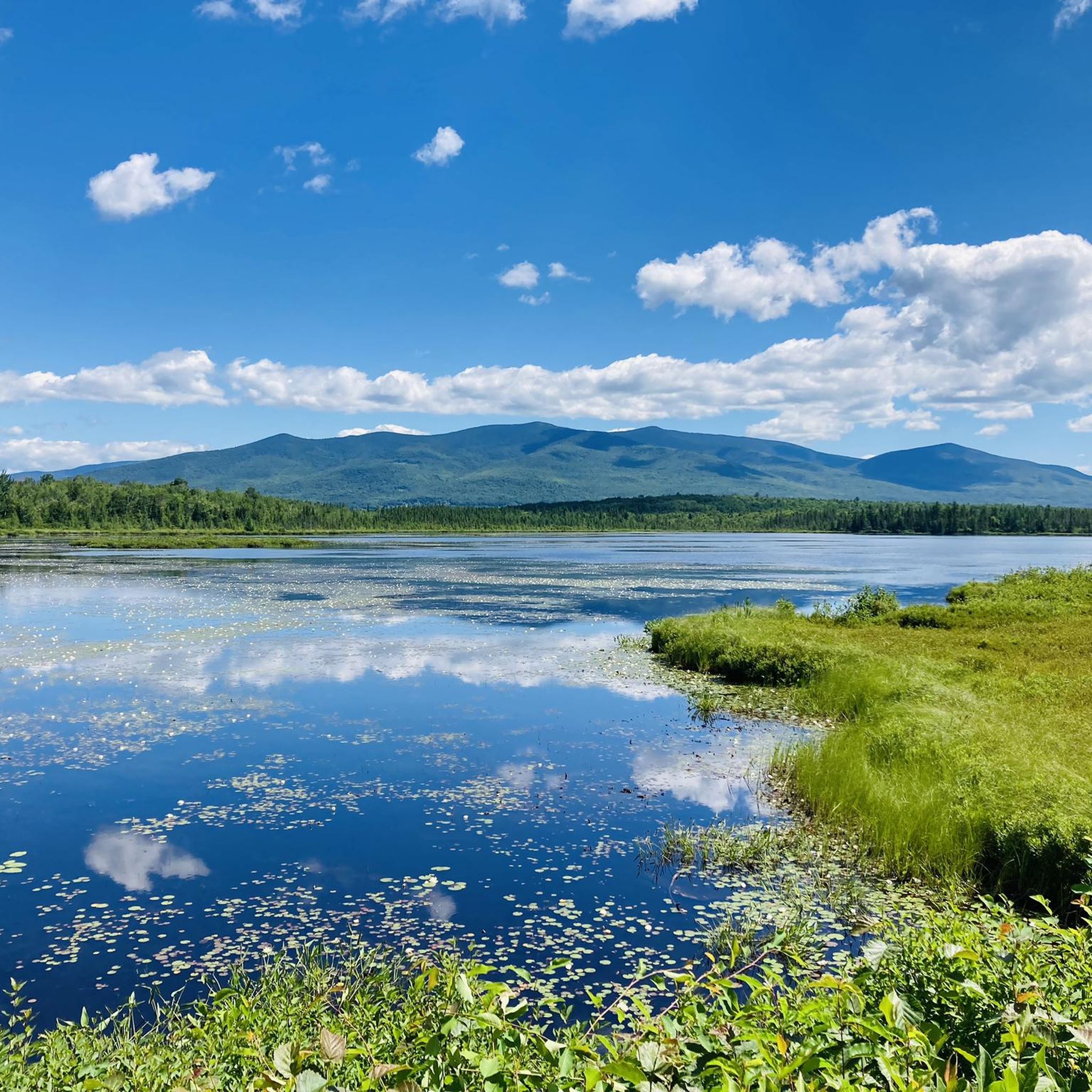
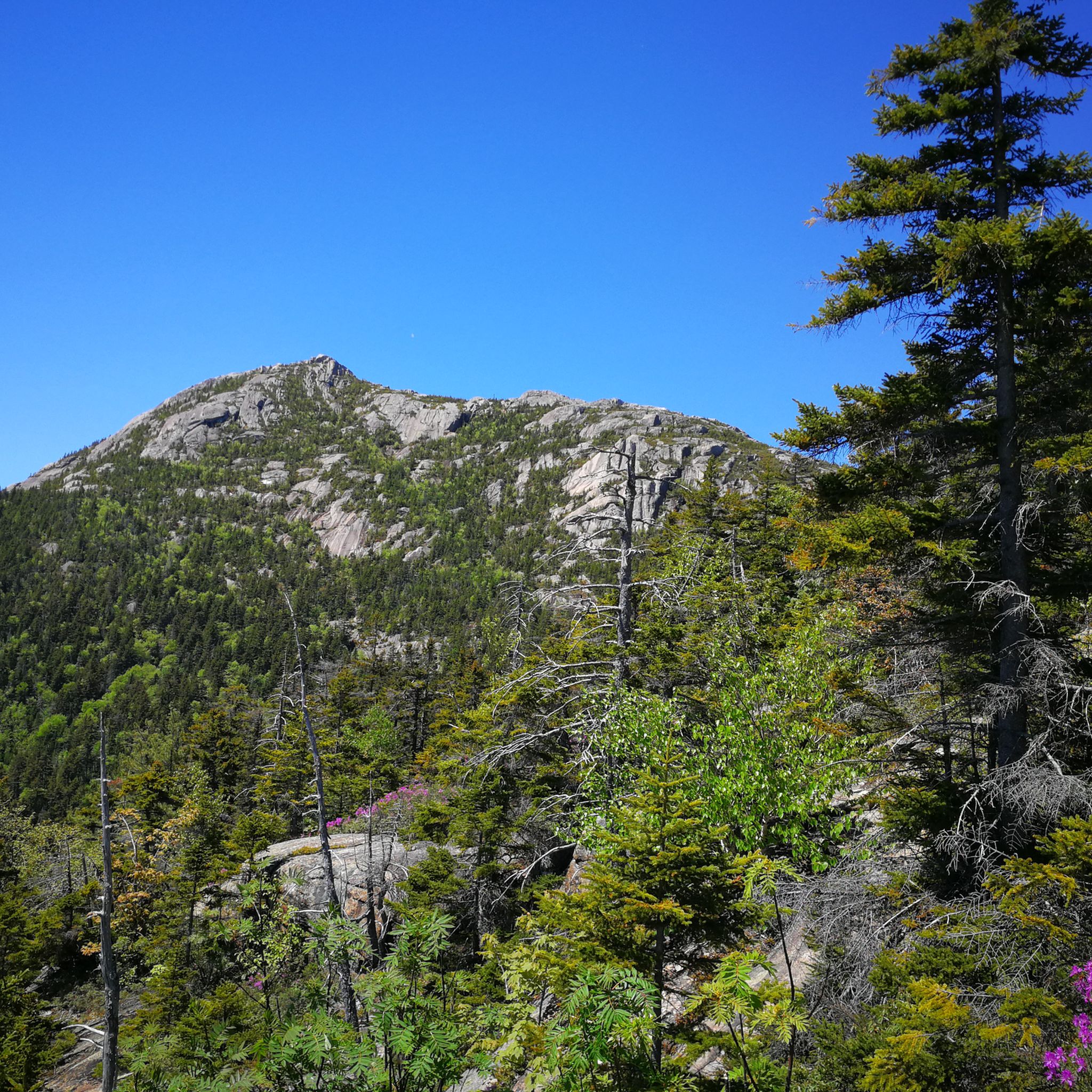
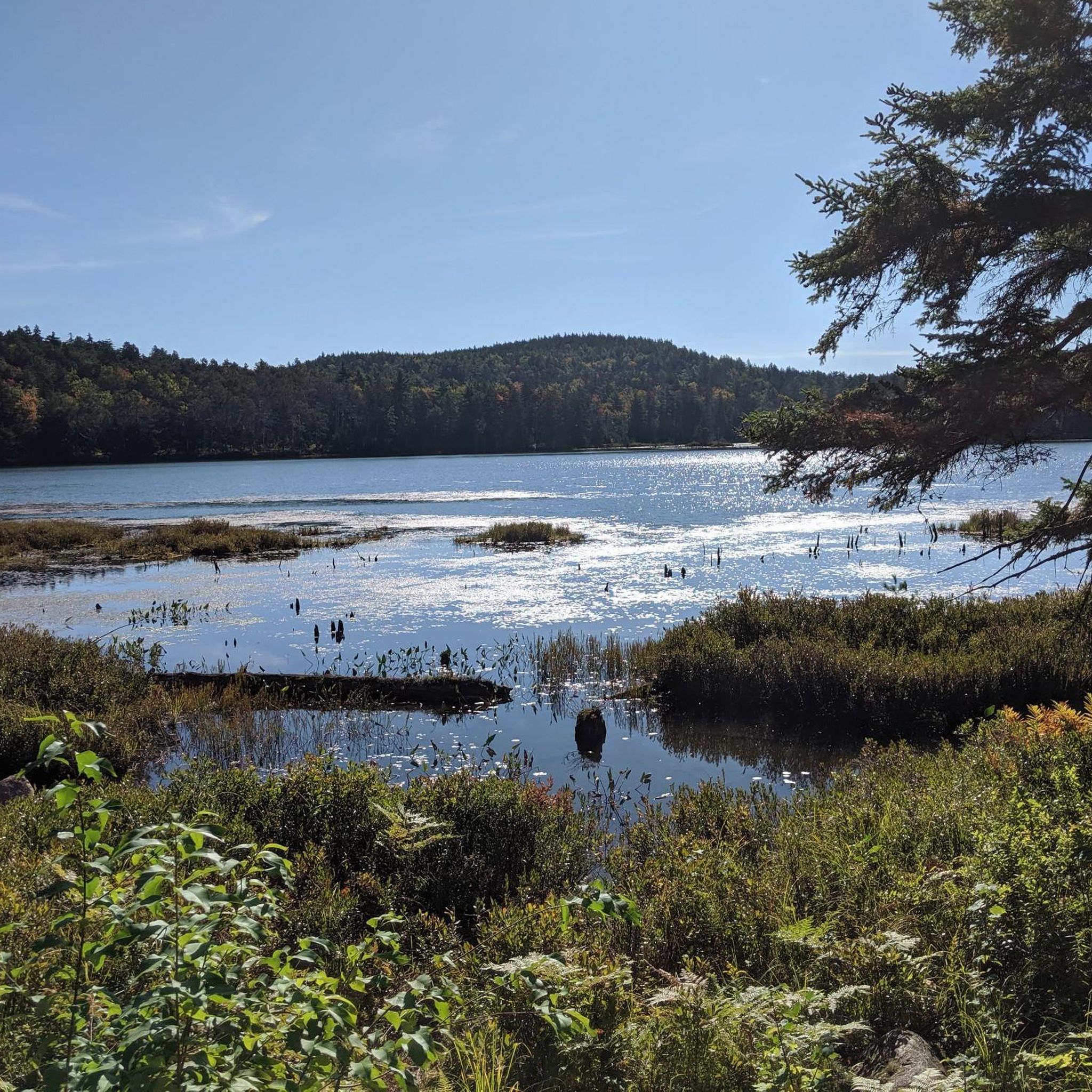
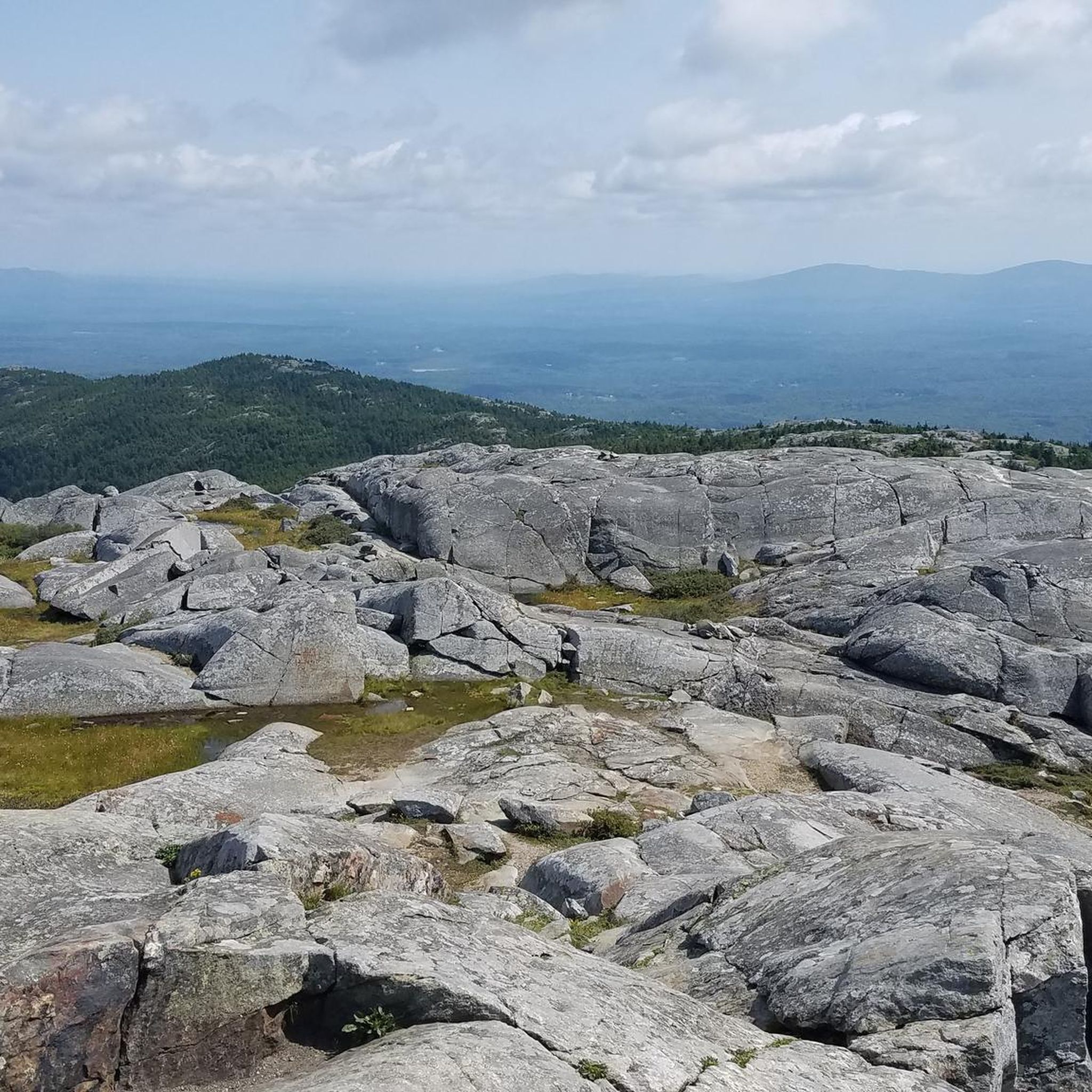
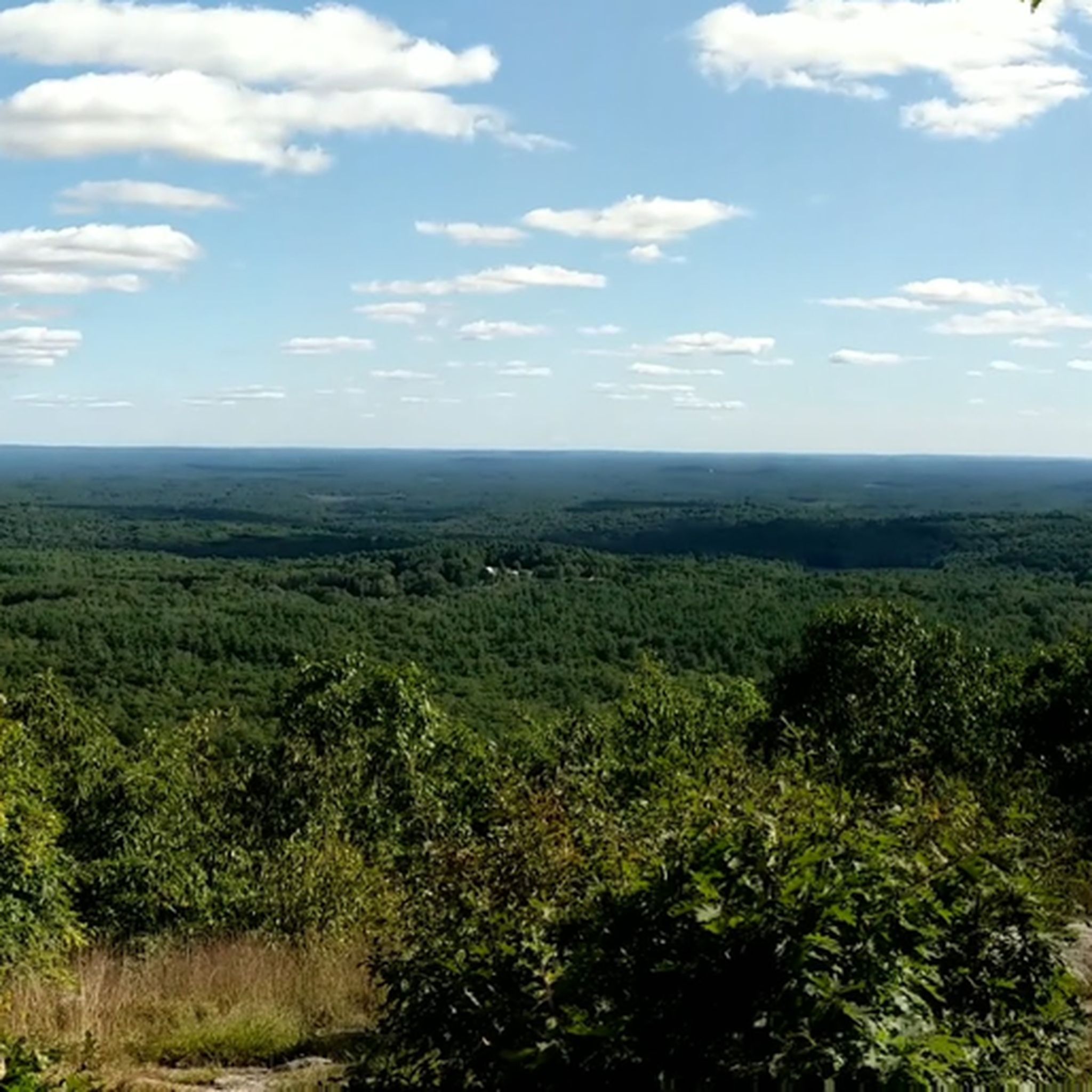
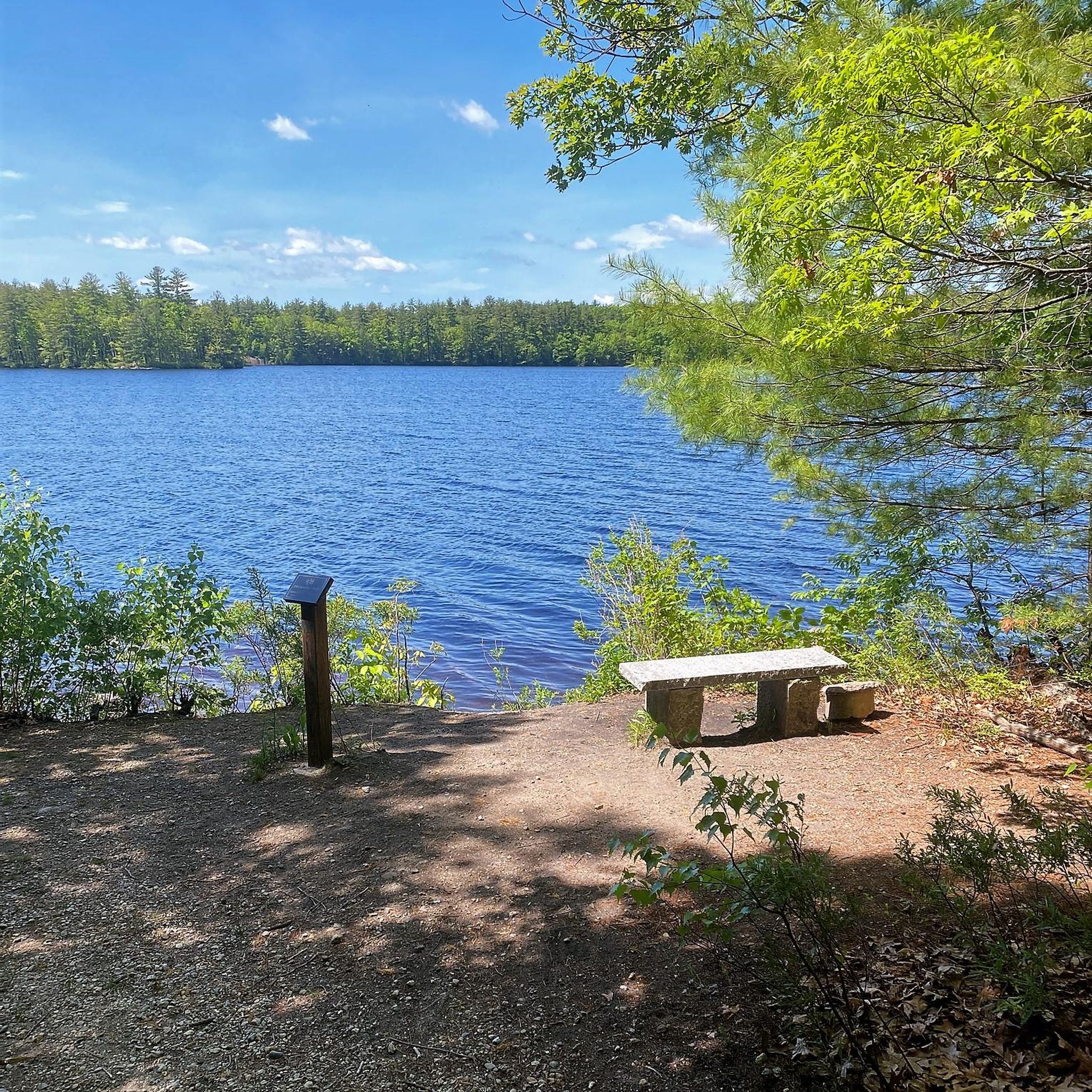
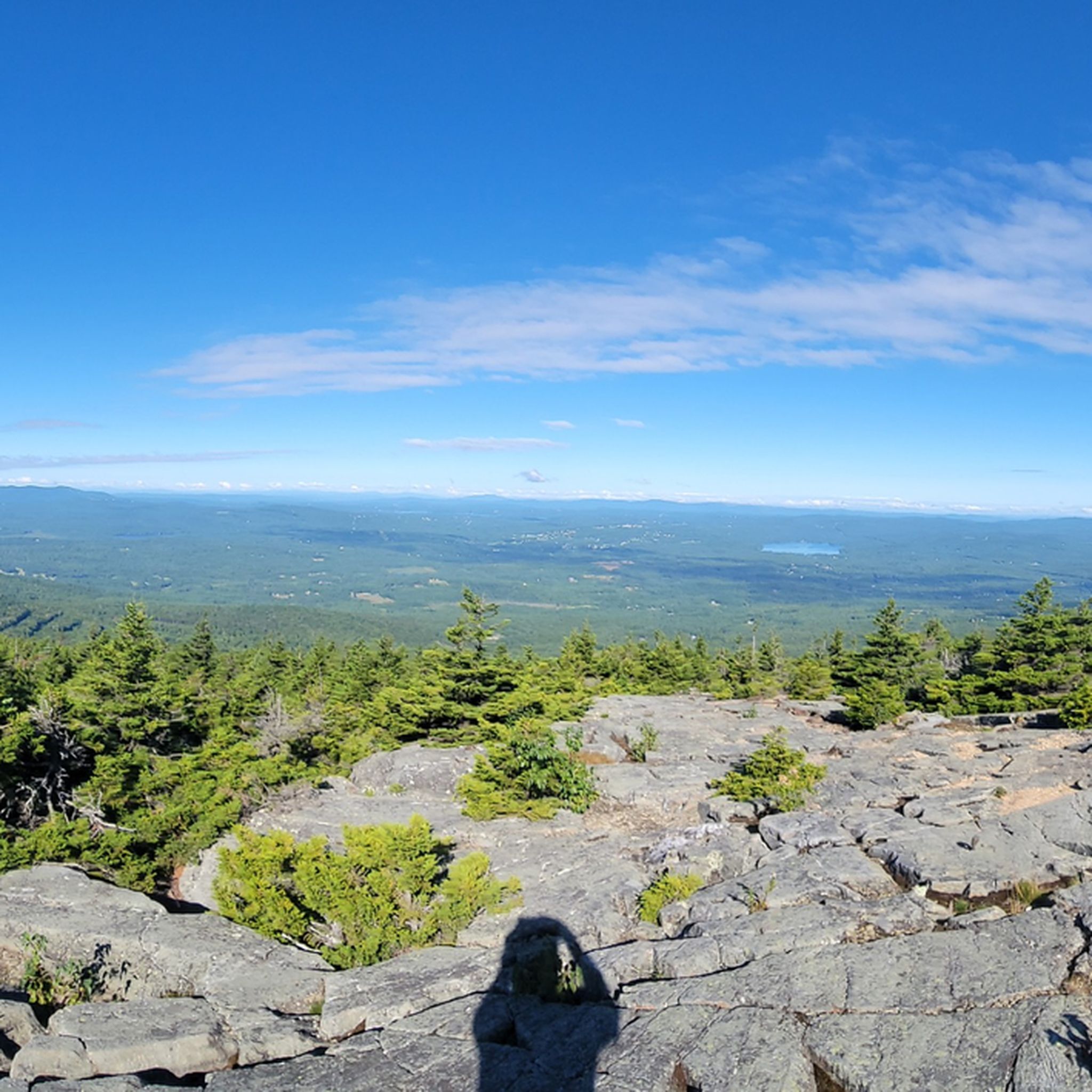
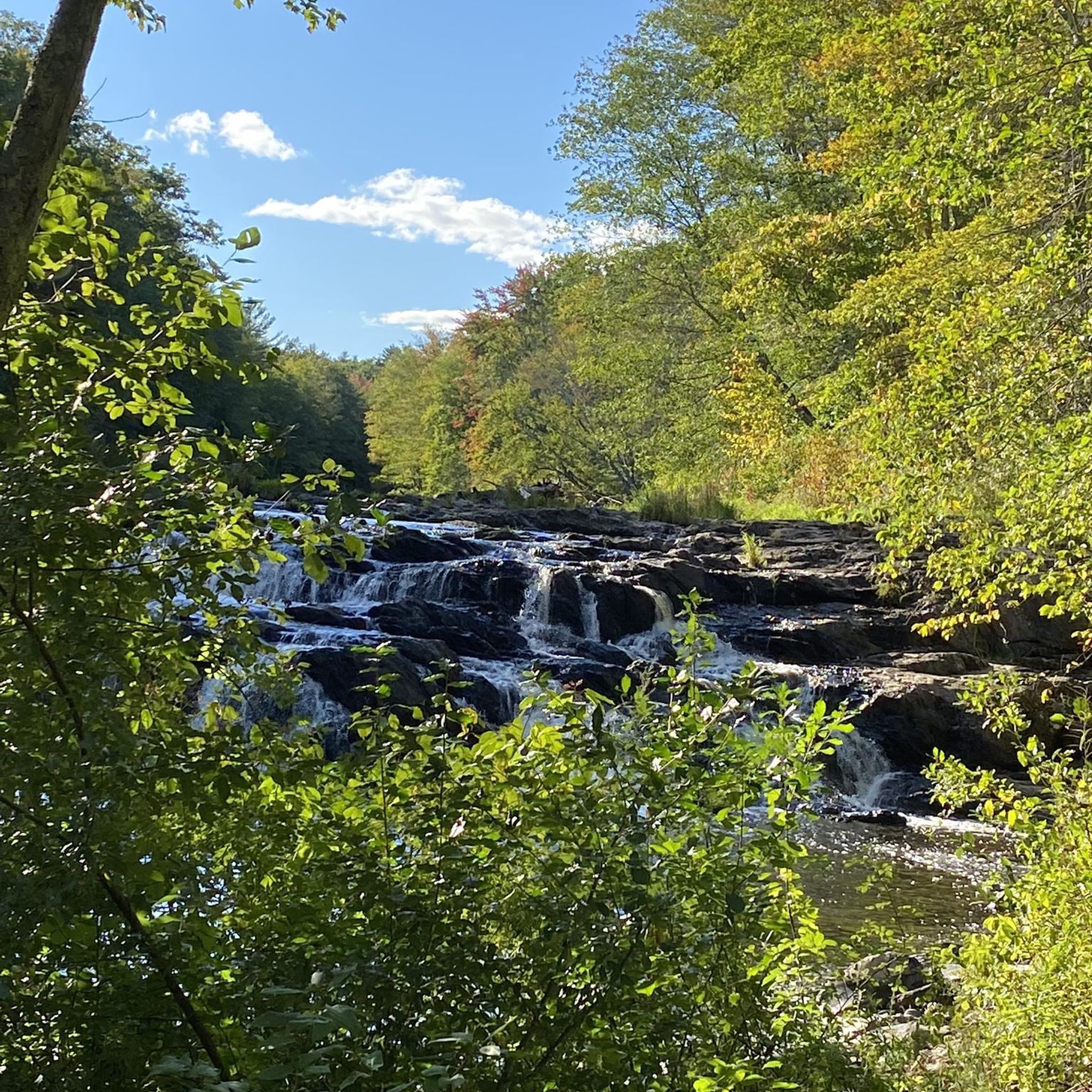
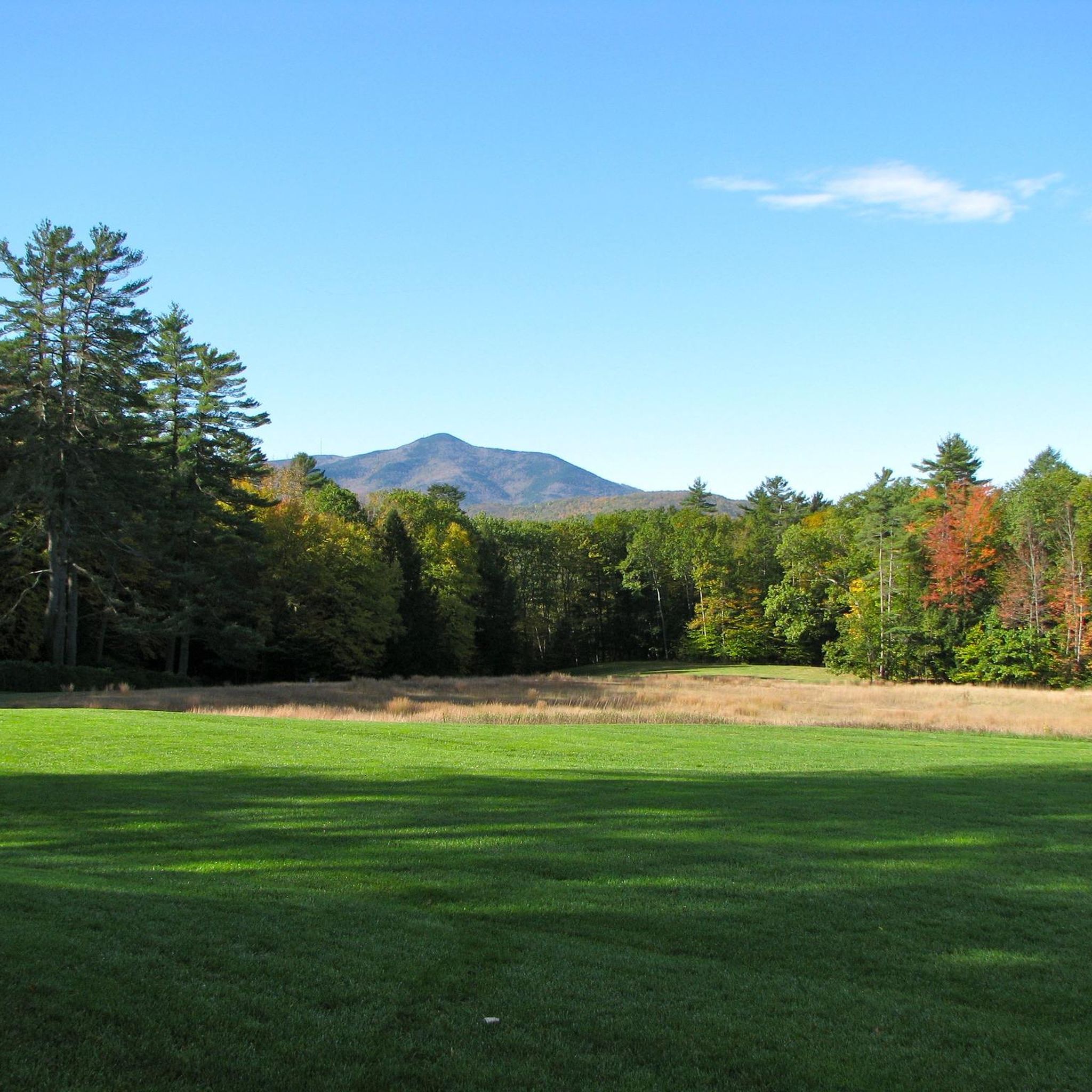
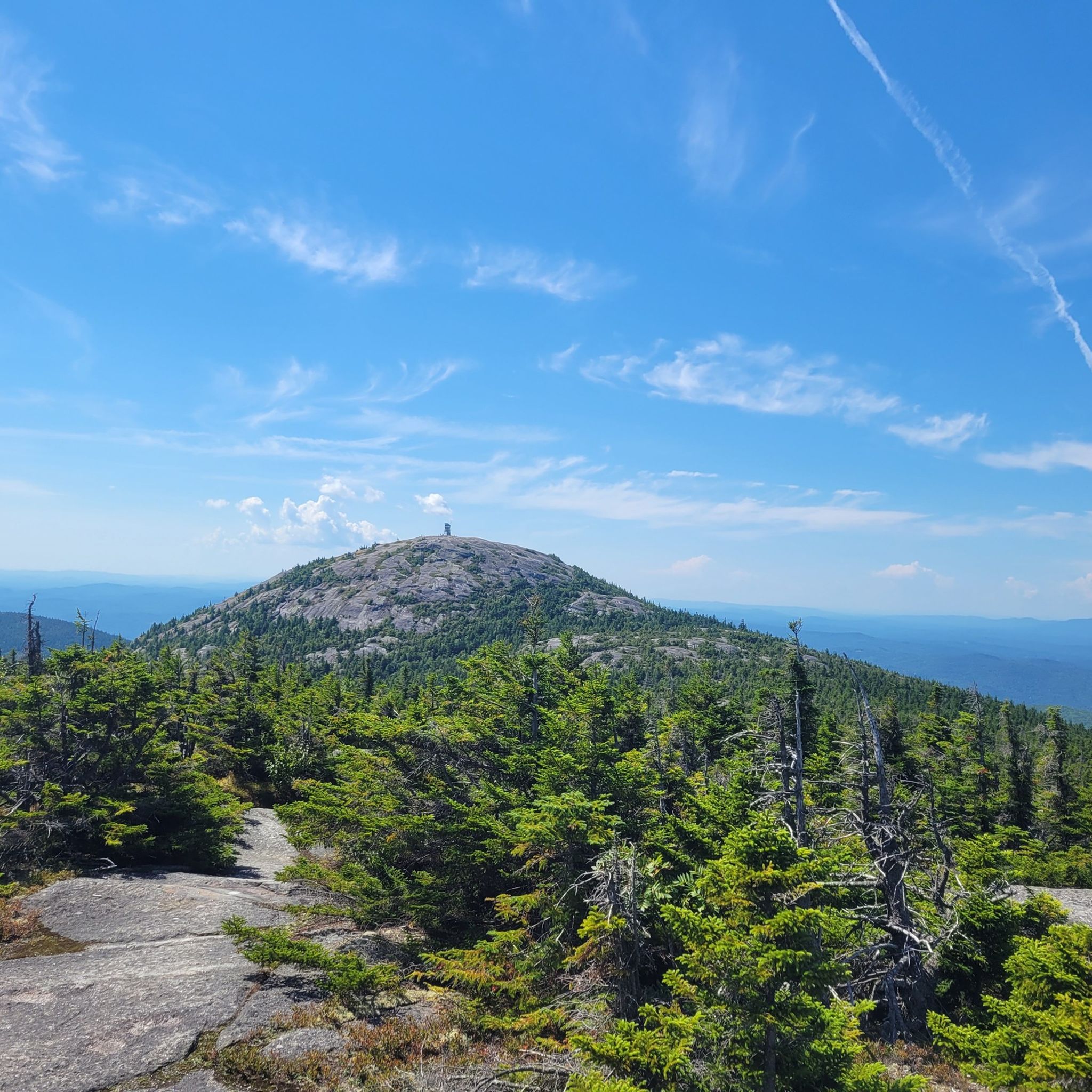
Hiking in New Hampshire is characterized by its diverse and rugged landscapes, featuring prominent mountain ranges, extensive forests, and numerous natural attractions. The state is dominated by the White Mountains in the north, home to the Presidential Range, and includes the solitary rise of Mount Monadnock in the southwest. Trails often traverse dense woodlands, ascend to alpine ridges, and follow rivers or pass by waterfalls and lakes. The varied terrain provides a wide range of hiking experiences across different elevations and environments.
Last updated: April 29, 2026
4.9
(31)
809
hikers
13.6km
06:54
1,070m
1,050m
Embark on the Franconia Ridge Loop, a difficult 8.4 miles (13.6 km) hiking route that challenges you with 3499 feet (1067 metres) of elevation gain. This demanding journey typically takes around 6 hours and 54 minutes to complete. As you ascend, you'll experience diverse terrain, from forested paths to exposed ridge lines. The highlight is undoubtedly the Franconia Ridge Trail, where you'll walk above the treeline, enjoying continuous 360-degree panoramic views of the White Mountains. You'll traverse the summits of Little Haystack Mountain, Mount Lincoln, and Mount Lafayette, feeling the vastness of the landscape around you.
Planning your hike on the Franconia Ridge Loop requires careful consideration. This is a strenuous route, so it is not suitable for beginners; ensure you have prior experience with challenging mountain hikes. Parking at the trailhead can be very difficult, especially during busy seasons, so plan to arrive early in the morning to secure a spot. Always check the weather forecast before you go, as conditions can change quickly, particularly once you are above the treeline. Expect strong winds and cold temperatures at higher elevations, even during the summer months, and pack appropriate layers.
This iconic loop is renowned for its dramatic ridge walk, connecting three prominent peaks in Franconia Notch State Park. Beyond the exposed ridge, the route also features the picturesque waterfalls along the Falling Waters Trail, adding another layer of natural beauty to your adventure. You'll also find rewarding vistas from the Old Bridle Path, which guides you towards the AMC Greenleaf Hut, offering a glimpse into the region's hiking infrastructure. The combination of challenging ascents, alpine exposure, and stunning scenery makes this a truly memorable White Mountains experience.
4.9
(28)
320
hikers
6.72km
02:38
490m
500m
Embark on the Welch-Dickey Loop Trail for a moderate hike that delivers expansive mountain views without extreme elevation. This 4.2-mile (6.7 km) route features diverse terrain, including rocky paths and significant sections of bare granite, especially as you ascend towards Dickey Mountain. You will gain 1608 feet (490 metres) in elevation over approximately 2 hours and 38 minutes, encountering open ledges and some rock scrambles in the upper sections. From these vantage points, you can enjoy panoramic vistas stretching across the Sandwich Range, Franconia Notch, and the southern White Mountains. The experience offers a rewarding blend of challenge and scenery.
Before you set out, be aware that the trail's difficulty can increase if conditions are wet or icy, particularly on the steep granite sections; always check the weather beforehand. While generally considered family-friendly on dry days, the rock scrambles do require careful footing. For parking, head directly to the designated trailhead. Many hikers find it easier to navigate the smooth ledges by hiking the loop counter-clockwise, ascending Welch Mountain first.
This classic New England loop is renowned for its unique terrain and extensive views, making it a standout in the White Mountain National Forest. The trail is known for providing big mountain views at a lower elevation compared to some of the region's higher peaks. Its combination of open ledges and varied surfaces offers a distinct hiking experience that draws many visitors to the area.

Sign up for free
5.0
(8)
159
hikers
8.16km
03:26
420m
420m
Embark on the Mount Morgan and Mount Percival Loop, a difficult 5.1 miles (8.2 km) hike that offers an engaging journey through hardwood and pine forests. You will ascend 1367 feet (417 metres) over approximately 3 hours and 26 minutes, encountering extensive panoramic views from both summits. The route is famous for its interactive elements, including optional ladders on Mount Morgan and unique rock scrambles and tight passages on Mount Percival, providing gorgeous vistas of Squam Lake and Lake Winnipesaukee. You might even catch glimpses of the distant White Mountains.
This popular trail can get busy, especially on weekends, so plan to arrive early to secure parking. Be aware that trails maintained by the Squam Lakes Association, including parts of this loop, are closed annually for mud season, typically for at least a month after snowmelt. Always check for current conditions before you go to ensure a smooth visit. Planning your trip during off-peak times can enhance your experience.
The Mount Morgan and Mount Percival Loop is a highlight within the Squam Lakes Association Trail System, known for its adventurous character. The interactive features, such as the ladders and rock scrambles, set this route apart, offering a memorable experience beyond a typical forest walk. This makes it a notable choice for hikers seeking both scenic beauty and a bit of a challenge in the region.
4.4
(7)
92
hikers
17.5km
07:49
1,200m
1,200m
Embark on the North Kinsman, South Peak and Cannon Balls Loop Trail for a challenging hike through Franconia Notch State Park. This difficult 10.9-mile (17.5 km) route demands a good fitness level, with rocky and steep sections as you ascend 3934 feet (1199 metres). You can expect to spend around 7 hours and 48 minutes navigating the diverse terrain. Your efforts will be rewarded with spectacular 180-degree views from North Kinsman, looking out over Cannon Mountain, South Kinsman Mountain, and the Franconia Ridge. Along the way, you will also pass by the serene Lonesome Lake, adding scenic overlooks to your journey.
Prepare for a strenuous outing on this difficult loop, which features significant elevation changes. You should be ready for potentially muddy or icy conditions, particularly around the Cannon Balls section of the trail. If you plan to hike in colder months, microspikes or snowshoes are essential due to the presence of ice and snow. Parking is conveniently located at Lafayette Place Campground, which serves as a popular starting point for many trails in the area. Ensure you arrive early, especially on weekends, as this trailhead can fill up quickly.
This challenging loop is a prime example of the rugged beauty found within Franconia Notch State Park. It offers a strenuous workout that appeals to experienced hikers seeking a rewarding adventure in the White Mountains. The trail's diverse and often difficult terrain, combined with its impressive scenery, makes it a notable option for those looking to push their limits. You will find yourself immersed in the natural environment, far from the everyday hustle.
4.9
(56)
641
hikers
3.57km
01:06
120m
120m
Embark on an easy hike along the Flume Gorge Trail, a 2.2-mile (3.6 km) loop that takes about 1 hour and 5 minutes to complete. You will gain 387 feet (118 metres) as you explore a unique granite chasm. The trail leads you through dense forest, where you can walk on boardwalks directly above rushing water within the gorge. Look out for impressive waterfalls like Avalanche Falls and the charming Pemigawasset Covered Bridge, adding to the scenic beauty of this route.
Plan your visit to the Flume Gorge Trail between May and October, as the route is typically open during these months. Be aware that the boardwalks inside the gorge can become slippery, especially after rain. Due to stairs and varied terrain, this trail is not suitable for strollers or wheelchairs. Check the official park website for current operating hours and any required entry fees before you go.
This popular loop offers a unique experience through a natural granite gorge, showcasing a diverse landscape filled with natural wonders. Beyond the gorge itself, you will discover unique rock formations and lush vegetation that thrive in the forest environment. The trail provides a memorable journey into the geological features of Franconia Notch State Park.
5.0
(3)
101
hikers
6.27km
03:39
620m
620m
Embark on the Cannon Mountain via Kinsman Ridge Trail for a direct, yet challenging, hike to a 4,000-foot peak. This route covers 3.9 miles (6.3 km) with a significant elevation gain of 2046 feet (623 metres), leading you through constantly rough and rocky terrain. You can expect very steep sections and areas of loose gravel as you ascend, making it a moderate climb that typically takes around 3 hours and 39 minutes to complete. The effort is well rewarded with expansive views from the summit, allowing you to see across Franconia Notch and the distant Great North Woods.
When planning your visit, be aware that while this is one of the quicker ways to reach a 4,000-foot peak, its steep and unyielding ascent means it is often considered a very hard hike. Parking is generally available at the trailhead, but always check conditions before you go. In winter or icy conditions, the descent can be particularly challenging, so you will need appropriate traction gear to stay safe. Always prepare for a demanding experience on this trail.
Cannon Mountain is a prominent feature in Franconia Notch State Park, offering a unique opportunity to experience New Hampshire's iconic White Mountains. From the summit, you can enjoy spectacular 360-degree panoramic views that include the Franconia Range and Echo Lake. This trail provides a memorable journey into the heart of the region's natural beauty, showcasing wide vistas across the landscape.
5.0
(5)
100
hikers
6.46km
03:22
1,280m
0m
Prepare for a difficult hike up Mount Washington via the Tuckerman Ravine Trail, a challenging ascent covering 4.0 miles (6.5 km). You will gain a significant 4202 feet (1281 metres) in elevation, with an estimated duration of 3 hours and 21 minutes to reach the summit. The route begins with pleasant woodland views, passing the picturesque Crystal Cascade waterfall, before the terrain changes dramatically. As you climb, you will enter the impressive Tuckerman Ravine, navigating over boulders on the headwall for increasingly spectacular views above the treeline.
Planning your visit requires careful attention to Mount Washington's famously unpredictable weather. The trail starts at the Appalachian Mountain Club (AMC) Pinkham Notch Visitor Center; it is wise to check current conditions there before you begin. In winter and spring, the Tuckerman Ravine headwall can be impassable and closed due to snow, ice, and avalanche hazards, often requiring technical gear. Even during summer and fall, you should be ready for high winds, low visibility, and rapid temperature changes.
This iconic route is one of the most popular ways to reach the summit from the east side, located within the White Mountain National Forest. While the summit can offer expansive views, be prepared for it to be frequently shrouded in fog and clouds. The dramatic changes in terrain and climate make this a notable experience for those seeking a true mountain challenge.
4.5
(2)
88
hikers
25.2km
10:45
1,740m
1,280m
Embark on the Mount Whiteface and Passaconaway Loop, a difficult hiking adventure spanning 15.7 miles (25.2 km) with a significant 5709 feet (1740 metres) of elevation gain. This challenging route typically takes around 10 hours and 44 minutes to complete. While the summits are mostly forested, you will discover rewarding panoramic vistas from various ledges along the way. Look for expansive southern views from the Whiteface Ledges, offering glimpses of Lake Winnipesaukee and Gunstock Mountain. The trail also guides you through serene coniferous forests and along wooded ridges.
Prepare for a demanding day on this loop, which features steep ascents and varied terrain, including sections requiring rock scrambling, particularly on the Blueberry Ledge Trail. Parking lots, especially at the Ferncroft Trailhead, can fill up early on weekends, so plan to arrive with plenty of time. This route is not recommended for beginner hikers due to its difficulty. However, it is dog-friendly, though some of the scrambles might be tricky for certain dogs.
This challenging loop is nestled within New Hampshire's Sandwich Range Wilderness, offering a true test of endurance and skill. The significant elevation gain is often rewarded with distant views of Mount Washington and the Presidential Range on clear days. It is a demanding journey that provides a deep immersion into the rugged beauty of the region.
4.5
(2)
80
hikers
12.5km
05:54
940m
650m
Embark on the challenging Mount Tom, Field, Willey, and Avalon Loop, a difficult 7.8 miles (12.5 km) hike that typically takes 5 hours and 54 minutes. You will ascend a significant 3077 feet (938 metres) through varied terrain, typical of the White Mountains, featuring rocky and rooty sections. While Mount Tom and Mount Field offer mostly wooded summits, the highlight is Mount Avalon, which rewards your effort with exceptional panoramic views of Crawford Notch and Mount Washington. Along the lower Avalon Trail, you can also discover the beauty of Beecher Cascade and Pearl Cascade, adding visual interest to your journey.
The trailhead for this loop is easily accessible from either the Crawford Notch Visitor Center or Crawford Depot, offering convenient starting points. This difficult route is viable year-round, but be aware that conditions change significantly with the seasons. If you plan to hike during winter months, you should be prepared for potentially icy sections. Make sure to bring appropriate gear such as microspikes or snowshoes to ensure your safety and enjoyment on the trail.
This loop is situated within Crawford Notch State Park, a region known for its rugged beauty and diverse landscapes. The path between Field and Willey guides you through a dense, scenic forest, showcasing the natural environment of the White Mountains. The varied terrain and multiple summit experiences make this a notable and rewarding hike for experienced adventurers seeking a comprehensive tour of the area's peaks and waterfalls.
5.0
(4)
18
hikers
8.62km
02:48
340m
350m
Embark on a moderate hiking adventure that combines lakeside tranquility with dramatic mountain views. This 5.4-mile (8.6 km) route, with an elevation gain of 1100 feet (335 metres), takes you past Echo Lake, up to Cathedral Ledge, and through the scenic Diana's Baths. You can expect to complete this diverse journey in about 2 hours and 47 minutes, experiencing varied terrain and rewarding vistas throughout.
When planning your visit, be aware that parking can be challenging, especially at Diana's Baths during peak summer days, and a daily parking fee is required there. If you hike in winter, the trail to Diana's Baths can become very icy, so microspikes are highly recommended for your safety. An auto road also provides an alternative way to reach the summit of Cathedral Ledge if you prefer to drive up for the views.
This route offers a unique blend of natural features, from the serene waters of Echo Lake to the imposing granite faces of Cathedral Ledge and Whitehorse Ledge. From the top of Cathedral Ledge, you will find expansive views across the Saco River Valley, looking down at Echo Lake and out to the distant White Mountains. Further along, Diana's Baths captivates with its series of cascading waterfalls and natural pools nestled within a beautiful wooded area.
Get access to more routes and recommendations from other explorers.
Sign up for free
Already have an account?
Our route recommendations are based on thousands of hikes, rides, and runs completed by other people on komoot.
Start today with a free account
Your next adventure awaits.
Login or Signup
At this point in your hike you'll be treated to spectacular, panoramic views of Mount Lafayette to your left, and Mount Lincoln on your right.
0
0
At this point in your hike you'll start to catch sight of Lonesome Lake, and it's incredible natural scenery.
0
0
Lonesome Lake’s still waters reflect the surrounding peaks, creating stunning photo opportunities, especially at sunrise or sunset. Pack a snack and relax on the boardwalk—it's the perfect spot for peaceful mountain views for a break during your hike.
0
0
From this point you can take in a lovely view of Mount Lafayette, with even more striking views on a clear day.
0
0
This is a great lookout over the parkway that traverses Franconia Notch, to your west.
0
0
Washington is the most prominent mountain in the eastern U.S. and an absolutely incredible peak to bag. This is easily one of the best summits in New England. It is also the most dangerous if you come unprepared, especially in the winter. Washington creates its own rapidly changing weather system and is known for being the deadliest small mountain in the world. The second-fastest wind speed on earth was recorded here at over 230mph. That said, a quarter million people visit Washington every year, and if you come prepared and respect the mountain you have nothing to fear and are guaranteed to have an epic summit.
0
0
The Old Bridle path is one of the more famous trails in Franconia Notch in the White Mountains of New Hampshire. This steep, strenuous trail is the most popular route to the summit of Mount Lafayette, and also leads to the AMC Greenleaf Hut. It is also often completed as part of a large, but amazing loop that includes the Falling Waters Trail up to the ridge where you summit Little Haystack, Mount Lincoln, and Lafayette, before heading down the Old Bridle Path.
0
0
New Hampshire boasts over 1,000 hiking routes recorded on komoot, catering to all skill levels. You'll find approximately 390 easy trails, 460 moderate routes, and over 210 challenging hikes across the state.
Hiking in New Hampshire ranges from easy, family-friendly strolls to strenuous multi-day treks. The White Mountains offer some of the most challenging terrain, including sections above treeline, while areas like Franconia Notch State Park provide easier, accessible loops. Trails are generally well-maintained, but conditions can vary significantly with elevation and season.
Yes, New Hampshire has many family-friendly options. The Sentinel Pine Bridge via Flume Gorge Trail loop in Franconia Notch State Park is an easy loop exploring the Flume Gorge with its boardwalks and cascades, perfect for families. Another great choice is the Coliseum Falls & Arethusa Falls trail, an easy route to one of New Hampshire's best waterfalls.
New Hampshire's trails lead to diverse natural attractions. You can discover stunning waterfalls like Arethusa Falls and Glen Ellis Falls, explore dramatic mountain passes like Franconia Notch and Crawford Notch, or reach panoramic summits such as Mount Washington and Mount Monadnock. Many trails also border serene lakes and rivers.
Absolutely. The White Mountains offer several excellent loop trails. The Welch-Dickey Loop Trail is a popular moderate option, providing great views. For a more challenging experience, consider the Mount Moosilauke and South Peak loop, or the demanding Mount Washington via the Ammonoosuc Ravine & Jewell Trail loop.
New Hampshire offers hiking opportunities year-round, but the best time depends on your preference. Summer provides warm weather for high-altitude treks. Autumn is renowned for its spectacular fall foliage, making it a very popular time. Spring can be muddy with melting snow, while winter offers unique snowshoeing and ice climbing experiences, especially in the White Mountains.
Yes, New Hampshire is home to some very challenging trails. The Mount Washington via the Tuckerman Ravine Trail is an 8-mile, difficult ascent to the highest peak in the Northeast. The Appalachian Trail also passes through New Hampshire, offering arduous sections, particularly in the White Mountains, known for significant mileage above treeline.
The komoot community highly rates hiking in New Hampshire, with an average score of 4.7 stars from over 1,200 reviews. Hikers frequently praise the diverse and rugged landscapes, the stunning views from mountain summits, and the variety of trails that cater to all abilities, from gentle walks to challenging alpine ridge traverses.
Yes, New Hampshire's diverse ecosystems provide opportunities for wildlife spotting. Trails through areas like the Great Bay National Wildlife Refuge or Pondicherry Wildlife Sanctuary are excellent for observing local flora and fauna. In the White Mountains, you might spot moose, deer, or various bird species, especially during quieter times of the day.
Generally, permits are not required for day hiking on most trails in New Hampshire's state parks or the White Mountain National Forest. However, some specific areas or overnight backcountry camping may require fees or permits. It's always best to check with the specific park or forest service for the most current regulations before your trip.
While many trailheads, especially in the White Mountains, are best accessed by car, some areas do have limited public transport options or shuttle services during peak seasons. For example, some services operate in the Franconia Notch and Crawford Notch areas. For detailed information on public transport to specific trailheads, it's advisable to check local transit authority websites or regional visitor centers.
Yes, New Hampshire offers easy hikes with rewarding views. The Mount Willard Trail in the White Mountain National Forest is a moderate path that leads to a scenic viewpoint overlooking Crawford Notch. Another easy option is Bald Mountain via Artist's Bluff and Loop Trail in Franconia Notch State Park, offering beautiful vistas with minimal effort.


Check out more Hikes throughout New Hampshire below and find the perfect route in your destination.
Browse the best Hikes in other regions.