The best family-friendly hikes and walks in Haleakala National Park
4.7
(300)
3,884
hikers
18
hikes
Family friendly hiking trails in Haleakala National Park traverse a landscape defined by dramatic elevation changes, from volcanic summit districts to lush coastal rainforests. The park features a vast volcanic crater with cinder cones and desert-like terrain, contrasting with verdant areas of dense bamboo forests and cascading waterfalls. This diverse geography offers a variety of outdoor experiences, including trails through unique ecological zones.
Best family friendly hiking trails in Haleakala National Park
- The most popular family friendly hiking route is…
Last updated: July 8, 2026
4.9
(130)
1,739
hikers
6.32km
01:55
230m
230m
Easy hike. Great for any fitness level. Easily-accessible paths. Suitable for all skill levels.
4.9
(35)
351
hikers
Moderate hike. Good fitness required. Easily-accessible paths. Suitable for all skill levels.

Sign up for free
4.9
(36)
342
hikers
6.86km
02:22
380m
380m
Moderate hike. Good fitness required. Easily-accessible paths. Suitable for all skill levels.
4.7
(3)
26
hikers
20.2km
06:08
680m
680m
Hard hike. Very good fitness required. Easily-accessible paths. Suitable for all skill levels.
4.8
(9)
168
hikers
5.78km
01:44
190m
190m
Easy hike. Great for any fitness level. Easily-accessible paths. Suitable for all skill levels.
Get access to more routes and recommendations from other explorers.
Sign up for free
Already have an account?
Our route recommendations are based on thousands of hikes, rides, and runs completed by other people on komoot.
Start today with a free account
Your next adventure awaits.
Login or Signup
Popular around Haleakala National Park



Tips from the Community

You shouldn't jump into the water from here, as you might hit your head on the rocks.
0
0

A remarkable natural spectacle, accessible via an easy hike, partly along wooden plank paths. Direct access is prohibited.
0
0

Actually a hiking trail, but it shouldn't stop you...start as early as possible!
1
0

This is a wonderful drive on an excellent road up to 3060 m altitude. We drove partly through clouds and short before the summit it cleared up and we got awarded with an outstanding view around the island.
0
0

Haleakalā's summit currently resides at 10,023 feet. It is believed that it once sat at 15k feet, but it is so heavy that the volcano is sinking into the earth's crust. Today, the volcano is 28,000 feet above the sea floor making it the THIRD tallest mountain on earth!
0
0

This majestic waterfall cascades down a sheer lava rock wall for 400 feet, creating a boulder-strewn pool at its base. It is one of the tallest waterfalls on Maui and boasts breathtaking views of the surrounding landscape. You will be greeted with mist, wind, and a vast jungle rock face that will leave a lasting impression. While you may be tempted to take a dip in the pool below, it's important to note that getting too close to the waterfall can be dangerous due to the risk of falling rocks from its 400-foot drop.
0
0
This trail leads into the crater of Haleakalā Volcano, also known as Keonehe'ehe'e. This most stunning route section offers panoramic views that defy the imagination. As you continue your run down the trail, be aware of the loose gravel, as it can cause loose rocks and sand to find their way into your shoes. The descent can also be deceiving, so watch your energy for the challenge back to the trailhead.
0
0
Split Rock is a large rock cut in half, and the Keonehe'ehe'e trail passes between the two parts. Here, the endangered Haleakala silverswords grow, and it's crucial to avoid touching them. These delicate 'ahinahina live for 3-90 years, producing a stunning flowering stalk before scattering their seeds. Park staff protect them by fencing out silversword-munching ungulates, removing non-native plants, and educating visitors to stay on trails and avoid stepping on fragile seedlings.
0
0
Frequently Asked Questions
How many family-friendly hiking trails are available in Haleakalā National Park?
Haleakalā National Park offers a variety of family-friendly hiking options. You'll find 18 routes in this guide, with 14 of them rated as easy, making them suitable for families.
What kind of terrain can families expect on the trails in Haleakalā National Park?
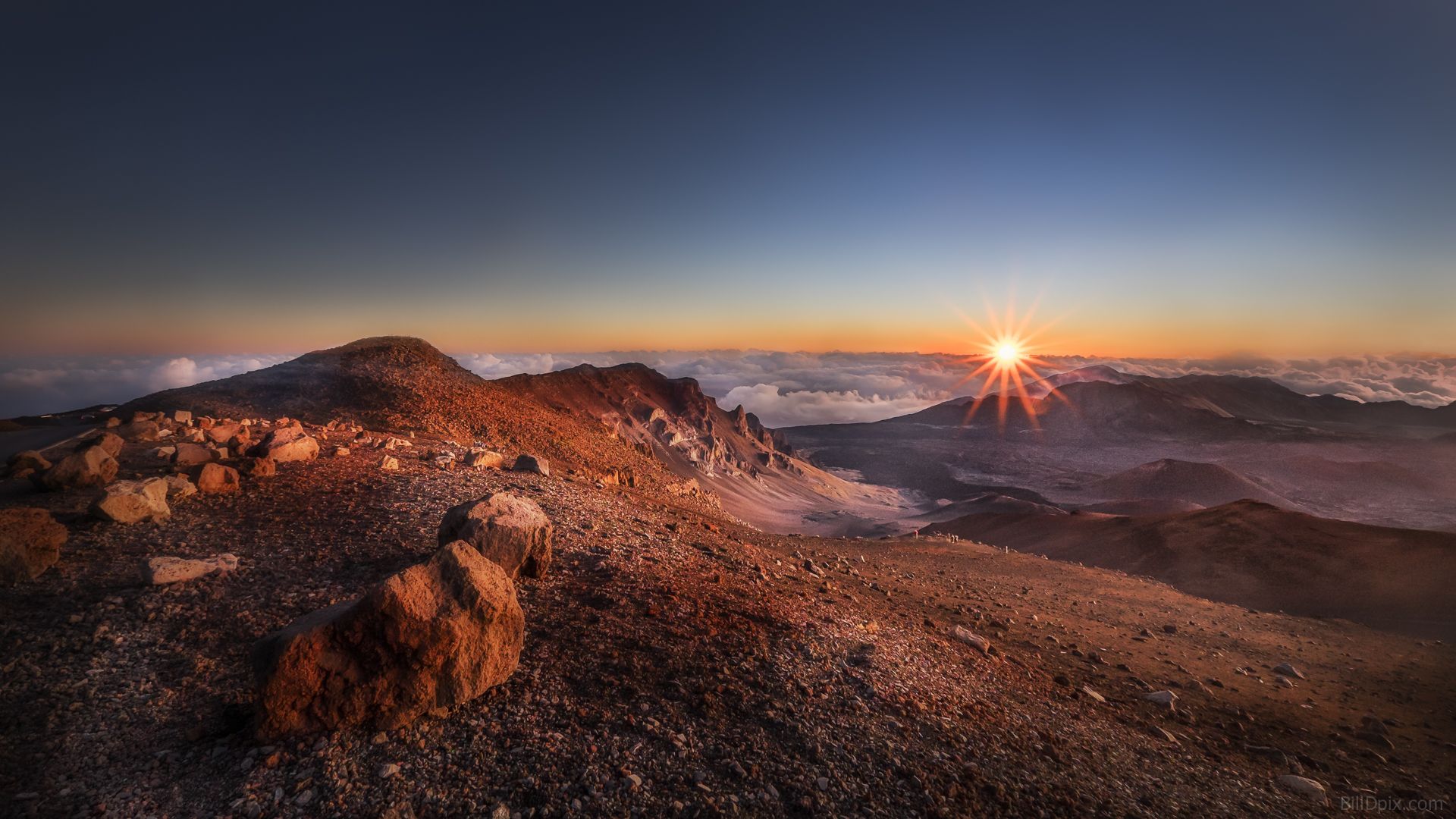
The park's terrain is incredibly diverse. In the Summit District, you'll encounter volcanic landscapes with cinder cones, resembling a Martian surface. Trails like the initial section of Pā Ka’oao Overlook and Keonehe’ehe’e (Shifting Sands) Trail offer these unique views. In contrast, the Kīpahulu District features lush rainforests with dense bamboo and cascading waterfalls, as seen on the Pīpīwai Trail.
Are there any trails suitable for families with very young children or beginners?
Yes, there are several easy trails perfect for young children or beginners. The Pīpīwai Trail in the Kīpahulu District is a popular choice, leading through a bamboo forest to a stunning waterfall. Another option is the Summit Building – Haleakalā Visitor Center loop, which offers accessible views near the summit.
What natural features or landmarks can we see along the family-friendly trails?
Haleakalā National Park is rich in unique natural features. You can explore the vast volcanic crater and cinder cones, enjoy panoramic views from Pā Ka'oao Overlook, or witness the dramatic Waimoku Falls in the lush Kīpahulu District. The park is also home to the rare 'āhinahina (silversword) plant.
Are there any trails with waterfalls that are suitable for families?
Absolutely! The Pīpīwai Trail in the Kīpahulu District is renowned for leading through a beautiful bamboo forest to the impressive Waimoku Falls, a highlight for many families.
What is the best time of year to visit Haleakalā National Park for family hiking?
Haleakalā National Park can be visited year-round, but conditions vary. The Kīpahulu District is generally warmer and wetter. The Summit District can be cold and windy at any time, especially at higher elevations. For comfortable hiking, spring and fall often offer milder temperatures. Always check the weather forecast before heading out.
What should we wear or bring for family hikes in Haleakalā National Park?
Due to significant elevation changes, weather can vary dramatically. It's best to dress in layers, even if starting in warm conditions. Bring sun protection (hat, sunscreen), plenty of water, snacks, and sturdy closed-toe shoes. For summit hikes, a warm jacket, gloves, and a hat are essential, especially for sunrise or sunset viewing.
Is parking available at the trailheads in Haleakalā National Park?
Yes, parking is generally available at designated trailheads and visitor centers. For popular spots like the summit, parking can fill up quickly, especially around sunrise. The Haleakalā Summit Parking and Restroom is a key parking area. It's advisable to arrive early, particularly during peak seasons.
Are dogs allowed on the hiking trails in Haleakalā National Park?
No, pets are generally not permitted on trails or in wilderness areas within Haleakalā National Park, with the exception of service animals. This rule helps protect the park's fragile ecosystem and unique wildlife. Pets are allowed in developed areas, parking lots, and on paved roads.
Are there any facilities or amenities near the family-friendly trails?
The park has visitor centers that offer restrooms, water, and information. The Haleakalā Visitor Center is a key facility. However, food services are limited within the park, so it's recommended to bring your own snacks and meals, especially for longer outings. There are no cafes or pubs directly on the trails.
What do other hikers say about family-friendly trails in Haleakalā National Park?
The komoot community highly rates the trails in Haleakalā National Park, with an average score of 4.8 stars from 275 ratings. Reviewers often praise the unique volcanic landscapes, the stunning views, and the lush beauty of the Kīpahulu District, highlighting the memorable experiences for families.
Are permits required for family hikes in Haleakalā National Park?
While general park entrance requires a fee, specific permits are needed for certain activities, such as wilderness camping. For day hikes on established trails, a separate hiking permit is typically not required. However, if you plan to visit the summit for sunrise, a reservation is mandatory. You can find more information on park regulations and permits on the official NPS website: nps.gov/hale.
Can we see unique wildlife or plants while hiking with family?
Yes, Haleakalā National Park is home to unique flora and fauna. In the Summit District, you might spot the rare 'āhinahina (silversword) plant. The Kīpahulu District's rainforests are vibrant with native birds. Remember to stay on marked trails and observe wildlife from a respectful distance to protect these delicate ecosystems.
Most popular routes in Haleakala National Park
Most popular attractions in Haleakala National Park

Get inspired with the komoot mobile app


Explore more
Browse the best Hikes in other regions.
