The best road cycling routes in Haleakala National Park
4.9
(5)
81
riders
9
rides
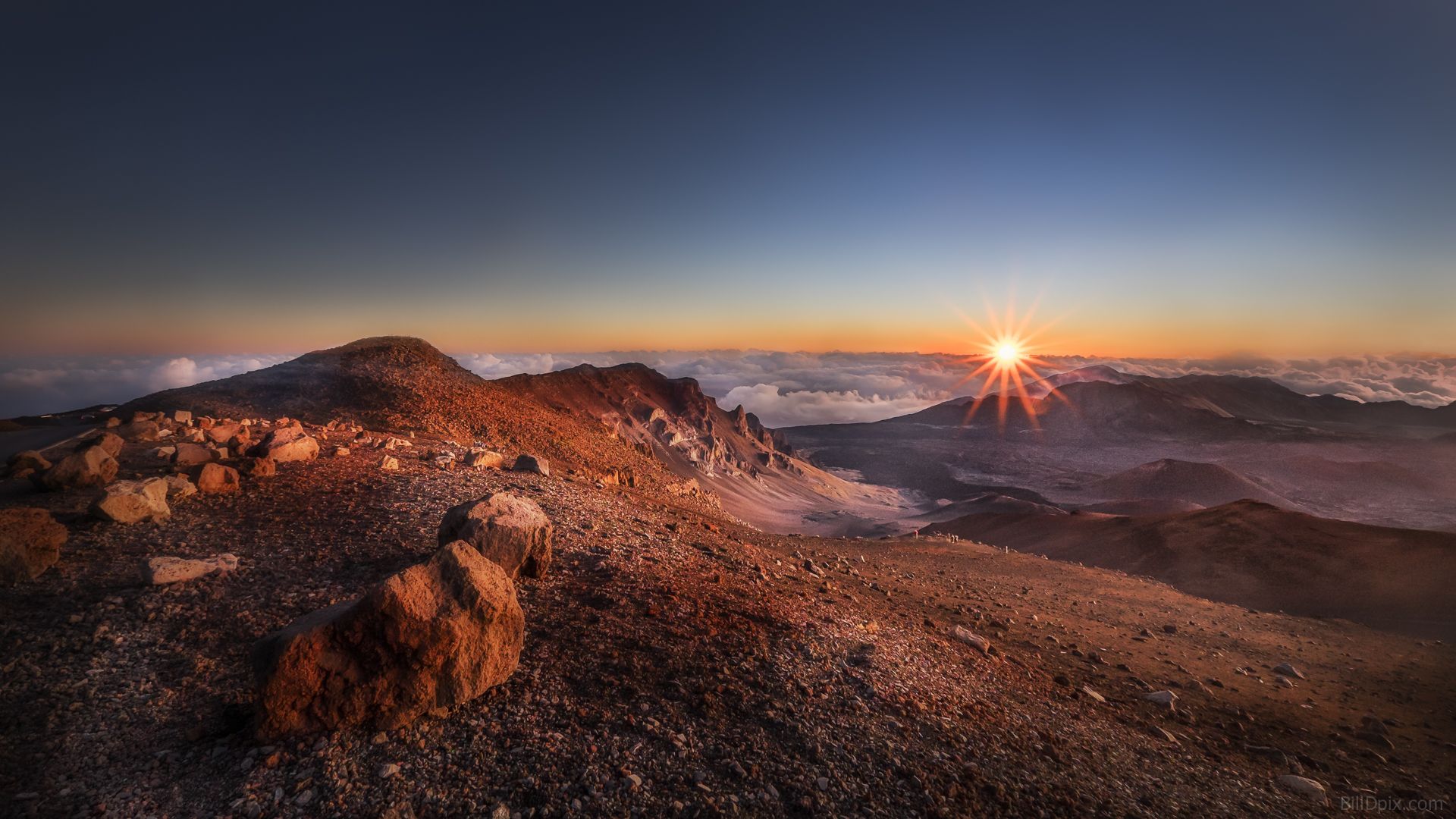
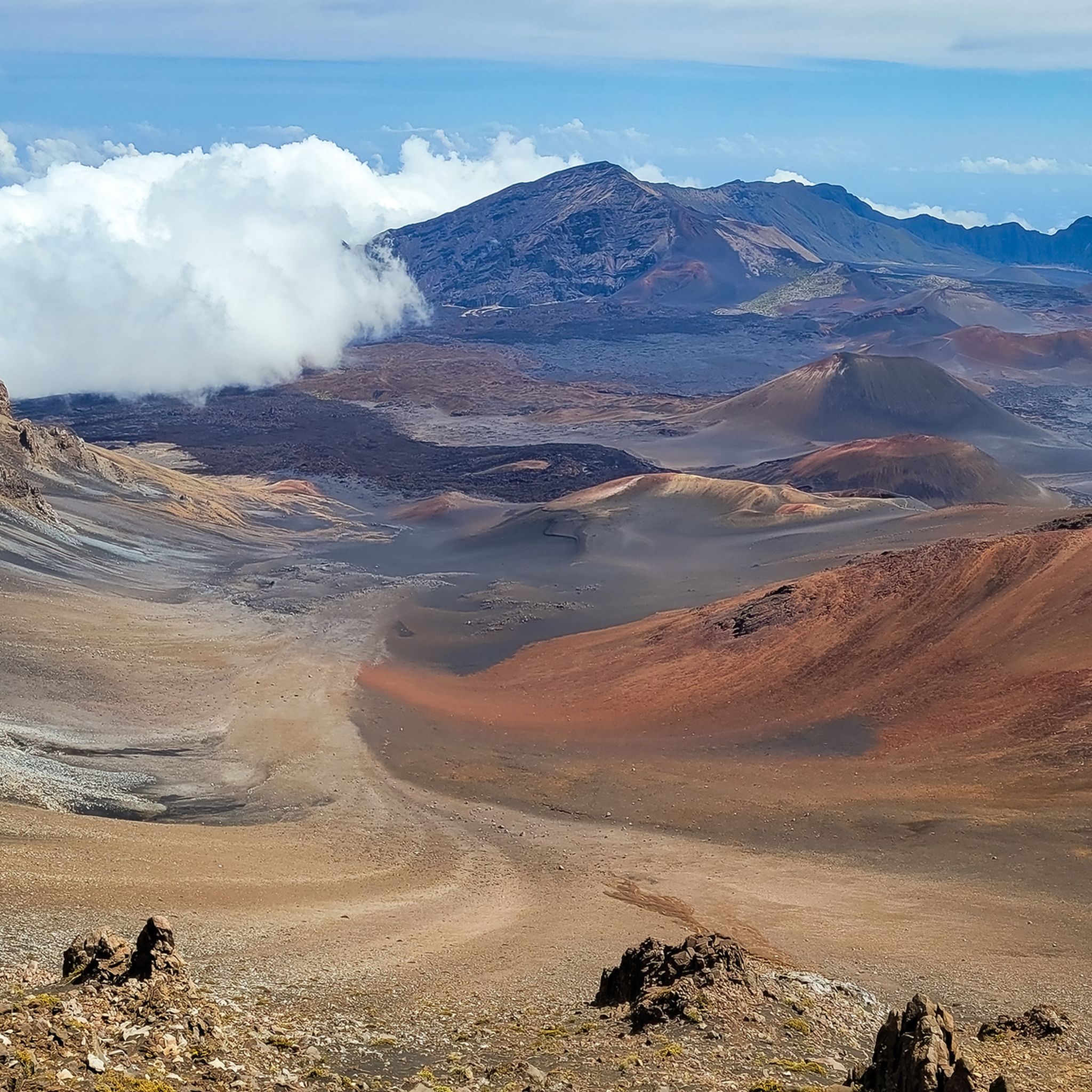
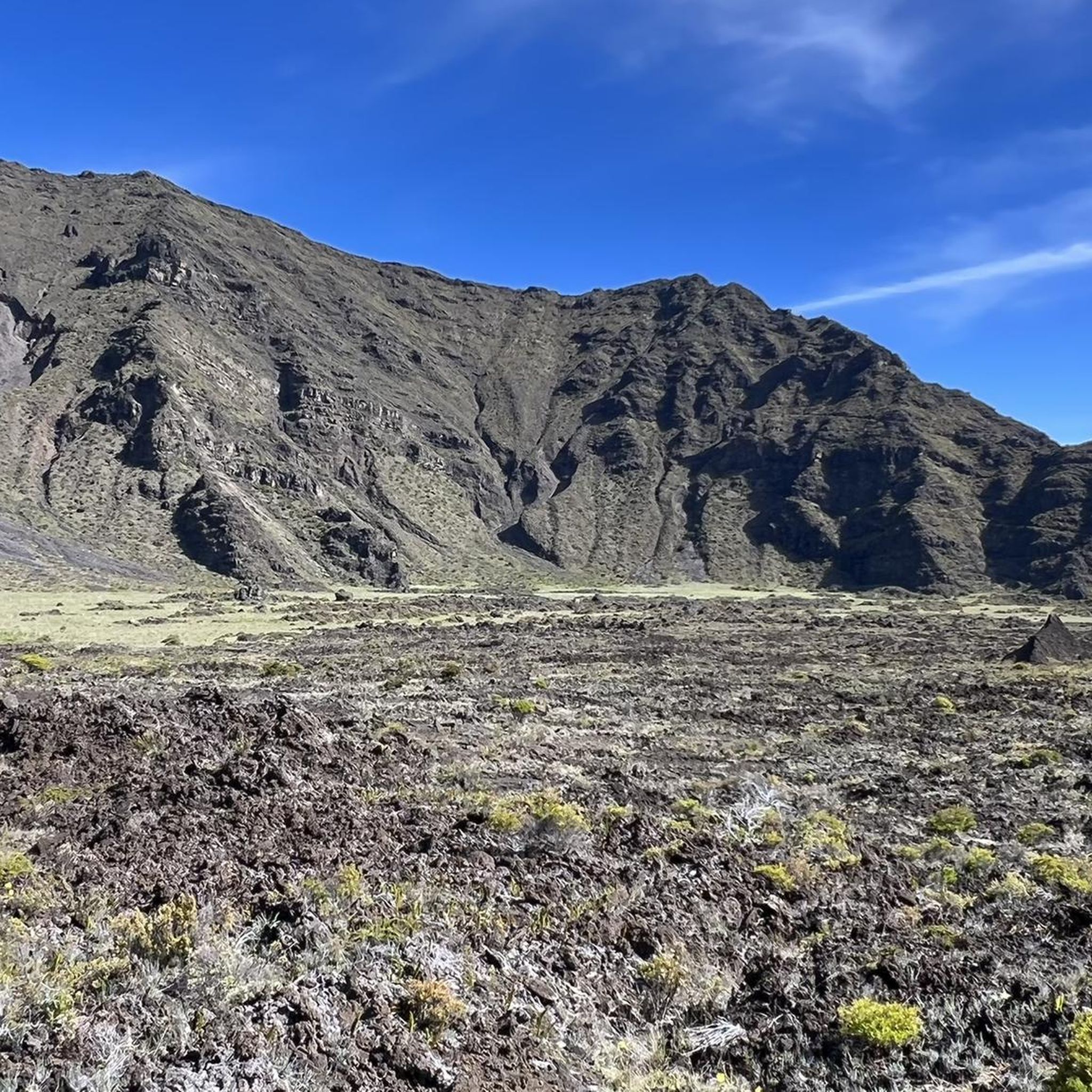
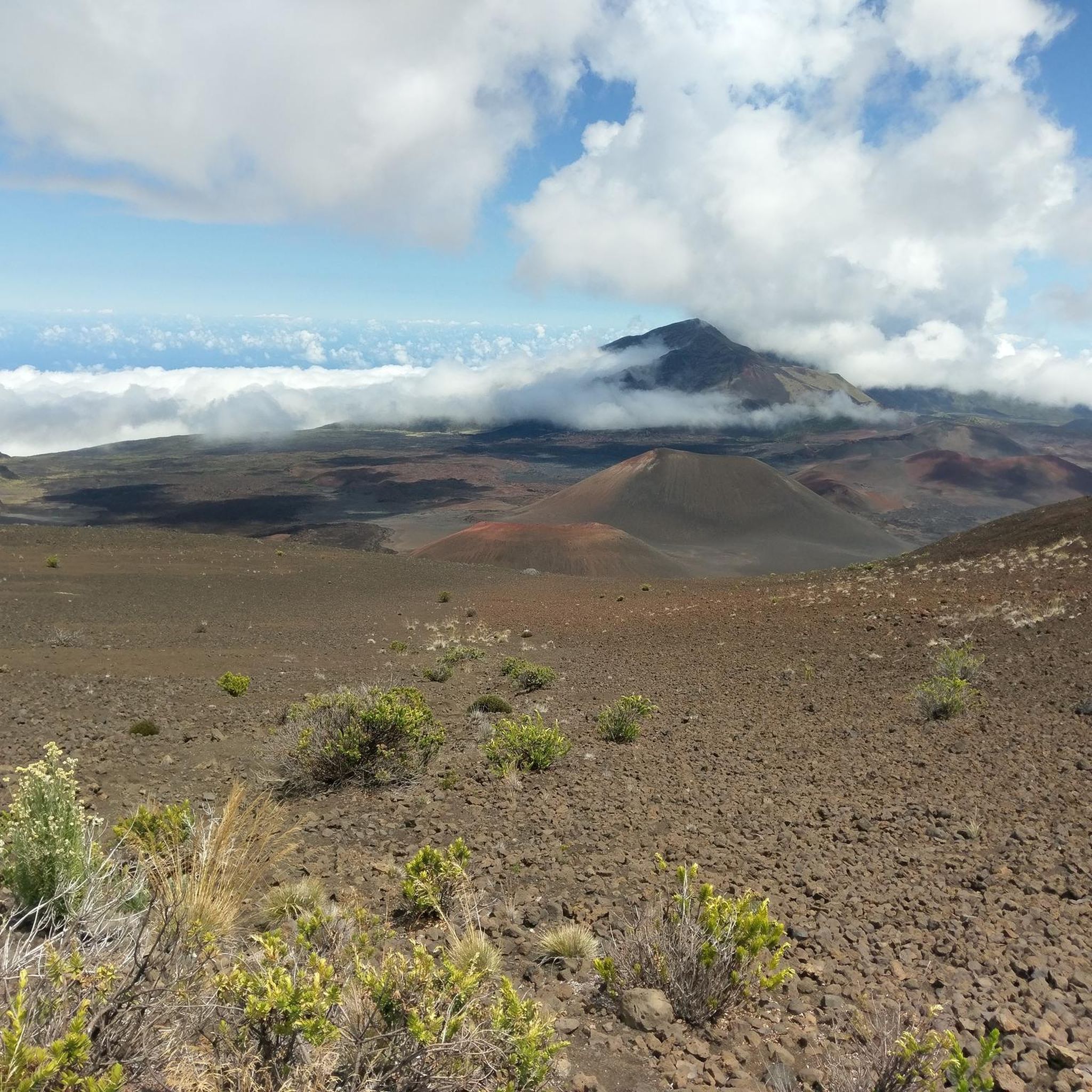
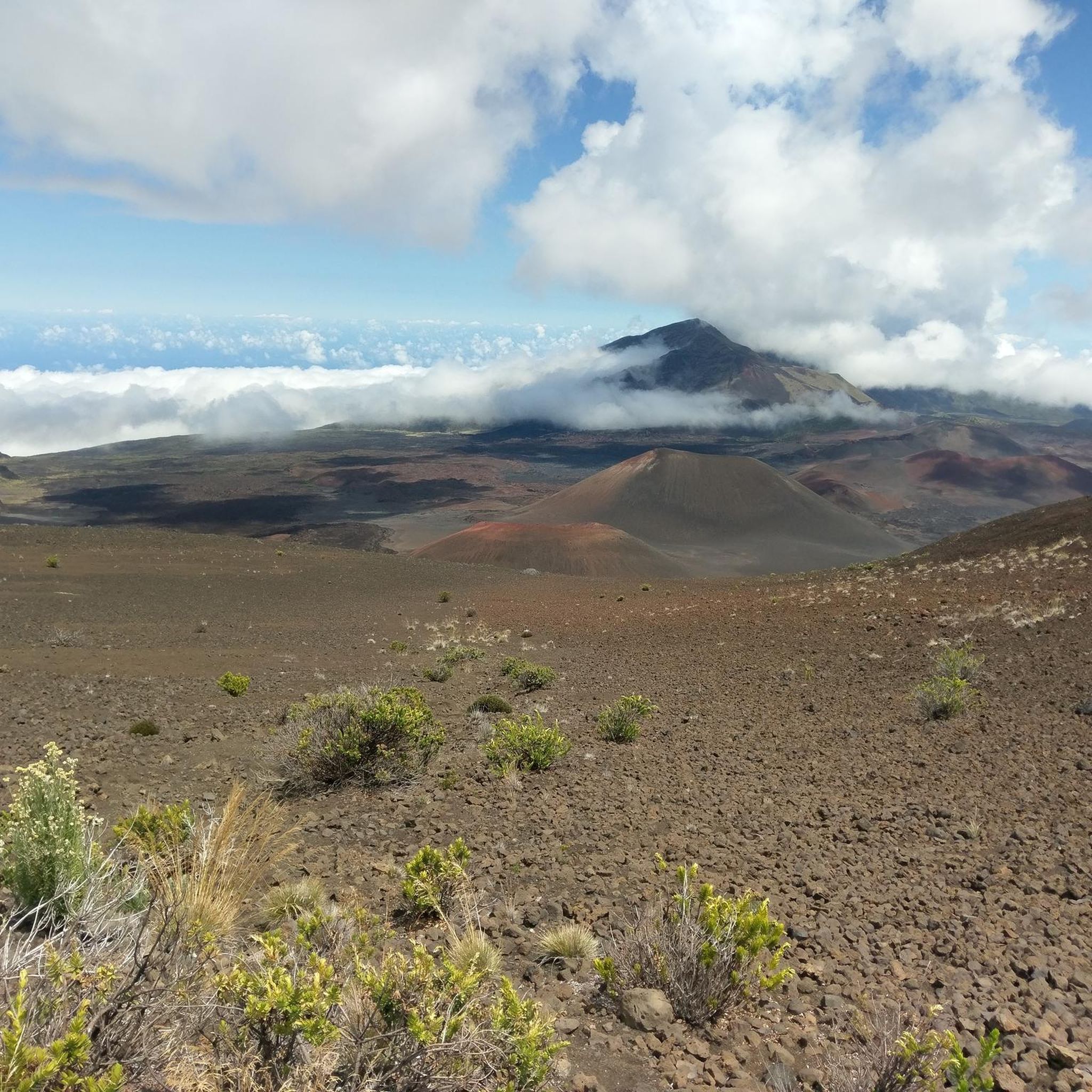
Road cycling in Haleakala National Park features diverse terrain, from coastal roads to high-elevation volcanic landscapes. The region is characterized by significant elevation changes, including challenging climbs up the dormant Haleakala volcano. Cyclists traverse varied environments, from lush coastal areas and upcountry ranchlands to arid, high-altitude slopes and the unique Haleakala Crater. These routes offer a range of road cycling experiences across five distinct climate zones.
Best road cycling routes in Haleakala National Park
- The most popular road cycling route…
Last updated: August 31, 2026
57.4km
05:20
1,200m
1,200m
Embark on a truly epic road cycling journey along Maui's eastern and southern coasts, combining the iconic Hana Highway with the wilder Piilani Highway. This difficult 35.7-mile (57.4 km) route…
23
riders
15.9km
01:06
510m
510m
Moderate road ride. Good fitness required. Mostly well-paved surfaces and easy to ride.

Sign up for free
5.0
(1)
16
riders
Hard road ride. Very good fitness required. Mostly well-paved surfaces and easy to ride.
8
riders
Moderate road ride. Good fitness required. Mostly well-paved surfaces and easy to ride.
10
riders
44.9km
02:54
1,380m
1,380m
Hard road ride. Very good fitness required. Mostly well-paved surfaces and easy to ride.
Get access to more routes and recommendations from other explorers.
Sign up for free
Already have an account?
Our route recommendations are based on thousands of hikes, rides, and runs completed by other people on komoot.
Start today with a free account
Your next adventure awaits.
Login or Signup
Popular around Haleakala National Park


Tips from the Community

reliable tips and info are available at the parking lot
0
0

Beautiful mountain ride through different zones of climate and vegetation. Perfect asphalt. Considerate drivers. 15 dollars entrance fee to the national park, even for cyclists.
0
0

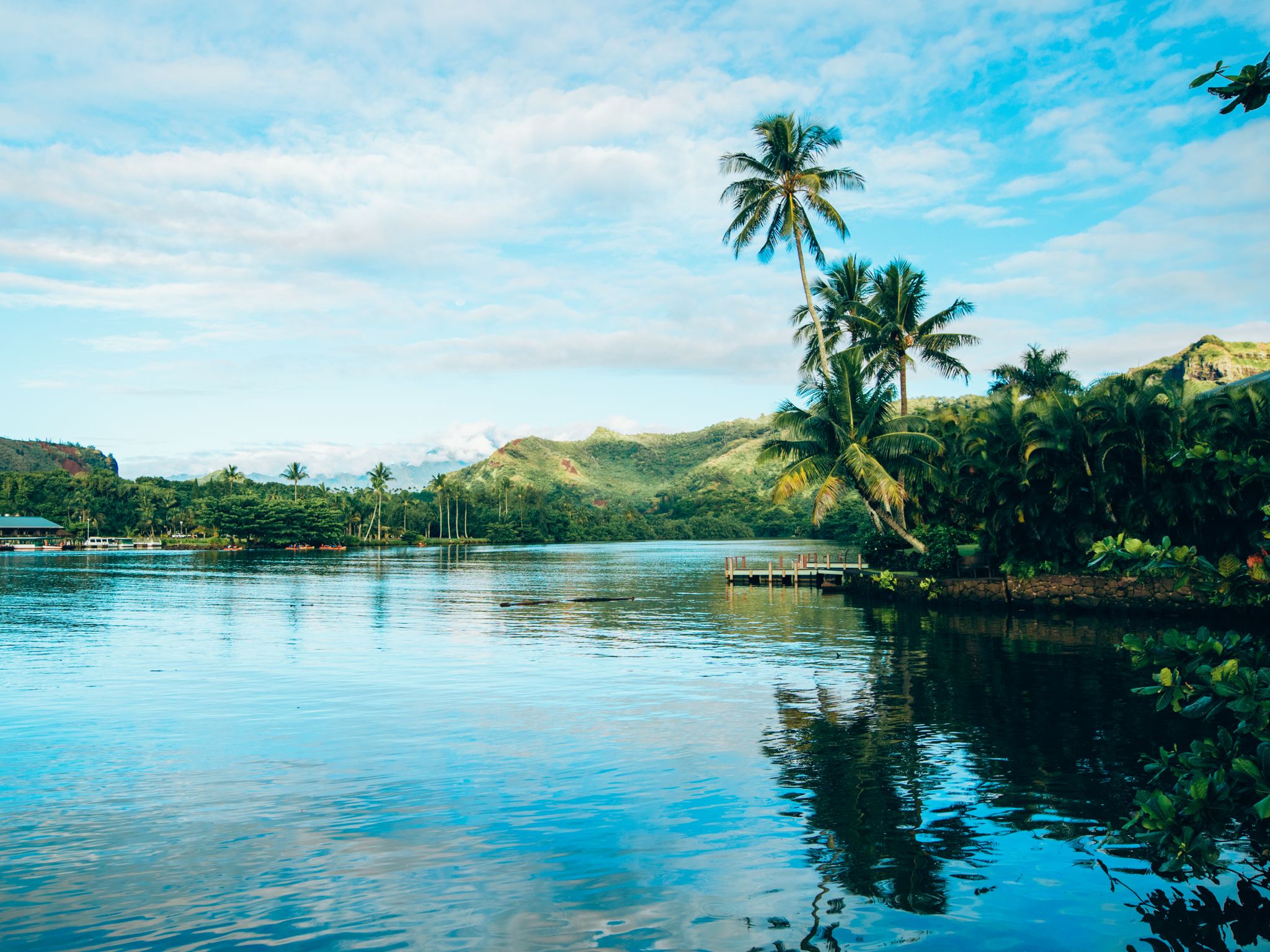
Kūloa Point overlooks the Alenuihāhā Channel. You can overlook dark black sand beaches as they are pounded by blue waters. Makahiku Falls looms overhead with its 200-foot tall cliffside.
0
0

Kūloa Point overlooks the Alenuihāhā Channel, which separates Maui from Hawaiʻi Island. On a clear day, you can see the island from the visitor deck, some thirty miles away. A trail runs along the point where you can take a self-guided tour of Kīpahulu to learn more about generations of the people's scared bond with their homeland and its importance.
0
0
Harold Park has all the usual park amenities including potable water, restrooms, picnic area, and a telephone. This elevated inland park has vast views of the countryside stretching all the way to the ocean. This would be a great wide-open spot to launch a drone and get some aerial photography.
0
0
Harold Park has all the usualy park ameniiies including potable water, restrooms, picnic area, and a telephone. This elevated inland park has vast views of the countryside stretching alle the way to the ocean. This would eb a great wide-open spot to launch a drone and get some ariel photography.
0
0
There is a $15 entrance fee per bicycle to enter the National Park, valid for three days. As of July 2023, cash is no longer accepted, so you'll need your credit card, or you can purchase a pass online through Recreation.gov.
0
0
This is the park entrance gate to the Haleakalā National Park. Standard fees range from $15-$30, but bikes are the lower $15 amount. The fee is valid for 3 days, so it gives you plenty of time to explore different parts of the park.
0
0
Frequently Asked Questions
What are the typical difficulty levels for road cycling routes in Haleakala National Park?
Road cycling in Haleakala National Park offers a range of difficulty levels. While many routes feature significant elevation changes, including challenging climbs up the dormant volcano, there are also options for different abilities. The park features 1 easy route, 1 moderate route, and 3 difficult routes, catering to various experience levels.
Are permits required for road cycling within Haleakala National Park?
Yes, a valid entrance pass is required to enter Haleakala National Park. Additionally, if you plan to enter the Summit District between 3:00 AM and 7:00 AM to view the sunrise, a separate sunrise reservation is mandatory and must be booked in advance.
Where can I find parking when planning a road cycling trip to the Haleakala summit?
For those cycling to the summit, parking is available at the Haleakalā Summit Parking and Restroom. This provides a convenient starting or ending point for your high-altitude ride.
Are there any road cycling routes in Haleakala National Park suitable for beginners?
Yes, there is an easy road cycling route available. The Roadbike loop from Maui County is a 9.8-mile (15.8 km) trail that leads through varied terrain and is often completed in under an hour, making it a good option for those new to road cycling in the area.
What are some challenging road cycling routes in Haleakala National Park?
For experienced road cyclists seeking a challenge, routes like Hana Highway to Piilani Highway offer significant elevation gain over 35.7 miles (57.4 km). Another demanding option is the Haleakalā National Park – Crater Road loop from Pukalani, which features over 1500 meters of ascent.
What is the best time of year to go road cycling in Haleakala National Park?
The best months for road cycling in Haleakala National Park are generally during the dry season, from April to October. During this period, you can expect more stable weather conditions and clearer skies, especially at higher elevations. However, weather can change rapidly at the summit, so always be prepared for varying conditions.
What kind of weather should I expect when road cycling to the Haleakala summit?
Weather at the Haleakala summit can be unpredictable and varies significantly with elevation. While lower slopes might be warm, the summit can be cold, windy, and even experience freezing temperatures, especially at sunrise or sunset. Clouds can also roll in quickly, reducing visibility. Always check the forecast before you go and pack layers.
What should I bring for a road bike trip to Haleakala National Park?
Given the significant elevation changes and potential for varied weather, it's crucial to bring layers of clothing, including a windproof and waterproof jacket. Sunscreen, sunglasses, plenty of water, high-energy snacks, and basic bike repair tools are also essential. For summit rides, consider warm gloves and a hat.
Are there any scenic overlooks or points of interest along the Haleakala road bike routes?
Yes, road cycling routes in Haleakala National Park offer numerous scenic overlooks. The Pā Ka'oao Overlook provides stunning views, and the Summit Building area itself offers panoramic vistas. You might also encounter unique geological features like Split Rock on the Keoneheʻeheʻe Trail, which is accessible from some routes.
Are there any road bike loop options in Haleakala National Park?
Yes, the park offers several loop options for road cyclists. A popular choice is the Roadbike loop from Pueo Drive/Kula Hwy, a moderate 13.7-mile (22.0 km) path winding through the lower slopes. For a longer, more challenging loop, consider the Hāmoa Beach – Piilani Highway Coastal Route loop from Maui County.
What do other road cyclists enjoy most about road cycling in Haleakala National Park?
The area is highly rated by the komoot community, with an average score of 4.5 stars. Reviewers often praise the unique experience of cycling through diverse terrain, from lush coastal areas to the high-altitude volcanic landscapes, and the challenge of the demanding ascents to the summit.
Most popular routes in Haleakala National Park
Most popular attractions in Haleakala National Park

Get inspired with the komoot mobile app


Explore more
Browse the best Road cycling routes in other regions.
