Top 20 Natural Monuments around Frankfurt am Main
Best natural monuments around Frankfurt am Main offer diverse natural experiences within an urban setting. Frankfurt am Main, a major German city, is situated on the Main River and is characterized by its blend of urban development and preserved natural heritage. The region features ancient trees, unique geological formations, and expansive green spaces, providing opportunities to connect with nature. These sites highlight the city's commitment to protecting its natural environment.
Best natural monuments around Frankfurt am Main
- The most popular natural monuments is View of the Frankfurt skyline from Lohrberg, a viewpoint offering a wide panorama over the city and surrounding areas. This location also features Frankfurt's last wine-growing area.
- Another must-see spot is Boardwalk through the Schwanheim Dune, a trail through a 58.5-acre inland dune. Visitors can experience a unique natural environment, designated as a nature reserve since 1984.
- Visitors also love Maunzenweiher, a lake with aquatic life. This idyllic place offers beautifully landscaped riverside paths and opportunities for breaks.
- Frankfurt am Main is known for ancient trees, geological formations, and riverine landscapes. The city protects individual trees for their age, size, or rarity, alongside significant geological features.
- The natural monuments around Frankfurt am Main are appreciated by the komoot community, with more than 1900 upvotes and over 400 photos shared across these locations.
Last updated: October 10, 2026
Nidda weir near Frankfurt-Nied
Highlight • River
Translated by Google •
Tip by

Schwanheimer Dune Boardwalk
Highlight • Natural Monument
Translated by Google •
Tip by

Sign up now to discover places like this
Get recommendations on the best single tracks, peaks, & plenty of other exciting outdoor places.
Alter Flugplatz Bonames
Highlight • Structure
The Tower Cafe is open all year round. Or visit the fire department museum next door.
Translated by Google •
Tip by

View of the Frankfurt skyline from Lohrberg
Highlight • Viewpoint
Showing Translation
Tip by

Höchster Weir (Nidda)
Highlight • River
Translated by Google •
Tip by

Maunzenweiher
Highlight • Lake
Showing Translation
Tip by

Nidda Fish Ladder, Sossenheim
Highlight • River
Translated by Google •
Tip by

Wörthspitze — Confluence of the Nidda and the Main
Highlight • River
Here you have beautiful views over to the Höchst Main bank with the Bolongaro Palace.
Translated by Google •
Tip by

Grill's Oxbow
Highlight • River
Translated by Google •
Tip by

Nidda old weir system (1920)- FFM/ Höchst 🚴♂️
Highlight • River
Nidda Old Weir (1920) - Frankfurt/Höchst 🚴♂️
The old weir from 1920, used to regulate the Nidda, no longer has a crossing and has since been demolished except for one tower.
As part of the Nidda River restoration and the dismantling of the old Nidda weir, rapids and calm areas have emerged in this section of the river. Fish can now ascend from the Main into the Nidda because the weir is no longer there. Fish can spawn in gravel banks, and various perennials and shrubs grow along the banks without having been specifically planted. The work also includes a newly built pedestrian bridge and 600 meters of redesigned riverside path. 🚴♂️
August 12, 2019
Translated by Google •
Tip by

Sign up for free to discover even more natural monuments around Frankfurt am Main.
Already have an account?
Start today with a free account
Your next adventure awaits.
Popular around Frankfurt am Main
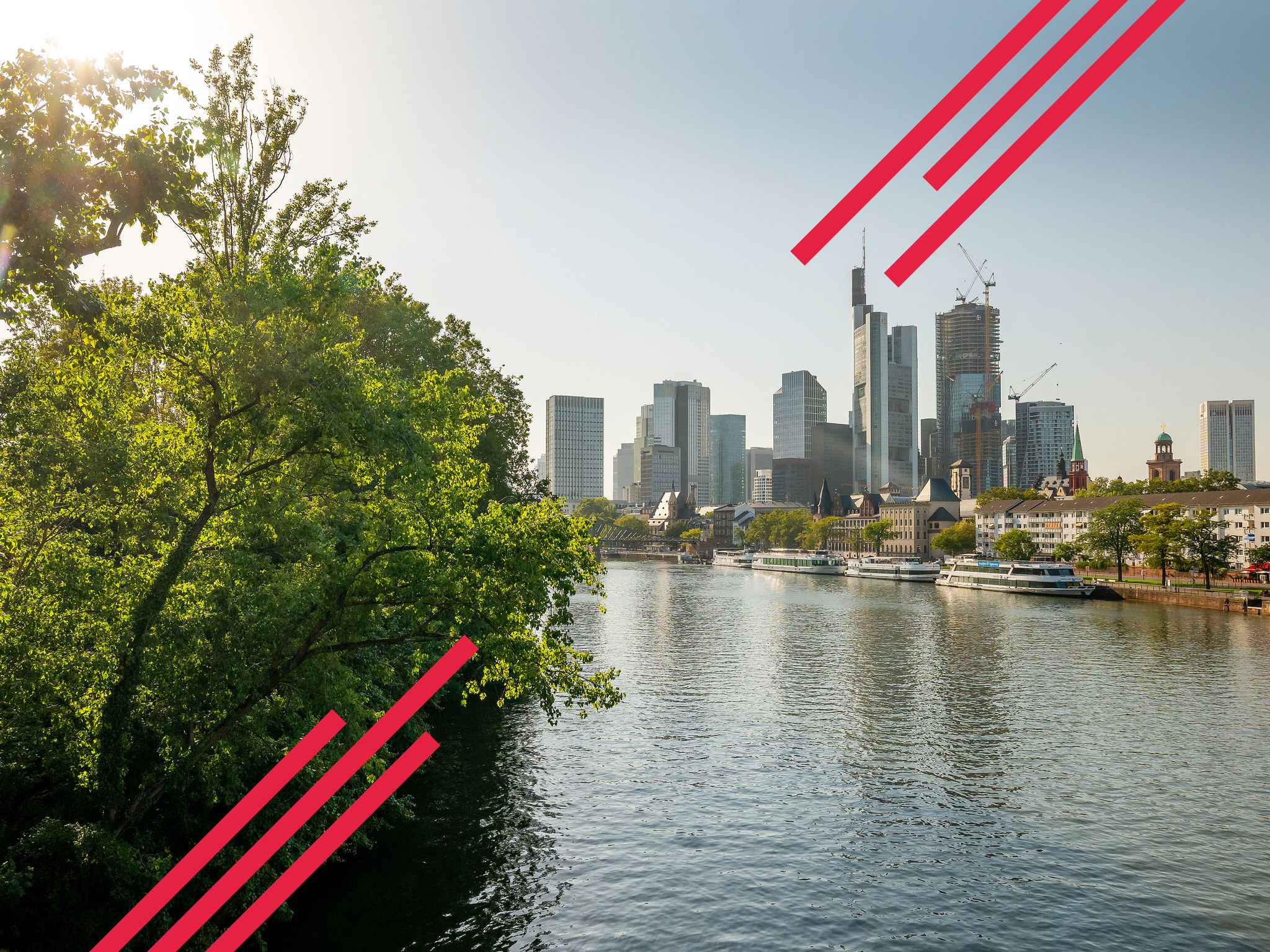
Goethe, GrünGürtel & big city flair – culture & nature in Frankfurt
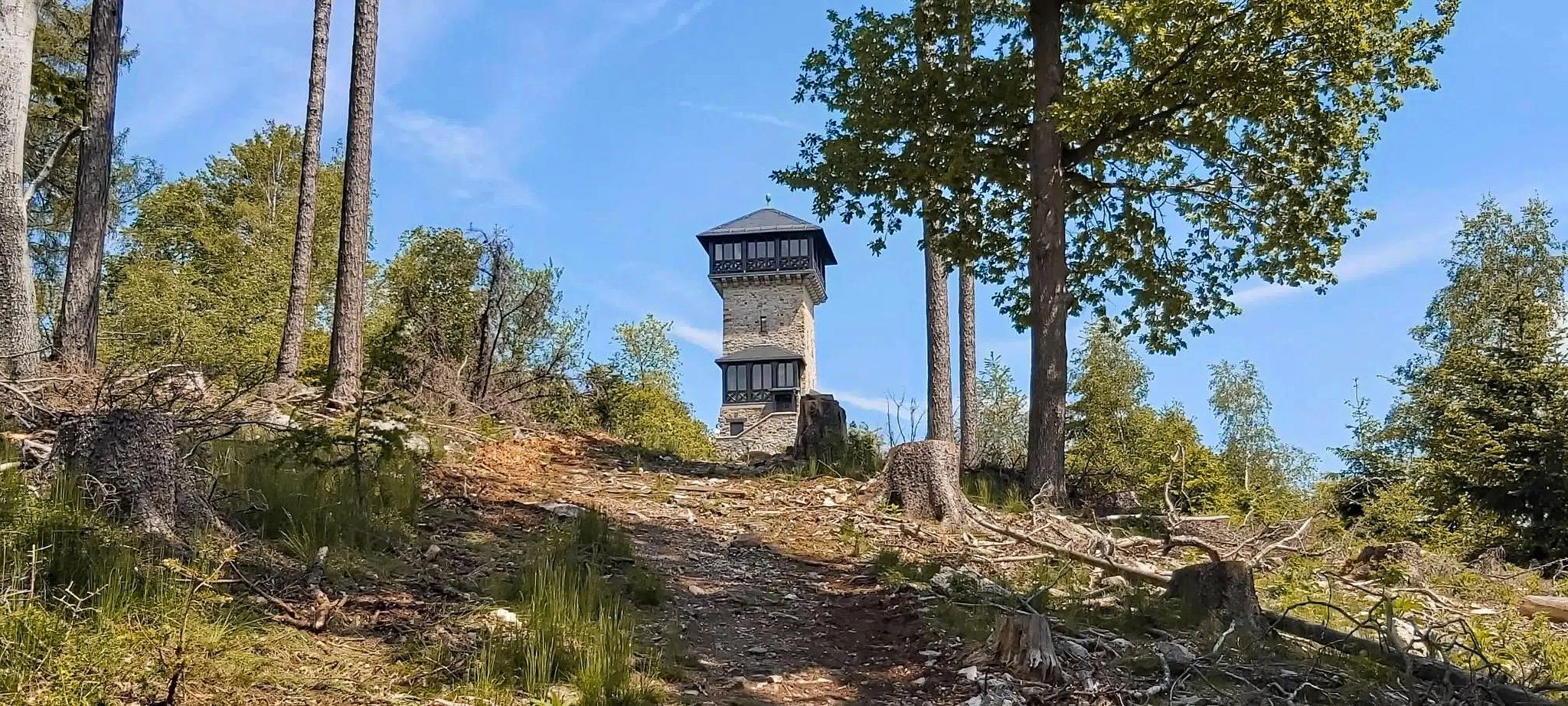
Autumn views: to the most beautiful vantage points in the RMV area

By bike and train into the green - cycling Tours around the EUROBIKE

Orchards, vineyards, taverns – hikes in the RMV area

Out into spring – glorious hikes with the RMV
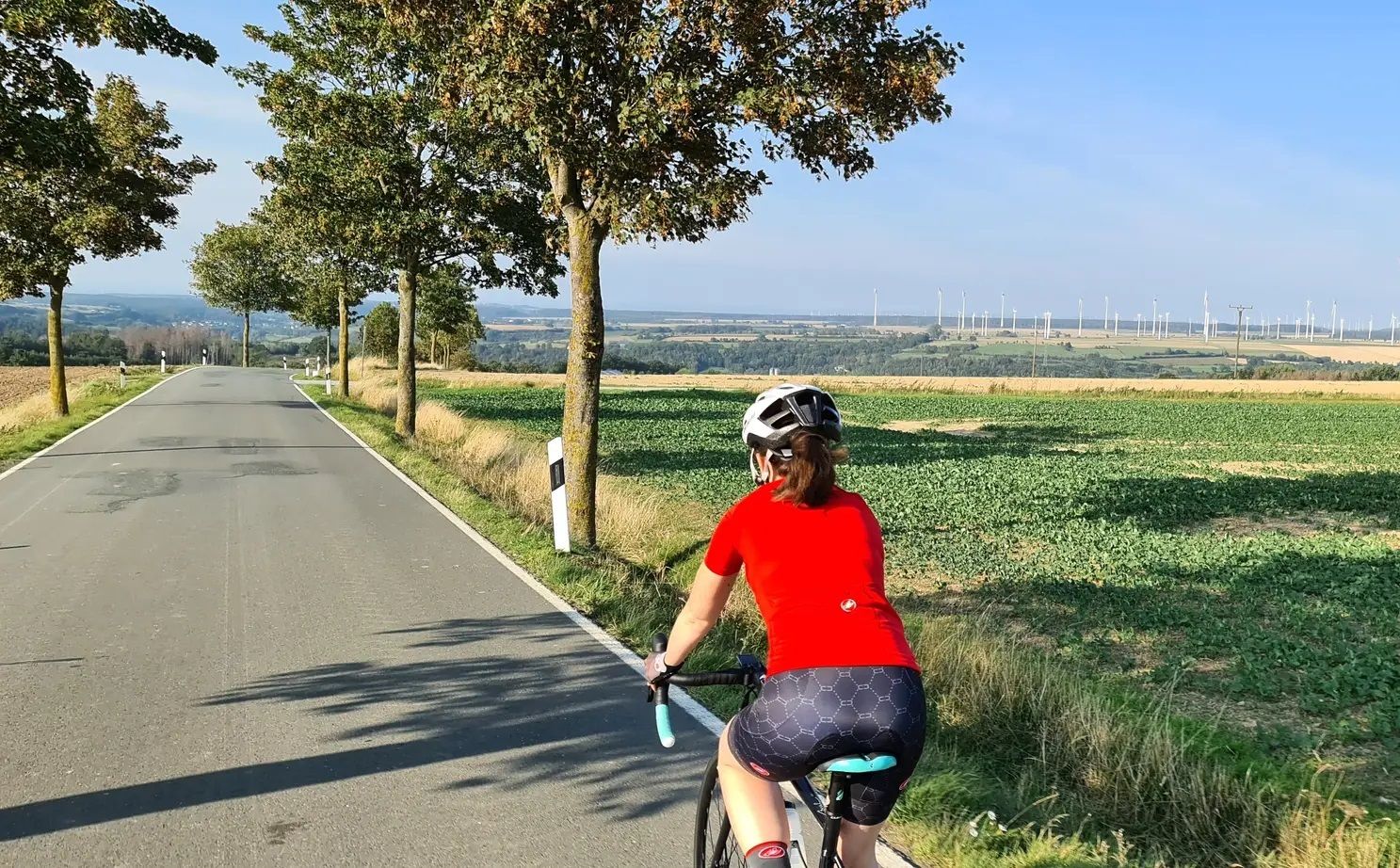
The skyline to half-timbered buildings – Frankfurt to Bielefeld
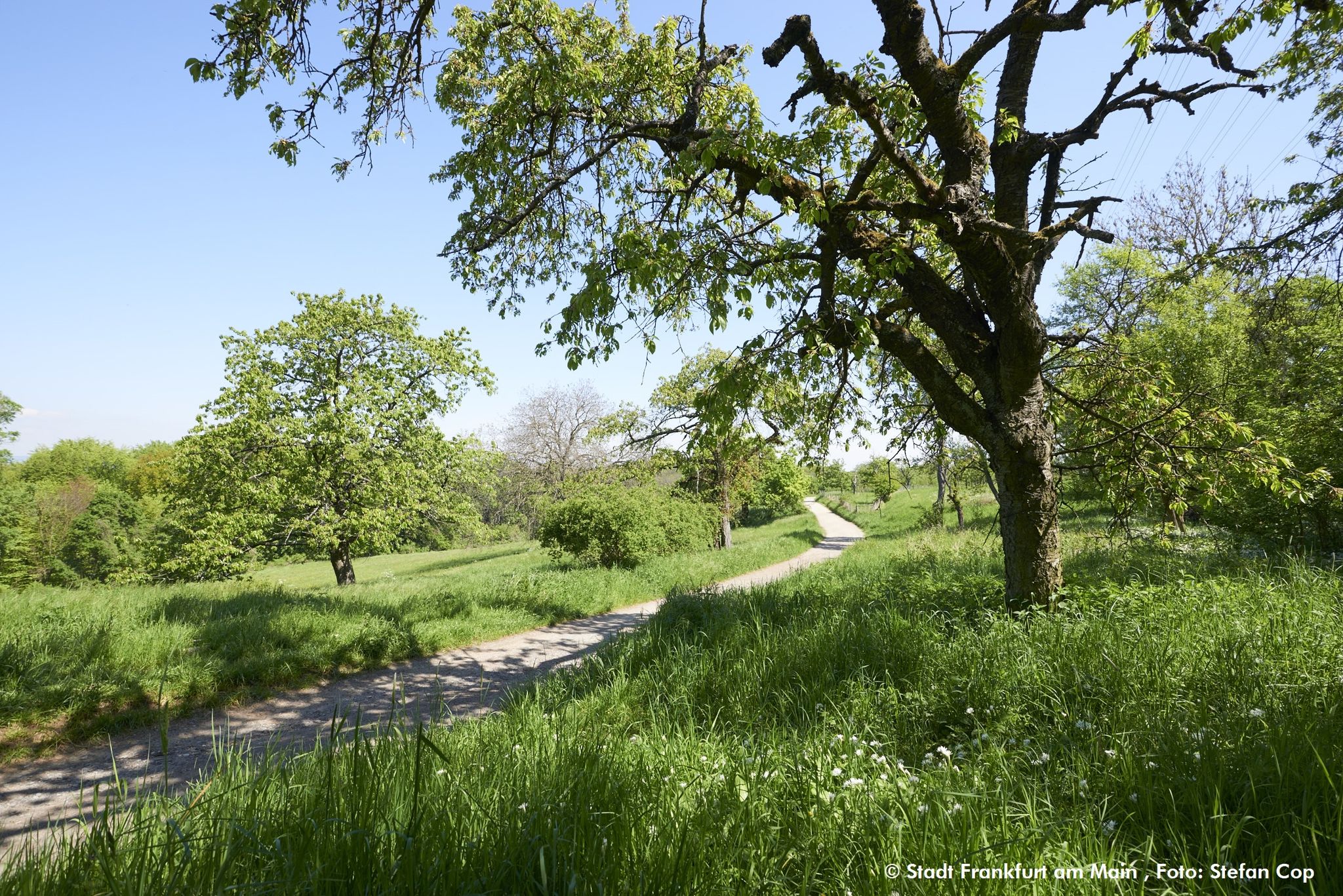
The GrünGürtel circular HIKING trail Frankfurt am Main

Bikepacking to road cycling to MTB – on Tour with RMV

Spring is here – hiking with family by bus & train in Rhine-Main

Discover the wintry Rhine-Main region
Other adventures around Frankfurt am Main


Tips from the Community

The Old Airfield (formerly Maurice Rose Airfield) in Frankfurt's Green Belt is a former American military airfield used until 1992. It covers an area of approximately 4.5 hectares and lies within the districts of Frankfurt-Bonames and Frankfurt-Kalbach-Riedberg. After its closure, it was transformed into a nature and recreation area in 2003/04 by the "Green Belt" project group and the GTL Landscape Architects office, for which they received the German Landscape Architecture Prize in 2005.
11
1
Here is the Mautzen Weiher in the Frankfurt city forest, very beautiful water
12
0

The Höchster weir is located on the Nidda between Nied and Höchst. Until 2013, there was a classic weir with flaps here. Since this weir was insurmountable for fish, it was converted into a weir, which allows fish to migrate effortlessly and offers them new habitats. Some species of fish lay their spawn here and do not want to be disturbed by swimming people or dogs. More information: https://frankfurt.de/themen/umwelt-und-gruen/orte/stadtgewaesser/nidda/hoechster_wehr https://news.stadtentwaesserung-frankfurt.de/umbau-der-wehre/hoechster-wehr.html
0
1

Unfortunately, the pressure on the water sections has increased so much that nature is now suffering as a result. The municipal authorities, as the lower nature conservation authority, have therefore issued a general order governing the use of the Nidda section. From the time the orders come into force, barbecuing, camping and boating on the Nidda are prohibited. Access to the banks of the Nidda for those seeking recreation is not restricted; access is only prohibited for the fish ladder, the weir and the islands in the area of the former Höchst weir.
2
0

The renaturation of the Nidda is visible at this point and significantly increases the attractiveness of this section.
0
0

This is a protected landscape area! It is forbidden to camp, picnic, swim, grill or light fires, dump rubbish, let dogs run free... Additional signs have finally been put up!
4
0

The large circular tour in Frankfurt's Green Belt is around 64 kilometers long. It follows the signposted Green Belt cycle route, which is also included in the Green Belt leisure map. The route leads - starting in the west - through the Nidda valley, in the northwest over the hills of the Berger Ridge up to 212 meters and then through the city forest in the south back to the mouth of the Nidda. (Source: https://radroutenplaner.hessen.de)
1
0

Very beautiful there
1
0
Frequently Asked Questions
What are some of the most popular natural monuments around Frankfurt am Main?
Among the most popular natural monuments are the View of the Frankfurt skyline from Lohrberg, which offers a wide panorama and features the city's last wine-growing area. Another favorite is the Boardwalk through the Schwanheim Dune, a unique inland dune designated as a nature reserve. Visitors also appreciate Maunzenweiher, an idyllic lake known for its aquatic life and beautifully landscaped paths.
Are there family-friendly natural monuments in Frankfurt am Main?
Yes, many natural monuments in Frankfurt am Main are suitable for families. The Alter Flugplatz Bonames is a popular nature and leisure area, ideal for families with children, cyclists, and walkers. The Boardwalk through the Schwanheim Dune offers an easy and engaging walk for all ages. Additionally, the Lohrberg provides a great view and often has nearby restaurants and playgrounds, making it a pleasant family destination.
What kind of outdoor activities can I do near Frankfurt's natural monuments?
The natural monuments around Frankfurt am Main are excellent starting points for various outdoor activities. You can enjoy easy hikes, such as the "Schwanheimer Dune Boardwalk – View of Höchst loop from Schwanheim" or routes around Jacobi Pond. For cycling enthusiasts, there are road cycling routes like the "Kapersburg Route Taunus Loop" or gravel biking adventures like the "Frankfurt Green Belt and Großer Feldberg Loop." You can find more details and routes in the Easy hikes around Frankfurt am Main, Road Cycling Routes around Frankfurt am Main, and Gravel biking around Frankfurt am Main guides.
Do any natural monuments in Frankfurt am Main have historical significance?
Absolutely. Many of Frankfurt's natural monuments, particularly the ancient trees, boast rich histories. The Schwanheimer Alteichen (Old Oaks) are estimated to be around 500 years old, remnants of historical wood pastures. The Enkheimer Alteichen also date back centuries, with some trees over 300 years old, located in one of Germany's first systematically managed forests. The Oldest Mulberry Tree near Liebfrauenschule is thought to have been planted around 1765, and an over 200-year-old Plane Tree stands in the historic Wallanlagen.
Can I spot wildlife at the natural monuments in Frankfurt am Main?
Yes, several natural monuments provide habitats for local wildlife. The Enkheimer Alteichen, for instance, are known to host various fauna, including bats and tawny owls. The Maunzenweiher is home to diverse aquatic life. The renatured sections of the Nidda River, such as the Nidda River Rapids, have become ecologically diverse bodies of water, attracting various species.
Are there geological natural monuments in Frankfurt am Main?
While individual tree monuments are more numerous, Frankfurt also protects significant geological features known as geotopes. These sites reveal the region's geological development, characterized by tertiary sediments like clays, sands, marls, and limestone deposits. Although specific individual geotopes are not extensively listed, their preservation is crucial for research and public understanding of the area's natural history.
What types of trees are protected as natural monuments in Frankfurt am Main?
Frankfurt protects various individual trees for their age, size, rarity, or beauty. Notable examples include the ancient pedunculate oaks (Quercus robur) of the Schwanheimer Alteichen and Enkheimer Alteichen. Other protected trees include the city's oldest mulberry tree, an over 200-year-old plane tree in the Wallanlagen, and specific Ginkgo and Linden trees like the Eschersheimer Linde.
What do visitors enjoy most about the natural monuments in Frankfurt am Main?
Visitors frequently praise the serene escape these sites offer within an urban environment. They appreciate the opportunity to connect with nature, whether it's the impressive age of the ancient oaks, the unique ecosystem of the Schwanheim Dune, or the idyllic atmosphere of places like Maunzenweiher. The panoramic views, such as those from the Lohrberg, are also highly valued.
Are there any riverine natural monuments in Frankfurt am Main?
Yes, the city's riverine landscapes feature several natural monuments. The Nidda River Rapids and the Nidda Fish Ladder, Sossenheim, are examples of the river's renaturation efforts. The Wörthspitze — Confluence of the Nidda and the Main is another significant natural point where the two rivers meet.
What is the best time of year to visit the natural monuments around Frankfurt am Main?
The natural monuments around Frankfurt am Main can be enjoyed year-round, each season offering a different experience. Spring brings blooming flora and fresh greenery, while summer is ideal for longer walks and outdoor activities. Autumn showcases vibrant fall colors, particularly among the ancient oaks and in the city's extensive green spaces. Even in winter, a crisp walk through the forests or along the river can be a peaceful experience.
Are there any natural monuments that are also significant viewpoints?
Yes, the View of the Frankfurt skyline from Lohrberg is a prime example, offering a spectacular panorama over the city and surrounding areas. The Wörthspitze — Confluence of the Nidda and the Main also provides a unique viewpoint where two major rivers meet.
Can I find natural monuments that are also part of larger green spaces?
Many natural monuments are integrated into Frankfurt's broader green infrastructure. For instance, the Schwanheimer Alteichen are located within the expansive Frankfurt City Forest and can be explored along sections of the Green Belt long-distance hiking trail. The ancient plane tree in the Wallanlagen is part of a protected park area formed from the city's historical fortifications, offering a blend of nature and urban history.
Most popular routes around Frankfurt am Main
Most popular attractions around Frankfurt am Main

Get inspired with the komoot mobile app


Didn’t find what you were looking for?
Find even more amazing natural monuments around Frankfurt am Main by checking out the top Highlights region by region:
Explore more
Extend your search for the best caves by checking out these guides of the top ones around Frankfurt am Main:
