Top 6 Natural Monuments around Aups
Best natural monuments around Aups are found in a region characterized by its diverse natural landscape in the Var department of Provence-Alpes-Côte d'Azur, France. This area offers a blend of geological formations, historical sites, and scenic beauty. The village of Aups serves as a gateway to these natural features, providing access to waterfalls, unique rock formations, and ancient caves. Visitors can explore a variety of natural monuments that showcase the region's geological and historical significance.
Best natural monuments around Aups
…Last updated: June 22, 2026
Waterfall — Cascade de Sillans
Highlight • Waterfall
Translated by Google •
Tip by

Cotignac
Highlight • Settlement
Translated by Google •
Tip by

Sign up now to discover places like this
Get recommendations on the best single tracks, peaks, & plenty of other exciting outdoor places.
Sign up for free
Tombeau de la Lauve
Highlight • Natural Monument
Translated by Google •
Tip by

The Tuff Rock
Highlight • Natural Monument
Translated by Google •
Tip by

Villecroze Floral Park, Troglodyte Caves and Waterfall
Highlight • Cave
Translated by Google •
Tip by

Sign up for free to discover even more natural monuments around Aups.
Sign up for free
Already have an account?
Start today with a free account
Your next adventure awaits.
Login or Signup
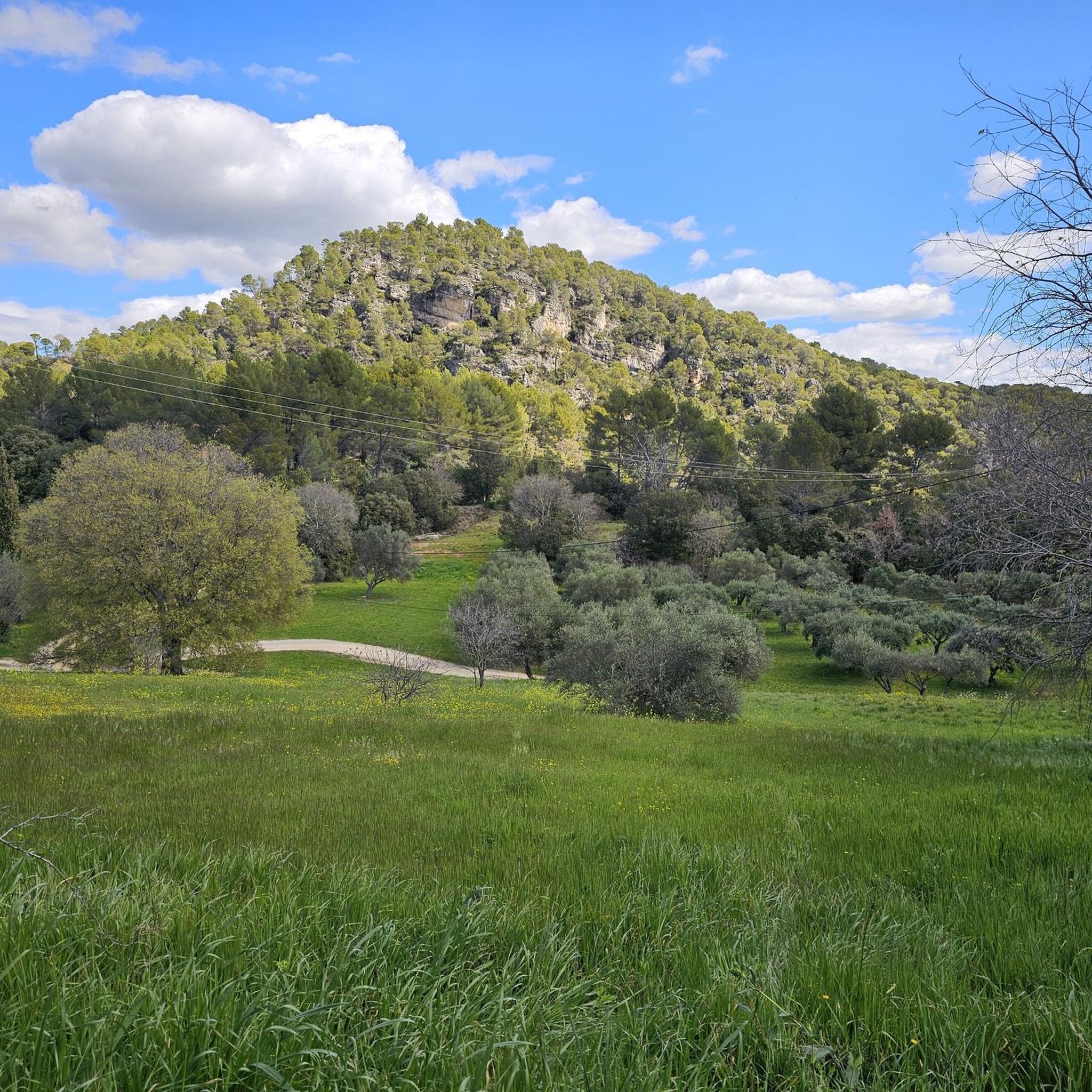
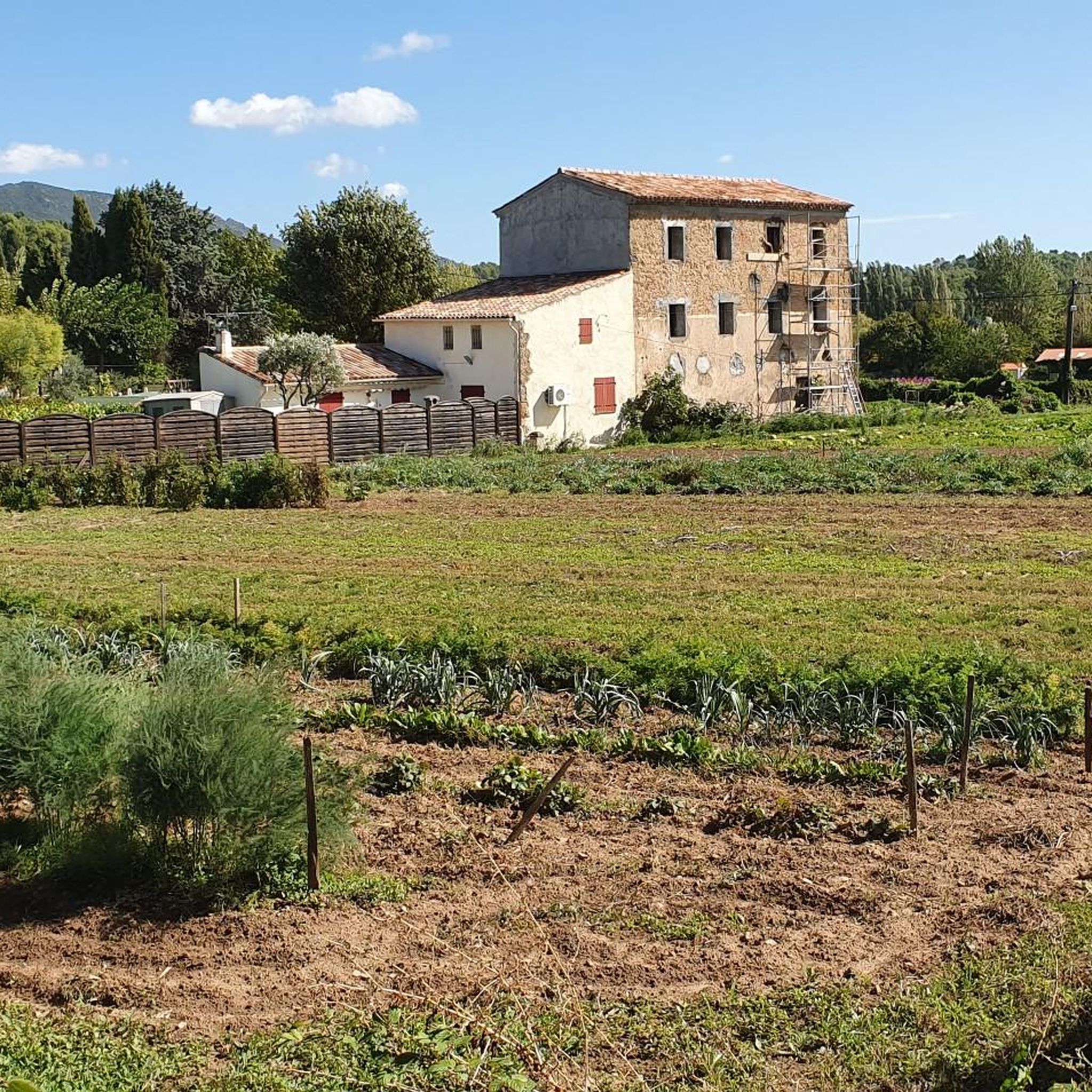
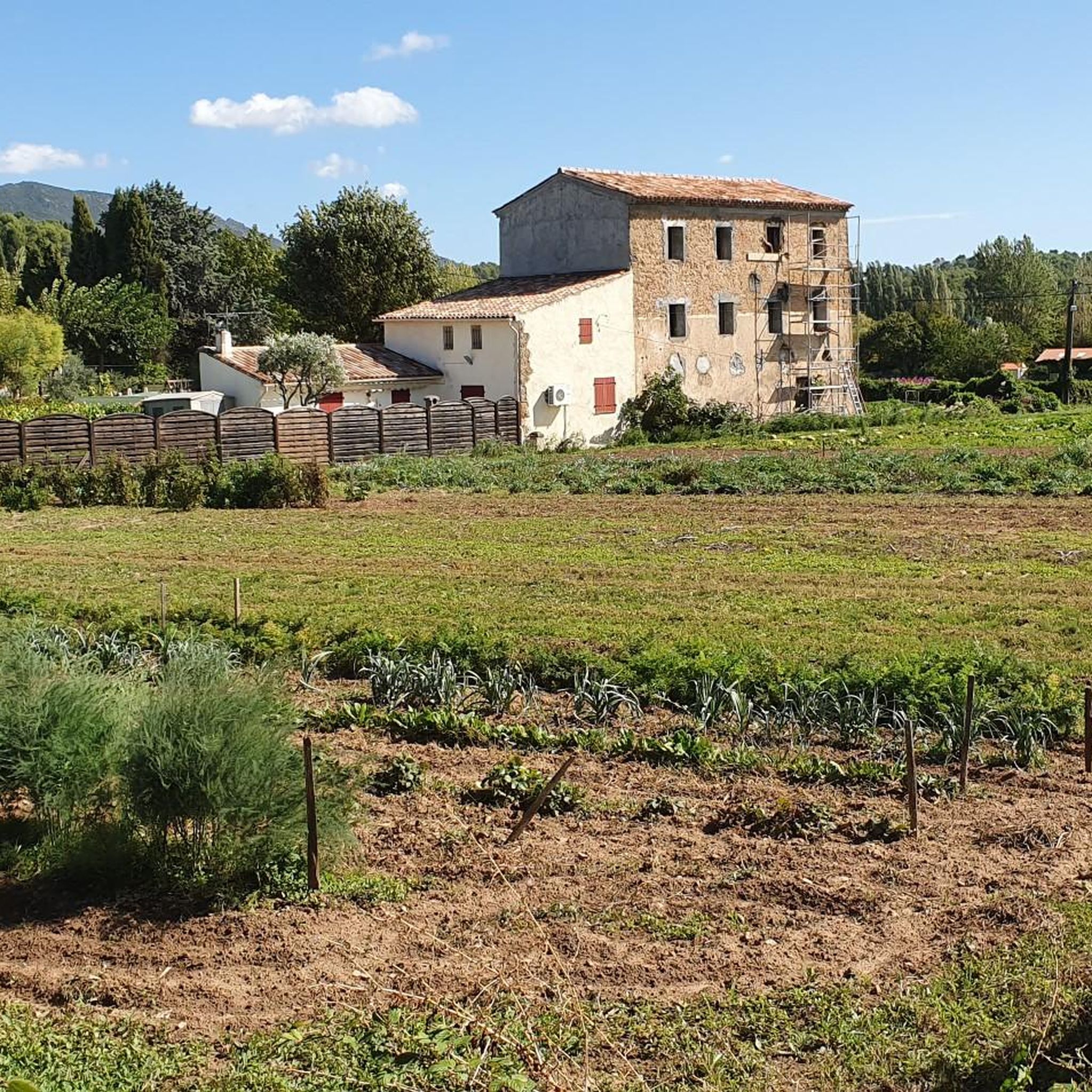
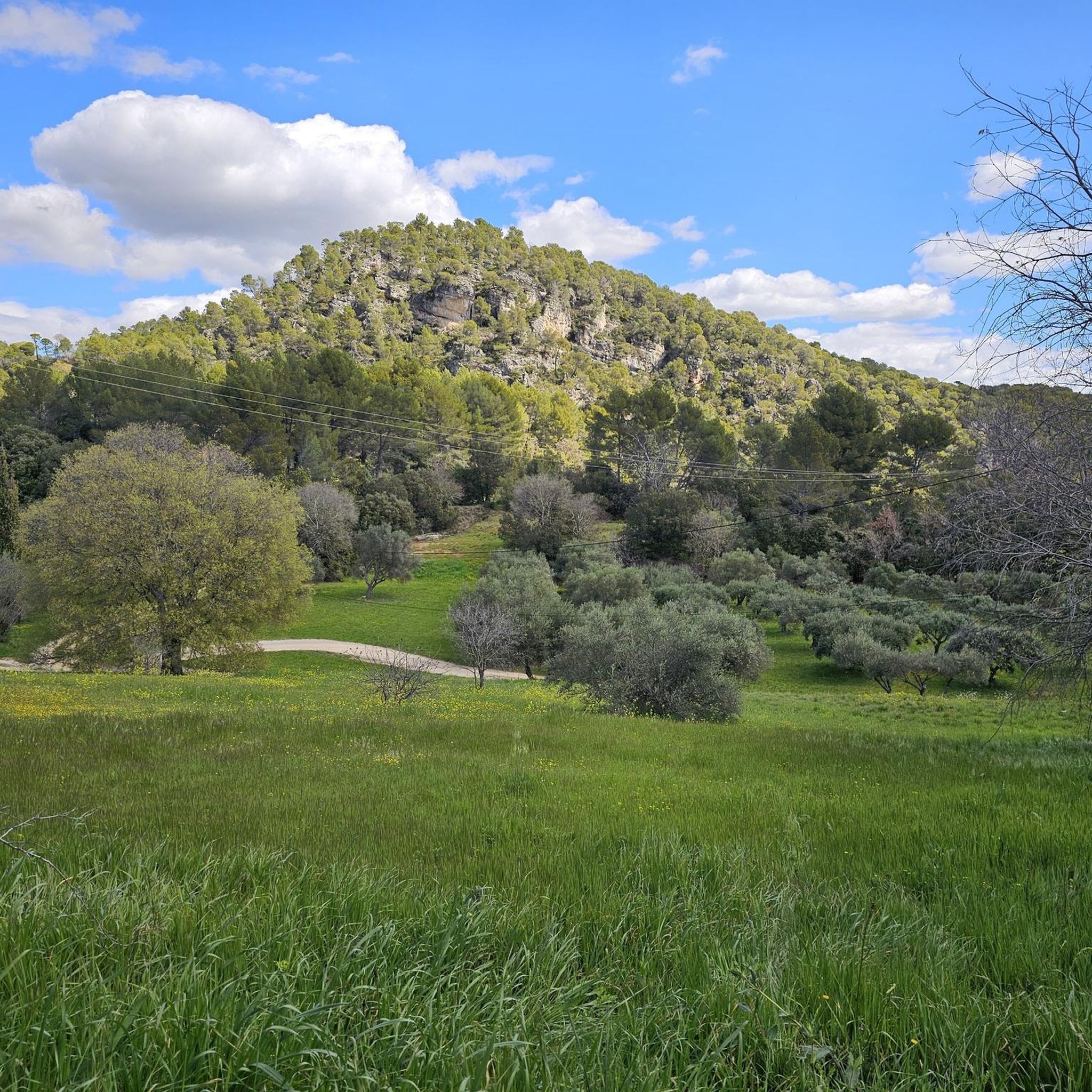

Tips from the Community

Unfortunately, it's only open to the public until the end of October. But even so, it's very interesting and definitely worth seeing. It's amazing what people have done with it.
0
0

Very pretty, it's worth a stop! Please note: access is only permitted on foot - however, you can return by bike. The caves can only be visited with an attendant - times are available at the cave entrance.
1
0


Hiking and cooling off in the water...... simply a very beautiful area
2
0


The tholos de la Lauve is a block tomb located at an altitude of 365 m, at the end of the Lauve plateau, in the commune of Salernes, in the Var department in France. It is a unique monument of its kind in Provence The building is a block tomb. The sepulchral chamber, approximately circular in shape (diameter 1.80 m), is made up of limestone blocks arranged with a slight corbelling, which has earned it the name of tholos. It is enclosed in a tumulus made of rubble held by a low wall, itself circular, made up of large blocks. The whole measures 7 m in diameter. No access corridor to the chamber is visible although a few inclined slabs on the west side could constitute a start. It is likely that the chamber was accessed through its top opening, which was perhaps covered by a removable slab1. It was restored in 1993 by Hélène Barge. The tomb was discovered and very carefully excavated in the 1950s by A. Taxil2. The upper layer (average thickness 0.14 m) contained very fragmented burned bones, possibly corresponding to around fifteen individuals2. The lithic material found in this layer consists of a large blade, bladelets, flakes and a flint arrow frame. The ceramic was limited to two atypical shards. The animal bones, without traces of use, correspond only to invasive fauna (snake vertebrae, rabbit bones, toads, small rodents and snail shells) from the natural environment2. The lower layer (average thickness 0.12 m) contained only a few bones, reduced to the state of splinters, and 122 teeth in good condition, representing around 10 individuals, including a few children. The archaeological furniture included decorative objects (9 annular limestone and shell test beads, 2 green rock olives). The lithic objects were limited to leaf arrow armatures.
0
0

Park your bike above the stairs. You can't bathe.
1
0
Frequently Asked Questions
What are some of the most impressive natural monuments to visit near Aups?
The region around Aups boasts several remarkable natural monuments. You can explore the breathtaking Gorges du Verdon, often called Europe's deepest canyon, known for its striking turquoise-green river and dramatic limestone cliffs. Another highlight is the serene Waterfall — Cascade de Sillans, offering refreshing mist and beautiful turquoise waters at its base. Don't miss the unique The Tuff Rock, a natural monument with an interesting tufa structure and landscaped gardens below.
Are there family-friendly natural monuments around Aups?
Yes, several natural monuments are suitable for families. The Villecroze Floral Park, Troglodyte Caves and Waterfall offers an engaging experience with its multi-level caves and a 35-meter-high waterfall. The village of Cotignac, with its impressive 80-meter-high rock wall and carved rock dwellings, is also considered family-friendly and a beautiful place to visit.
What kind of outdoor activities can I do near the natural monuments?
The area around Aups is a paradise for outdoor enthusiasts. You can enjoy various activities such as kayaking, canoeing, pedal boating, and rafting on the turquoise waters of the Gorges du Verdon and Lac de Sainte-Croix. For those who prefer land-based activities, there are numerous hiking and cycling opportunities. You can find detailed routes for hiking around Aups, gravel biking, and road cycling, including routes that pass by these natural wonders.
Are there historical or cultural sites among the natural monuments near Aups?
Absolutely. The Grottes de Villecroze (part of the Villecroze Floral Park) are a fascinating blend of natural geological formations and human history, having been occupied since prehistoric times and serving as a refuge for Benedictine monks. Additionally, the village of Cotignac is known for its unique rock dwellings carved into an 80-meter-high cliff, offering a glimpse into ancient human settlements.
What is the best time of year to visit the natural monuments around Aups?
The region is beautiful year-round, but the spring and autumn months (April-June and September-October) generally offer pleasant weather for outdoor activities and exploring. During these times, the temperatures are milder, and the natural landscapes are vibrant. Summer can be very popular and crowded, especially at major sites like the Gorges du Verdon and Lac de Sainte-Croix.
Can I go hiking near the natural monuments?
Yes, hiking is a popular activity. The Gorges du Verdon offers challenging routes like the Sentier de Martel, which follows the river, as well as more accessible paths. You can find various hiking routes around Aups, ranging from easy to moderate, such as the 'Sainte-Madeleine Cave – Historic Centre of Aups loop' or the 'Historic Centre of Aups – Collegiate Church of St Pancras loop'.
What makes the Gorges du Verdon so special?
The Gorges du Verdon is renowned as Europe's deepest canyon, carved by the Verdon River. Its most distinguishing feature is the striking turquoise-green color of the water, a result of dissolved minerals. The gorge stretches approximately 25 kilometers and reaches depths of up to 700 meters, with impressive limestone walls that are a haven for rock climbers and offer breathtaking scenic drives like the Corniche Sublime.
What is the Lac de Sainte-Croix and what can I do there?
The Lac de Sainte-Croix is a large artificial lake located at the end of the Gorges du Verdon, known for its clear, turquoise waters. It's the largest lake in the Verdon Regional Natural Park. Petrol-engine boats are prohibited, ensuring pristine water quality. Visitors can enjoy swimming, kayaking, stand-up paddleboarding, and pedal boating, especially near the entrance to the Gorges du Verdon at Pont du Galetas. The surrounding area also features hiking trails and charming villages.
What is the Tombeau de la Lauve?
The Tombeau de la Lauve is a unique block tomb located on the Lauve plateau near Salernes. It's an ancient sepulchral chamber, approximately circular in shape, made of limestone blocks. This monument is significant for its archaeological value, having contained fragmented burned bones and various artifacts, providing insights into prehistoric burial practices in Provence.
What do visitors enjoy most about the natural monuments around Aups?
Visitors frequently praise the stunning natural beauty, particularly the vibrant turquoise waters of the waterfalls and lakes, and the dramatic landscapes of the gorges. The refreshing air and water mist at places like the Waterfall — Cascade de Sillans are often highlighted. Many also appreciate the blend of natural wonders with historical elements, such as the ancient rock dwellings in Cotignac and the troglodytic caves of Villecroze.
Are there any specific viewpoints that offer panoramic views of the natural monuments?
Yes, there are several excellent viewpoints. For the Gorges du Verdon, driving along the scenic rim roads like the Corniche Sublime offers spectacular vistas. At the Waterfall — Cascade de Sillans, there are dedicated viewing platforms that provide great perspectives of the falls. Many hiking trails around Lac de Sainte-Croix also offer panoramic views of the lake and surrounding hills.
Most popular attractions around Aups

Get inspired with the komoot mobile app


Explore more
Extend your search for the best caves by checking out these guides of the top ones around Aups:
