Top 11 Caves around Teror
Caves around Teror offer a blend of natural geological formations and historical cave dwellings within a rugged landscape. The area is characterized by its dramatic terrain, including ravines and volcanic stone structures. Teror provides insights into traditional Canarian life through its preserved cave houses and archaeological sites. These features contribute to the region's unique cultural and natural heritage.
Best caves around Teror
- The most popular caves is Roque Bentayga, a natural monument that includes cave formations. This site served…
Last updated: June 20, 2026
Caballero Caves
Highlight • Cave
Translated by Google •
Tip by

Roque Bentayga
Highlight • Natural Monument
The Bentayga …
Translated by Google •
Tip by

Sign up now to discover places like this
Get recommendations on the best single tracks, peaks, & plenty of other exciting outdoor places.
Sign up for free
Along the cliff
Highlight • Cave
because it could have been worse. 🙏🙏🙏
Today I have screws …
Translated by Google •
Tip by

Cueva Omega
Highlight • Cave
Translated by Google •
Tip by

Cave house
Highlight • Cave
Doors and windows in and the rock dwelling is ready.
Translated by Google •
Tip by

Sign up for free to discover even more caves around Teror.
Sign up for free
Already have an account?
Start today with a free account
Your next adventure awaits.
Login or Signup

Tips from the Community

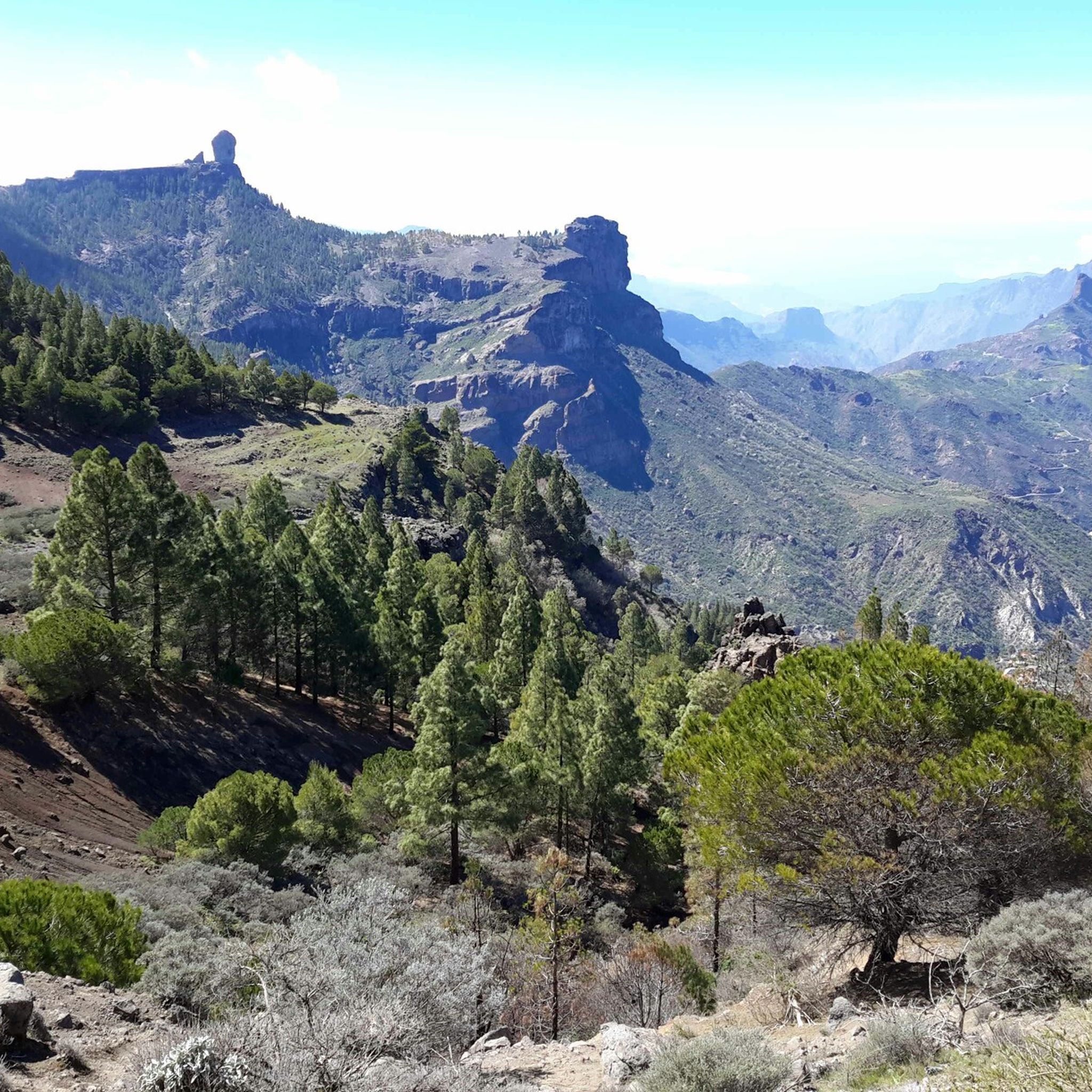
They are an archaeological complex made up of twelve natural caves, most of which were adapted to be habitable through their chiseling. These caves are distributed along a south-facing platform, which protects them from the northern trade winds and offers beautiful views over the Bentayga and the Cuenca del Nublo.
0
0

The archaeological hiking trail on the Roque Bentayga offers not only a museum and great views but also impressions of the historical religious place of worship.
0
0
There is a free visitor center at Roque Bentayga - with parking. From there you can walk up the Bentaga in a few minutes, which was used as a religious place of worship. Great views from this impressive and historic mountain in the middle of the crater. Hikers should note that the access road is only open during opening hours. There are two barriers that are otherwise closed. Below the first barrier there are some parking spaces at the road junction.
0
0


The entrance to the caves is blocked with bars.
1
0

The Caballero Caves are an archaeological site made up of twelve natural caves, most of them converted into habitable caves by crushing. They are distributed on a platform facing south and are therefore whipped by the northern trade winds. With magnificent views over the Bentayga and the Nublo basin. Source: https://artenara.es/turismo/index.php/es/cuevas-de-caballero-2
2
0

Today, November 24, 2024, and after 2 years after the fall, I know that I was reborn that day.. because it could have been worse. 🙏🙏🙏 Today I have screws and plates in my foot 👣 But if I had known the danger Of that place I would never have come to this place I still haven't gotten over it and I've had 3 operations And I'm still not well.. To get to this place you go around a cliff where the ground is loose and it's easy to fall off the cliff.. Then inside the cave it's dark and there's a risk of falling To the floor below.. ⬇️ why aren't there protection fences or anything marked In one of those holes is where I fell 4 meters high and broke my leg.. There's also no mobile coverage 📱 to ask for help!.. So I ask Everyone who wants to go... think about it before going,... because life is the best thing we have, and we only have it once and it is better not to risk it... There are many wonderful places to go without risk!
1
0
Frequently Asked Questions
What types of caves can I explore around Teror?
Around Teror, you can explore a blend of natural geological formations, historical cave dwellings, and archaeological cave sites. These range from ancient habitation sites to natural formations within the landscape, offering insights into traditional Canarian life.
Are there historical cave dwellings I can visit in Teror?
Yes, Teror and its surroundings feature historical cave dwellings. For example, the Cave house highlight demonstrates how caves and ledges were walled up to create rock dwellings. Additionally, the Caballero Caves are an archaeological site with seven cavities, six of which were man-made and possibly used as cave houses or places of worship.
Can I visit the Caves of Guanchía near Teror?
The Caves of Guanchía are natural caves located within the Teror Ravine. They are best appreciated as a visual spectacle from designated viewpoints along the road from Las Palmas to Teror, particularly in the areas of Hornillo and Miraflor, rather than for direct exploration.
What are some notable natural cave formations or viewpoints around Teror?
The Roque Bentayga is a significant natural monument that includes cave formations and offers impressive views over the Caldera de Tejeda. The Caves of Guanchía also provide scenic views as part of the broader Teror Ravine landscape.
Is there a museum dedicated to cave houses near Teror?
Yes, the Cave House Museum of Artenara is a very interesting museum located in the highest village on the island. It features beautifully recreated cave houses, some of which are still in use in the area, offering a glimpse into this unique way of life.
Are there family-friendly cave experiences around Teror?
The Cave House Museum of Artenara is considered family-friendly, offering an educational and engaging experience for all ages to learn about traditional cave dwellings. For natural caves, viewing them from designated viewpoints is generally suitable for families.
What outdoor activities can I do near the caves around Teror?
The region around Teror offers various outdoor activities. You can find numerous MTB trails, gravel biking routes, and cycling routes. These routes often pass through scenic landscapes, offering opportunities to combine your visit to the caves with an active outdoor experience.
What are the accommodation options related to caves in Teror?
Teror offers unique cave-related accommodation options. The Sacromonte Caves provide a distinctive experience of staying in a redesigned natural cave, blending rustic charm with modern comfort. Another option is the Cavehouse The Cortijo Balcony, carved into volcanic stone, offering a stable temperature and a tranquil retreat.
What should I know about accessibility for caves around Teror?
Accessibility varies significantly. Visible natural caves like Guanchía are best viewed from roadside viewpoints. Archaeological sites like Caballero Caves might involve walking on uneven terrain. For the Cave House Museum of Artenara, accessibility is generally good for a museum setting, but it's located in a mountainous village.
Are there any challenging cave explorations near Teror?
While Teror is not known for extensive underground caving, some areas can be challenging. For instance, the highlight 'Along the cliff' involves very dangerous terrain with risks of falling and no mobile coverage, and is not recommended for general exploration due to safety concerns.
What is the best time of year to visit the caves around Teror?
Gran Canaria generally enjoys a mild climate year-round. However, for outdoor activities and exploring the natural landscapes surrounding the caves, the cooler months from autumn to spring (October to May) are often preferred, as summer can be quite warm, especially for hiking.
Most popular routes around Teror
Most popular attractions around Teror

Get inspired with the komoot mobile app


Explore more
Extend your search for the best caves by checking out these guides of the top ones around Teror:
