Top 19 Castles in the Tras-os-monte
Best castles in the Tras-os-monte offer a glimpse into Portugal's historical past, with numerous fortresses and medieval structures. This region in northeastern Portugal is characterized by its strategic locations and rich cultural narratives. Exploring these sites provides insight into the area's heritage and architectural evolution. The landscape surrounding these castles often features varied terrain, making them notable landmarks for visitors.
Best castles in the Tras-os-monte
- The most popular castles is Fortress of Valença, a historical site that is a…
Last updated: June 29, 2026
Fortress of Valença
Highlight • Historical Site
Translated by Google •
Tip by

Portico of the Church of Santa María de la Asunción, Baiona
Highlight • Religious Site
It began to be built in 1120, although it would not be consecrated until 1225, already in the …
Translated by Google •
Tip by

Sign up now to discover places like this
Get recommendations on the best single tracks, peaks, & plenty of other exciting outdoor places.
Sign up for free
Palace of the Dukes of Braganza
Highlight • Castle
Tip by

Guimarães Castle Park
Highlight • Castle
Translated by Google •
Tip by

Paçô Castle 🏰
Highlight • Castle
Tip by

Castro Laboreiro Castle
Highlight • Castle
Translated by Google •
Tip by

Castle of Chaves
Highlight • Castle
Translated by Google •
Tip by
Church of São Miguel do Castelo
Highlight • Religious Site
Translated by Google •
Tip by

Vila Praia de Âncora
Highlight • Beach
Translated by Google •
Tip by

Lapela Tower
Highlight • Historical Site
Tip by

Sign up for free to discover even more castles in the Tras-os-monte.
Sign up for free
Already have an account?
Start today with a free account
Your next adventure awaits.
Login or Signup
Popular around Tras-os-monte
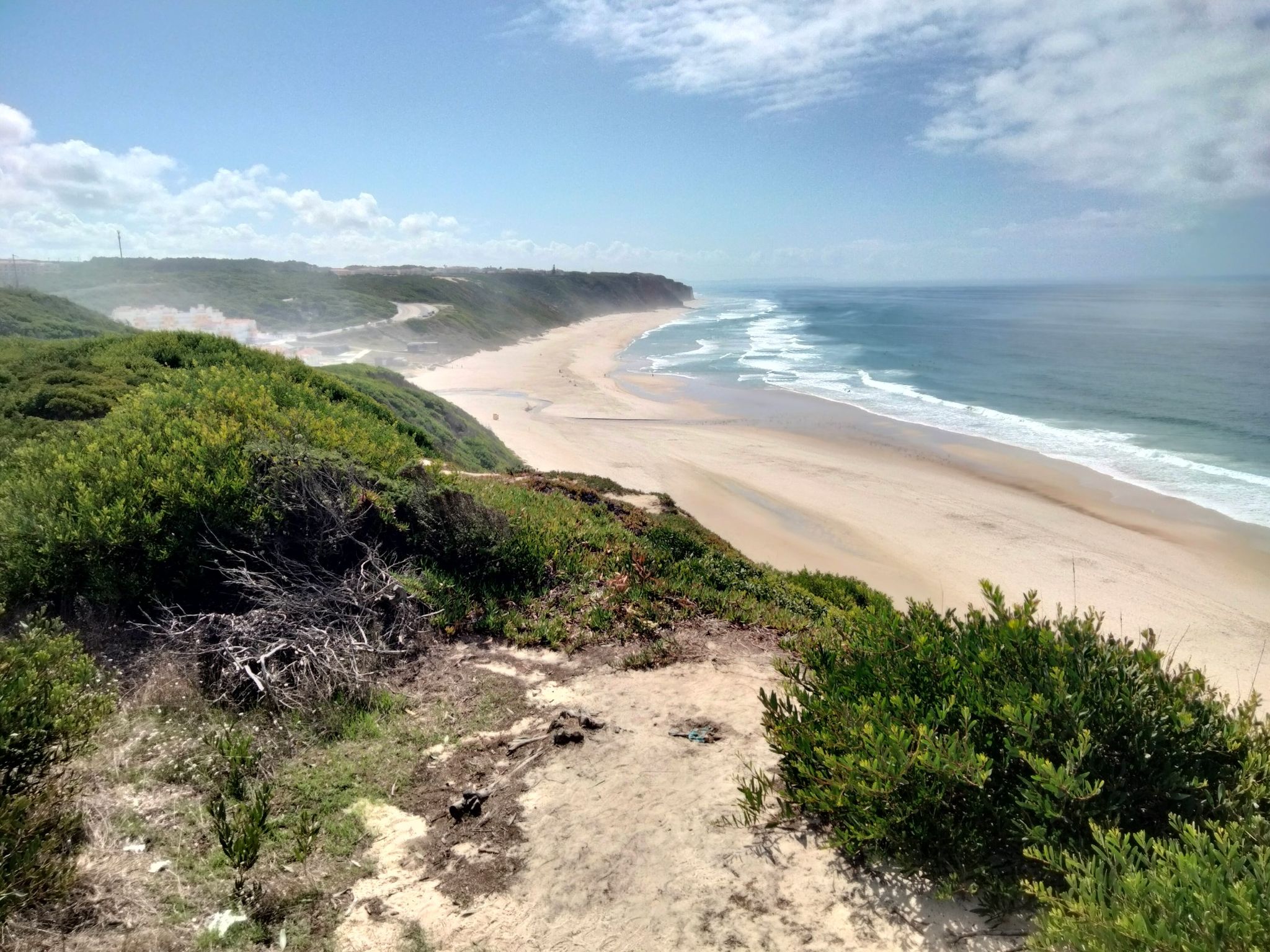
Portugal's Atlantic coast (north) – from Caminha to Lisbon
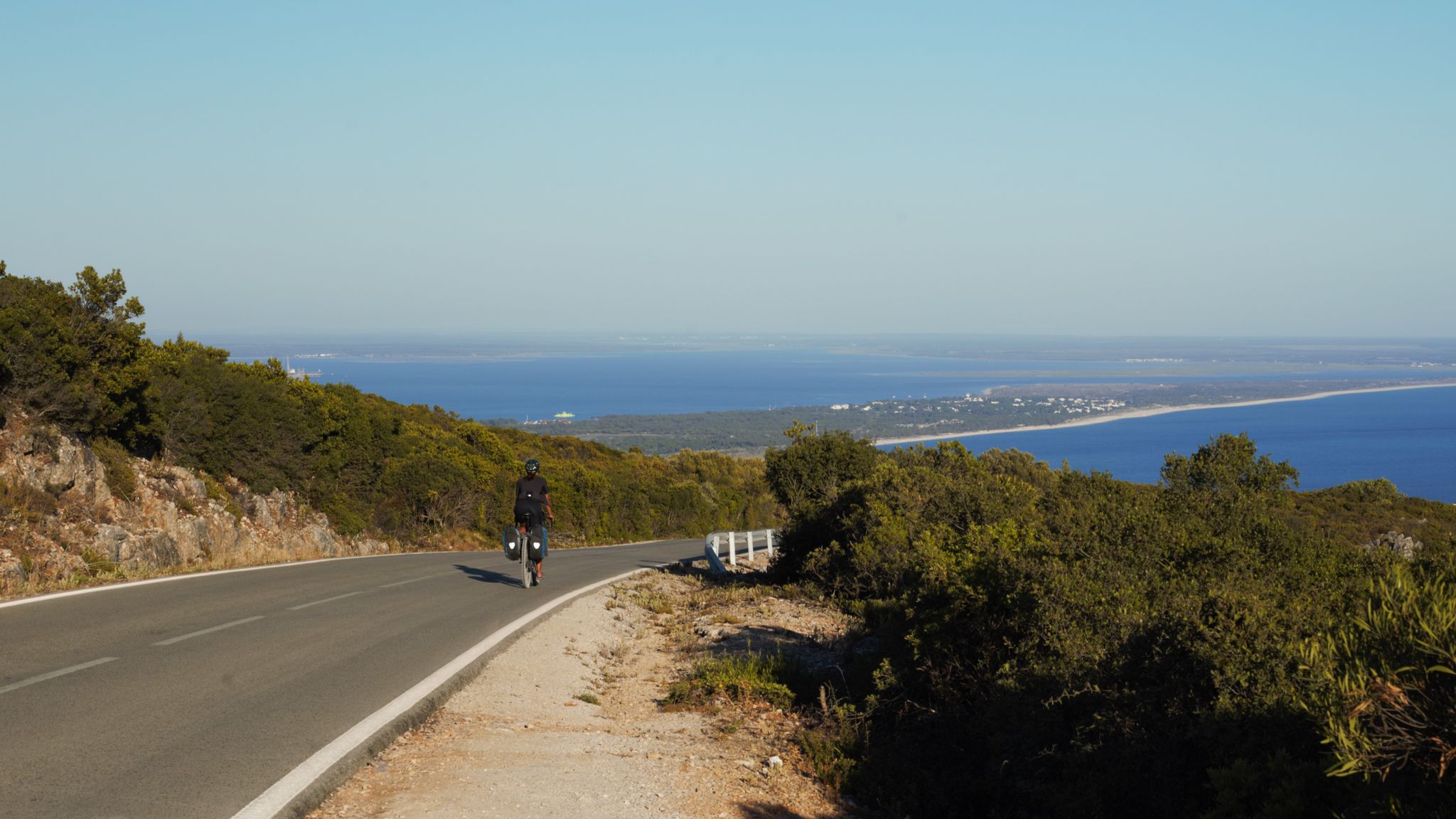
The breaking waves – cycle along the Atlantic coast of Portugal
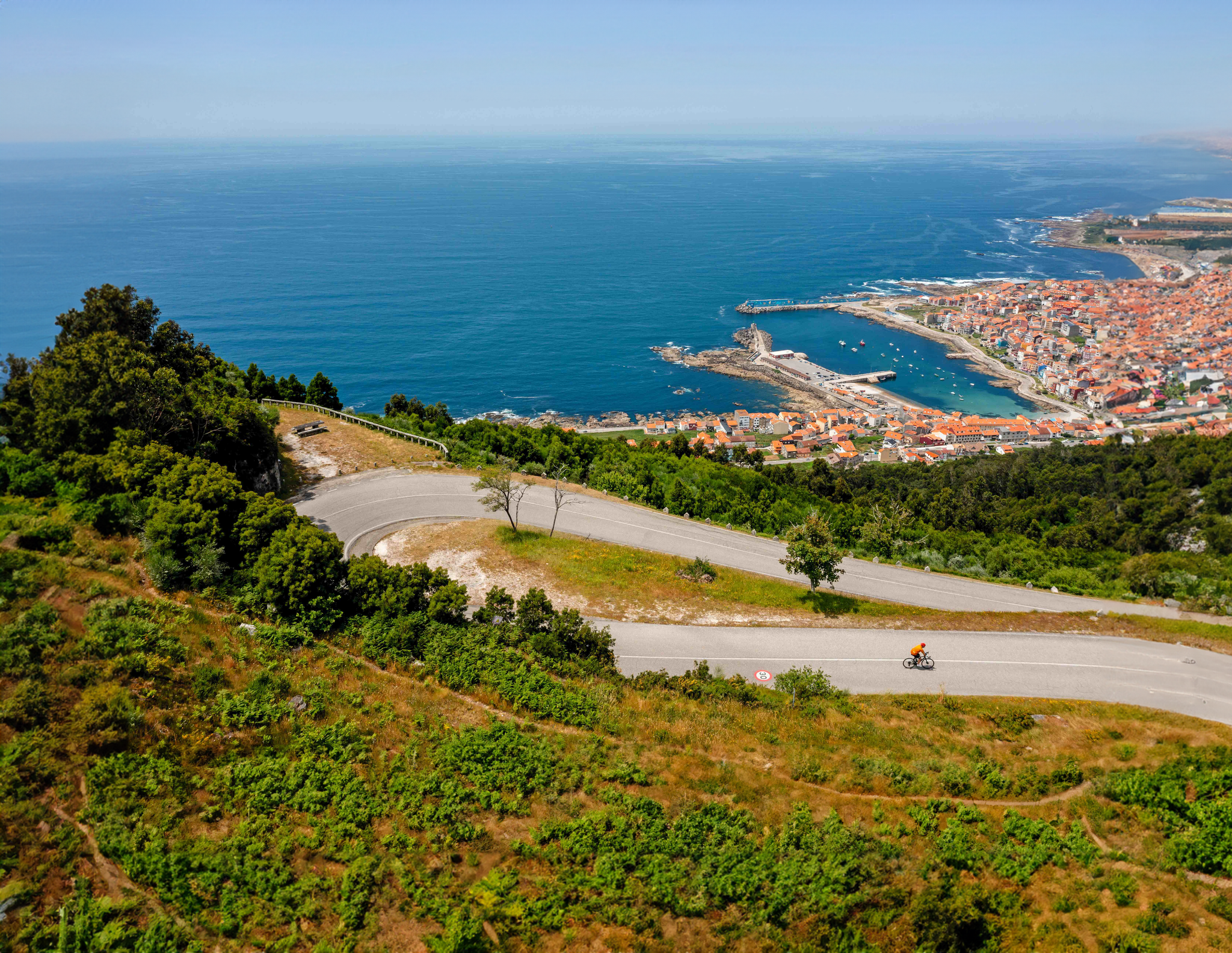
With TOUR in Northern Portugal
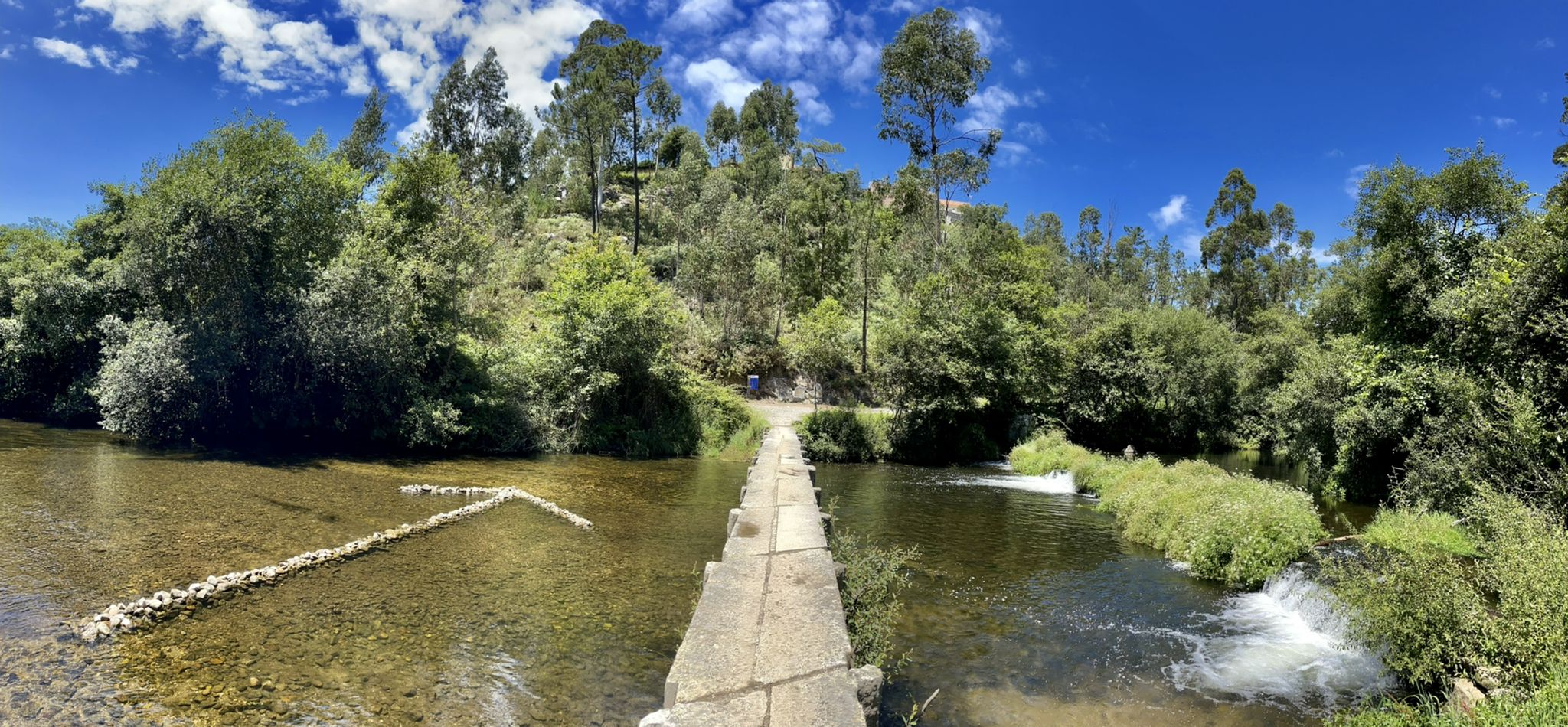
The challenge that knows no frontiers — Portuguese Coast Path
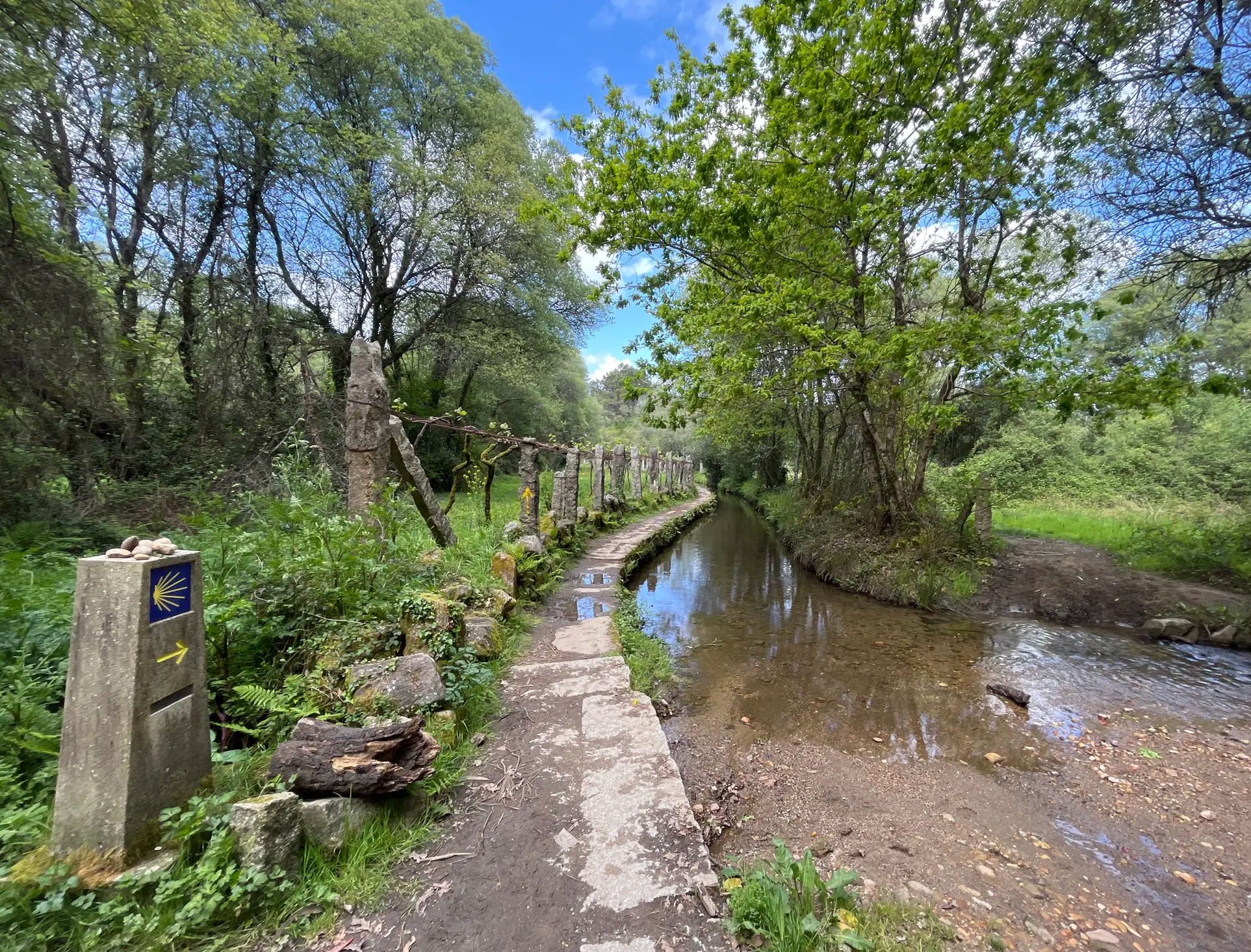
Na Rota dos Peregrinos – o Caminho Central Português
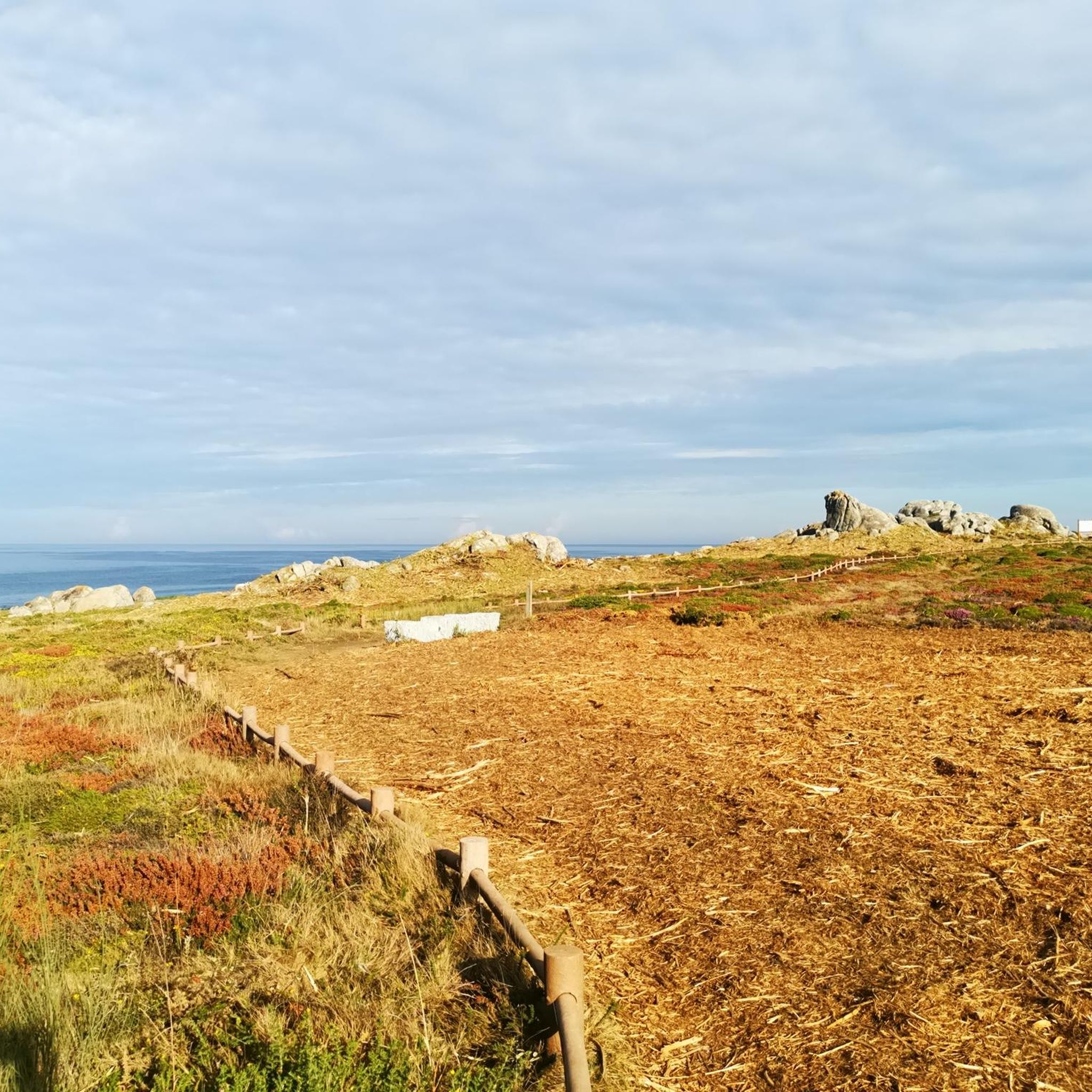
Hiking in the Tras-os-monte
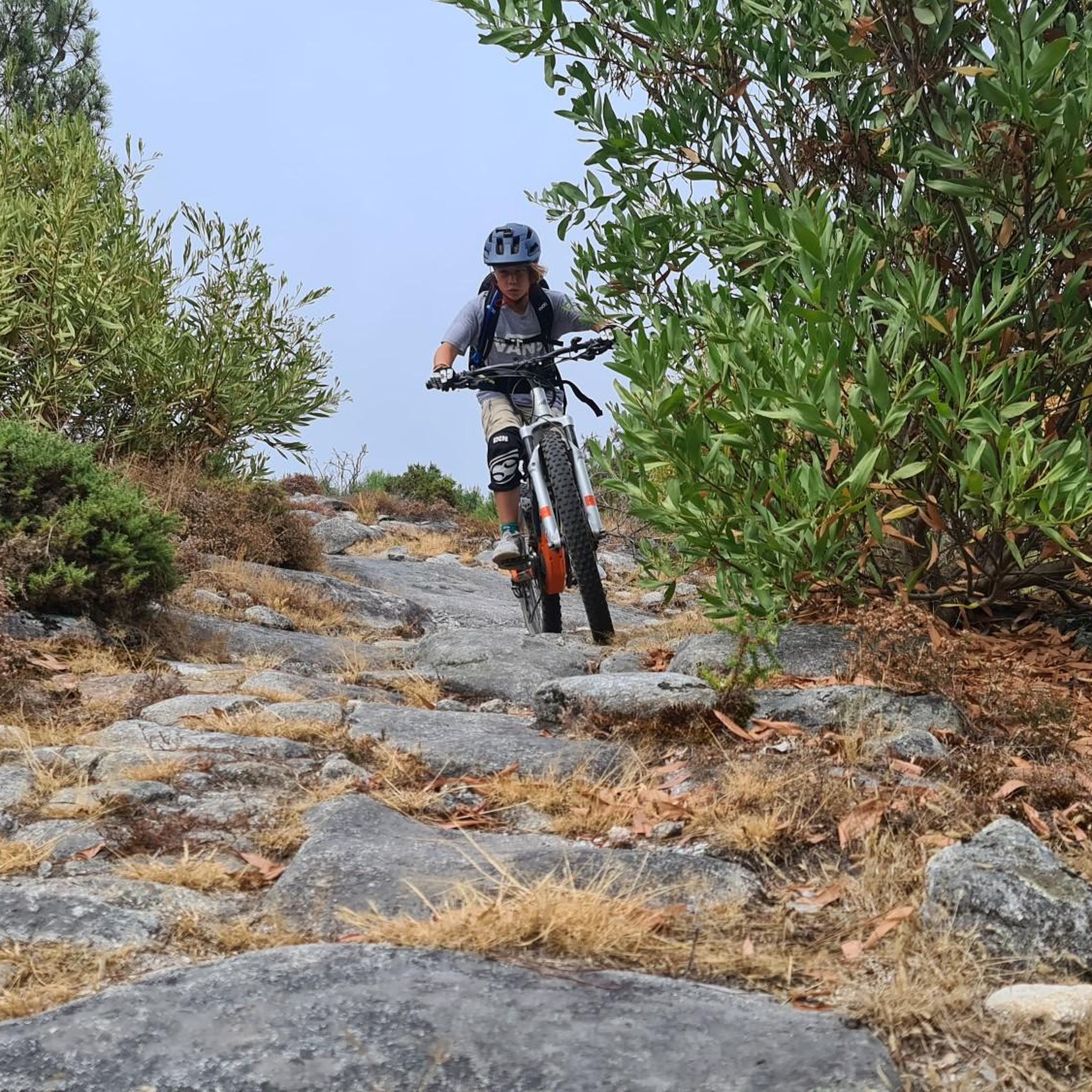
MTB Trails in the Tras-os-monte
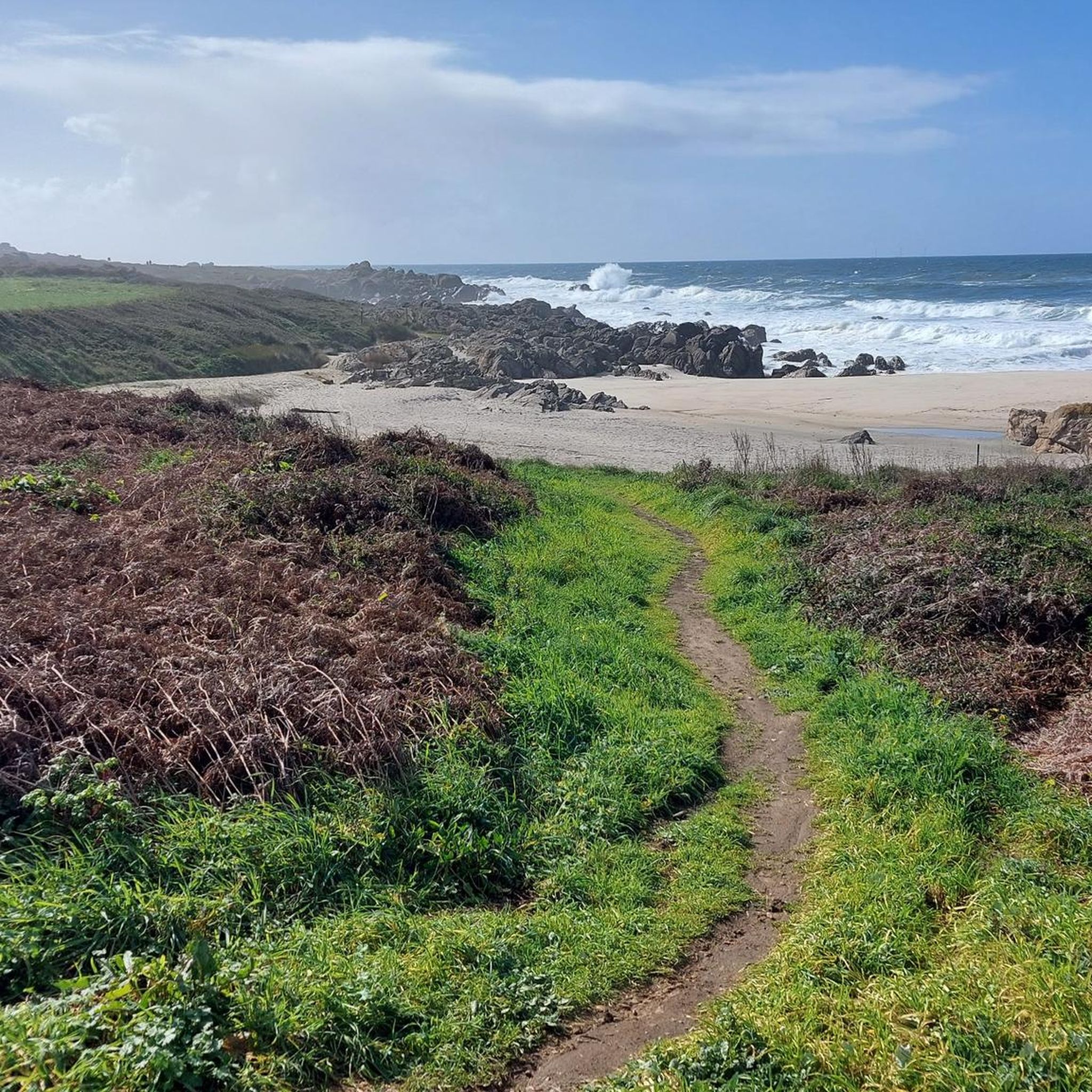
Cycling in the Tras-os-monte
Road Cycling Routes in the Tras-os-monte
Running Trails in the Tras-os-monte
Other adventures in the Tras-os-monte


Tips from the Community

Valença Fortress, also known as Praça-forte de Valença do Minho, is an imposing jewel of Portuguese military architecture with over eight centuries of history. Its origins date back to the 13th century, when King Sancho I and later Afonso III fortified it to protect the border with Galicia. During the Restoration War (17th–18th centuries), it was transformed into a Vauban-style fortress under the engineer Miguel de l’École and the architect Manuel Pinto de Vilalobos, being completed in 1713. The fortress withstood attacks during the Restoration, was captured and recaptured several times, and was also defended during the Napoleonic Wars and the Liberal Wars.
4
0

Visit and Accessibility Access: Access to the site is free and open 24 hours a day. Trails and Hiking: The fort is part of the PR7 - Paçô Fort Trail, a pedestrian route that coincides with part of the Camino de Santiago da Costa and allows you to explore the area of the Viana do Castelo Coastal Geopark, passing through landscapes of dunes and cliffs. Beach: Paçô Beach, adjacent to the fort, is a beach with a wide sandy area and rock formations that form natural pools at low tide. Accessibility: There is wheelchair accessible parking nearby.
2
0
Main Characteristics Military Architecture: The fort was built for the purpose of defending the Atlantic coast against maritime attacks. It has a characteristic star-shaped plan and small dimensions. Location: It is located directly on the beach, a few meters from the sea, which can reach its walls during the winter. Its location offers scenic views of the coastline. Current State: The fort is currently in ruins, without functional rehabilitation, and it is not possible to enter the structure. However, the surrounding area is accessible for public visitation.
2
0
The Paçô Fort, also known as the Montedor Fort, is a historic 17th-century coastal fortification located in the parish of Carreço, near Paçô Beach, in the municipality of Viana do Castelo, Portugal.
2
0

Visiting the Castle of Chaves is worth it because it is, quite literally, the high point of the city—both in altitude and in history. Although "only" the imposing Keep (Torre de Menagem) and parts of the walls remain from the original grand defensive system, a visit is a must for these 4 reasons: 1. The Best View in the City Climbing to the top of the Keep (about 28 meters high) offers an unmatched reward. The Panorama: From there, you have a 360º view over the old rooftops, the Tâmega River winding below, the Roman Bridge, and the Brunheiro and Larouco mountains in the distance. It is the best place to understand the city's geography. 2. The Military Museum (A Journey Across 4 Floors) The tower is not empty. The interior has been transformed into a very interesting Military Museum (and the ticket is almost symbolic, usually costing around €1). As you climb the stairs, you pass through four themed floors showing the evolution of weaponry, from the Middle Ages to World War I. It is fascinating to see armor, swords, and uniforms in an authentic stone setting, which helps you imagine the lives of the soldiers who defended the border there. 3. The Castle Garden The tower is surrounded by a beautifully kept garden, which functions as an open-air museum. It is a peaceful space, full of flowers, where you can see Roman and medieval archaeological pieces displayed on the lawns. It is the ideal spot for a break in the shade after walking through the city. 4. A History of Resistance This castle is a symbol of Portugal's independence. Given its proximity to Spain (only 10 km away), Chaves was always the "Key to the Kingdom." Visiting the castle means standing on ground where countless battles were fought to keep the border safe against Castilian and French invasions. The climb is done via stairs (there is no elevator), but the view from the top makes up for every step. Try to go near the end of the day, when the setting sun hits the stones of the tower and the city below, creating a spectacular golden color.
3
0

A very pretty little town on the Atlantic. A worthwhile stop on the Camino Portuguese!
0
0

A site well worth seeing. It looks more impressive from a distance than up close.
1
0

Vila Praia de Âncora is a Portuguese town and seat of the parish of Vila Praia de Âncora.
1
0
Frequently Asked Questions
What historical significance do the castles in Trás-os-Montes hold?
The castles in Trás-os-Montes are deeply rooted in Portugal's past, often reflecting periods of defense, border control, and medieval life. For instance, Bragança Castle, largely rebuilt in 1409, is a remarkably well-preserved medieval citadel that once served as a strategic stronghold. Similarly, the Fortress of Valença, built on 13th-century foundations, is a masterful example of 17th-century military architecture, preserving centuries of history within its star-shaped walls.
Are there family-friendly castles to visit in the Trás-os-Montes region?
Yes, several castles in the Trás-os-Montes region are suitable for families. The Palace of the Dukes of Braganza and Guimarães Castle Park are both listed as family-friendly and offer well-preserved medieval estates for exploration. Paçô Castle and Lindoso Castle also welcome families, providing engaging historical experiences.
Which castles offer the best scenic views in Trás-os-Montes?
Many castles in Trás-os-Montes are strategically located to offer breathtaking views. Bragança Castle provides panoramic vistas over the city and the Fervença River. The Fortress of Valença, situated on an elevated position, offers wide views in all directions over the Minho valley. Additionally, Castro Laboreiro Castle, though in ruins, is perched on a granite hill over 1,000 meters above sea level, dominating the Laboreiro River valley with spectacular surrounding landscapes.
What outdoor activities can I do near the castles in Trás-os-Montes?
The region around Trás-os-Montes castles offers diverse outdoor activities. You can find numerous hiking trails, such as those mentioned in the Waterfall hikes in the Tras-os-monte guide, including moderate routes like the 'Sete Lagoas (Seven Lagoons) loop'. For mountain biking enthusiasts, the MTB Trails in the Tras-os-monte guide features challenging routes like the 'Lobios – vuelta por el río Lima'. Cycling options are also available, with routes like the 'Minho River Ecopista' found in the Cycling in the Tras-os-monte guide.
What is the best time of year to visit the castles in Trás-os-Montes?
The Trás-os-Montes region generally experiences warm, dry summers and cool, wet winters. For comfortable exploration of castles and surrounding areas, spring (April to June) and autumn (September to October) are ideal. During these seasons, the weather is pleasant for walking the ramparts and enjoying the scenic landscapes, and the crowds are typically smaller than in peak summer.
Are there any 'hidden gem' castles in the Trás-os-Montes region?
While many castles are well-known, some offer a more secluded experience. Montalegre Castle, though specific architectural details are limited, is highlighted as a significant historical monument in its municipality, offering a deeper dive into local history away from more frequented sites. Similarly, Mirandela Castle, located in a historic town known for olive oil and wine, provides a blend of history and local gastronomy, potentially offering a quieter visit.
What amenities are available near the castles, such as cafes or restaurants?
Many castles are located within or near towns that offer various amenities. For example, the citadel surrounding Bragança Castle is like a small, walled village with whitewashed cottages and cobbled lanes, suggesting local establishments. Vila Nova de Cerveira Castle is explicitly listed as having a cafe nearby. Larger towns like Miranda do Douro, home to Miranda do Douro Castle, offer a range of dining options and cultural experiences.
How long should I plan for a visit to a castle in Trás-os-Montes?
The duration of your visit depends on the castle and your interest. For a comprehensive experience at a larger site like Bragança Castle or the Fortress of Valença, which includes museums and extensive ramparts, plan for 2-3 hours. Smaller castles or ruins, such as Castro Laboreiro Castle, might take 1-2 hours to explore, especially if you combine it with a short walk to enjoy the views.
Is public transport available to reach castles in Trás-os-Montes?
Public transport options vary significantly by castle location. Major towns like Bragança and Miranda do Douro are accessible by bus services from larger cities. However, reaching more remote castles like Castro Laboreiro Castle might require a car or a combination of public transport and a taxi. It's advisable to check local bus schedules for specific destinations in advance.
Are there any castles in Trás-os-Montes that are accessible for wheelchairs?
Accessibility for wheelchairs can be challenging at many historic castles due to their ancient architecture, cobbled paths, and uneven terrain. While specific accessibility details for each castle are not extensively provided, modern facilities or specific routes for wheelchair users are generally limited. It is recommended to contact individual castle administrations directly for the most up-to-date information on accessibility features before planning your visit.
What makes the Trás-os-Montes region unique for castle exploration?
The Trás-os-Montes region offers a unique blend of history, culture, and natural beauty for castle exploration. Beyond the fortresses themselves, visitors can experience the distinct Mirandese language in Miranda do Douro, explore the military museum within Bragança Castle, and enjoy local gastronomy like olive oil and wine in Mirandela. The strategic locations of these castles often provide stunning views over diverse landscapes, from river valleys to mountainous terrain, making each visit a rich cultural and scenic experience.
Most popular routes in the Tras-os-monte
Most popular attractions in the Tras-os-monte

Get inspired with the komoot mobile app


Explore more
Looking for the best castles somewhere else? Discover other guides in the Tras-os-monte:
