The best hikes from bus stations in the Tras-os-monte
4.5
(7200)
32,243
hikers
100
hikes
Hiking in the Tras-os-monte offers diverse landscapes, from rugged mountains and deep valleys to fertile lands with vineyards and ancient woodlands. The region is characterized by varied topography, including the wild Serra da Coroa and Serra de Montesinho in the north, and terraced hills shaped by the Douro River in the south. Geological formations of slate, chalk, and granite contribute to a rich floristic diversity. This environment provides a range of bus station hiking trails suitable for various preferences and…
Last updated: June 28, 2026
4.7
(219)
694
hikers
Moderate hike. Good fitness required. Easily-accessible paths. Suitable for all skill levels.
4.6
(131)
322
hikers
14.2km
05:23
820m
820m
Hard hike. Very good fitness required. Mostly accessible paths. Sure-footedness required.

Sign up for free
4.7
(103)
328
hikers
10.4km
04:00
590m
590m
Moderate hike. Good fitness required. Mostly accessible paths. Sure-footedness required.
4.6
(39)
225
hikers
5.73km
01:34
80m
80m
Easy hike. Great for any fitness level. Easily-accessible paths. Suitable for all skill levels.
4.4
(17)
52
hikers
11.5km
03:49
550m
550m
Moderate hike. Good fitness required. Easily-accessible paths. Suitable for all skill levels.
Get access to more routes and recommendations from other explorers.
Sign up for free
Already have an account?
Our route recommendations are based on thousands of hikes, rides, and runs completed by other people on komoot.
Start today with a free account
Your next adventure awaits.
Login or Signup
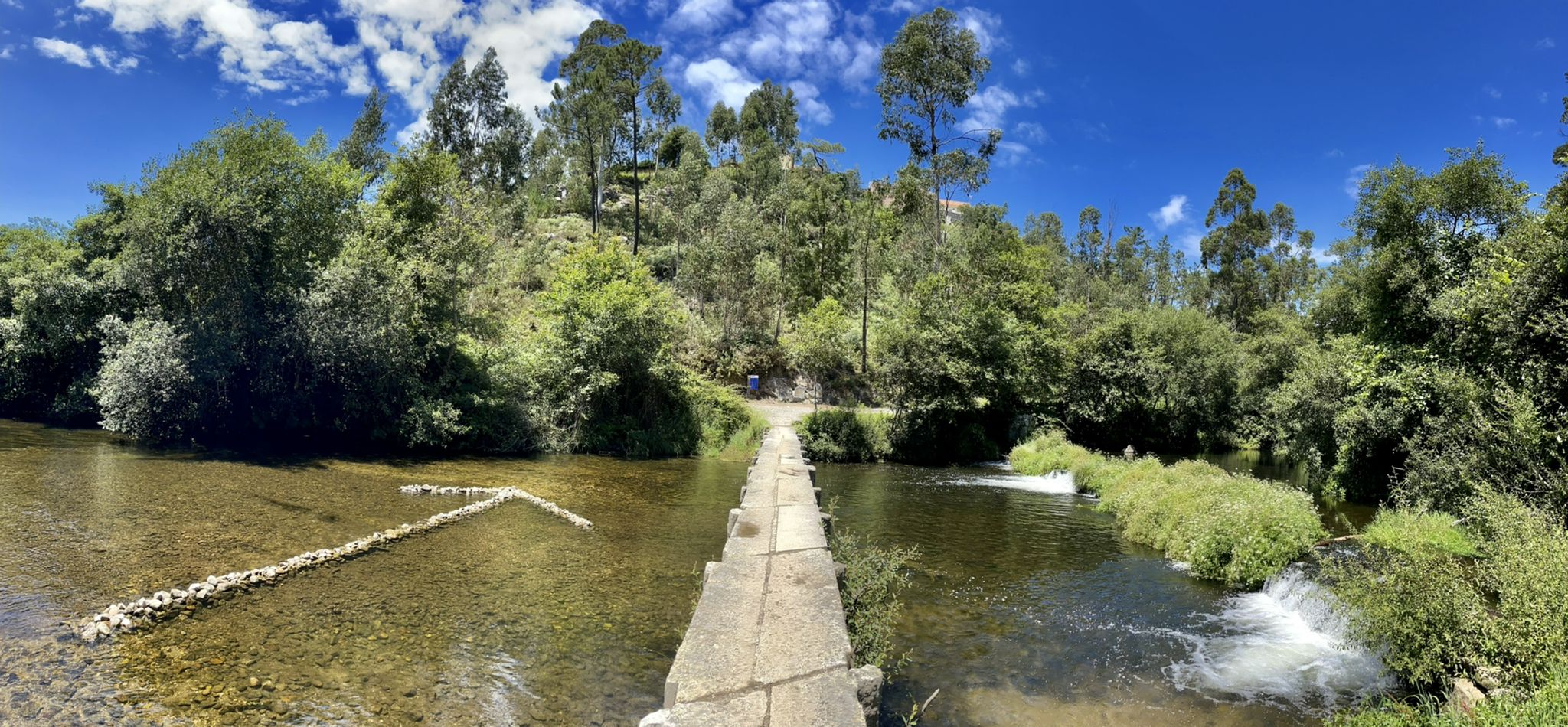
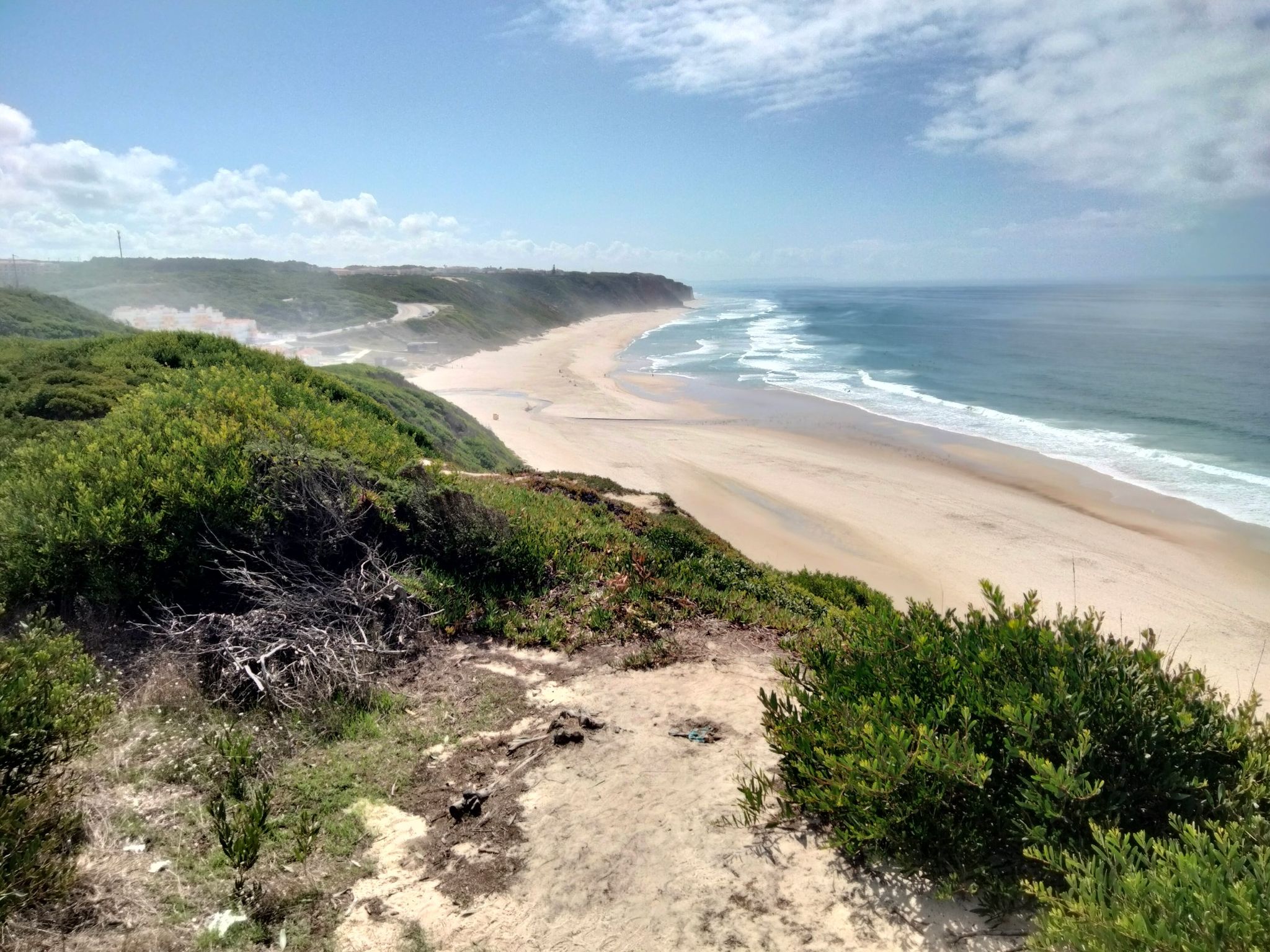
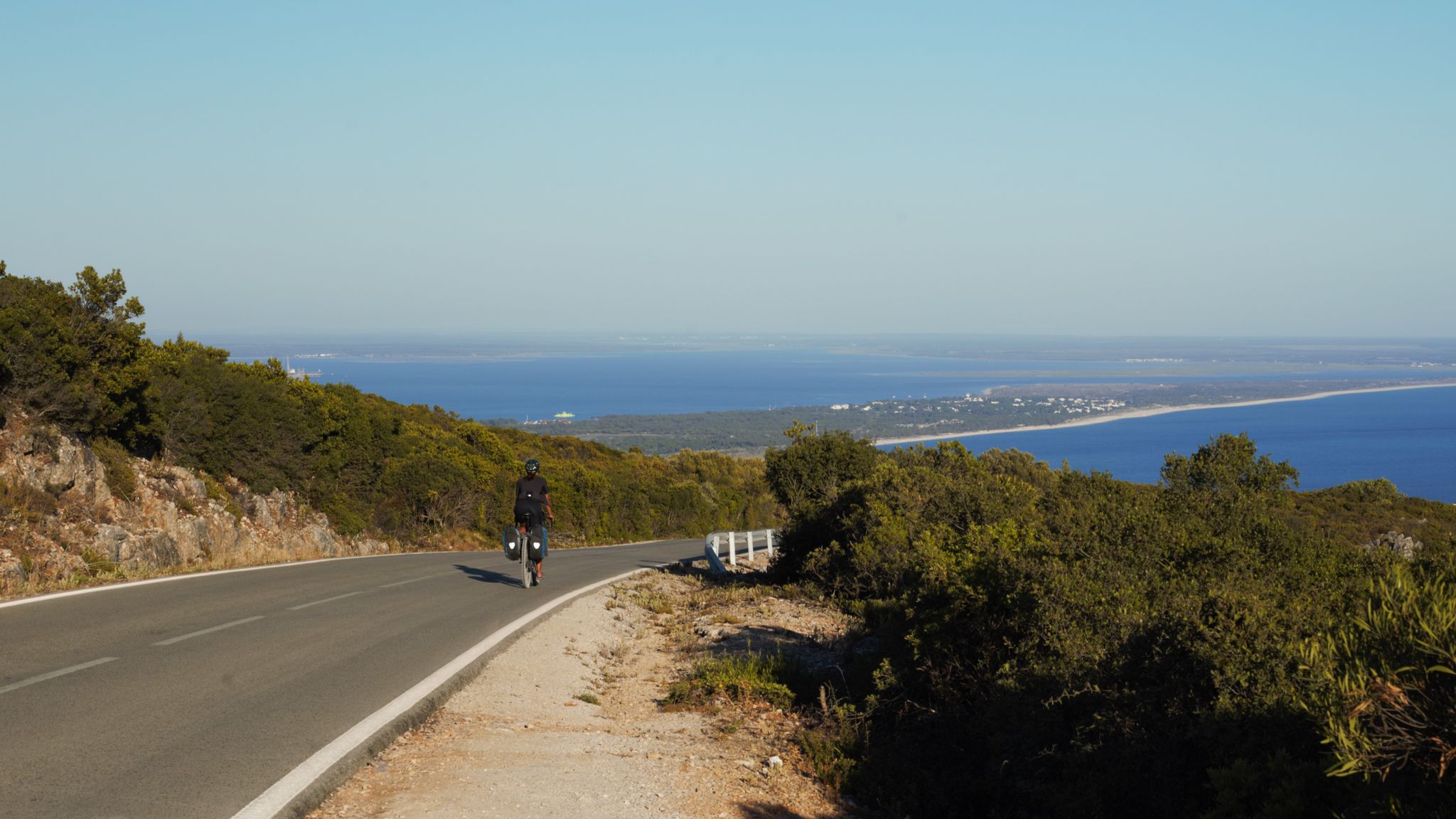
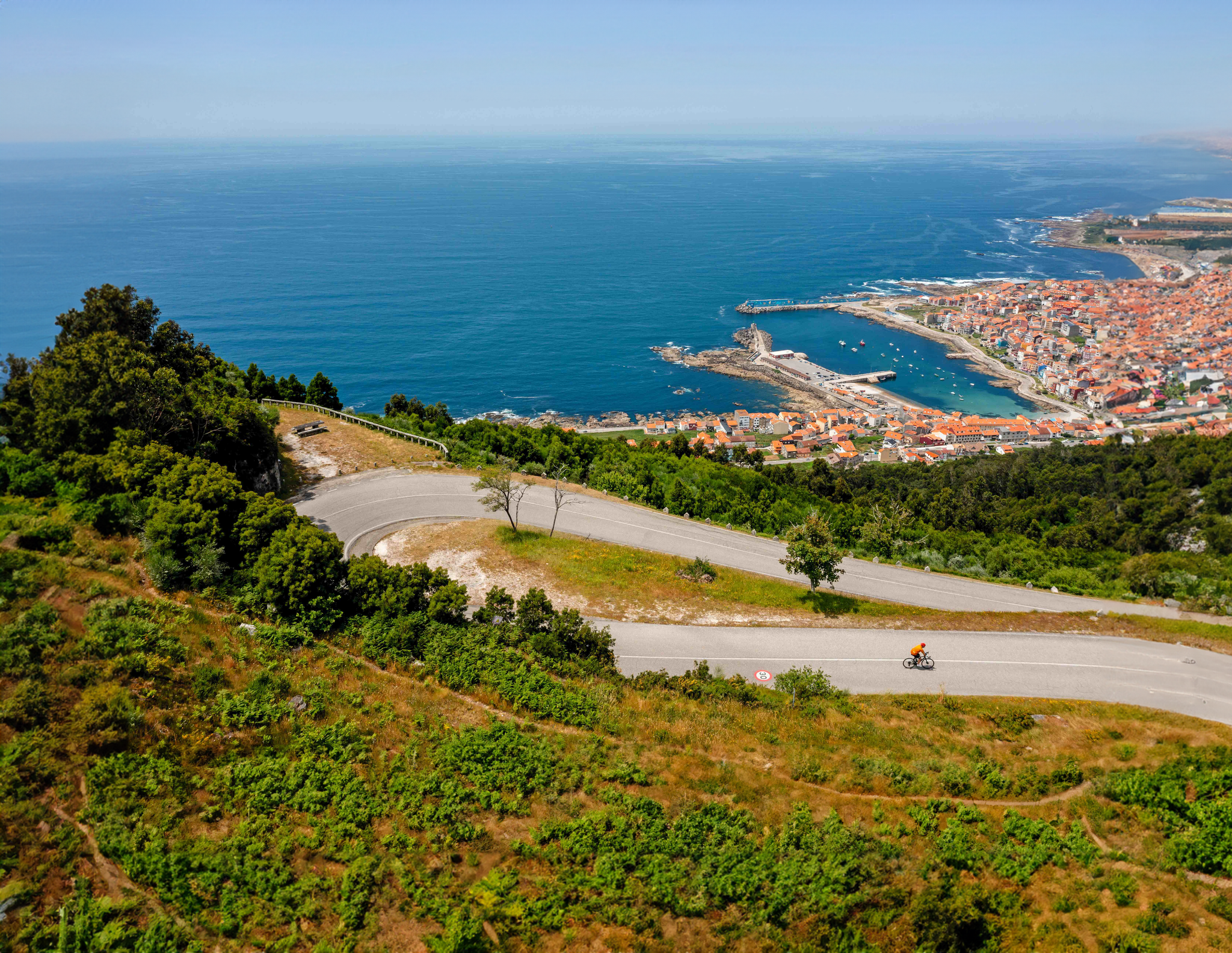
Other adventures in the Tras-os-monte


Tips from the Community

Life danger if it rains. You cannot cross the river anymore
1
0

Santiago Square, also known as São Tiago Square (Portuguese: Praça de Santiago), is a medieval city square in Guimarães. It is part of the UNESCO World Heritage Site of the historic center of Guimarães. According to tradition, the Apostle James (São Tiago in Portuguese) brought an image of the Virgin Mary to Guimarães and placed it in a pagan temple in a square that was later named St. Tiago Square. Santiago Square is mentioned in numerous documents over several centuries and has retained many of its medieval features to this day. The now romanticized and photogenic medieval houses were once considered squalid and unhygienic. The space they occupied was long regarded as an "undignified" place.
2
0

Beautiful view of the church.
1
1

Rua de Santa Maria is a street of medieval origin in the historic center of Guimarães. It has been the most important street in Guimarães for many centuries, home to some of the city's elite. It was inhabited by noblemen and clergy for centuries.
1
0
While you breathe in the medieval atmosphere of Largo de São Tiago, the architecture of Largo do Toural immediately reflects the desire for spacious, open construction that was so typical of the 18th-century Enlightenment. The square illustrates the various phases of urban history that have remained vibrant in Guimarães. https://www.visitportugal.com/de/NR/exeres/42CD43EA-B377-427B-84D1-6A1F2324C86A
0
0
The Antigos Paços do Concelho is located at Largo da Oliveira 14, in Guimarães. Construction began during the reign of John I at the end of the 14th century. At the beginning of the 17th century, it was extensively remodeled by the architect João Lopes de Amorim. The interior apparently contains a painted wooden ceiling. Currently, it houses part of the Regional Tourism Board of Porto and Northern Portugal.
2
0
The Church of São Miguel do Castelo, also known as the Chapel of S'o Miguel Castle, was built in 1239 by the Foundation of Our Lady of the Olive Tree. Legend has it that the first king of Portugal, D. Afonso Henriques, was baptized here. Over the centuries, it gradually fell into ruin, reaching a state of disrepair in the mid-19th century when the Martins Sarmento Society decided to restore it. https://pt.wikipedia.org/wiki/Igreja_de_S%C3%A3o_Miguel_do_Castelo
2
0
Largo da Oliveira Square owes its name to an ancient olive tree that once stood on this site. The still existing fence, with a small replacement tree, bears the year 1342. Surrounded by pretty, typically northern Portuguese houses, the square is the ideal starting point for exploring the city's streets on foot. The square also boasts several interesting landmarks: to the west, a curious little Gothic chapel, Padrão do Salado, dating from the time of King D. Afonso IV, which commemorates the Battle of Salado. There, in 1340, Portuguese and Castilian forces jointly defeated the forces of the Moorish king of Granada. Directly behind it lies the Church of Nossa Senhora de Oliveira (also known as the Colegiada). It is the first Gothic monument built in the Minho region. On the right side of the square, you can still see the former medieval town hall, with a stone sculpture that, according to tradition, represents Guimarães. Below, Gothic arcades lead to Largo S. Tiago, one of the city's most characteristic squares. https://www.visitportugal.com/de/NR/exeres/9FD0C908-905C-4119-8821-A155EC3C4CEB
2
1
Frequently Asked Questions
How many bus station hiking trails are available in Trás-os-Montes?
There are nearly 100 hiking trails in Trás-os-Montes that are accessible from bus stations, offering a wide range of options for all skill levels. You'll find approximately 30 easy routes, 48 moderate routes, and 19 difficult routes to explore.
What is the best time of year to hike in Trás-os-Montes?
Trás-os-Montes offers diverse hiking experiences throughout the year. The 'Terra Quente' (Hot Land) in the south is ideal for spring and autumn, with pleasant temperatures for exploring vineyards and olive groves. The 'Terra Fria' (Cold Land) in the north, with its rugged mountains, is best enjoyed in late spring, summer, and early autumn when the weather is more stable and trails are clear of snow. Always check local weather forecasts before heading out.
What kind of terrain can I expect on bus station hiking trails in Trás-os-Montes?
The region's topography is dramatically varied. You can expect rugged mountains, deep valleys, and winding rivers. Trails may traverse ancient woodlands of wild oak and chestnut, fertile lands with terraced hills, or wilder regions with schist and granite formations. Some routes, like the View of the Teixeira Valley – View of Cascata do Arado loop from Gerês, feature significant elevation changes and more challenging terrain.
Are there easy bus station hikes suitable for beginners or casual walkers?
Yes, Trás-os-Montes offers a good selection of easy hikes accessible from bus stations. For instance, the Guimarães Castle – Oliveira Square, Guimarães loop from Guimarães is an easy route that allows you to explore historical sites with minimal elevation gain, perfect for a relaxed outing.
Can I bring my dog on these hiking trails?
While many trails in Trás-os-Montes are generally dog-friendly, especially in natural parks like Montesinho, it's always advisable to check specific park regulations or trail signage. Keep your dog on a leash, especially in protected areas or near livestock, and ensure you carry enough water for both of you.
Are there circular routes available from bus stations?
Yes, many of the bus station accessible trails in Trás-os-Montes are circular, allowing you to start and end your hike at the same point. An example is the View of the Rio Homem Reservoir – Campo do Gerês Roman Road loop from Campo do Gerês, which offers a scenic loop experience.
What natural attractions can I see along these bus station trails?
Trás-os-Montes is rich in natural beauty. You can encounter stunning waterfalls, such as those near the View of the Teixeira Valley – View of Cascata do Arado loop, or explore diverse ecosystems within natural parks like Montesinho and Alvão. The region features ancient woodlands, river valleys, and dramatic cliffs, particularly along the Douro River.
Are there historical landmarks or cultural sites near the bus station trails?
Absolutely. Trás-os-Montes is steeped in history. You can find numerous historical sites and cultural landmarks. For example, the Palace of the Dukes of Braganza and Guimarães Castle Park are accessible, offering a glimpse into the region's past. The Fortress of Valença is another notable historical site.
What do other hikers enjoy most about hiking in Trás-os-Montes?
The komoot community highly rates hiking in Trás-os-Montes, with an average score of 4.46 stars from over 7,200 ratings. Hikers often praise the region's wild and diverse landscapes, the tranquility of its natural parks, and the opportunity to discover traditional villages and historical sites. The well-preserved rural atmosphere and stunning views are frequently highlighted.
Are there any trails that offer views of reservoirs or significant bodies of water?
Yes, several trails provide beautiful views of reservoirs and rivers. The View of the Rio Homem Reservoir – Campo do Gerês Roman Road loop is a prime example, offering picturesque vistas of the Rio Homem Reservoir and its surroundings.
Are there any trails that lead to scenic viewpoints?
Many trails in Trás-os-Montes are designed to showcase the region's breathtaking panoramas. Routes like the Junceda Viewpoint – Junceda Viewpoint loop from Gerês and the Fraga Negra Viewpoint – Boneca Viewpoint loop from Gerês specifically highlight stunning viewpoints, offering expansive views of the diverse landscapes.
Most popular routes in the Tras-os-monte
Most popular attractions in the Tras-os-monte

Get inspired with the komoot mobile app


Explore more
Browse the best Hikes in other regions.
