The best gravel rides in the Tras-os-monte
4.6
(47)
335
riders
26
rides
Gravel biking in the Tras-os-monte offers diverse and rugged landscapes, characterized by a mix of fertile terraced hills in the south and extensive forests and higher altitude reliefs in the north. The region features deep river valleys carved by the Douro and its tributaries, alongside mountainous terrains. Natural parks such as Montesinho and Douro International provide varied environments for gravel bike routes.
Best gravel bike trails in the Tras-os-monte
- The most popular gravel bike trail is Ring route on Corno…
Last updated: July 7, 2026
2
riders
83.7km
08:38
2,110m
2,120m
Challenging 52.0-mile gravel biking loop on Corno de Bico from Forte de Cidade, with 6913 feet of elevation gain.
2
riders
29.4km
02:54
610m
610m
This difficult 18.3-mile (29.4 km) gravel biking loop in Corno do Bico Protected Landscape offers panoramic views and challenging terrain.

Sign up for free
36.4km
03:43
820m
820m
Tackle the difficult 22.6-mile (36.4 km) Loop Tour on Corno de Bico da Paredes de Coura, a gravel biking adventure with 2699 feet (823 metre
40.2km
03:55
990m
990m
Hard gravel ride. Very good fitness required. Mostly paved surfaces. Suitable for all skill levels.
20.0km
01:41
320m
310m
Moderate 12.4-mile gravel biking loop on Corno de Bico da Lamas with 1045 feet of elevation gain and panoramic views.
4.7
(6)
28
riders
36.0km
02:37
200m
200m
Moderate gravel ride. Good fitness required. Mostly paved surfaces. Suitable for all skill levels.
4.4
(7)
48
riders
51.5km
03:20
190m
190m
Moderate gravel ride. Good fitness required. Mostly paved surfaces. Suitable for all skill levels.
4.4
(7)
39
riders
64.8km
03:53
270m
270m
Moderate gravel ride. Good fitness required. Mostly paved surfaces. Suitable for all skill levels.
4.7
(6)
40
riders
69.8km
04:11
360m
360m
Moderate gravel ride. Good fitness required. Mostly paved surfaces. Suitable for all skill levels.
14
riders
91.3km
07:33
1,520m
1,520m
Hard gravel ride. Very good fitness required. Mostly paved surfaces. Suitable for all skill levels.
Get access to more routes and recommendations from other explorers.
Sign up for free
Already have an account?
Our route recommendations are based on thousands of hikes, rides, and runs completed by other people on komoot.
Start today with a free account
Your next adventure awaits.
Login or Signup
Popular around Tras-os-monte
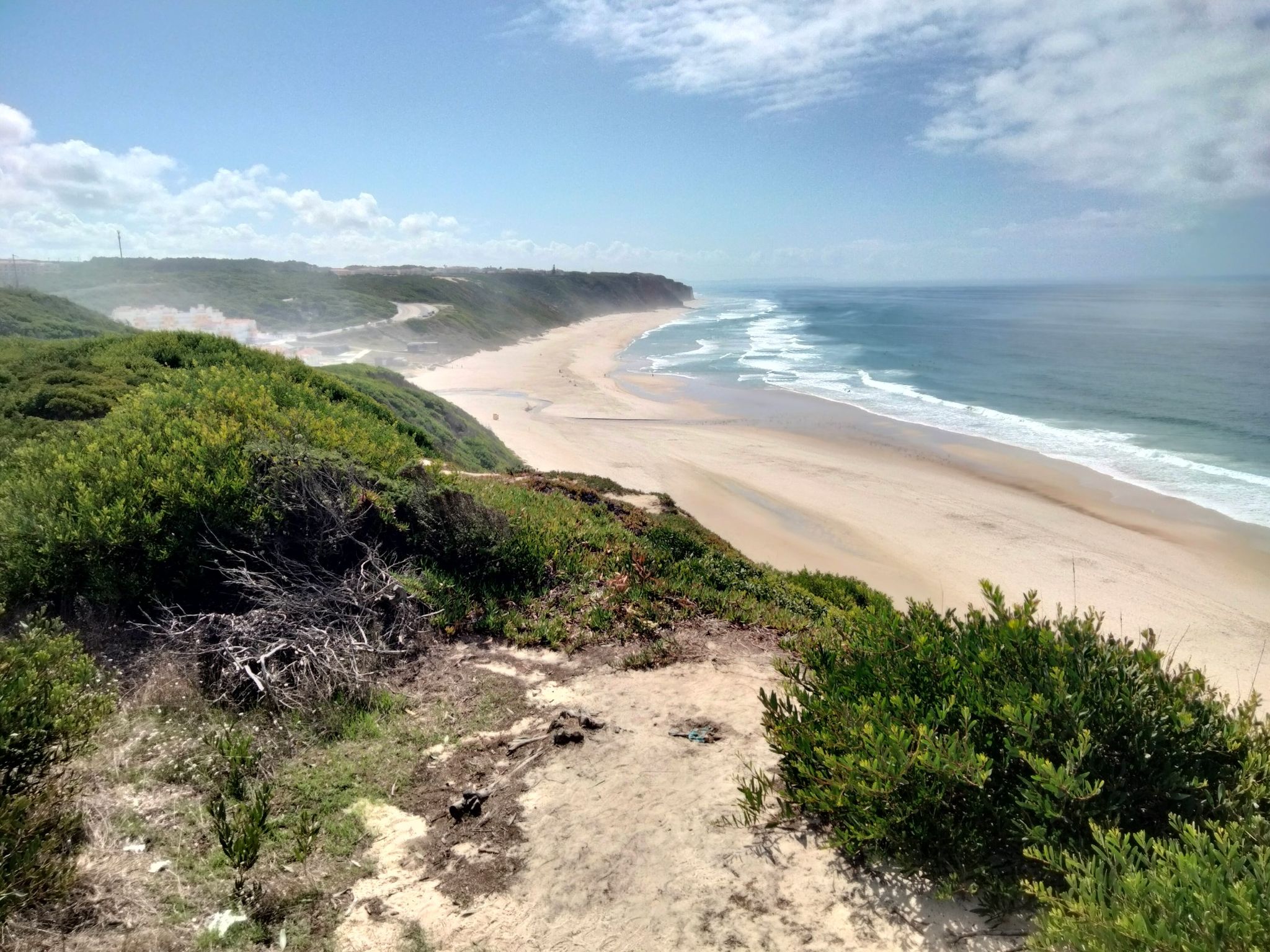
Portugal's Atlantic coast (north) – from Caminha to Lisbon
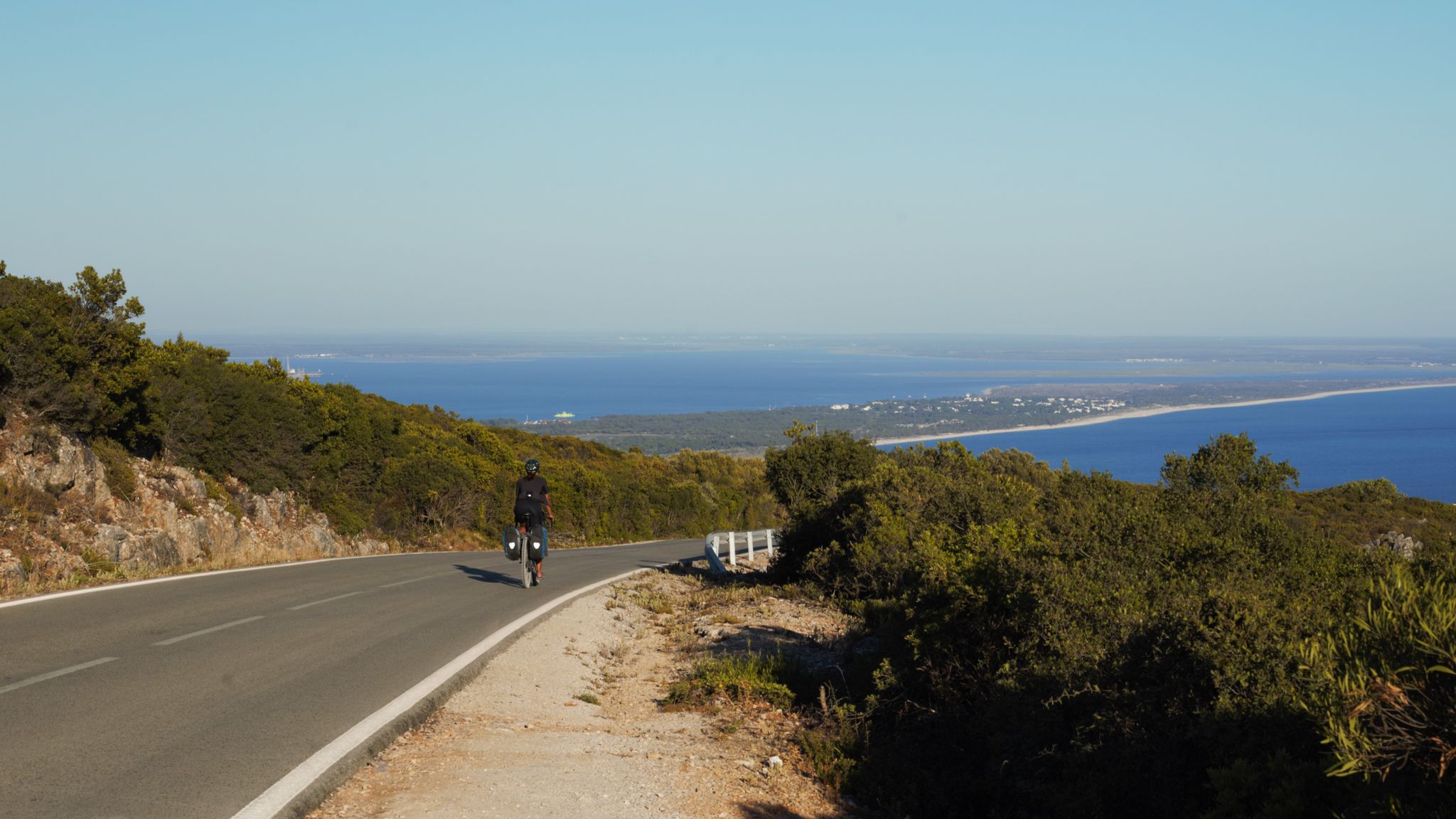
The breaking waves – cycle along the Atlantic coast of Portugal
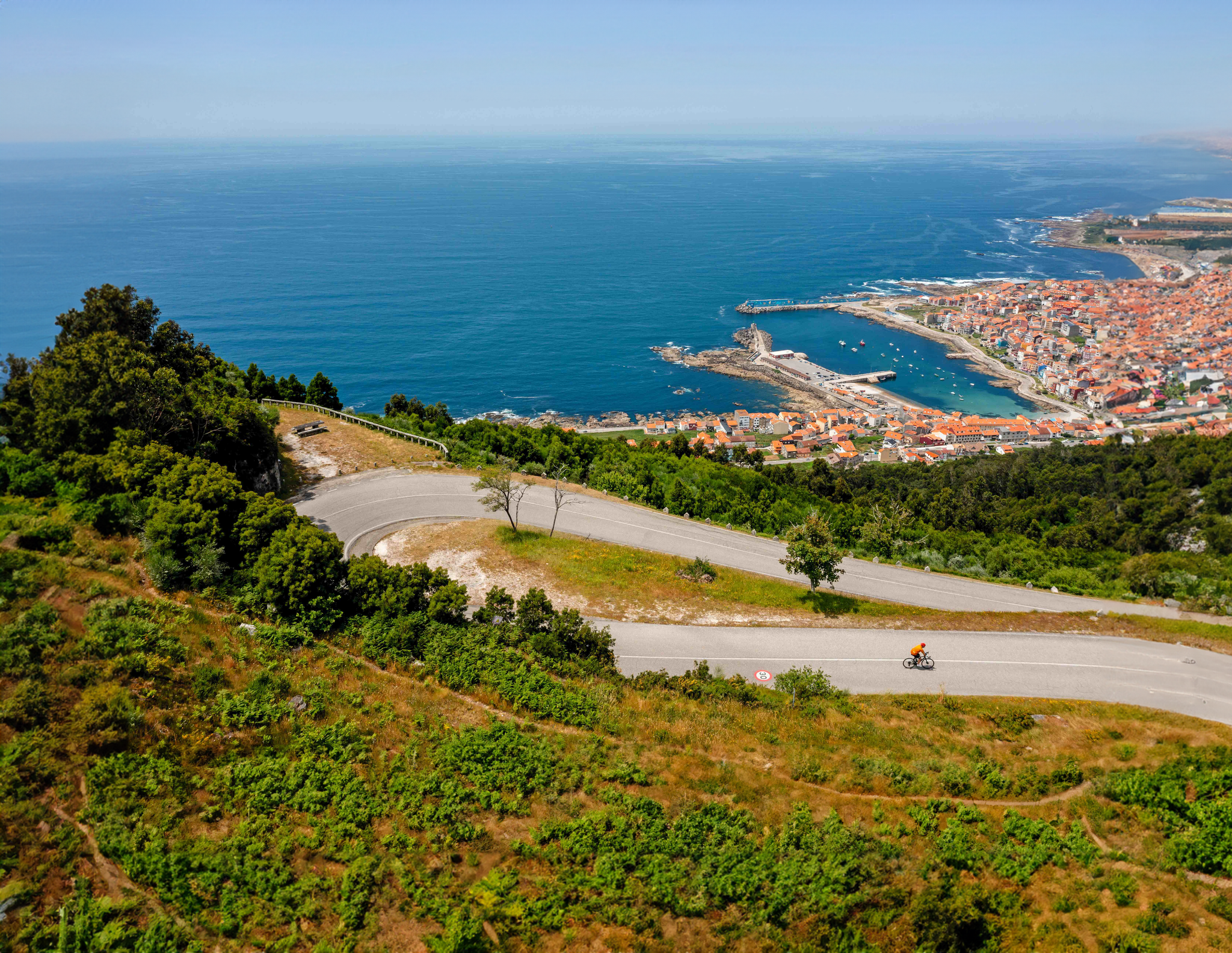
With TOUR in Northern Portugal
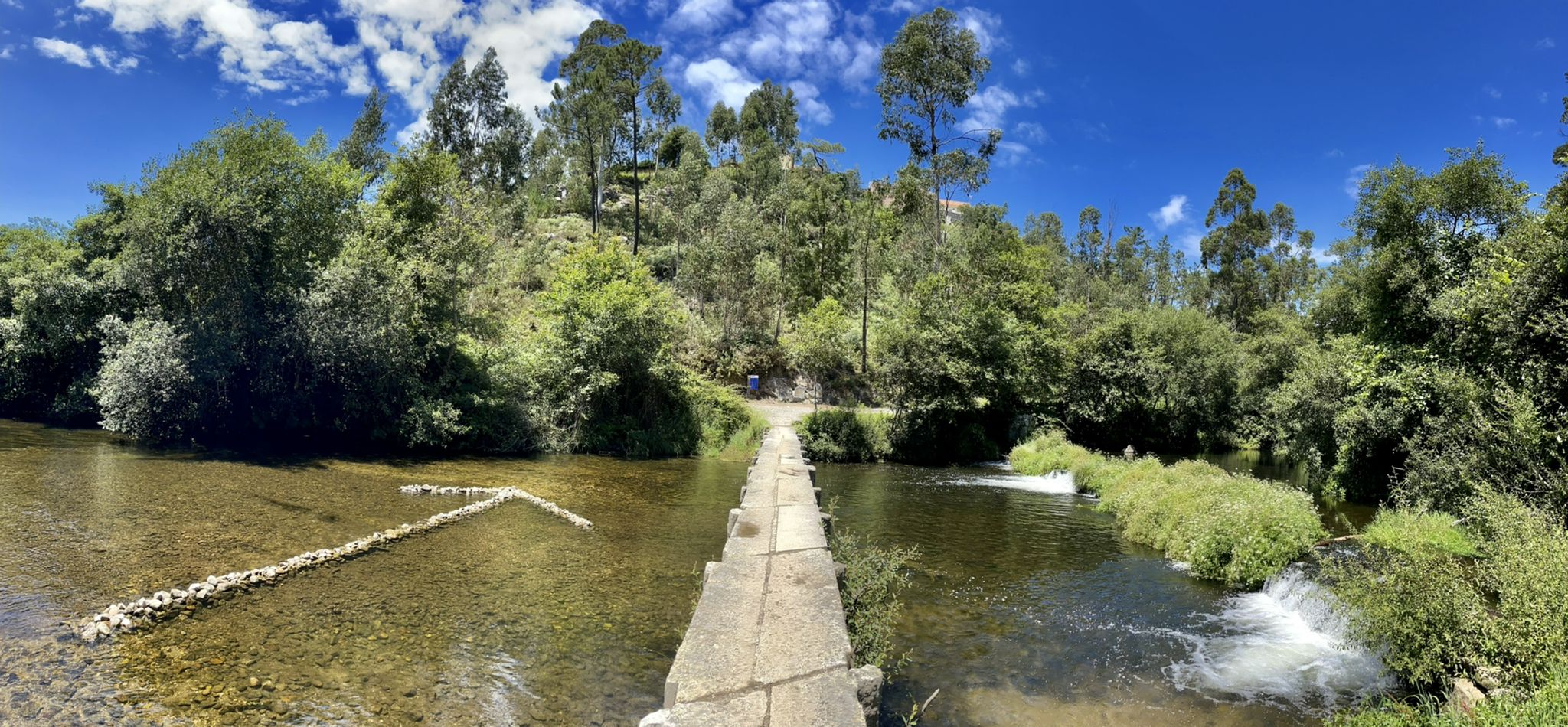
The challenge that knows no frontiers — Portuguese Coast Path
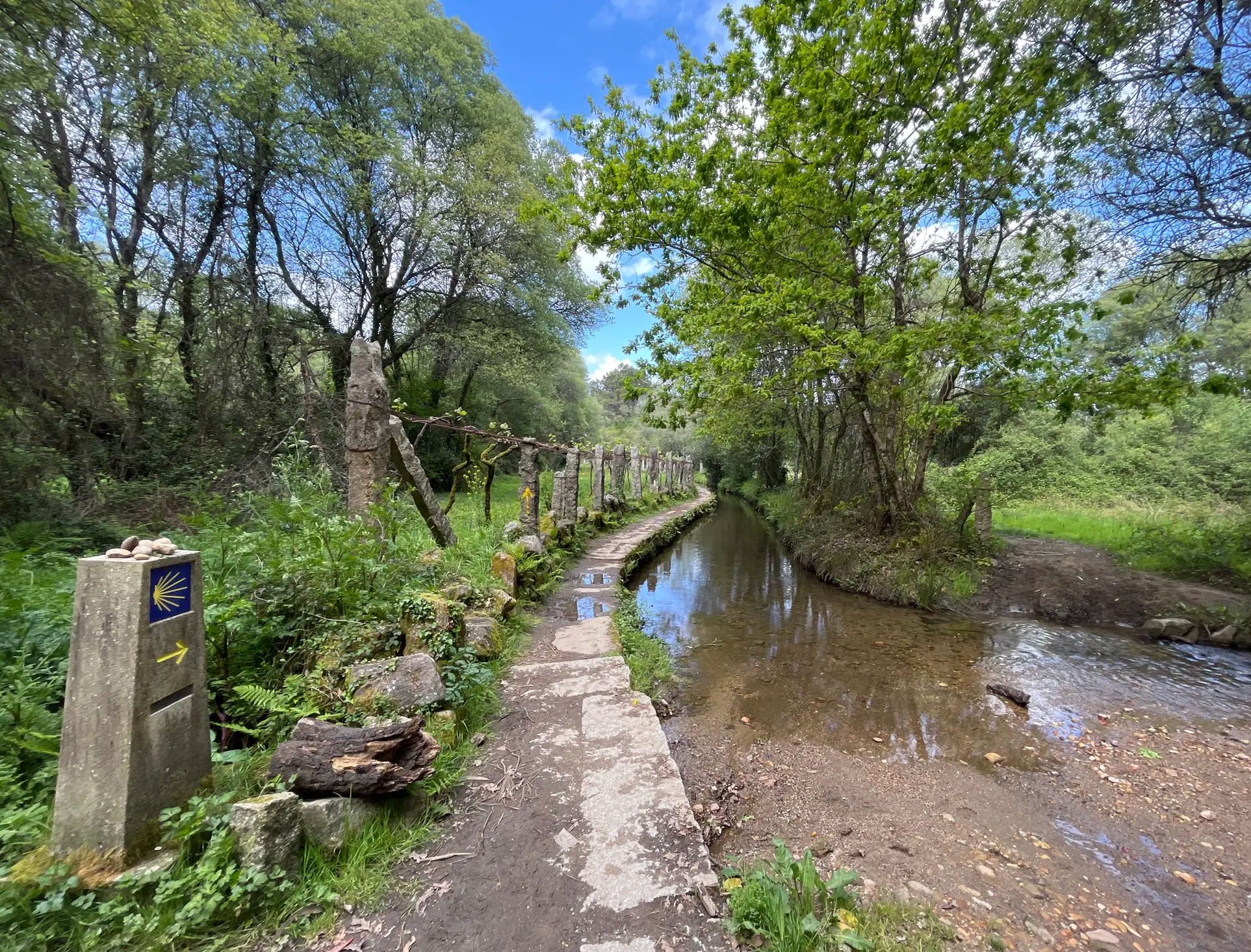
Na Rota dos Peregrinos – o Caminho Central Português
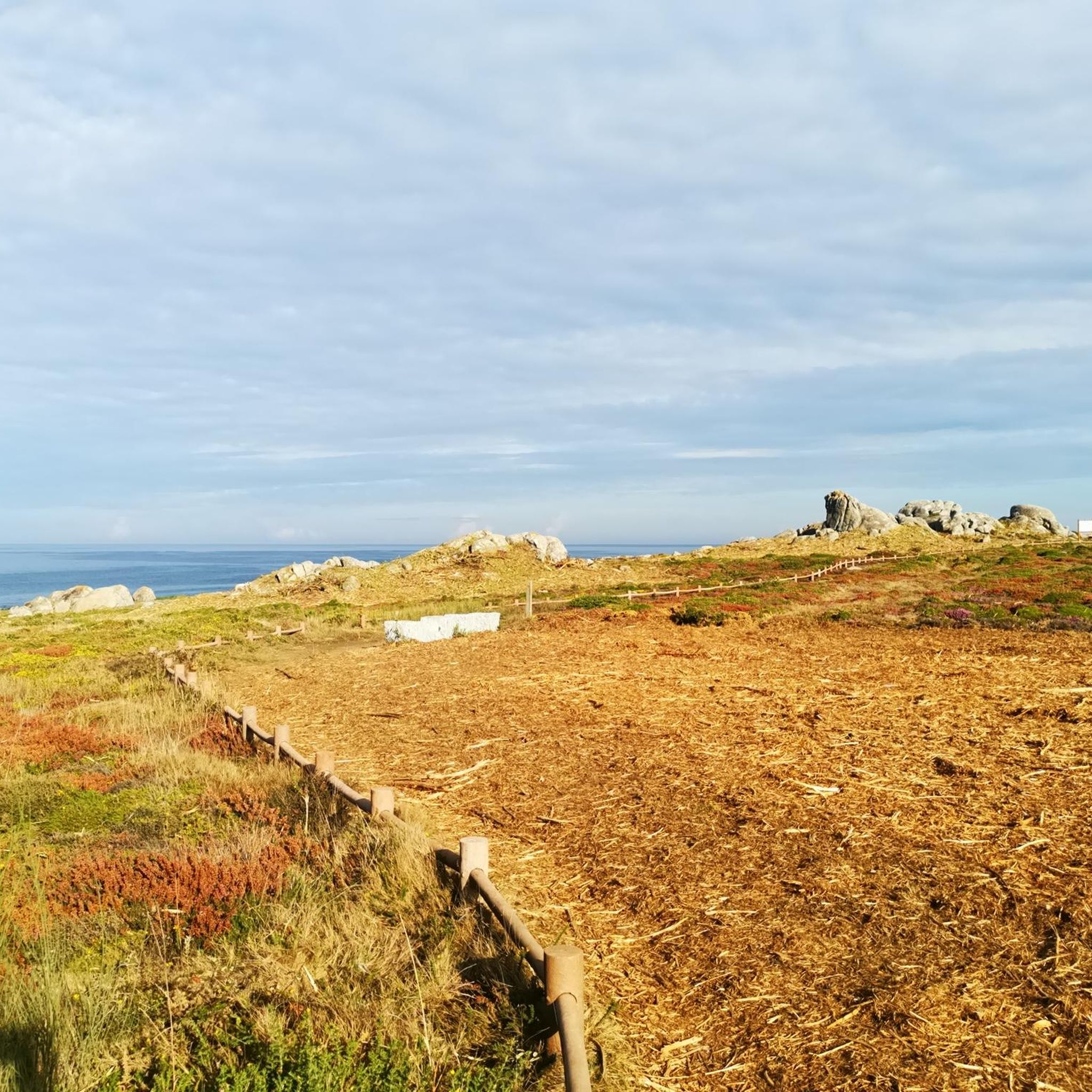
Hiking in the Tras-os-monte
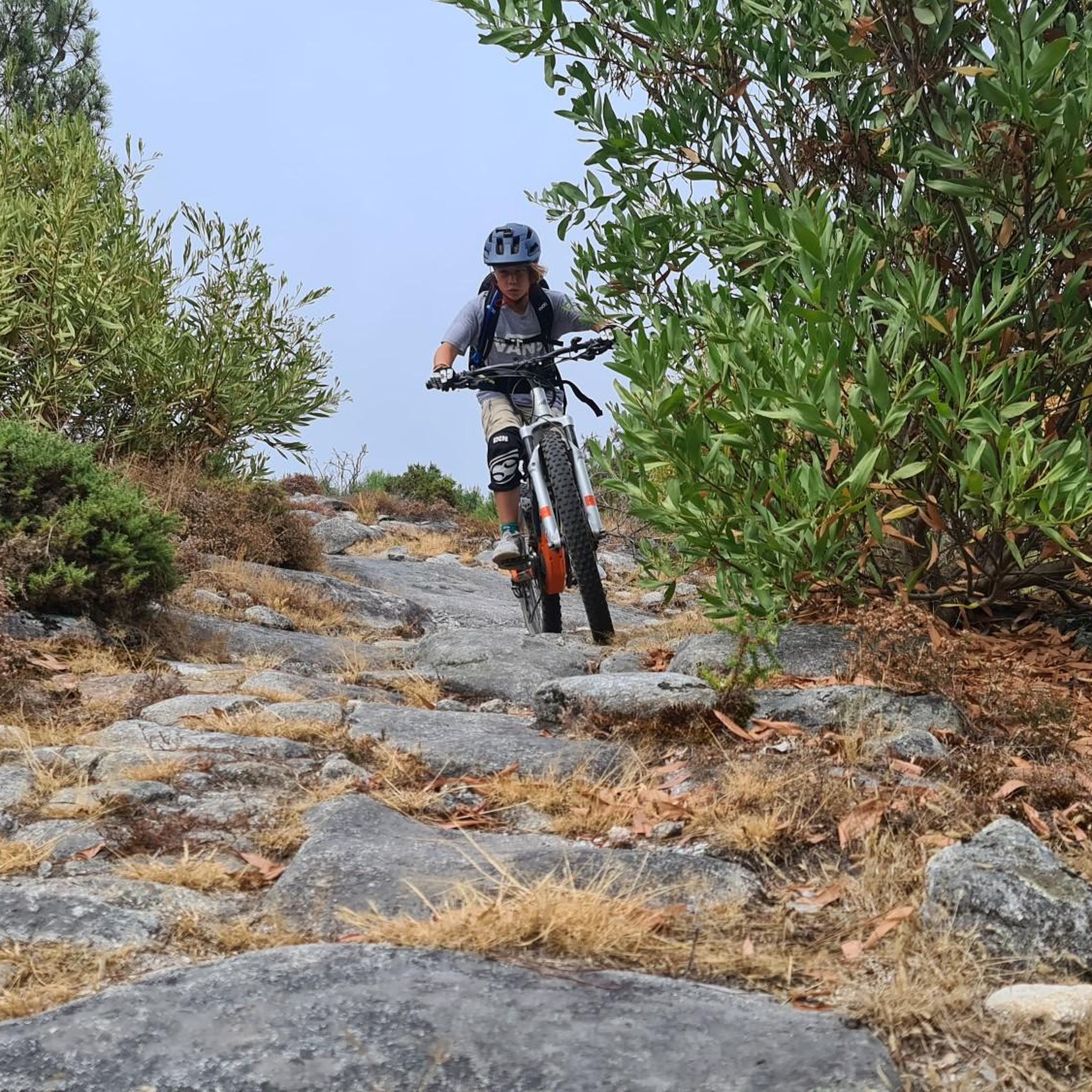
MTB Trails in the Tras-os-monte
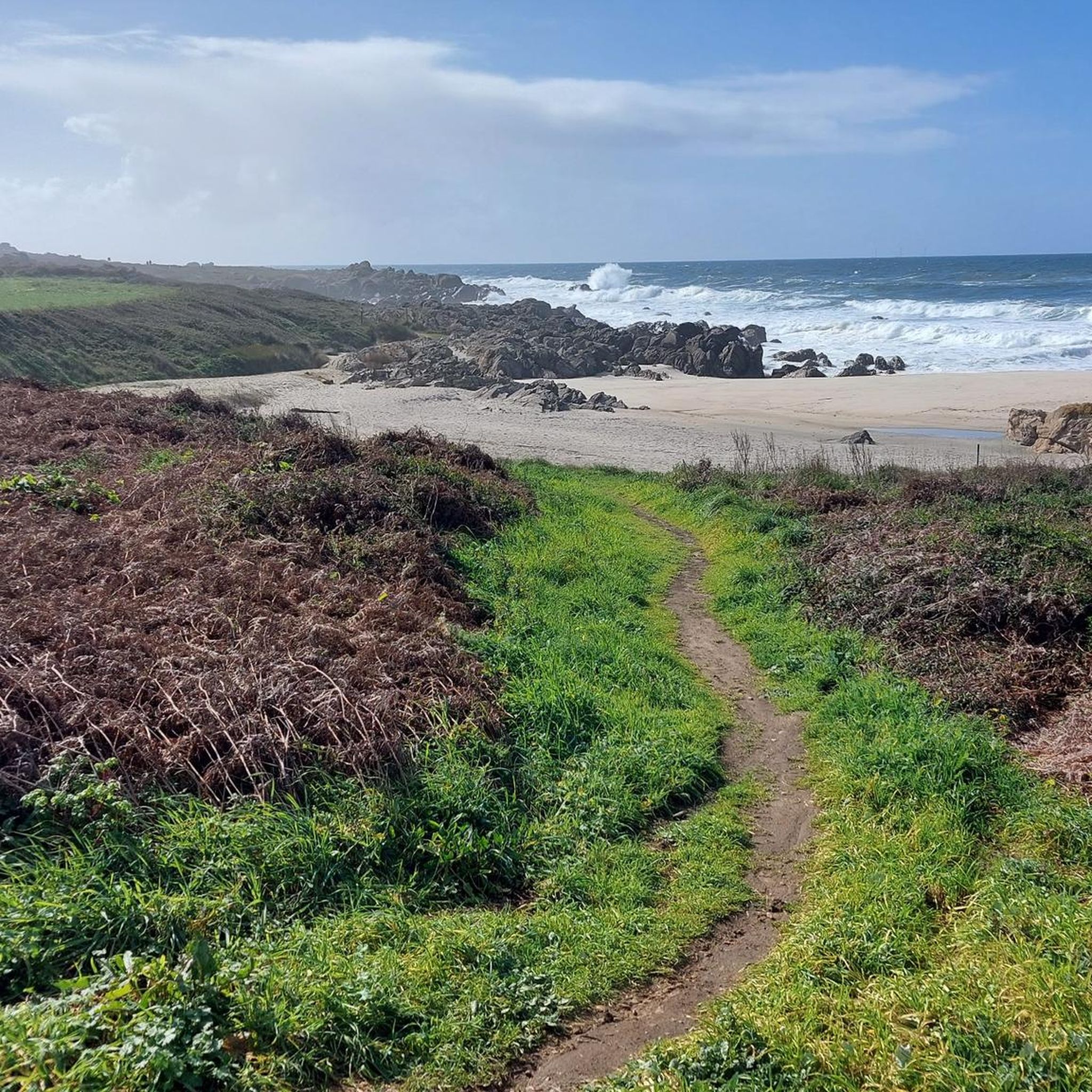
Cycling in the Tras-os-monte
Road Cycling Routes in the Tras-os-monte
Running Trails in the Tras-os-monte
Other adventures in the Tras-os-monte


Tips from the Community

Old castle, but it was unfortunately closed.
0
0


Many routes are not permitted for bicycles, but this is mostly ignored.
0
0

View of Monte Santa Trega with the fort located in front of it at the river mouth.
0
0

Visit and Accessibility Access: Access to the site is free and open 24 hours a day. Trails and Hiking: The fort is part of the PR7 - Paçô Fort Trail, a pedestrian route that coincides with part of the Camino de Santiago da Costa and allows you to explore the area of the Viana do Castelo Coastal Geopark, passing through landscapes of dunes and cliffs. Beach: Paçô Beach, adjacent to the fort, is a beach with a wide sandy area and rock formations that form natural pools at low tide. Accessibility: There is wheelchair accessible parking nearby.
2
0
Main Characteristics Military Architecture: The fort was built for the purpose of defending the Atlantic coast against maritime attacks. It has a characteristic star-shaped plan and small dimensions. Location: It is located directly on the beach, a few meters from the sea, which can reach its walls during the winter. Its location offers scenic views of the coastline. Current State: The fort is currently in ruins, without functional rehabilitation, and it is not possible to enter the structure. However, the surrounding area is accessible for public visitation.
2
0
The Paçô Fort, also known as the Montedor Fort, is a historic 17th-century coastal fortification located in the parish of Carreço, near Paçô Beach, in the municipality of Viana do Castelo, Portugal.
2
0
Frequently Asked Questions
How many gravel bike trails are available in Trás-os-Montes?
Trás-os-Montes offers a wide selection of gravel bike trails, with over 30 routes documented on komoot. These range from easy riverside paths to challenging mountain ascents, catering to various skill levels.
What kind of terrain can I expect on gravel bike trails in Trás-os-Montes?
The region is diverse, featuring two main types of terrain. In the south (Terra Quente), you'll find routes through fertile red soils, schist strata, and terraced hills carved by the Douro River, often passing vineyards and olive groves. The northern part (Terra Fria) offers more rugged, wild landscapes with higher altitudes, extensive forests of Pyrenean oak, and mountainous areas.
What is the best time of year for gravel biking in Trás-os-Montes?
The region experiences distinct seasons. The 'Terra Quente' (Hot Land) in the south has a Mediterranean feel, making spring and autumn ideal for comfortable riding through vineyards and orchards. The 'Terra Fria' (Cold Land) in the north has colder winters, so late spring, summer, and early autumn are generally best for exploring its mountainous and forested terrains.
Are there easy gravel bike routes suitable for beginners or families?
Yes, there are several easier routes. For a more gentle experience, consider the Lima River Ecotrail – Roman Bridge of Ponte de Lima loop from Ponte de Lima. This moderate 22.4-mile (36.0 km) path follows the Lima River, offering scenic views with a more gentle gradient, making it suitable for families or those new to gravel biking.
Are there challenging gravel bike routes for experienced riders?
Absolutely. Trás-os-Montes is known for its rugged landscapes, offering plenty of challenging routes. The Ring route on Corno de Bico from Forte de Cidade is a difficult 52.0-mile (83.7 km) trail with significant elevation gain through the Corno de Bico area, perfect for experienced gravel bikers seeking a demanding ride.
Can I find circular gravel bike routes in Trás-os-Montes?
Many of the gravel bike routes in Trás-os-Montes are designed as loops, allowing you to start and end in the same location. An example is the Loop tour of Corno de Bico, which offers a challenging circular ride through the natural park.
What natural features or landmarks can I see along the gravel bike trails?
You can explore diverse natural parks like Montesinho, Douro International, and Tua Valley. Trails often follow deep river valleys carved by the Douro and its tributaries, offering dramatic views. You might also encounter impressive gorges such as Fenda da Calcedónia or the scenic Vale de Teixeira.
Are there any interesting historical villages or towns to explore near the trails?
Yes, Trás-os-Montes is rich in charming, traditional villages and historic towns. Bragança boasts a medieval castle, Miranda do Douro has a distinct cultural identity, and Mirandela offers historic charm along the Tua River. Many routes pass through smaller, remote villages like Rio de Onor, allowing you to experience ancient traditions and architecture.
What are the options for parking near gravel bike trails?
While specific parking details vary by route, many trails start from towns or villages that offer public parking. For routes like the Ring route on Corno de Bico from Forte de Cidade, you can typically find parking in the starting village or nearby designated areas. It's always advisable to check the route details on komoot for specific starting points and potential parking information.
Are there places to stay or eat along the routes?
Yes, the region offers various options for accommodation and refreshments. You'll find charming villages with local cafes and restaurants, especially in towns like Bragança, Miranda do Douro, and Mirandela. For overnight stays, there are hostels and shelters, such as the Albergue Quinta Estrada Romana or the Lomba do Vidoeiro Shepherd Shelter, which can be found along or near some routes.
What do other gravel bikers enjoy most about the trails in Trás-os-Montes?
The gravel biking experience in Trás-os-Montes is highly rated by the komoot community, with an average score of 4.8 stars from over 40 reviews. Riders frequently praise the diverse and rugged landscapes, the sense of escape into nature, and the variety of routes that cater to different skill levels, from serene riverside paths to challenging mountain ascents.
Are there any routes that pass by water features or potential wild swimming spots?
Yes, the region is characterized by its rivers and valleys. The Douro River and its tributaries, like the Corgo and Tua, offer many scenic sections. You might find spots along rivers such as the Swimming spot in Peneda-Gerês National Park or the Rio Cabril Crossing, which are popular for cooling off during warmer months.
Are there any long-distance gravel routes available?
For those looking for longer rides, Trás-os-Montes offers routes that can be combined or are inherently long. The View from the bridge – Cycle path along the river loop from Carvalha-A is a substantial 56.7-mile (91.3 km) trail leading through river valleys with significant climbs, often taking around 8 hours 50 minutes to complete, providing a good option for a full-day adventure.
Most popular routes in the Tras-os-monte
Most popular attractions in the Tras-os-monte

Get inspired with the komoot mobile app


Explore more
Browse the best Gravel rides in other regions.
