The best cycling routes in the Tras-os-monte
4.5
(837)
8,377
riders
505
rides
Touring cycling routes in the Tras-os-monte region of Portugal traverse a varied landscape, characterized by high plateaus, rolling hills, and deep river valleys. The region features lush forests, fertile farmlands, and rugged mountain terrain, including the Serra de Montesinho and Serra da Coroa ranges. Cyclists will encounter the dramatic canyons of the Douro River, terraced vineyards, and extensive woodlands of black oak and chestnut trees.
Best touring cycling routes in the Tras-os-monte
- The most popular touring cycling route is Minho River Ecopista, a 10.5 miles (16.8 km) trail that takes 1 hour to complete, following the river with minimal elevation gain.
- Another top favourite among local touring cyclists is Rio Lima Ecoway, a moderate 23.8 miles (38.3 km) path. This route offers scenic views along the Lima River, passing through varied landscapes.
- Local touring cyclists also love the Circular Route 13 of Mondim de Basto — Alvão Natural Park, a 30.3 miles (48.9 km) trail leading through the Alvão Natural Park, often completed in about 4 hours 48 minutes.
- Touring cycling in the Tras-os-monte is defined by river valleys, mountain ranges, and traditional villages, with routes available for easy rides on converted railway lines and challenging climbs through natural parks.
- The routes in Tras-os-monte are highly rated by the komoot community with an average score of 4.5 stars from over 800 reviews. More than 8,000 touring cyclists have used komoot to explore Tras-os-monte's varied terrain.
Last updated: June 23, 2026
5.0
(2)
37
riders
16.8km
01:00
110m
110m
Cycle the easy 10.5-mile Minho River Ecopista, a touring bicycle route along the Minho River with gentle slopes and scenic views.
5.0
(2)
12
riders
38.3km
03:17
150m
160m
Cycle the moderate Rio Lima Ecoway for 23.8 miles (38.3 km) along the Lima River, enjoying diverse scenery and cultural sights.

Sign up for free
3.7
(3)
9
riders
39.1km
03:02
440m
450m
Hard bike ride. Good fitness required. You may need to push your bike for some segments of this route.
10
riders
48.9km
04:49
1,220m
1,220m
Hard bike ride. Very good fitness required. Mostly paved surfaces. Suitable for all skill levels.
3
riders
48.3km
04:36
890m
890m
Hard bike ride. Very good fitness required. Mostly paved surfaces. Suitable for all skill levels.
76.4km
05:19
1,420m
1,420m
This difficult 47.5-mile touring bicycle route crosses the Gerês-Xurés Biosphere Reserve, featuring Roman ruins and mountain views.
16.3km
01:05
230m
230m
Cycle a moderate 10.1-mile (16.3 km) circular route in Santo Tirso, passing the Fervença Falls and historic São Bento Monastery.
1
riders
21.9km
01:52
700m
700m
Hard bike ride. Very good fitness required. Mostly paved surfaces. Suitable for all skill levels.
4.6
(57)
366
riders
48.9km
03:19
250m
250m
Moderate bike ride. Good fitness required. Mostly paved surfaces. Suitable for all skill levels.
4.7
(40)
293
riders
Hard bike ride. Very good fitness required. Mostly paved surfaces. Suitable for all skill levels.
Get access to more routes and recommendations from other explorers.
Sign up for free
Already have an account?
Our route recommendations are based on thousands of hikes, rides, and runs completed by other people on komoot.
Start today with a free account
Your next adventure awaits.
Login or Signup
Popular around Tras-os-monte
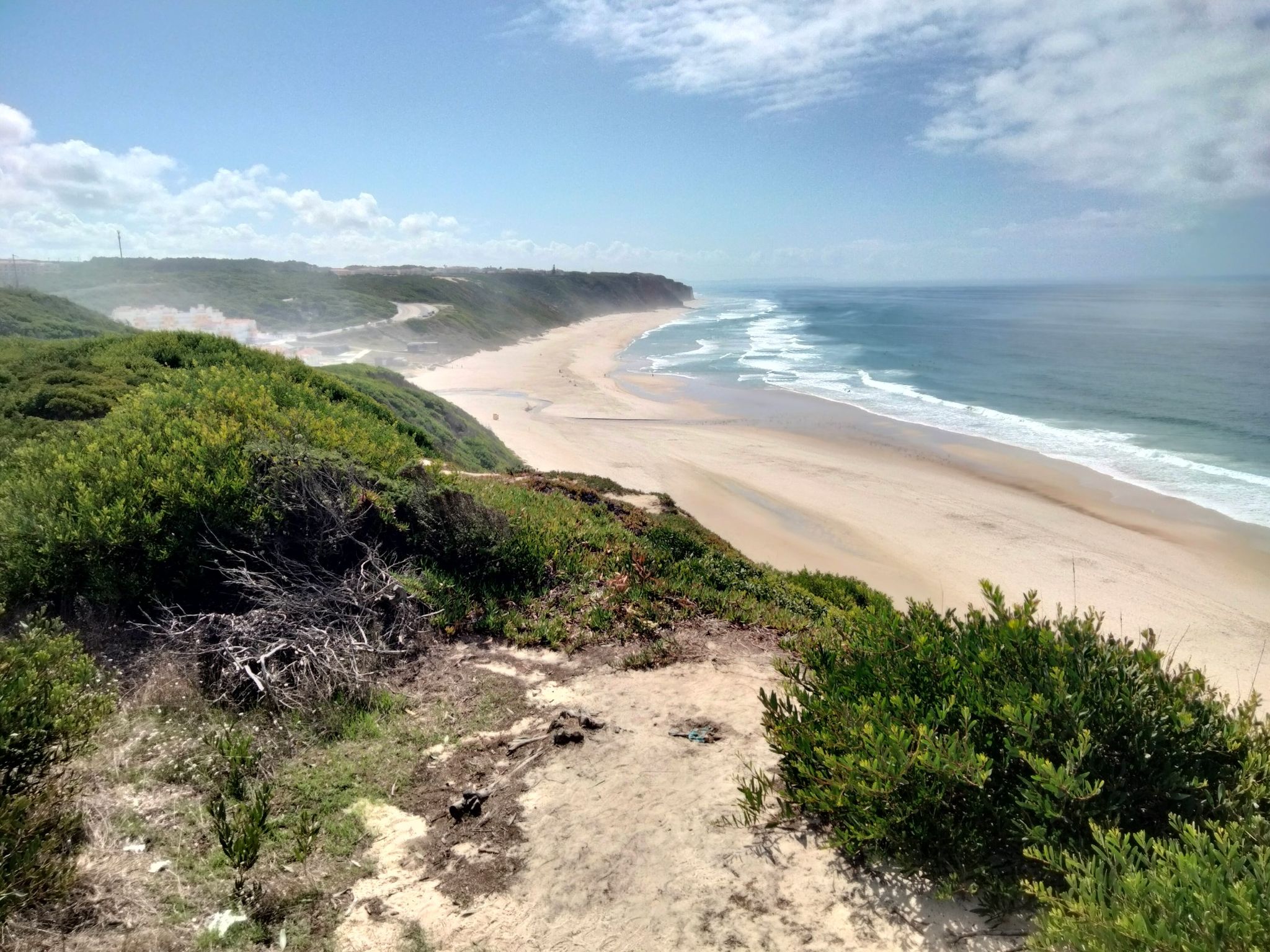
Portugal's Atlantic coast (north) – from Caminha to Lisbon
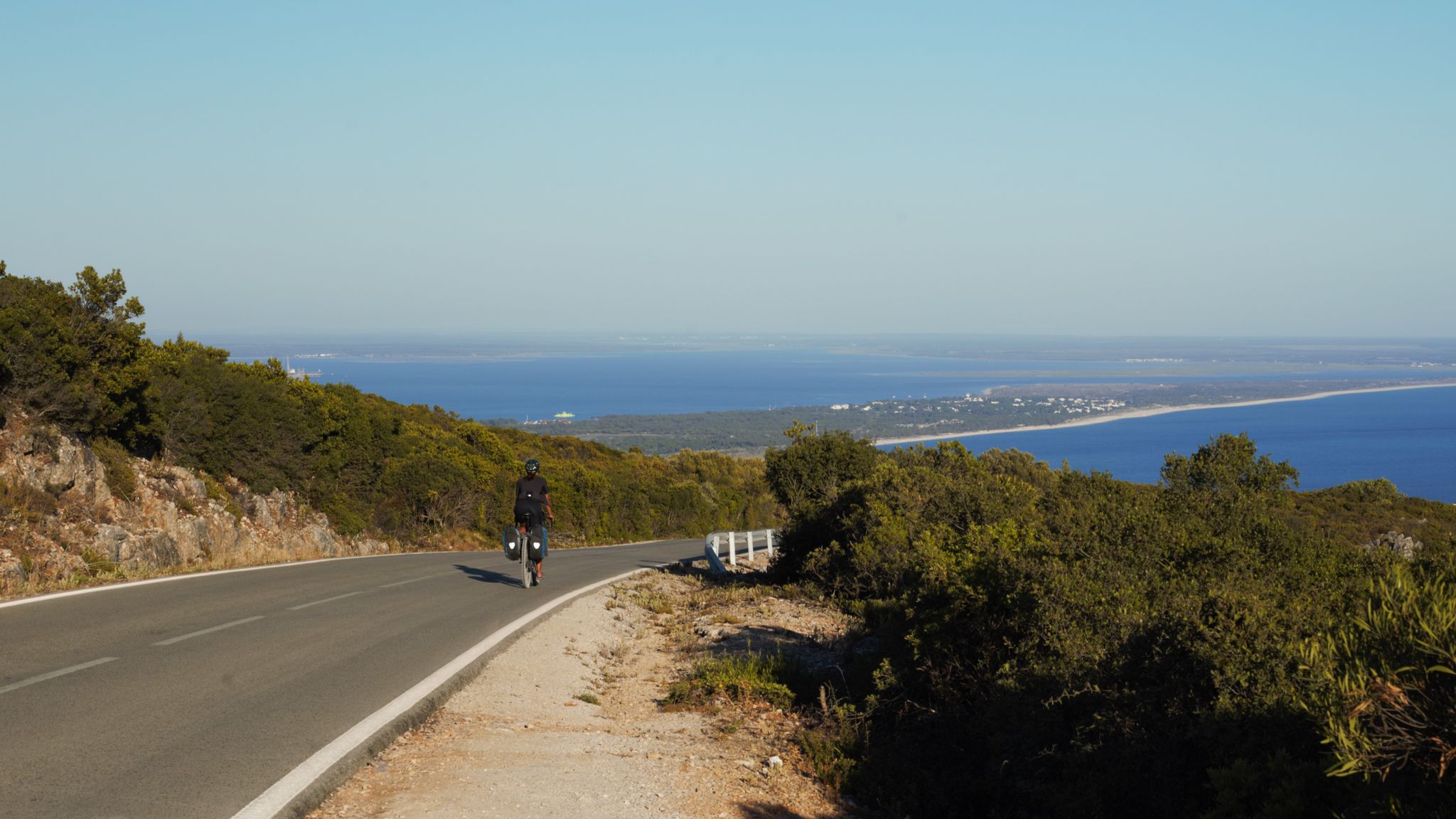
The breaking waves – cycle along the Atlantic coast of Portugal
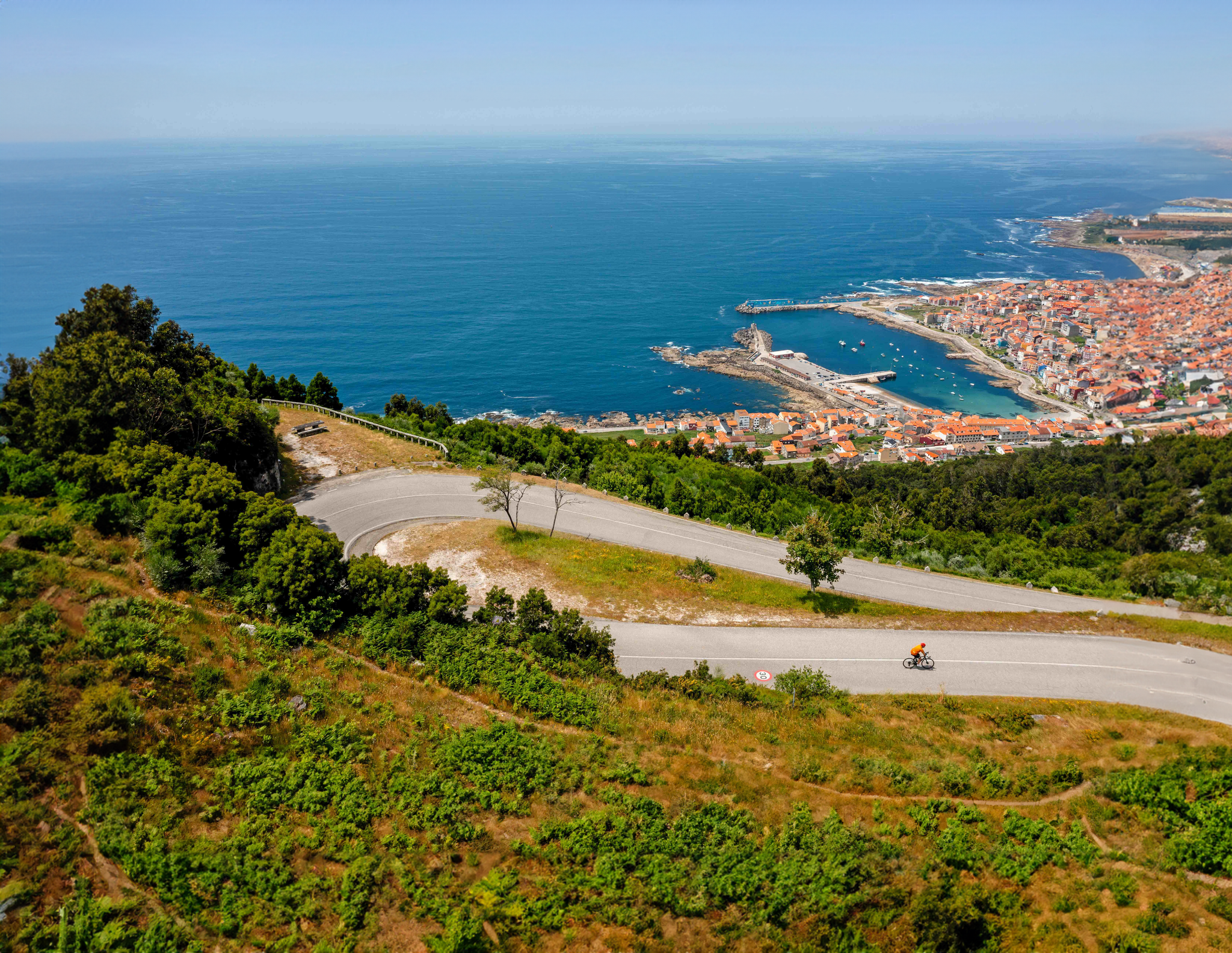
With TOUR in Northern Portugal
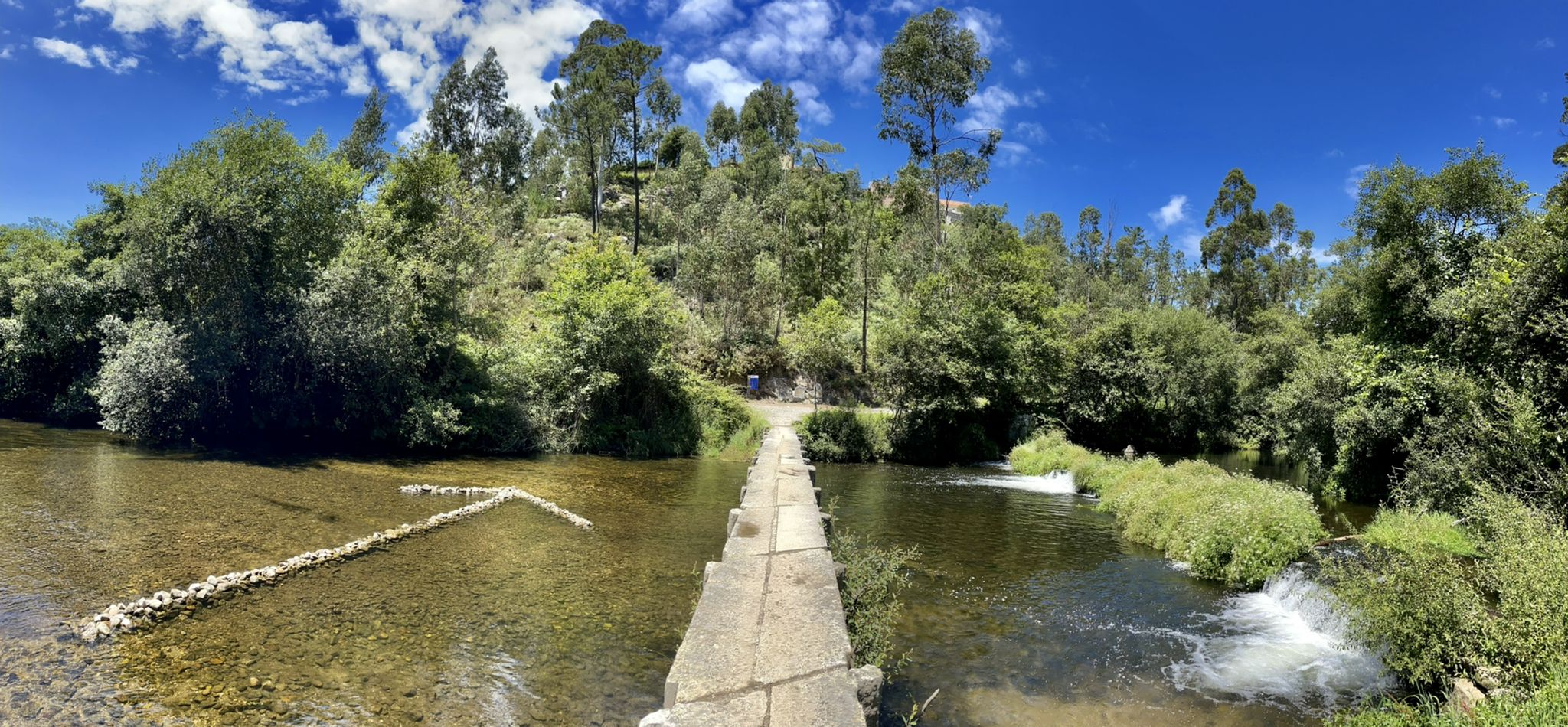
The challenge that knows no frontiers — Portuguese Coast Path
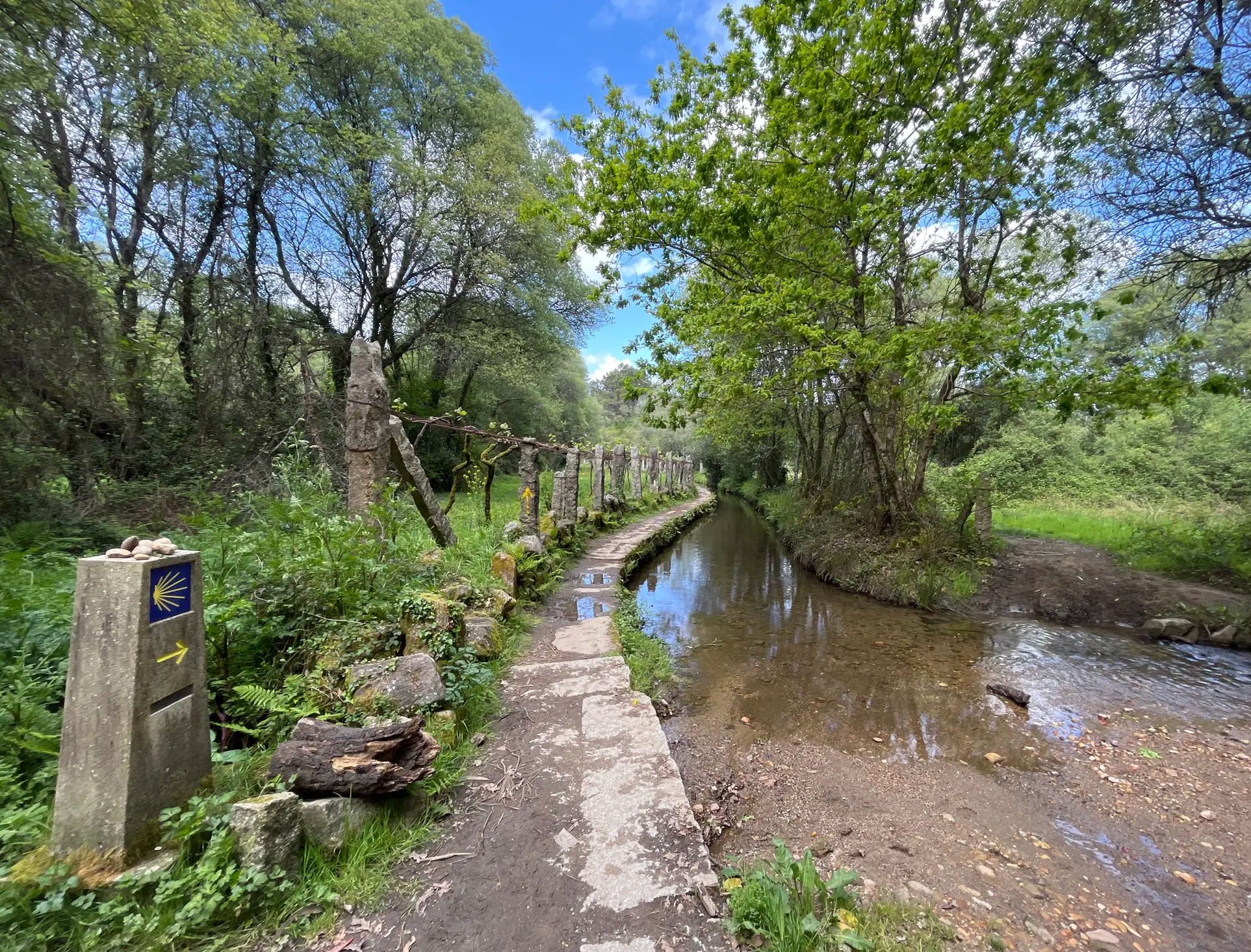
Na Rota dos Peregrinos – o Caminho Central Português
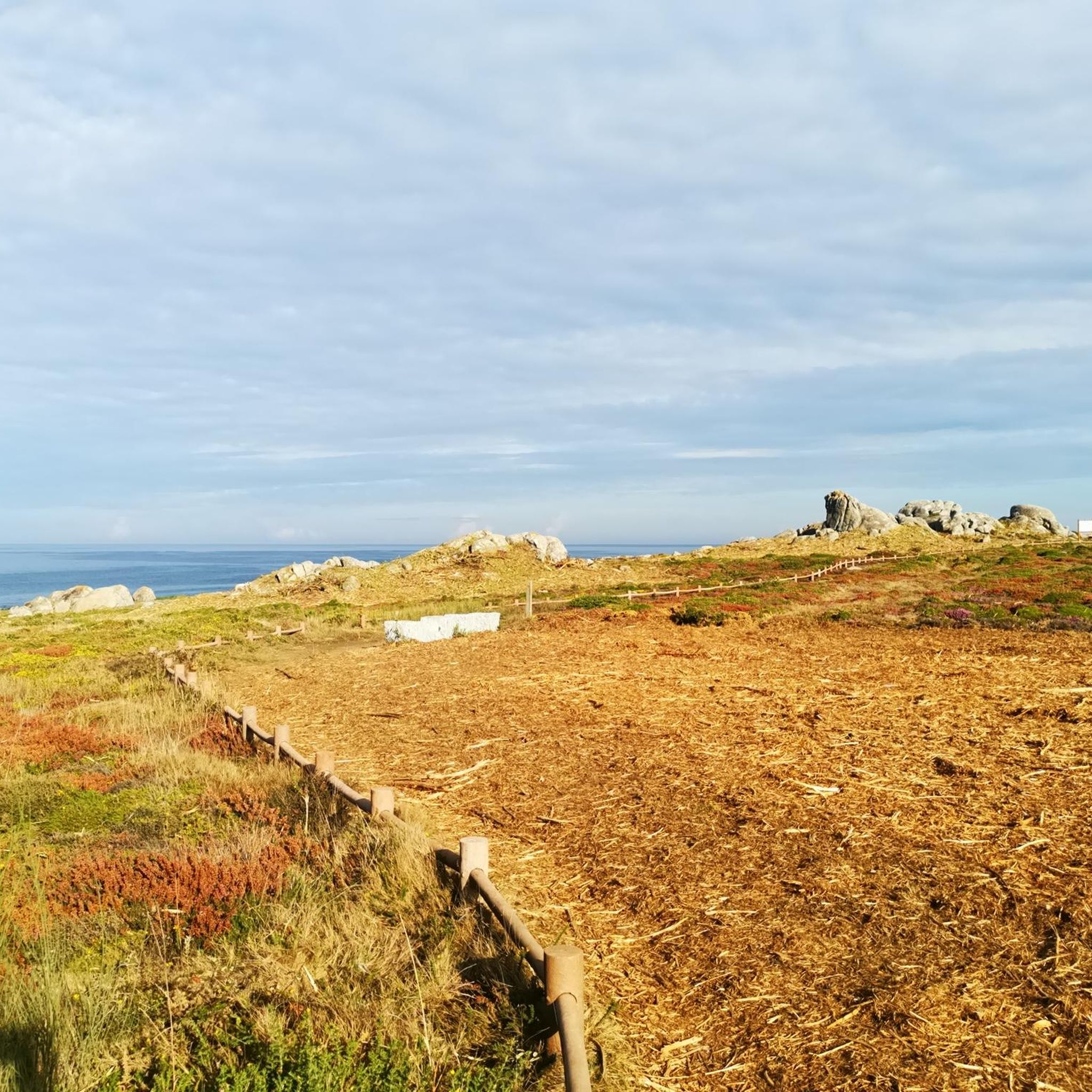
Hiking in the Tras-os-monte
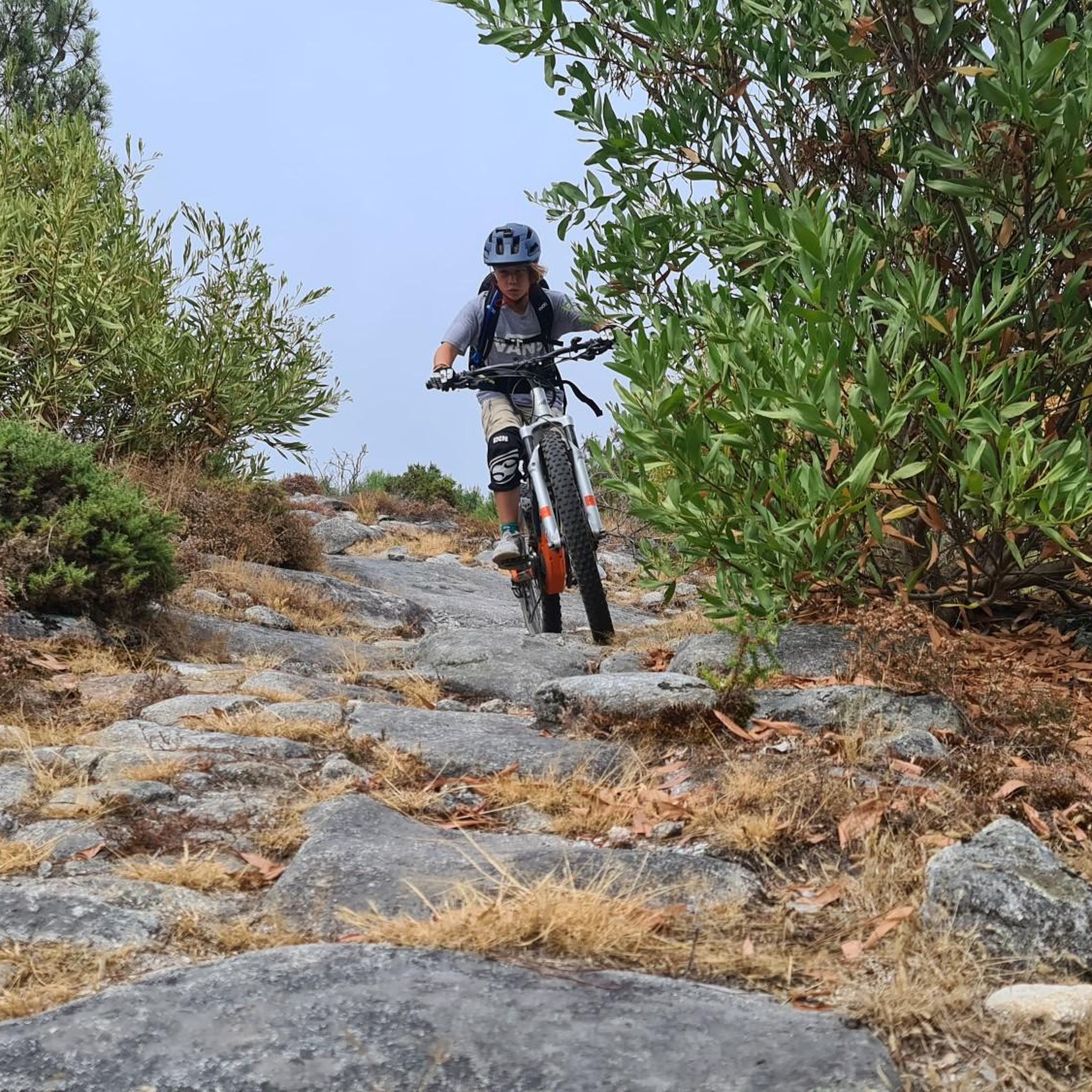
MTB Trails in the Tras-os-monte
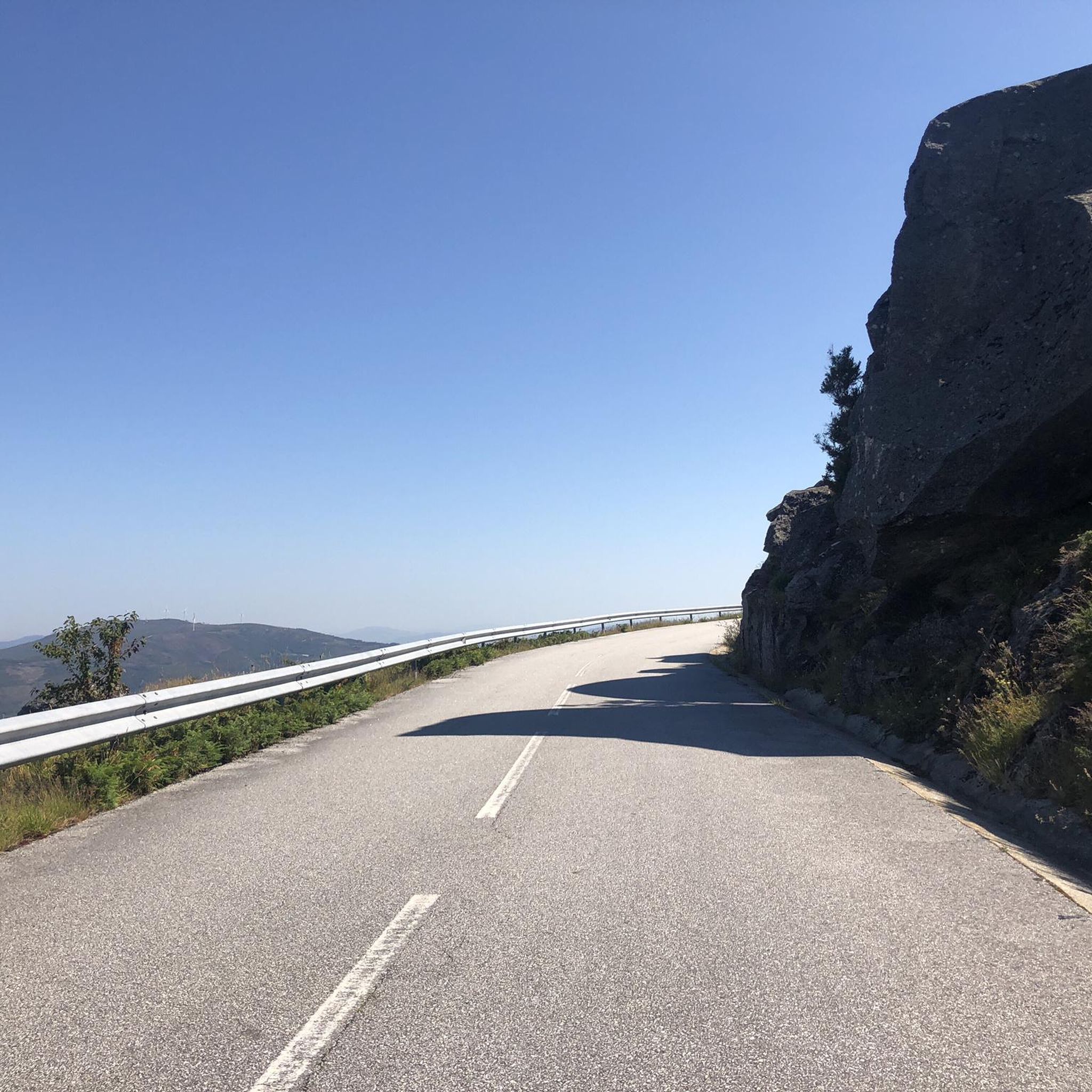
Road Cycling Routes in the Tras-os-monte
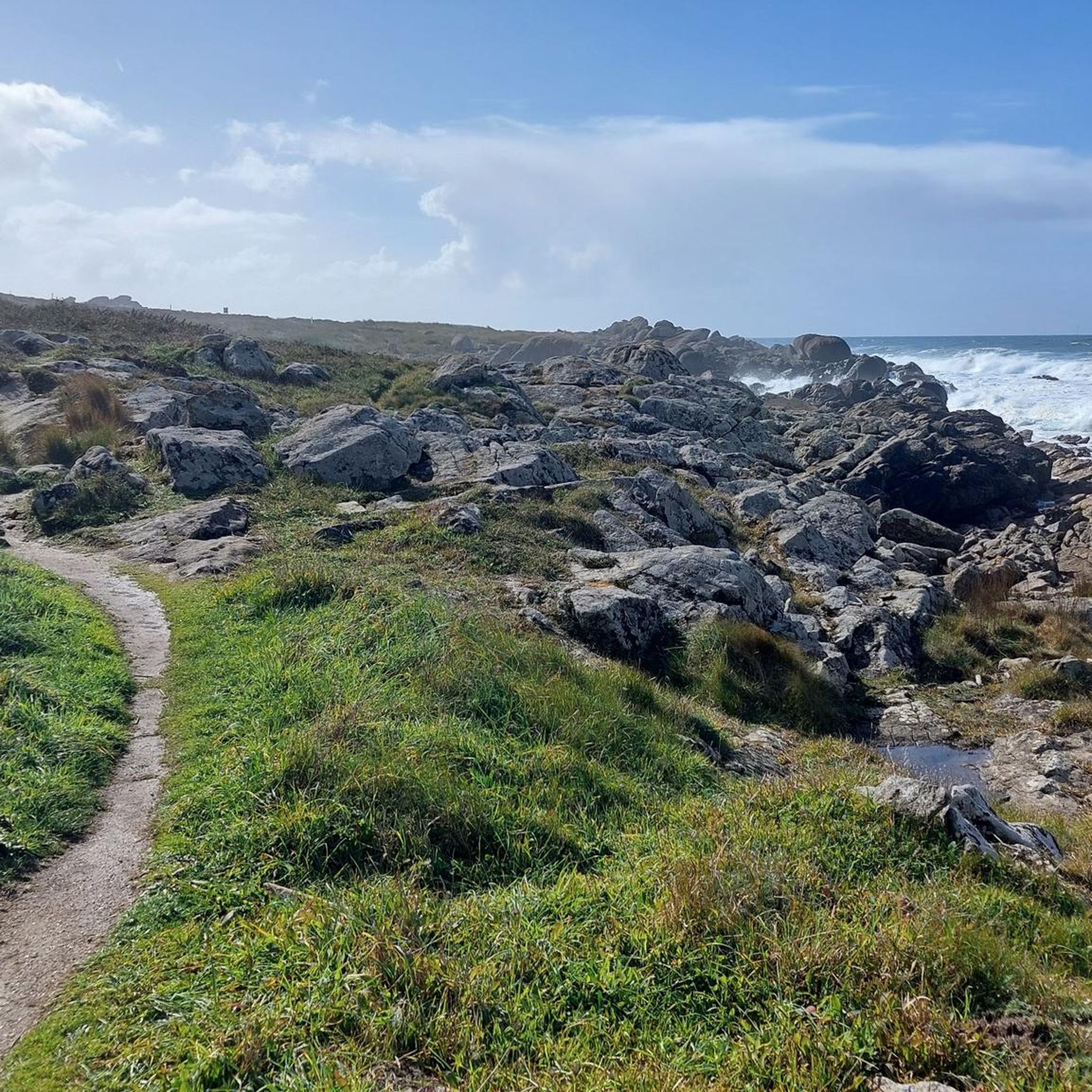
Running Trails in the Tras-os-monte
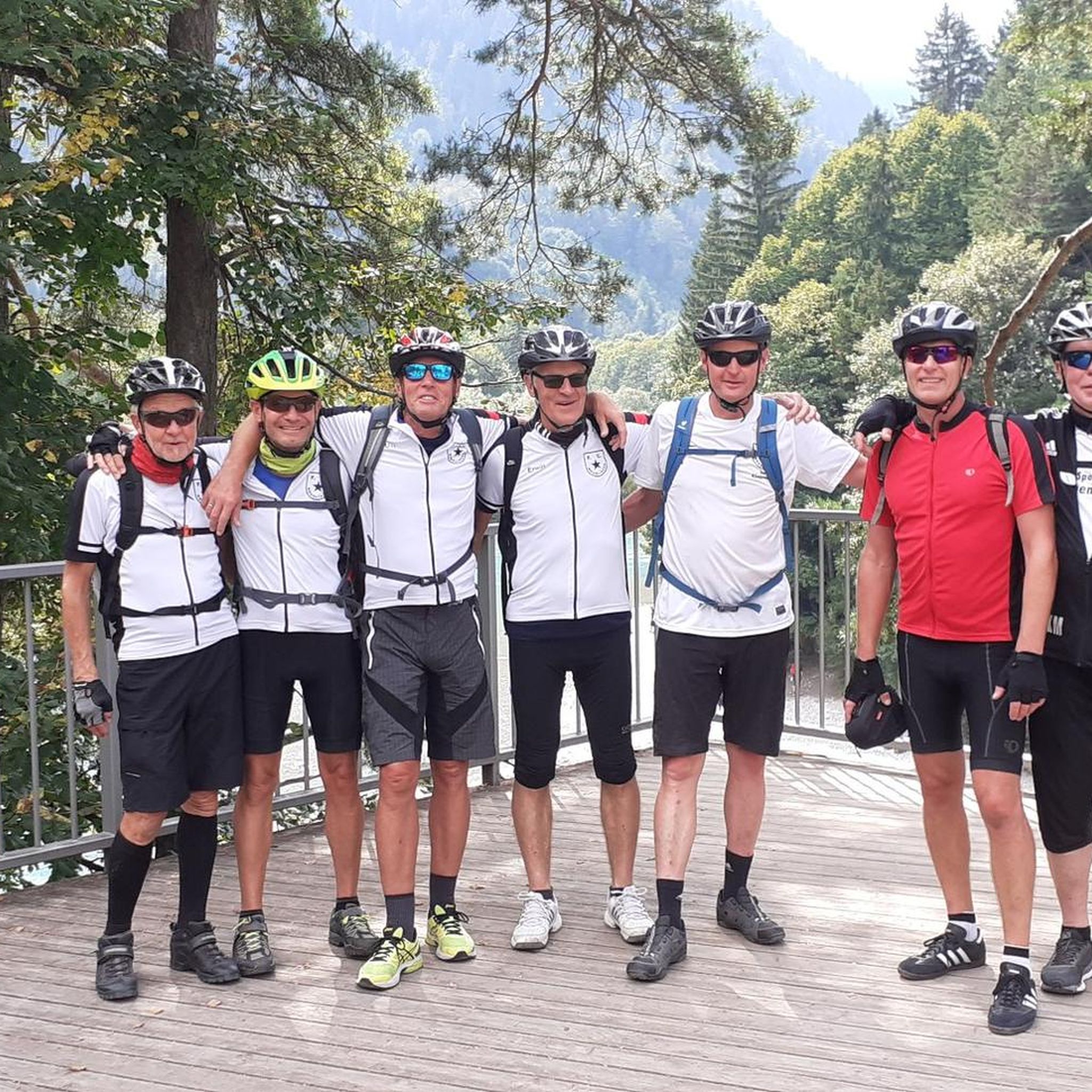
Gravel biking in the Tras-os-monte
Other adventures in the Tras-os-monte


Tips from the Community


Visit and Accessibility Access: Access to the site is free and open 24 hours a day. Trails and Hiking: The fort is part of the PR7 - Paçô Fort Trail, a pedestrian route that coincides with part of the Camino de Santiago da Costa and allows you to explore the area of the Viana do Castelo Coastal Geopark, passing through landscapes of dunes and cliffs. Beach: Paçô Beach, adjacent to the fort, is a beach with a wide sandy area and rock formations that form natural pools at low tide. Accessibility: There is wheelchair accessible parking nearby.
2
0
Main Characteristics Military Architecture: The fort was built for the purpose of defending the Atlantic coast against maritime attacks. It has a characteristic star-shaped plan and small dimensions. Location: It is located directly on the beach, a few meters from the sea, which can reach its walls during the winter. Its location offers scenic views of the coastline. Current State: The fort is currently in ruins, without functional rehabilitation, and it is not possible to enter the structure. However, the surrounding area is accessible for public visitation.
2
0
The Paçô Fort, also known as the Montedor Fort, is a historic 17th-century coastal fortification located in the parish of Carreço, near Paçô Beach, in the municipality of Viana do Castelo, Portugal.
2
0
Nearby Tourist Attractions Ave Riverbank Promenade: A riverside walkway, ideal for relaxing strolls. Monte Padrão Hillfort: Ancient ruins for those interested in history and archaeology.
1
0
Highlights and Architecture Main Church: Built between 1659 and 1679, the monastery church is an imposing example of local religious architecture. Cloisters: The monastery has serene cloisters, one of which still displays a Gothic sculpture of the Virgin and Child in one of the corners. Cloister Fountain: In the center of the cloister stands a slender granite fountain with a polylobed basin, dating from 1649. Style: Over the centuries, the monastery has been rebuilt, combining Baroque and Neoclassical elements.
1
0
Opening Hours and Visits The monastery is open for visits, but guided tours of the cloisters and other areas (besides the church) generally require prior booking by telephone with the Santo Tirso City Hall office. General Hours (Church): Daily (Monday to Sunday): 08:00–12:00 and 15:00–19:00. Accessibility: The entrance and parking are wheelchair accessible.
1
0
The Monastery of São Bento, also known as the Monastery of Santo Tirso, is located on the left bank of the Ave River, in the city of Santo Tirso, Portugal. Founded in 978, it belonged to the Benedictine Order and was one of the most powerful monasteries in Portugal. Currently, it is classified as a National Monument.
1
0
Frequently Asked Questions
What kind of terrain can I expect on touring cycling routes in Trás-os-Montes?
Trás-os-Montes offers a highly varied landscape for touring cyclists. You'll encounter high plateaus, rolling hills, and deep river valleys, often characterized by lush forests, fertile farmlands, and rugged mountain terrain. The region's geological diversity, including schist, chalk, and granite, contributes to a constantly changing backdrop for your rides. Many routes follow quiet country lanes, while others utilize converted railway lines, known as E-Mob cycling paths, offering smoother surfaces through stunning natural landscapes.
How many touring cycling routes are available in Trás-os-Montes, and what are their difficulty levels?
There are over 520 touring cycling routes available in Trás-os-Montes. These routes cater to a wide range of abilities: approximately 50 are rated as easy, 115 as moderate, and over 350 are considered difficult, featuring challenging climbs and descents. This variety ensures there's a suitable route for every touring cyclist, from beginners to experienced riders.
Are there any family-friendly touring cycling routes in Trás-os-Montes?
Yes, Trás-os-Montes offers several family-friendly options, particularly on converted railway lines which tend to have gentler gradients and are often traffic-free. An excellent choice for families is the Minho River Ecopista, an easy 16.8 km trail that follows the river with minimal elevation gain, perfect for a relaxed ride with children.
What are some notable natural features or landmarks I can see along the touring cycling routes?
Touring cycling in Trás-os-Montes allows you to explore diverse natural and historical landmarks. You can ride along the dramatic canyons of the Douro River, a UNESCO World Heritage site known for its terraced vineyards. Routes also pass through significant protected areas like Montesinho Natural Park and the International Douro Natural Park. Historic sites such as the Fortress of Valença and the Tui-Valencia International Bridge are also accessible along some routes, offering cultural insights into the region.
Are there any circular touring cycling routes in Trás-os-Montes?
Yes, Trás-os-Montes features several circular touring cycling routes. For a challenging and scenic loop, consider the Circular Route 13 of Mondim de Basto — Alvão Natural Park. This difficult 48.9 km trail takes you through the stunning Alvão Natural Park, offering rewarding views and a significant elevation gain.
What is the best time of year for touring cycling in Trás-os-Montes?
The best time for touring cycling in Trás-os-Montes is generally during the spring (April to June) and autumn (September to October). During these seasons, the weather is typically mild and pleasant, with less extreme heat than summer and fewer rainy days than winter. Autumn also offers the added beauty of changing foliage and the opportunity to experience the grape harvest in the Douro Valley.
What do other touring cyclists enjoy most about cycling in Trás-os-Montes?
The touring cycling routes in Trás-os-Montes are highly rated by the komoot community, with an average score of 4.5 stars from over 800 reviews. Cyclists frequently praise the region's unspoiled natural beauty, the diversity of its landscapes from river valleys to mountain ranges, and the charm of its traditional villages. The challenging yet rewarding terrain and the warm hospitality of the locals are also often highlighted as key attractions.
Are there any routes that follow former railway lines?
Yes, Trás-os-Montes has an excellent E-Mob Cycling Network, which utilizes former railway lines converted into cycling paths. These routes, such as the former Tua Line, offer unique journeys through natural landscapes and traditional villages. An example is the Celorico de Basto Ecotrail – Tâmega Line Greenway loop from Mondim de Basto, a difficult 60.2 km route that showcases this unique infrastructure.
Can I find routes with significant elevation changes for a challenging ride?
Absolutely. Trás-os-Montes is known for its challenging terrain, with many routes featuring constant steep climbs and descents. For instance, the Gerês-Xurés and Lindoso Reservoir Trail is a difficult 76.3 km route with over 1400 meters of elevation gain, offering a strenuous but highly rewarding experience with breathtaking views.
Are there any touring cycling routes that pass through natural parks?
Yes, several touring cycling routes in Trás-os-Montes traverse or border natural parks. The region is home to Montesinho Natural Park, International Douro Natural Park, and the Regional Natural Park of Vale do Tua. For a route through a national park, consider the Tour 4 de Melgaço — Parque Nacional da Peneda-Gerês, a difficult 48.2 km route that offers stunning scenery within the park.
Are there any coastal or river-side touring cycling routes?
While Trás-os-Montes is an inland region, it is characterized by its significant river valleys, particularly the Douro and Lima rivers. You can find beautiful river-side routes, such as the Rio Lima Ecoway, a moderate 38.3 km path offering scenic views along the Lima River. For a coastal feel, though technically not in Trás-os-Montes itself, the broader region offers routes like the Carreço Beach – Ecovia Litoral Norte loop from Moledo do Minho, a moderate 48.7 km coastal ecovia.
What kind of cultural experiences can I have while touring cycling in Trás-os-Montes?
Touring cycling in Trás-os-Montes offers a rich cultural experience. You'll pass through traditional rural villages with houses made of slate or granite, many retaining ancient Roman or Visigothic names. The region is known for its warm hospitality, and you can explore local markets, encounter artisans, and savor local cuisine. The Alto Douro wine region, a UNESCO World Heritage site, provides opportunities for wine tastings and tours, especially during the harvest season.
Most popular routes in the Tras-os-monte
Most popular attractions in the Tras-os-monte

Get inspired with the komoot mobile app


Explore more
Browse the best Cycling routes in other regions.
