Attractions and Places To See in the Tras-os-monte - Top 20
Best attractions and places to see in the Tras-os-monte, a region in northeastern Portugal, are characterized by rugged landscapes and a rich cultural heritage. This area, situated "beyond the mountains," offers a traditional way of life. Visitors can explore ancient castles, diverse natural parks, and historic towns. The region's geography includes the Douro River and its tributaries, which have shaped unique terraced hills.
Best attractions and places to see in the Tras-os-monte
- The most popular attractions is Tui-Valencia International Bridge, a bridge that connects Tui in Spain and Valença do Minho in Portugal over the Miño River. It was built between 1882 and 1884 and serves both road and rail traffic.
- Another must-see spot is Ecovia do Atlântico, Caminho das Camboas, Caminho Portugues, a trail that is part of the Camino Portugues. It offers views and is suitable for cycling.
- Visitors also love Roman Bridge of Ponte de Lima, a medieval bridge over the Lima River. It is a landmark of Ponte de Lima and includes sections of a Roman bridge.
- Tras-os-monte is known for its historic bridges, fortified towns, and natural parks. The region offers a variety of attractions to see and explore, from ancient structures to natural landscapes.
- The attractions in the Tras-os-monte are appreciated by the komoot community, with over 536 upvotes and 313 photos shared across its highlights.
Last updated: July 6, 2026
Tui-Valencia International Bridge
Highlight • Bridge
Translated by Google •
Tip by

Ecovia do Atlântico, Caminho das Camboas, Caminho Portugues
Highlight • Trail
Translated by Google •
Tip by

Sign up now to discover places like this
Get recommendations on the best single tracks, peaks, & plenty of other exciting outdoor places.
Sign up for free
Praça Conselheiro Silva Torres and Historic Center of Caminha
Highlight • Historical Site
Translated by Google •
Tip by

Fortress of Valença
Highlight • Historical Site
Built in the 17th century on the ruins of an ancient 13th-century castle, the fortress is a masterful example of military architecture of the period, with its star-shaped walls stretching for an impressive 5.5 kilometers.
Upon entering, one immediately senses the strength and grandeur of Valença, one of the oldest towns in Portugal.
Translated by Google •
Tip by

Ponte da Veiga
Highlight • Bridge
The Ponte de A Veiga was built of granite and consists of four arches. It was part of the ancient Roman Via XIX, which connected Bracara (present-day Braga, Portugal) with Santiago de Compostela.
Pilgrims walking the Portuguese Way to Santiago de Compostela pass over this bridge, making it a place of great historical significance.
If you ever visit Tui, don't miss the opportunity to cross this beautiful bridge and immerse yourself in its history and charm. 🌉🚶♂️
Translated by Google •
Tip by
Roman Bridge of Ponte de Lima
Highlight • Bridge
Translated by Google •
Tip by

Portico of the Church of Santa María de la Asunción, Baiona
Highlight • Religious Site
It began to be built in 1120, although it would not be consecrated until 1225, already in the time of King Alfonso IX. It has the appearance of a fortification, especially due to its crenellated towers.
Translated by Google •
Tip by
Palace of the Dukes of Braganza
Highlight • Castle
Tip by

Blue Pool
Highlight • Natural Monument
If the parking spaces are occupied you can follow the hiking trail over the small bridge. In the following bend there is another parking lot.
Tip by

View over the mouth of the Minho River
Highlight • Viewpoint
Translated by Google •
Tip by

Sign up for free to discover even more attractions in the Tras-os-monte.
Sign up for free
Already have an account?
Start today with a free account
Your next adventure awaits.
Login or Signup
Popular around Tras-os-monte
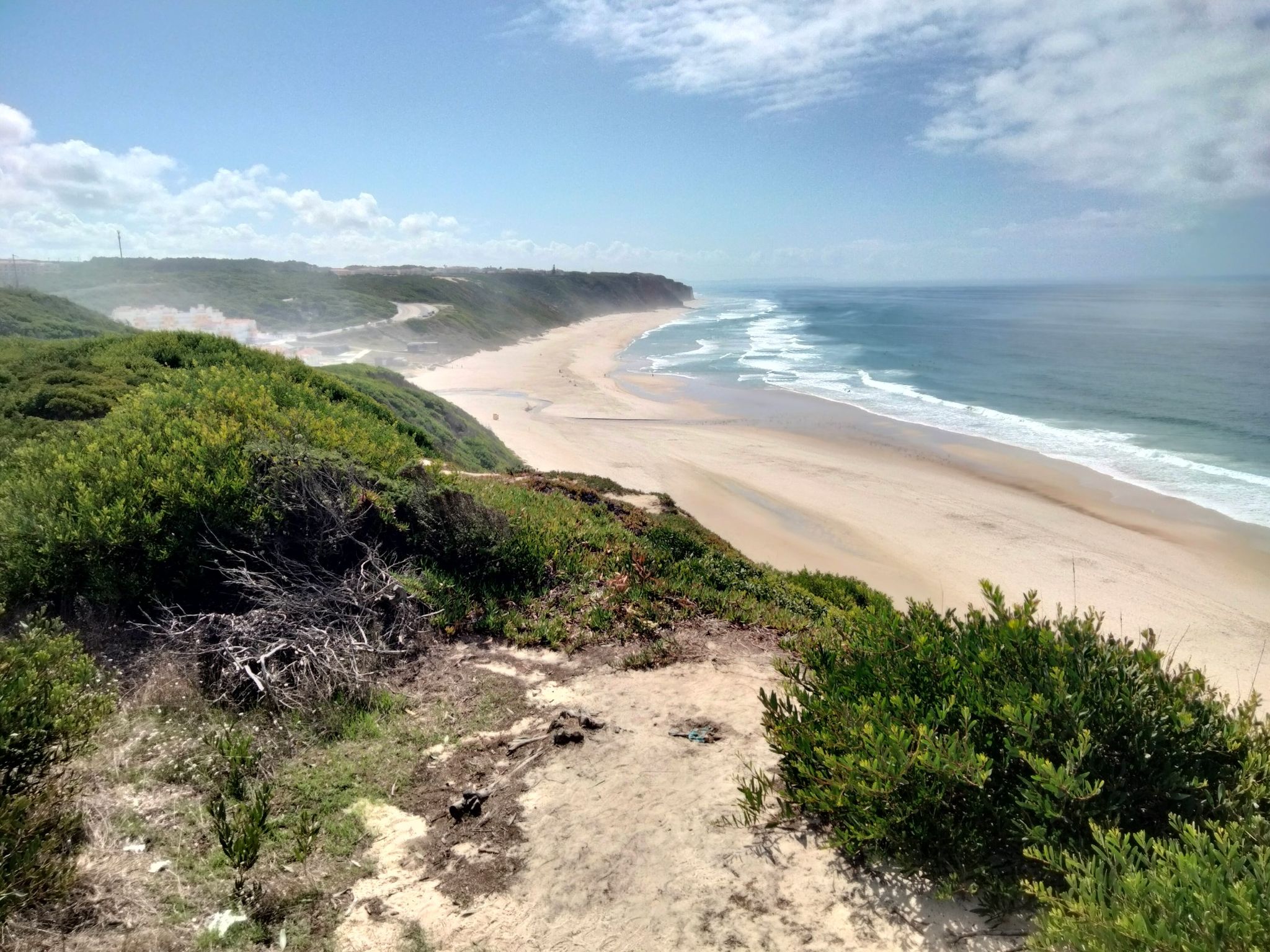
Portugal's Atlantic coast (north) – from Caminha to Lisbon
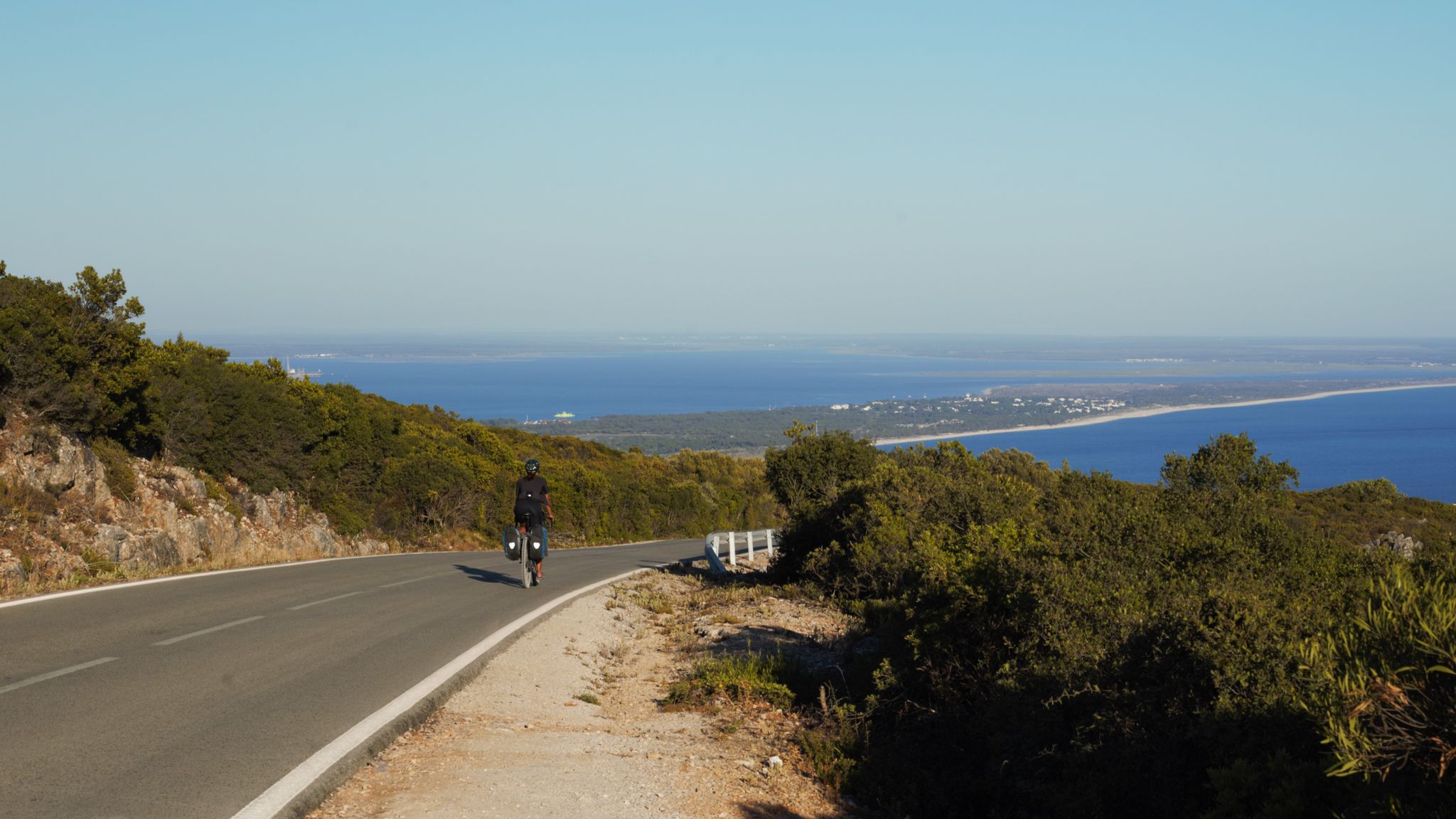
The breaking waves – cycle along the Atlantic coast of Portugal
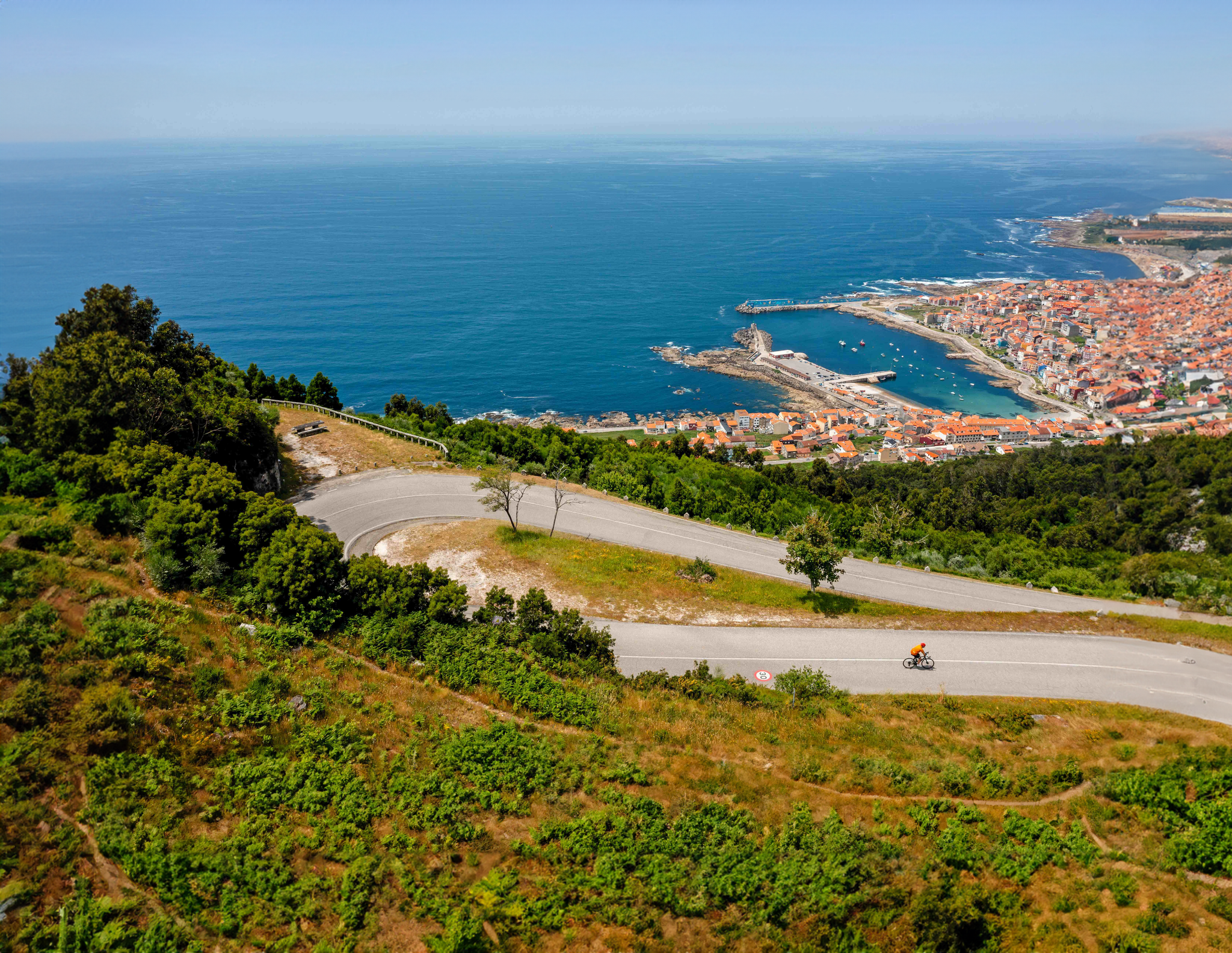
With TOUR in Northern Portugal
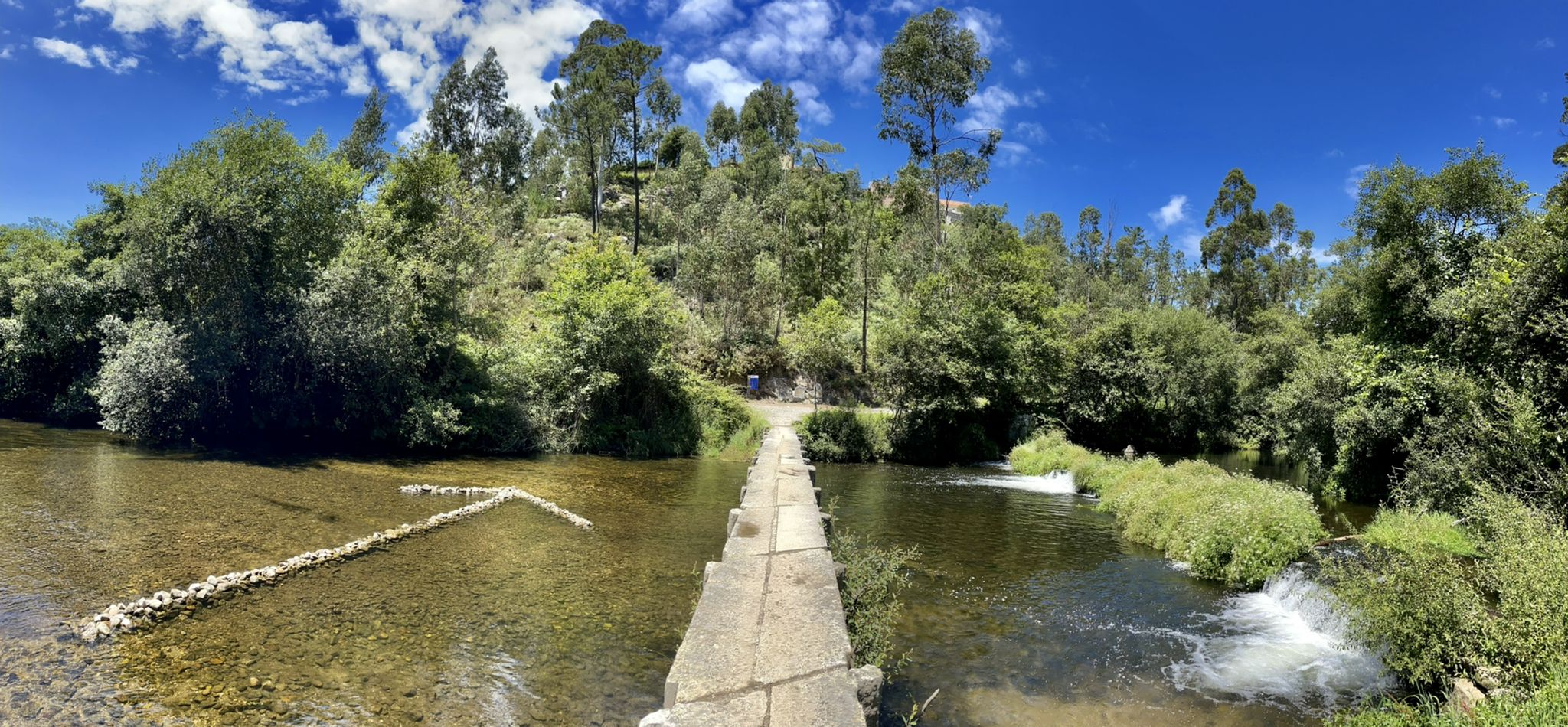
The challenge that knows no frontiers — Portuguese Coast Path
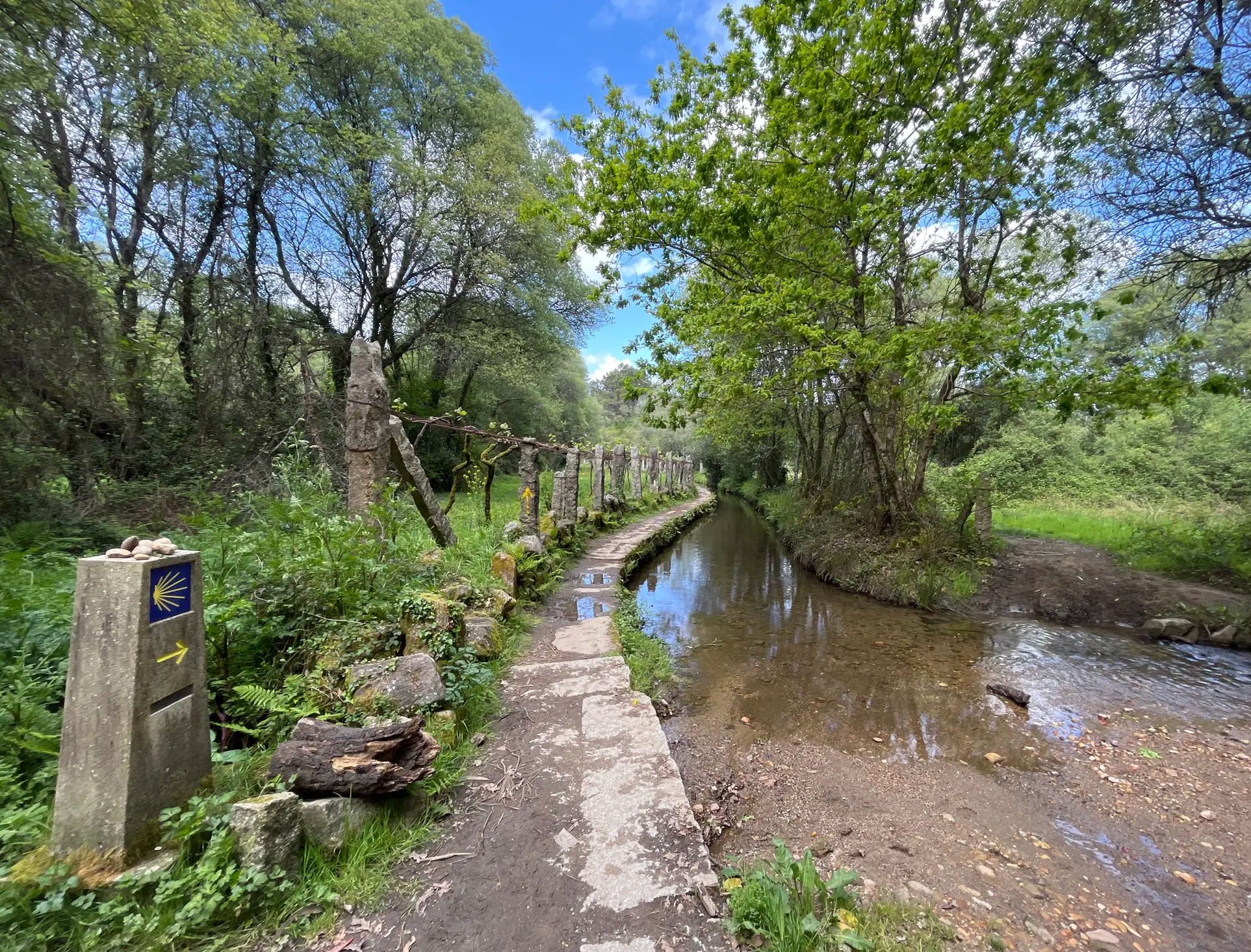
Na Rota dos Peregrinos – o Caminho Central Português
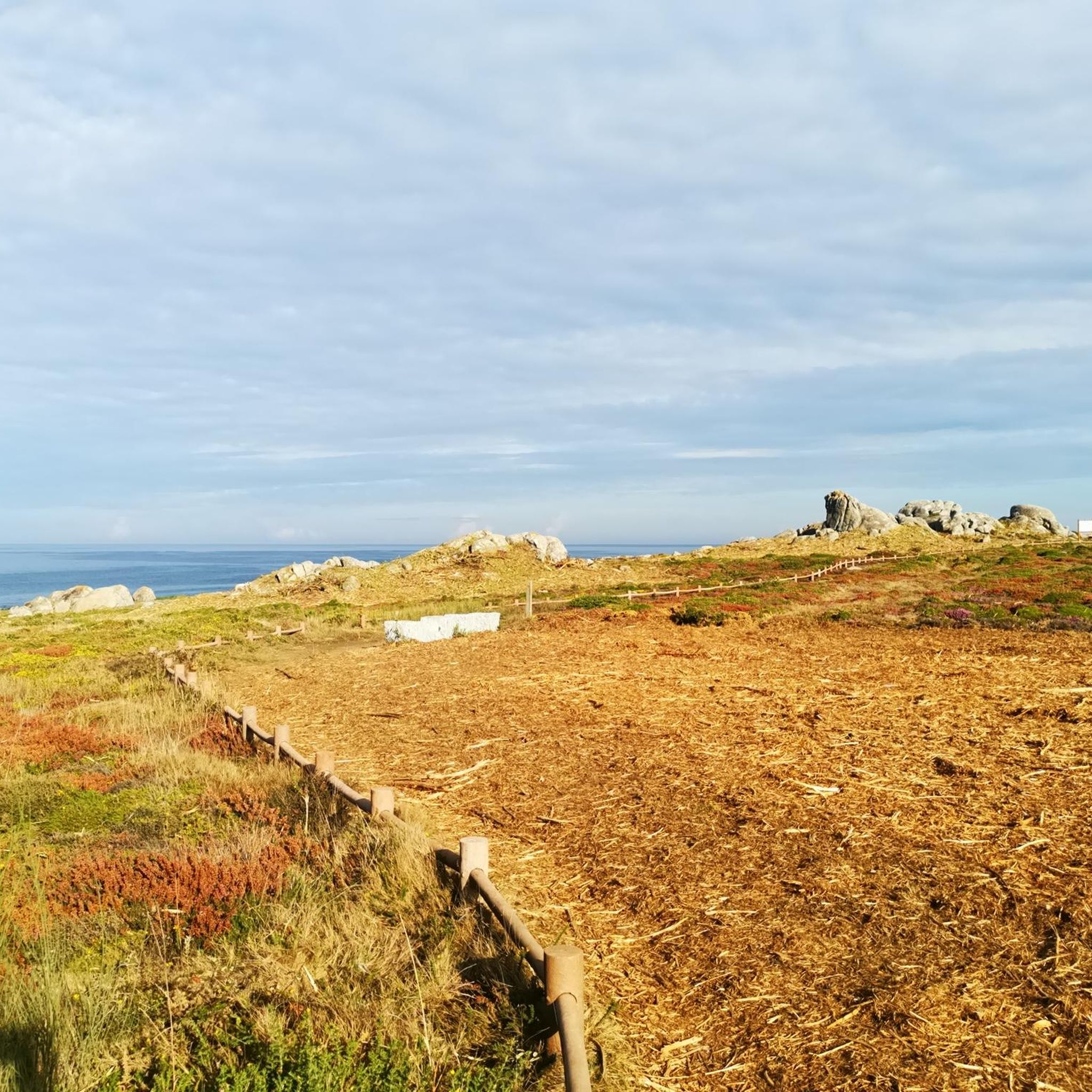
Hiking in the Tras-os-monte
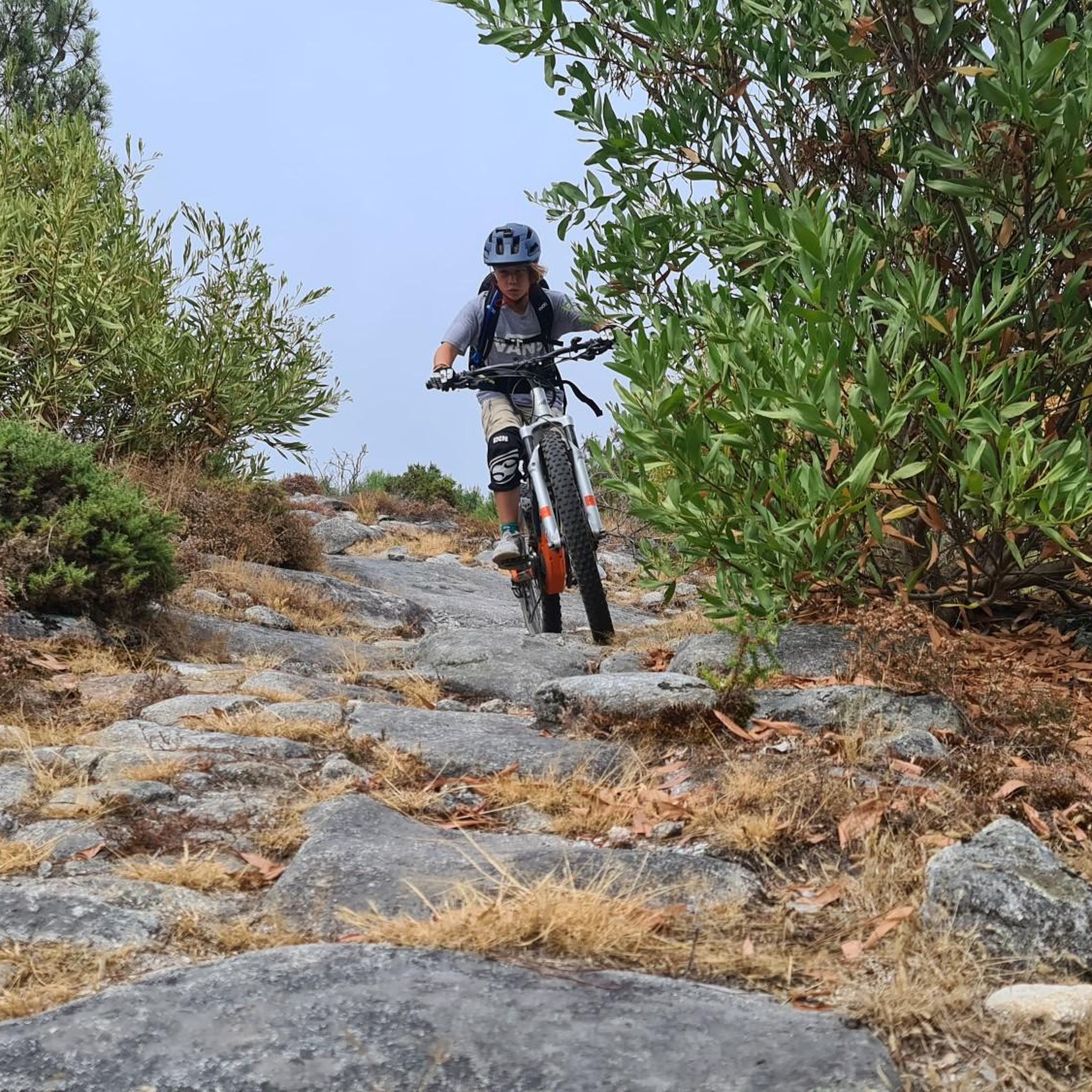
MTB Trails in the Tras-os-monte
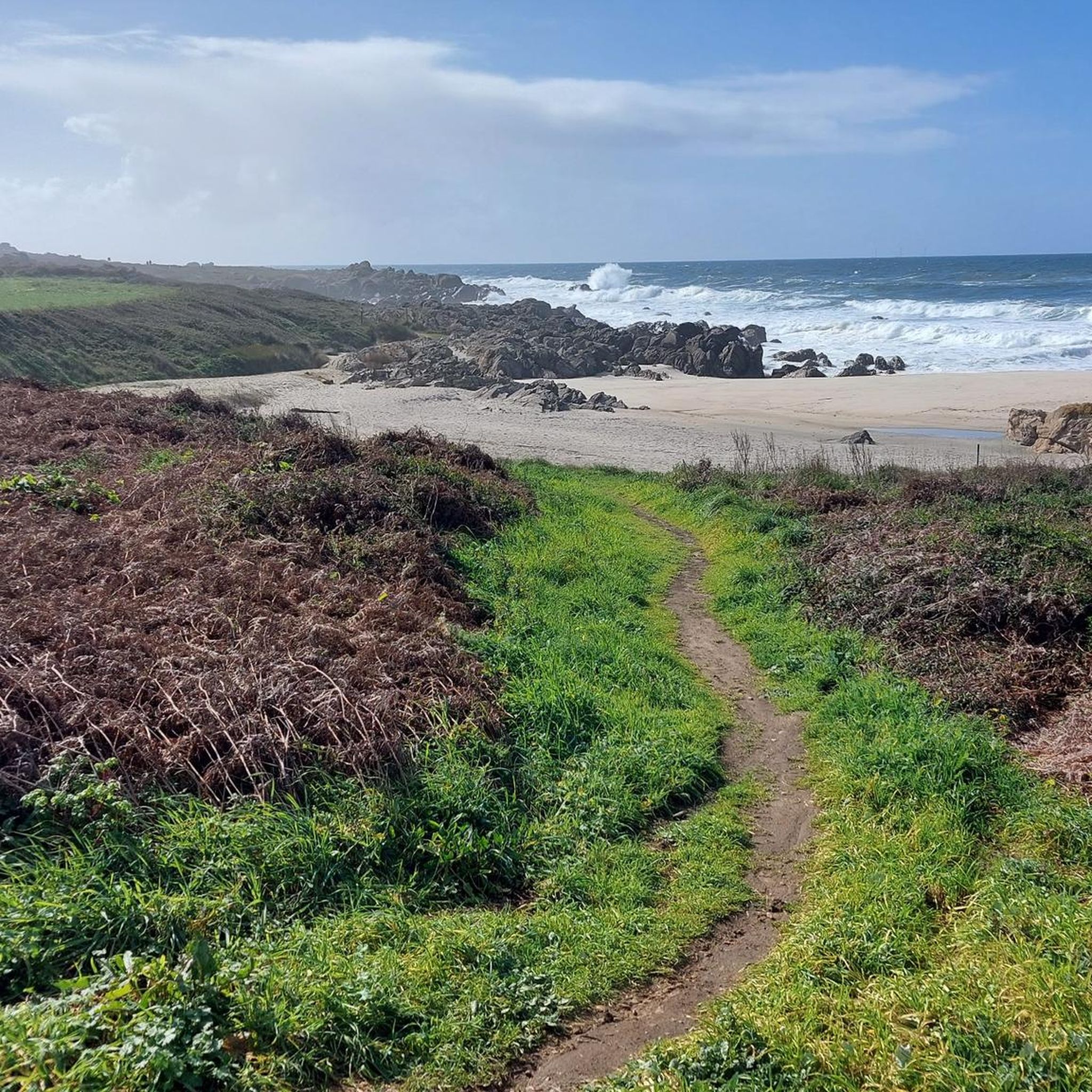
Cycling in the Tras-os-monte
Road Cycling Routes in the Tras-os-monte
Running Trails in the Tras-os-monte
Other adventures in the Tras-os-monte


Tips from the Community

Valença Fortress, also known as Praça-forte de Valença do Minho, is an imposing jewel of Portuguese military architecture with over eight centuries of history. Its origins date back to the 13th century, when King Sancho I and later Afonso III fortified it to protect the border with Galicia. During the Restoration War (17th–18th centuries), it was transformed into a Vauban-style fortress under the engineer Miguel de l’École and the architect Manuel Pinto de Vilalobos, being completed in 1713. The fortress withstood attacks during the Restoration, was captured and recaptured several times, and was also defended during the Napoleonic Wars and the Liberal Wars.
4
0

In Spain (Galicia) Muíños do Picón and do Folón: On the Spanish side, in O Rosal, the area offers hiking trails with views of Portugal and the river mouth from elevated points. A Guarda: The Spanish city on the other side of the river also offers direct views of the Portuguese beach and the dynamic river mouth.
1
0
In Portugal (Caminha and Vila Nova de Cerveira) Foz do Minho Beach: Located in the town of Caminha, this river beach offers a fantastic and direct view of the river mouth, with Spain (A Guarda) on the other side of the river. It is a popular spot for walking and watching the sunset. Deer Viewpoint and Swing: Situated in Vila Nova de Cerveira (just before reaching the actual river mouth, but overlooking the valley), it is often described as having "the best view of the Minho," crossing the entire river valley from Valença to the mouth. It offers a stunning panoramic view and easy access. Foz do Minho Restaurant: This restaurant in Vilarelho, Caminha, is known for having an excellent view of the river mouth from its windows, combining gastronomy with scenery.
1
0
The view of the mouth of the Minho River, where the river flows into the Atlantic Ocean and forms the natural border between Portugal and Spain, is one of the most beautiful landscapes in Northern Portugal. There are several viewpoints from which this stunning view can be appreciated. The landscape is marked by the meeting of the river's fresh water with the sea, creating a unique ecosystem and a visibly impressive border line.
1
0
The Portuguese Coastal Way Vila Praia de Âncora is one of the important stops on the coastal route that connects Porto Cathedral to Santiago de Compostela Cathedral. The route is known for its beautiful coastal landscapes and good signage with yellow arrows and scallop shells.
1
0
Location and Meaning Location: The sculpture is situated on a point along the Portuguese Coastal Way, being a highlight or point of interest (POI) listed in trail guides and apps like Komoot. The exact location is near Vila Praia de Âncora Beach. Symbolism: The sculpture, along with a metal sign with the silhouette of a pilgrim and the inscription "Buen Camino" (Good Way), symbolizes the journey, perseverance, and faith that move pilgrims towards Santiago de Compostela. It is a popular spot for photos and reflection during the walk.
1
0
The Good Way Pilgrim Sculpture is a landmark and monument located in Vila Praia de Âncora, Portugal, along the Portuguese Coastal Way to Santiago de Compostela. The sculpture is part of a broader cultural project to promote the ancient route and serves as a point of reference and highlight for pilgrims passing through the region.
1
0

A site well worth seeing. It looks more impressive from a distance than up close.
1
0
Frequently Asked Questions
What historical sites and cultural landmarks can I explore in Trás-os-Montes?
Trás-os-Montes is rich in history. You can visit the impressive Fortress of Valença, a well-preserved star-shaped fortification offering wide views. Other significant sites include Bragança Castle, the medieval town of Miranda do Douro with its unique Mirandese language, and Chaves, known for its Roman bridge of Trajan. Don't miss the charming historic center of Caminha, particularly Praça Conselheiro Silva Torres.
Are there any family-friendly attractions in Trás-os-Montes?
Yes, Trás-os-Montes offers several family-friendly spots. The Fortress of Valença is great for exploring, and the historic center of Caminha around Praça Conselheiro Silva Torres provides a pleasant environment for families. The Roman Bridge of Ponte de Lima is also a beautiful and accessible landmark for all ages. Many natural parks, like Montesinho Natural Park, offer easy trails suitable for families.
What natural attractions and scenic viewpoints should I visit in Trás-os-Montes?
The region is home to stunning natural beauty. Explore the Blue Pool, a beautiful natural monument. For panoramic vistas, consider Miradouro de São Salvador over the Douro River, Penedo Durão Viewpoint for birdwatching, or Olhos do Tua Viewpoint in the Tua Valley. The Sanctuary of Nossa Senhora da Assunção in Vila Flor also provides 360° views. The Douro Internacional Natural Park offers dramatic cliffs and diverse wildlife.
What outdoor activities can I do near the attractions in Trás-os-Montes?
Trás-os-Montes is ideal for outdoor enthusiasts. You can find numerous routes for hiking, running, and road cycling. For instance, there are several running trails like the challenging Peneda-Gerês Great Route: Pitões das Júnias. Hiking options include the moderate Geira and Arrieiros Way Trail. Cyclists can enjoy routes such as the Gerês Granfondo Loop. You can find more details on these activities in the Running Trails, Hiking, and Road Cycling Routes guides for Trás-os-Montes.
Are there any unique cultural traditions or events in Trás-os-Montes?
Absolutely. Trás-os-Montes is known for its vibrant folk traditions. Don't miss the Pauliteiros de Miranda, a traditional stick dance with Celtic origins found in Miranda do Douro. The village of Podence is famous for its 'Caretos de Podence' masquerade during carnival, recognized as Intangible Cultural Heritage by UNESCO. Many traditional folklore events occur throughout the year, offering an immersive cultural experience.
What is the best time of year to visit Trás-os-Montes for outdoor activities and sightseeing?
The best time to visit Trás-os-Montes generally depends on your preferred activities. Spring (April-May) and autumn (September-October) offer pleasant temperatures for hiking and exploring historical sites, with lush landscapes in spring and vibrant colors in autumn. Summers can be hot, especially in the 'Terra Quente' (Hot Land) areas, but are ideal for enjoying river beaches and water activities. Winters are cooler and can be rainy, but offer a different, quieter charm.
Which charming villages should I explore in Trás-os-Montes?
Trás-os-Montes is dotted with traditional villages that retain their ancestral charm. Consider visiting Rio de Onor, known for its strong community spirit and well-preserved stone houses, straddling the border with Spain. Podence offers historic charm and is famous for its 'Caretos'. Vinhais, Carção, and Boticas are also notable for their traditional architecture, local cuisine, and scenic surroundings.
What kind of local cuisine and products can I expect in Trás-os-Montes?
The region is renowned for its hearty cuisine and high-quality regional products. You must try 'Posta Mirandesa', a grilled steak made from local beef. Trás-os-Montes is also a significant producer of olive oil, smoked sausages (like Alheira from Mirandela), regional wines, cheese, and honey. Don't forget to sample traditional sweets such as 'Bolo Podence' and 'Folar de Carne'.
Where can I find impressive bridges in Trás-os-Montes?
Trás-os-Montes is home to several historic and impressive bridges. The Tui-Valencia International Bridge connects Portugal and Spain over the Miño River and is a significant landmark. The Roman Bridge of Ponte de Lima is another iconic structure, featuring both Roman and medieval sections. You can also find the historic Ponte da Veiga.
Are there any protected natural parks in Trás-os-Montes?
Yes, Trás-os-Montes boasts several significant protected natural parks. The Parque Natural do Douro Internacional is known for its towering cliffs and diverse bird species along the Douro River. Montesinho Natural Park is a pristine reserve home to rare species like the Iberian wolf. The Parque Natural do Alvão features superb landscapes and the emblematic Fisgas de Ermelo waterfall, while the Tua Valley Regional Natural Park showcases harmonious vineyards and olive groves.
What are some unique day trips I can take from Trás-os-Montes?
Consider a day trip to Pinhão, a village in the heart of the Port Wine region, famous for its railway station adorned with tile panels depicting Douro landscapes. The Côa Valley Archaeological Park, a UNESCO World Heritage Site, offers a fascinating glimpse into open-air rock carvings. You could also explore the traditional agricultural village of Rio de Onor, which straddles the border with Spain, offering a unique cross-cultural experience.
Most popular routes in the Tras-os-monte
Most popular attractions in the Tras-os-monte

Get inspired with the komoot mobile app


Explore more
Still not found the Highlight you’re looking for? See guides of the top attractions in other regions:
