Top 20 Natural Monuments in the Tras-os-monte
Natural monuments in the Tras-os-monte region of northeastern Portugal showcase a rugged and diverse natural beauty. This area features dramatic river canyons, expansive parks, and unique geological formations. The landscape is characterized by deep valleys, towering cliffs, and extensive woodlands, providing varied environments for exploration.
Best natural monuments in the Tras-os-monte
- The most popular natural monuments is View over the mouth of the Minho River, a viewpoint that offers a panoramic perspective where the river flows into the Atlantic…
Last updated: June 26, 2026
Blue Pool
Highlight • Natural Monument
Tip by

View over the mouth of the Minho River
Highlight • Viewpoint
Translated by Google •
Tip by

Sign up now to discover places like this
Get recommendations on the best single tracks, peaks, & plenty of other exciting outdoor places.
Sign up for free
Fecha de Barjas Waterfall (Tahiti)
Highlight • Waterfall
Translated by Google •
Tip by

Tahiti Waterfall
Highlight • Waterfall
Translated by Google •
Tip by

Fenda da Calcedónia
Highlight • Gorge
Translated by Google •
Tip by

Cela Cavalos Waterfall
Highlight • Waterfall
Translated by Google •
Tip by

Río Caldo Hot Springs
Highlight • Natural Monument
Translated by Google •
Tip by

Waterfall and Cascades of the Rio Couro
Highlight • Waterfall
Translated by Google •
Tip by

Bico do Patelo
Highlight • Natural Monument
Translated by Google •
Tip by

Sete Lagoas (Seven Lagoons)
Highlight • Lake
Translated by Google •
Tip by
Sign up for free to discover even more natural monuments in the Tras-os-monte.
Sign up for free
Already have an account?
Start today with a free account
Your next adventure awaits.
Login or Signup
Popular around Tras-os-monte
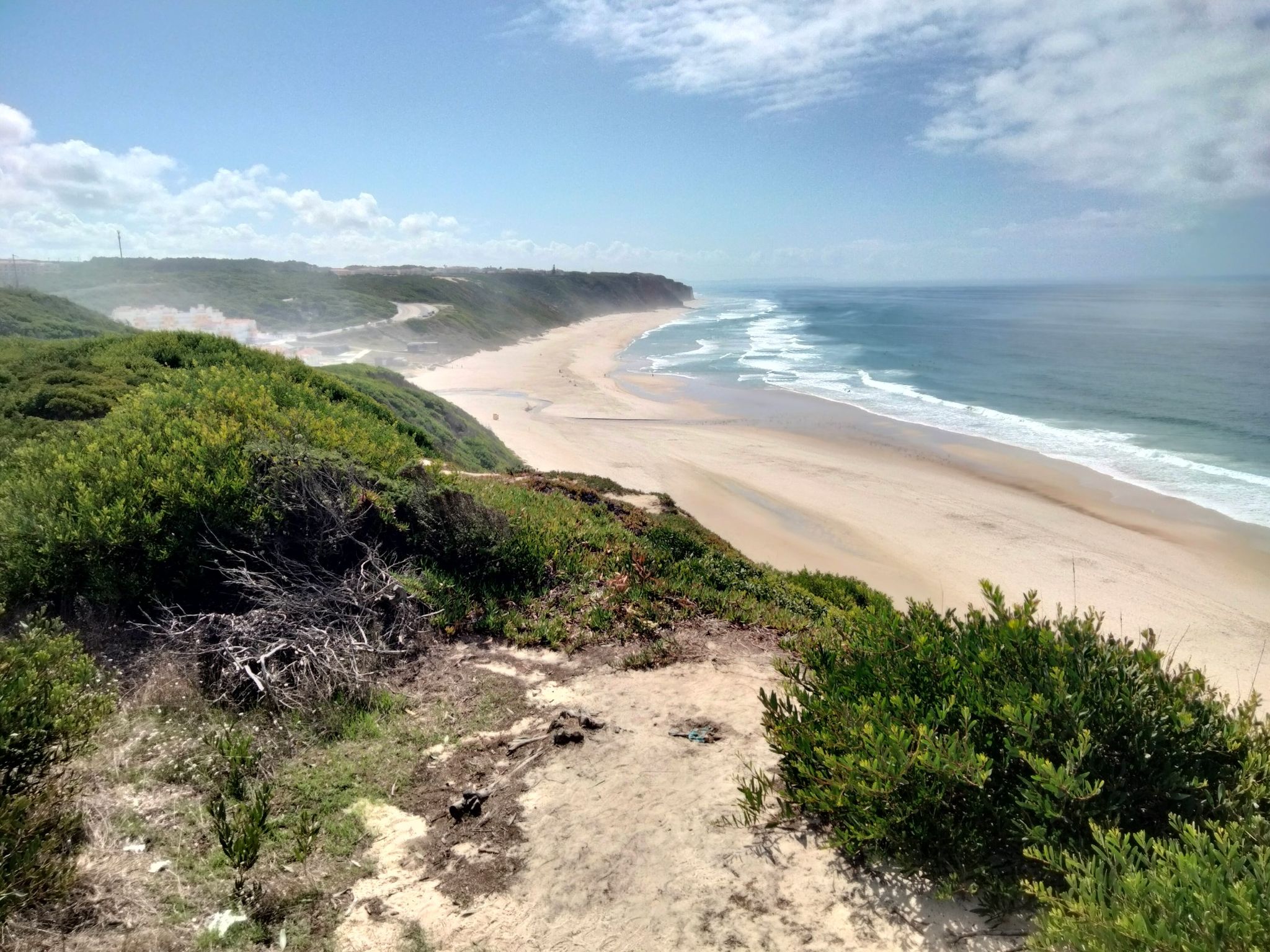
Portugal's Atlantic coast (north) – from Caminha to Lisbon
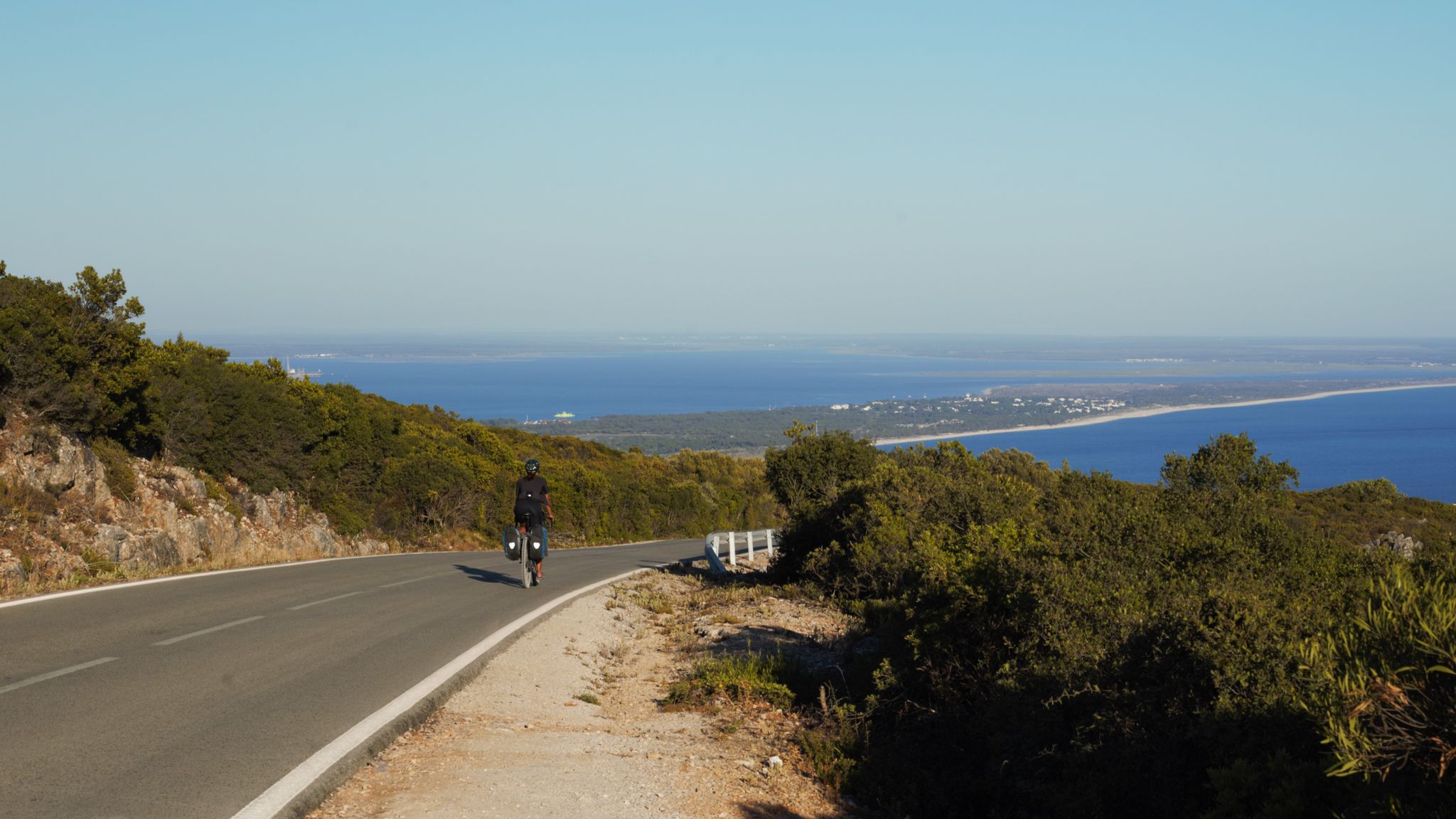
The breaking waves – cycle along the Atlantic coast of Portugal
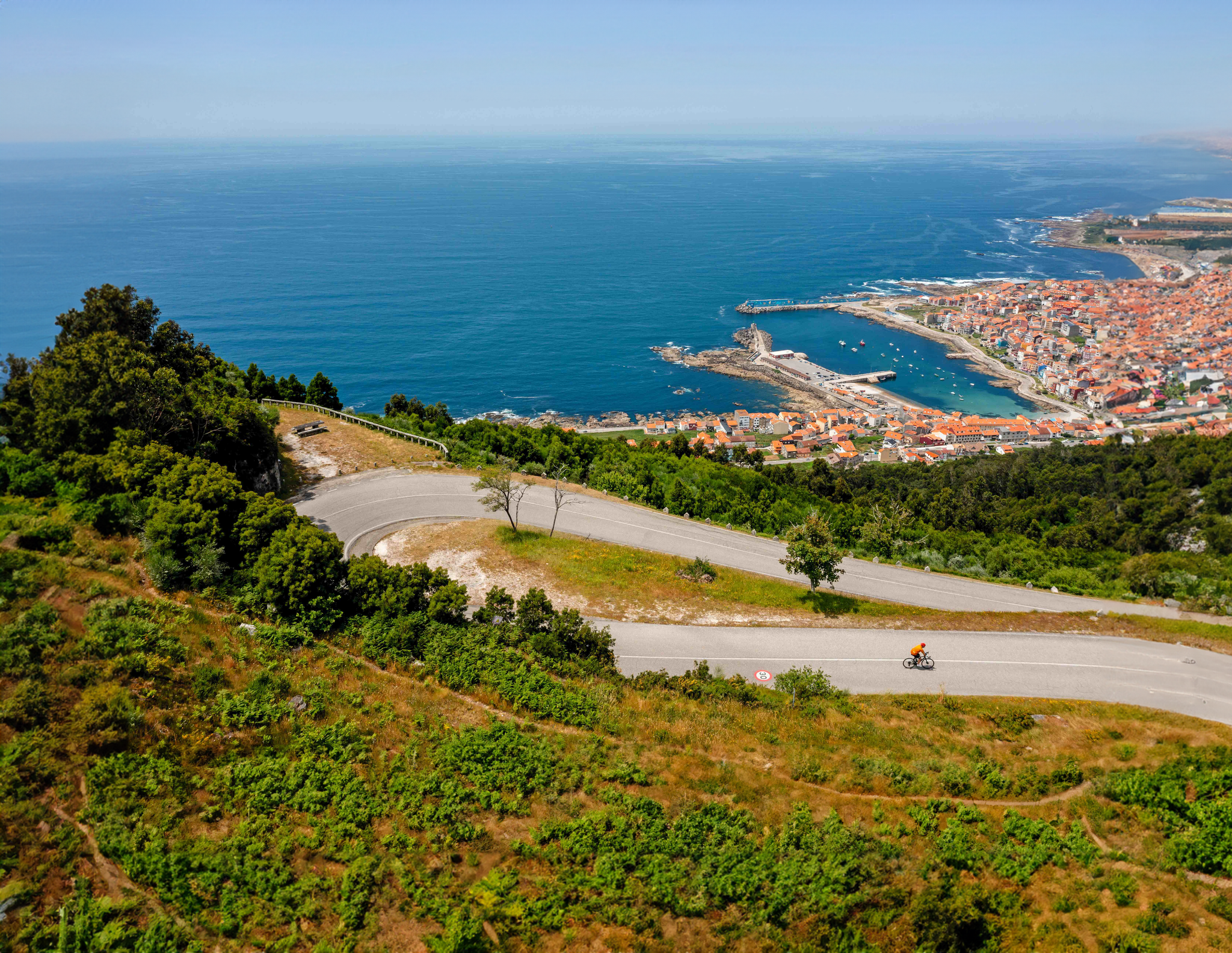
With TOUR in Northern Portugal
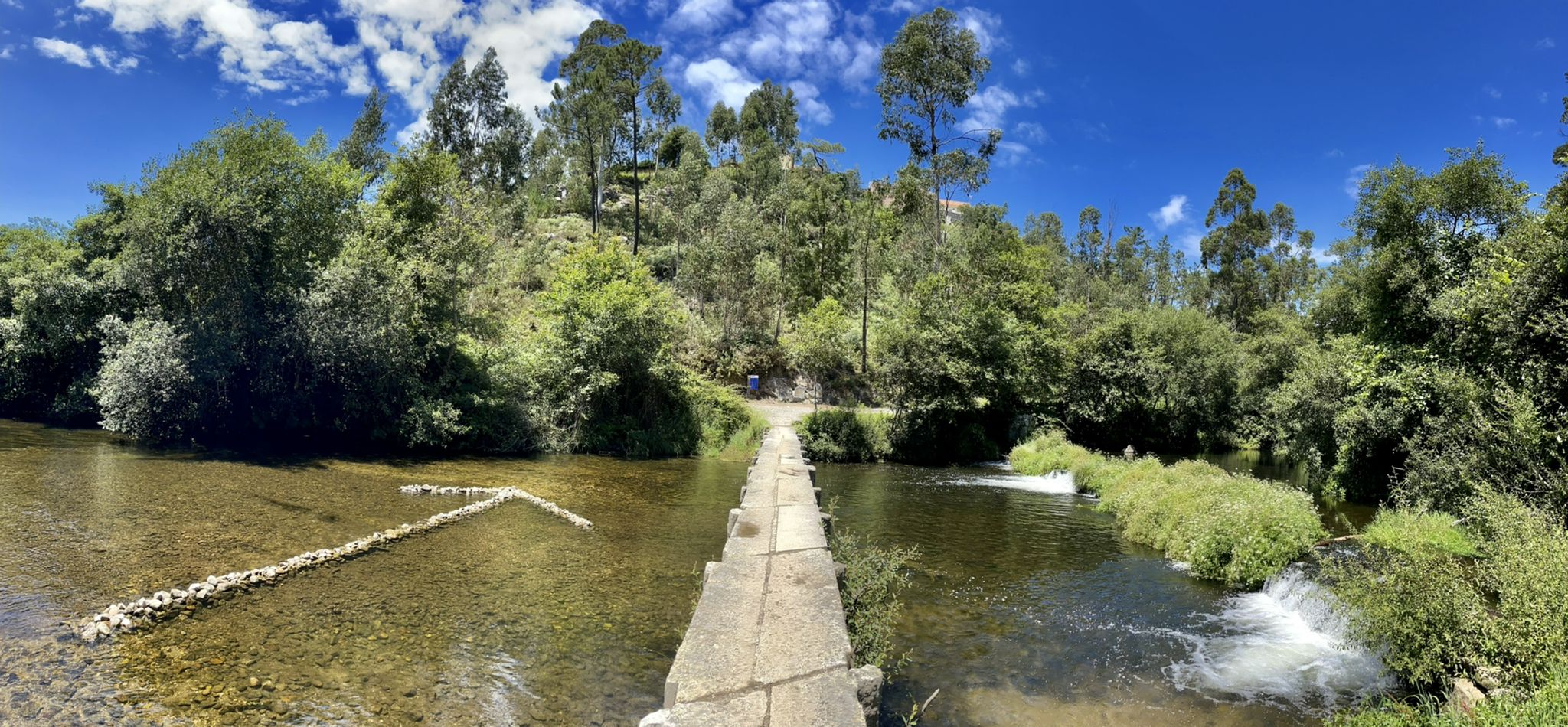
The challenge that knows no frontiers — Portuguese Coast Path
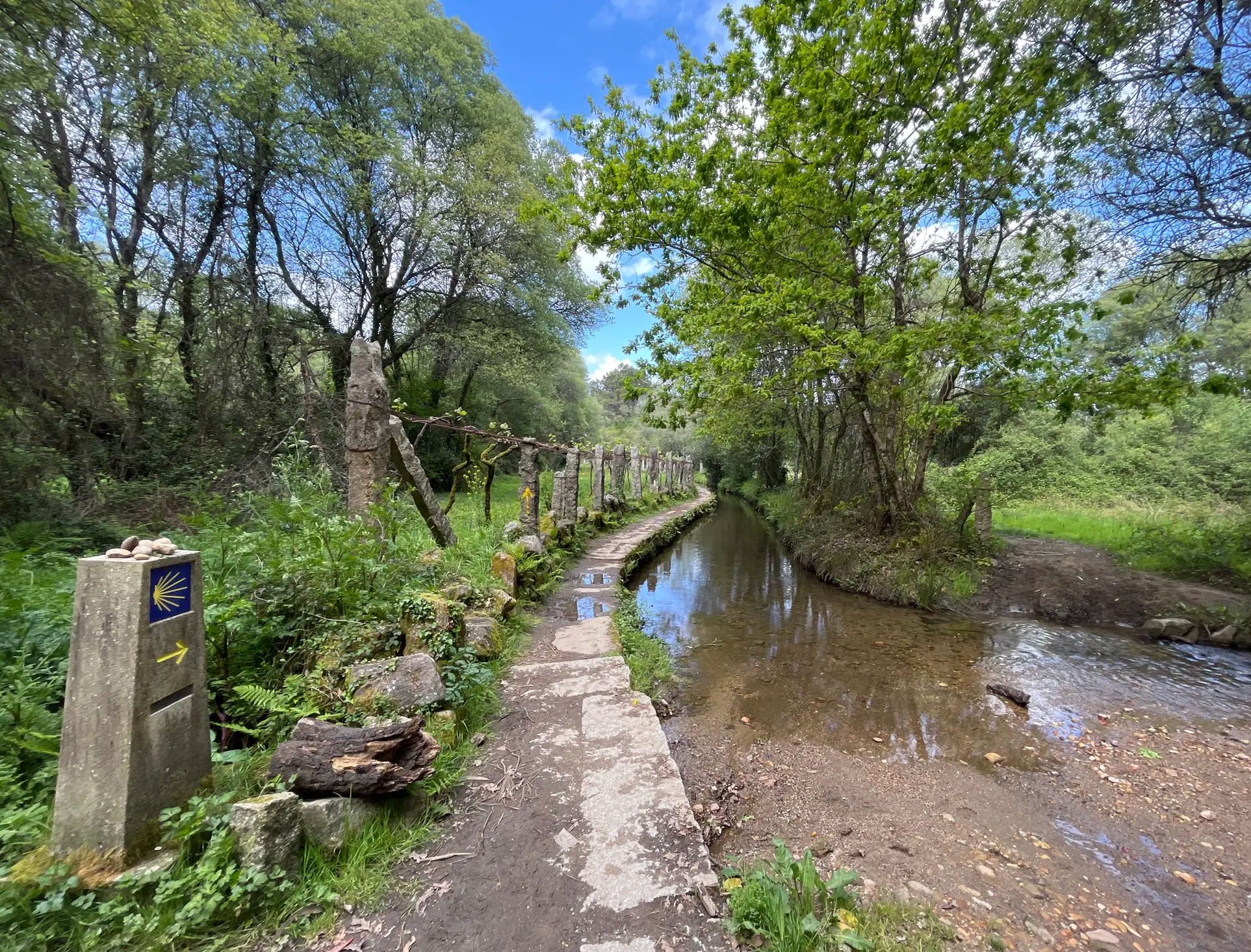
Na Rota dos Peregrinos – o Caminho Central Português
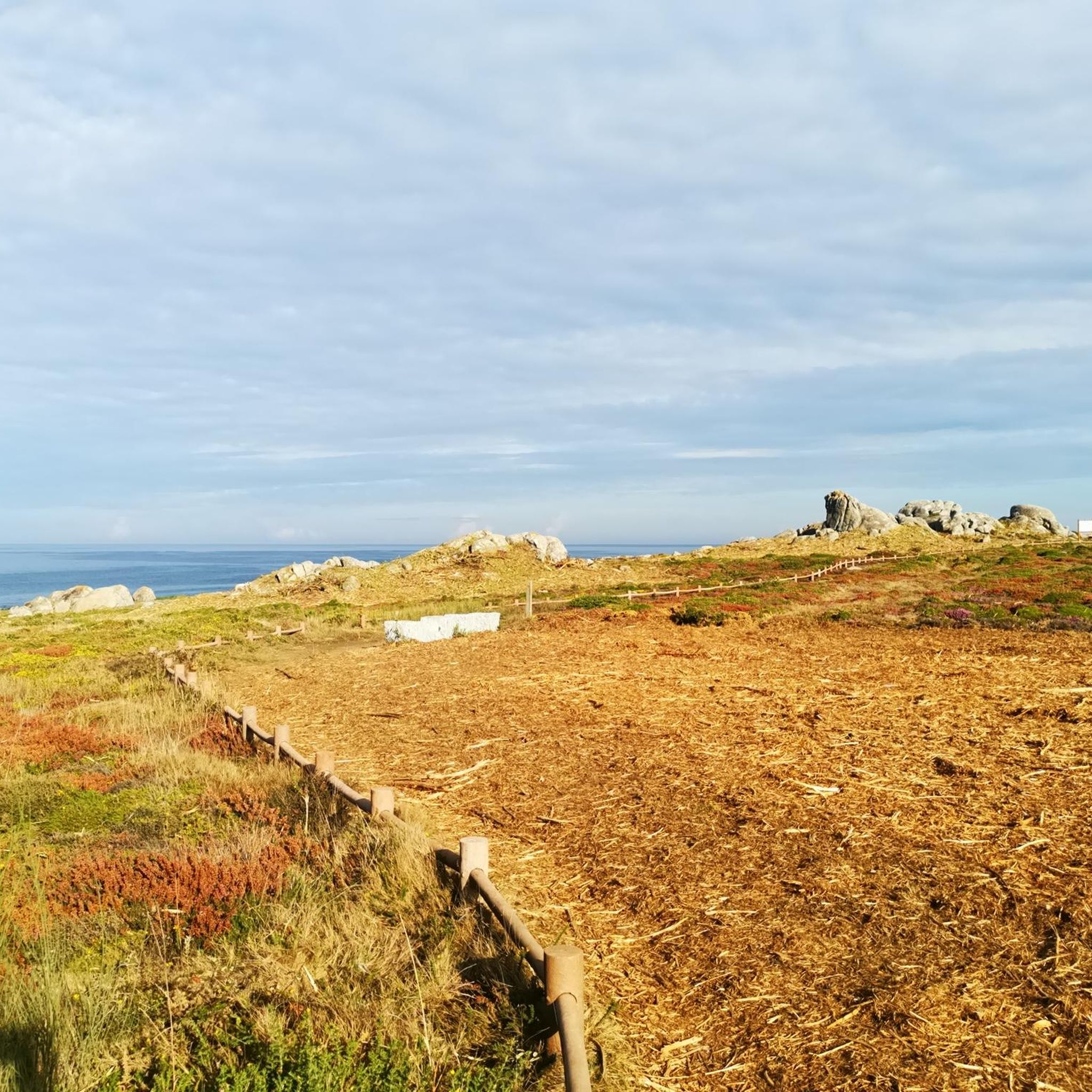
Hiking in the Tras-os-monte
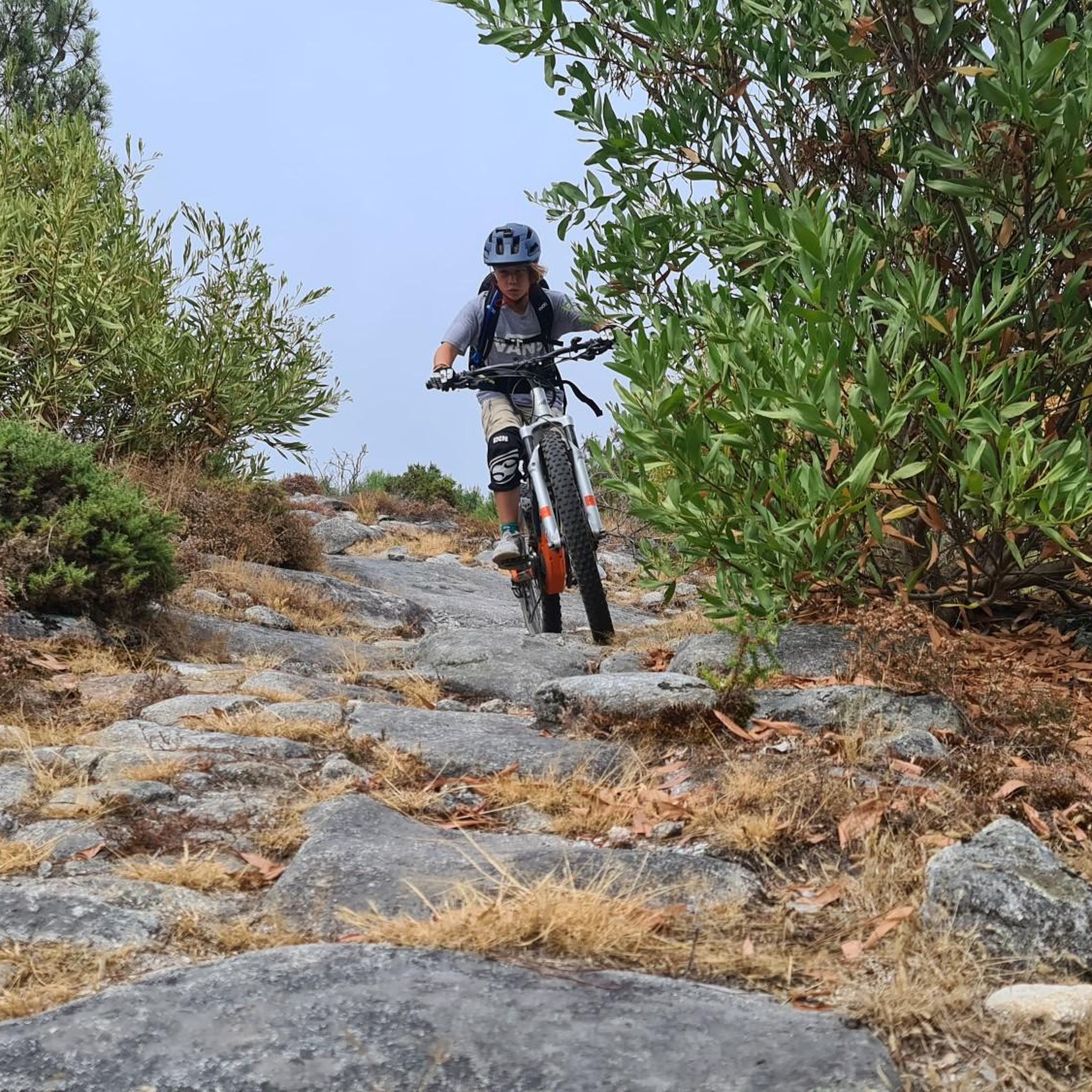
MTB Trails in the Tras-os-monte
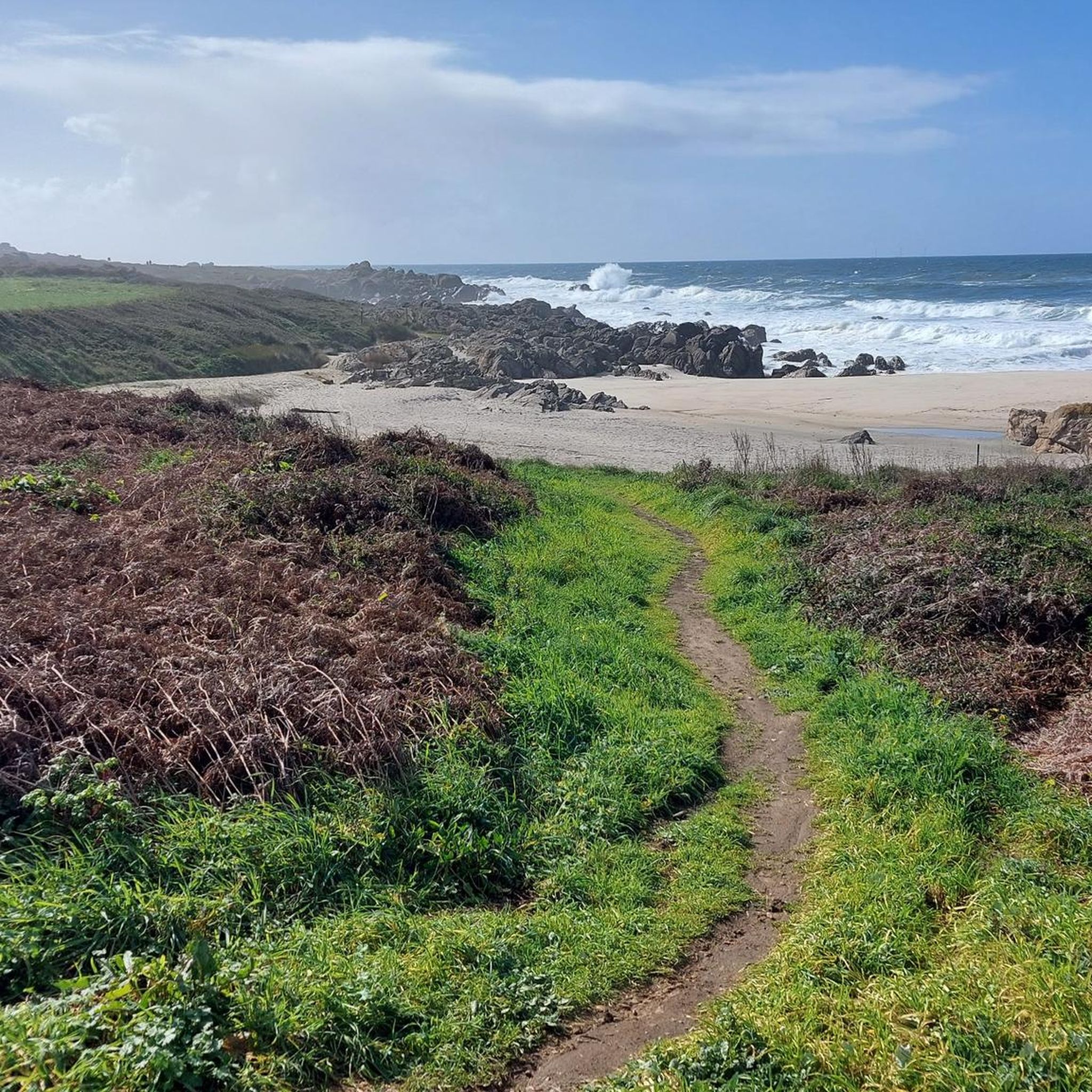
Cycling in the Tras-os-monte
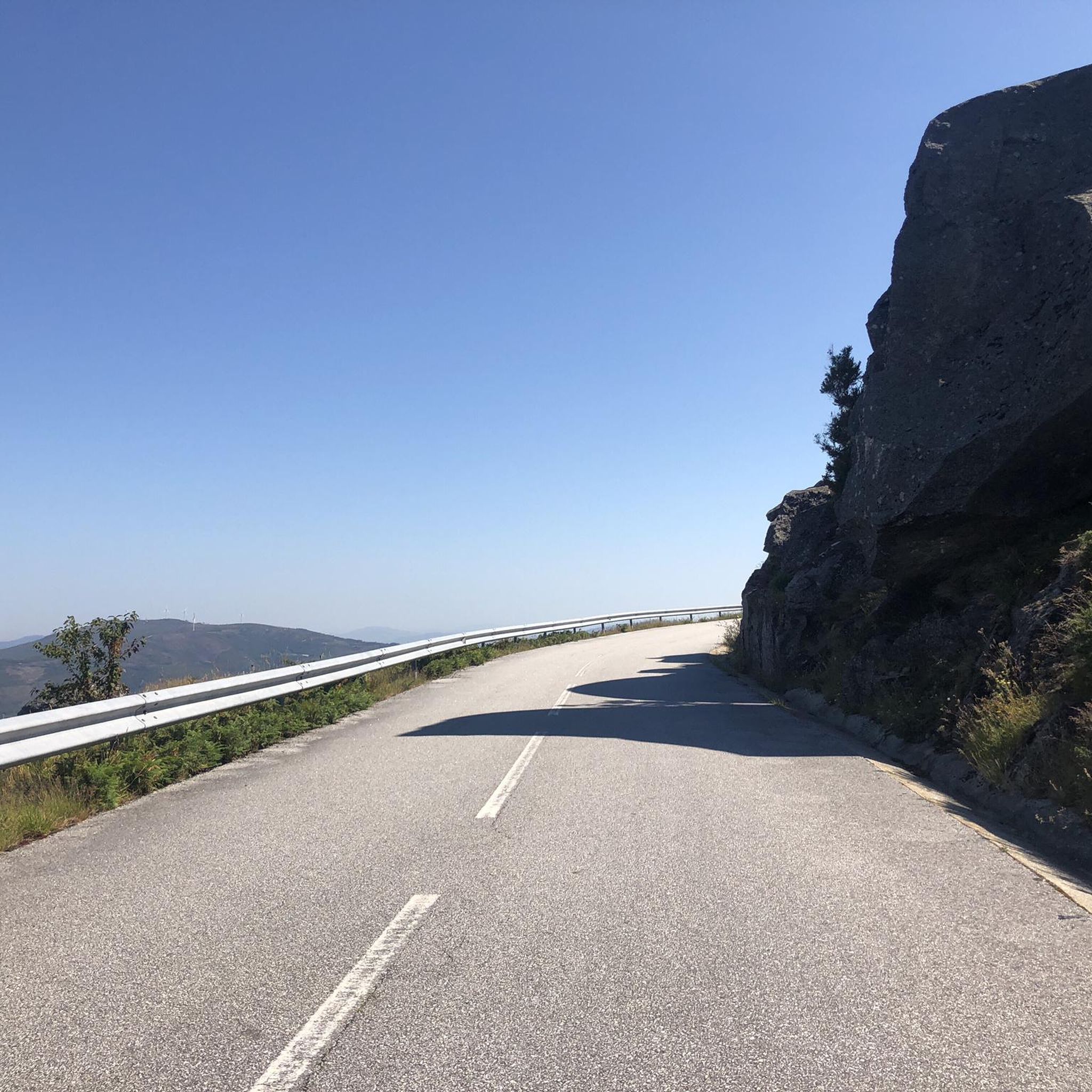
Road Cycling Routes in the Tras-os-monte
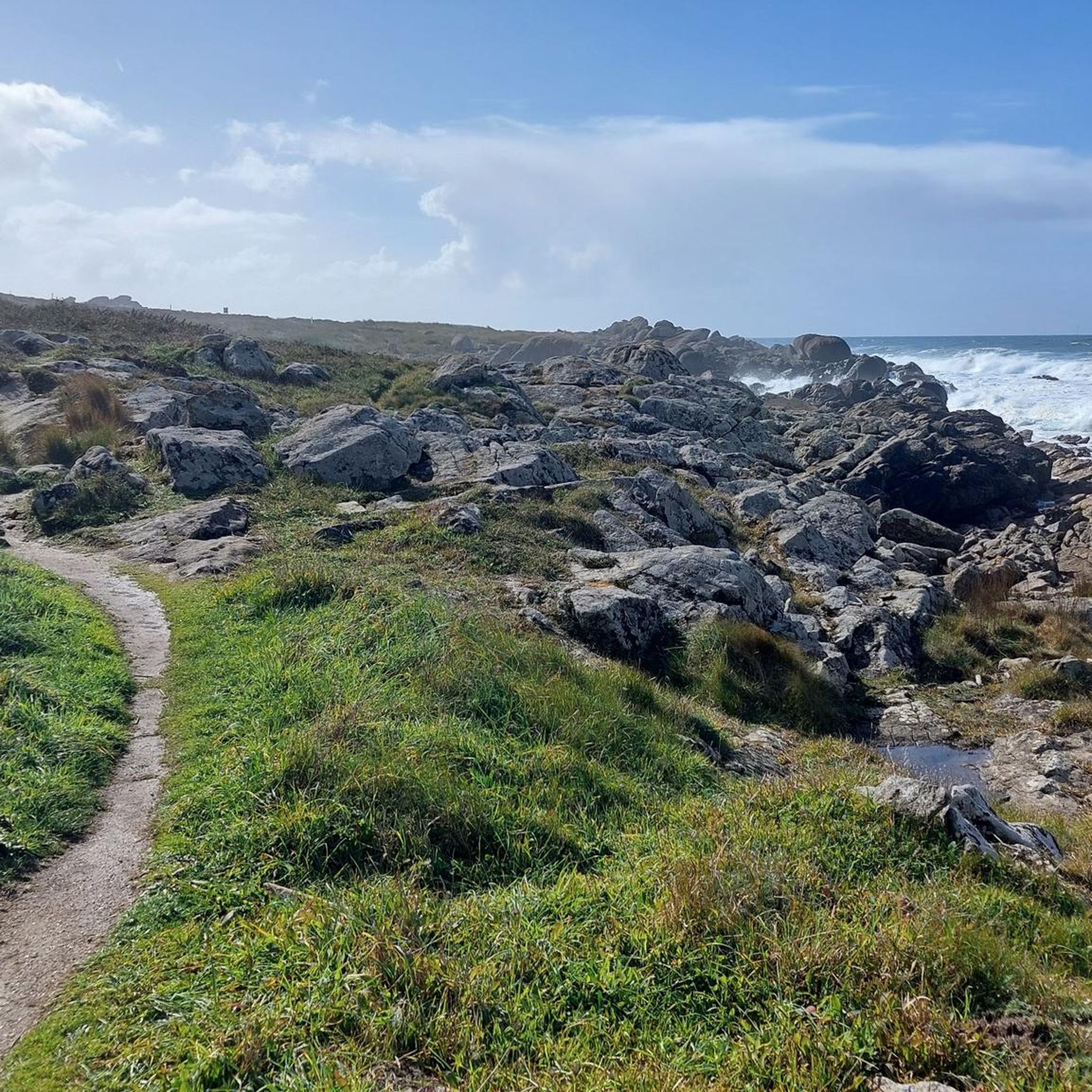
Running Trails in the Tras-os-monte
Other adventures in the Tras-os-monte


Tips from the Community

The Chalcedony Trail (PR1 TBR – Trilho da Cidade da Calcedonia) is one of the most iconic routes in Peneda-Gerês National Park, located in Covide (Braga), within the municipality of Terras de Bouro. It leads to the ruins of the City of Chalcedony, an ancient pre-Roman hill fort high in the mountains. It offers panoramic views over the Homem River valley and the Gerês mountains. The trail passes through native forests, rocky areas, and natural viewpoints.
2
0

An excellent place to end the tour, as we can always get a hot shower.
0
0

In Spain (Galicia) Muíños do Picón and do Folón: On the Spanish side, in O Rosal, the area offers hiking trails with views of Portugal and the river mouth from elevated points. A Guarda: The Spanish city on the other side of the river also offers direct views of the Portuguese beach and the dynamic river mouth.
1
0
In Portugal (Caminha and Vila Nova de Cerveira) Foz do Minho Beach: Located in the town of Caminha, this river beach offers a fantastic and direct view of the river mouth, with Spain (A Guarda) on the other side of the river. It is a popular spot for walking and watching the sunset. Deer Viewpoint and Swing: Situated in Vila Nova de Cerveira (just before reaching the actual river mouth, but overlooking the valley), it is often described as having "the best view of the Minho," crossing the entire river valley from Valença to the mouth. It offers a stunning panoramic view and easy access. Foz do Minho Restaurant: This restaurant in Vilarelho, Caminha, is known for having an excellent view of the river mouth from its windows, combining gastronomy with scenery.
1
0
The view of the mouth of the Minho River, where the river flows into the Atlantic Ocean and forms the natural border between Portugal and Spain, is one of the most beautiful landscapes in Northern Portugal. There are several viewpoints from which this stunning view can be appreciated. The landscape is marked by the meeting of the river's fresh water with the sea, creating a unique ecosystem and a visibly impressive border line.
1
0

Cela Cavalos Waterfall, or Cela de Cavalos, is a paradisiacal waterfall located in the municipality of Montalegre, in the Peneda-Gerês National Park. With crystal-clear waters, it's a perfect spot for summer swimming, hiking, and nature contemplation. The main access point is from the village of Cela.
0
0

Bico do Patelo, literally "Patelo’s Beak," is a striking granite rock formation in Peneda-Gerês National Park. Its bold shape rises above the surrounding hills, catching the eye from different points along the PR3 Castrejo trail. As you approach, the unusual form makes it a natural landmark and one of the memorable sights of the hike.
0
0

Warning: This is an extremely dangerous location, with a significant risk of falling. Due to erosion, the rocks are extremely smooth, making them slippery even in dry weather.
0
0
Frequently Asked Questions
What are some of the most popular natural monuments to visit in Trás-os-Montes?
Visitors frequently enjoy the Blue Pool, a natural swimming spot with clear, cold water, perfect for summer dips after a varied hike. Another highly appreciated site is the View over the mouth of the Minho River, offering panoramic perspectives where the river meets the Atlantic, forming a natural border between Portugal and Spain.
Are there family-friendly natural monuments in Trás-os-Montes?
Yes, several natural monuments are suitable for families. The View over the mouth of the Minho River is considered family-friendly, offering beautiful views without strenuous activity. Additionally, the Waterfall and Cascades of the Rio Couro is another family-friendly option, providing scenic beauty that can be enjoyed by all ages.
What unique geological features can I find among the natural monuments in Trás-os-Montes?
Trás-os-Montes is rich in unique geological formations. The Bico do Patelo is a striking granite rock formation that appears to defy gravity, sculpted by natural elements within a wild mountain landscape. The region also features dramatic river canyons, such as those found in the Parque Natural do Douro Internacional, characterized by immense rock faces and deep valleys carved by the Douro River.
What kind of outdoor activities can I do near the natural monuments in Trás-os-Montes?
The region offers a variety of outdoor activities. You can explore numerous hiking trails, including challenging routes like the 'View of Cascata do Arado – Blue Pool loop' or moderate ones such as 'Povoado da Calcedónia loop'. For running enthusiasts, there are trails like the 'Peneda-Gerês Great Route: Pitões das Júnias'. Gravel biking is also popular, with routes like the 'Corno de Bico Loop'. You can find more details on these activities in the Mountain Hikes, Running Trails, and Gravel Biking guides for Trás-os-Montes.
Are there any impressive waterfalls to visit in Trás-os-Montes?
Absolutely. The region is known for its beautiful waterfalls. The Pincães Waterfall features a small swimming pool accessible by a short hike. Another notable cascade is the Fecha de Barjas Waterfall (Tahiti), which offers a challenging but rewarding experience. The Parque Natural do Alvão also boasts the impressive Fisgas de Ermelo, a series of dramatic waterfalls.
What is the best time of year to visit the natural monuments in Trás-os-Montes?
Spring is an excellent time to visit, especially for birdwatching in areas like the Parque Natural do Douro Internacional, where griffon vultures, Egyptian vultures, and golden eagles are active. Summer is ideal for enjoying natural swimming spots like the Blue Pool, though the water can be quite cold. The diverse landscapes offer beauty throughout the year, but spring and early summer provide pleasant weather for outdoor exploration.
What kind of wildlife can I expect to see in the natural parks of Trás-os-Montes?
The natural parks in Trás-os-Montes are havens for diverse wildlife. Montesinho Natural Park is home to rare species such as the Iberian wolf and golden eagle, and its rivers are vital for the Pyrenean desman. The Parque Natural do Douro Internacional is crucial for various bird species, including griffon vultures and golden eagles. Parque Natural do Alvão also supports wolves, wild cats, and peregrine falcons.
Are there any historical sites or cultural landmarks near the natural monuments?
Yes, the region blends natural beauty with cultural heritage. The Old Bridge of Castro Laboreiro is a historical site located near natural monuments, offering a glimpse into the region's past. Additionally, within Montesinho Natural Park, you can find traditional stone houses and granaries in villages like Rio de Onor, reflecting the area's strong cultural identity.
Where can I find stunning viewpoints in Trás-os-Montes?
Trás-os-Montes offers numerous breathtaking viewpoints. Besides the popular View over the mouth of the Minho River, you can find spectacular panoramic views in the Parque Natural do Douro Internacional, such as Penedo Durão near Freixo de Espada à Cinta, which is situated 550 meters above the Douro River. The View of Cascata do Arado also provides a stunning perspective of a famous waterfall.
What are the characteristics of the Tua Valley Regional Natural Park?
The Tua Valley Regional Natural Park, a relatively young protected area, is known for its significant geological and lithological diversity. It features rugged reliefs, imposing quartzite ridges, and plateaus divided by the steep valleys of the Douro, Tua, and Tinhela rivers. It's an excellent place for those interested in dramatic river landscapes and unique geological formations.
What kind of terrain can I expect when hiking to natural monuments in Trás-os-Montes?
The terrain varies significantly across Trás-os-Montes. Hikes can range from varied paths with rocky passages, as seen on the way to the Blue Pool, to very steep climbs like those encountered near Bico do Patelo. Some areas, like the Parque Natural do Alvão, feature rugged mountainous landscapes, while others, such as the Parque Natural do Douro Internacional, involve trails along deep river canyons. Sturdy shoes are often recommended.
Most popular routes in the Tras-os-monte
Most popular attractions in the Tras-os-monte

Get inspired with the komoot mobile app


Explore more
Extend your search for the best caves by checking out these guides of the top ones in the Tras-os-monte:
