The best cycling routes around Esneux
4.7
(291)
4,467
riders
105
rides
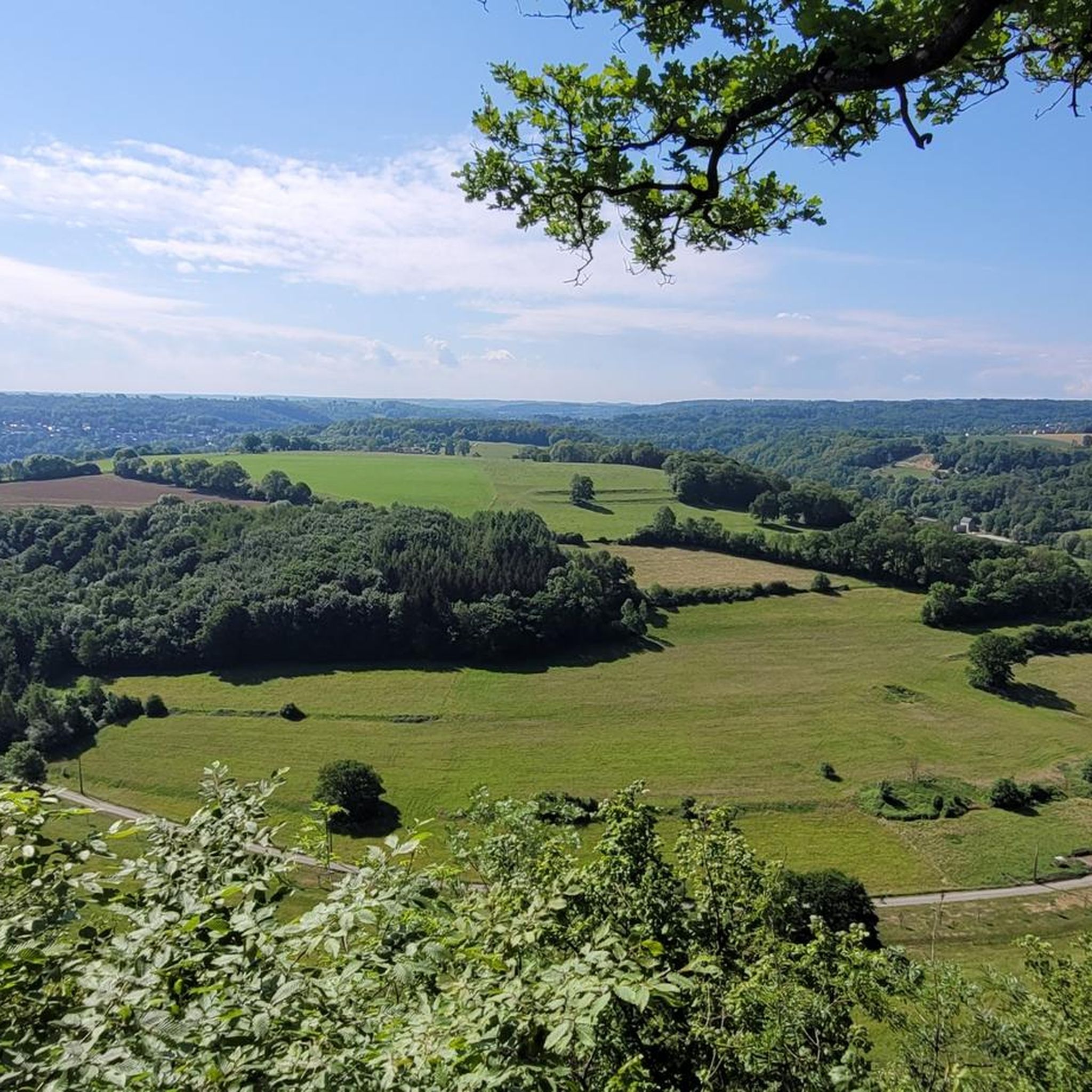
Touring cycling around Esneux offers a diverse landscape within the Ourthe Valley, characterized by rolling hills, river valleys, and dense woodlands of the Ardennes. The region features a blend of well-paved surfaces and forest paths, providing varied terrain for cyclists. This topography includes engaging climbs and descents, catering to different cycling abilities.
Best touring cycling routes around Esneux
- The most popular touring cycling route is Ourthe Canal – View of Méry loop from Méry, a 17.8 miles (28.7 km)…
Last updated: October 7, 2026
4.3
(134)
966
riders
28.0km
01:41
140m
140m
Easy bike ride. Great for any fitness level. Mostly paved surfaces. Suitable for all skill levels.
119
riders
106km
07:14
1,710m
1,710m
Hard bike ride. Very good fitness required. Mostly paved surfaces. Suitable for all skill levels.

4.8
(12)
87
riders
57.0km
03:55
810m
810m
Hard bike ride. Very good fitness required. Mostly paved surfaces. Suitable for all skill levels.
4.6
(16)
86
riders
44.0km
02:48
430m
430m
Moderate bike ride. Good fitness required. Mostly paved surfaces. Suitable for all skill levels.
4.0
(16)
233
riders
20.3km
01:12
110m
110m
Easy bike ride. Great for any fitness level. Mostly paved surfaces. Suitable for all skill levels.
Get access to more routes and recommendations from other explorers.
Already have an account?
Our route recommendations are based on thousands of hikes, rides, and runs completed by other people on komoot.
Start today with a free account
Your next adventure awaits.
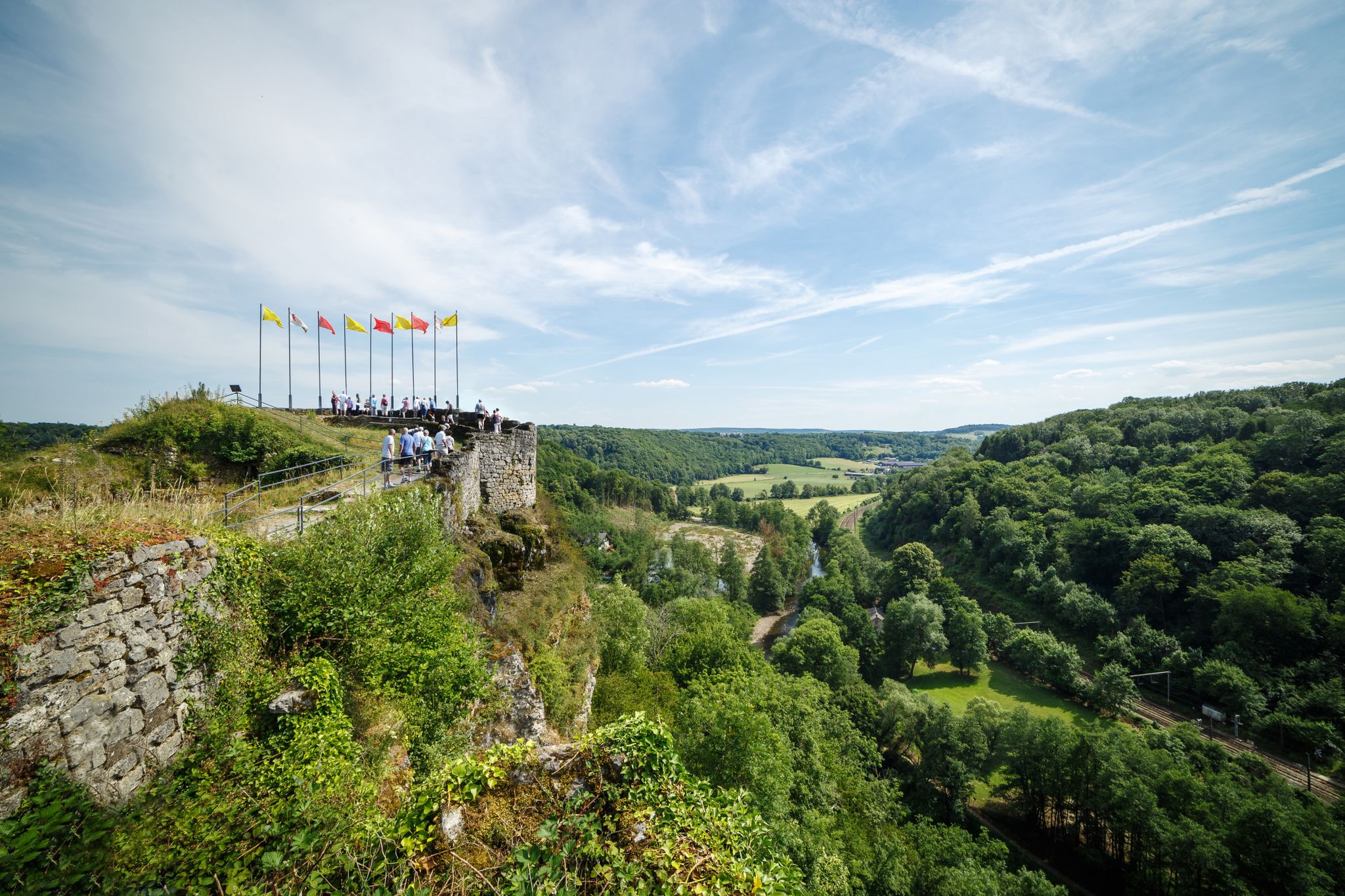
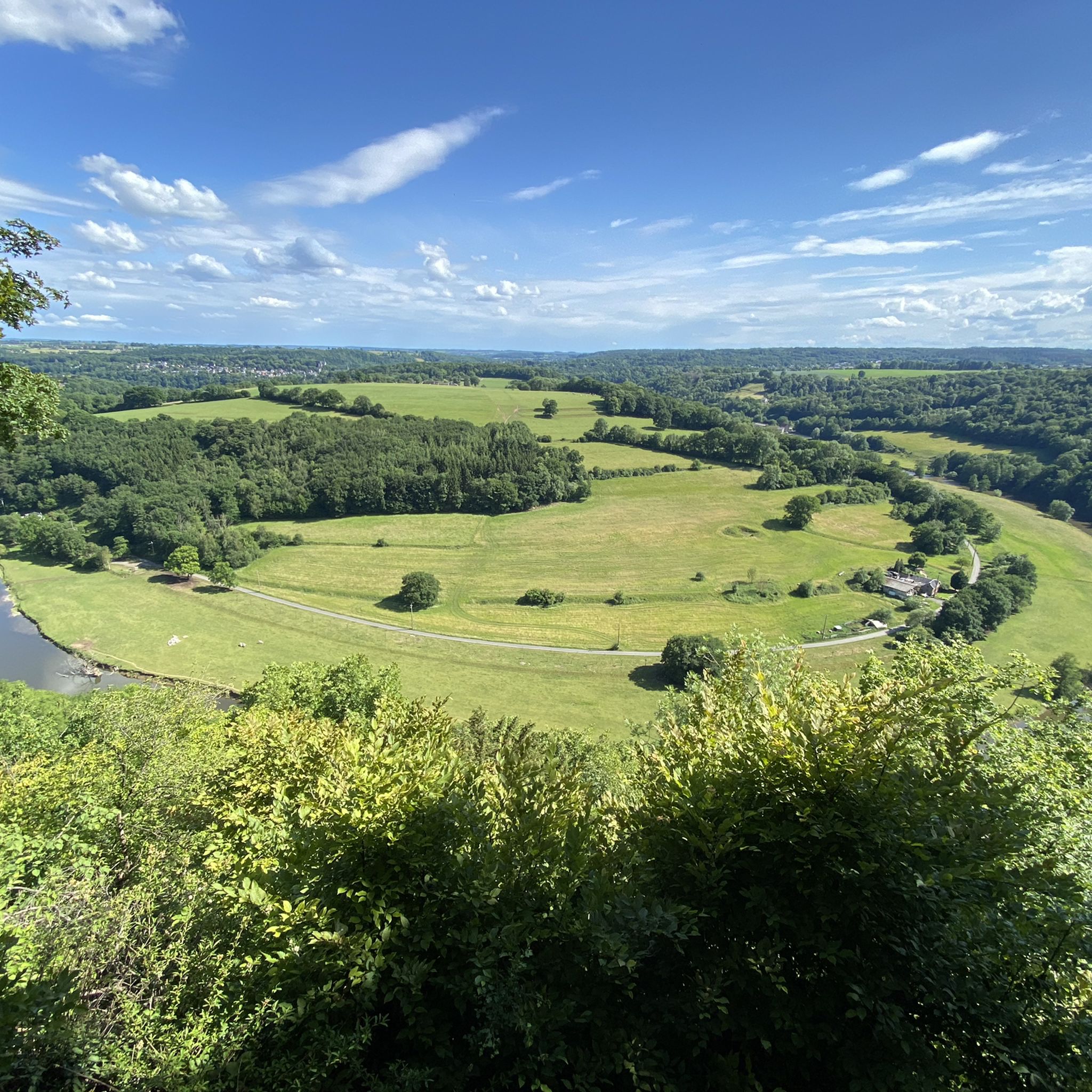
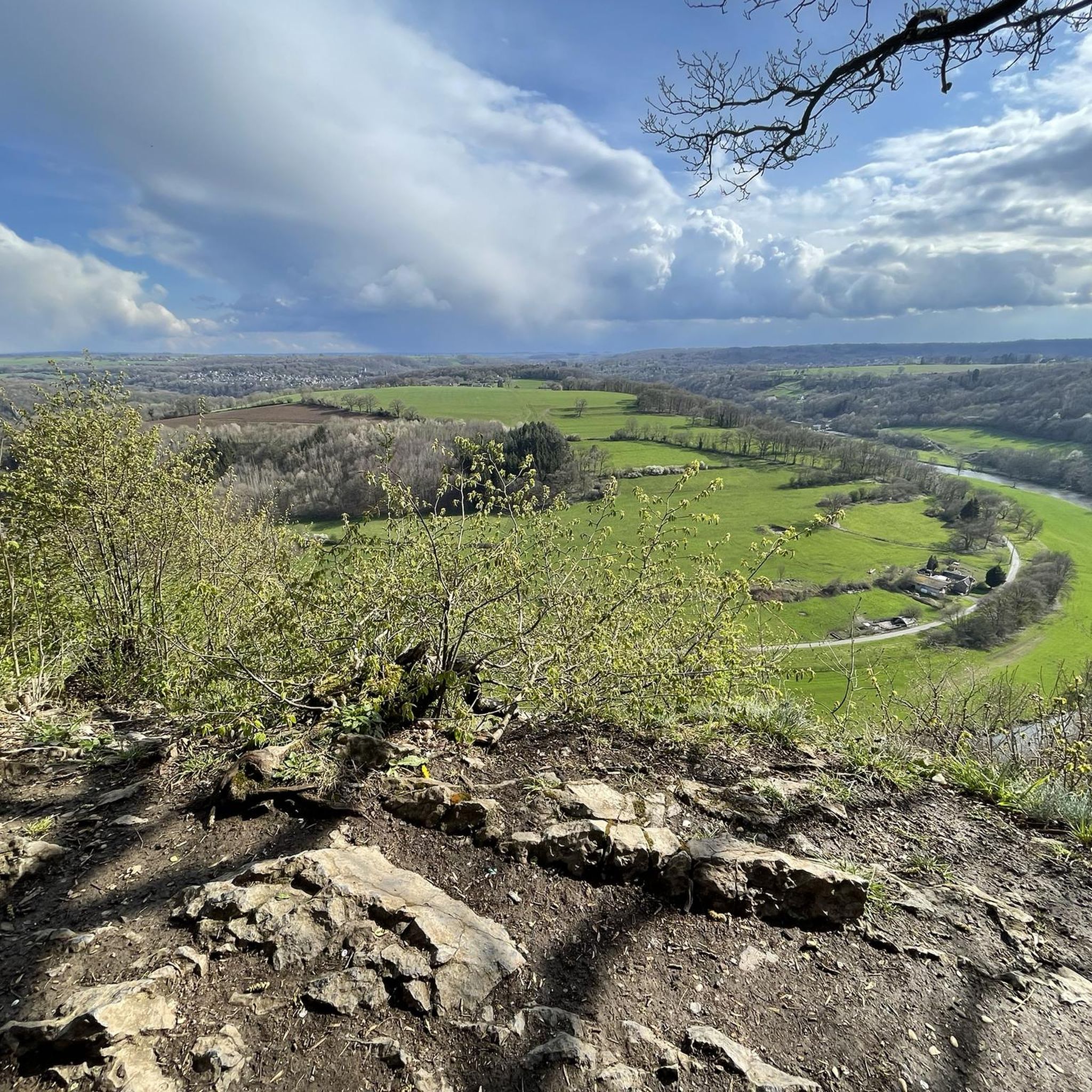
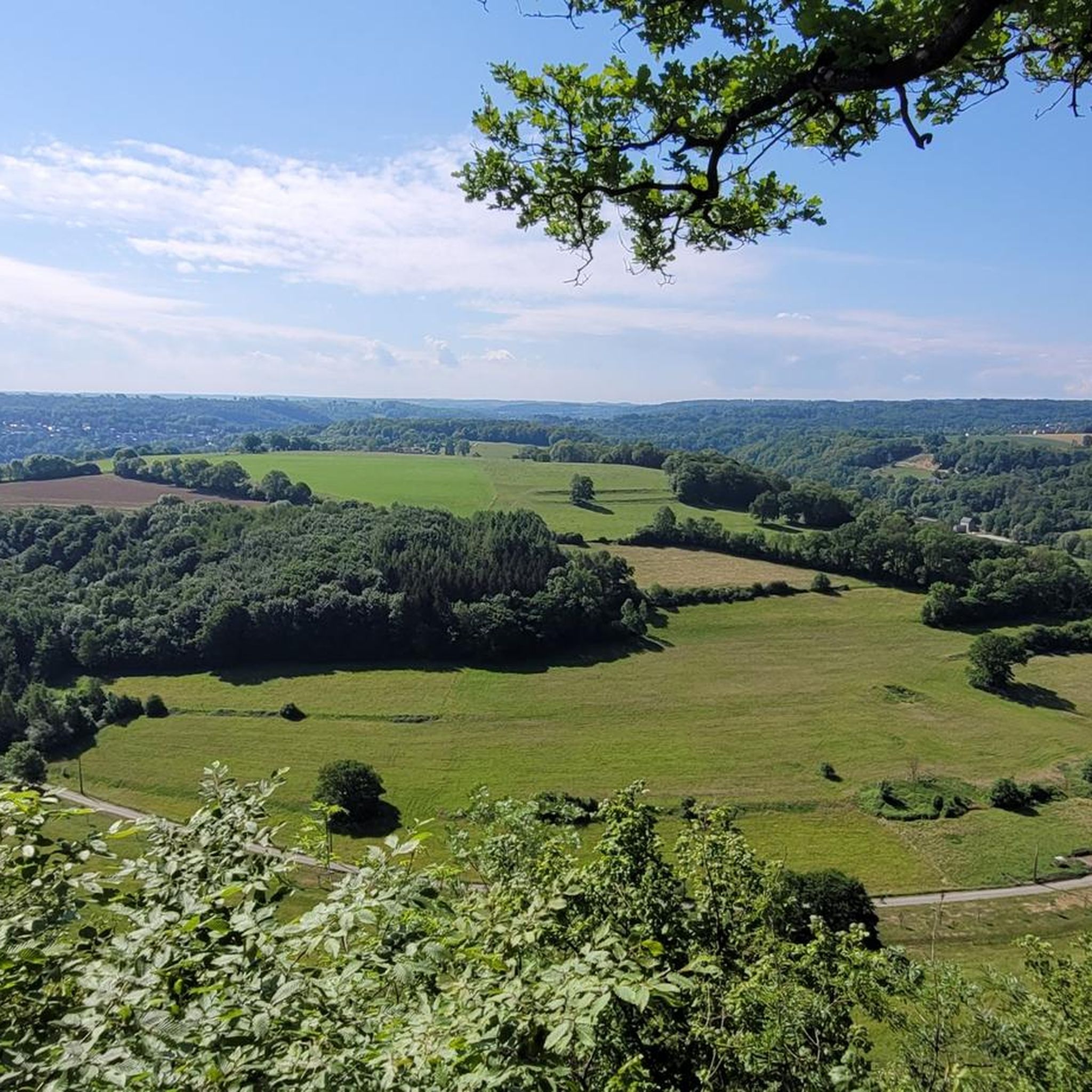

Other adventures around Esneux

Tips from the Community

The Parc de la Boverie inserted between the Meuse and the "Dérivation"
2
0

Nice change to cycle through the farmlands with beautiful hilly landscape all around
0
0

The scenery compensates for the bumpy road surface in places.
3
0

A classic. In the village, under the tunnel, you're still wondering what's this, but then the climb turns left and the real work begins. A truly steep climb, definitely worth testing yourself against a spring legend.
0
0


Frequently Asked Questions
How many touring cycling routes are available around Esneux?
Esneux offers a wide variety of touring cycling routes, with over 100 options available. These routes cater to different preferences and fitness levels, ranging from easy riverside paths to more challenging trails through the Ardennes.
What are the typical difficulty levels for touring cycling routes in Esneux?
The touring cycling routes around Esneux offer a diverse range of difficulties. You'll find 7 easy routes perfect for a relaxed ride, 31 moderate routes for those seeking a bit more challenge, and 66 difficult routes for experienced cyclists looking for significant elevation gains and demanding terrain.
What natural features and scenic viewpoints can I expect to see while cycling in Esneux?
The touring cycling experience in Esneux is defined by the stunning natural beauty of the Ourthe Valley. You can expect winding rivers, lush forests, and meadows. A prominent highlight is the Roche-aux-Faucons, which offers breathtaking panoramic views of the valley. The region also features extensive Ardennes forests and the picturesque Ourthe River itself.
Are there any family-friendly touring cycling routes in Esneux?
Yes, Esneux offers several family-friendly options. Many routes follow the picturesque Ourthe River, including sections of the RAVeL network, which are car-free and provide a tranquil cycling experience. These routes often feature well-paved surfaces, ideal for a relaxed ride with children. An easy option is the Ourthe Canal – View of Méry loop from Méry, which follows the historic Ourthe Canal.
What historical landmarks or attractions can be found along the touring cycling routes?
While cycling around Esneux, you can discover several interesting landmarks. The region is home to various castles, such as the Colonster castle and the Amblève Castle Ruins. You might also encounter unique features like the Devil's Bridge (Pont du Diable), a dry-stone bridge steeped in local legend, or the remains of the old Ourthe canal, including locks and lock houses.
Are there circular touring cycling routes available in Esneux?
Yes, many touring cycling routes in Esneux are designed as loops, allowing you to start and end at the same point. For example, the View of Méry – Tilff Town Square loop from Esneux offers a varied landscape experience, while the Ourthe Canal – RAVeL along the Ourthe loop from Fontin provides a scenic circular ride along the river.
What is the best time of year to go touring cycling in Esneux?
The Ourthe Valley and Ardennes region are beautiful throughout the warmer months. Spring and autumn offer pleasant temperatures and vibrant scenery, with fewer crowds. Summer is also popular, though it can be warmer. Always check local weather conditions before heading out, as the region's diverse topography can lead to varied microclimates.
What do other touring cyclists enjoy most about cycling in Esneux?
The touring cycling routes in Esneux are highly rated by the komoot community, with an average score of 4.4 stars from over 260 reviews. Cyclists often praise the diverse terrain, from easy riverside paths to challenging climbs, and the stunning natural beauty of the Ourthe Valley and Ardennes forests. The well-maintained routes and panoramic viewpoints are frequently highlighted.
Are there challenging touring cycling routes for experienced riders in Esneux?
Absolutely. For experienced cyclists seeking a challenge, Esneux and the surrounding Ardennes offer routes with significant elevation gains. For instance, the Tilff Town Square – View of Tilff loop from Tilff is a difficult route covering over 50 km with substantial climbing, providing an exhilarating experience through varied landscapes.
Can I find routes that follow the Ourthe River?
Many touring cycling routes in Esneux are designed to follow the picturesque Ourthe River. These routes often incorporate sections of the RAVeL network, providing car-free and tranquil cycling experiences along the riverbanks. The Ourthe Canal – View of Méry loop from Méry is a great example of a route that offers scenic riverside views.
Are there options for public transport to access touring cycling routes in Esneux?
Yes, public transport can be utilized to access cycling routes in the Esneux region. Some routes, like the 42 km path from Hamoir station to near Liège-Guillemins station, are designed with train access in mind. For more detailed information on public transport options and specific routes, you can consult external resources such as Visit Wallonia or Visit Ardenne.
Are the cycling routes in Esneux suitable for gravel or mountain biking, or are they mostly paved?
The cycling network around Esneux offers a mix of surfaces. While many routes feature well-paved surfaces ideal for road cycling, others incorporate forest paths and rougher tracks that are suitable for gravel or mountain biking. This varied terrain ensures there's something for every type of cyclist, depending on your preference and equipment.
Most popular attractions around Esneux

Get inspired with the komoot mobile app


Explore more
Browse the best Cycling routes in other regions.
