Attractions and Places To See around Licciana Nardi - Top 20
Best attractions and places to see around Licciana Nardi include a blend of historical landmarks and natural features within the Lunigiana region. Situated in the Tuscan-Emilian Apennine National Park and the Taverone Valley, the area offers diverse landscapes. Visitors can explore centuries-old castles, historic churches, and a medieval village with traditional architecture. The region provides opportunities to experience both cultural heritage and the natural environment.
Best attractions and places to see around Licciana Nardi
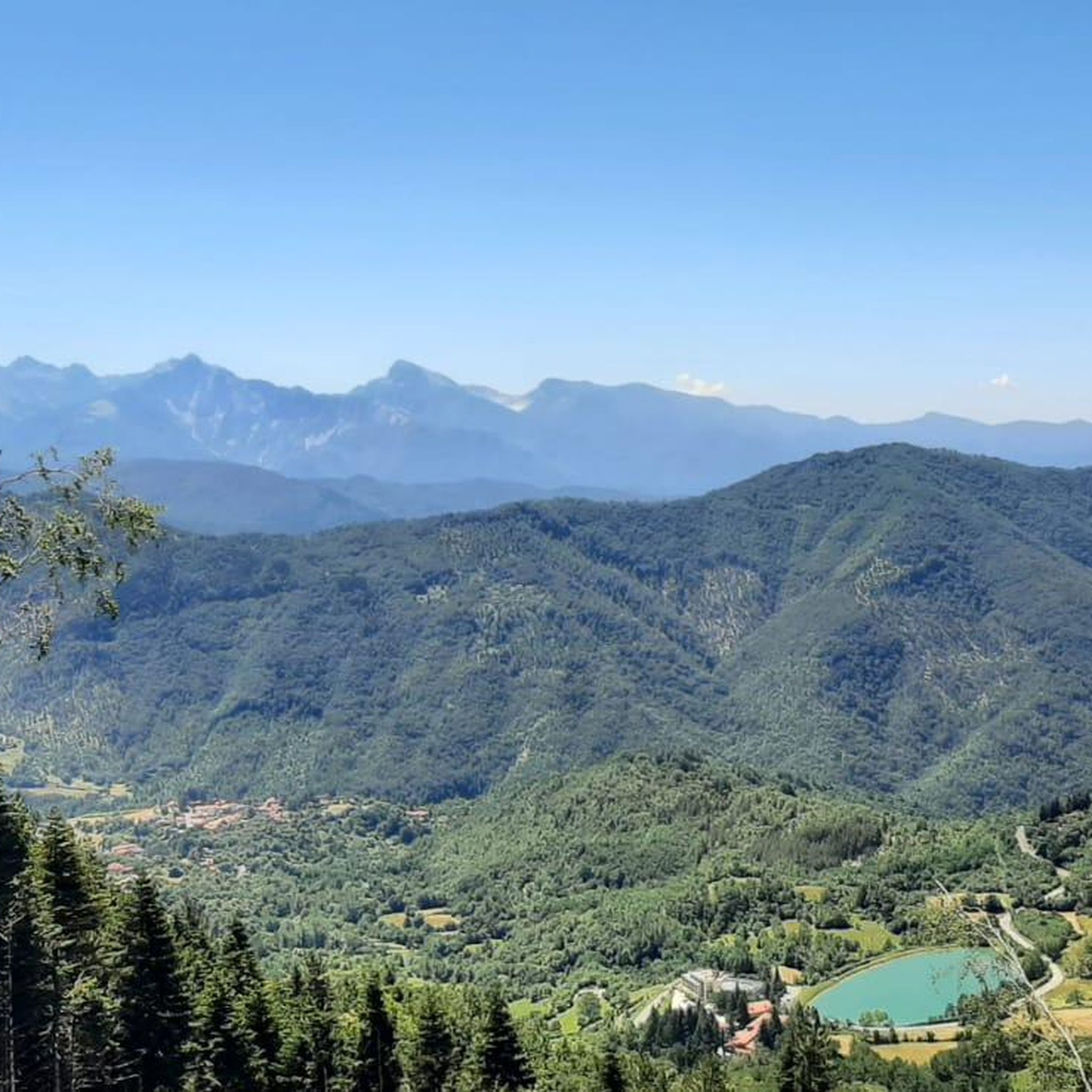
- The most popular attractions is Lagastrello Dam, a man-made monument of artificial origin. It was created in 1911 for electricity production and is located alongside the Lagastrello pass, marking a border point between three provinces.
- Another must-see spot is Giovanni Mariotti Mountain Hut at Lago Santo, a hut located on the shores of Lago Santo. This refuge offers kitchen service, reception rooms, and beds, and is accessible via chairlift or on foot.
- Visitors also love Old Henry Trail, a challenging trail. It is described as a fun and well-maintained descent, suitable for experienced riders.
- Licciana Nardi is known for its historical sites, natural monuments, and trails. The area offers a variety of attractions to see and explore, from ancient castles to scenic routes.
- The attractions around Licciana Nardi are appreciated by the komoot community, with 10 highlights and 26 photos shared by users.
Last updated: August 29, 2026
Lake Santo Parmense
Highlight • Lake
Translated by Google •
Tip by

Lagdei Hut
Highlight • Mountain Hut
Translated by Google •
Tip by

Sign up now to discover places like this
Get recommendations on the best single tracks, peaks, & plenty of other exciting outdoor places.
Sign up for free
Giovanni Mariotti Mountain Hut at Lago Santo
Highlight • Mountain Hut
Translated by Google •
Tip by

Lagastrello Dam
Highlight • Monument
Translated by Google •
Tip by
Old Henry Trail
Highlight (Segment) • Trail
Translated by Google •
Tip by

Sign up for free to discover even more attractions around Licciana Nardi.
Sign up for free
Already have an account?
Start today with a free account
Your next adventure awaits.
Login or Signup


Tips from the Community

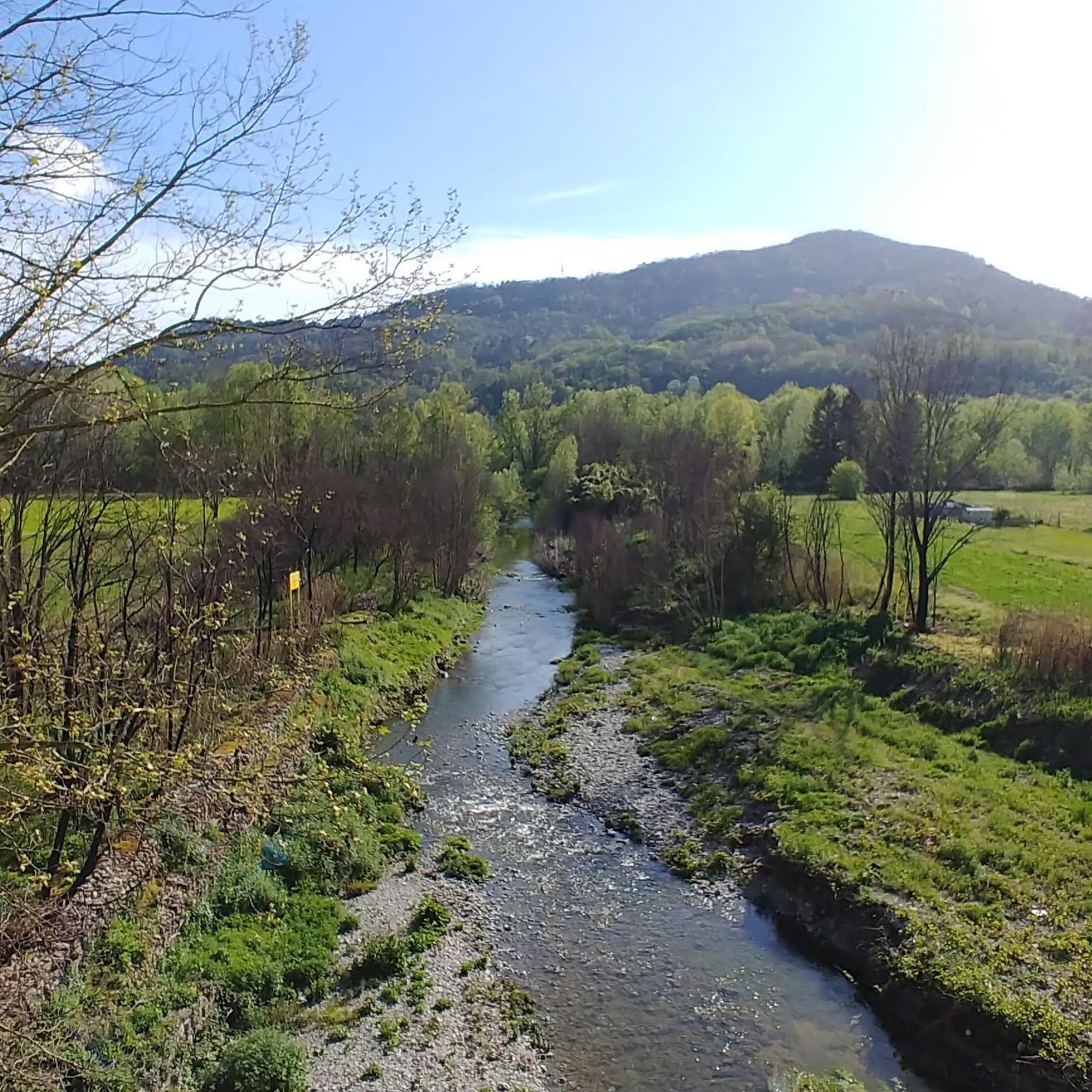
The Diga del Lagastrello (officially called Diga di Lago Paduli) is an artificial dam located in the Tuscan-Emilian Apennines, at an altitude of about 1,157 meters in the municipality of Comano (Massa-Carrara), very close to the Passo del Lagastrello which separates Tuscany from Emilia-Romagna. Built between 1906 and 1910 for hydroelectric purposes by damming the Enza stream, it creates the Lago Paduli, an artificial basin that collects over 3 million cubic meters of water. From an engineering point of view, it is a notable example of an earth-fill dam with a central impermeable clay core. In December 1909, during the final stages of its construction, it suffered a partial and disastrous collapse that devastated the underlying Val Cedra, fortunately without causing any casualties.
0
0
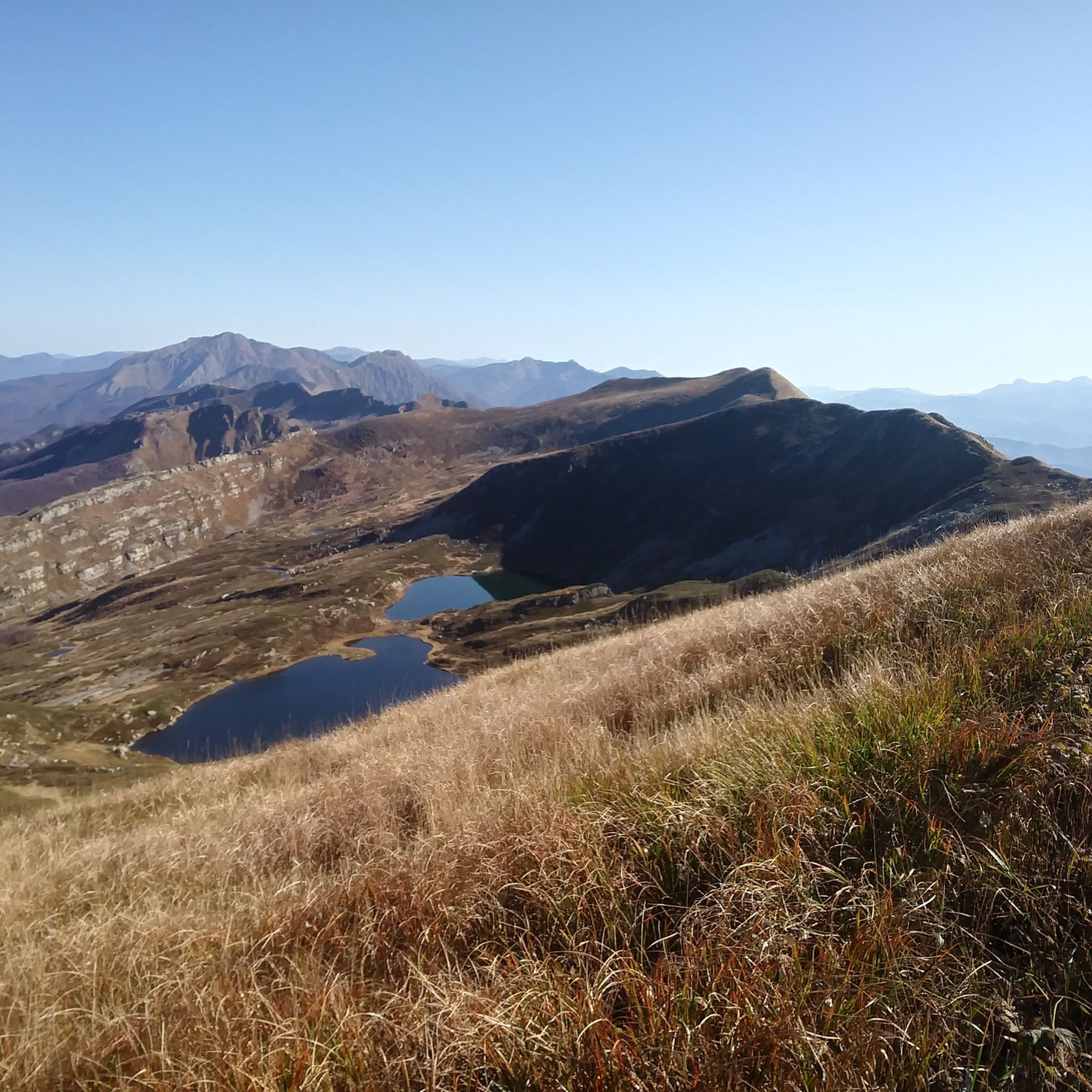
Lago Santo Parmense is the largest glacial lake in Emilia-Romagna and the largest natural body of water in the entire northern Apennines. Located at an altitude of 1,507 meters in the municipality of Corniglio, it covers an area of over 81,000 square meters and reaches a maximum depth of 22.5 meters. It is located within the Tuscan-Emilian Apennine National Park (also known as Parco dei Cento Laghi) and is dominated by the walls of Monte Marmagna.
0
0

Beautiful route, with a stunning summit panorama
1
0

A refuge on Lago Santo Parmense. Located in a magnificent setting, it's a delightful place to stop. It's managed; all the information is on the website. It can be reached on foot or by chairlift from Lagdei.
1
0
There's not much to say here. Lago Santo is on the list of top places in our Apennines. A quick web search and a few photos are all it takes to understand what it's all about.
2
0
Very pleasant. There are hairpin bends alternating with fairly fast sections. Nice surface.
0
0

Strategic location Good for refreshment The right place to go after a trek in the mountains Not to be missed.....
1
0

Magical environment in every season
2
0
Frequently Asked Questions
What historical sites can I explore in and around Licciana Nardi?
Licciana Nardi is rich in history, particularly known for its castles and ancient churches. You can visit several centuries-old fortifications, many once belonging to the Malaspina family, such as Monti Castle, Bastia Castle, Licciana Castle, and Terrarossa Castle. The village also features the historic center of Licciana Nardi, with its narrow streets and sandstone portals. Additionally, the Pieve di Santo Stefano di Sorano, an important Romanesque church built between the 11th and 12th centuries, is nearby.
Are there any natural attractions or scenic viewpoints in the area?
Yes, Licciana Nardi is nestled within the Tuscan-Emilian Apennine National Park, offering breathtaking natural beauty. You can find scenic views around Monti and Apella, with mountains covered in centuries-old chestnut groves. The Lagastrello Dam is a notable man-made lake offering picturesque views and serving as a border point between three provinces. Another popular spot is the Giovanni Mariotti Mountain Hut at Lago Santo, located on the shores of a beautiful lake.
What outdoor activities are available near Licciana Nardi?
The region offers numerous opportunities for outdoor activities, especially within the Lunigiana region and the Tuscan-Emilian Apennine National Park. You can enjoy hiking, mountain biking, and e-biking on various trails. The Lunigiana Trail, a 230-kilometer ring route, is perfect for bikepacking. For specific routes, you can explore Mountain Hikes around Licciana Nardi, MTB Trails around Licciana Nardi, and Road Cycling Routes around Licciana Nardi.
Are there family-friendly attractions or activities in Licciana Nardi?
Yes, several attractions are suitable for families. The Pieve di Santo Stefano di Sorano is a historical site that can be interesting for all ages. In Fivizzano, the Fountain in Piazza Medicea provides a pleasant spot to relax in a historic town center. The natural surroundings, including the Tuscan-Emilian Apennine National Park, offer opportunities for easy walks and enjoying nature with children.
What kind of trails can I find for cycling or mountain biking?
The area boasts a variety of trails for cyclists. The Lunigiana Trail is a 230-kilometer ring route ideal for bikepacking, connecting villages and castles. For mountain biking enthusiasts, the Old Henry Trail is described as a challenging but fun and well-maintained descent. You can find more options for different cycling disciplines in the MTB Trails around Licciana Nardi and Road Cycling Routes around Licciana Nardi guides.
What is the significance of the castles in Licciana Nardi?
The castles in Licciana Nardi are significant historical landmarks, many of which were under the dominion of the powerful Malaspina family. They served various purposes, from defensive fortresses like Bastia Castle to elegant residential estates such as Monti Castle, which showcases medieval, Renaissance, and Baroque styles. Licciana Castle was transformed into a fortified palace, and Terrarossa Castle is one of the largest existing Malaspina residences, located along the historic Via Francigena.
Are there any accessible attractions for visitors with mobility needs?
While many historical sites in the region may have limited accessibility due to their age and terrain, the Fountain in Piazza Medicea, Fivizzano, located in the main square of Fivizzano, is noted as wheelchair accessible. It offers a pleasant spot to enjoy the historic town center.
What is the best time to visit Licciana Nardi for outdoor activities?
The region's immersion in the Tuscan-Emilian Apennine National Park and its lush nature suggest that spring and autumn would be ideal for outdoor activities like hiking and cycling, offering pleasant temperatures and vibrant scenery. Summer can also be enjoyable, especially in higher elevations, though it might be warmer. The chestnut groves are particularly beautiful in autumn.
What can I expect from the historic center of Licciana Nardi?
The historic center of Licciana Nardi, dating back to the 12th century, offers a charming glimpse into the past. You can wander through narrow streets, admire sandstone portals, and discover traditional osterie and shops selling local products and crafts. The main square also features the ossuary monument of Anacarsi Nardi, a Risorgimento patriot, after whom the town was partly renamed.
What do visitors enjoy most about the attractions around Licciana Nardi?
Visitors particularly appreciate the blend of historical heritage and natural beauty. The Lagastrello Dam is noted for its enchanting views and the many paths unraveling towards the Apennine ridges. The Giovanni Mariotti Mountain Hut at Lago Santo is praised for its beautiful location and good food. For cyclists, the Old Henry Trail is highlighted as a wonderful, fun, and well-maintained descent.
Are there any significant churches or religious sites to visit?
Yes, Licciana Nardi and its surroundings host several historically significant churches. The Parish Church of Santa Maria Assunta in Venelia-Monti, originally 11th-century, features a beautiful Romanesque pietra serena apse. The Church of San Giacomo Apostolo dates back to 1705. Additionally, the Pieve di Santo Stefano di Sorano is one of the oldest and most important examples of Romanesque architecture in the area.
What is the Lunigiana region known for?
The Lunigiana region, where Licciana Nardi is located, is often called the 'land of a hundred castles' due to its numerous historical fortifications. Beyond its rich history, it's celebrated for its lush, unspoiled nature, making it an ideal destination for outdoor activities. The region's natural beauty includes extensive chestnut groves and diverse landscapes within the Tuscan-Emilian Apennine National Park.
Most popular routes around Licciana Nardi
Most popular attractions around Licciana Nardi

Get inspired with the komoot mobile app


Explore more
Still not found the Highlight you’re looking for? See guides of the top attractions in other regions:
