The best city hikes and walks around New York
4.7
(841)
29,764
hikers
712
hikes
Urban hiking trails around New York offer a diverse range of experiences within the city's expansive landscape. The region features extensive waterfront greenways, iconic bridges, and large urban parks like Central Park. These routes traverse a mix of paved paths, natural areas, and historic cityscapes. The terrain is generally flat to gently rolling, with some routes incorporating minor elevation changes over bridges or through parkland.
Best urban hiking trails around New York
- The most popular urban hiking route is Brooklyn Bridge Walk, a 2.1 miles (3.3 km) trail that takes 52 minutes to complete. This route offers views of the Manhattan skyline and the East River.
- Another top favourite among local hikers is Central Park Loop, a moderate 6.5 miles (10.4 km) path. This loop explores the varied landscapes of Central Park, including open lawns, wooded areas, and water features.
- Local hikers also love the Hudson River Greenway, a 6.5 miles (10.5 km) trail leading through waterfront parks and alongside the Hudson River, often completed in about 2 hours 40 minutes.
- Hiking around New York is defined by extensive waterfront paths, large urban parks, and historic city infrastructure like bridges, with options for various ability levels.
- The routes in New York are highly rated by the komoot community with an average score of 4.7 stars from over 650 reviews. More than 21,000 hikers have used komoot to explore New York's varied terrain.
Last updated: October 11, 2026
5.0
(8)
1,377
hikers
3.34km
00:52
10m
20m
Walking the Brooklyn Bridge is an essential New York City experience, offering a unique perspective on the urban landscape. You'll stroll along an elevated wooden boardwalk, high above the East River, with the bridge's intricate neo-Gothic towers and steel cables framing your journey. The highlight is undoubtedly the sweeping panorama of the Manhattan skyline, featuring landmarks like One World Trade Center and the Empire State Building, making this an easy 2.1-mile (3.3 km) route that feels incredibly rewarding.
This easy walk, with only 38 feet (12 metres) of elevation gain, takes about 51 minutes to complete, but allow extra time for photos. To make the most of your visit, aim for early morning or late afternoon to avoid the heaviest crowds, which can make the shared pedestrian and cycle path feel narrow. While there are no restrooms on the bridge itself, benches are available for a quick rest.
Completed in 1883, the Brooklyn Bridge was a monumental engineering feat, the world's first all-steel suspended span. It remains a designated National Historic Landmark and an architectural marvel. The walk connects Manhattan to Brooklyn, providing easy access to vibrant neighborhoods like DUMBO and Brooklyn Heights, perfect for exploring before or after your crossing.
4.6
(31)
435
hikers
10.4km
02:43
80m
80m
Embark on the Central Park Loop for a truly immersive experience of this iconic urban sanctuary. This moderate 6.5-mile (10.4 km) hiking route guides you through a blend of paved paths, rolling hills, and lush greenery, showcasing the park's diverse character. You'll traverse areas from the open expanse of Sheep Meadow to the more rugged, natural feel of the North Woods, where you might even discover hidden waterfalls and streams. The journey offers a constant change of scenery, from the Midtown skyline peeking through trees to the tranquil waters of the Jacqueline Kennedy Onassis Reservoir.
To make the most of your Central Park Loop hike, plan for a journey that takes approximately 2 hours and 42 minutes, covering 248 feet (76 metres) of elevation gain. The park is well-served by public transport, making access simple from almost anywhere in the city. While the loop is popular, especially for events like the New York Marathon, the ban on vehicular traffic since 2018 ensures a more peaceful experience for hikers. Consider starting your adventure from the Central Park — 5th Avenue & 59th Street Entrance for easy orientation.
What sets this Central Park Loop apart is its ability to offer both a challenging workout and a comprehensive tour of the park's famous landmarks and natural features. Beyond the main loop, the park boasts 58 miles of unpaved trails, particularly in areas like the Ramble and the North Woods, providing options for those seeking a more rugged experience with steep inclines and rock outcrops. This route is a fantastic way to appreciate the park's unique blend of curated landscapes and wilder sections, all within blocks of bustling city life.

4.7
(6)
666
hikers
3.40km
00:52
10m
10m
Imagine yourself hiking across the Brooklyn Bridge, an easy 2.1-mile (3.4 km) urban path that offers sweeping views of the New York City skyline. You will gain a gentle 37 feet (11 metres) in elevation, making this a comfortable walk that takes approximately 52 minutes. As you traverse the bridge, you can admire the intricate steel cables and the impressive neo-Gothic towers, which frame iconic sights like the Statue of Liberty and One World Trade Center. This route provides a distinct vantage point over the city and its surrounding waterways.
The pedestrian walkway on the Brooklyn Bridge is paved and easily accessible, making it suitable for most visitors. When you are walking, remember to stay aware of the separate, dedicated bike lane to ensure a smooth experience for everyone. The route conveniently links you to lively areas such as DUMBO and Brooklyn Heights, where you can find more sights and activities. Consider starting your hike early in the morning or later in the afternoon to avoid peak crowds and enjoy a more serene crossing.
This iconic structure is more than just a bridge; it is a historical marvel connecting Manhattan and Brooklyn. Its unique design and prominent position make it a celebrated landmark in New York City. After completing your hike, you can explore the vibrant neighborhoods at either end, extending your urban adventure with local shops, eateries, and waterfront parks.
14
hikers
10.5km
02:39
20m
20m
Hike the Hudson River Greenway for a moderate urban adventure, spanning 6.5 miles (10.5 km) with a gentle 66 feet (20 metres) of elevation gain. This route typically takes about 2 hours and 38 minutes to complete. As you walk, you'll enjoy continuous views of the Hudson River, with the Manhattan skyline unfolding beside you. Keep an eye out for the George Washington Bridge in the distance and the unique Historic Tugboat LAC docked along the river. The path offers a dynamic urban atmosphere, perfect for a city escape.
The Hudson River Greenway is easily accessible with numerous entry points and pedestrian bridges along its length. You will find amenities like restrooms and places to eat, especially in the southern sections of the trail. Be prepared to share the path with cyclists, particularly when you are in downtown Manhattan, as it is a popular multi-use route. Consider starting your hike earlier in the day to enjoy fewer crowds.
This trail offers a unique perspective on New York City's waterfront, allowing you to see iconic landmarks from a different vantage point. Beyond the George Washington Bridge, you might also catch glimpses of the World Trade Center and even the Statue of Liberty. The route provides a constant change of scenery, blending natural river views with the bustling urban environment. It's a great way to explore the city on foot while staying close to the water.
8
hikers
6.98km
01:46
10m
20m
The Hudson River Greenway from Greenwich Village to Battery Park offers a delightful urban escape, tracing Manhattan's waterfront on a flat, paved path. You'll enjoy continuous, refreshing views of the Hudson River and the New Jersey skyline, with the Statue of Liberty and Freedom Tower gradually coming into focus as you head south. This easy 4.3-mile (7.0 km) hike, with only 33 feet (10 metres) of elevation gain, is a fantastic way to experience the city's dynamic blend of natural beauty and iconic architecture, taking roughly 1 hours and 45 minutes to complete.
Planning your visit is straightforward, as this section of the Greenway is highly accessible and well-serviced. Starting in Greenwich Village, you can easily reach the trailhead via public transport. The path itself is equipped with public restrooms and seasonal water fountains, and you'll find plenty of cafes and eateries within Hudson River Park to grab a bite or a drink. It's a great route for a leisurely walk any time of day, though mornings might offer fewer crowds.
This segment is more than just a walk; it's a piece of a much larger network, forming part of the 12.9-mile Hudson River Greenway and the 32-mile Manhattan Waterfront Greenway. It even contributes to the massive 750-mile Empire State Trail, connecting New York City to distant parts of the state. The trail's continuous scenic journey through one of New York City's most vibrant waterfront areas provides a unique perspective on the city, blending green spaces, renovated piers, and historic landmarks like Castle Clinton.
Get access to more routes and recommendations from other explorers.
Already have an account?
Our route recommendations are based on thousands of hikes, rides, and runs completed by other people on komoot.
Start today with a free account
Your next adventure awaits.
Popular around New York
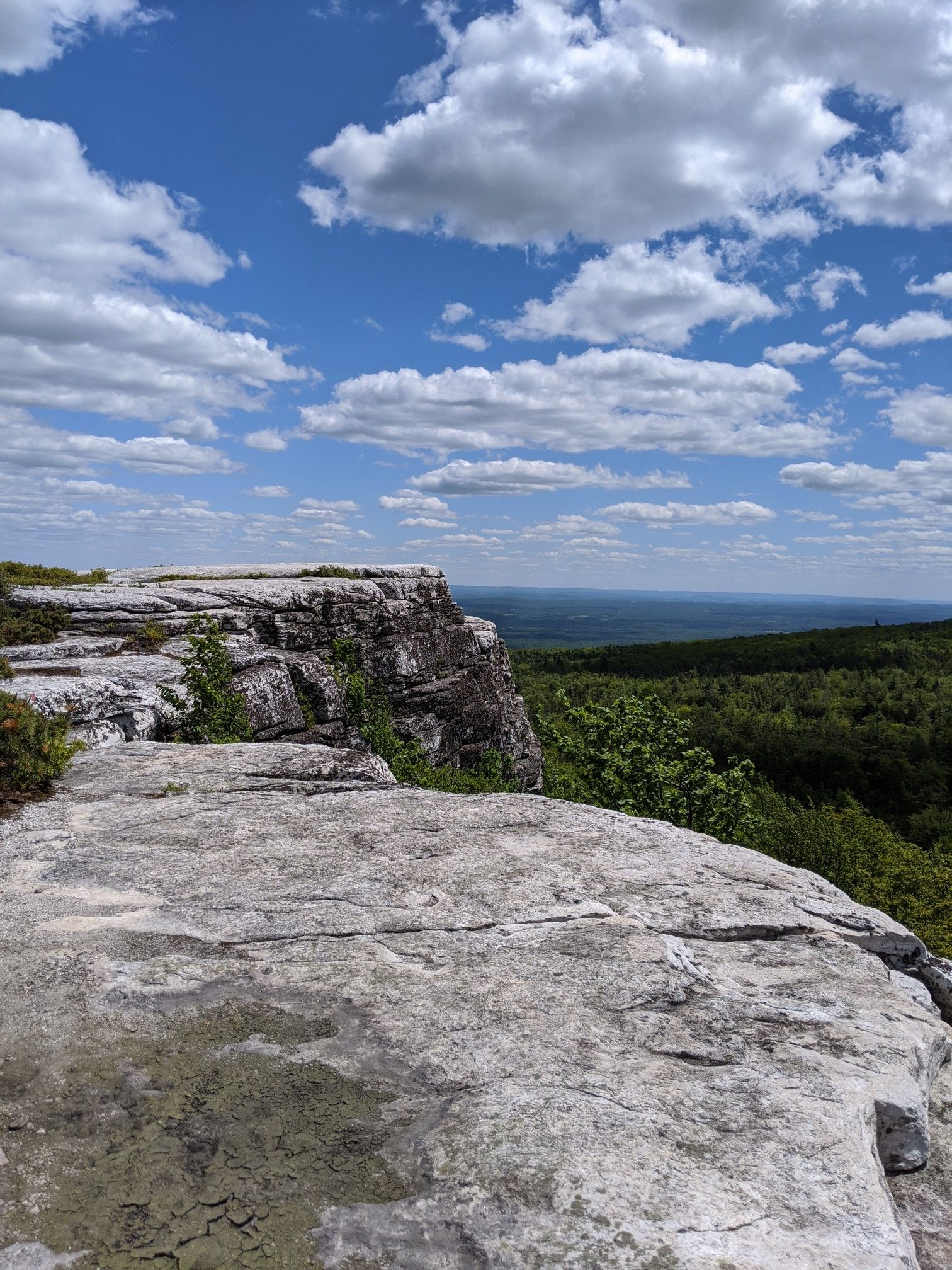
Long Path — A walk through wild New York
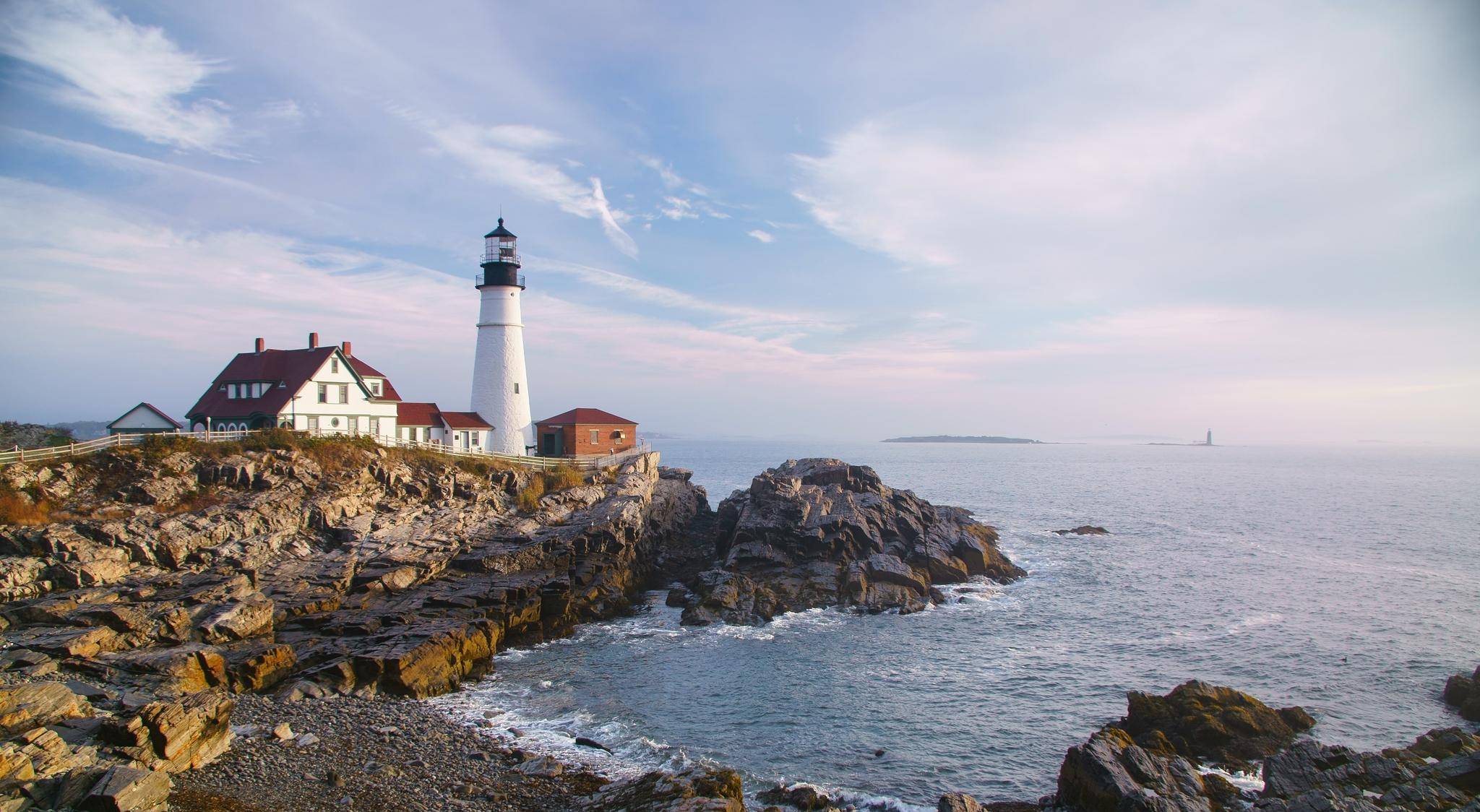
On the trail of the Pilgrim Fathers – road trip along the Atlantic coast
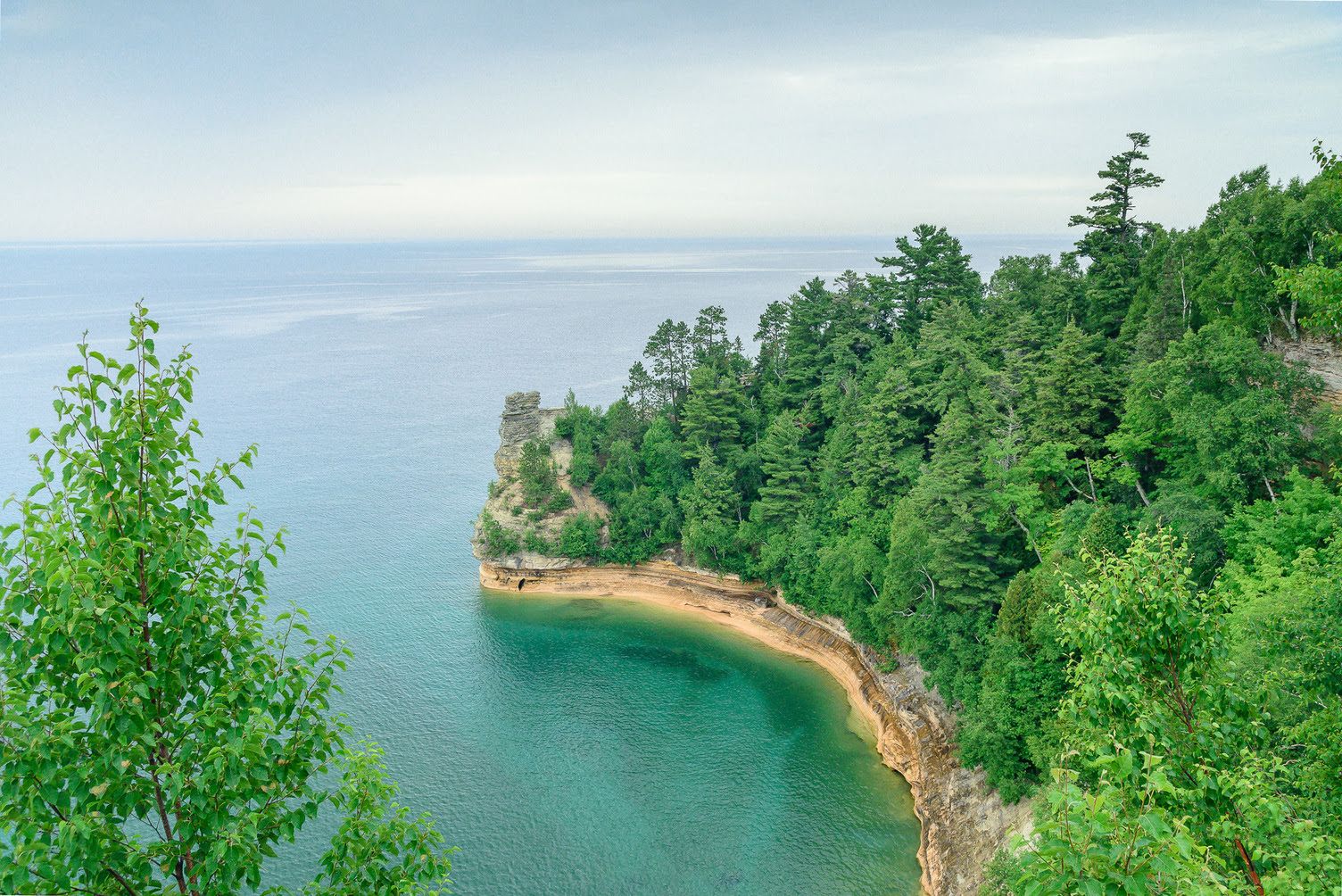
Great North Music Tour – hiking in the footsteps of music legends
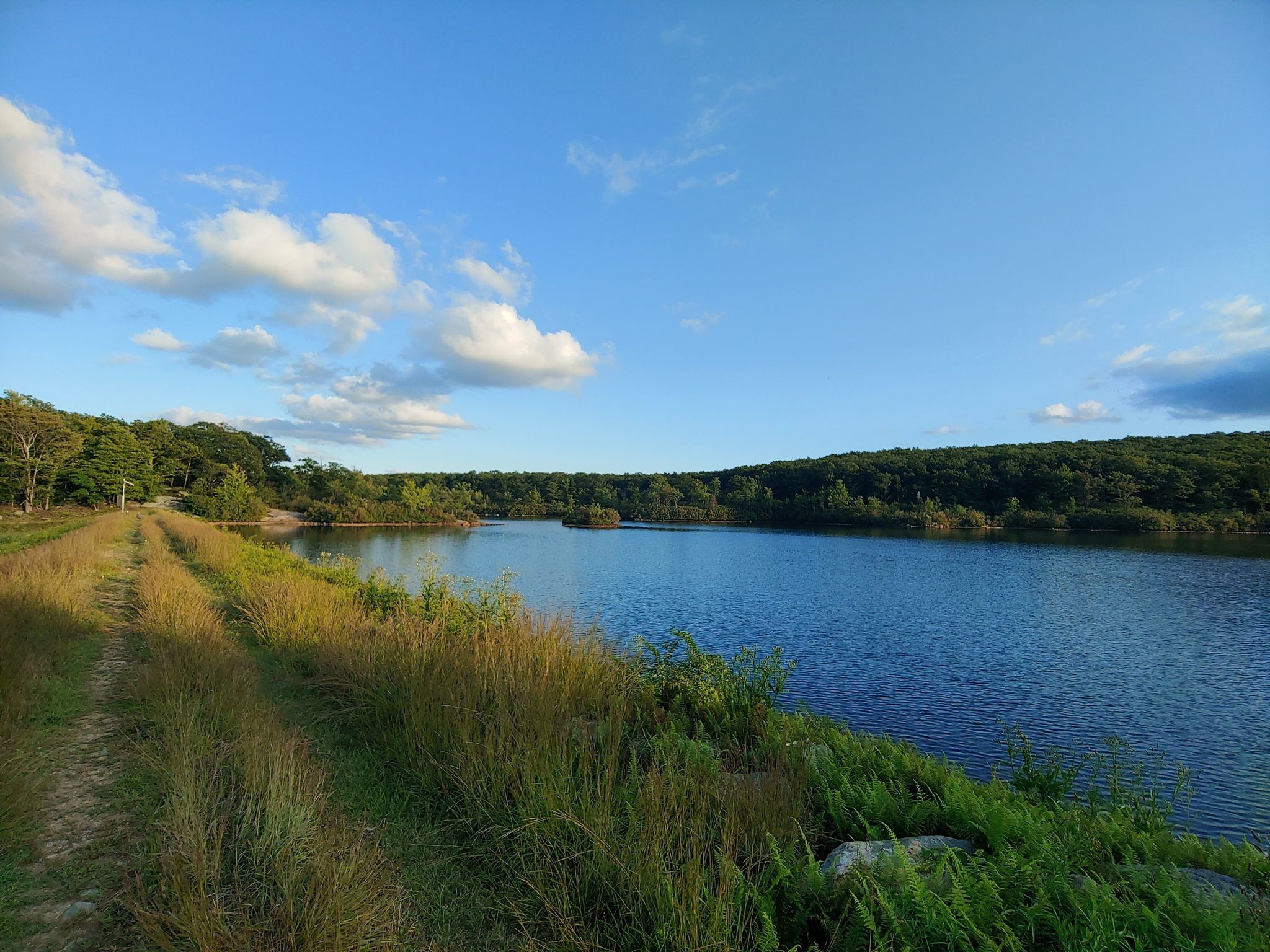
Lace up your shoes – Trail running in and around NYC
From Manhattan to Long Island – The best road rides around the Big Apple
Other adventures around New York


Tips from the Community

It's hard to believe that this obelisk is over 3,000 years old. It was created in ancient Egypt and didn't arrive in New York until the 19th century. It's one of the oldest monuments in the entire city.
0
0

Central Park is the green heart of New York, an immense 341-hectare public park located in the center of Manhattan. Designed by renowned landscape architects Frederick Law Olmsted and Calvert Vaux, the park welcomes tens of millions of visitors each year, offering a perfect natural oasis among the city's skyscrapers.
1
0

It's not the most prestigious university, but it's very beautiful.
0
0
Horace Greeley was a publisher; his newspaper, the New York Tribune, was very influential. He was also a politician in the Republican party.
0
0


In 2002, the City of New York founded the Lower Manhattan Development Corporation, or LMDC for short. This corporation was responsible for developing a new plan for the reconstruction of the World Trade Center. Shortly after the terrorist attacks, it was decided to redevelop this area. However, what it would look like was still unclear. Polls showed that some Americans wanted Ground Zero to be a memorial. Others advocated for the construction of new towers. Donald Trump presented his own concept. He wanted to build twin towers again, 30 meters higher than the old ones. This was quickly rejected, however. In 2002, the LMDC announced an architectural competition for the redevelopment of the WTC site. A total of 406 entries were received.[24] Some designs were criticized, even in German newspapers, for the new plans only envisaging smaller skyscrapers that were nowhere near as tall as the Twin Towers and thus not spectacular enough. In 2003, Daniel Libeskind was finally announced as the winner. He had also completed several construction projects in Germany. Libeskind, who immigrated to the USA from Poland, had little experience in building high-rise buildings, but his design met with widespread approval because he attempted to fulfill both desires for Ground Zero: a memorial and new towers. His concept called for leaving the sites where the World Trade Center towers had stood vacant and building a memorial with a museum next to them. He placed five office towers around the perimeter, each slightly taller than its neighbor. At the northeast corner, he placed One World Trade Center, the Freedom Tower. He also scored points with his concept of the new tower's height: 1,776 feet (541 meters). This refers to the year of the United States Declaration of Independence.[
0
0
Chrysler Building Designed by architect William Van Alen and completed just a year before the Empire State Building, this iconic Art Deco tower wasn't always as prominent in the New York skyline as it is today. Commissioned by Walter Chrysler, owner of the eponymous automaker, it was the first skyscraper with a decorative, non-functional spire, which drew mixed reactions from architectural critics. Although the Empire State Building snatched the title of New York's tallest skyscraper after just 11 months, the Chrysler Building remains the world's tallest brick building with a steel structure.
0
0
Frequently Asked Questions
How many urban hiking trails are available in New York?
Komoot offers over 650 urban hiking trails around New York, catering to various skill levels and interests. You'll find a wide selection, from short, easy strolls to more challenging, longer routes.
Are there easy urban hikes suitable for families or beginners?
Yes, New York offers many easy urban hikes perfect for families and beginners. Over 460 of the trails listed are rated as easy. A great option is the Brooklyn Bridge Walk, which provides iconic views without significant elevation gain.
What are some popular urban trails with scenic views?
For stunning cityscapes and waterfront vistas, consider the Hudson River Greenway, which offers continuous views along the river. The Central Park Loop also provides diverse scenery, from open lawns to wooded areas and architectural landmarks.
Can I find urban hikes accessible by public transport?
Many urban hikes in New York are easily accessible via public transport, especially those within Manhattan and Brooklyn. Routes like the Brooklyn Bridge and trails within Central Park are well-connected by subway and bus lines, making them convenient for city dwellers and visitors alike.
Are there any urban trails that feature waterfalls or unique natural elements?
While New York City's urban trails are primarily man-made, you can find charming natural elements. Central Park, for instance, features The Pool and the North Woods with small cascades. Additionally, you can discover urban oases like Paley Park Waterfall and Waterfall at Greenacre Park, which offer tranquil escapes amidst the urban bustle.
What kind of landmarks or attractions can I see along urban hiking routes?
Urban hikes in New York are rich with landmarks and attractions. You can walk past the National September 11 Memorial & Museum, explore the elevated park of The High Line, or visit the unique Little Island at Pier 55. Central Park itself is home to numerous points of interest, including the Jacqueline Kennedy Onassis Reservoir.
What do other hikers enjoy most about urban hiking in New York?
The komoot community highly rates urban hiking in New York, with an average score of 4.7 stars. Reviewers often praise the incredible variety of routes, the iconic city views, and the convenience of exploring diverse neighborhoods on foot. The ability to combine nature and urban exploration is a frequently highlighted aspect.
Are there any long-distance urban trails for experienced hikers?
For those seeking a longer challenge, the Manhattan Waterfront Greenway offers an extensive route that circles the entire island. This difficult-rated trail covers nearly 60 kilometers, providing a comprehensive urban hiking experience with continuous waterfront views.
What is the best time of year for urban hiking in New York?
Urban hiking in New York is enjoyable year-round. Spring brings pleasant temperatures and blooming flowers, while autumn offers comfortable weather and vibrant fall foliage in parks. Summer can be warm, but waterfront trails provide refreshing breezes. Even winter offers unique charm, with crisp air and fewer crowds, especially in the city's many parks.
Are there urban hikes where I can find cafes or places to eat nearby?
Absolutely! Urban hikes in New York are often intertwined with vibrant neighborhoods, meaning you're never far from a cafe, restaurant, or food vendor. Trails through areas like Greenwich Village, the Lower East Side, or along the Brooklyn waterfront offer countless opportunities to grab a coffee, a quick bite, or enjoy a meal after your walk.
Most popular routes around New York
Most popular attractions around New York

Get inspired with the komoot mobile app


Explore more
Browse the best Hikes in other regions.
