The 16 Most Amazing Peaks around Alta Garrotxa-Massís de les Salines
Best mountain peaks around Alta Garrotxa-Massís de les Salines are found in a rugged and captivating natural area within the eastern Pre-Pyrenees of Catalonia, Spain. This region is characterized by dramatic limestone peaks, deep valleys, and rich biodiversity, shaped by thousands of years of erosion. As a designated Area of Natural Interest, it offers diverse terrain and elevation for outdoor enthusiasts seeking panoramic views and challenging trails. The landscape features extensive forests of holm oak, oak, and Scots pine, providing…
Last updated: July 7, 2026
Mare de Déu del Mont Summit
Highlight • Summit
Tip by

Puig de Bassegoda
Highlight • Summit
Translated by Google •
Tip by

Sign up now to discover places like this
Get recommendations on the best single tracks, peaks, & plenty of other exciting outdoor places.
Sign up for free
Santa Bàrbara de Pruneres
Highlight • Religious Site
Translated by Google •
Tip by

Sanctuary of Mare de Déu del Mont and Jacint Verdaguer Statue
Highlight • Religious Site
Translated by Google •
Tip by

Capsacosta Pass
Highlight • Mountain Pass
Translated by Google •
Tip by

Sign up for free to discover even more peaks around Alta Garrotxa-Massís de les Salines.
Sign up for free
Already have an account?
Start today with a free account
Your next adventure awaits.
Login or Signup
Popular around Alta Garrotxa-Massís de les Salines
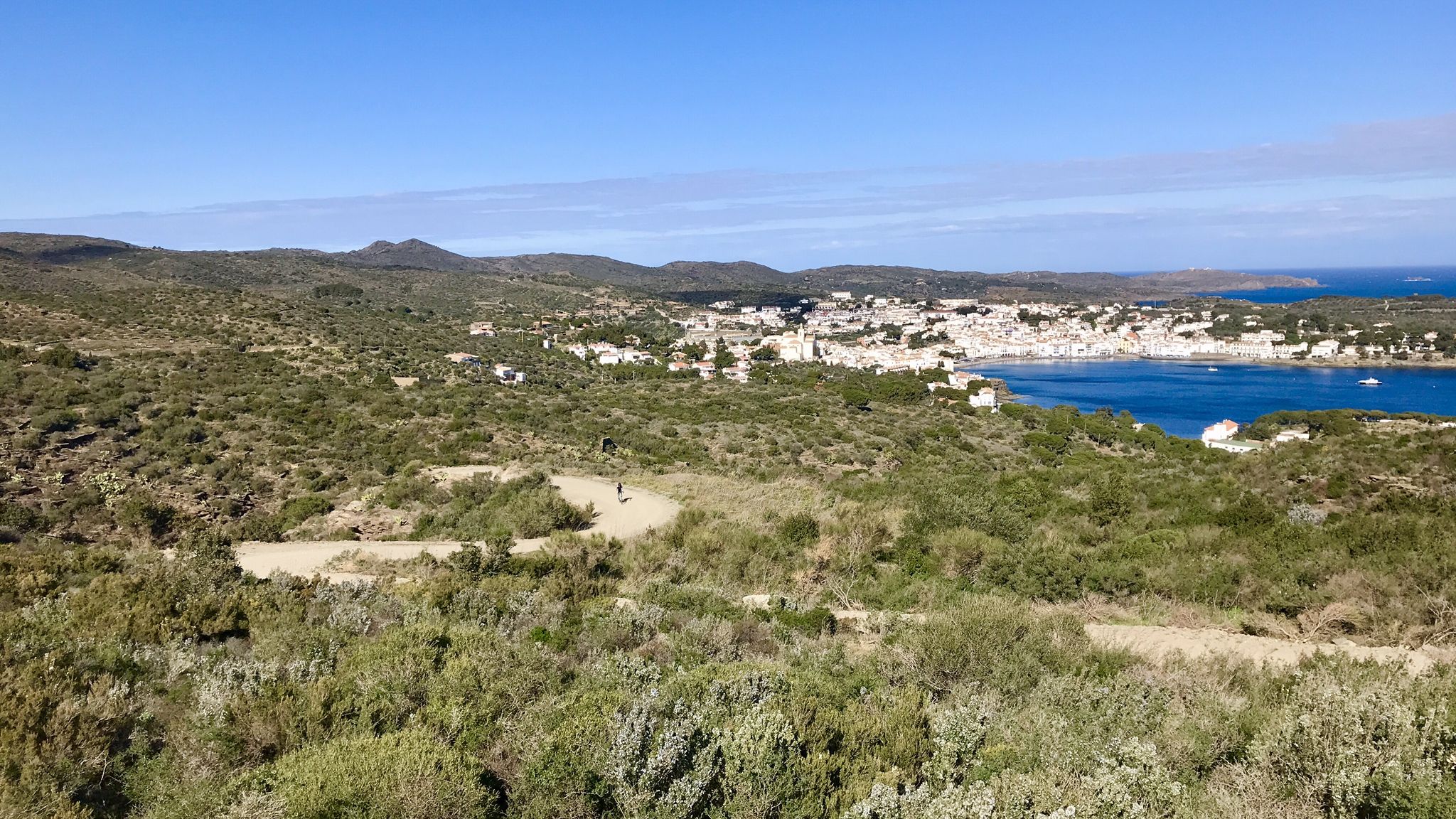
Garrotxa, Olot and Cap de Creus – gravel paradise in Spain
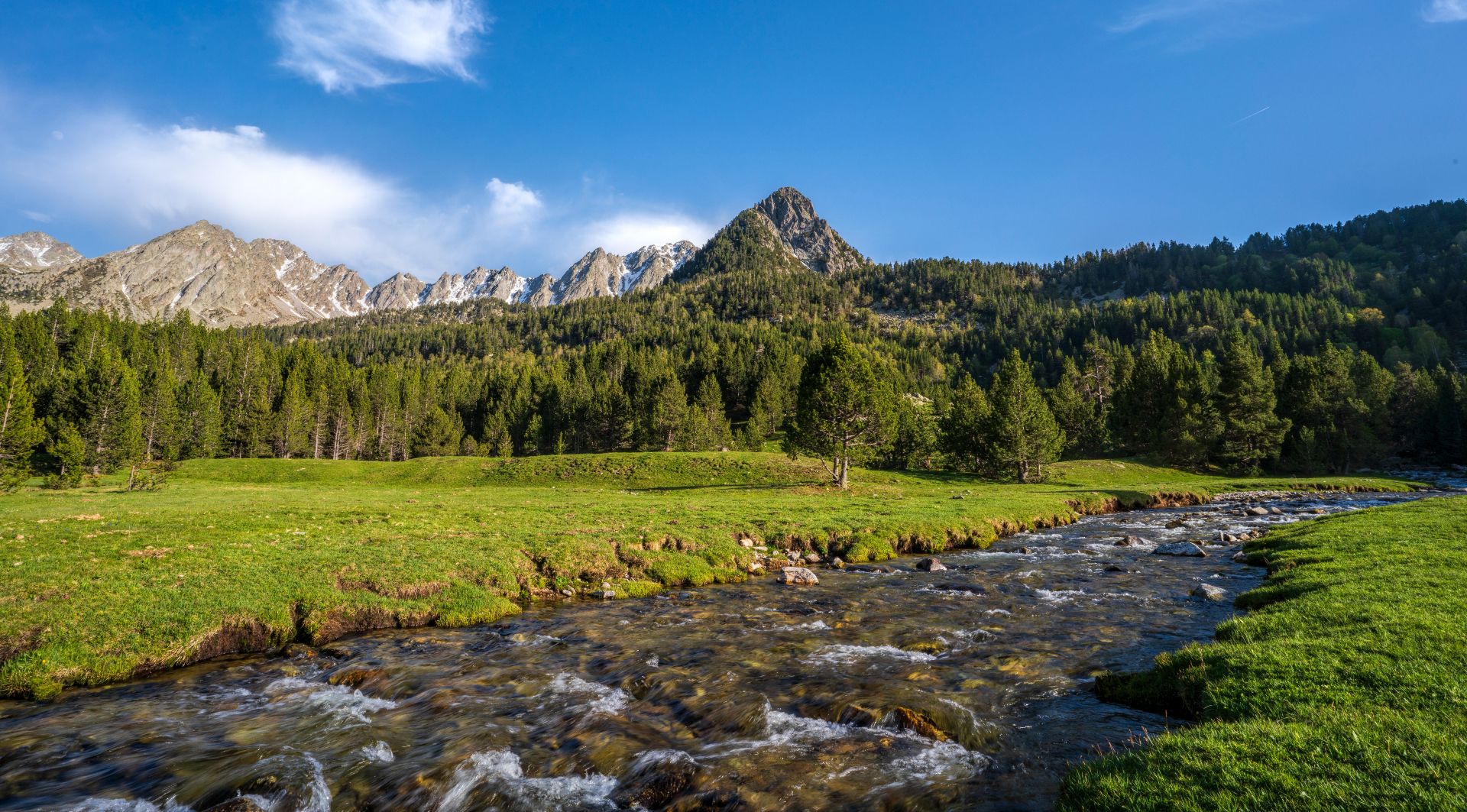
Catalonia and Andorra on the Pyrenean Trail – GR 11
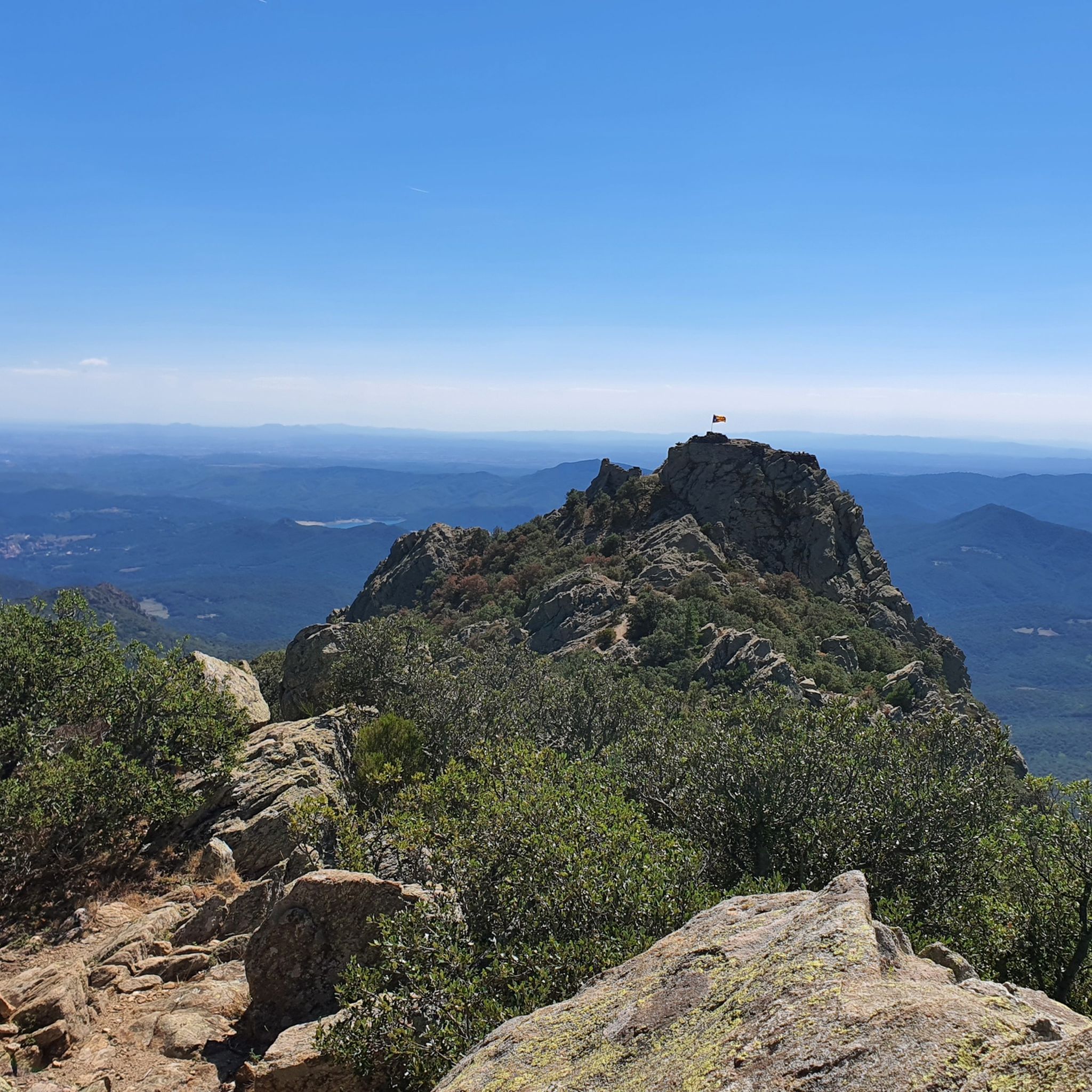
MTB Trails around Alta Garrotxa-Massís de les Salines
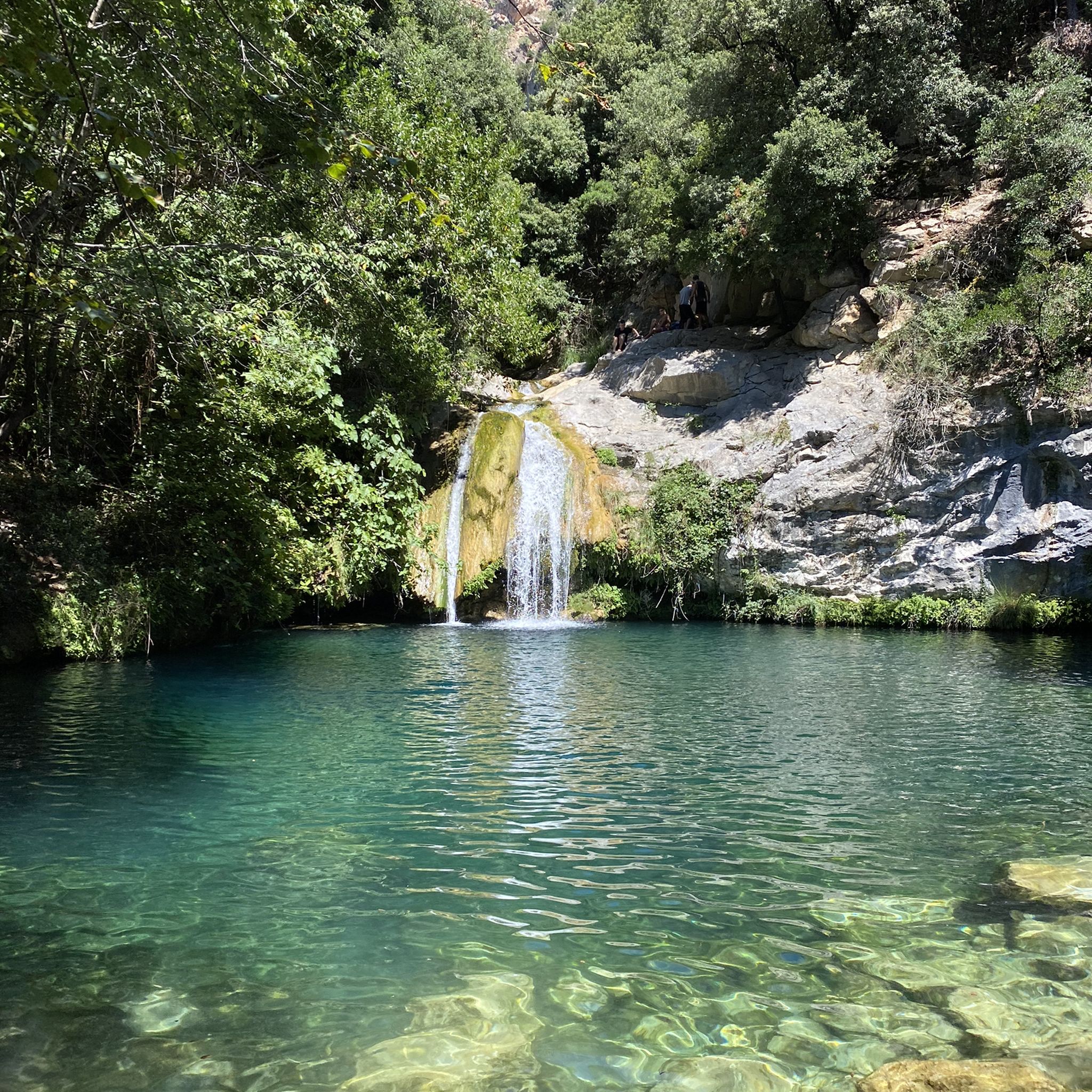
Hiking around Alta Garrotxa-Massís de les Salines
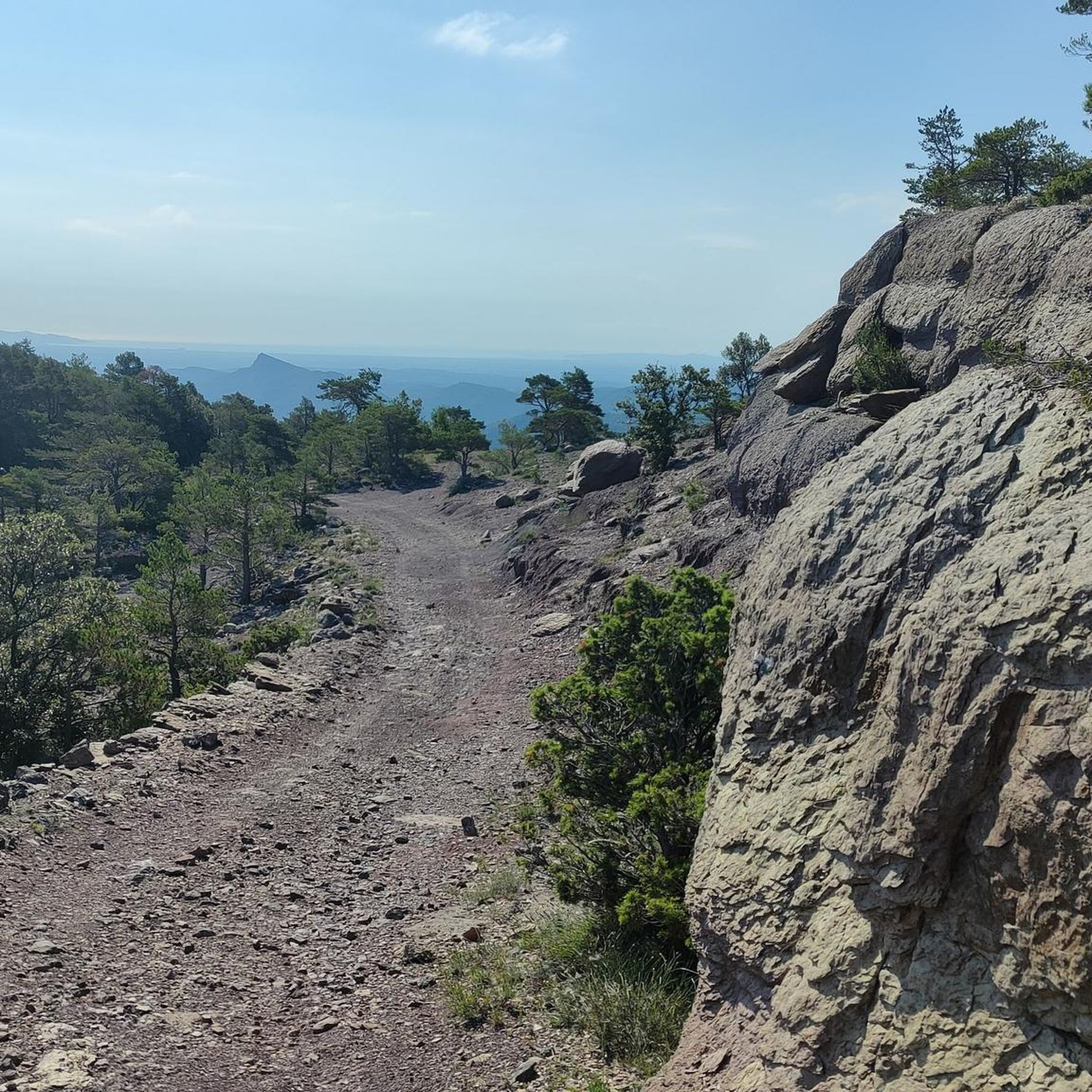
Cycling around Alta Garrotxa-Massís de les Salines
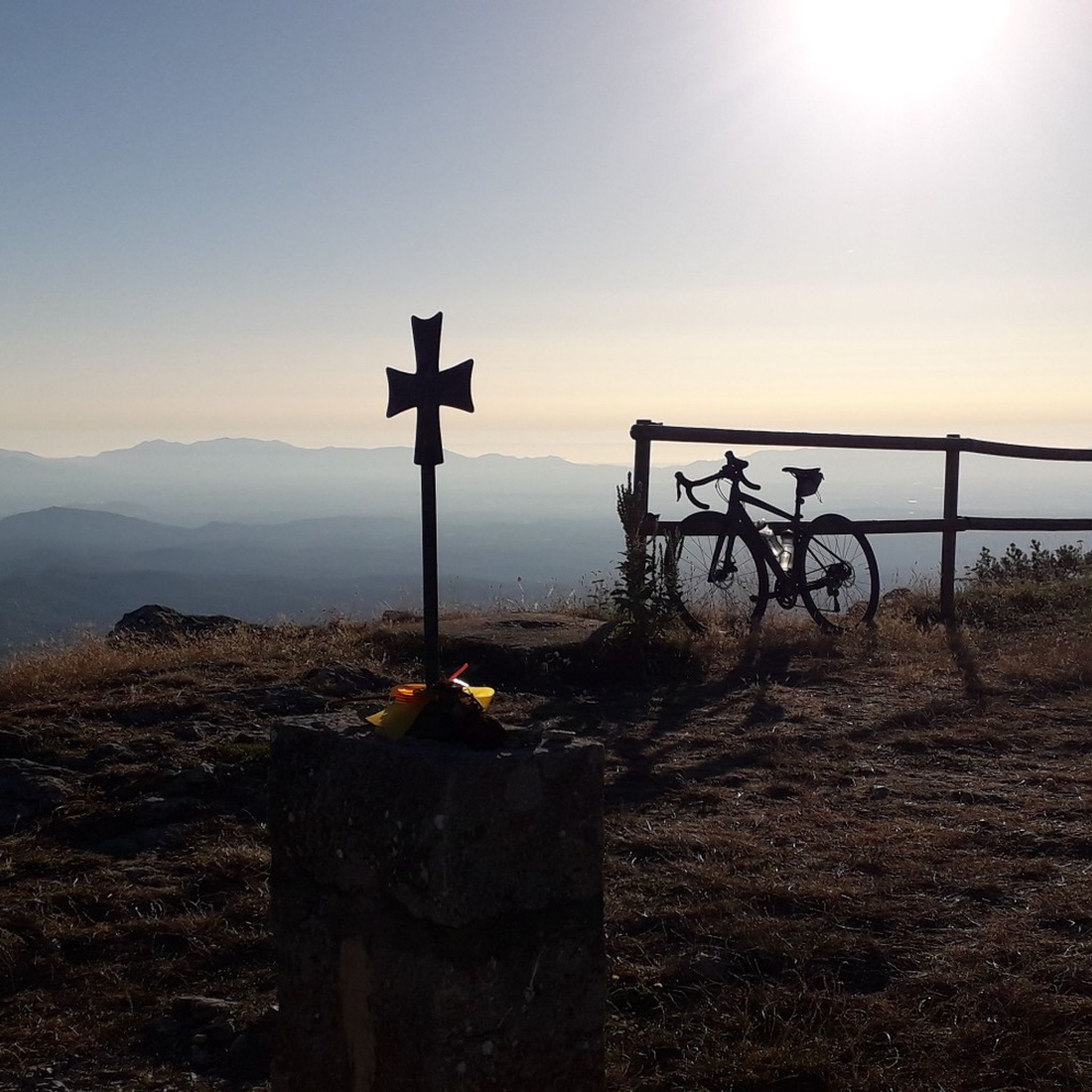
Road Cycling Routes around Alta Garrotxa-Massís de les Salines
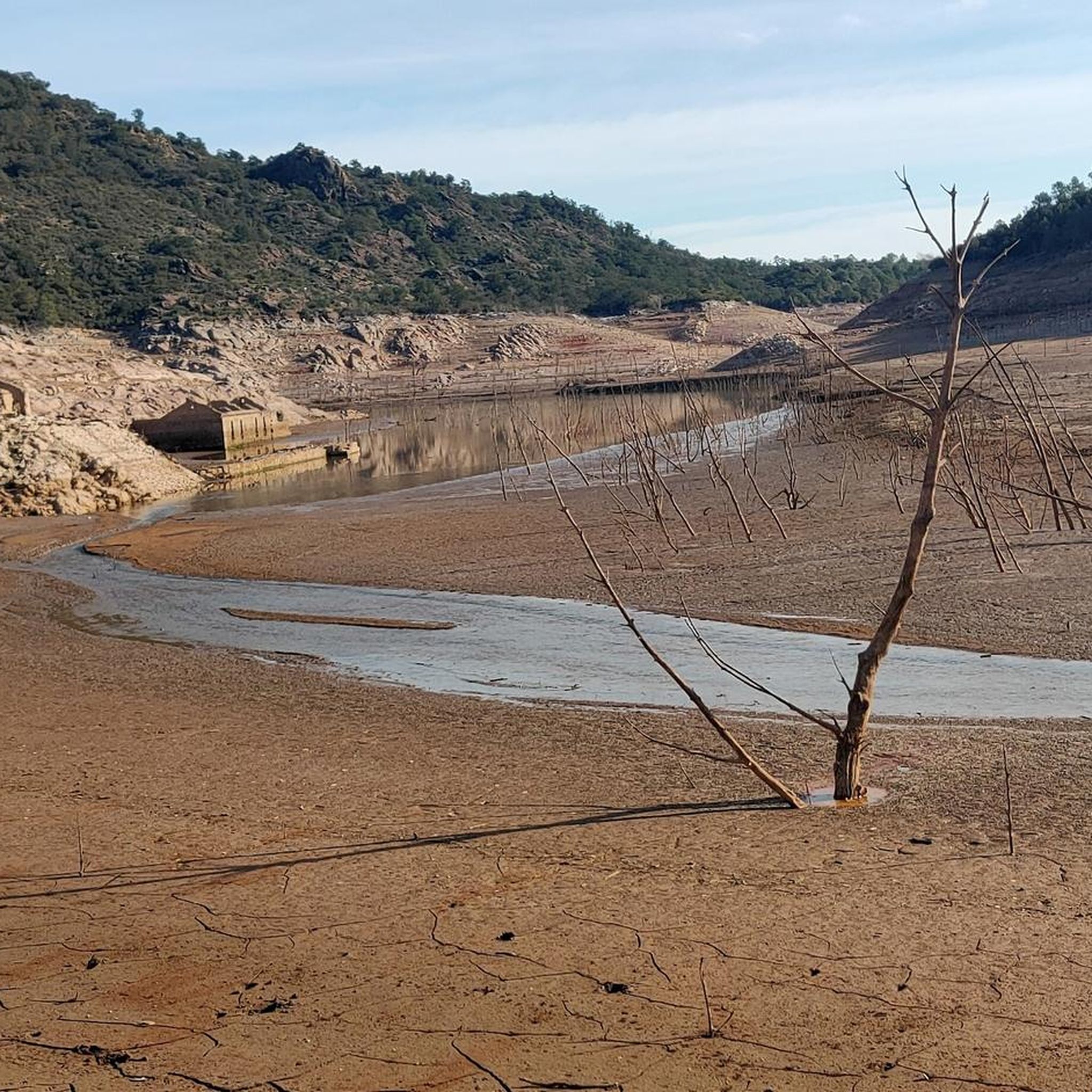
Running Trails around Alta Garrotxa-Massís de les Salines

Gravel biking around Alta Garrotxa-Massís de les Salines

Mountain Hikes around Alta Garrotxa-Massís de les Salines
Other adventures around Alta Garrotxa-Massís de les Salines


Tips from the Community

You can drive up, but I recommend walking up from Beuda, a beautiful hike of moderate difficulty.
0
0
The bar is closed on Mondays and Tuesdays. The restaurant is closed from Monday to Thursday, Spectacular 360° views of the Pyrenees, Garrotxa, Montseny Banyoles and the Pla de l'Estany.
0
0

At 1,373 meters high, the Puig de Bassegoda is located on the border between the regions of La Garrotxa and Alt Empordà. The climb accumulates a lot of positive unevenness in a short distance. For this reason, in the last section it has staples and chains to help itself.
2
1

Long climb rewarded with a sign telling you how much you have worked.
0
0

Spectacular views of the Garrotxa and Ripolles Pyrenees peaks. From October to April, the bar-restaurant is only open at weekends (Friday, Saturday and Sunday).
3
0

Mountain pass that crosses the Malforat mountain range, which separates the Bianya valley and the Bac valley, and the Garrotxa and Ripollès counties. It is a very quiet road with little traffic, which on the Olot side is 8.6 kilometers long and has an average gradient of just over 5%, while on the Sant Pau de Segúries side the port has a totally different character: a false flat of just 3 kilometers to the top.
2
0

The sanctuary of the Mare de Déu del Mont is located on the peak of the Sierra del Mont, at an altitude of 1,124 metres. Next to the sanctuary we find the statue of Jacint Verdaguer and an incredible viewpoint to appreciate the landscape that surrounds the mountain, from the Empordà plain, the Alta Garrotxa to the southern slopes of the Pyrenees.
4
0

the views upon arrival pay for all the effort of the climb
3
0
Frequently Asked Questions
What are some of the most notable mountain peaks in Alta Garrotxa-Massís de les Salines?
The region boasts several significant peaks. Mare de Déu del Mont Summit is renowned for its sanctuary and incredible panoramic views. Puig de Bassegoda offers a challenging climb with spectacular 360º views. Comanegra, the highest peak, provides expansive views stretching to the ocean and southern France. Roc de Fraussa and Puig de Bestracà are also prominent points offering scenic hiking opportunities.
Are there challenging mountain peaks for experienced hikers in the region?
Yes, several peaks offer a demanding experience. Puig de Bassegoda, at 1,373 meters, involves significant elevation gain over a short distance, with fixed aids like staples and chains in the final section. The ascent to Mare de Déu del Mont Summit is also known as one of the longest climbs in the area, offering a substantial challenge for both hikers and cyclists. Roc de Fraussa, with its high prominence, suggests a more demanding climb.
What kind of views can I expect from the mountain peaks in Alta Garrotxa-Massís de les Salines?
From the peaks, you can expect breathtaking panoramic views. For instance, Mare de Déu del Mont Summit offers vistas across the Empordà plain, Alta Garrotxa, and the southern Pyrenees. Comanegra provides views that stretch across the region, encompassing both the nearby ocean and southern France. Puig de Bassegoda rewards climbers with excellent 360º views from the Gulf of Roses to Canigó.
Are there any historical or cultural sites on the mountain peaks?
Yes, the region is rich in history and culture. The summit of El Mont is topped by the traditional Virgin Mary shrine, Sanctuary of Mare de Déu del Mont, which is a very popular destination. Another notable site is Santa Bàrbara de Pruneres, a well-restored Romanesque hermitage dating from the twelfth or early thirteenth century, located on a peak between the Oix valley and the Sadernes area.
What is the typical terrain like in the Alta Garrotxa-Massís de les Salines mountain peaks?
The region is characterized by rugged foothills, deep valleys, and a landscape shaped by the erosion of limestone over thousands of years, resulting in distinct karst topography. You'll find extensive forests of holm oak, oak, and Scots pine, providing a rich habitat for wildlife. The trails often involve rocky paths, significant elevation changes, and sometimes fixed aids on more technical sections.
What is the best time of year to visit the mountain peaks in Alta Garrotxa-Massís de les Salines?
The climate is a humid Mediterranean type, offering abundant rainfall throughout the year. Summers are generally cool, while winters are dry and cold. This makes spring and autumn ideal for hiking, with pleasant temperatures and vibrant natural scenery. Winter can also be suitable for hiking, but be prepared for colder conditions.
Are there any family-friendly or easier mountain walks in Alta Garrotxa-Massís de les Salines?
While many peaks offer challenging climbs, there are options for less strenuous outings. The Comanegra peak, for example, can be reached via an easy 7.9 km (4.9 miles) loop trail, the Puig de les Bruixes Loop, making it accessible for a rewarding day hike. Capsacosta Pass is also listed as family-friendly and offers rewarding views after a climb, with quiet roads and little traffic.
What other outdoor activities can I do near the mountain peaks?
Beyond peak bagging, the region offers a variety of outdoor activities. You can explore numerous Mountain Hikes, including loops around Puig de Bestracà. For cyclists, there are Gravel biking routes like the Gravel tour of the high Garrotxa from Albanyà. Running Trails are also popular, with options such as the Puig de Bassegoda Loop.
Are the mountain trails in Alta Garrotxa-Massís de les Salines dog-friendly?
The Alta Garrotxa-Massís de les Salines is a natural area, and many trails are generally dog-friendly. However, it's always advisable to keep dogs on a leash, especially in areas with wildlife or near livestock. Some specific sites, like the hermitage at Santa Bàrbara de Pruneres, are inhabited, so respecting the tranquility of residents and ensuring dogs are well-behaved is important.
Are there any amenities or places to eat near the mountain peaks?
Yes, some peaks offer amenities. At the summit of Mare de Déu del Mont Summit, there is a restaurant/café with a wonderful outdoor terrace providing views over the Garrotxa, the Pyrenees, and the Mediterranean Sea. It's advisable to check their opening times, as they may vary seasonally, especially from October to April when it's typically open only on weekends.
Is there parking available near the trailheads for the mountain peaks?
While specific parking details for every trailhead are not always outlined, access by car is generally possible to many starting points. For instance, you can go up to Santa Bàrbara de Pruneres by car (preferably all-terrain) from the Oix road. It's recommended to research specific trailheads for detailed parking information before your visit.
What makes the Alta Garrotxa-Massís de les Salines region unique for mountain peak exploration?
This region stands out due to its dramatic limestone peaks, deep valleys, and rich biodiversity, all within a designated Area of Natural Interest. Its unique karst topography, extensive forests, and blend of challenging climbs with rewarding panoramic views make it a captivating destination. The presence of historical sites like the Mare de Déu del Mont sanctuary further adds to its distinct appeal.
Most popular routes around Alta Garrotxa-Massís de les Salines
Most popular attractions around Alta Garrotxa-Massís de les Salines

Get inspired with the komoot mobile app


Explore more
See even more amazing summits around Alta Garrotxa-Massís de les Salines with these guides:
