The best volcano hikes and walks in the Cascade Range
4.7
(3487)
65,102
hikers
14
hikes
Hiking in the Cascade Range offers diverse experiences across a vast mountain chain characterized by its volcanic peaks, extensive glaciers, and dense coniferous forests. This region, part of the Pacific Ocean's "Ring of Fire," features numerous iconic volcanoes, many exceeding 10,000 feet in elevation. The landscape includes high alpine environments, deep river gorges, and pristine lakes, providing varied terrain for outdoor activities.
Best volcano hiking trails in the Cascade Range
- The most popular volcano hiking route is South Sister Climber…
Last updated: October 17, 2026
5.0
(1)
24
hikers
9.44km
04:36
1,460m
0m
Hard hike. Very good fitness required. Sure-footedness, sturdy shoes and alpine experience required.
4
hikers
26.9km
14:15
2,690m
160m
Hard hike. Very good fitness required. Sure-footedness, sturdy shoes and alpine experience required.

121km
34:06
2,590m
2,520m
Hard hike. Very good fitness required. Easily-accessible paths. Suitable for all skill levels.
20
hikers
11.8km
04:30
820m
820m
Moderate hike. Good fitness required. Easily-accessible paths. Suitable for all skill levels.
8
hikers
19.3km
10:12
1,700m
1,700m
Hard hike. Very good fitness required. Sure-footedness, sturdy shoes and alpine experience required.
Get access to more routes and recommendations from other explorers.
Already have an account?
Our route recommendations are based on thousands of hikes, rides, and runs completed by other people on komoot.
Start today with a free account
Your next adventure awaits.
Popular around Cascade Range
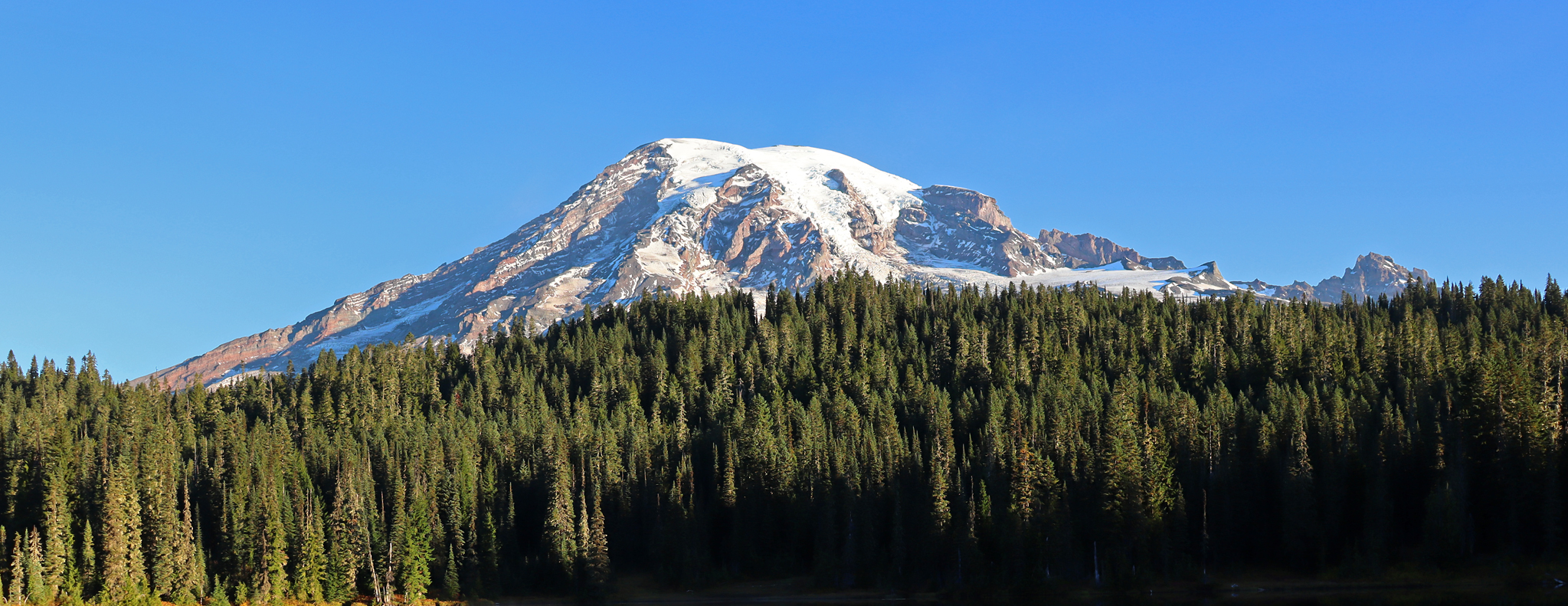
Wonderland Trail — 93 iconic miles around Mount Rainier
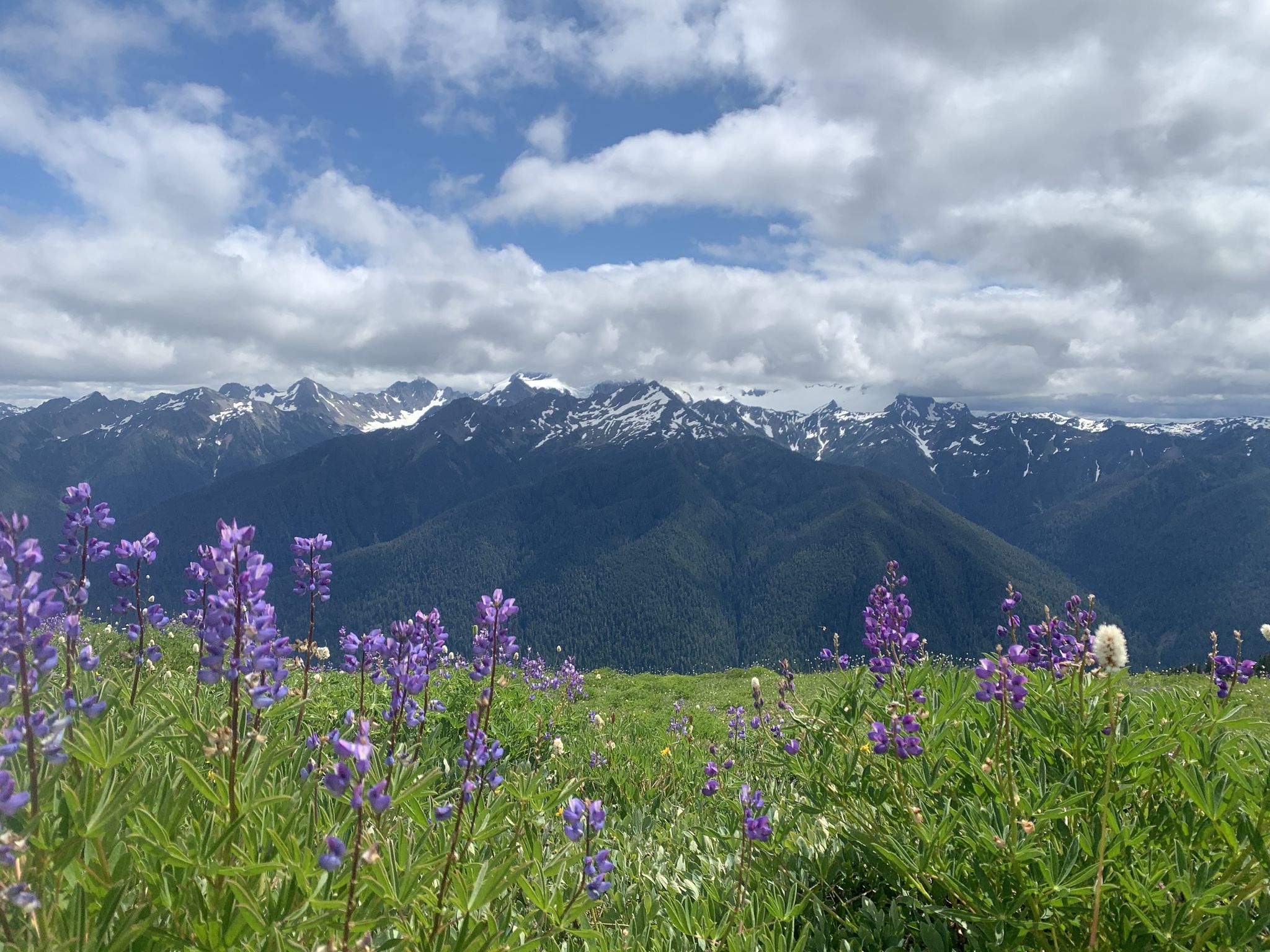
Pacific Northwest National Scenic Trail — From Alpine to Alava through the untamed Northwest

Pacific Crest Trail from Mexico to Canada – 4,200 kilometres of wilderness
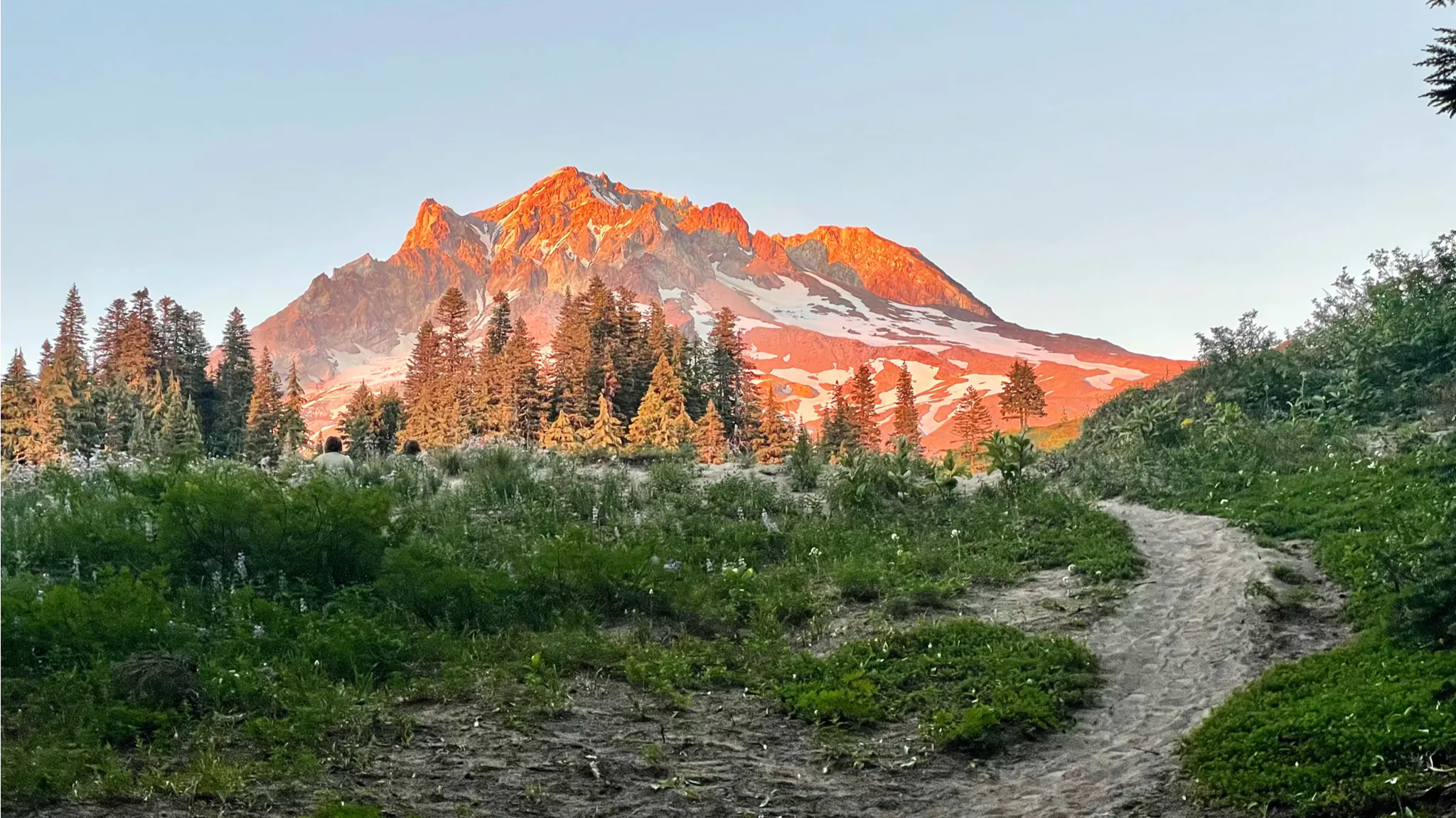
Timberline Trail — A Scenic Mount Hood Adventure
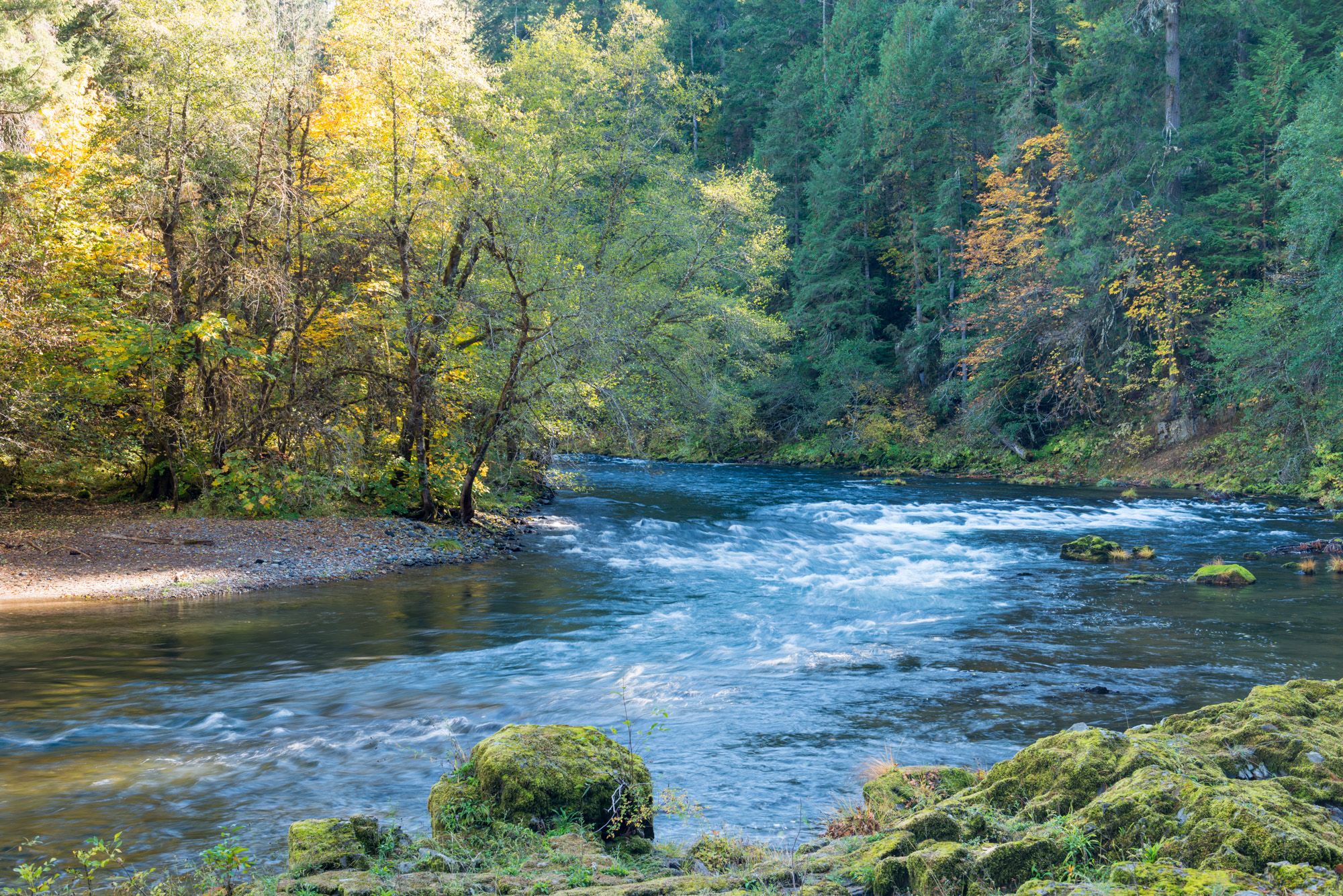
North Umpqua Trail — Waterfalls, Lakes & Lava
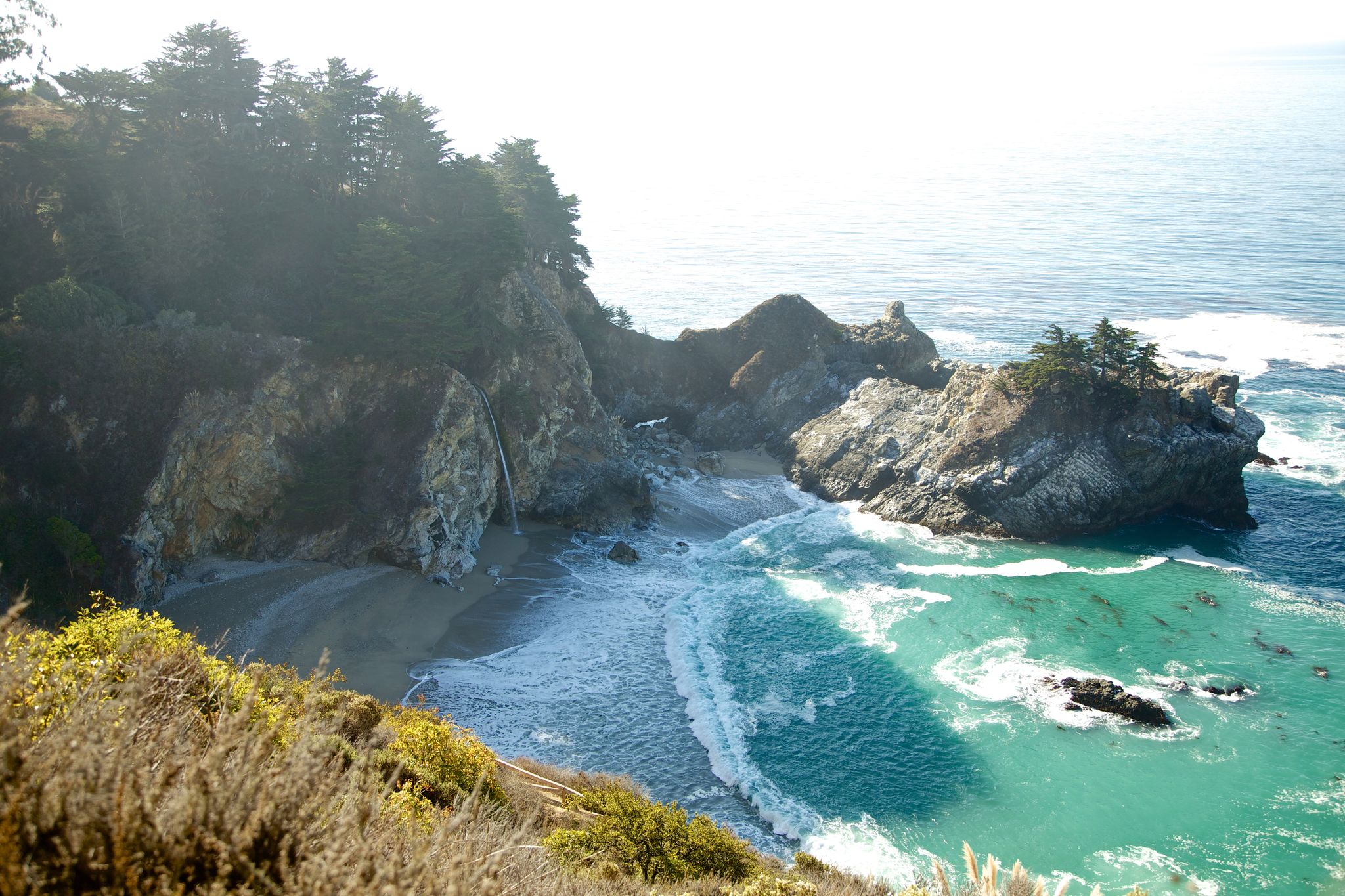
The tour of your life – music trails on the Pacific coast
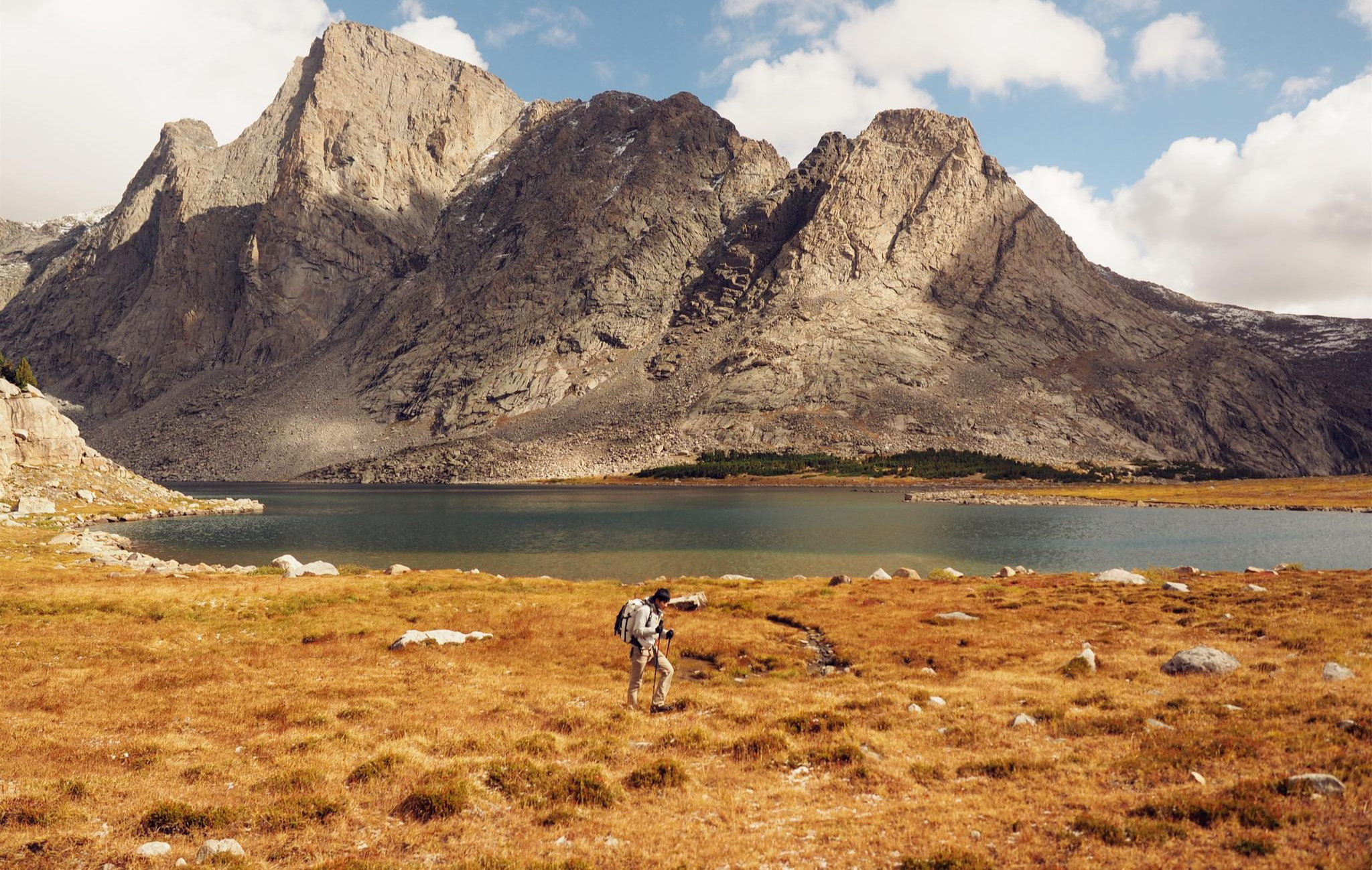
Like in the Wild West – hiking on the Oregon Trail
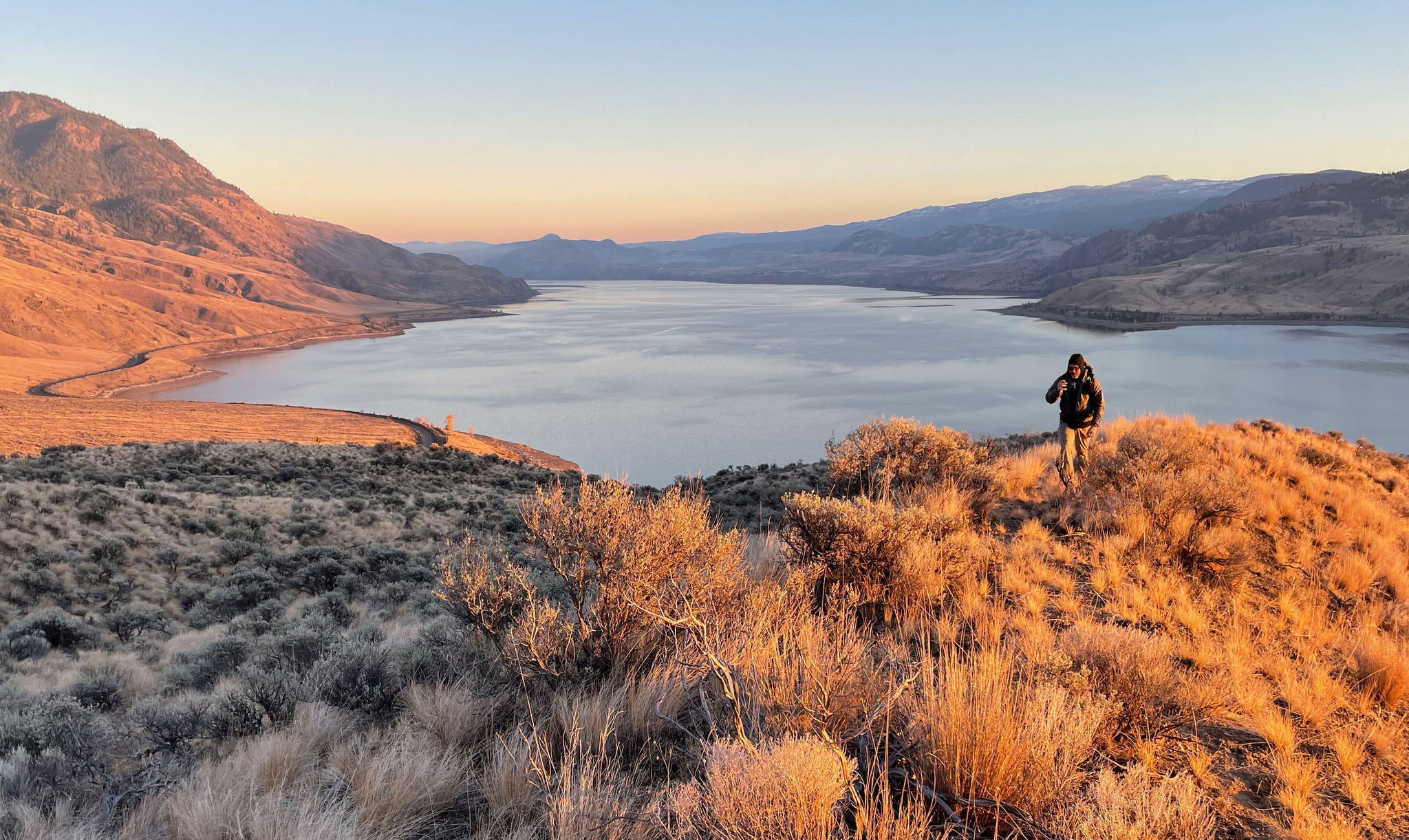
Forests, desert, wilderness - day tours in British Columbia
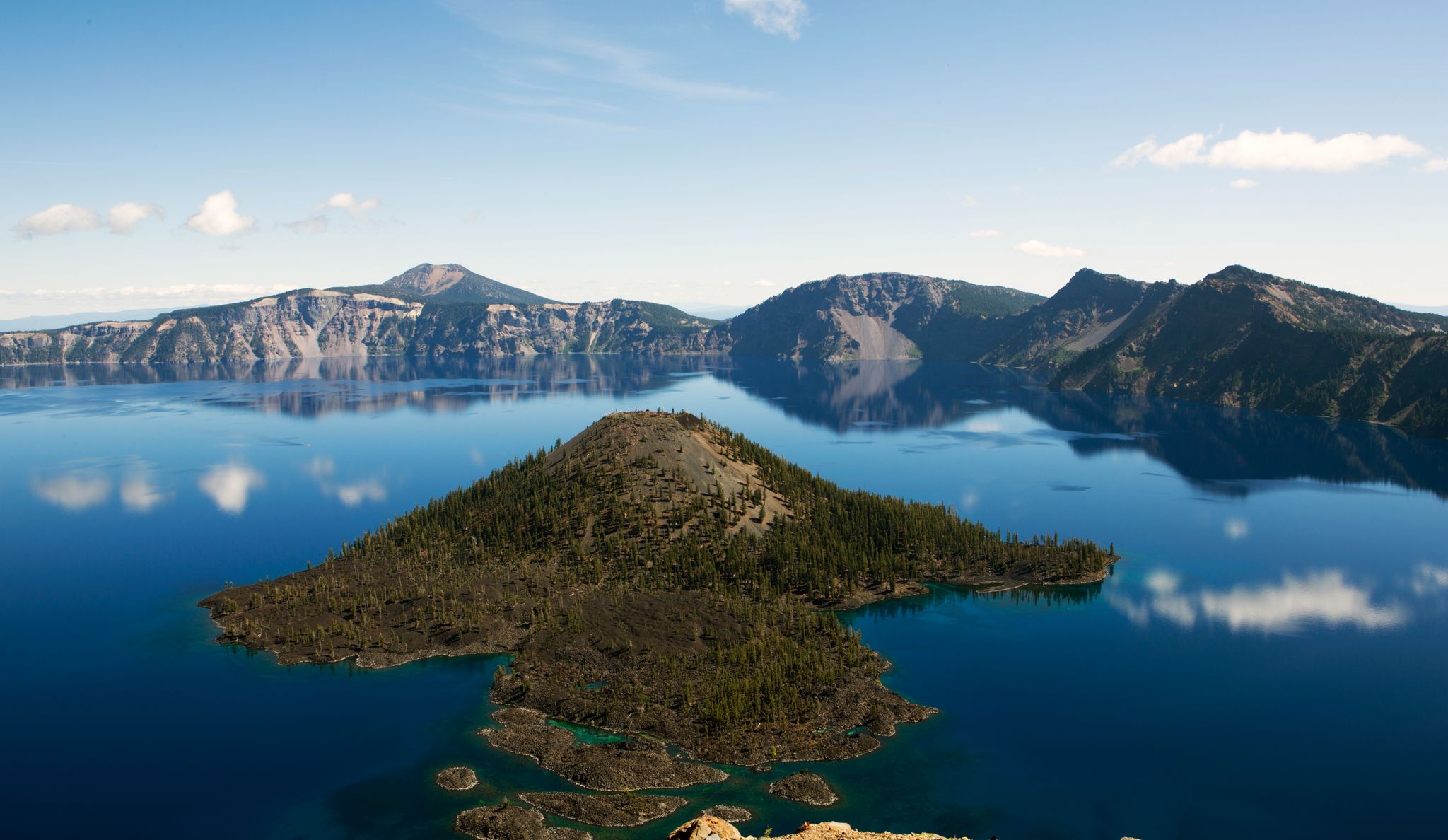
Volcanic peaks and glistening shores – discover Oregon and Washington
The pristine beauty of the US National Parks
Other adventures in the Cascade Range


Tips from the Community

As you approach the Lewis Tarn, you may be fooled by the false summit, as you cannot see the true summit on the approach. Many people turn around at this glacial lake rather than hiking the last .8 of a mile to the top as the trail gets quite steep after this point.
0
0
The views to the north of the South Sister summit are worth the .4 of a mile hike to the far side. We were able to see all the way to Mt Rainier. When you reach the summit circle trail, go to the right for the easiest access.
0
0
One of two trails to the summit. This is a gorgeously built trail with volcanic rock steps and plenty of switchbacks. Overall, this appears to be a slightly easier trail to climb than the Summit chairlift trail.
1
0
Trails in this area require a Central Cascades Wilderness permit, available from recreation.gov. Permits are issued in a rolling 10 day and 2 day out window, so check for permits 10 or 2 days prior to the day you wish to use the trail. These permits to both day and overnight use; it is important to obtain one before heading out.
0
0

This is the boundary of the Three Sisters Wilderness along the South Sister Climbers Trail. Before you enter the wilderness, you need to obtain a permit at recreation.gov. And yes, there are rangers checking your permit along the trail.
0
0

The trail wanders through an older Noble fir and Douglas-fir forest. Wildflowers are abundant along the rocky openings and offer panoramic views of the cascades
1
0
Best known for its awesome skiing, Mount Bachelor is among the higher Oregon peaks with excellent views at the summit. This is a fantastic place to have a snack before heading down while you enjoy the best views of the Three Sisters.
1
0
This is the boundary of the Three Sisters Wilderness along the South Sister Climbers Trail. Before you enter the wilderness, you need to obtain a permit at https://www.recreation.gov. And yes, there are rangers checking your permit along the trail.
3
0
Frequently Asked Questions
How many volcano hiking trails are available in the Cascade Range?
There are over 15 dedicated volcano hiking trails in the Cascade Range featured on komoot, ranging from moderate day hikes to challenging multi-day expeditions. The region offers a diverse landscape of volcanic peaks, glaciers, and dense forests, providing unique experiences for every hiker.
Are there any easy or beginner-friendly volcano hikes in the Cascade Range?
Yes, while many volcano trails can be challenging, there are options suitable for beginners. For instance, trails within Lassen Volcanic National Park offer unique geothermal features on easier paths. Always check the specific route details for elevation gain and distance to ensure it matches your fitness level. On komoot, you can find at least 2 easy routes and 4 moderate routes among the volcano trails.
What are some of the most iconic volcanoes to hike in the Cascade Range?
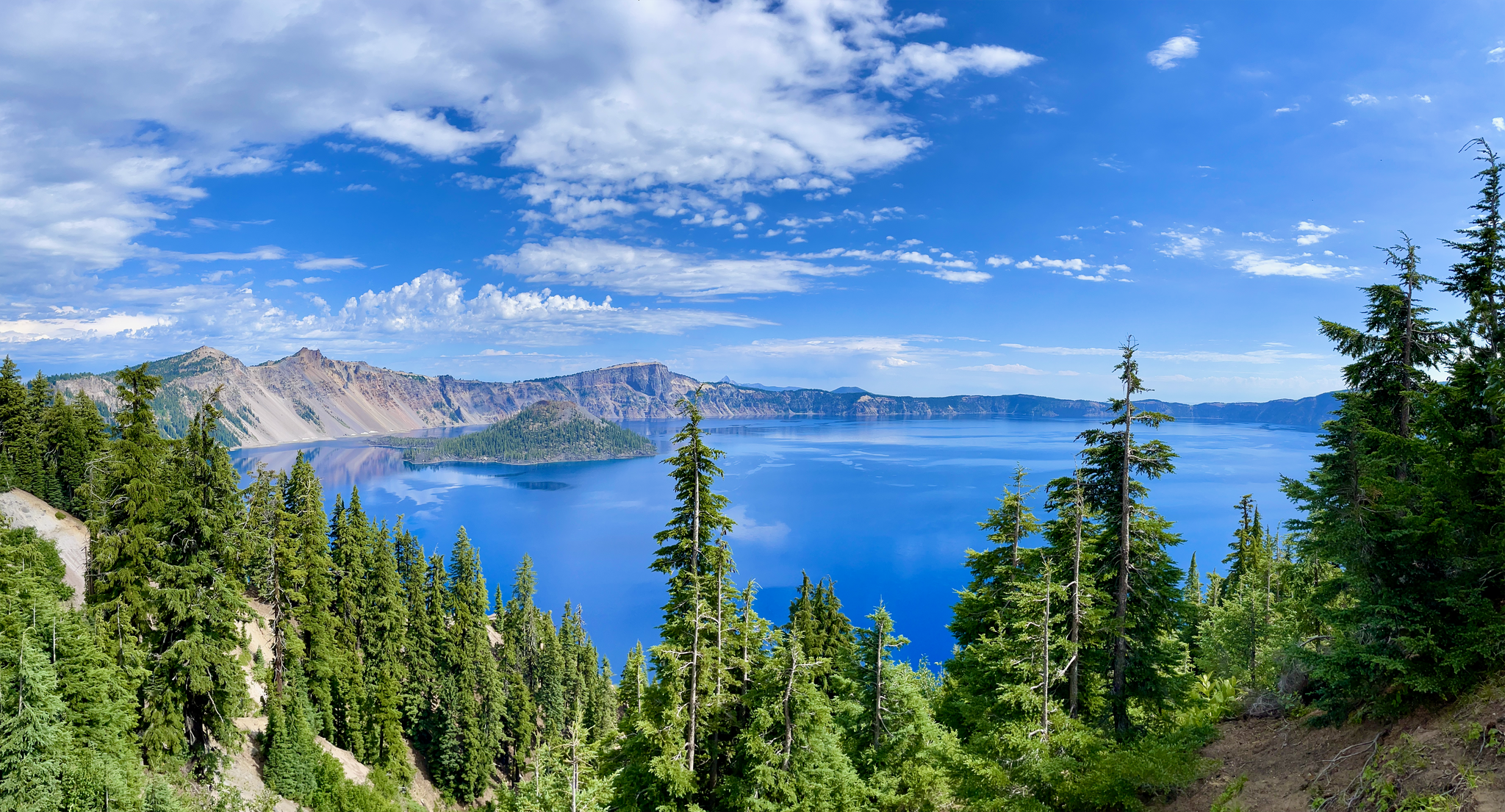
The Cascade Range is home to several iconic volcanoes offering incredible hiking experiences. Notable peaks include Mount Rainier, Mount Hood, Mount St. Helens, Mount Baker, Lassen Peak, and the area around Crater Lake. Each offers distinct geological features and varying levels of difficulty.
Do I need permits for hiking certain volcano trails in the Cascade Range?
Yes, permits are often required for certain trails, especially for summiting popular peaks like Mount Hood or for overnight backpacking in wilderness areas such as the Three Sisters Wilderness. It's crucial to check with the respective National Park Service or Forest Service offices for specific permit requirements and booking procedures well in advance of your trip.
What is the best time of year to hike volcano trails in the Cascade Range?
The best time for hiking volcano trails in the Cascade Range is typically from late spring through early fall (June to September) when snow has melted at lower elevations and weather conditions are generally more stable. Higher elevation trails, especially those on glaciated peaks, may only be accessible in mid-summer. Fall offers vibrant colors, particularly with larches, but be prepared for colder temperatures and potential early snow.
Are there any family-friendly volcano hiking options?
While many volcano trails are strenuous, some areas offer shorter, less challenging paths suitable for families. For example, trails around Crater Lake National Park or certain sections within Mount Rainier National Park provide stunning views without extreme difficulty. Always review the route's distance and elevation profile to ensure it's appropriate for all family members.
Can I bring my dog on volcano hiking trails in the Cascade Range?
Dog policies vary significantly across the Cascade Range. National Parks generally have strict rules, often limiting dogs to paved roads, campgrounds, and specific trails. National Forests and some state parks may offer more dog-friendly options, but dogs are usually required to be on a leash. Always check the specific regulations for the area you plan to visit before bringing your pet.
What kind of wildlife can I expect to see while hiking in the Cascade Range?
The Cascade Range is rich in wildlife. Hikers might spot deer, elk, black bears, and various bird species. In higher alpine areas, mountain goats and marmots are common. Remember to maintain a safe distance and never feed wild animals. Carrying bear spray is recommended in certain areas.
Are there any circular routes among the volcano trails?
Yes, some volcano trails offer circular routes, providing diverse scenery without retracing your steps. For example, the Scott and Obsidian Trail loop is a challenging option. The famous Timberline Trail around Mount Hood is another notable loop, though it's a multi-day endeavor. Always check the route details on komoot for specific loop options.
What can I see along the volcano hiking trails in the Cascade Range?
Beyond the volcanic peaks themselves, you can discover a wealth of natural attractions. Many trails lead to stunning viewpoints like Faraway Rock Overlook, pristine lakes such as those found in Crater Lake National Park, and diverse forests. Geothermal features like fumaroles and mudpots are prominent in areas like Lassen Volcanic National Park. The region is also known for its numerous waterfalls and extensive glaciers on higher peaks.
What do other hikers enjoy the most about hiking in the Cascade Range?
The Cascade Range is highly rated by the komoot community, with an average score of 4.7 stars. Reviewers often praise the breathtaking panoramic views from volcanic summits, the pristine alpine lakes, and the diverse ecosystems encountered along the trails. The challenge and reward of reaching a volcanic peak are frequently highlighted as a major draw.
Are there opportunities for winter hiking on volcano trails?
Winter hiking in the Cascade Range is possible but requires specialized gear and experience due to heavy snowfall and avalanche risks. Areas like Mount Bachelor offer winter activities, but many high-elevation volcano trails become inaccessible or extremely challenging. Always check current conditions, avalanche forecasts, and be prepared for extreme weather if considering winter excursions.
Most popular routes in the Cascade Range
Most popular attractions in the Cascade Range

Get inspired with the komoot mobile app


