Top 20 Natural Monuments in Australia
Best natural monuments in Australia showcase a diverse landscape, from ancient rock formations and vast coral reef systems to unique sand islands and dramatic coastal cliffs. The continent features significant geological and ecological diversity, with many sites holding cultural importance. These natural features range from towering monoliths to expansive rainforests and pristine marine environments.
Best natural monuments in Australia
- The most popular natural monuments is Wineglass Bay Lookout, a viewpoint that offers views of turquoise water, a white-sand beach,…
Last updated: June 24, 2026
Mount Kosciuszko Summit lookout
Highlight • Summit
Tip by

Echo Point Lookout
Highlight • Viewpoint
Translated by Google •
Tip by

Sign up now to discover places like this
Get recommendations on the best single tracks, peaks, & plenty of other exciting outdoor places.
Sign up for free
Pinnacle Lookout
Highlight • Viewpoint
Tip by

Tamarama Beach
Highlight • Beach
Translated by Google •
Tip by

Wineglass Bay Lookout
Highlight • Viewpoint
Tip by

Bondi Beach
Highlight • Beach
Tip by

Dove Lake
Highlight • Lake
Tip by
Katoomba Falls
Highlight • Waterfall
Tip by
Dights Falls
Highlight • Waterfall
Tip by
Royal Botanic Garden Sydney
Highlight • Natural
Showing Translation
Tip by

Sign up for free to discover even more natural monuments in Australia.
Sign up for free
Already have an account?
Start today with a free account
Your next adventure awaits.
Login or Signup
Popular around Australia

Around the World in 80 Days
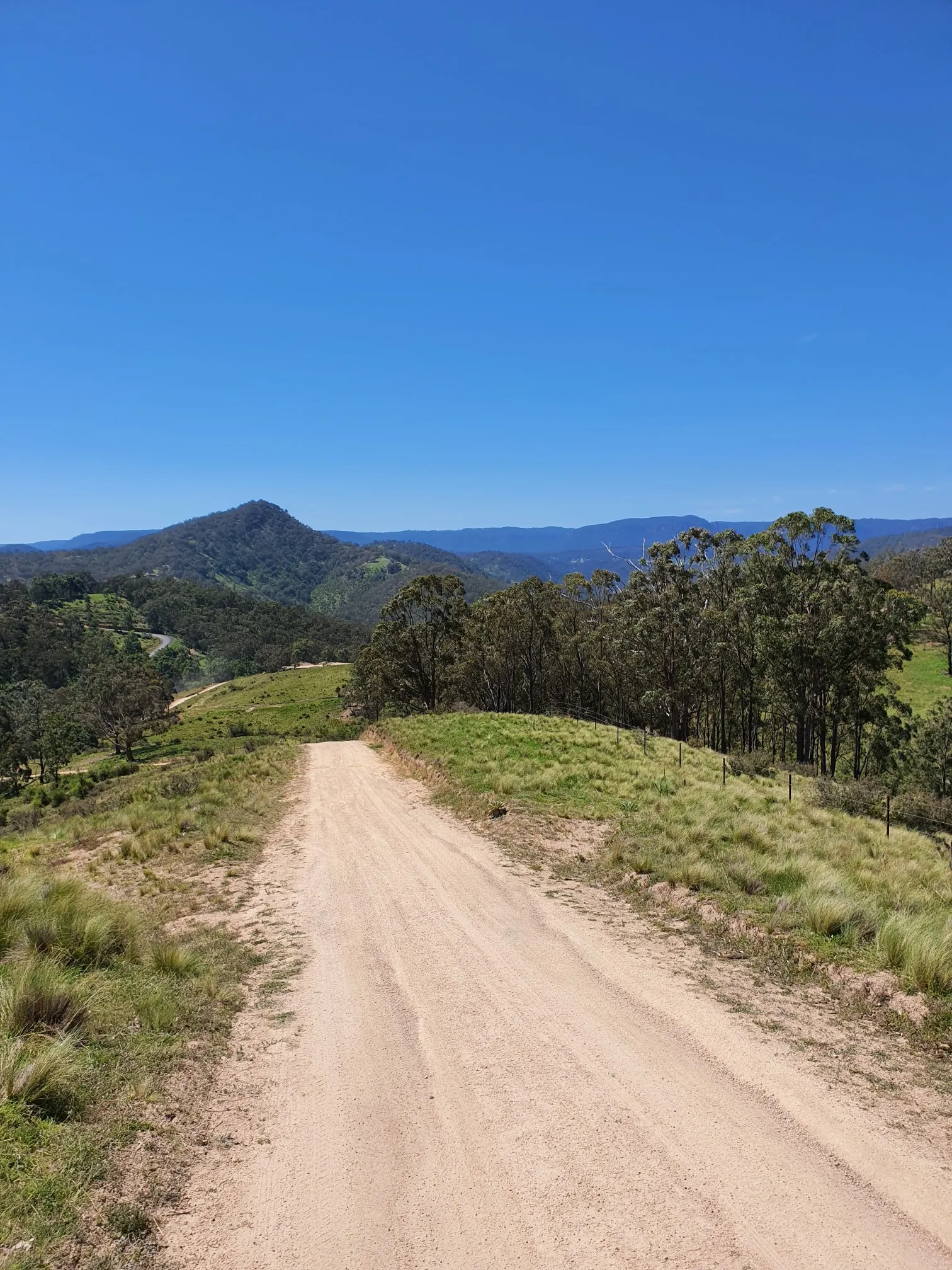
Six Foot Track — An iconic trek across the Blue Mountains

Gravel riding in New South Wales, Australia — Bongil Bongil National Park and beyond
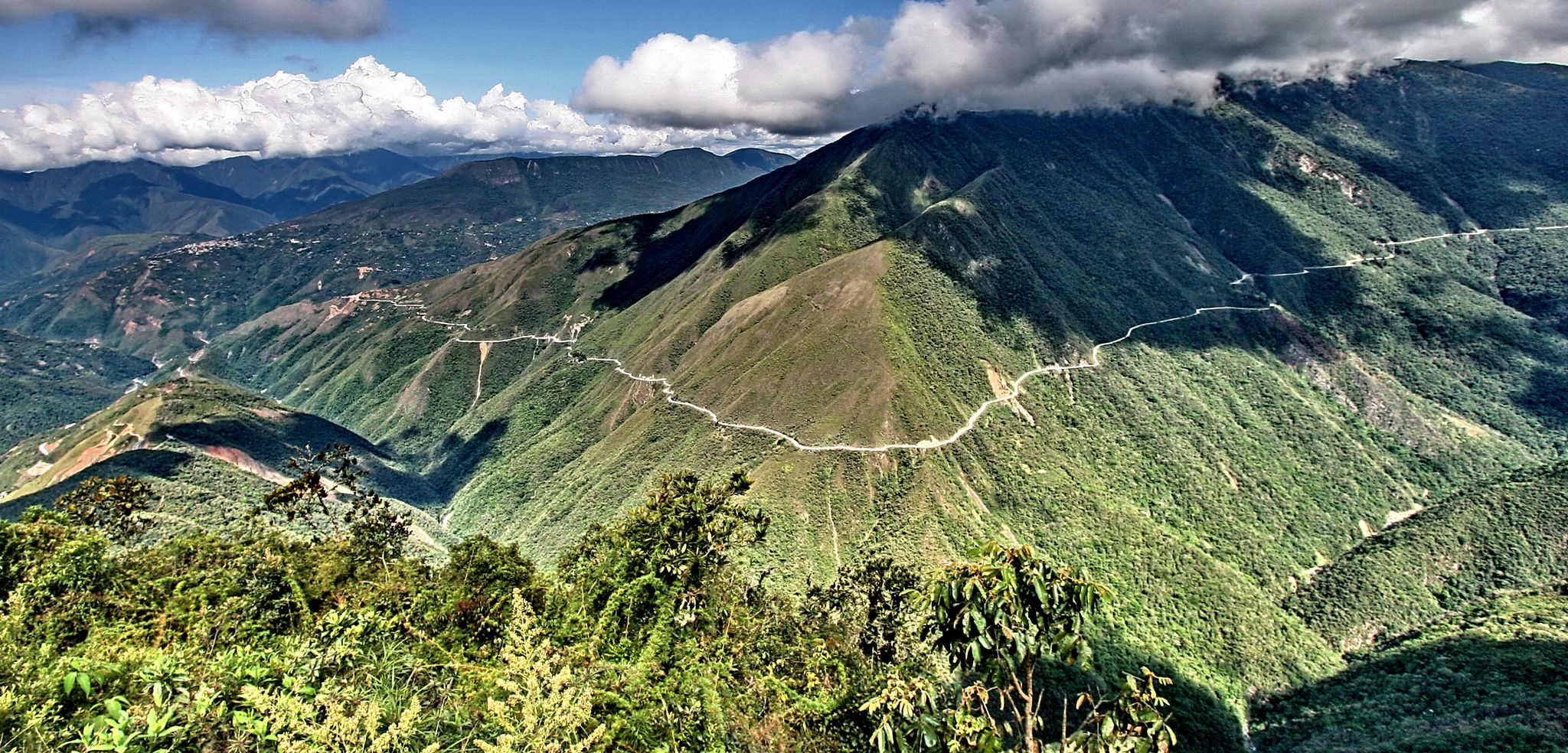
The world's most adventurous cycling passes
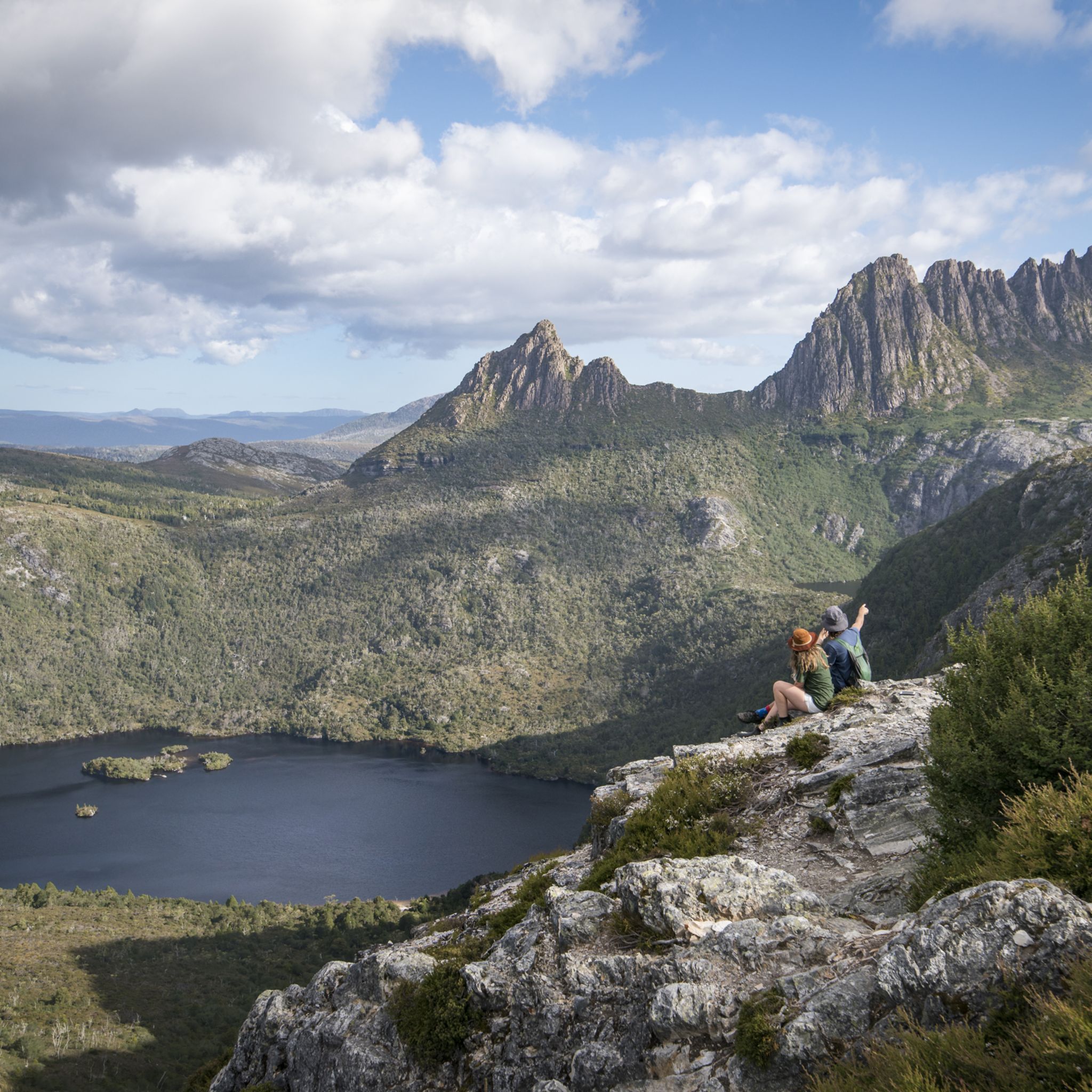
Hiking in Australia
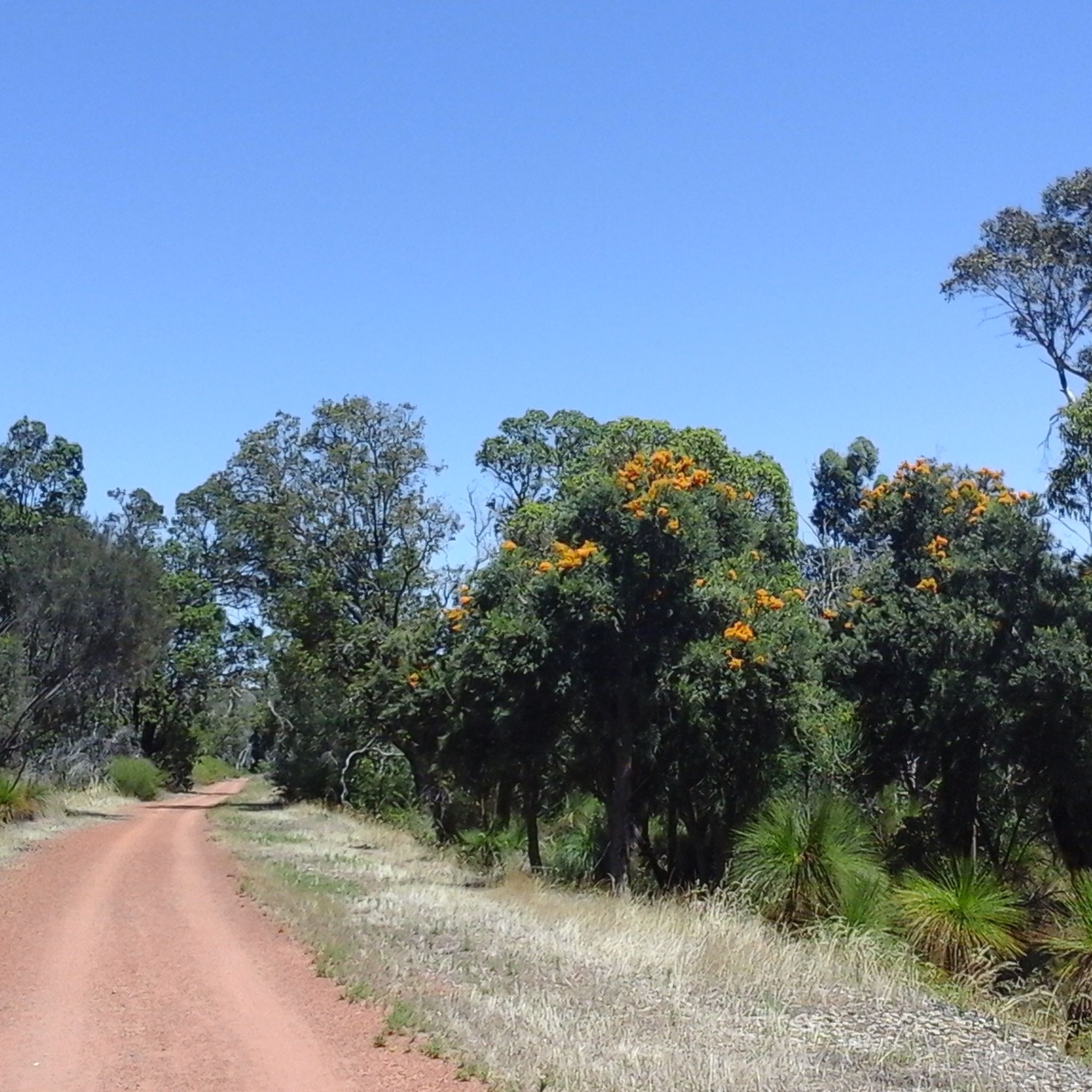
Cycling in Australia
Running Trails in Australia
Road Cycling Routes in Australia
MTB Trails in Australia

Gravel biking in Australia
Other adventures in Australia


Tips from the Community

Katoomba Falls is a fantastic multi-tiered waterfall that cascades over sandstone cliffs into the Jamison Valley, and is one of the Blue Mountains’ most recognisable waterfall locations. The falls are surrounded by rugged escarpments, and from here, there are beautiful expansive views across the eucalyptus-covered ridges that stretch through the valley. The combination of plunging water, towering cliffs, and wide valley scenery makes it especially impressive if you're lucky enough to be here after it rains.
0
0
Dights Falls is a picturesque rocky cascade on the Yarra River, situated at the junction with Merri Creek. The falls were created by a low bluestone weir constructed in the 19th century, resulting in a series of rapids that have become a distinctive feature of the river. Surrounded by lush parkland and shared walking and cycling trails, this area is a favourite spot for outdoor enthusiasts, as well as for those who enjoy watching kayakers skilfully navigate the rushing waters.
0
0

Mount Kosciuszko Summit Lookout marks the highest point in Australia at 2,228 metres, with wide, open views across the Snowy Mountains. The final stretch from Rawson Pass follows a gradual, exposed path across alpine terrain, where weather can shift quickly. From the top, you’re surrounded by rolling peaks, high plains, and distant ridgelines in every direction. There’s little shelter here, so expect wind even on clear days and allow time to take in the scale of the landscape before heading back down.
0
0

This lookout point is quite the reward for the hike to get here! Turquoise water, a white-sand beach, and hills surrounding the bay, all seen from above. You may choose to descend to this beach via the "1000 Stairs," but be aware that you are descending first; that's the easy part. You then must climb back up.
1
0
The Pinnacle is an impressive rock lookout with sweeping views over Halls Gap and the surrounding ranges. Reached via rocky steps and natural platforms, it’s one of the most iconic viewpoints in the central Grampians, with plenty of opportunities to take memorable photos across valleys, cliffs, and layered sandstone peaks.
0
0


Even in summer it remains pleasant thanks to the many trees with their shade, a beautiful play of light.
0
0
Frequently Asked Questions
What are some of the most popular natural monuments in Australia?
Australia is home to many stunning natural monuments. Among the most appreciated by the komoot community are Wineglass Bay Lookout, offering panoramic views of turquoise water and a white-sand beach, and Dove Lake, a glacial lake with a scenic circuit walk. Another favorite is Pinnacle Lookout, providing sweeping views over Halls Gap and the Grampians ranges. Beyond these, iconic sites like Uluru and the Great Barrier Reef also draw visitors from around the world.
Are there family-friendly natural monuments to visit in Australia?
Yes, several natural monuments in Australia are well-suited for families. Dove Lake offers an accessible circuit walk with stunning views, while Tamarama Beach and Bondi Beach provide coastal fun, though Tamarama is known for strong currents. The Royal Botanic Garden Sydney is also a great family option, offering accessible paths and facilities. For a unique wildlife experience, consider visiting Quokkas on Rottnest Island.
What unique geological features can be found among Australia's natural monuments?
Australia boasts an incredible array of unique geological formations. You can witness the immense sandstone monolith of Uluru and the 32 weathered rock domes of Kata Tjuta in the Northern Territory. Along Victoria's Great Ocean Road, the dramatic limestone stacks of The Twelve Apostles rise from the ocean. Western Australia features the distinctive beehive-like sandstone towers of the Bungle Bungle Range and the thousands of limestone pillars at The Pinnacles Desert. Additionally, Lake Hillier in Western Australia is famous for its vibrant bubble-gum pink hue.
Are there natural monuments in Australia suitable for easy walks or those with limited mobility?
For those seeking easier walks or accessible options, the Royal Botanic Garden Sydney is wheelchair accessible and offers pleasant paths. The Pinnacle Lookout in the Grampians has an easier route starting from the Sundial Carpark, suitable for families with small children or insecure hikers. The Dove Lake circuit walk also offers relatively flat sections and stunning views without extreme difficulty.
What outdoor activities can I do near Australia's natural monuments?
Many natural monuments offer opportunities for outdoor activities. You can find various hiking trails, such as the Wonderland Loop Walk or the Three Falls Circuit, which are part of waterfall hikes in Australia. For cycling enthusiasts, there are routes like the Coffee Stop at Willunga loop or the West End Viewpoint – Quokkas on Rottnest Island loop, detailed in guides for cycling in Australia. Mountain biking is also popular, with trails like the Summit of Mount Stromlo loop available in MTB trails in Australia.
Where can I experience marine life and coastal natural monuments?
Australia is renowned for its marine and coastal natural monuments. The Great Barrier Reef, the world's largest coral reef system, offers unparalleled snorkeling, diving, and sailing opportunities. Western Australia's Ningaloo Reef provides accessible wonders with shallow, turquoise lagoons directly reachable from the beach. For stunning coastal views, visit Wineglass Bay Lookout in Tasmania or the iconic Twelve Apostles along Victoria's Great Ocean Road.
When is the best time to visit Uluru?
The best time to visit Uluru is typically during the cooler months, from May to September. During this period, temperatures are more moderate, making activities like walking around the base or exploring Kata Tjuta more comfortable. The sunrise and sunset views, where Uluru appears to change color, are spectacular year-round, but the cooler weather enhances the overall experience.
Which natural monuments offer opportunities to see unique Australian wildlife?
For unique Australian wildlife encounters, Quokkas on Rottnest Island is a must-visit to see these friendly marsupials. The Great Barrier Reef and Ningaloo Reef are teeming with diverse marine life, including turtles, manta rays, whales, dolphins, and thousands of fish species. Fraser Island is home to dingoes, while the Daintree Rainforest hosts a variety of birds, insects, and reptiles in its ancient ecosystem.
Are there natural monuments with significant cultural or historical importance?
Yes, many of Australia's natural monuments hold deep cultural and historical significance, particularly for Aboriginal peoples. Uluru and Kata Tjuta are sacred to the Anangu Aboriginal people, with the areas rich in springs, waterholes, rock caves, and ancient paintings. These sites are also UNESCO World Heritage sites, recognized for both their natural and cultural values.
What kind of views can I expect from natural monument viewpoints?
Natural monument viewpoints in Australia offer diverse and breathtaking vistas. From Wineglass Bay Lookout, you'll see a perfect crescent beach and turquoise waters. Pinnacle Lookout provides sweeping views over valleys and sandstone peaks in the Grampians. Mount Kosciuszko Summit lookout, Australia's highest point, offers wide, open views across the Snowy Mountains. Other sites like Kings Canyon provide panoramic views of dramatic cliffs and chasms.
Can I find ancient rainforests among Australia's natural monuments?
Absolutely. The Daintree Rainforest in Queensland is a World Heritage-listed ancient rainforest, unique for where its lush vegetation extends directly to a white-sand coastline. Fraser Island (K'gari) is also remarkable as the only known place globally where rainforest grows directly on sand, offering a unique ecological experience.
Most popular routes in Australia
Most popular attractions in Australia

Get inspired with the komoot mobile app


Didn’t find what you were looking for?
Find even more amazing natural monuments in Australia by checking out the top Highlights region by region:
