Top 16 Natural Monuments around Potomac
Natural monuments around Potomac showcase a diverse range of geological formations and ecological richness. The region features the powerful Potomac River, which carves through landscapes, creating dramatic falls and gorges. These areas offer opportunities to explore varied terrain, from urban green spaces to rugged river trails, providing a blend of natural beauty and historical significance.
Best natural monuments around Potomac
- The most popular natural monuments is Rock Creek Park, a forest that offers trails, wildlife, and historic landmarks within…
Last updated: June 26, 2026
Rock Creek Park
Highlight • Forest
Tip by

Rock Creek
Highlight • River
Translated by Google •
Tip by

Sign up now to discover places like this
Get recommendations on the best single tracks, peaks, & plenty of other exciting outdoor places.
Sign up for free
Aqueduct Dam on the Potomac River
Highlight • Monument
Tip by

Great Falls Overlook
Highlight • Viewpoint
Tip by

Beautiful Trail Segment
Highlight (Segment) • River
Tip by
Sign up for free to discover even more natural monuments around Potomac.
Sign up for free
Already have an account?
Start today with a free account
Your next adventure awaits.
Login or Signup

Tips from the Community

Rock Creek Park, spanning 1,754 acres, is a natural escape from city life, offering trails, wildlife, and historic landmarks. Founded by Congress in 1890, this national park features not only natural beauty but also family-friendly activities. Visitors can explore its flat paved trails, visit the Smithsonian National Zoo, or learn about history at the 19th-century Peirce Mill. Families can enjoy the Nature Center, and Discovery Room. The park also hosts stargazing at its planetarium, guided ranger walks, picnic spots, and opportunities to visit historic sites like Fort Stevens, where Lincoln stood during the Civil War.
0
0
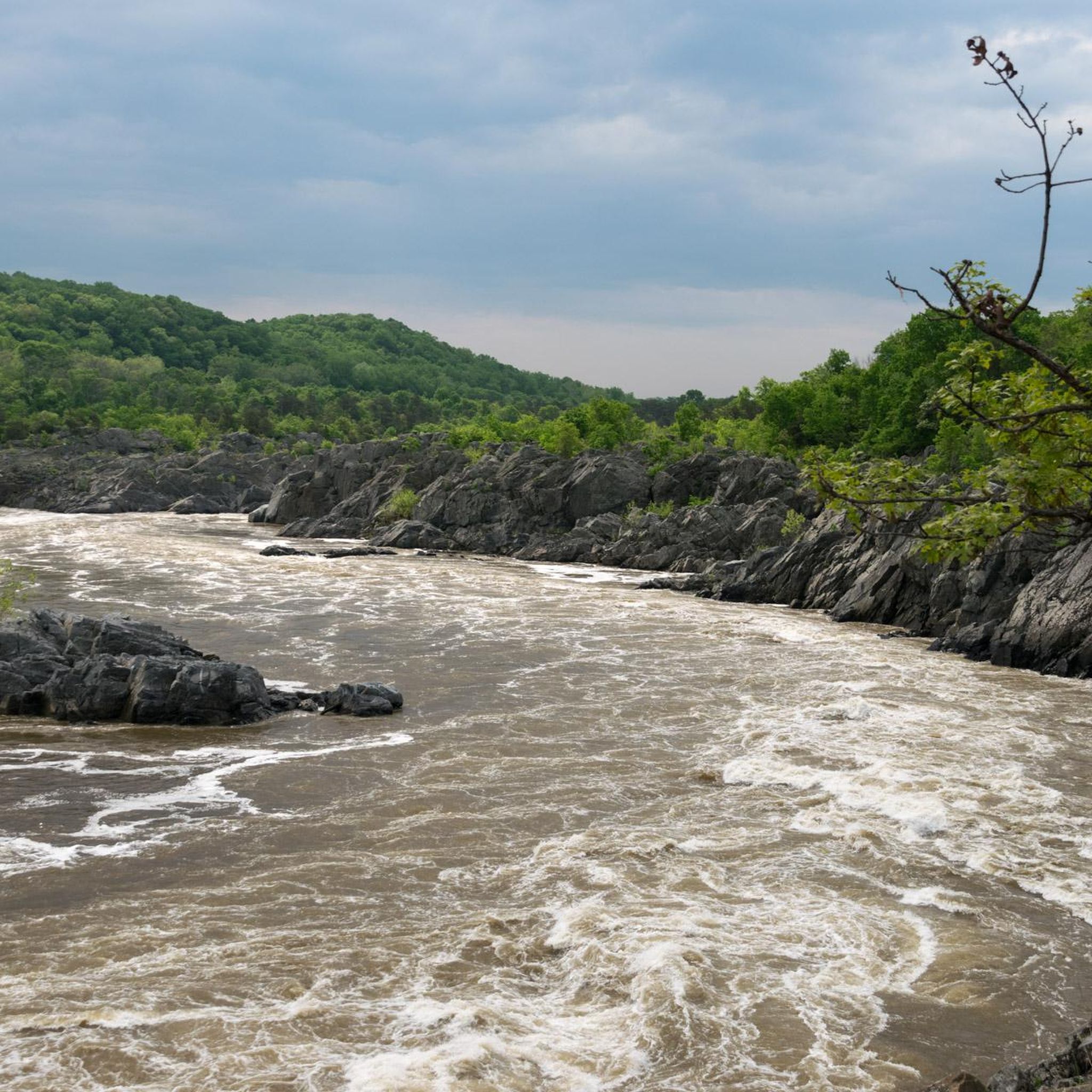
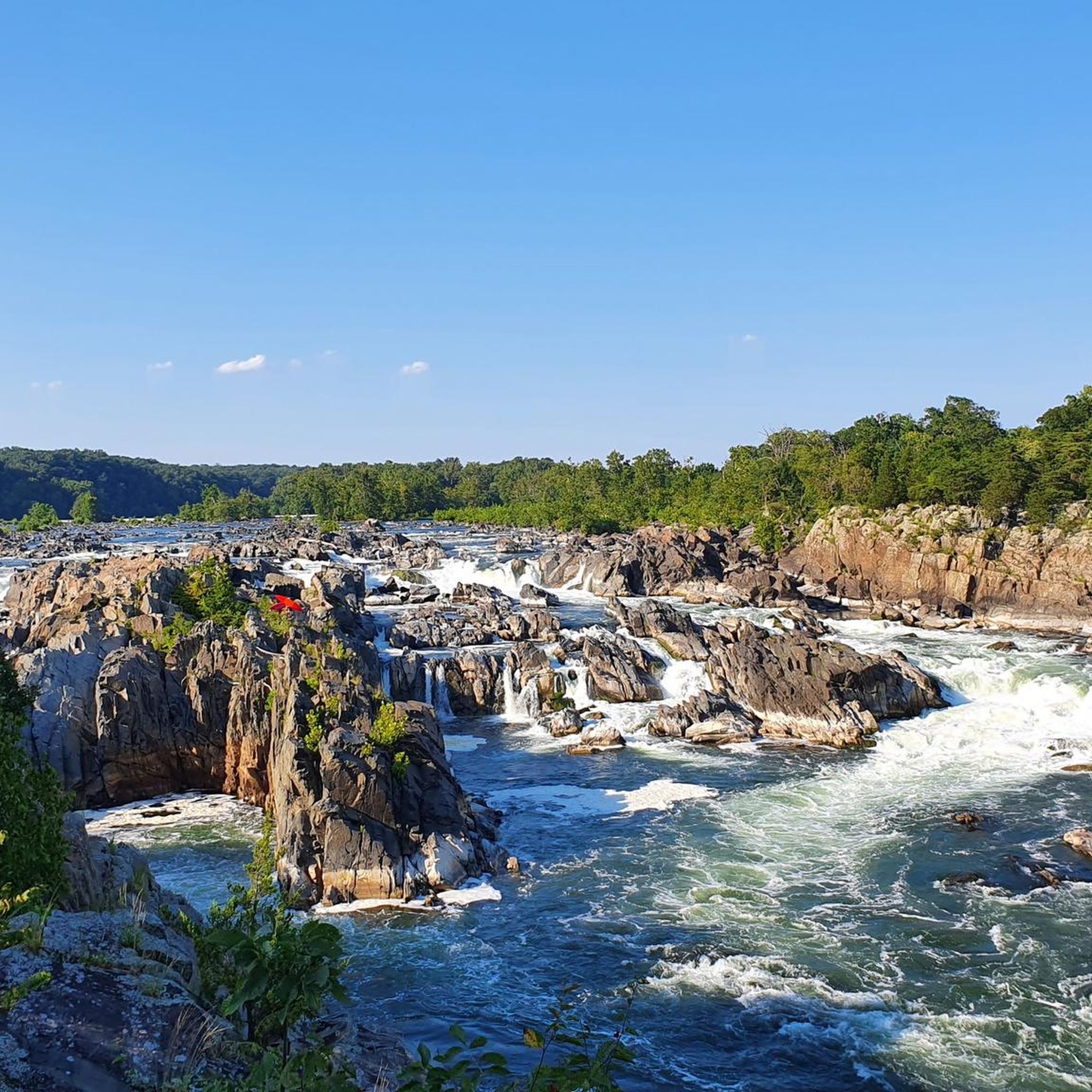
The Great Falls Overlook Trail offers awesome views of the Potomac River as it roars through Mather Gorge. Accessible via the C&O Canal path, the best parking is at the Great Falls Tavern, with a large lot nearby. From Olmsted Island, there is a quarter-mile walk across bridges and boardwalks that takes hikers to the overlook. The trail, which crosses the river’s floodplain, is handicapped accessible, though dogs are not permitted. For fewer crowds, it's best to visit early in the morning, around 8 a.m.
0
0

Just off the Chesapeake & Ohio Canal Trail is a short, approximately quarter-mile footpath across bridges and the floodplain to Olmsted Island and the Great Falls Overlook. From here you get a breathtaking view of the Potomac River as it roars through Mather Gorge.
0
0

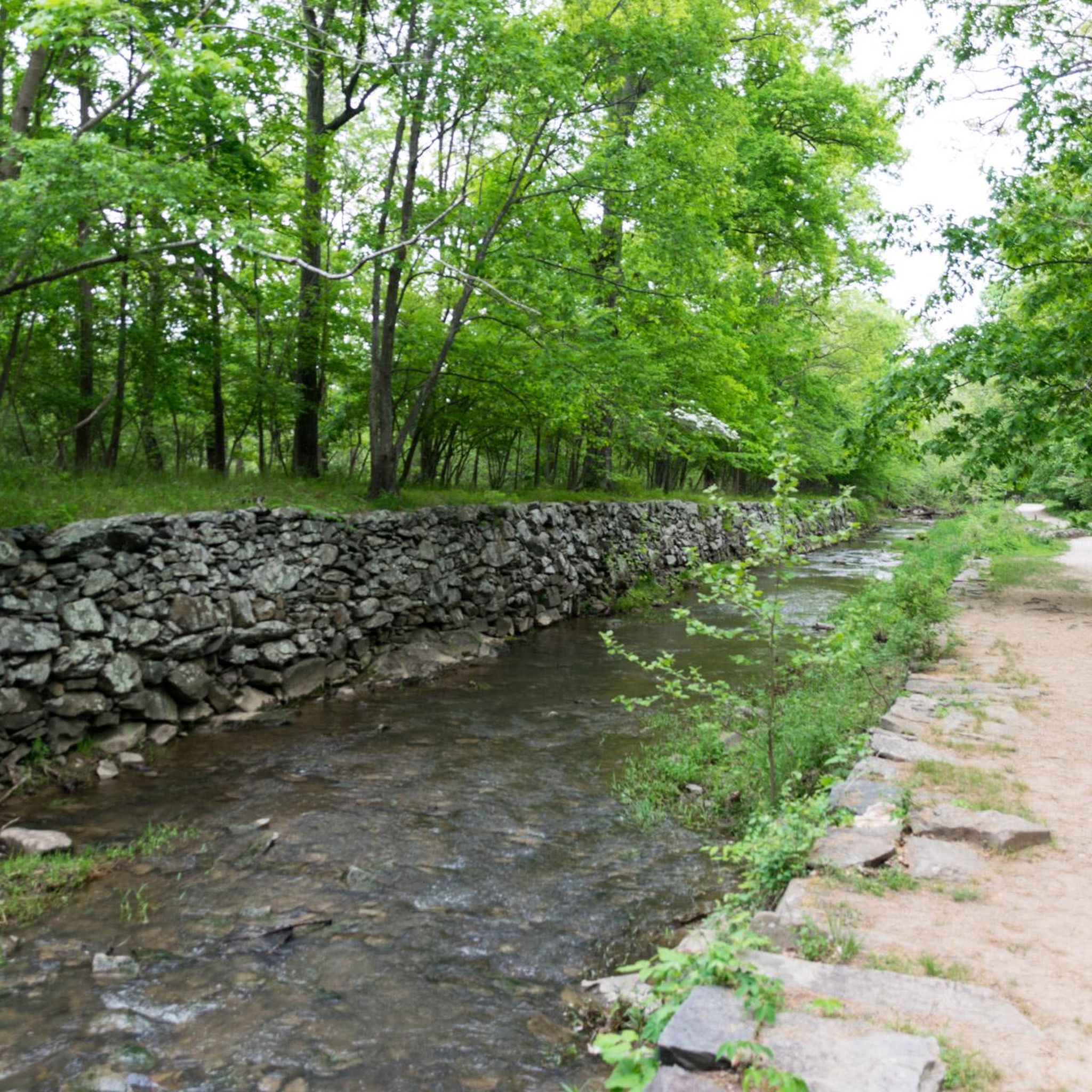
A small river flows through the park, which is also a nature reserve. Beautiful nature, many hiking and cycling trails meander through the valley.
3
0
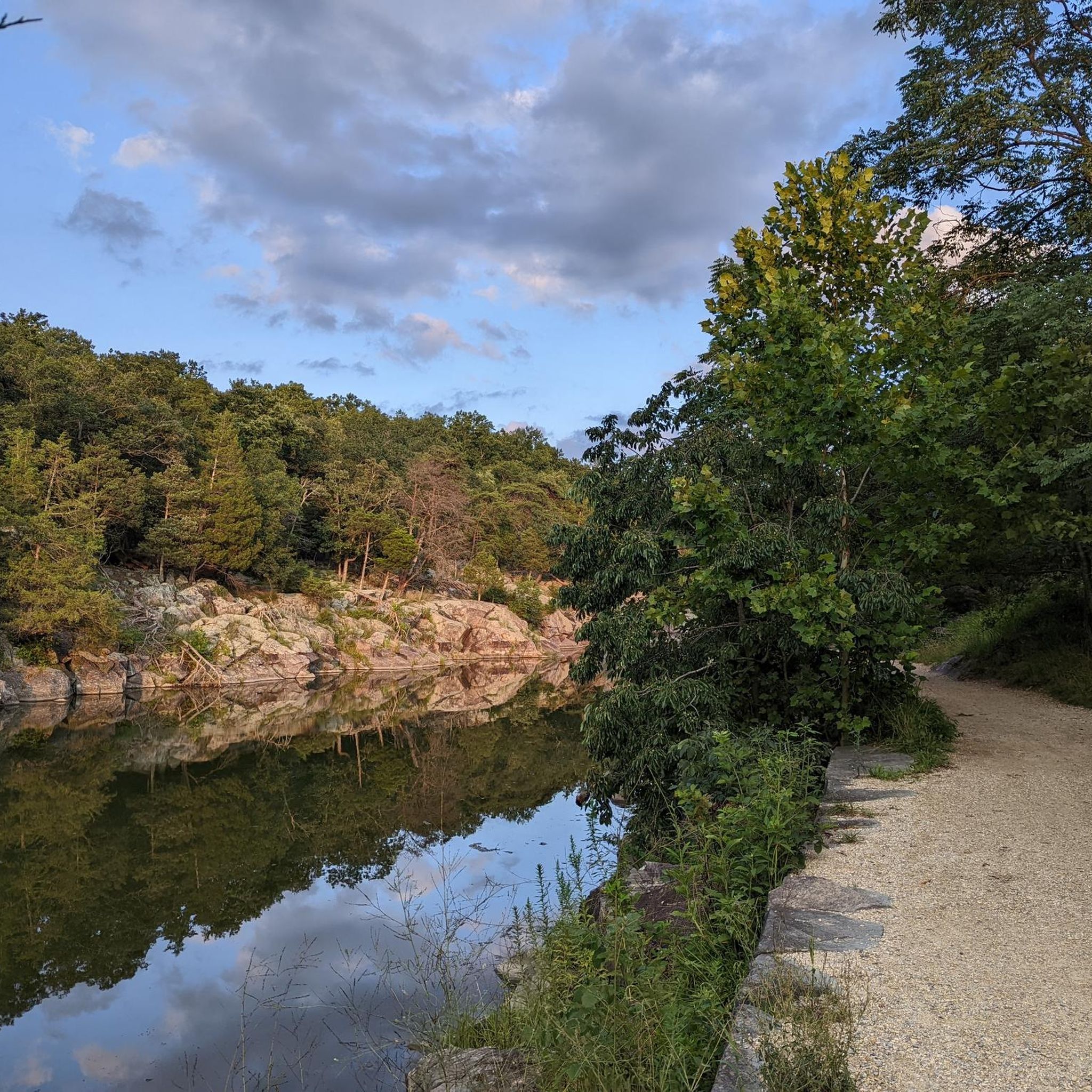
Aqueduct Dam Riverbend Park is where Riverbend Park ends and Great Falls Park starts. There is a great view of the Potomac River here. Swimming and boat launching are forbidden as they can be dangerous with the upcoming falls.
0
0

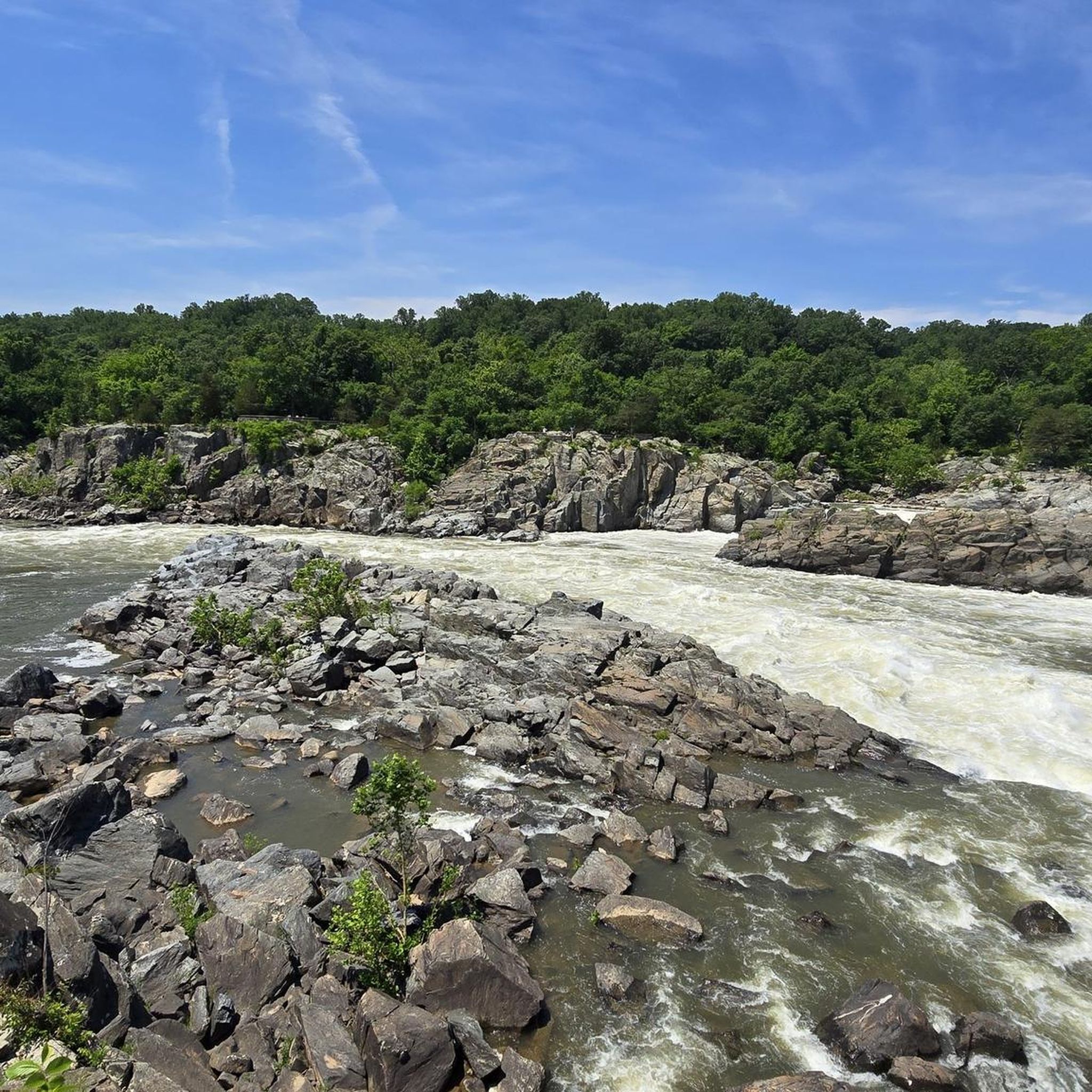
Worth the short hike into the falls! There are racks so you can 🔒 up your bike.
0
0

I suppose this little creek is to thank for the existence of the nearby Rock Creek Park and Piney Branch Parkway. Eventually Rock Creek flows into the Potomac River, but for now it is a calm, flowing breath of nature cutting straight into the northern part of Washington D.C. You'll find lots of pretty forested trails in the park, usually meandering close to the creek.
0
0
Water, forest, pure nature. Here you actually forget to be in the middle of the capital.
2
0
Frequently Asked Questions
What are some of the most popular natural monuments to visit in the Potomac region?
The Potomac region offers several remarkable natural monuments. Among the most popular are Rock Creek Park, a vast urban forest with trails and historic sites, and Great Falls Overlook, which provides spectacular views of the Potomac River cascading over jagged rocks. The wider Great Falls Park also features the dramatic Mather Gorge. Harpers Ferry National Historical Park, while known for its history, is also celebrated for its stunning natural beauty at the confluence of the Potomac and Shenandoah rivers.
Are there family-friendly natural monuments around Potomac?
Yes, several natural monuments in the Potomac region are great for families. Rock Creek Park is particularly family-friendly, offering flat paved trails, a Nature Center, Discovery Room, and picnic spots. The Great Falls Park area also has various overlooks and trails suitable for different ages, and the Aqueduct Dam on the Potomac River is another accessible spot with good views.
What kind of outdoor activities can I do near these natural monuments?
The natural monuments around Potomac offer a wide range of outdoor activities. You can enjoy extensive hiking and running trails, including challenging sections like the Beautiful Trail Segment near Great Falls, which involves rocky sections and scrambling. For cycling, there are numerous road cycling and gravel biking routes. You can find detailed guides for these activities, such as Road Cycling Routes around Potomac, Gravel biking around Potomac, and Running Trails around Potomac.
Are there challenging hiking trails in the Potomac natural monuments?
Absolutely. For a challenging experience, the Billy Goat Trail, particularly Section A, is renowned for its rugged terrain, rock scrambles, and steep climbs, offering a true adventure. The Beautiful Trail Segment near Great Falls also requires good hiking shoes and a good level of fitness due to its strenuous, rocky sections and modest scrambling.
What natural features can I expect to see at Great Falls Park?
Great Falls Park showcases the immense power of the Potomac River. You'll witness the river cascading over a series of steep, jagged rocks and funneling through the narrow Mather Gorge. The falls drop a total of 76 feet in elevation over less than a mile. The park also features unique geological formations, lush forests, and diverse wildlife, including over 150 species of birds.
Is the Billy Goat Trail suitable for all hikers?
The Billy Goat Trail is divided into three sections (A, B, and C), with varying difficulty. Section A is the most popular and rugged, involving significant rock scrambles and steep passages, making it suitable for experienced and adventurous hikers. Section C is considered the easiest, offering views of the Potomac and a small waterfall, and is more accessible for a wider range of hikers. Always check the specific section's difficulty before heading out.
What is unique about Harpers Ferry National Historical Park's natural setting?
Harpers Ferry National Historical Park is uniquely situated at the dramatic confluence of the Potomac and Shenandoah rivers, a scene Thomas Jefferson once described as 'perhaps one of the most stupendous scenes in Nature.' The park encompasses nearly 4,000 acres, offering 22 miles of hiking trails, including a portion of the Appalachian Trail. Key natural viewpoints like 'The Point' and Jefferson Rock provide panoramic views of West Virginia, Maryland, and Virginia, set against the backdrop of the Blue Ridge Mountains.
Are there natural monuments accessible for people with mobility limitations?
Yes, some areas are accessible. For instance, the Great Falls Overlook is noted as wheelchair accessible, allowing visitors to experience the spectacular views of the Potomac River. While many trails in the region can be rugged, specific overlooks and paved paths in parks like Rock Creek Park offer easier access.
What wildlife can be observed in the Potomac natural monuments?
The natural monuments in the Potomac region are rich in wildlife. Great Falls Park, for example, is home to over 150 species of birds, whitetail deer, foxes, and coyotes. The lush forests and riverine environments throughout the region provide habitats for a variety of animals, making it an excellent spot for birdwatching and wildlife observation, especially during quieter times of day.
When is the best time to visit the natural monuments in the Potomac region?
The Potomac region's natural monuments offer beauty year-round. Spring brings vibrant wildflowers and pleasant temperatures for hiking. Summer is popular for water activities, though trails can be crowded. Fall is spectacular with changing leaf colors, particularly along the Billy Goat Trail and in Harpers Ferry. Even in winter, the landscapes can be serene, with opportunities for quiet walks, though some facilities or trails might have limited access due to weather conditions. Always check park websites for seasonal advisories.
Can I find historical sites within the natural monuments?
Yes, the Potomac region's natural monuments often blend natural beauty with historical significance. Rock Creek Park features historic sites like Peirce Mill and Fort Stevens. Great Falls Park contains remnants of the Patowmack Canal, an early American engineering project. Harpers Ferry National Historical Park is a prime example, offering a unique blend of natural scenery and rich history, including Civil War sites and the famous 'The Point' where John Brown's Raid took place.
Are there opportunities for cycling near the natural monuments?
Yes, the area around the Potomac natural monuments is excellent for cycling. The Chesapeake & Ohio Canal National Historical Park, which includes sections of the Billy Goat Trail, features a popular towpath ideal for cycling. You can explore various routes, from easy to difficult, for both road cycling and gravel biking. For specific routes and guides, refer to Road Cycling Routes around Potomac and Gravel biking around Potomac.
What should I wear when hiking in the Potomac natural monuments?
When hiking in the Potomac natural monuments, especially on trails like the Billy Goat Trail or the Beautiful Trail Segment, sturdy hiking shoes with good grip are essential due to rocky and potentially slippery sections. Dress in layers, as weather can change, and consider moisture-wicking fabrics. In warmer months, wear light clothing and bring sun protection. For cooler seasons, add warmer layers, a hat, and gloves. Always carry water, especially on longer or more challenging hikes.
Most popular routes around Potomac
Most popular attractions around Potomac

Get inspired with the komoot mobile app


Explore more
Extend your search for the best caves by checking out these guides of the top ones around Potomac:
