Hawai'I Volcanoes National Park
Hawai'I Volcanoes National Park
Top 20 Natural Monuments in Hawai'I Volcanoes National Park
Best natural monuments in Hawai'I Volcanoes National Park showcase the raw power of volcanic activity and the cultural history of the Hawaiian Islands. The park features two of the world's most active volcanoes, Kīlauea and Mauna Loa, which continuously reshape the landscape with their lava flows. Visitors can explore diverse terrains, from active volcanic craters and ancient lava tubes to significant cultural sites with petroglyphs. This region offers a unique geological experience, highlighting the ongoing creation of new land.
Best…
Last updated: July 8, 2026
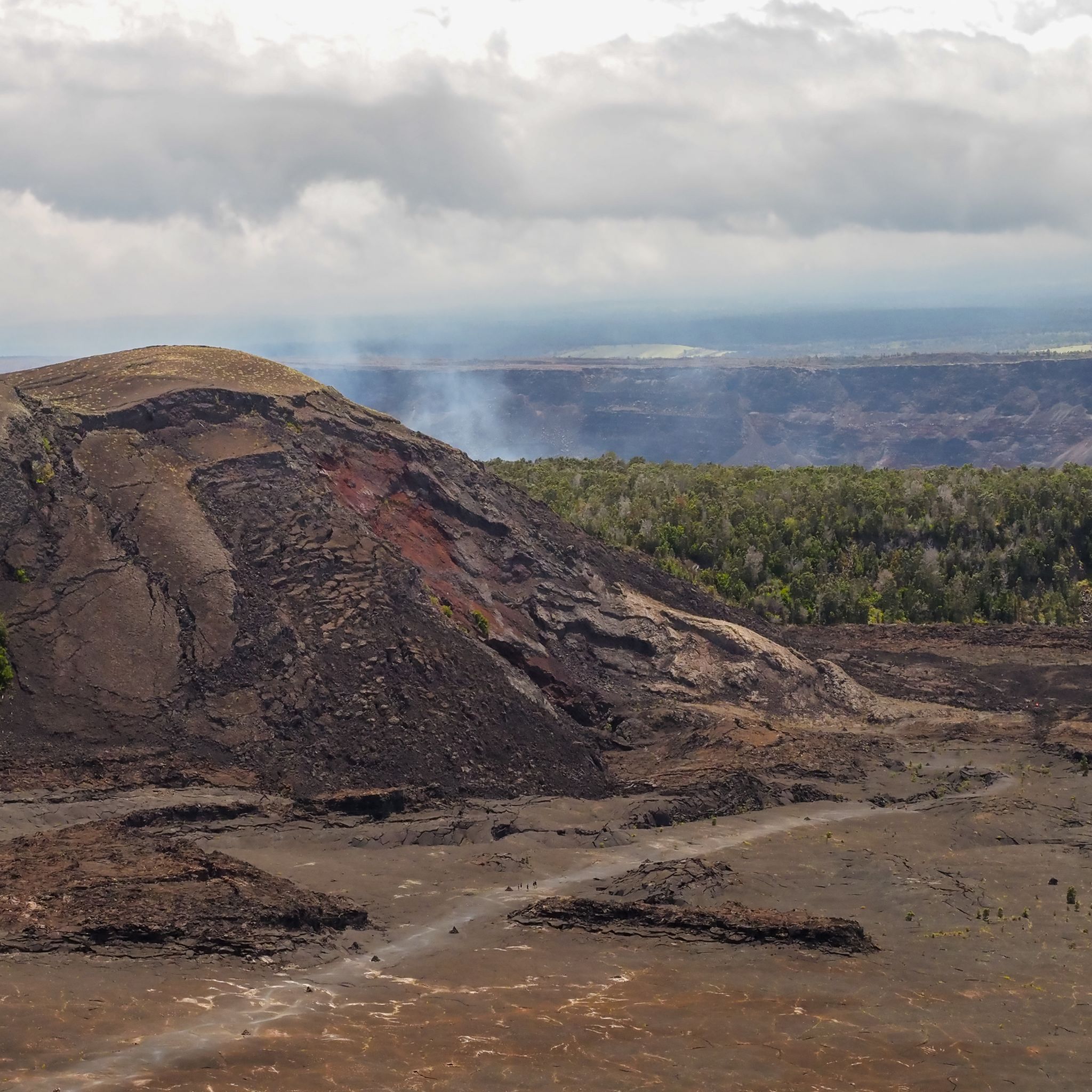
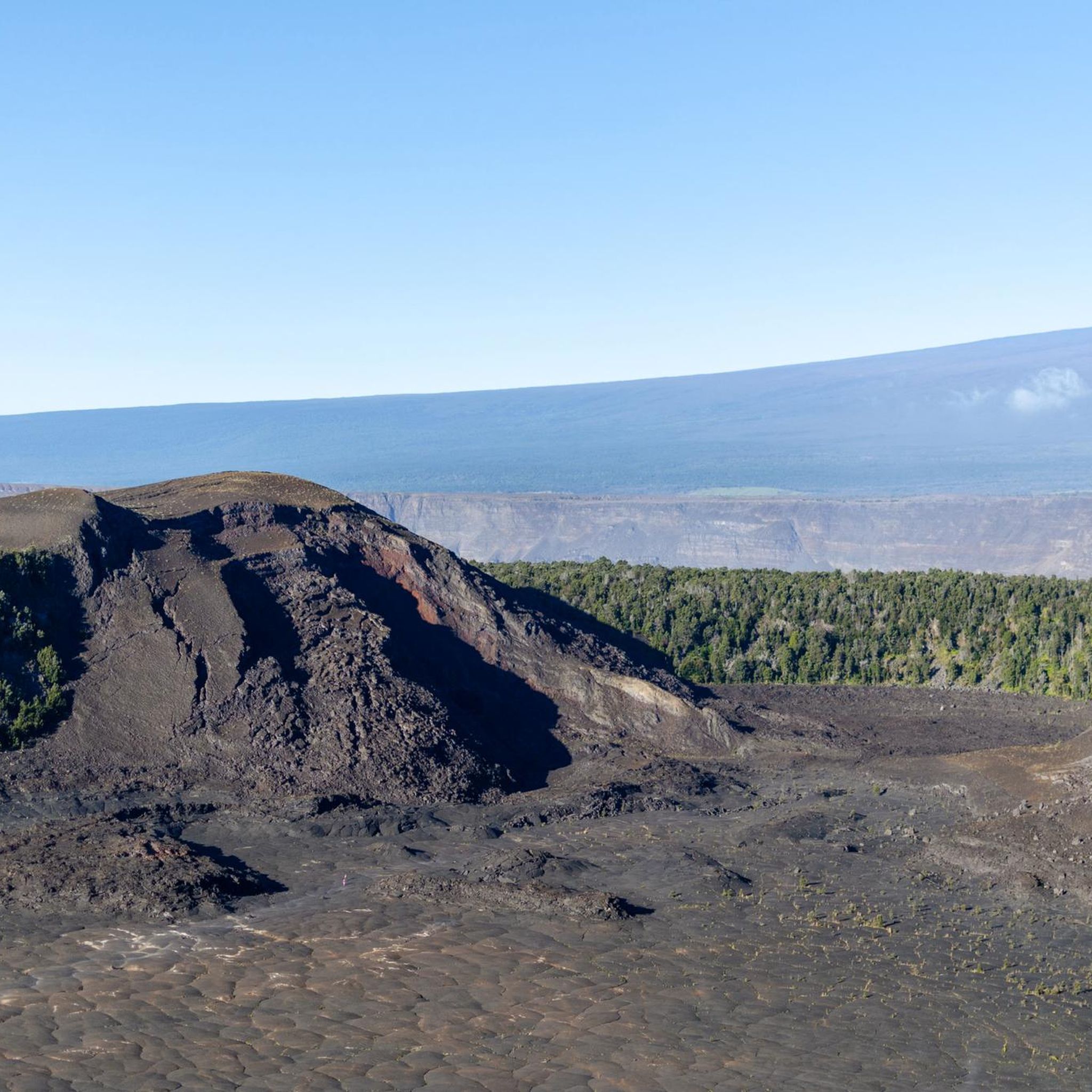
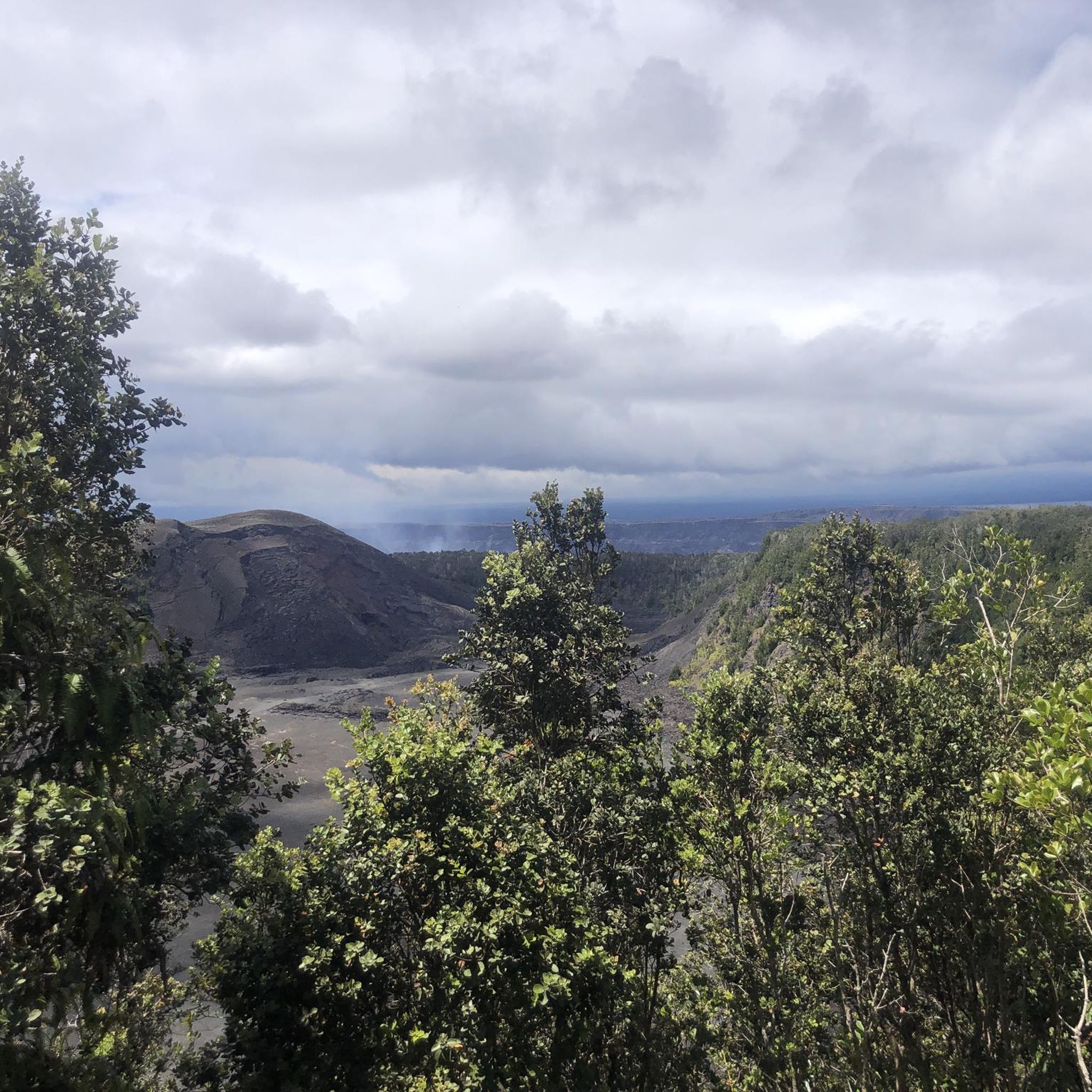
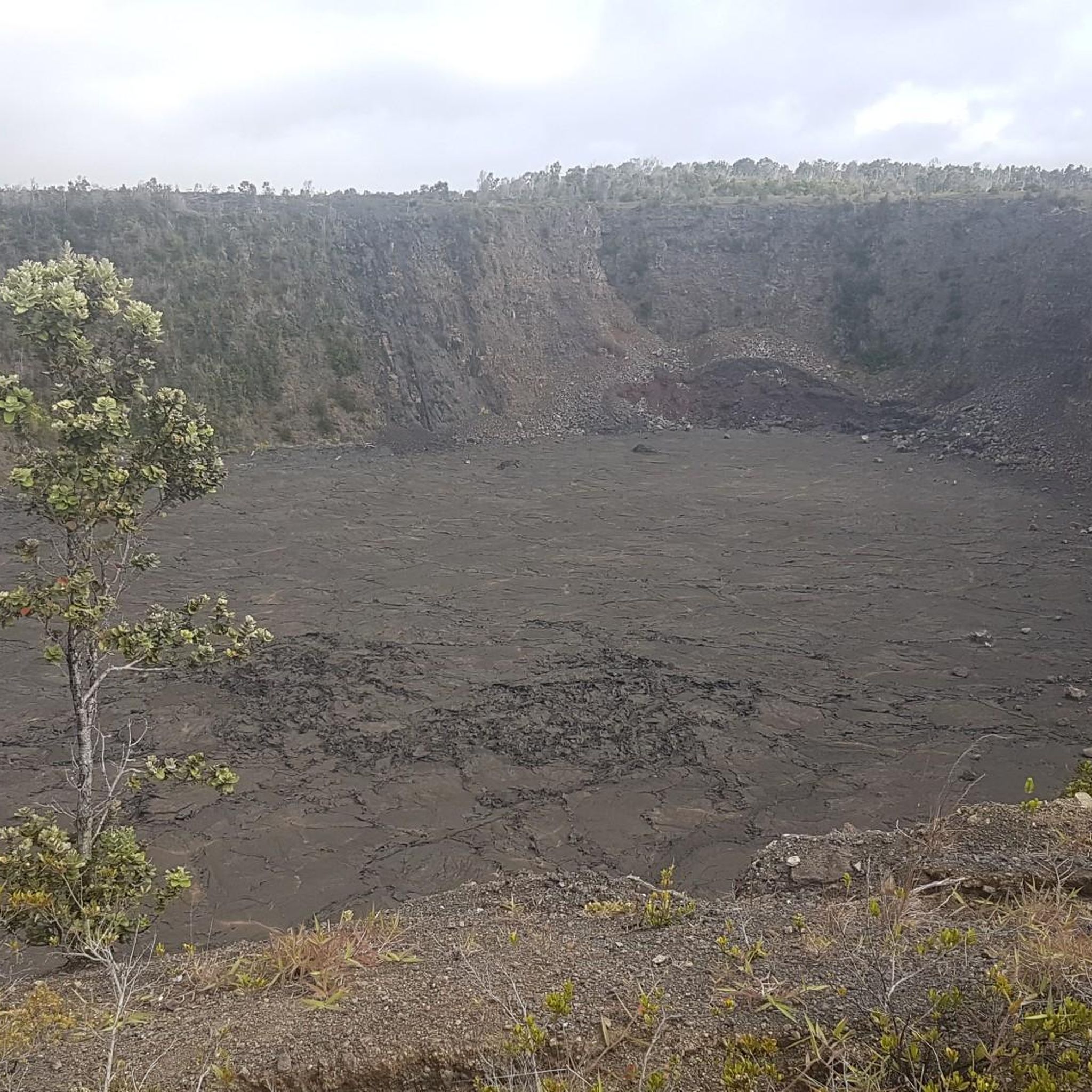
Kīlauea Iki Crater Trail
Highlight (Segment) • Trail
Translated by Google •
Tip by

Nāhuku (Thurston Lava Tube)
Highlight (Segment) • Cave
Translated by Google •
Tip by

Sign up now to discover places like this
Get recommendations on the best single tracks, peaks, & plenty of other exciting outdoor places.
Sign up for free
Puʻuloa Petroglyphs
Highlight • Historical Site
Translated by Google •
Tip by

Devastation Trail
Highlight (Segment) • Trail
Tip by

Holei Sea Arch
Highlight • Natural Monument
Translated by Google •
Tip by
Sign up for free to discover even more natural monuments in Hawai'I Volcanoes National Park.
Sign up for free
Already have an account?
Start today with a free account
Your next adventure awaits.
Login or Signup

Other adventures in Hawai'I Volcanoes National Park

Tips from the Community

The lava coast with the arch is a great photo opportunity
2
0
interesting petroglyphs at a place sacred to the indigenous population
2
0
impressive 500-meter-long tunnel in the lava flow
2
0

Never seen anything like this before
0
1
World class, like a moonwalk
2
0

This 500-year-old lava tube was created by a river of lava. Nowadays the lava tube is lit for visitors from 8am-8pm, and the National Park Service urges you to be avoid touching the tube's walls and any hanging roots, as they support entire ecosystems of very delicate organisms. Parking around the lava tube is extremely scarce, but you can hike here along the Crater Rim Trail, which offers many more parking opportunities.
1
0

You have to do it once. Great landscape
3
0

Frequently Asked Questions
What are some unique geological features to explore in Hawaiʻi Volcanoes National Park?
Beyond the well-known Kīlauea and Mauna Loa volcanoes, you can explore unique geological features like the Kīlauea Iki Crater Trail, where you can walk across a solidified lava lake. Another fascinating site is Nāhuku (Thurston Lava Tube), a 500-year-old subterranean tunnel formed by flowing lava.
Are there family-friendly natural monuments suitable for all ages?
Yes, several natural monuments are suitable for families. Nāhuku (Thurston Lava Tube) offers an accessible, lit, and paved path through a lava tube. The Hōlei Sea Arch is also easily accessible via a short walk from the parking area, providing dramatic ocean views.
What historical or cultural sites can I find among the natural monuments?
The Puʻuloa Petroglyphs are a significant cultural site within the park. This area features over 23,000 ancient carvings, or *kiʻi pōhaku*, etched into lava fields, offering a deep insight into Native Hawaiian traditions and history. It's considered sacred and represents important life events.
Are there any wheelchair-accessible natural monuments in the park?
Yes, the Devastation Trail is noted as wheelchair-accessible. This trail leads through an area impacted by the 1959 Kīlauea Iki eruption, offering views into the crater and showcasing nature's recovery.
What outdoor activities can I do near the natural monuments?
Hawaiʻi Volcanoes National Park offers a variety of outdoor activities. You can find numerous running trails, hiking routes, and cycling paths throughout the park, allowing you to explore the diverse volcanic landscapes and natural features.
What is the best time of year to visit Hawaiʻi Volcanoes National Park's natural monuments?
Hawaiʻi Volcanoes National Park can be visited year-round, as the climate is generally mild. However, for the most comfortable experience, many visitors prefer the drier months from April to October. Always check current volcanic activity and weather conditions before your visit, as they can change rapidly.
What should I expect when visiting a lava tube like Nāhuku?
When visiting Nāhuku (Thurston Lava Tube), you'll walk through a 500-year-old subterranean tunnel. It's lit from 8 am to 8 pm and features a paved path, making it easily navigable. The surrounding area is a lush Hawaiian rainforest, creating a striking contrast with the volcanic formation. Remember to avoid touching the walls and hanging roots to protect the delicate ecosystem.
What is it like to walk across a solidified lava lake?
Walking across a solidified lava lake, such as on the Kīlauea Iki Crater Trail, is often described as an otherworldly or 'lunar' experience. The ground can sound hollow underfoot, and you'll witness a unique landscape shaped by recent volcanic activity, providing a direct connection to the raw power of the volcano.
What do visitors enjoy most about the natural monuments in Hawaiʻi Volcanoes National Park?
Visitors frequently express awe at the dynamic volcanic landscapes and the sense of being on a 'lunar' surface, especially when walking across solidified lava. The historical significance of sites like the Puʻuloa Petroglyphs and the dramatic beauty of the Hōlei Sea Arch are also highly appreciated. The opportunity to witness the ongoing creation of new land is a major draw.
How long does it typically take to visit the main natural monuments?
The time required varies depending on which monuments you wish to see. For example, walking through Nāhuku (Thurston Lava Tube) is relatively quick, while the Puʻuloa Petroglyphs involve a 1.5-mile round-trip hike. To experience several key sites like Kīlauea Iki, Nāhuku, and the Hōlei Sea Arch, plan for at least a full day, or even two, to allow for leisurely exploration and potential trail closures.
Where can I learn more about Kīlauea Volcano's activity?
Kīlauea is one of the world's most active volcanoes, continuously reshaping the landscape. For detailed and up-to-date information on its current activity, eruptions, and geological insights, you can visit the official National Park Service page dedicated to Kīlauea: nps.gov/havo/learn/nature/kilauea.htm.
What makes Mauna Loa Volcano unique among the natural monuments?
Mauna Loa is distinguished as the world's largest active volcano, rising to an impressive 13,680 feet above sea level. Its immense size and diverse climate zones across its slopes support various plant and animal life. Hiking its lava fields to the summit offers breathtaking views and a truly unique, otherworldly experience.
Most popular routes in Hawai'I Volcanoes National Park
Most popular attractions in Hawai'I Volcanoes National Park

Get inspired with the komoot mobile app


Explore more
Extend your search for the best caves by checking out these guides of the top ones in Hawai'I Volcanoes National Park:
