The best walks and hikes in Hawai'I Volcanoes National Park
4.8
(709)
7,723
hikers
87
hikes
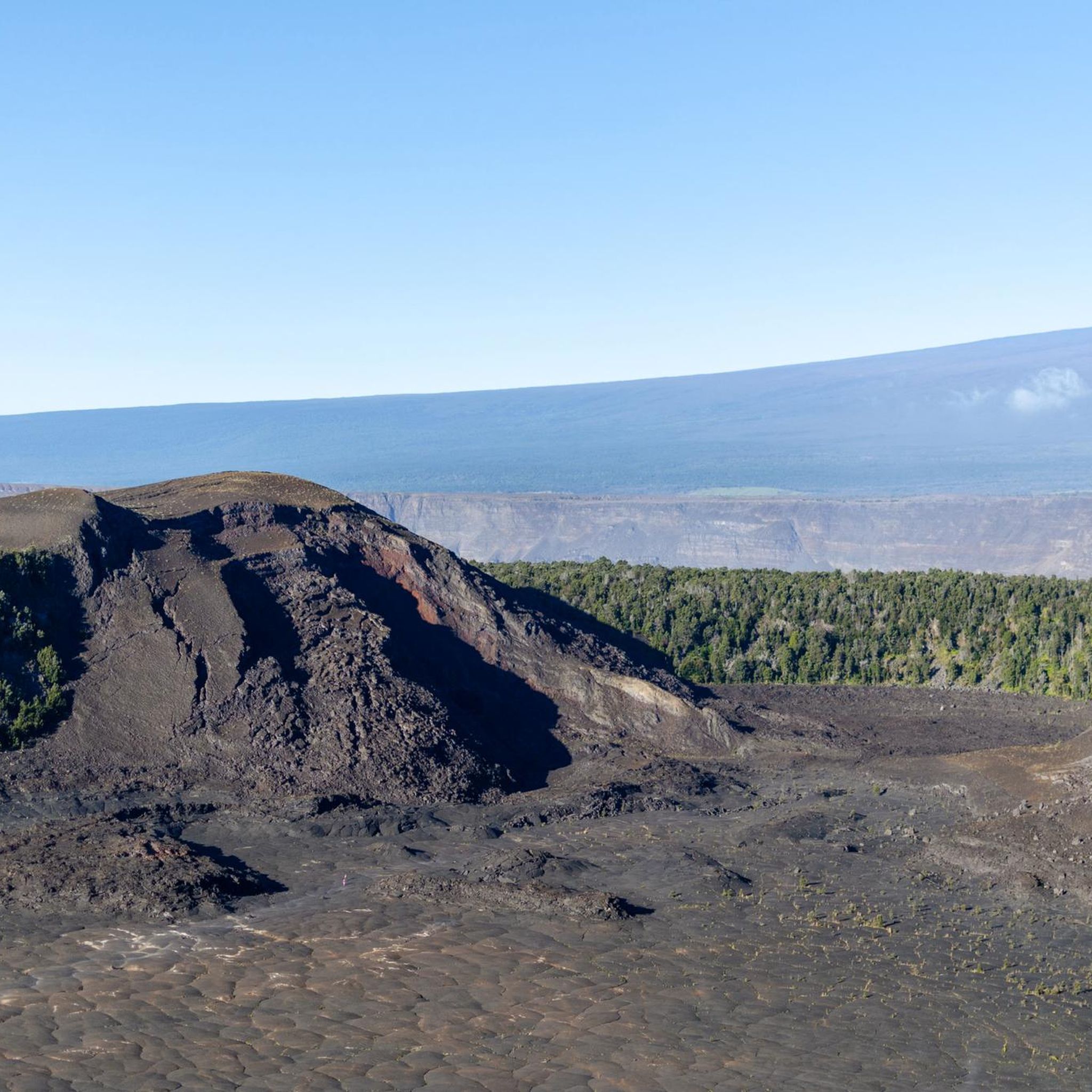
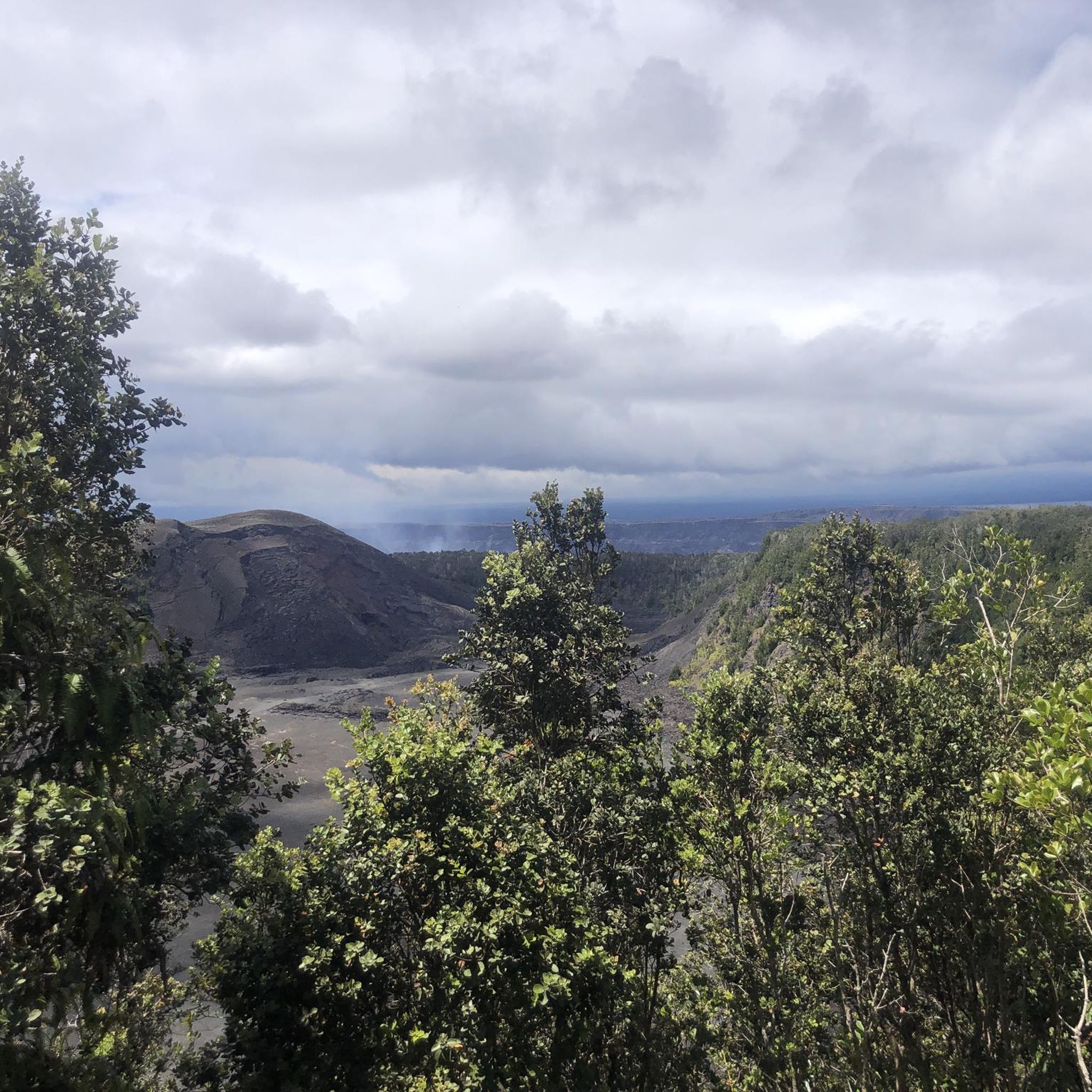
Hiking in Hawaiʻi Volcanoes National Park offers routes across a dynamic landscape shaped by active volcanoes. The park's terrain is characterized by a mix of lush tropical rainforests, solidified lava lakes on crater floors, and stark, barren landscapes from past eruptions. Trails navigate around the Kīlauea caldera, through steam vents, and across vast lava fields, providing a direct experience with the region's unique geology.
Best hiking trails in Hawaiʻi Volcanoes National Park
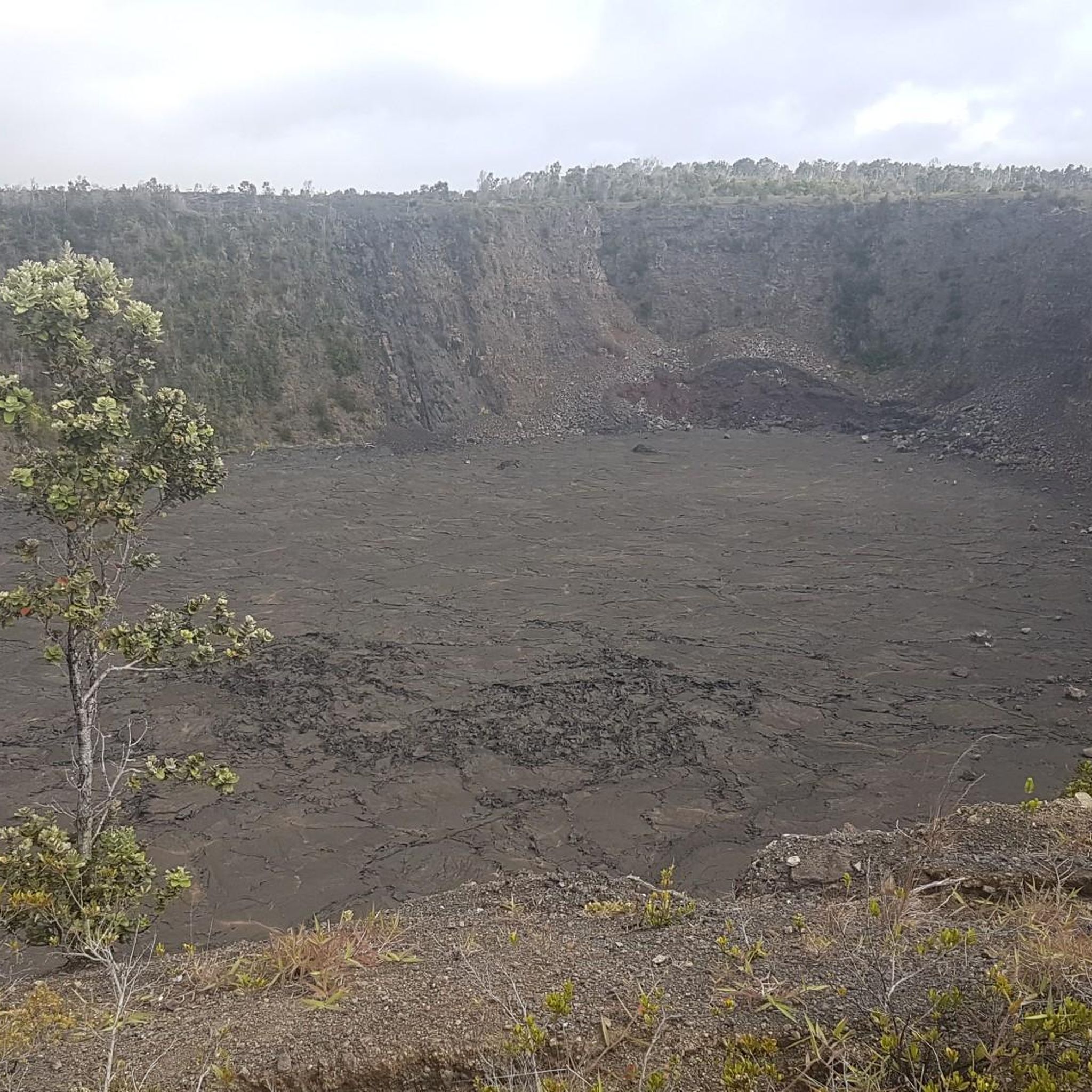
- The most popular hiking route is Kīlauea Iki Crater Loop — Hawai‘i Volcanoes National Park, a 3.6 mile (5.8 km) trail that takes about 1 hour 42 minutes to complete. The path descends through rainforest to the floor of a solidified lava lake.
- Another top favourite among local hiking enthusiasts is Kīlauea Iki Crater via Uēaloha (Byron Ledge Trail) and Devastation Trail Loop, a moderate 6.4 mile (10.3 km) path. This route combines a crater crossing with sections through areas of volcanic devastation and regrowth.
- Local hiking enthusiasts also love the Crater Rim Trail — Hawai‘i Volcanoes National Park, a 5.2 mile (8.4 km) trail leading through rainforest and along the edge of the Kīlauea caldera, often completed in about 2 hours 26 minutes.
- Hiking in Hawaiʻi Volcanoes National Park is defined by solidified lava fields, lush rainforests, and trails around volcanic craters. The network of paths provides options for various ability levels, from easy walks to more strenuous hikes.
- The routes in Hawaiʻi Volcanoes National Park are highly rated by the komoot community with an average score of 4.8 stars from over 600 reviews. More than 6,800 hikers have used komoot to explore Hawaiʻi Volcanoes National Park's varied terrain.
Last updated: July 8, 2026
4.9
(136)
1,567
hikers
5.77km
01:42
170m
170m
Easy hike. Great for any fitness level. Easily-accessible paths. Suitable for all skill levels.
4.9
(100)
1,271
hikers
10.3km
02:56
220m
220m
Moderate hike. Good fitness required. Easily-accessible paths. Suitable for all skill levels.

Sign up for free
4.9
(71)
492
hikers
Moderate hike. Good fitness required. Easily-accessible paths. Suitable for all skill levels.
4.9
(70)
492
hikers
11.5km
03:22
300m
300m
Moderate hike. Good fitness required. Easily-accessible paths. Suitable for all skill levels.
4.8
(19)
291
hikers
8.42km
02:26
210m
210m
Moderate hike. Good fitness required. Easily-accessible paths. Suitable for all skill levels.
Get access to more routes and recommendations from other explorers.
Sign up for free
Already have an account?
Our route recommendations are based on thousands of hikes, rides, and runs completed by other people on komoot.
Start today with a free account
Your next adventure awaits.
Login or Signup

Other adventures in Hawai'I Volcanoes National Park

Tips from the Community

impressive 500-meter-long tunnel in the lava flow
2
0

great view from the crater rim
0
0
Closed and inaccessible since 2018!
2
0
easily accessible viewpoint with good views of the volcano
1
0
The center is closed for renovations until August 2026
2
0

Not quite as great as Iceland, but worth seeing
0
0
Ferns in oversize - super impressive
0
0
Never seen anything like this before
0
1
Frequently Asked Questions
Are there any easy, family-friendly hikes in Hawaiʻi Volcanoes National Park?
Yes, the park has several accessible options perfect for families. The Devastation Trail is a paved, 1-mile (1.6 km) round-trip walk through a landscape recovering from the 1959 Kīlauea Iki eruption, making it stroller and wheelchair accessible. Another great choice is the Nāhuku (Thurston Lava Tube) Trail, which takes you through a 500-year-old lava tube and a lush rainforest.
What should I pack for a day hike in the park?
Weather can change rapidly, so it's best to be prepared. Essential items include sturdy closed-toe shoes, layered clothing, rain gear, a hat, and sunscreen. Always carry plenty of water, as there are no water sources on the trails. Snacks or a packed lunch are also recommended, especially for longer hikes.
Do I need a permit to hike in Hawaiʻi Volcanoes National Park?
For most day hikes, including popular trails like Kīlauea Iki, no special permit is required beyond the park entrance fee. However, permits are mandatory for all overnight backcountry camping and for some strenuous summit hikes like the Mauna Loa Trail. Always check the official National Park Service website for the most current regulations before your visit.
What is the best time of year to hike in the park?
You can hike in Hawaiʻi Volcanoes National Park year-round. The weather is generally mild, but it can be unpredictable at any time. The dry season, from April to October, often sees less rain, but you should always be prepared for wet conditions, especially in the rainforest sections. Visiting during the week can help you avoid the larger crowds found on weekends.
Are there any trails where I can see ancient petroglyphs?
Yes, the Puʻu Loa Petroglyphs Trail leads to one of the most extensive petroglyph fields in Hawaiʻi. The trail is a relatively easy 1.4-mile (2.3 km) round-trip hike over a lava field to a boardwalk viewing area where you can see thousands of ancient rock carvings.
I'm looking for a challenging hike. What are my options?
For a truly strenuous adventure, the Mauna Loa Trail offers a multi-day backcountry trek to the summit of the world's most massive active volcano. This hike requires significant preparation, a permit, and acclimatization to high altitudes, but rewards with incredible views and solitude. For a challenging day hike, consider the Kīlauea Iki Crater via Crater Rim Trail Loop, which is a longer and more demanding route around the crater.
What do other hikers enjoy most about the trails here?
The park is highly rated by the komoot community, with an average score of 4.8 stars. Hikers frequently praise the unique experience of walking across a solidified lava lake on the Kīlauea Iki floor and the stunning contrast between lush rainforests and stark volcanic landscapes, often experienced within a single hike.
How many hiking trails are in Hawaiʻi Volcanoes National Park?
There are over 85 distinct hiking routes available on komoot, covering more than 150 miles of trails within the park. These range from short, paved walks to strenuous, multi-day backcountry expeditions, offering options for every fitness level and interest.
Can I see active lava flows while hiking?
Witnessing active lava is a powerful experience, but it is entirely dependent on volcanic activity, which is unpredictable. When an eruption is happening in an accessible area, the park service may designate specific viewing points. However, there are no permanent trails that guarantee a view of flowing lava. Always check the park's official website for daily eruption updates and safety information before your visit.
What kind of wildlife might I see in the park?
While the volcanic landscape can seem barren, it supports unique wildlife. In the forested areas, you might spot native birds like the ʻapapane, ʻamakihi, and the nēnē (Hawaiian goose), which is the state bird. Insects and spiders adapted to the volcanic environment can also be found. Remember to keep a safe distance and never feed the wildlife.
Are there any circular walks available?
Yes, the park has excellent circular routes. The most famous is the Kīlauea Iki Crater Loop, a 3.6-mile (5.8 km) trail that descends through rainforest to the crater floor and back up the other side. It provides a complete and varied experience of the volcanic landscape.
What are some of the main features along the Crater Rim Trail?
The Crater Rim Trail offers spectacular views of the Kīlauea Caldera and Halemaʻumaʻu crater. Key features along its sections include the Kīlauea Overlook, the steaming bluffs of Haʻakulamanu (Sulphur Banks), and access points to other trails. You can hike short sections or longer stretches depending on your schedule.
Most popular routes in Hawai'I Volcanoes National Park
Most popular attractions in Hawai'I Volcanoes National Park

Get inspired with the komoot mobile app


Explore more
Browse the best Hikes in other regions.
