The best running trails in Hawai'I Volcanoes National Park
55
runners
14
runs
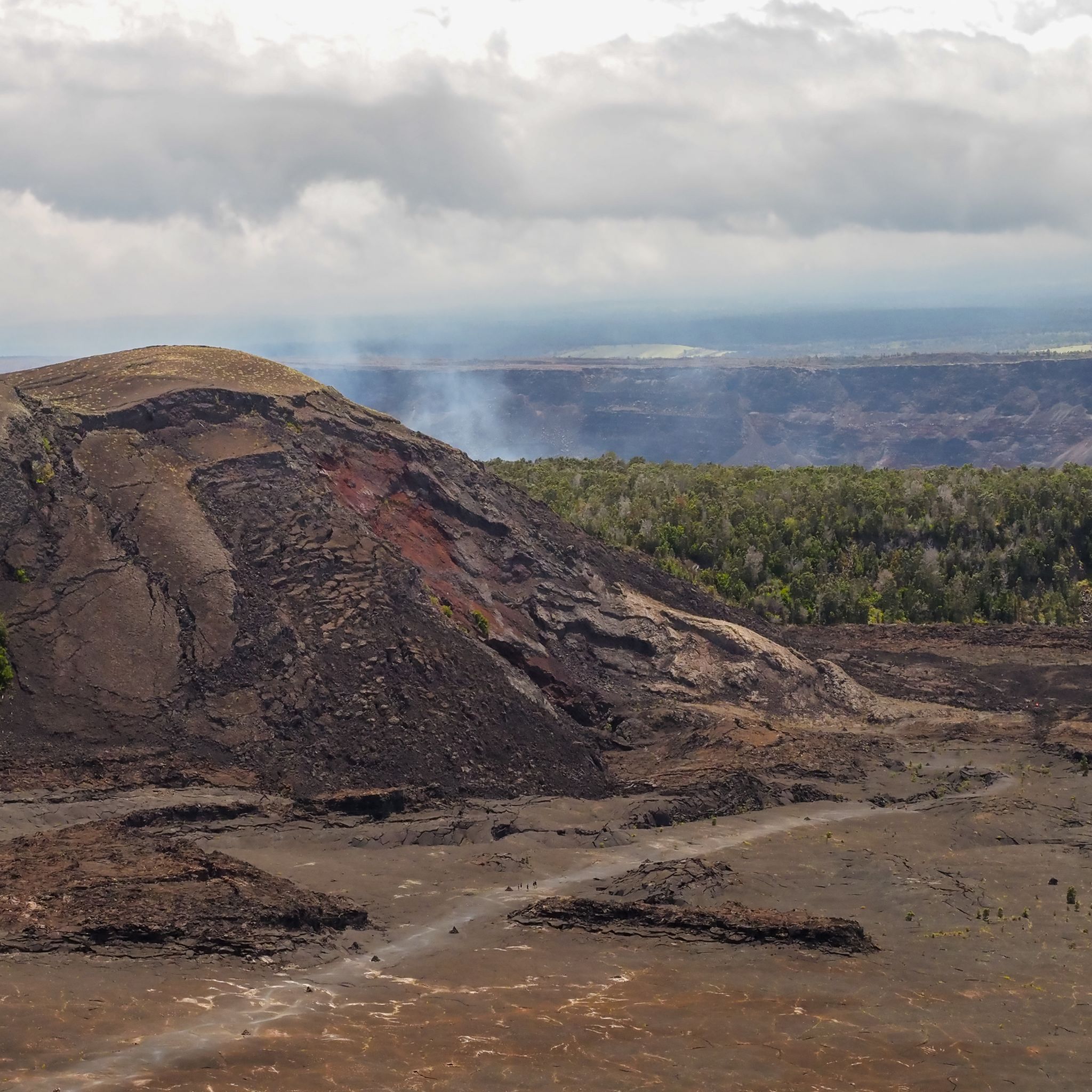
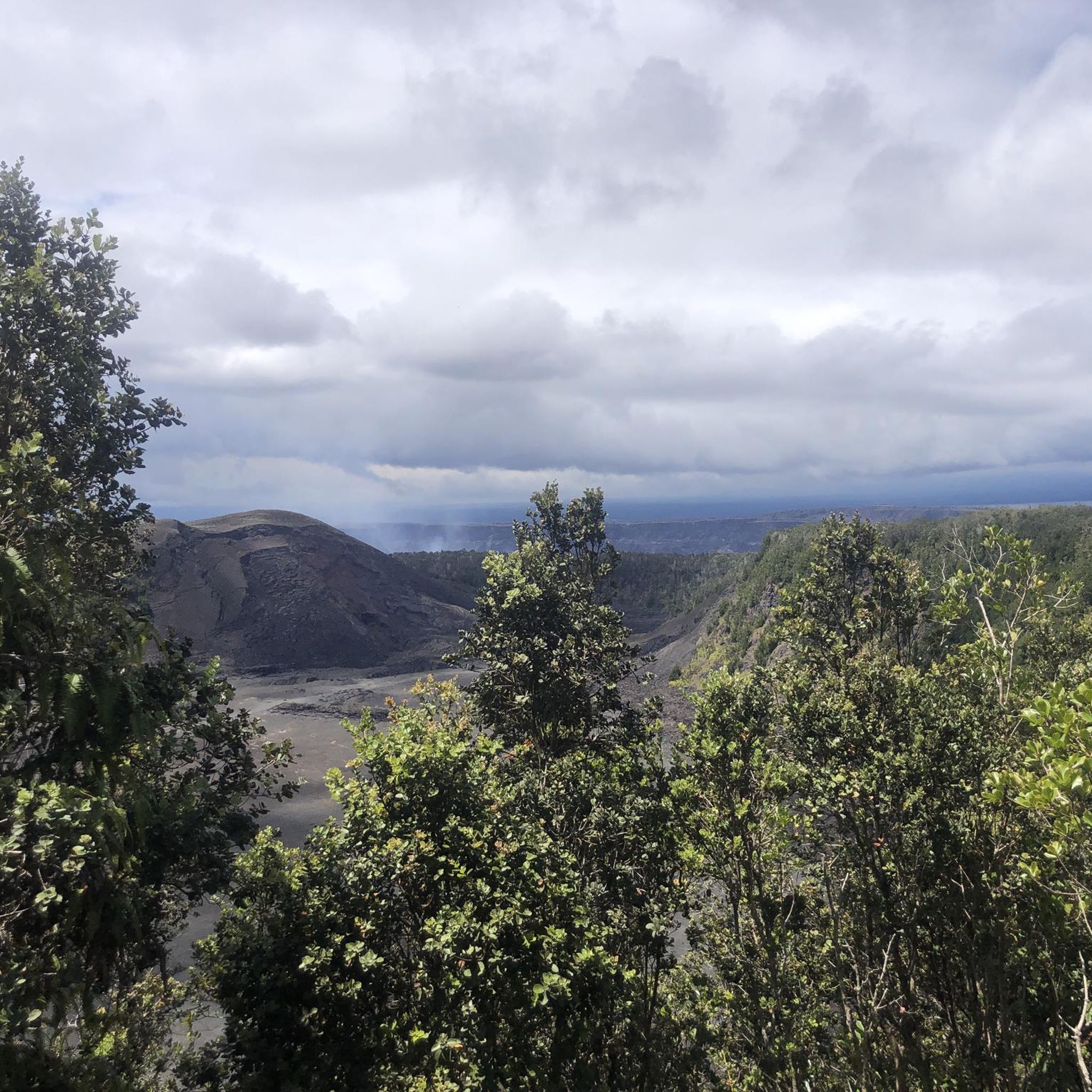
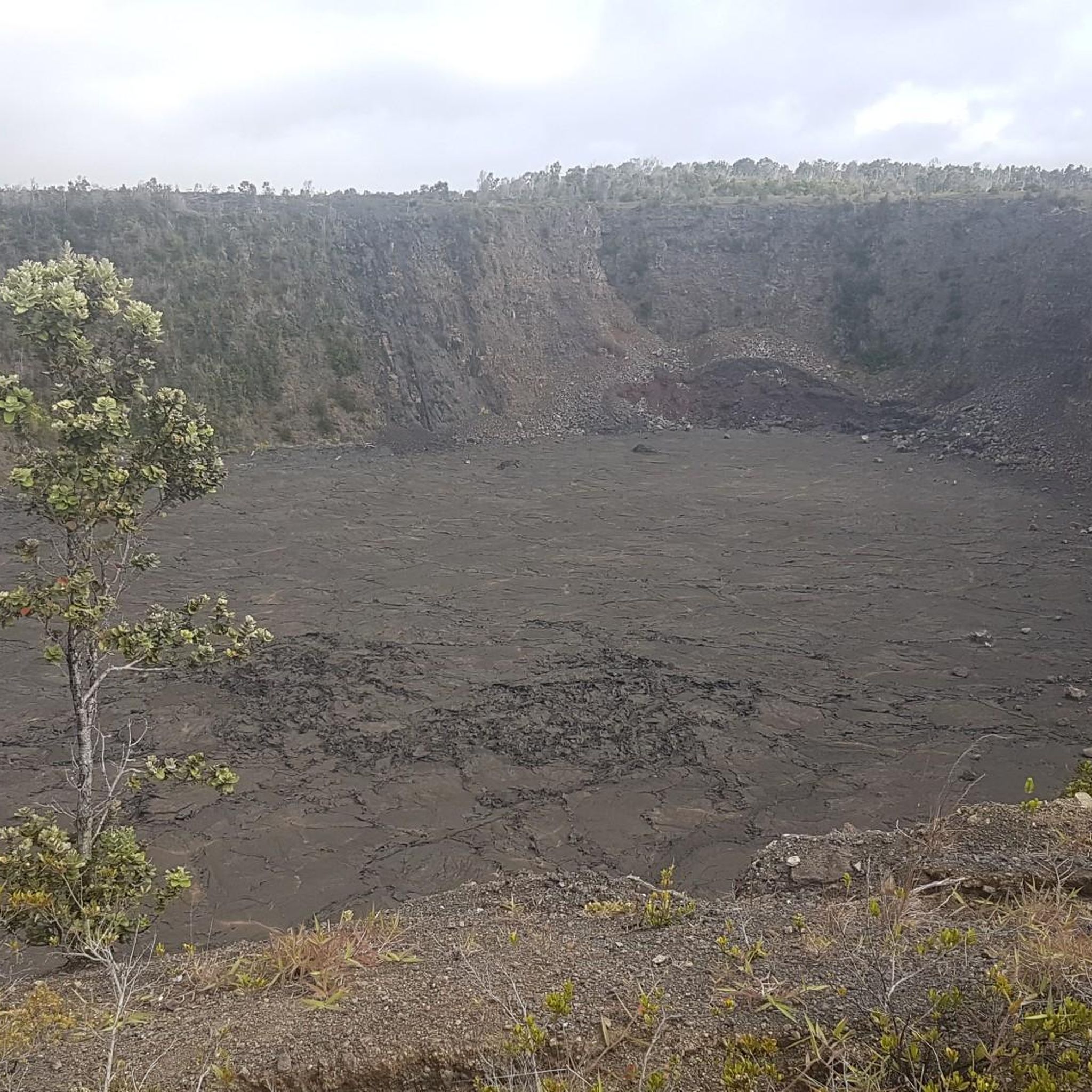
Jogging routes in Hawai'I Volcanoes National Park traverse a dynamic landscape shaped by active volcanoes, offering diverse terrains from lush rainforests to stark volcanic ash fields. The region features solidified lava lakes, steam vents, and various craters, providing a unique environment for runners. Trails often transition between dense native ʻōhiʻa tree forests and otherworldly crater floors, with some routes offering coastal views. The park's varied topography includes both relatively flat sections and challenging routes with significant elevation changes.
Best jogging…
Last updated: July 7, 2026
14
runners
14.1km
01:46
370m
370m
Jog the difficult 8.7-mile Crater Rim Trail in Hawaiʻi Volcanoes National Park, exploring volcanic landscapes and rainforests.
11
runners
5.10km
00:35
70m
70m
Jog the Crater Rim Drive and Devastation Trail in Hawaiʻi Volcanoes National Park for a moderate 3.2-mile journey through volcanic landscape

Sign up for free
13.1km
01:51
500m
500m
Jogging the difficult Pit Crater Trail in Hawaiʻi Volcanoes National Park offers 8.2 miles with 1647 feet elevation gain through native rain
4.29km
00:32
60m
60m
Jog the easy Kamakapa'a Trail in Hawaiʻi Volcanoes National Park for panoramic views from a cinder cone, covering 2.7 miles.
3.27km
00:20
30m
30m
Lava Cliffs via Chain of Craters Road is an easy 2.0-mile jogging route in Hawaiʻi Volcanoes National Park with 84 feet of elevation gain.
Get access to more routes and recommendations from other explorers.
Sign up for free
Already have an account?
Our route recommendations are based on thousands of hikes, rides, and runs completed by other people on komoot.
Start today with a free account
Your next adventure awaits.
Login or Signup

Other adventures in Hawai'I Volcanoes National Park

Tips from the Community

impressive 500-meter-long tunnel in the lava flow
2
0

Ferns in oversize - super impressive
0
0
Never seen anything like this before
0
1

This 500-year-old lava tube was created by a river of lava. Nowadays the lava tube is lit for visitors from 8am-8pm, and the National Park Service urges you to be avoid touching the tube's walls and any hanging roots, as they support entire ecosystems of very delicate organisms. Parking around the lava tube is extremely scarce, but you can hike here along the Crater Rim Trail, which offers many more parking opportunities.
1
0

Iki Trail is a must in Volcano National Park
0
1

At the bottom of the Chain of Craters Road you can see steep lava rock cliffs. Winds are known to be high here, so use caution if you have deep wheels! This is a unique view with the blue crashing waves on one side and the brown laval fields stretching up the side of the volcano.
0
0

This is a viewpoint of the mountain range on one side and the coast line on the other, and the visitor is surrounded by lava. There is a small staircase here where visitors can get closer to the lava. Warning: Don't get too close to the edge of the cliff; stay behind signs; and use good judgement.
0
0
Frequently Asked Questions
How many running routes are available in Hawaiʻi Volcanoes National Park?
There are over a dozen dedicated running routes in Hawaiʻi Volcanoes National Park, catering to various fitness levels. You'll find a mix of easy, moderate, and challenging trails to explore the park's unique volcanic landscapes and lush rainforests.
Are there any easy jogging trails suitable for beginners or families in Hawaiʻi Volcanoes National Park?
Yes, the park offers several easy jogging routes perfect for beginners or families. For instance, the Kamakapa'a via Kamakapa'a Trail is an easy 2.7-mile path, and the Lava Cliffs via Chain of Craters Road offers another accessible 2-mile option.
What are some challenging running routes for experienced runners in the park?
For those seeking a challenge, routes like the Kilauea Overlook to Nāhuku Lava Tube via Crater Rim Trail offer a difficult 8.7-mile run with significant elevation changes. Another demanding option is the Ancient Ōhiʻa Tree via Pit Crater Trail, an 8.1-mile route through varied volcanic terrain.
What kind of unique natural features can I see while running in Hawaiʻi Volcanoes National Park?
Running in the park offers a chance to see incredible volcanic features. You can jog across solidified lava lakes, through volcanic ash fields, and past steam vents. Notable sights include the Kīlauea Iki Crater Trail, the fascinating Nāhuku (Thurston Lava Tube), and the stark beauty of the Devastation Trail, which winds through a landscape buried by cinders from a 1959 eruption.
Are there any historical or cultural sites accessible from the running trails?
Yes, the park is rich in Hawaiian cultural history. You can encounter significant sites such as the Puʻuloa Petroglyphs, ancient rock carvings that offer a glimpse into the spiritual importance of the land to Native Hawaiians. These sites provide a unique cultural dimension to your run.
Can I find loop trails for running in Hawaiʻi Volcanoes National Park?
Yes, the park features several loop trails. The Kīlauea Iki Trail is a popular 4-mile loop that takes runners across a solidified lava lake and through a rainforest, offering a diverse experience.
What is the best time of year to go running in Hawaiʻi Volcanoes National Park?
Hawaiʻi Volcanoes National Park offers a unique running experience year-round due to its diverse climate zones. However, conditions can change rapidly. It's always best to check the current weather and air quality warnings before heading out, as volcanic activity can impact certain areas. Early mornings are often ideal for cooler temperatures and clearer views.
What should I wear for running in Hawaiʻi Volcanoes National Park?
Given the park's varied terrain and microclimates, it's wise to dress in layers. Be prepared for conditions ranging from rain to heat and wind. Sturdy running shoes with good grip are essential for navigating volcanic rock and uneven trails. Don't forget sun protection, a hat, and plenty of water.
Are there any dog-friendly running routes in Hawaiʻi Volcanoes National Park?
While dogs are generally restricted on most trails within Hawaiʻi Volcanoes National Park to protect wildlife and sensitive ecosystems, they are permitted on paved roads and in parking areas. Always check the latest park regulations regarding pets before your visit to ensure you're running in approved areas.
What do other runners enjoy most about jogging in Hawaiʻi Volcanoes National Park?
Runners frequently praise the park's unparalleled and dynamic environment. The constantly evolving landscape, shaped by active volcanoes, provides a unique backdrop. Many appreciate the contrast between lush rainforests and stark volcanic deserts, as well as the opportunity to run across solidified lava lakes and past steam vents. Over 130 runners have used komoot to explore these varied terrains.
Are there any scenic viewpoints along the running trails?
Absolutely. Many running routes offer breathtaking scenic viewpoints. Portions of the Crater Rim Trail provide exciting opportunities to run around the summit of Kīlauea, with views of the Halemaʻumaʻu Crater. The Halema‘uma‘u and Keanakāko‘i Craters via Devastation Trail also offers direct views of these dramatic craters.
Are there opportunities for wildlife spotting while running in the park?
Yes, the park is home to diverse ecosystems, and you may encounter native Hawaiian wildlife. Keep an eye out for endemic birds in the rainforest sections, such as the 'apapane or 'i'iwi. While running, always maintain a respectful distance from any wildlife you encounter.
Most popular routes in Hawai'I Volcanoes National Park
Most popular attractions in Hawai'I Volcanoes National Park

Get inspired with the komoot mobile app


Explore more
Browse the best Running Trails & Routes in other regions.
