Top 20 Natural Monuments in Haleakala National Park
Best natural monuments in Haleakala National Park are found across its diverse landscapes, from volcanic craters to lush rainforests. The park is renowned for its unique geological formations, including a vast erosional valley and numerous rust-hued cinder cones. These natural features offer a blend of volcanic terrain, tropical ecosystems, and celestial observation points. The park's two main districts, the Summit and Kīpahulu, each present distinct natural monuments worth exploring.
Best natural monuments in Haleakala National Park
- The most popular natural…
Last updated: July 8, 2026
Waimoku Falls
Highlight • Waterfall
Translated by Google •
Tip by

Haleakalā Visitor Center
Highlight • Rest Area
Translated by Google •
Tip by

Sign up now to discover places like this
Get recommendations on the best single tracks, peaks, & plenty of other exciting outdoor places.
Sign up for free
Keonehe‘ehe‘e Trail (Sliding Sands) Middle Segment
Highlight (Segment) • Trail
Translated by Google •
Tip by
Summit Building
Highlight • Summit
Translated by Google •
Tip by
Pīpīwai Trail Bamboo Forest and Waterfalls
Highlight (Segment) • Trail
Translated by Google •
Tip by
Sign up for free to discover even more natural monuments in Haleakala National Park.
Sign up for free
Already have an account?
Start today with a free account
Your next adventure awaits.
Login or Signup
Popular around Haleakala National Park
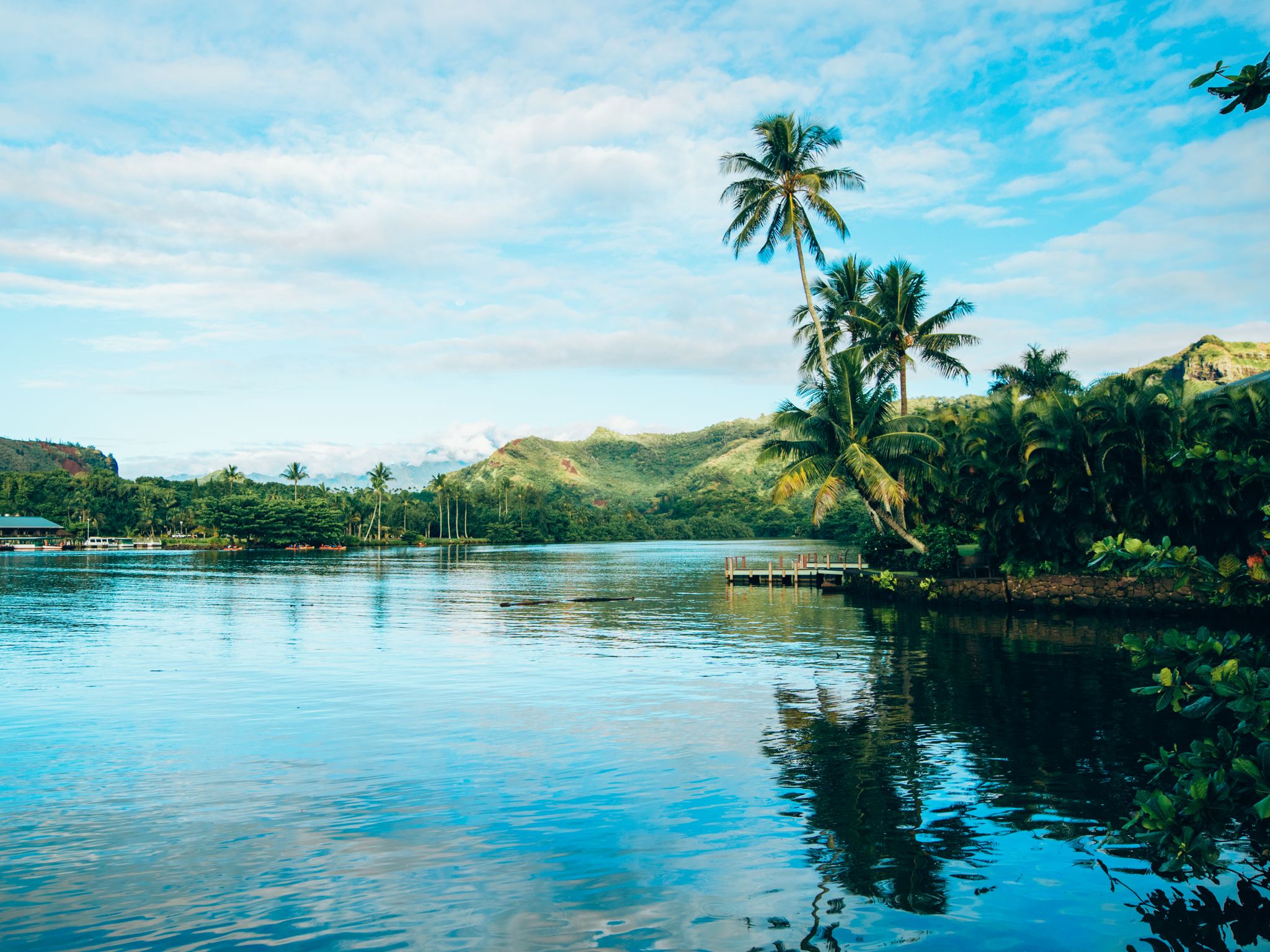
Pearls in the Pacific – exploring Hawaii's islands on foot
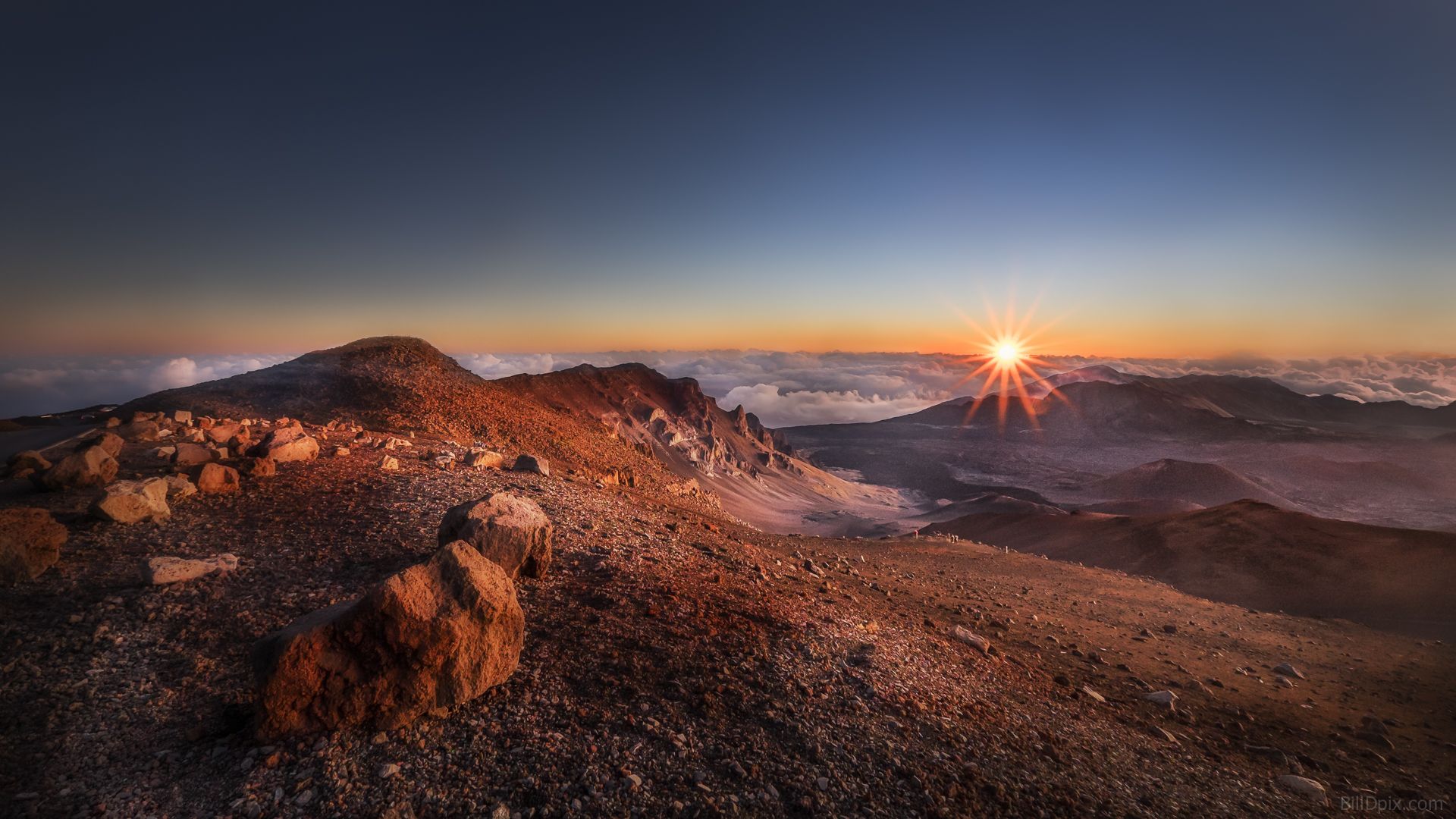
Explore Haleakala Volcano in Hawaii – 2 days between Mars and the Sun
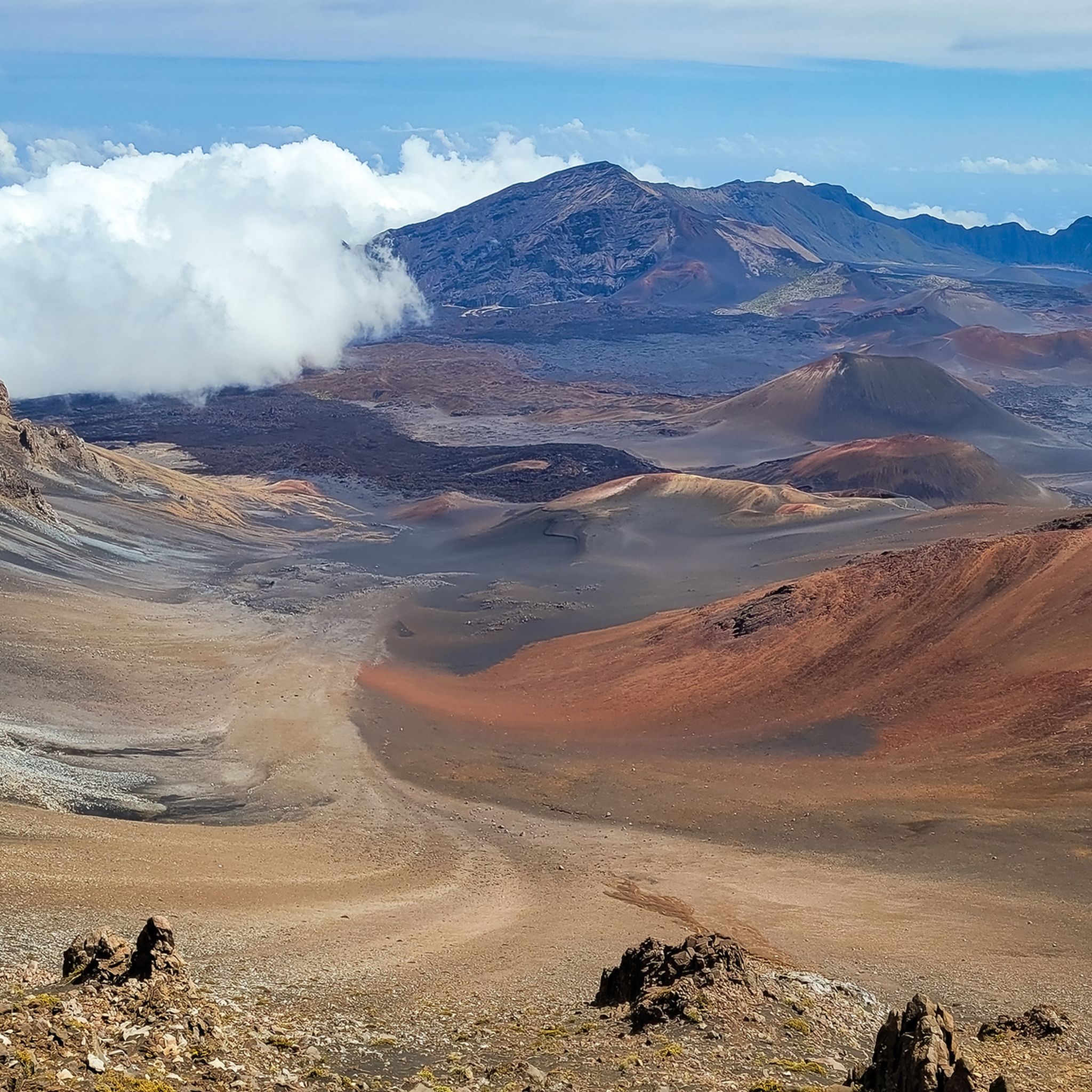
Hiking in Haleakala National Park
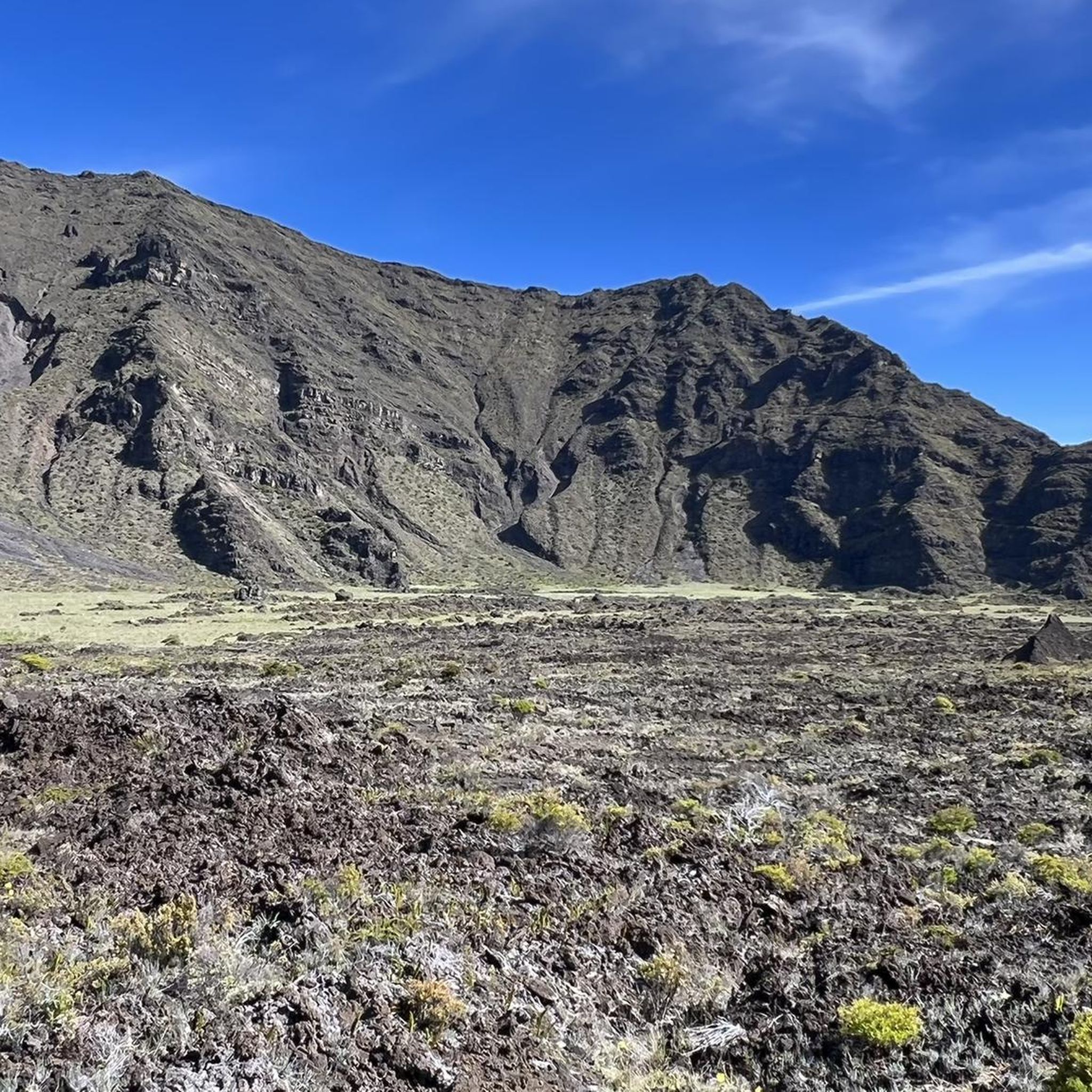
Cycling in Haleakala National Park
Running Trails in Haleakala National Park
Road Cycling Routes in Haleakala National Park
MTB Trails in Haleakala National Park


Tips from the Community

A remarkable natural spectacle, accessible via an easy hike, partly along wooden plank paths. Direct access is prohibited.
0
0

This is a wonderful drive on an excellent road up to 3060 m altitude. We drove partly through clouds and short before the summit it cleared up and we got awarded with an outstanding view around the island.
0
0

This majestic waterfall cascades down a sheer lava rock wall for 400 feet, creating a boulder-strewn pool at its base. It is one of the tallest waterfalls on Maui and boasts breathtaking views of the surrounding landscape. You will be greeted with mist, wind, and a vast jungle rock face that will leave a lasting impression. While you may be tempted to take a dip in the pool below, it's important to note that getting too close to the waterfall can be dangerous due to the risk of falling rocks from its 400-foot drop.
0
0
The Visitor Center is open daily, with outside accessible restrooms available 24 hours daily. Inside, there are panoramic orientation tables of the landscape and knowledgeable staff that can provide information on the history of Haleakalā, which means house of the sun, and its importance to the indigenous peoples. The view from here is stunning, and if you plan early, this is an excellent spot to watch the sunrise, which has been a visitor attraction since the late 1800s.
0
0

You will expend a lot of energy on the loose black sand towards the crater floor. Ok going down, but if you plan to go back up this way, it is taxing. Wear gaiters if available prevent sand and small rocks from getting into your shoes.
1
0

Breathtakingly beautiful! A must have
0
0

Wild boars and bamboo "knocking" in the wind...great!
4
0
Frequently Asked Questions
What unique geological features can I explore in Haleakala National Park?
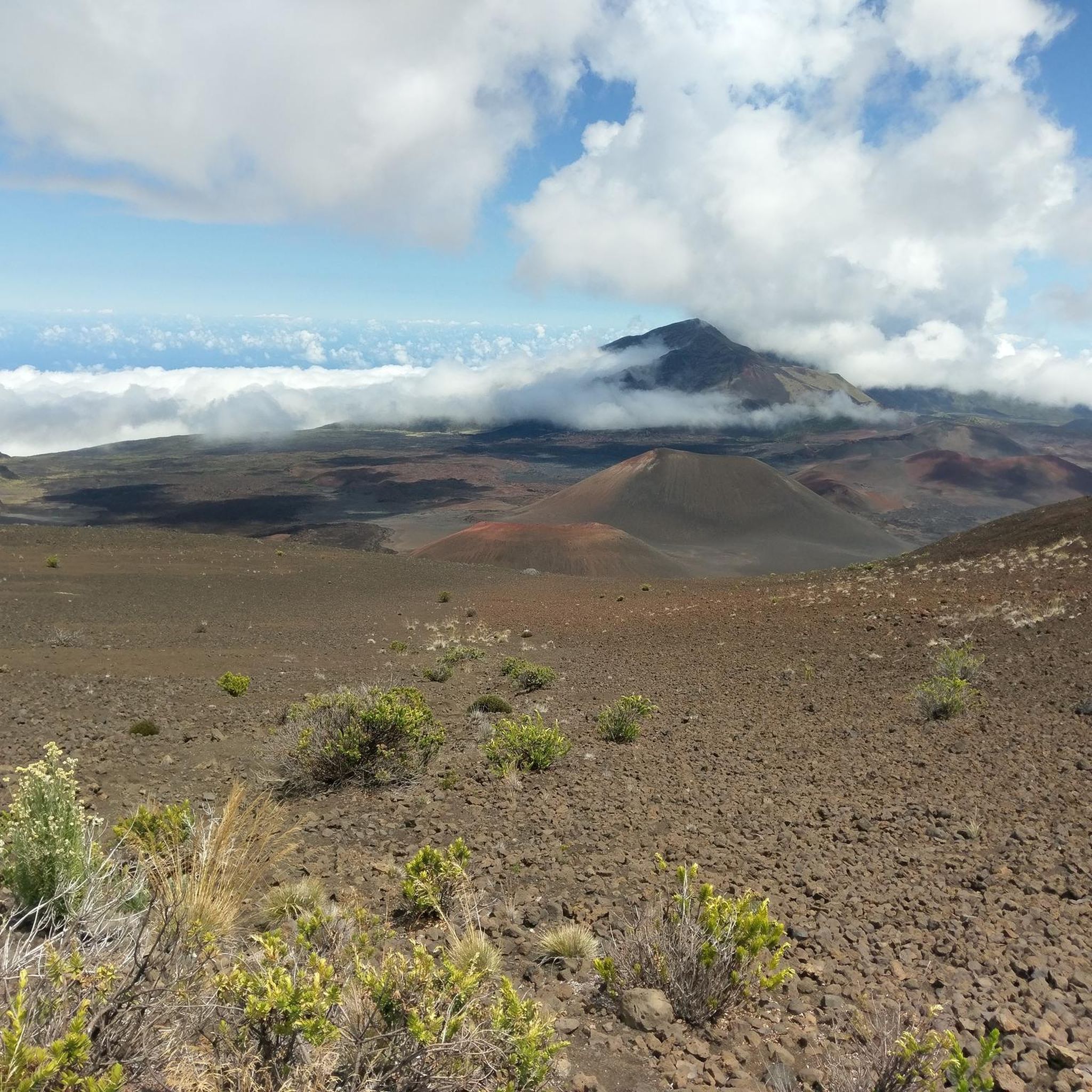
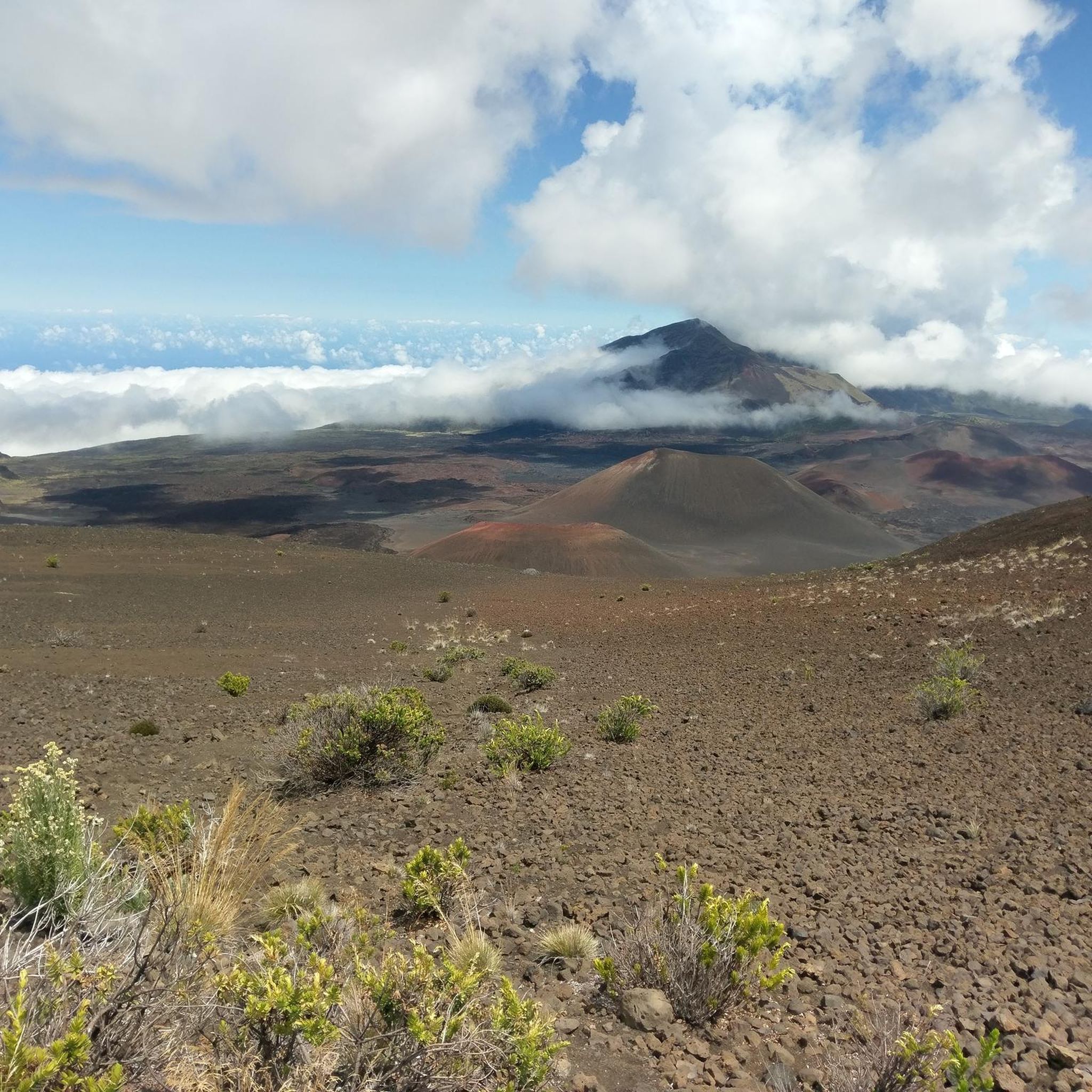
Haleakala National Park is home to a vast, 'Martian-like' erosional valley known as the Haleakala Crater, which is dotted with numerous rust-hued cinder cones. This dramatic landscape offers an immersive experience, especially along trails like the Keonehe‘ehe‘e Trail (Sliding Sands) Middle Segment, where you can witness a grandiose play of colors from different shades of sand within the crater.
What are some must-see natural monuments in the Kīpahulu District?
The Kīpahulu District, located on the southeastern side of Maui, offers lush rainforests and cascading waterfalls. A highlight is Waimoku Falls, a majestic 400-foot waterfall reached via the Pipiwai Trail through a beautiful bamboo forest. Another significant attraction in this district is the Pools of ʻOheʻo, also known as the Seven Sacred Pools, a series of freshwater pools fed by waterfalls where lava flows meet the sea.
What natural monuments offer the best views for sunrise or sunset?
The summit of Haleakala, particularly from the Summit Building or the Haleakalā Visitor Center, is world-famous for its breathtaking sunrises and sunsets above the clouds. These locations provide panoramic vistas, including views to the Big Island, making them popular spots for celestial observation.
Are there any rare plants or wildlife to look out for in the park?
Yes, Haleakala National Park is a crucial habitat for endangered species. Keep an eye out for the rare and endemic Haleakalā silversword (ʻāhinahina), an iconic plant found only in the alpine ecosystem of the crater. The park is also home to the Hawaiian goose (Nēnē), the state bird of Hawaii, which can sometimes be observed in their natural habitat within the crater.
Are there family-friendly natural monuments or activities in Haleakala National Park?
Many areas of the park are suitable for families. The Haleakalā Visitor Center is a great starting point, offering educational insights into the park's history and landscape. While some trails are challenging, the Pipiwai Trail leading to Waimoku Falls offers a scenic, moderate hike through a bamboo forest that can be enjoyed by families with older children. Always check trail difficulty and conditions before heading out.
What is the best time to visit Haleakala National Park's natural monuments?
The park offers unique experiences year-round. For sunrise viewing at the summit, early mornings are best, but reservations are required. The weather at the summit can be significantly colder than at sea level, so layering is essential regardless of the season. The Kīpahulu District, with its lush rainforests and waterfalls, is beautiful throughout the year, though rain is more common there.
Do I need permits or reservations to visit certain natural monuments?
Yes, reservations are required for sunrise viewing at the summit of Haleakala. This helps manage visitor numbers and protect the fragile ecosystem. For general park entry, a Hawaii Tri-Park Pass or other national park passes may be used. Always check the official park website for the most current reservation and entry requirements before your visit.
What should I wear when visiting the natural monuments, especially at higher elevations?
Due to the significant elevation changes, weather conditions can vary drastically. At the summit (over 10,000 feet), temperatures are always colder than at the base, often dropping below freezing, especially at sunrise. It's crucial to dress in layers, including warm jackets, hats, and gloves, even if it feels warm at sea level. Sturdy hiking shoes are recommended for trails.
What outdoor activities can I do near these natural monuments?
Beyond exploring the natural monuments themselves, Haleakala National Park and its surroundings offer various outdoor activities. You can find numerous cycling routes, including challenging road cycling ascents to the summit and mountain biking trails. For more details on routes like 'Haleakalā via the Park Headquarters Visitor Center' or 'Kahakapao Loop Trail', explore the komoot guides for Cycling in Haleakala National Park, Road Cycling Routes in Haleakala National Park, and MTB Trails in Haleakala National Park.
What do visitors enjoy most about the natural monuments in Haleakala National Park?
Visitors frequently praise the breathtaking views and the unique geological formations. The 'grandiose play of colors' within the crater, especially along the Sliding Sands Trail, is a common highlight. Many also cherish the experience of watching the sunrise above the clouds from the summit, describing it as a 'must-see' and a 'once in a lifetime' event. The serene beauty of the bamboo forests leading to Waimoku Falls also receives high acclaim.
Are there any specific trails that lead directly to notable natural monuments?
Yes, several trails provide direct access to key natural monuments. The Pipiwai Trail is a popular 4-mile round-trip hike that leads directly to Waimoku Falls, winding through dense bamboo forests. For those seeking to explore the crater's interior, the Keonehe‘ehe‘e Trail (Sliding Sands) allows visitors to descend deep into the crater, offering an immersive experience of its desert-like terrain and unique features like Split Rock.
Most popular routes in Haleakala National Park
Most popular attractions in Haleakala National Park

Get inspired with the komoot mobile app


Explore more
Extend your search for the best caves by checking out these guides of the top ones in Haleakala National Park:
