Top 6 Natural Monuments around Frontignan
Best natural monuments around Frontignan are found in a region situated between the Mediterranean Sea and the Gardiole hills. This area features a diverse landscape, including coastal strips, extensive wetlands, and scrubland environments. The natural setting provides habitats for various flora and fauna, reflecting a unique Mediterranean ecosystem. Frontignan's natural sites offer opportunities for outdoor activities and observation of its distinct geographical features.
Best natural monuments around Frontignan
- The most popular natural monuments is View of the Étangs and Coastline…
Last updated: June 20, 2026
Salines de Villeneuve Nature Reserve
Highlight (Segment) • Natural Monument
Translated by Google •
Tip by

Lake Cambelliès
Highlight • Lake
It is a lake surrounded by vegetation with small beaches of turquoise water and a view of the cliffs of the old quarry ...
Translated by Google •
Tip by

Sign up now to discover places like this
Get recommendations on the best single tracks, peaks, & plenty of other exciting outdoor places.
Sign up for free
Salins de Frontignan
Highlight (Segment) • Natural Monument
Translated by Google •
Tip by

View of the Étangs and Coastline from La Gardiole
Highlight • Viewpoint
Translated by Google •
Tip by

View of the Creux de Miège Gorge
Highlight • Gorge
Translated by Google •
Tip by

Sign up for free to discover even more natural monuments around Frontignan.
Sign up for free
Already have an account?
Start today with a free account
Your next adventure awaits.
Login or Signup
Popular around Frontignan
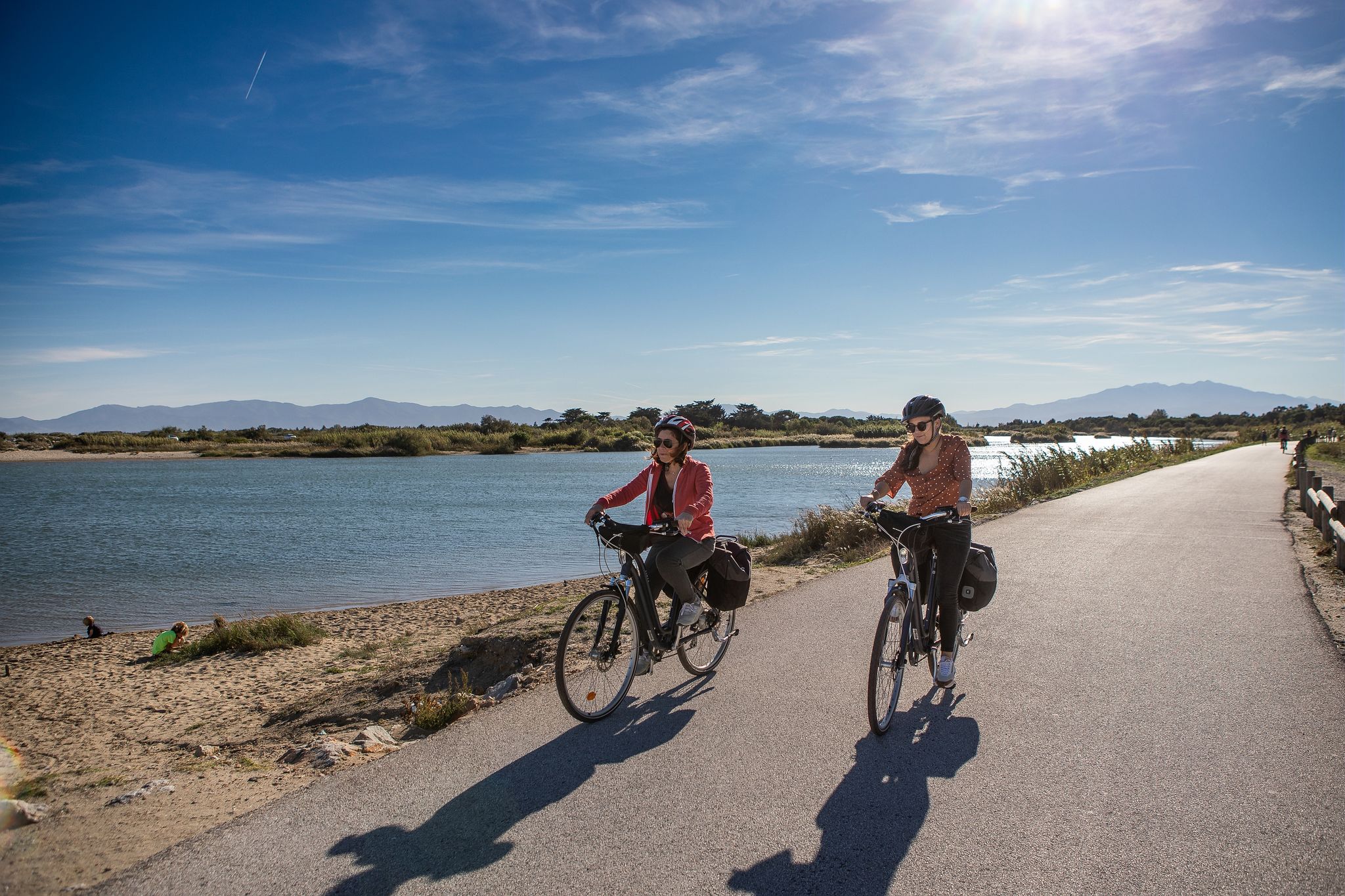
Méditerranée in Occitanie - Ten bike rides in the South of France
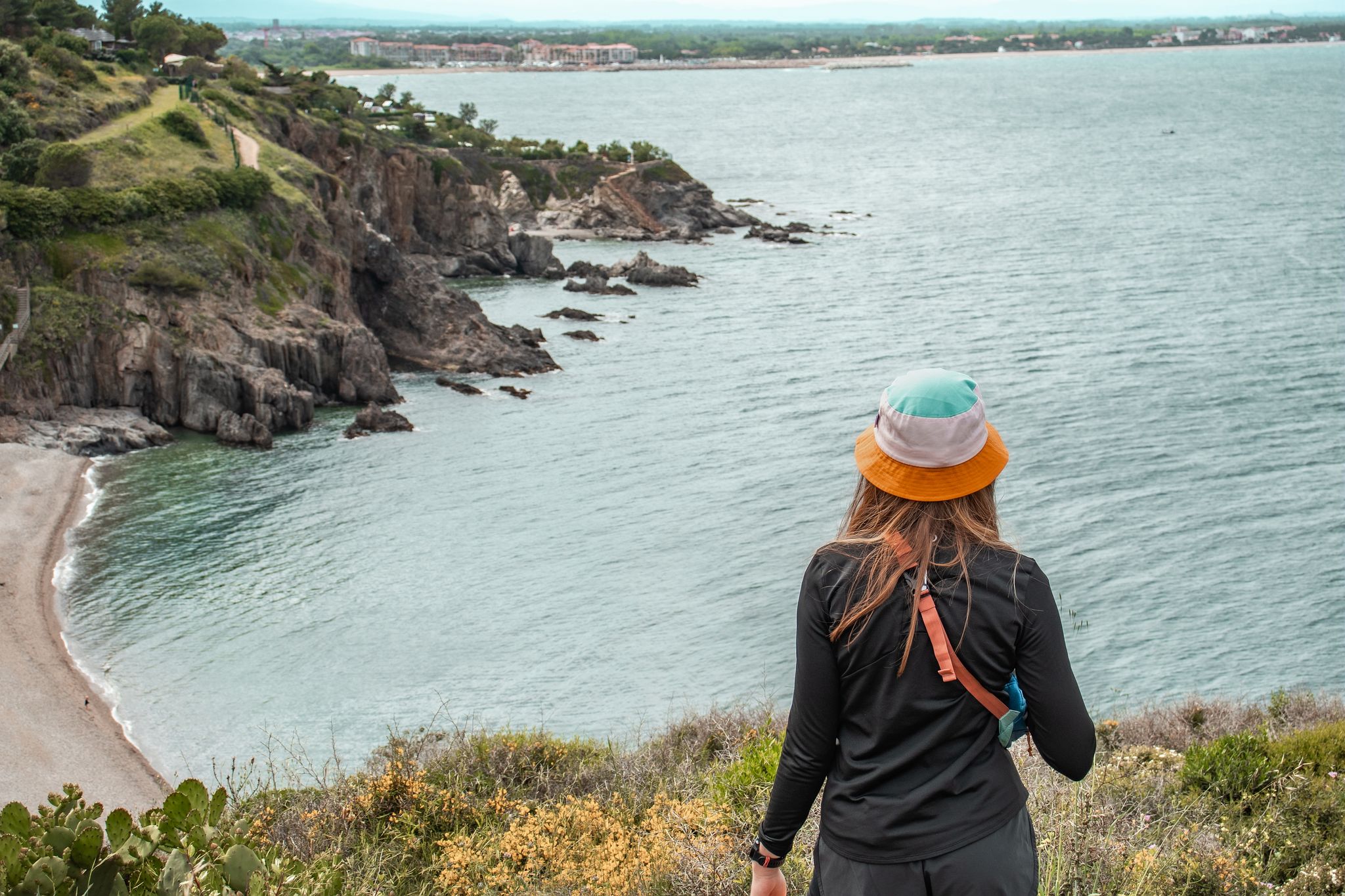
Côte Méditerranée – hiking in Occitania
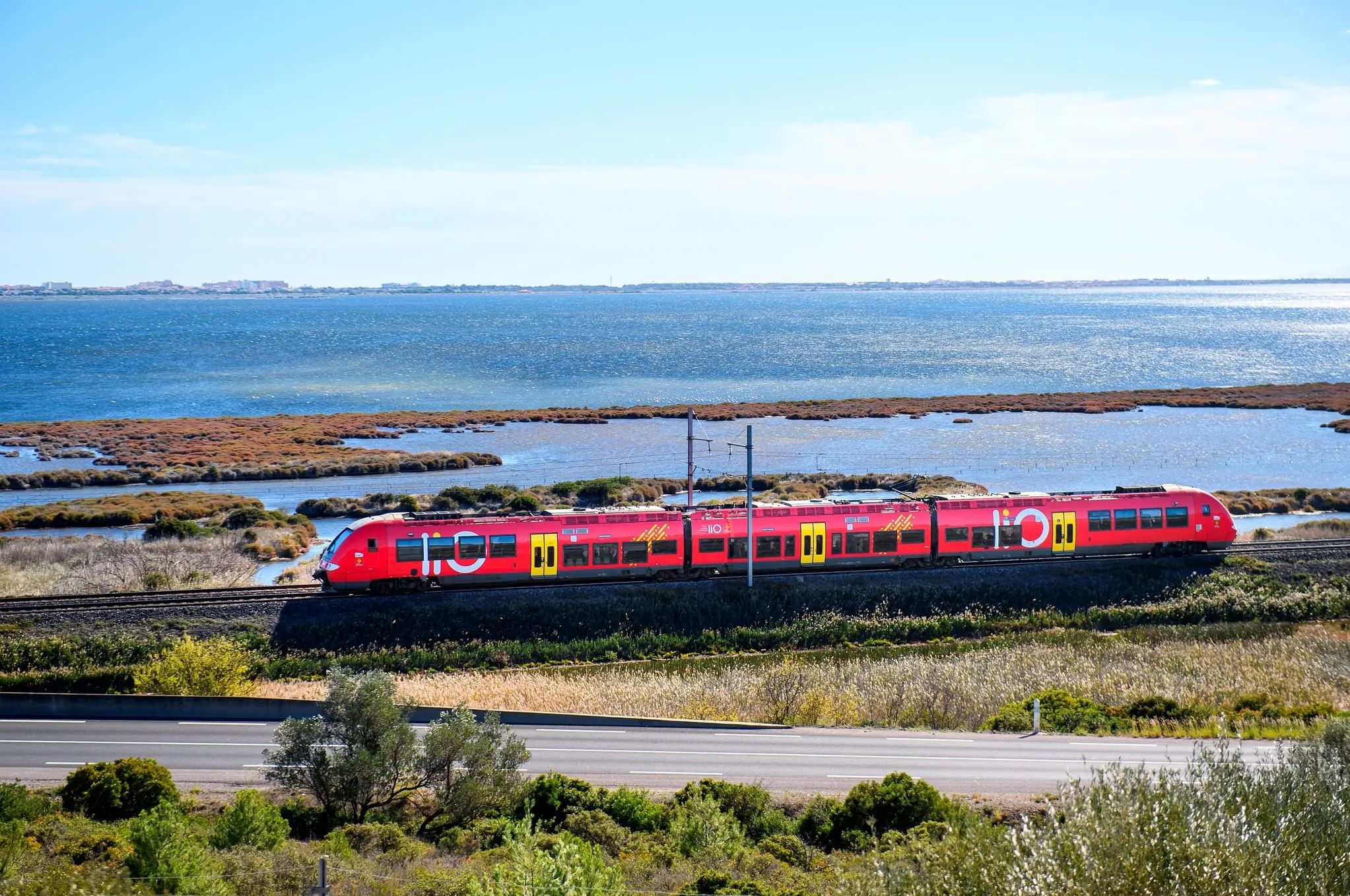
Occitanie Rail Tour – cycle and train along the Occitan Coast
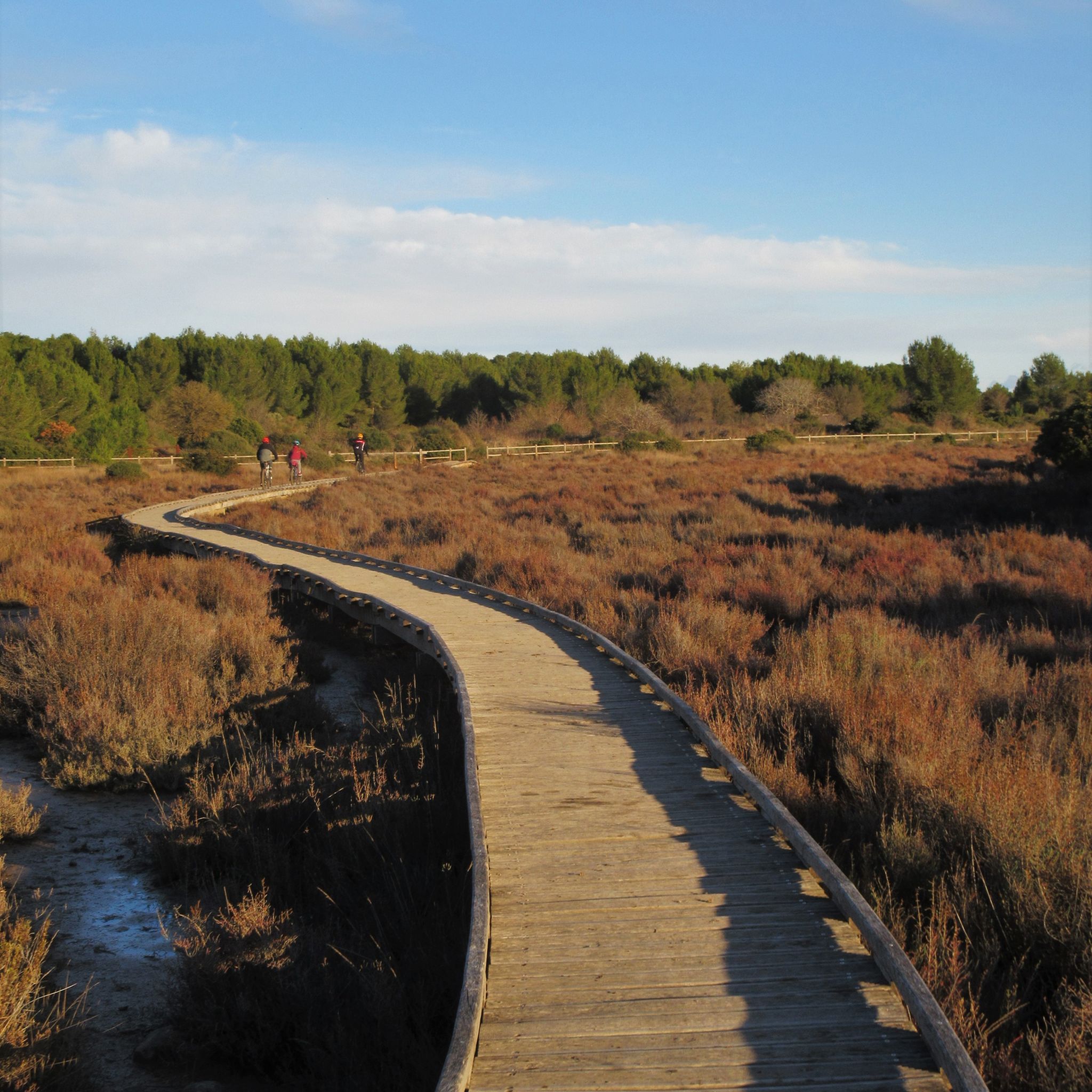
Cycling around Frontignan
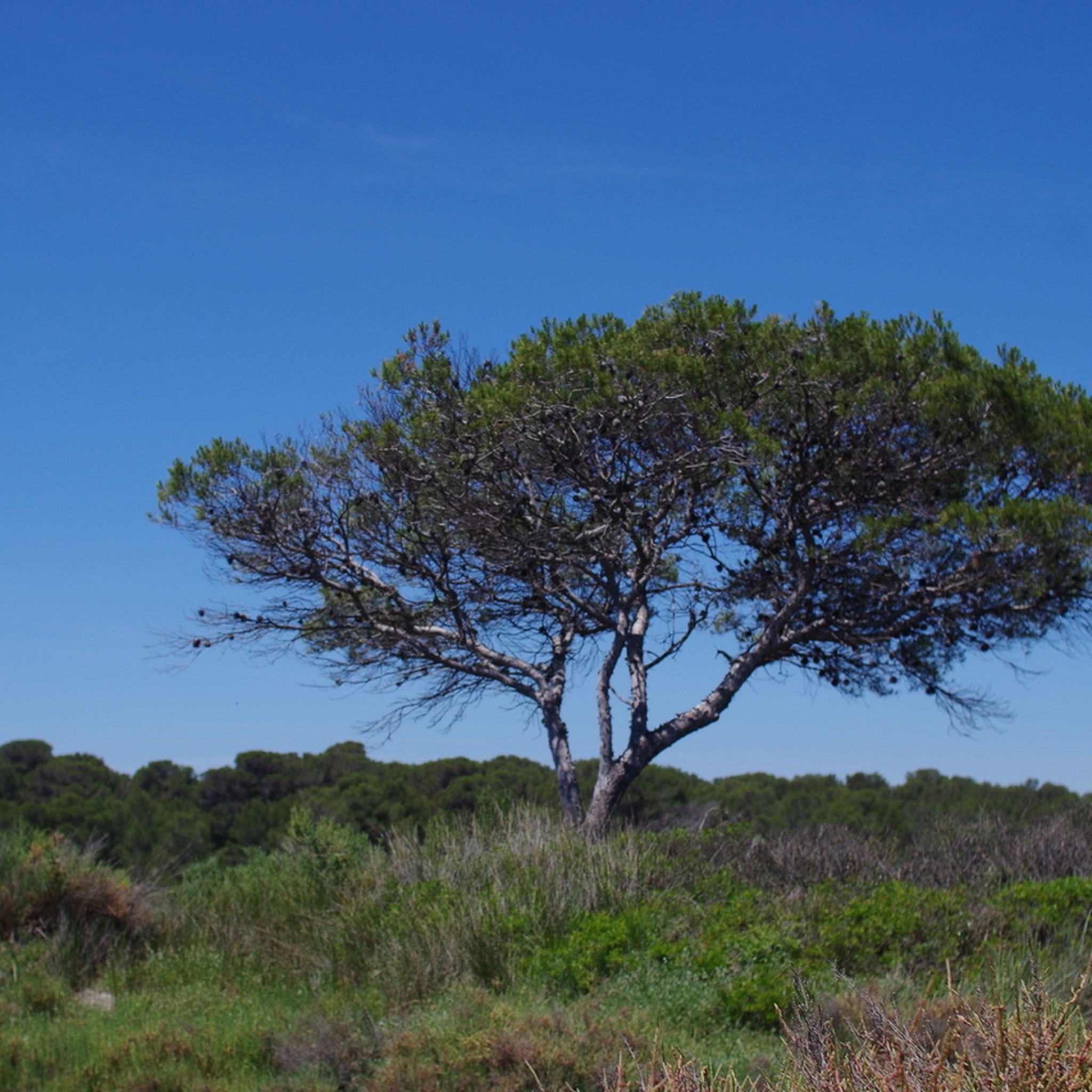
Hiking around Frontignan
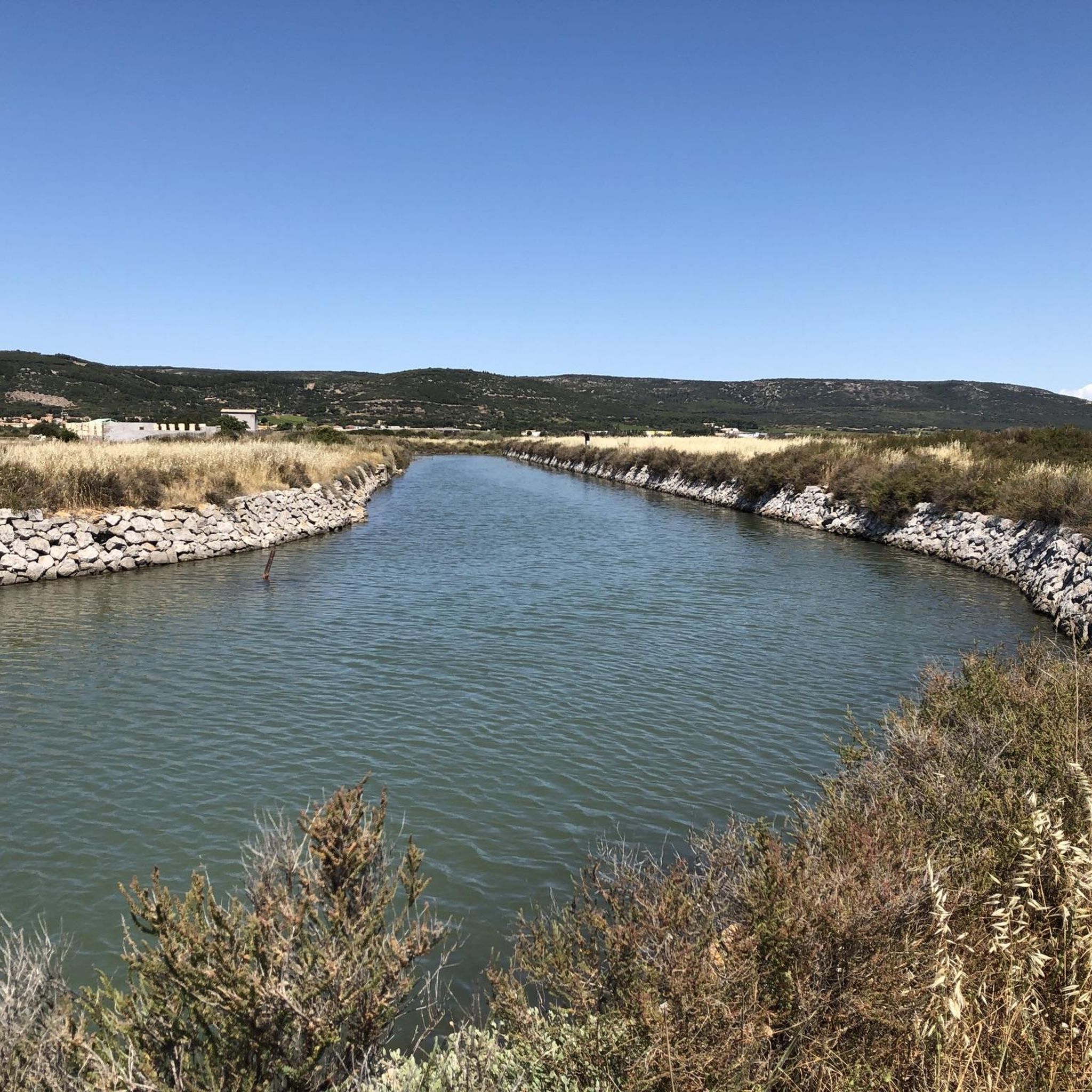
Road Cycling Routes around Frontignan
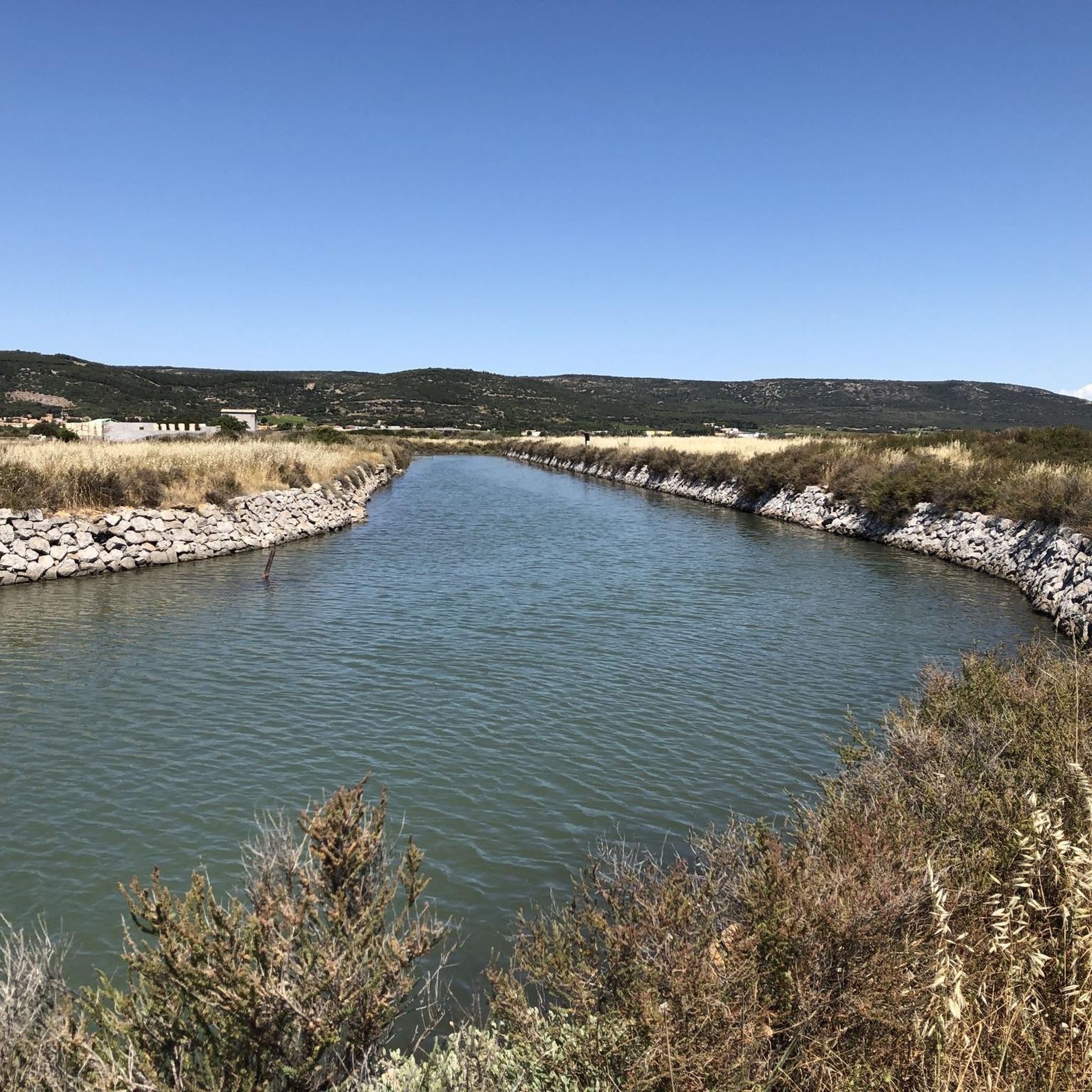
Running Trails around Frontignan
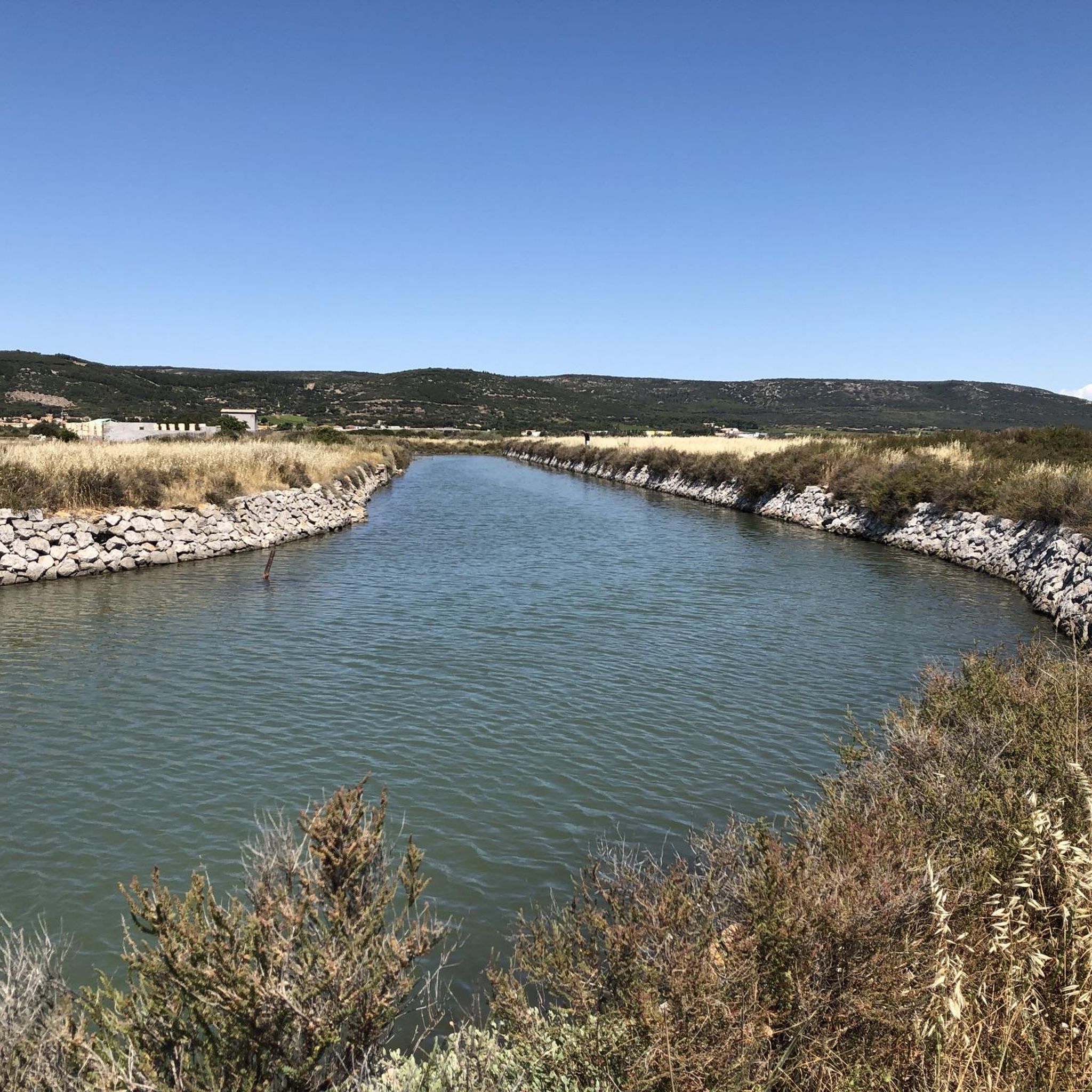
MTB Trails around Frontignan
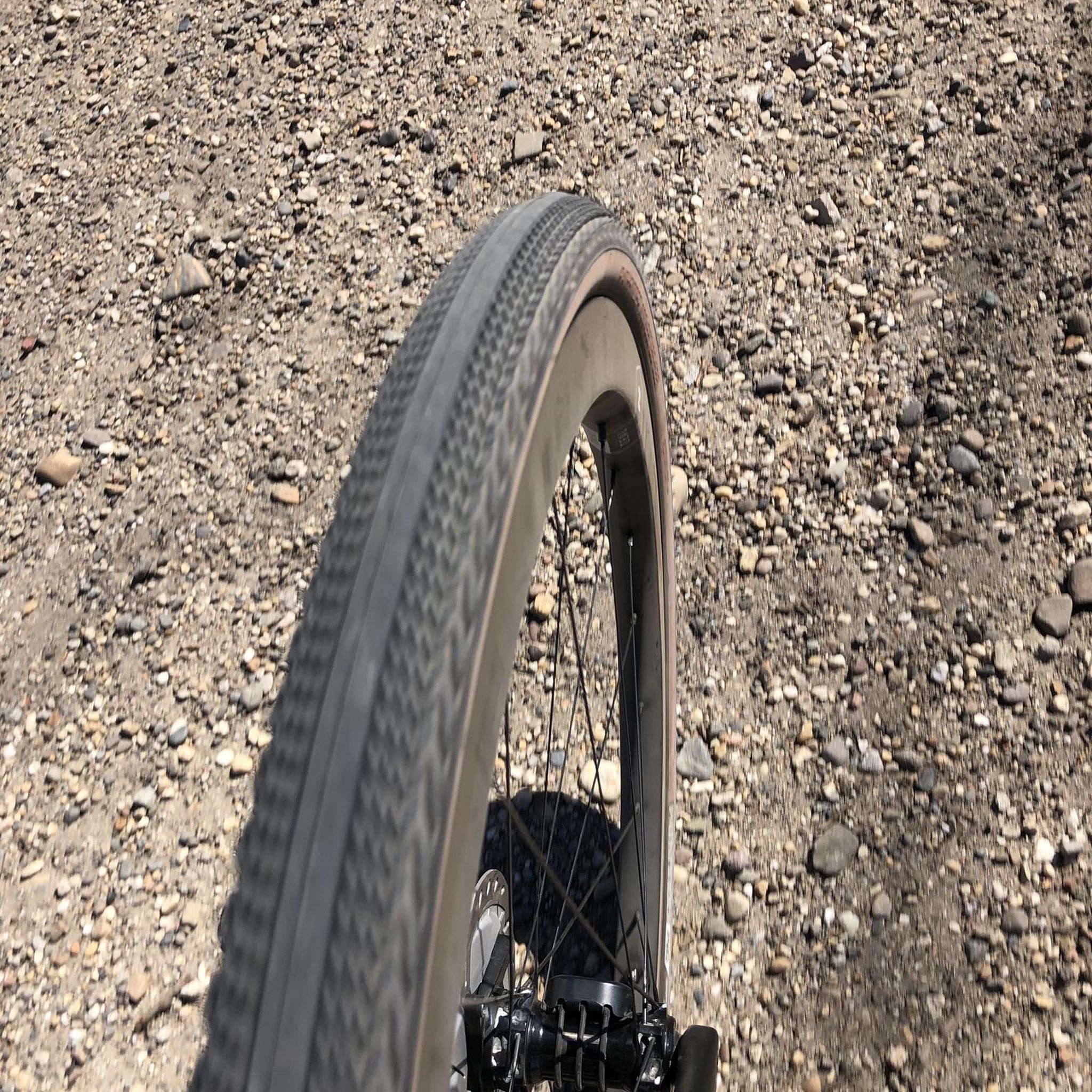
Gravel biking around Frontignan
Other adventures around Frontignan


Tips from the Community

breathtaking view, very smooth, beautiful loop circuit, very accessible from the many parking lots
0
0

A beautiful natural space
0
0

🌅 It's true that Les Salines de Villeneuve, near Montpellier, is a little natural gem. Between the pink hues of its salty waters and the flights of pink flamingos, it's a spectacle that borders on magical!
0
0

No access in all directions. Lake partially visible here and there. A few nice paths and trails in the area, but nothing else. Not really recommended.
1
0

Imposing gorge in the Creux de Miege natural reserve. Approximately 20-30m deep gorge with typical vegetation. Great views towards the sea. Nice short hike of 1.6km as a change from a beach holiday.
0
0

Certainly breathtaking views!
0
0

A magnificent view of the ponds and the coastline
0
0
Frequently Asked Questions
What unique natural monuments can I explore in Frontignan?
Frontignan offers a diverse range of natural monuments. You can explore the interconnected Salins de Frontignan and the surrounding ponds like Étang d'Ingril, Vic, and Pierre Blanche, which are significant for birdwatching. The Salines de Villeneuve Nature Reserve is another former salt pan now protected for its waterfowl. For a different landscape, the Bois des Aresquiers offers a unique waterfront forest ecosystem, and the Gardiole Massif provides rugged terrain with Mediterranean flora.
What kind of natural features can I expect to see in Frontignan?
You'll encounter a rich variety of natural features, including extensive wetlands and former salt pans that attract numerous bird species like flamingos and avocets. The region also boasts a 7 km long Lido with unspoiled beaches, and the Gardiole Massif, a 'green lung' with Mediterranean scrubland, Aleppo pines, and various oaks. You can also find unique geological formations like the Creux de Miège Gorge.
Are there any viewpoints offering panoramic views of the area?
Yes, the region is known for its stunning vistas. The View of the Étangs and Coastline from La Gardiole is a popular spot offering extensive panoramic views of the surrounding ponds and the Mediterranean coastline, stretching from Sète to Port Camargue. The Gardiole Massif itself provides numerous elevated points with breathtaking views.
What outdoor activities can I do near Frontignan's natural monuments?
The natural monuments around Frontignan are ideal for various outdoor activities. You can enjoy hiking, cycling, and mountain biking through diverse landscapes. Birdwatching is popular in the salt pans and ponds, while the Lido offers opportunities for sunbathing, swimming, and water sports. For specific routes, explore the hiking trails around Frontignan or the gravel biking routes.
Are there specific hiking trails to explore the natural monuments?
Absolutely. The 'Les Aresquiers' hike is a notable 9 km (3-hour) trail that starts from the Bois des Aresquiers and allows you to explore the former salt pans and ponds. The Bois des Aresquiers also has walking paths revealing the unique ecosystem. The Gardiole Massif features numerous hiking trails with varying difficulties, offering views of the coastline and the natural reserves. You can find more details on hiking around Frontignan.
Are Frontignan's natural monuments suitable for families?
Many natural monuments in Frontignan are family-friendly. The Lido offers extensive beaches for relaxation and water activities. The Bois des Aresquiers provides easy walking paths in a tranquil forest setting. The View of the Creux de Miège Gorge is also listed as family-friendly, offering a short, scenic hike. The former salt pans are great for observing wildlife, which can be an engaging activity for children.
Can I bring my dog to the natural monuments?
While specific regulations can vary, many natural areas in Frontignan, such as the Bois des Aresquiers and parts of the Gardiole Massif, are generally welcoming to dogs, often requiring them to be on a leash. It's always advisable to check local signage or specific park rules before visiting, especially in protected nature reserves like the Salines de Villeneuve, where wildlife protection is paramount.
When is the best time to visit Frontignan's natural monuments?
The spring and autumn months are generally ideal for visiting Frontignan's natural monuments. The weather is pleasant for hiking and cycling, and the wildlife, especially birds in the wetlands, is very active. Summer can be hot, but it's perfect for beach activities at the Lido. Winter offers a quieter experience, though some paths might be muddy after rain, particularly in areas like the Salins de Frontignan.
What kind of flora and fauna can I observe in these natural areas?
The region is rich in biodiversity. The former salt pans and ponds are a haven for over 130 bird species, including avocets, plovers, terns, and pink flamingos. You might also spot Camargue horses in areas like the Bois des Aresquiers. The flora includes more than 300 plant species, such as sea lavender and orchids in the wetlands, and Mediterranean varieties like Aleppo pines, green and kermes oaks, cedars, and myrtles in the Gardiole Massif.
Are there any historical elements to discover within Frontignan's natural monuments?
Yes, the natural monuments also hold historical significance. The former salt pans, such as the Salines de Villeneuve Nature Reserve and Salins de Frontignan, reflect centuries of salt exploitation, with operations ceasing in the mid-20th century. In the Gardiole Massif, you can find ancient dry stone shepherd shelters, known as 'capitelles,' which are remnants of the area's agricultural and pastoral past.
What is the Lido in Frontignan, and what does it offer?
The Lido is a sublime 7-kilometer strip of land that separates the Mediterranean Sea from the ponds, stretching from the Entrée district to the wild beaches of Les Aresquiers. It's easily accessible by bike from the town center and offers extensive natural, unspoiled beaches ideal for sunbathing, swimming, and various water sports. It also provides a scenic route for cycling and walking with views of both the sea and the lagoons.
Where can I find a lake with unique features in the Frontignan area?
You can visit Lake Cambelliès, located near the town of Loupian. This lake is surrounded by vegetation and is notable for its small beaches with turquoise water, offering a unique landscape with views of nearby cliffs. It provides a distinct natural setting different from the coastal and wetland environments.
Most popular routes around Frontignan
Most popular attractions around Frontignan

Get inspired with the komoot mobile app


Explore more
Extend your search for the best caves by checking out these guides of the top ones around Frontignan:
