The best cycling routes around Frontignan
4.1
(765)
4,905
riders
51
rides
Touring cycling around Frontignan offers diverse landscapes, situated between the Mediterranean Sea, extensive saltwater lagoons, and the Gardiole massif. The region features 7 miles (11 km) of natural beaches, former salt marshes, and protected nature reserves like the Bois des Aresquiers. Cyclists can explore coastal paths, routes through vineyards, and trails across the Gardiole hills, which are characterized by garrigue and Aleppo pine trees. This geographical position provides a variety of scenic routes for different preferences.
Best touring cycling routes…
Last updated: October 15, 2026
4.3
(70)
396
riders
47.4km
02:53
80m
80m
Moderate bike ride. Good fitness required. Mostly paved surfaces. Suitable for all skill levels.
4.4
(168)
888
riders
55.7km
03:15
140m
140m
Moderate bike ride. Good fitness required. Mostly paved surfaces. Suitable for all skill levels.

4.5
(42)
357
riders
50.2km
03:05
110m
110m
Moderate bike ride. Good fitness required. Mostly paved surfaces. Suitable for all skill levels.
4.4
(32)
205
riders
20.1km
01:10
40m
40m
Easy bike ride. Great for any fitness level. Mostly paved surfaces. Suitable for all skill levels.
4.1
(36)
220
riders
35.5km
02:00
70m
70m
Easy bike ride. Great for any fitness level. Mostly paved surfaces. Suitable for all skill levels.
Get access to more routes and recommendations from other explorers.
Already have an account?
Our route recommendations are based on thousands of hikes, rides, and runs completed by other people on komoot.
Start today with a free account
Your next adventure awaits.
Popular around Frontignan
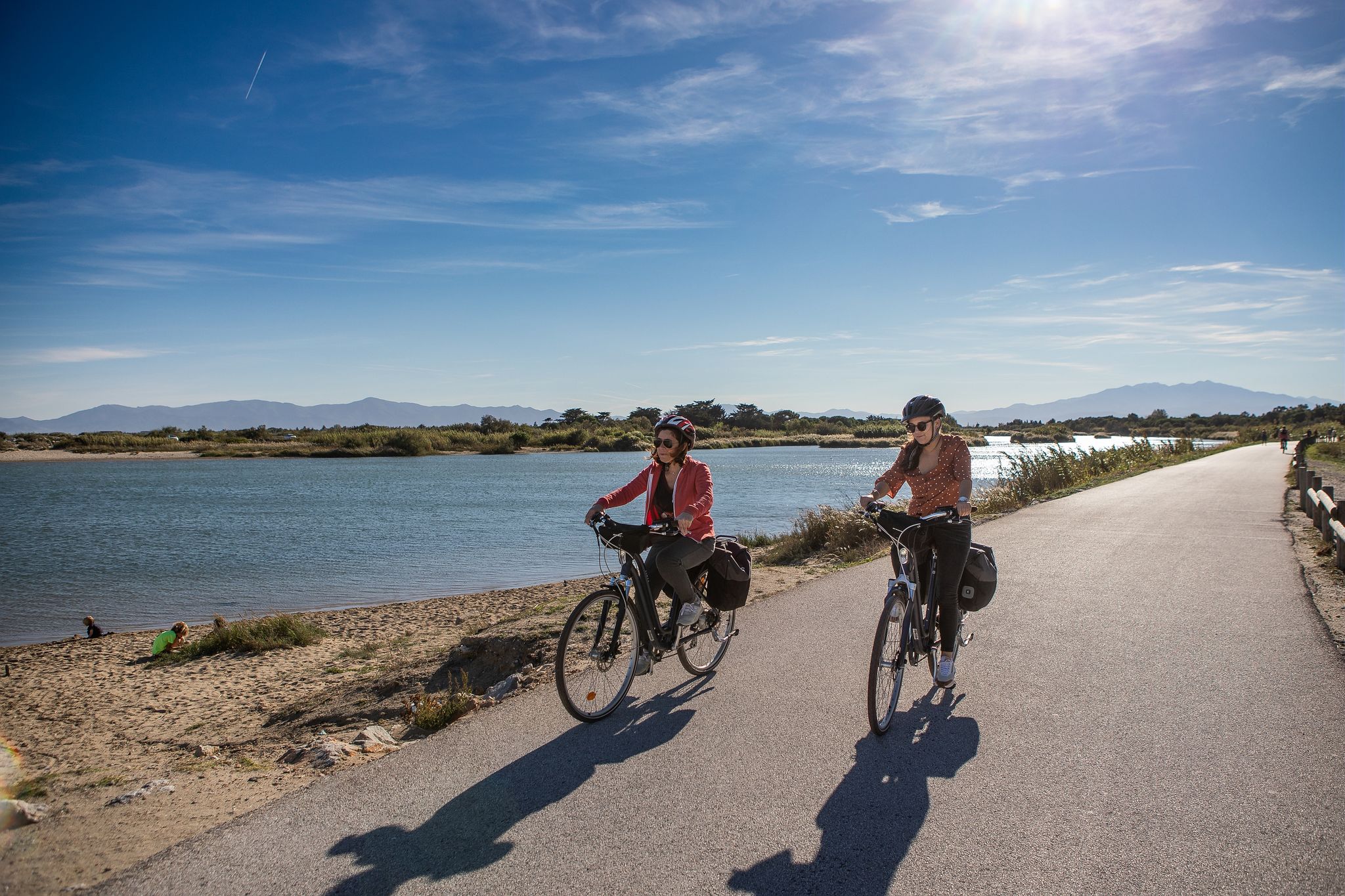
Méditerranée in Occitanie - Ten bike rides in the South of France
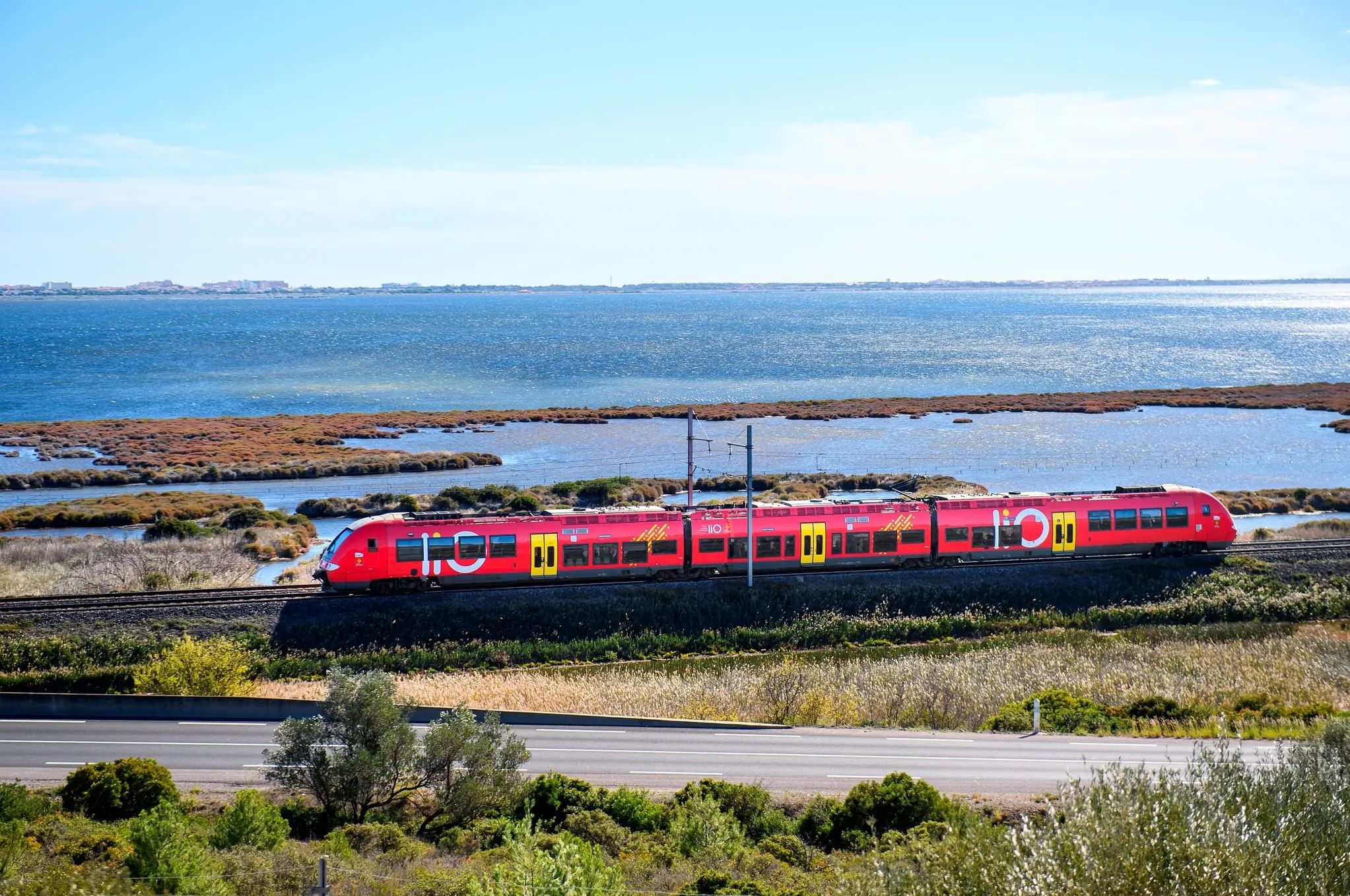
Occitanie Rail Tour – cycle and train along the Occitan Coast
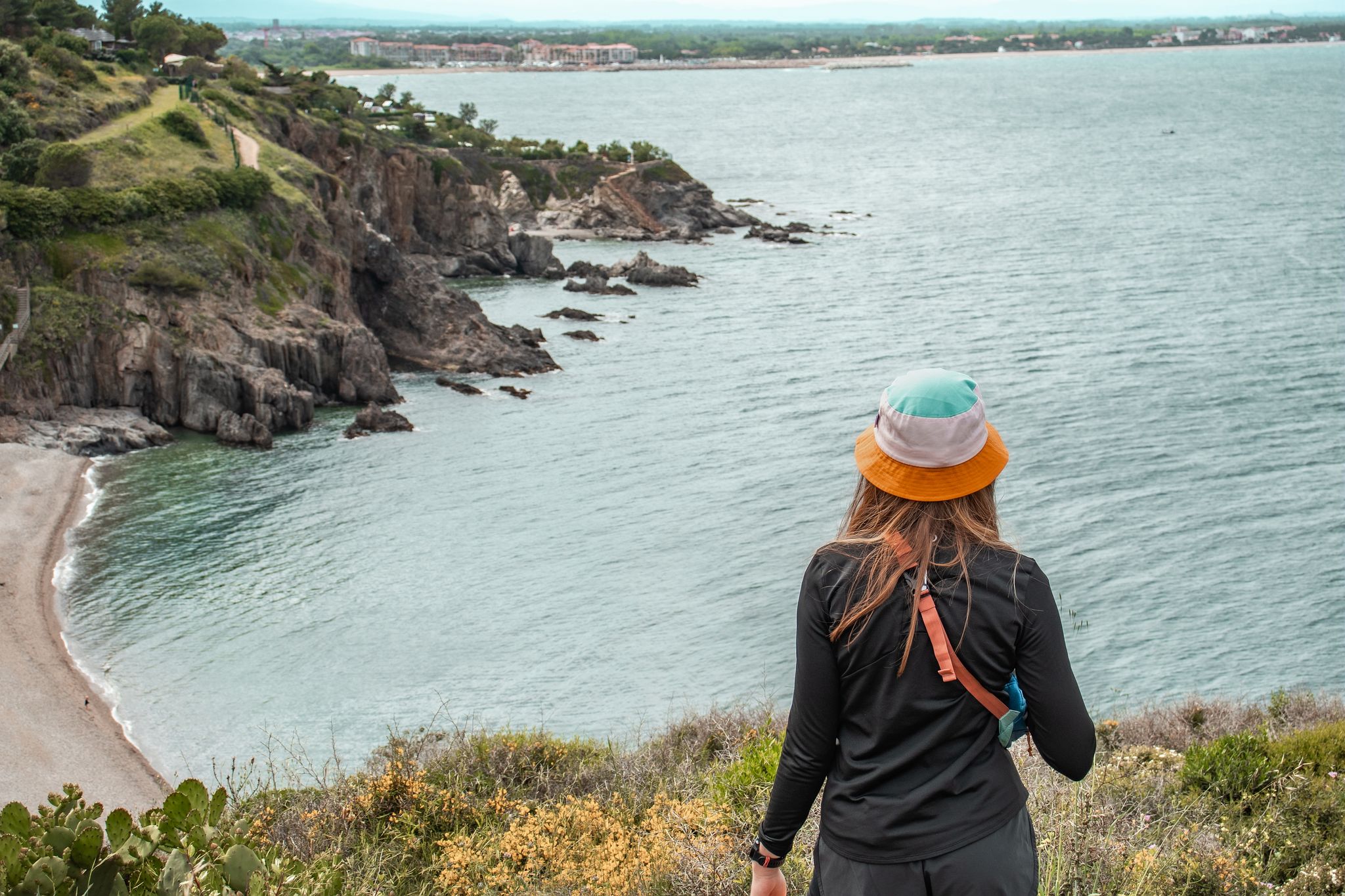
Côte Méditerranée – hiking in Occitania
Hiking around Frontignan
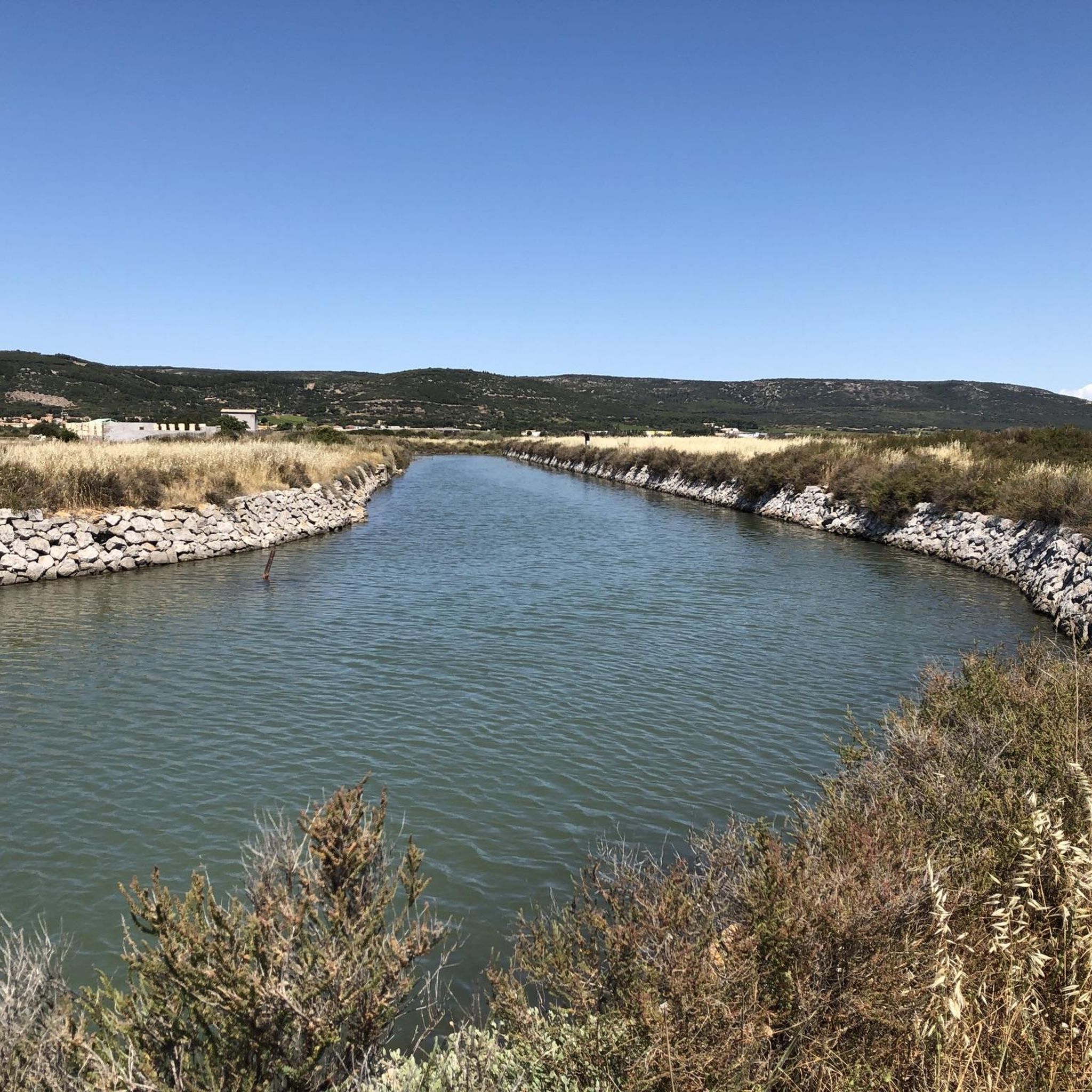
Road Cycling Routes around Frontignan
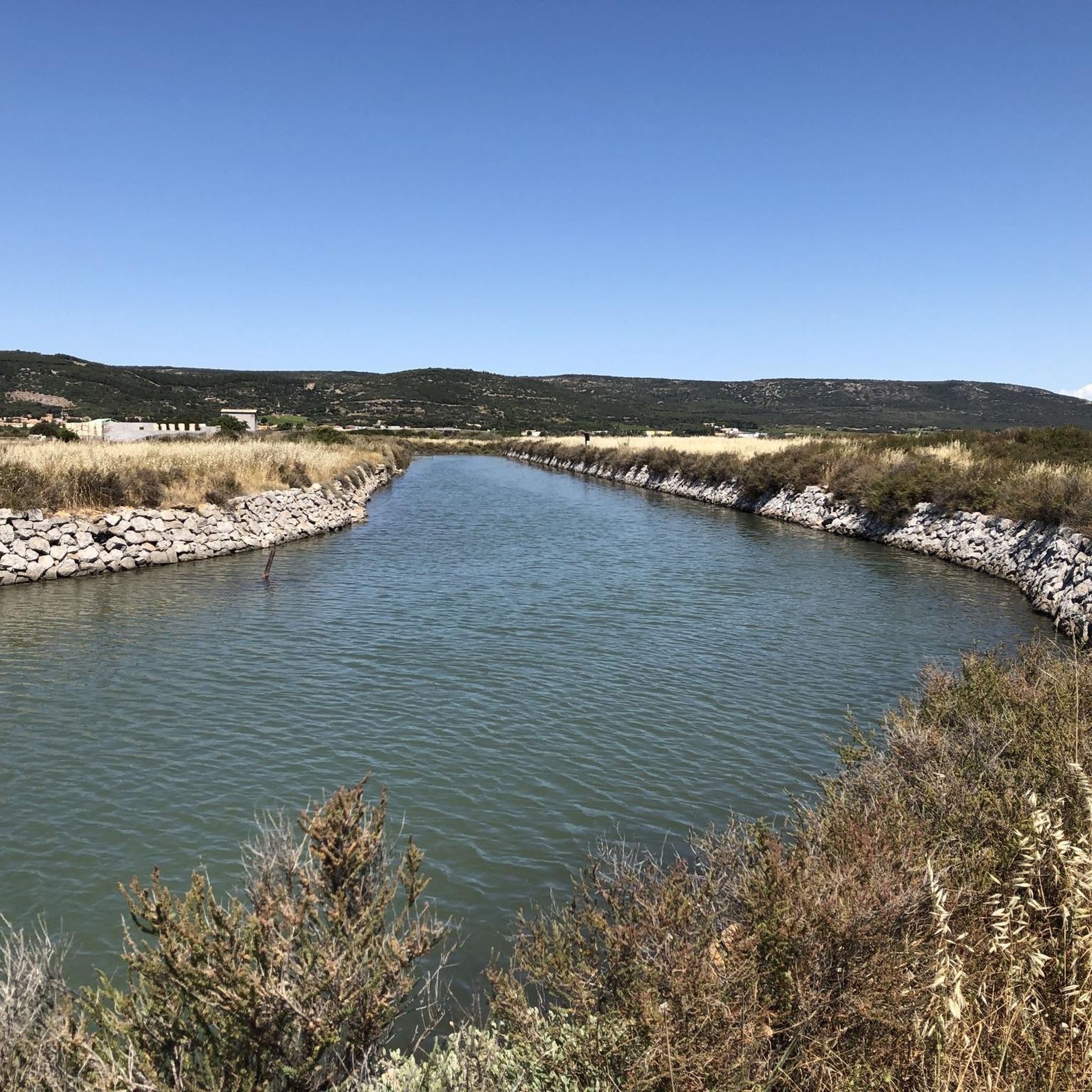
Running Trails around Frontignan
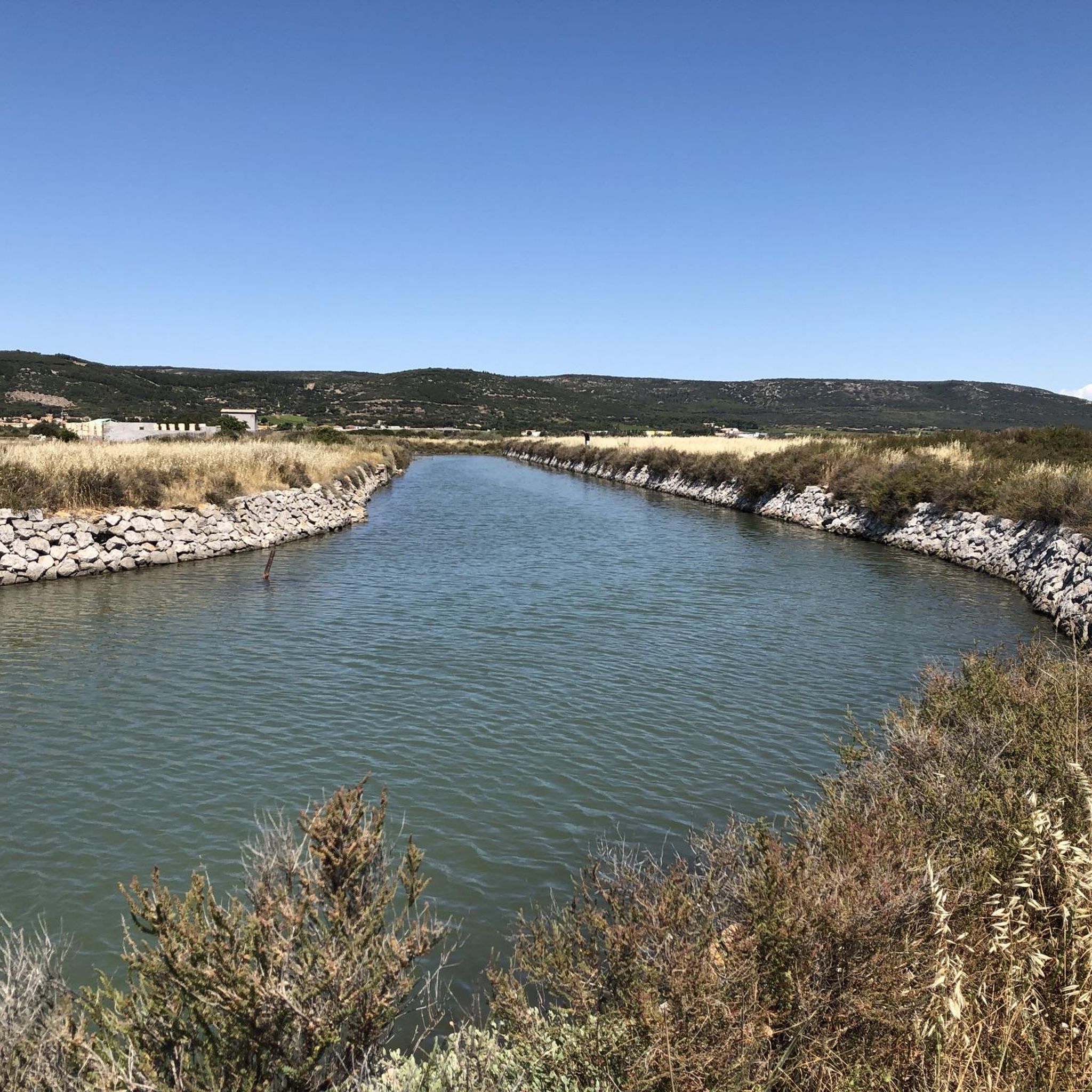
MTB Trails around Frontignan
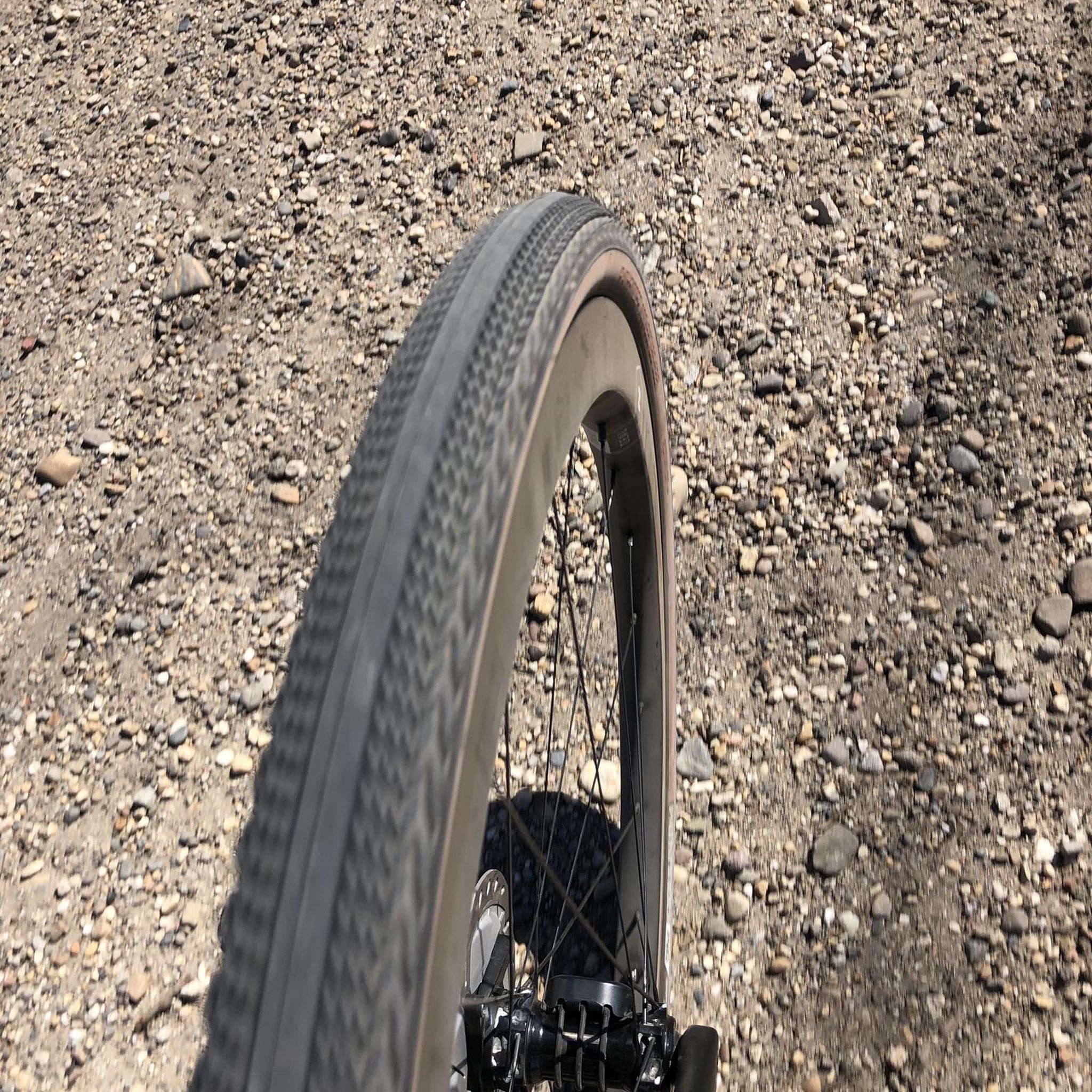
Gravel biking around Frontignan
Other adventures around Frontignan


Tips from the Community

And this time we are not driving through, but staying overnight in this attractive town at the Georges Hostel. The beautiful square with the music pavilion is totally "modernized" and sealed, all the old trees are gone and replaced by young ones. Presumably because there is now an underground car park underneath. Simply a shame and, given the heavy rainfall, certainly also unwise. In 2024 it was still much nicer.
0
0

This monumental gate marks the entrance to the Maguelone estate, between the Rhône à Sète canal and the coastal ponds. Officially named "Portail de Maguelone", this monument is also commonly called "La Porte de Maguelone". Despite its appearance as an ancient gate, it is a 20th-century construction, erected following the conflict that opposed at the beginning of the century the owner of the estate, Frédéric Fabrège, to the municipality of Villeneuve-lès-Maguelone concerning a path giving access to the beach and the existence of a servitude right.
2
0
From Frontignan to Palavas-les-Flots, the route follows the Canal du Rhône à Sète through one of the major lagoon areas of the Languedoc coast. After the Étang d'Ingril and the Aresquiers, the canal successively crosses or runs alongside the Étangs de Vic and de Pierre-Blanche, then passes between those of Arnel and Prévost before reaching Palavas. The canal itself is a major historical element of this landscape. Its construction began in 1701 under the name Canal des Étangs, to ensure continuity between the Royal Canal of Languedoc — today the Canal du Midi — and the Rhône. The route, completed in 1829, passes through Frontignan, Maguelone, and Palavas before reaching Aigues-Mortes and then Beaucaire. In Frontignan, its opening in the 18th century profoundly modified the landscape: the canal notably separated the former Étang de Frontignan into two parts, giving rise to the Étang d'Ingril and that of La Peyrade.
2
0
From Frontignan to Palavas-les-Flots, the route follows the Canal du Rhône à Sète through one of the major lagoon complexes on the Languedoc coast. After the Étang d'Ingril and Les Aresquiers, the canal successively crosses or runs alongside the Étangs de Vic and Pierre-Blanche, then passes between those of Arnel and Prévost before reaching Palavas. The canal itself is a major historical element of this landscape. Its construction began in 1701 under the name Canal des Étangs, in order to ensure continuity between the Canal Royal du Languedoc – today the Canal du Midi – and the Rhône. The route, completed in 1829, passes through Frontignan, Maguelone, and Palavas before joining Aigues-Mortes and then Beaucaire. In Frontignan, its opening in the 18th century profoundly modified the landscape: the canal notably separated the former Étang de Frontignan into two parts, giving rise to the Étang d'Ingril and that of La Peyrade.
2
0
From Frontignan to Palavas-les-Flots, the route follows the Canal du Rhône à Sète through one of the large lagoon complexes on the Languedoc coast. After the Étang d'Ingril and the Aresquiers, the canal successively crosses or runs alongside the Étangs de Vic and de Pierre-Blanche, then passes between those of l'Arnel and du Prévost before reaching Palavas. The canal itself is a major historical element of this landscape. Its construction began in 1701 under the name Canal des Étangs, in order to ensure continuity between the Royal Canal of Languedoc – today the Canal du Midi – and the Rhône. The route, completed in 1829, passes through Frontignan, Maguelone and Palavas before joining Aigues-Mortes and then Beaucaire. In Frontignan, its opening in the 18th century profoundly modified the landscape: the canal notably separated the former Étang de Frontignan into two complexes, giving rise to the Étang d'Ingril and that of La Peyrade.
2
0
Here, the stony path follows the Rhône canal in Sète to Les Aresquiers. This canal directly crosses the Étang d’Ingril and forms a long, straight cut within the lagoon. The pond is thus separated into two parts, while remaining in communication with the canal through several passages. This waterway resulted from the digging of the Canal des Étangs, which began in the early 18th century to connect Sète to the Rhône; the Frontignan section then became a major element of communication and goods transport. The canal has progressively transformed the organisation of this lagoon landscape, which was once much more continuous.
2
0
At the entrance to the Bois des Aresquiers, a path begins that crosses a particularly original landscape of the Languedoc coast. Between the ponds of Vic and d’Ingril, the pine forest is interspersed between the lagoons and the salty environments, a proximity to the coast that makes this Mediterranean woodland rare. The site, protected by the Conservatoire du littoral since 1980, is home to remarkable flora: about fifteen rare or threatened species have been recorded there. Among them are Bupleurum glaucum, a protected species discovered on the site, and Ophrys des Corbières, an endemic Mediterranean orchid.
2
0
From the greenway, the panorama opens onto the Étang de Vic. This vast coastal lagoon of over 1,000 hectares stretches between the Gardiole massif and the Aresquiers lido. Protected within the Natura 2000 site of the Palavasian ponds and recognized as a wetland of international importance under the Ramsar convention, the pond forms a vast landscape of lagoon, salt marshes, and wetlands here. This opening allows its full extent to be appreciated from the surroundings of Vic-la-Gardiole.
2
0
Frequently Asked Questions
How many touring cycling routes are available around Frontignan?
Frontignan offers a wide selection of touring cycling routes, with over 45 options available. These routes cater to various preferences, from easy coastal paths to more challenging trails through the Gardiole massif.
Are there easy touring cycling routes suitable for beginners or families in Frontignan?
Yes, Frontignan has numerous easy touring cycling routes, with over 20 options perfect for beginners or families. For instance, the Vic Pond – Sète Canal loop from Frontignan is an easy 22.1-mile (35.6 km) trail that takes about 2 hours to complete, offering a pleasant ride through the unique ecosystem of the Étang de Vic. Another gentle option is the View of Frontignan Marina – Frontignan Canal loop from 95, a shorter 9.1-mile (14.7 km) route.
What kind of landscapes can I expect to see while touring cycling in Frontignan?
Touring cycling in Frontignan offers incredibly diverse landscapes. You'll encounter routes along the Mediterranean Sea, through extensive saltwater lagoons like the Étang d'Ingril and Étang de Vic, and across the hills of the Gardiole massif. Expect to see natural beaches, former salt marshes, vineyards, and garrigue dotted with Aleppo pine trees.
Are there any circular touring cycling routes in Frontignan?
Yes, Frontignan features several excellent circular routes. The Porte de Maguelone – Wetland loop from Frontignan is a moderate 34.4-mile (55.4 km) path that takes you through significant wetland areas. Another popular loop is the Vic Pond – Sète Canal loop from Frontignan, which explores the unique pond ecosystem.
What natural attractions or wildlife can I observe along the touring cycling routes?
The region is rich in natural beauty and wildlife. You can explore the former salt marshes, known as Les Salins de Frontignan, and the protected Bois des Aresquiers nature reserve. The saltwater ponds, such as Étang d'Ingril and Étang de Vic, are part of a Natura 2000 zone, where you might spot flamingos, herons, and other aquatic birds. The Bois des Aresquiers is also home to diverse flora and fauna, including Camargue horses.
What do other touring cyclists enjoy most about cycling in Frontignan?
The touring cycling routes in Frontignan are highly rated by the komoot community, with an average score of 4.4 stars from over 400 reviews. Reviewers often praise the varied terrain, from coastal paths to vineyard trails, and the opportunities to observe local wildlife in the wetlands and salt marshes. The well-maintained paths and scenic views are frequently highlighted.
Can I find routes that connect Frontignan to other towns or regions?
Absolutely. Frontignan is strategically located on major European cycle routes. You can cycle along Route 8 (Mediterranean by bike), which connects Spain to Greece, or Route 17 (Via Rhôna), extending from Sète to Switzerland. A popular route is Frontignan to Le Grau-du-Roi, a 29.4-mile (47.4 km) trail offering coastal views and connecting two charming towns.
Are there any specific points of interest or landmarks to visit near the cycling routes?
Beyond the natural beauty, you can discover the muscatel vineyards of Frontignan, known for their sweet wine. Nearby towns like Sète, Mèze, Bouzigues, and Balaruc-le-Vieux offer local specialties and cultural experiences. Along the routes, you might encounter highlights such as the Royal Canal of Sète or the Port of Mèze.
What is the best time of year for touring cycling in Frontignan?
Frontignan's Mediterranean climate makes it suitable for touring cycling for much of the year. Spring and autumn offer pleasant temperatures, ideal for longer rides. Even winter can be enjoyable, with milder weather compared to more northern regions, though some facilities might have reduced hours. Summers can be hot, so early morning or late afternoon rides are recommended.
Are there services for cyclists in Frontignan?
Yes, Frontignan is well-equipped for cyclists. The area boasts 'Accueil Vélo' labeled professionals, which means you can find quality services and facilities within 5 km of cycle paths. These services typically include bike rentals, repair shops, and accommodations that cater to cyclists' needs. For more information on local services, you can visit the official tourism website: frontignan-tourisme.com.
Can I find routes that explore the local vineyards?
Yes, the region around Frontignan is famous for its muscatel vineyards. Many touring cycling routes, such as 'Vines and twits' mentioned in local guides, traverse these picturesque areas, allowing you to cycle through the vineyards and potentially visit local producers.
Most popular routes around Frontignan
Most popular attractions around Frontignan

Get inspired with the komoot mobile app


Explore more
Browse the best Cycling routes in other regions.
