Top 11 Natural Monuments around Cahors
Natural monuments around Cahors are defined by the Lot River's meanders and the region's karst geology. The landscape features limestone cliffs, river valleys, and underground cave systems. This environment integrates with the area's history, offering a diverse range of natural sites. The Causses du Quercy Regional Natural Park, a UNESCO Global Geopark, protects much of this natural heritage.
Best natural monuments around Cahors
- The most popular natural monument is Cliffs Along the Lot River, a natural monument featuring dramatic…
Last updated: October 5, 2026
St-Cirq-Lapopie Heights
Highlight • Viewpoint
Translated by Google •
Tip by

The English Castle of Bouziès
Highlight • Castle
Translated by Google •
Tip by

Sign up now to discover places like this
Get recommendations on the best single tracks, peaks, & plenty of other exciting outdoor places.
The Igue of Crégols
Highlight • Gorge
Translated by Google •
Tip by
Cliffs Along the Lot River
Highlight • Gorge
Translated by Google •
Tip by

The Chartreux Fountain
Highlight • Natural Monument
Showing Translation
Tip by

Under the cliff…
Highlight • Trail
Translated by Google •
Tip by

View of the Lot
Highlight • River
Translated by Google •
Tip by
Dolmen du lac d'Aurié
Highlight • Natural Monument
Translated by Google •
Tip by
Dolmen de Joncas
Highlight • Historical Site
Translated by Google •
Tip by
Le Pech de Rouen - Viewpoint over the Lot
Highlight • River
Translated by Google •
Tip by
Sign up for free to discover even more natural monuments around Cahors.
Already have an account?
Start today with a free account
Your next adventure awaits.
Popular around Cahors
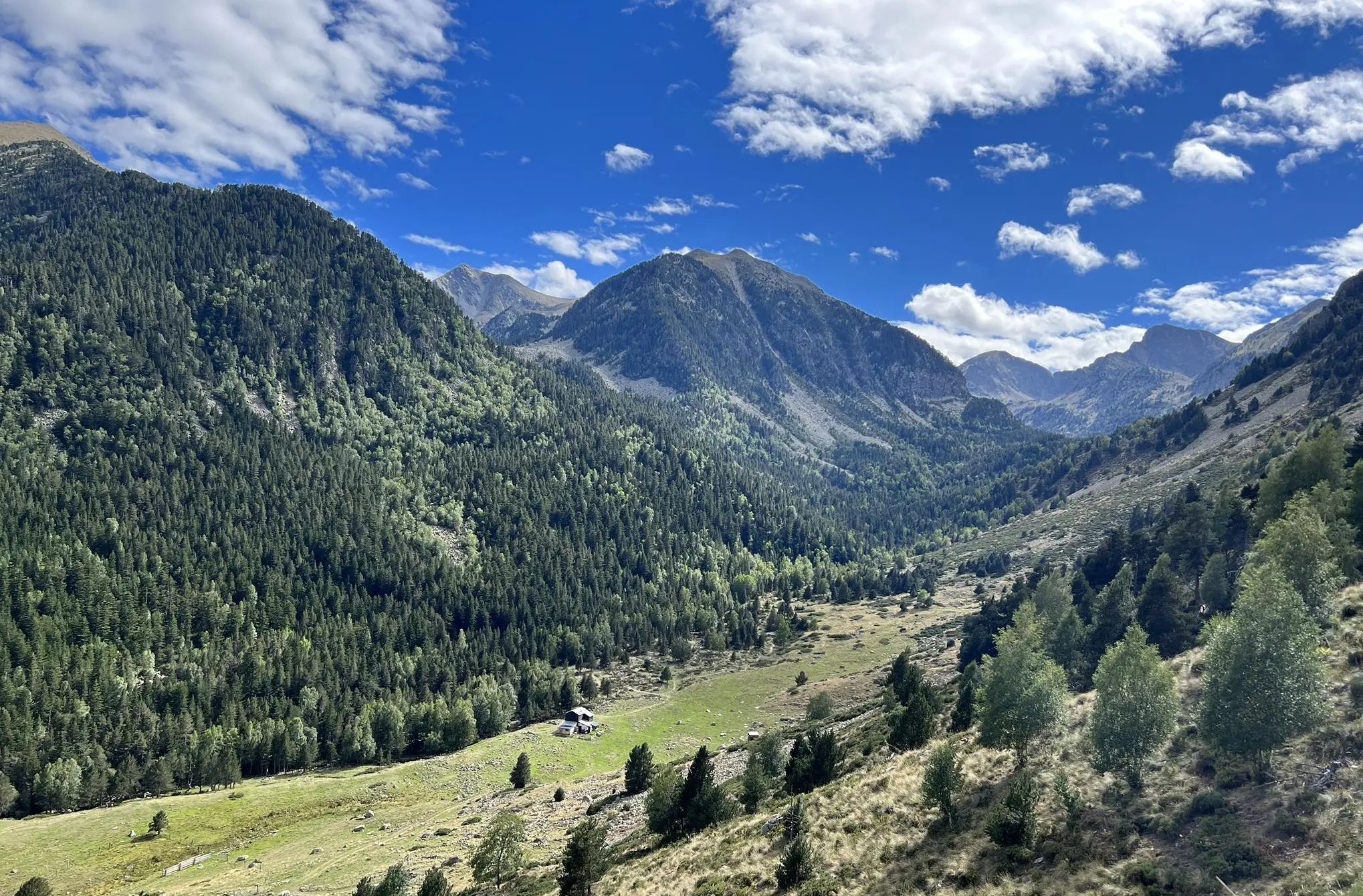
GR 36 long-distance footpath – Cross France from the Channel to the Pyrenees
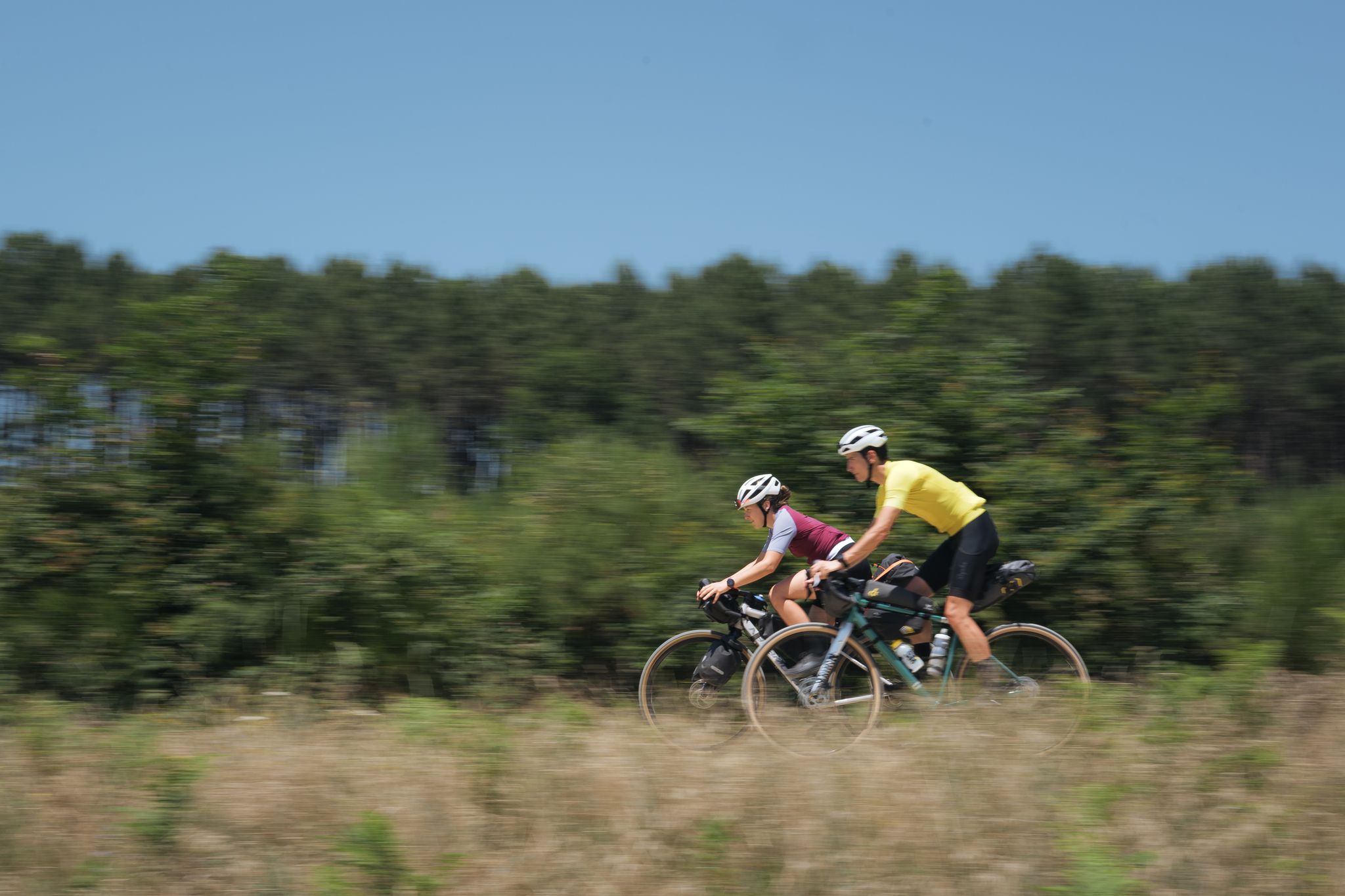
Off the beaten track in Lot-et-Garonne — MTB and gravel routes
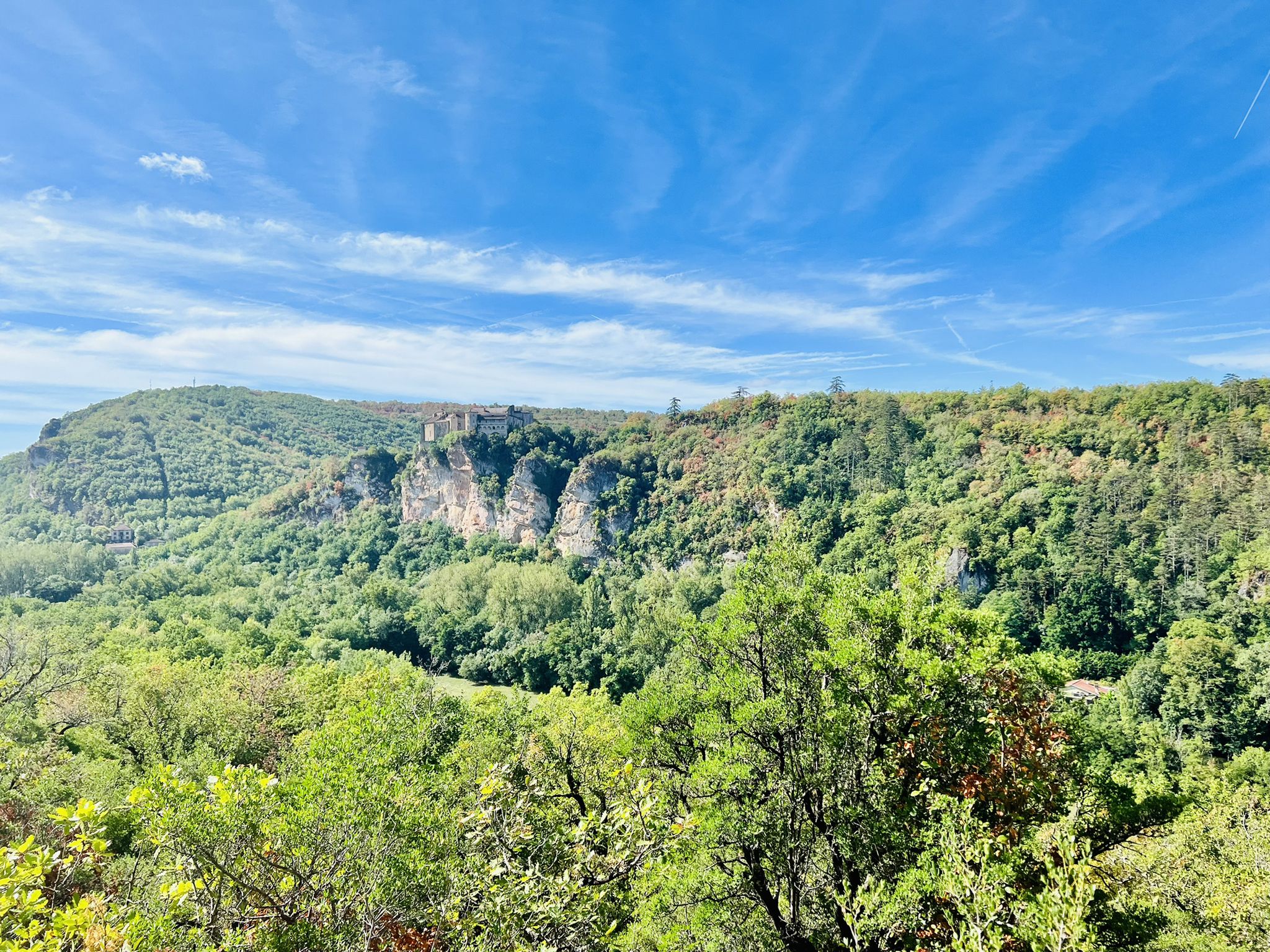
GR 46 — The Truant School
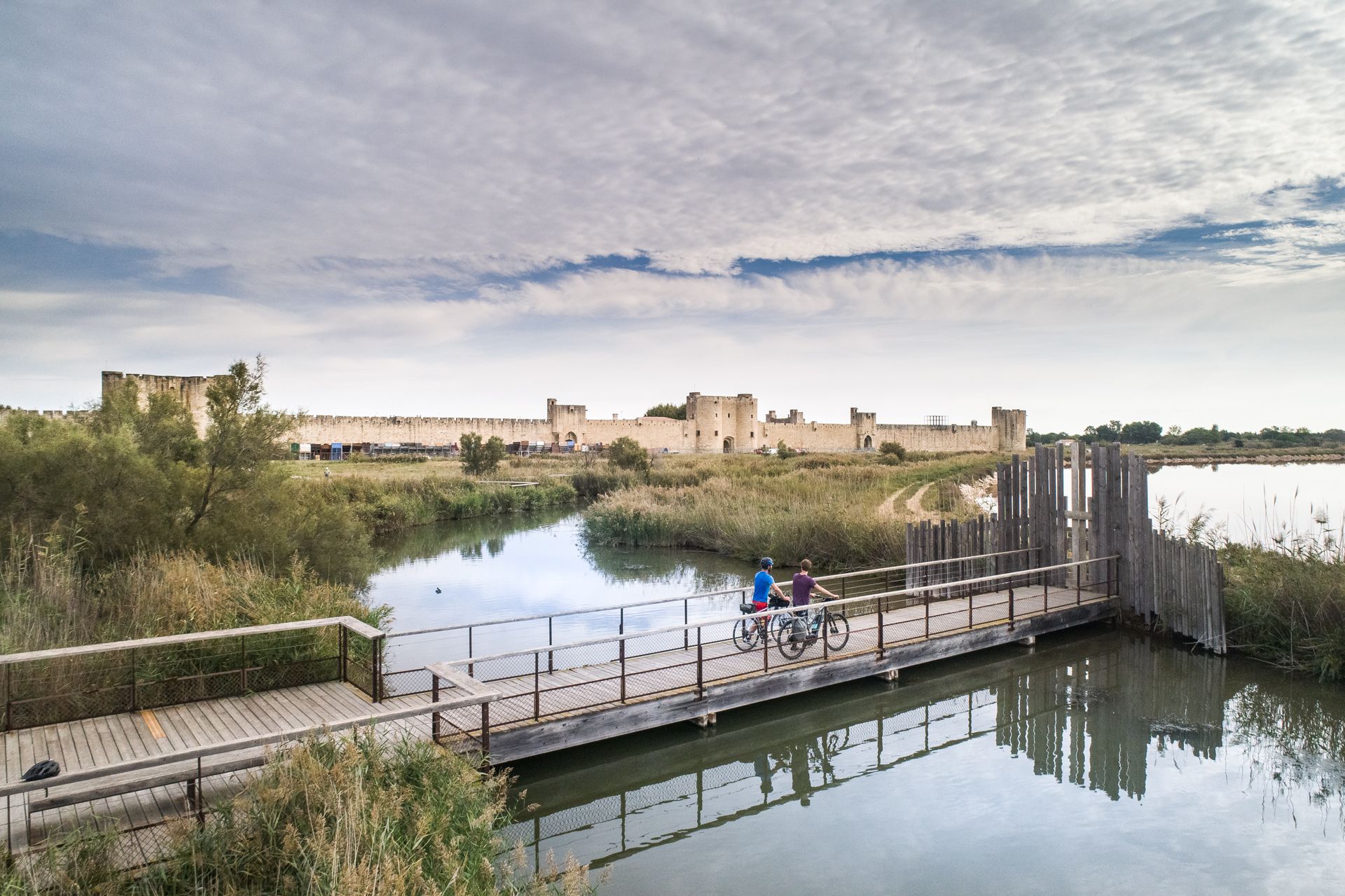
The most beautiful bike rides in Occitanie
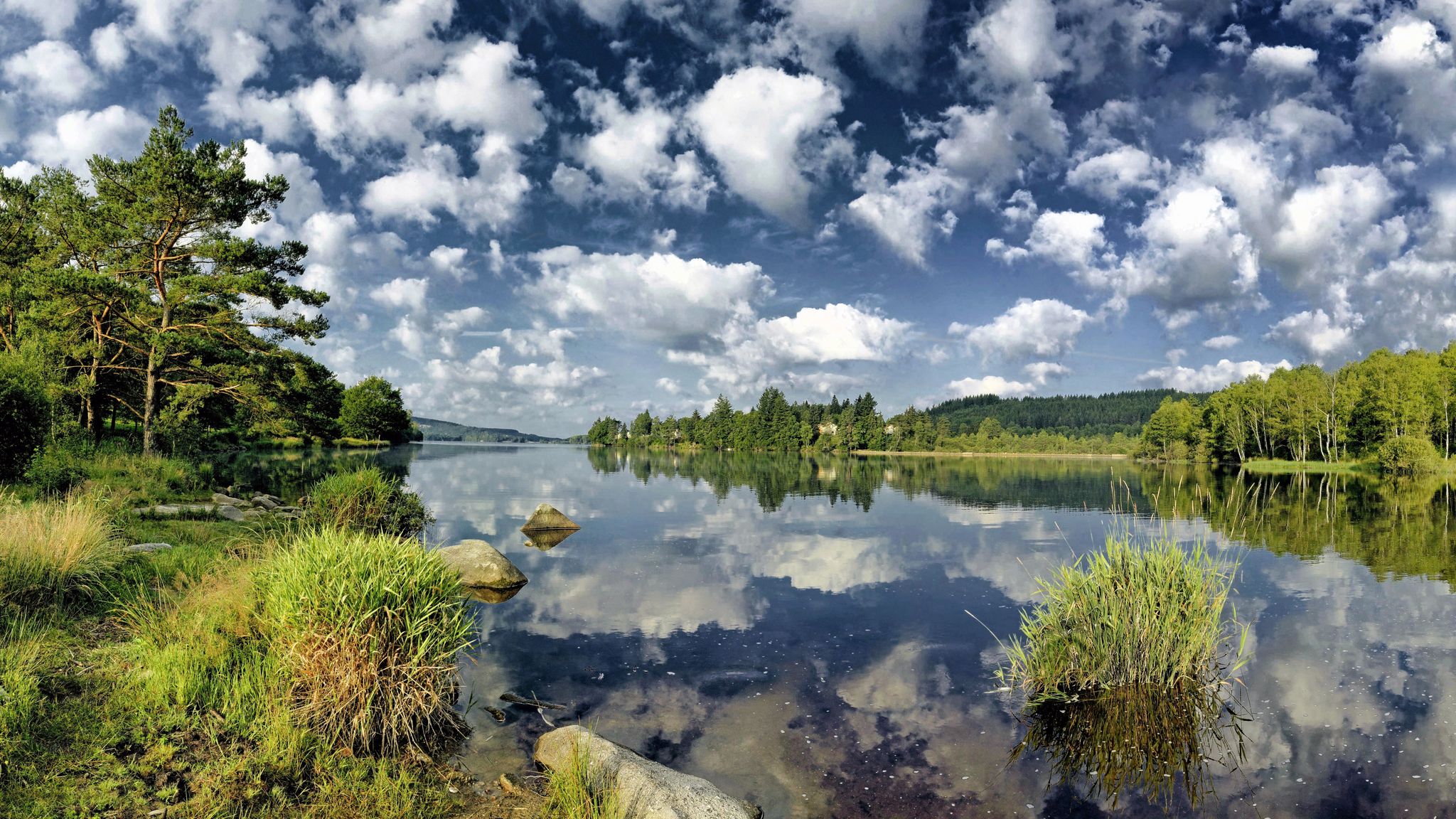
A bike Tour through the heart of France – La Vagabonde
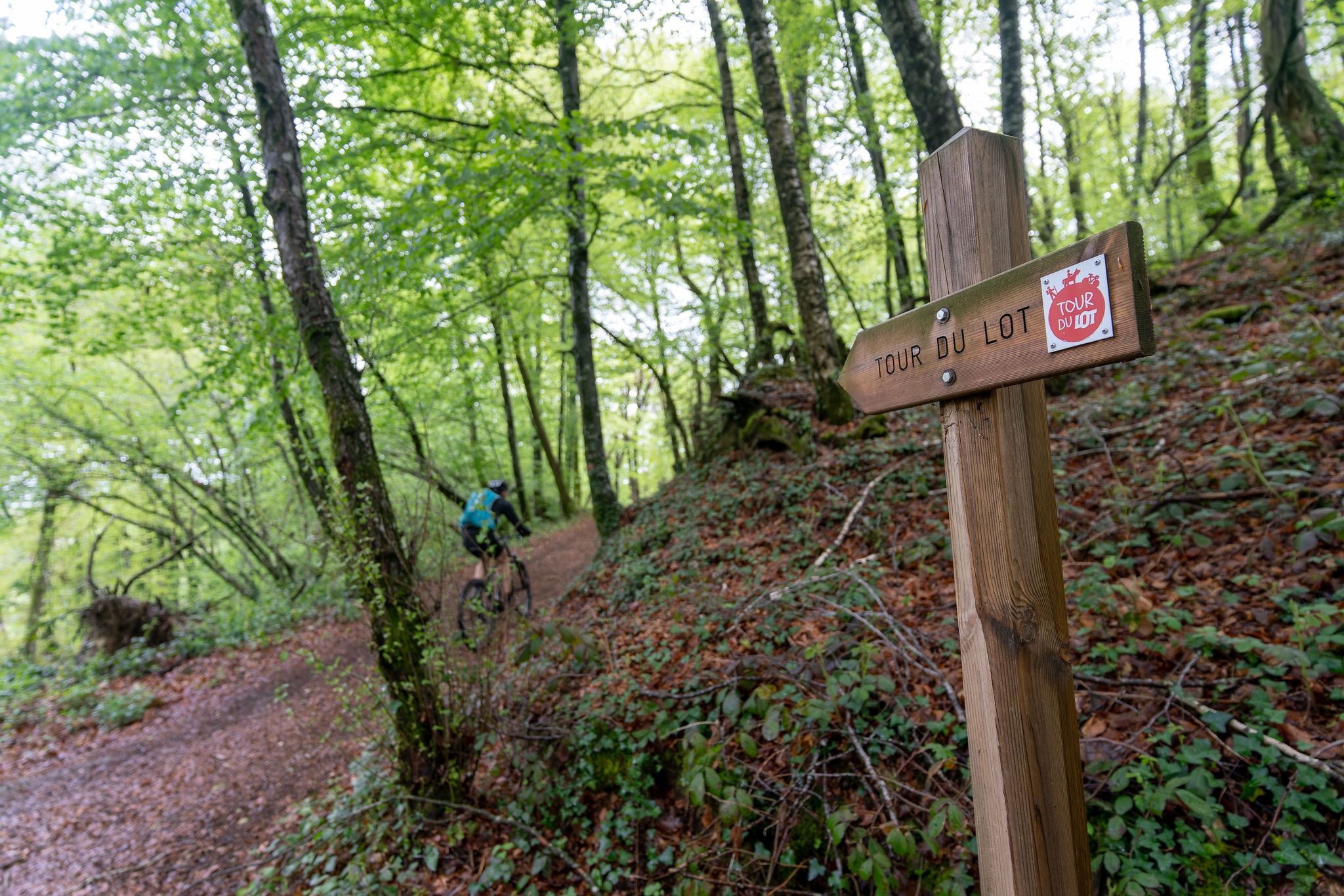
The Tour du Lot by MOUNTAIN BIKE
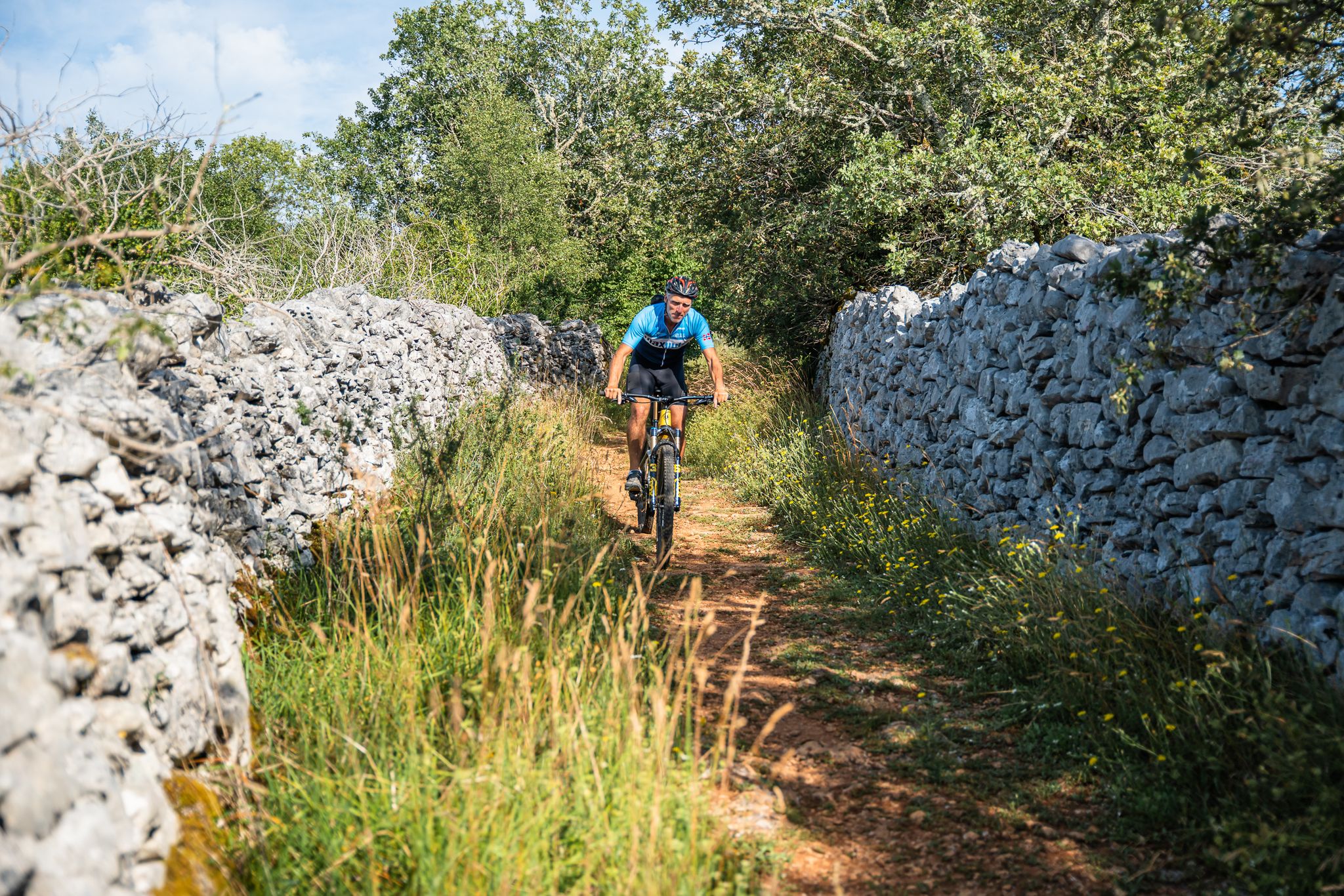
Valleys, the Causses and natural beauty – discover the Lot by MTB
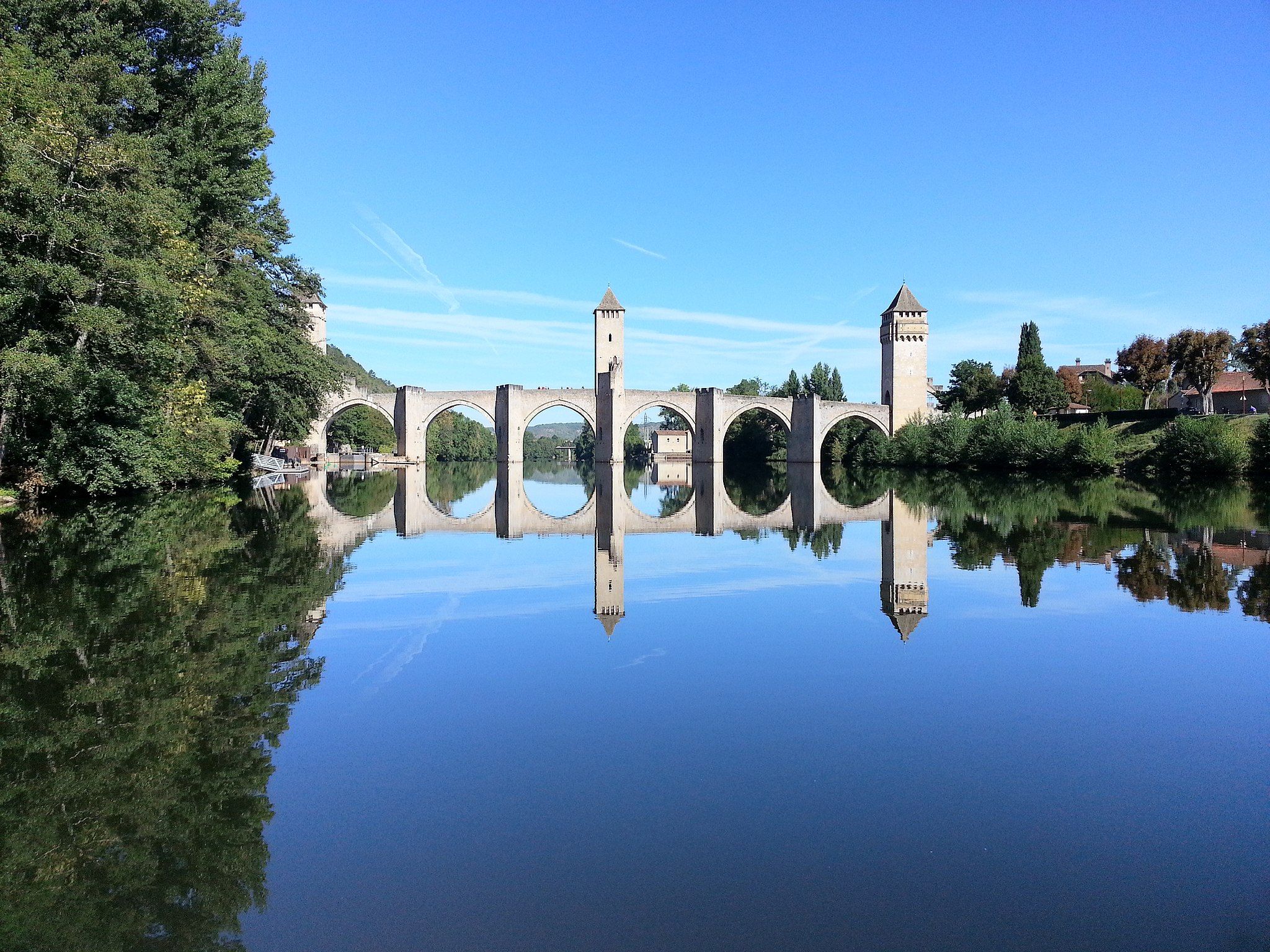
Along water and time – France’s Lot Valley Véloroute
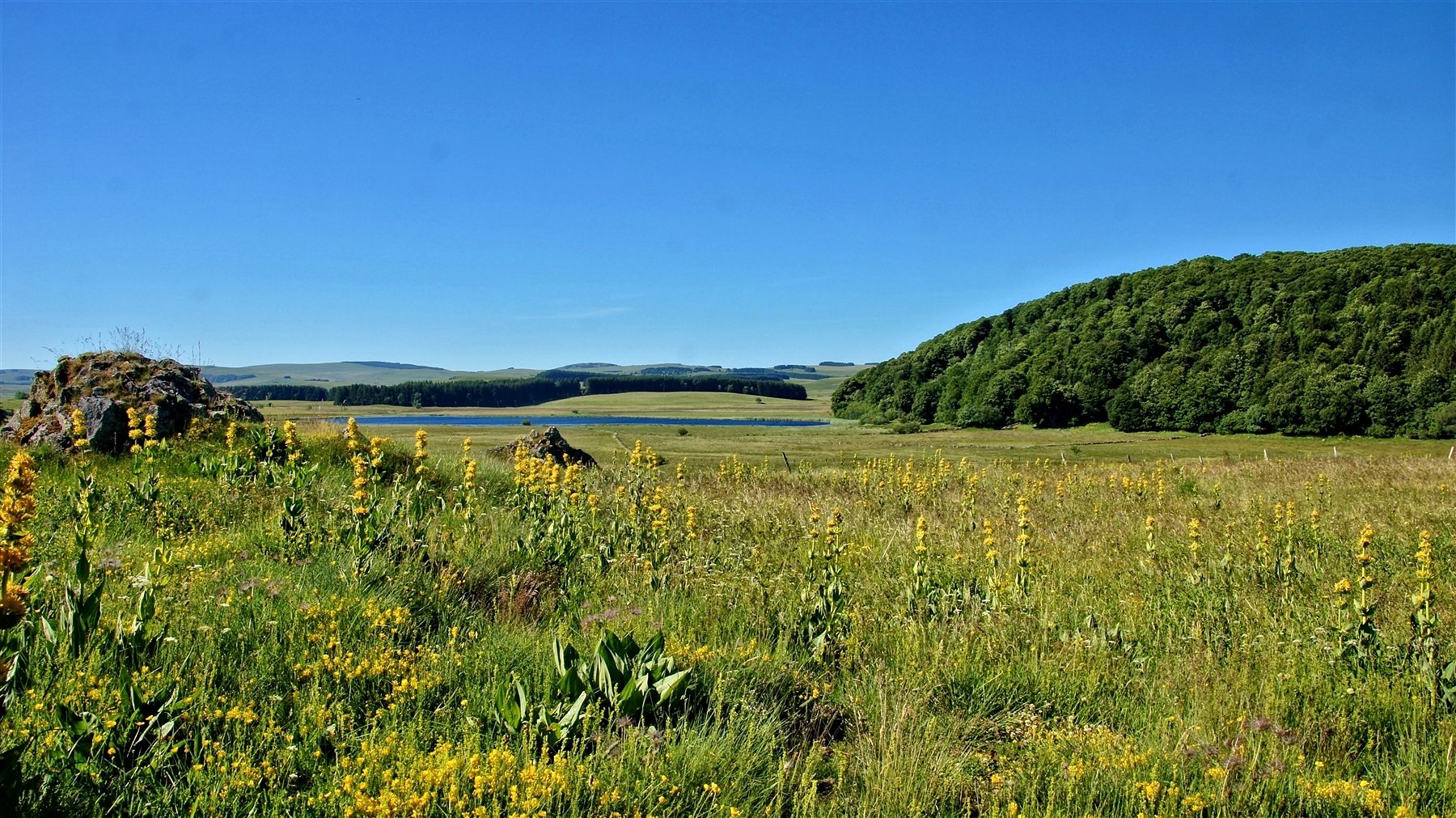
The Way of Saint James – France’s Way of Le Puy
Le sud Sarladais — the Grand Tour of the Périgord noir
Other adventures around Cahors


Tips from the Community

The magnificent corniche road overlooking the meanders of the river is located in the spectacular Lot valley, particularly on the heights of the limestone causse and cliffs. In Saint-Cirq-Lapopie: The Lapopie rock and the Bancourel dovecote offer a spectacular 360-degree plunging view over the river.
0
0
The Ganil towpath: Carved into the limestone cliff face in 1845, it once allowed horses to tow barges up the Lot. Between 1985 and 1989, artist Daniel Monnier sculpted an impressive bas-relief there depicting local fauna and flora. The path connects Bouziès to Saint-Cirq-Lapopie over about 4 to 5 km of easy walking.
0
0
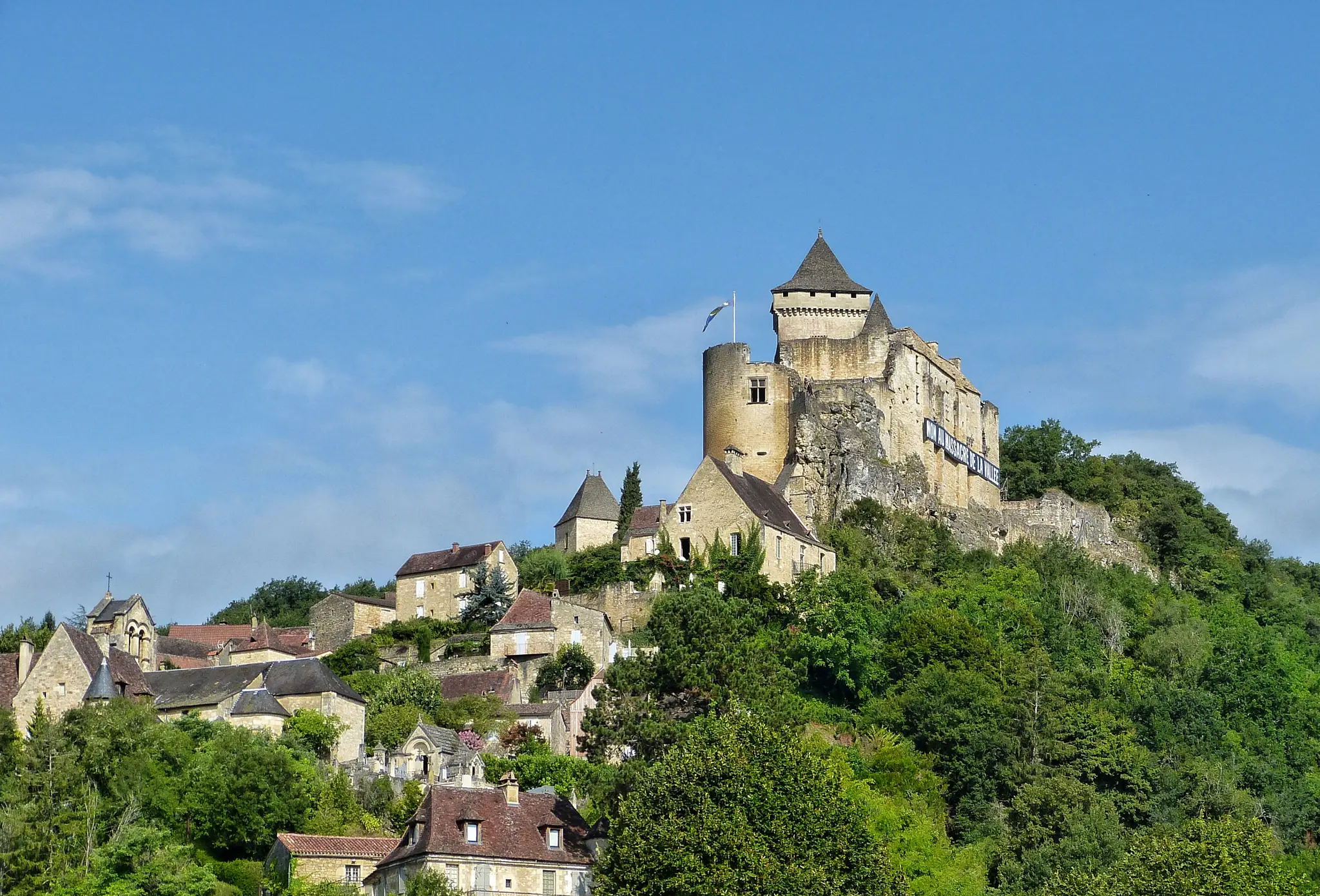
In the heart of the Causses du Quercy Regional Natural Park. Located at the confluence of the Lot and Célé valleys, the village of Bouziès, with around 90 inhabitants, is world-renowned for its spectacular natural and historical heritage. The Château des Anglais: Fortifications from the 11th and 12th centuries anchored directly into the vertical cliff face overlooking the road and the river. This site once served as a fortified refuge for the inhabitants during conflicts.
0
0

Extremely abundant karst spring: groundwater from the extensive, water-bearing limestone karst system rises approx. 140m through a deep, almost vertical shaft back to the surface and emerges there as a strong spring. The fountain is the most important point of emergence in the Lot. Its catchment area is estimated at approximately 250 to over 300 km². The discharge reacts to precipitation: in dry periods it is around 2 m³/s, after heavy rainfall it can rise to over 50 m³/s. In Roman times, a place of worship for Divona, the Celtic water goddess. In the Middle Ages a mill, and since 1853 a fresh water well for the city of Cahors.
1
0

Superb view over the Lot and this magnificent village
0
0

In addition to everything that's been said, the road runs alongside magnificent cliffs, and you even pass under the rock several times – it's amazing!!
0
0

The path under the cliff is perhaps 500 meters long, and the surface isn't particularly bike-friendly. You also have to share the path with hikers. It's still a really beautiful path, though; the official bike path goes over the cliff, so you can save yourself some elevation gain.
1
0

Very nice bike path, with little traffic. However, it's quite steep, which is a relief on the descent.
0
0
Frequently Asked Questions
What unique natural features define the landscape around Cahors?
The landscape around Cahors is primarily shaped by the Lot River, which carves tight meanders through limestone cliffs, and the region's distinctive karst geology. This includes dry limestone plateaus, river valleys, gorges, and extensive underground cave systems, all protected within the Causses du Quercy Regional Natural Park, a UNESCO Global Geopark.
Are there any significant historical natural sites in the Cahors area?
Yes, the region boasts several historical natural sites. The Chartreux Fountain in Cahors is a natural spring with Roman origins, once a site of worship. Further afield, the English Castle of Bouziès is a historical fortification uniquely nestled into the limestone cliffs. You can also find ancient megalithic structures like the Dolmen du lac d'Aurié, the oldest and largest dolmen in the Lot.
What are some of the most impressive viewpoints to experience the natural beauty of the region?
For breathtaking panoramic views, Mont Saint-Cyr near Cahors offers superb vistas over the town and the expansive loop of the Lot River. Along the river, the Cliffs Along the Lot River provide majestic views, often reflected in the water. Another excellent spot is Le Pech de Rouen - Viewpoint over the Lot, offering another perspective of the river's meanders.
Can I explore underground natural wonders near Cahors?
Absolutely. The Causses du Quercy region is renowned for its subterranean world. You can explore remarkable sites like the Pech-Merle Cave, famous for its ancient rock paintings, the impressive Padirac Chasm, and the Phosphatières du Cloup d'Aural. These offer fascinating insights into geological formations and unique underground ecosystems.
Where can I experience exceptional stargazing in the Cahors region?
Within the Causses du Quercy Regional Natural Park lies the 'Black Triangle of Quercy,' an area protected from light pollution. It boasts one of the purest night skies in metropolitan France, offering a magical spectacle for stargazing enthusiasts to admire stars, planets, and the Milky Way with remarkable clarity.
What outdoor activities are popular around the natural monuments near Cahors?
The region is ideal for various outdoor activities. Hiking is very popular, with many trails leading to viewpoints and historical sites. Cycling is also a favorite, with routes along the Lot River and through the Causses du Quercy. You can find more information on specific routes in the Easy hikes around Cahors, Road Cycling Routes around Cahors, and Cycling around Cahors guides.
Are there specific hiking trails recommended to explore the natural monuments?
Yes, several trails allow you to discover the natural monuments. For example, the 'Circuit du Mont Saint-Cyr' offers an easy hike with panoramic views. The 'karstic trail of the igue de Crégols' leads to The Igue of Crégols, a large sinkhole. You can find these and other options in the Easy hikes around Cahors guide.
Are there family-friendly natural monuments or walks in the Cahors area?
Many natural sites around Cahors are suitable for families. Gentle strolls along the Lot River banks are pleasant, and the viewpoint at View of the Lot is noted as family-friendly. The historical site of The wells of Laburgade also offers an accessible experience for all ages.
What is the best time of year to visit the natural monuments around Cahors?
The spring and autumn months are generally considered the best times to visit. The weather is pleasant for outdoor activities like hiking and cycling, and the landscapes are particularly vibrant. Summer can be warm, but river activities are popular, and the underground caves offer a cool escape. Winter is quieter, with fewer crowds.
What do visitors enjoy most about the natural monuments in the Cahors region?
Visitors frequently praise the dramatic beauty of the Cliffs Along the Lot River, especially the magical reflections in the water. The unique integration of history and nature, such as the English Castle of Bouziès built into the rock, is also a highlight. Many appreciate the preserved, wild, and accessible natural environment of the Causses du Quercy, ideal for immersion in unique landscapes.
Are there any unique geological sites to visit besides caves and cliffs?
Yes, beyond the prominent caves and cliffs, you can visit The Igue of Crégols, a remarkable natural gorge and large sinkhole piercing through the limestone. Additionally, the Pterosaur Beach in Crayssac offers a unique paleontological site, providing a glimpse into prehistory and invaluable geological heritage.
Are there opportunities for wild swimming near the natural sites?
While the Lot River is central to the region's natural beauty and offers opportunities for various water activities, specific designated wild swimming spots near the natural monuments are not explicitly highlighted. River cruises are available, providing a unique perspective of the river and its surroundings.
What should I bring when exploring the natural monuments and trails?
When exploring the natural monuments and trails around Cahors, it's advisable to bring appropriate footwear for hiking, especially if you plan to tackle more challenging paths like those leading to The Igue of Crégols. Water, sun protection (hat, sunscreen), and a camera for the stunning views are also recommended. For cave visits, a light jacket might be useful as temperatures underground are cooler.
Most popular routes around Cahors
Most popular attractions around Cahors

Get inspired with the komoot mobile app


Didn’t find what you were looking for?
Find even more amazing natural monuments around Cahors by checking out the top Highlights region by region:
Explore more
Extend your search for the best caves by checking out these guides of the top ones around Cahors:
