The best hikes from bus stations around Cahors
4.5
(4016)
20,794
hikers
76
hikes
Bus station hiking trails around Cahors are set within a diverse landscape, characterized by the meandering Lot River, limestone cliffs, and the varied terrain of the Causses du Quercy Regional Natural Park. The region features a mix of mineral-rich plateaus, lush green valleys, and picturesque vineyards. Hikers can explore paths carved into riverbanks, ancient dry-stone structures, and oak-lined routes. This area offers a range of elevations, from gentle valley walks to more challenging ascents on the causses.
Best bus station…
Last updated: October 6, 2026
4.7
(14)
50
hikers
8.13km
02:20
200m
200m
Moderate hike. Good fitness required. Easily-accessible paths. Suitable for all skill levels.
4.2
(9)
26
hikers
7.13km
02:15
260m
260m
Moderate hike. Good fitness required. Easily-accessible paths. Suitable for all skill levels.

4.1
(10)
28
hikers
12.2km
03:33
290m
290m
Moderate hike. Good fitness required. Easily-accessible paths. Suitable for all skill levels.
4.4
(5)
27
hikers
14.4km
04:08
350m
350m
Moderate hike. Good fitness required. Easily-accessible paths. Suitable for all skill levels.
4.0
(4)
34
hikers
4.31km
01:21
140m
140m
Easy hike. Great for any fitness level. Easily-accessible paths. Suitable for all skill levels.
Get access to more routes and recommendations from other explorers.
Already have an account?
Our route recommendations are based on thousands of hikes, rides, and runs completed by other people on komoot.
Start today with a free account
Your next adventure awaits.
Popular around Cahors

Hikes from bus stations in Causses Du Quercy

Hikes from bus stations in Chemin Du Coustalet

Hikes from bus stations in Bois De Butis
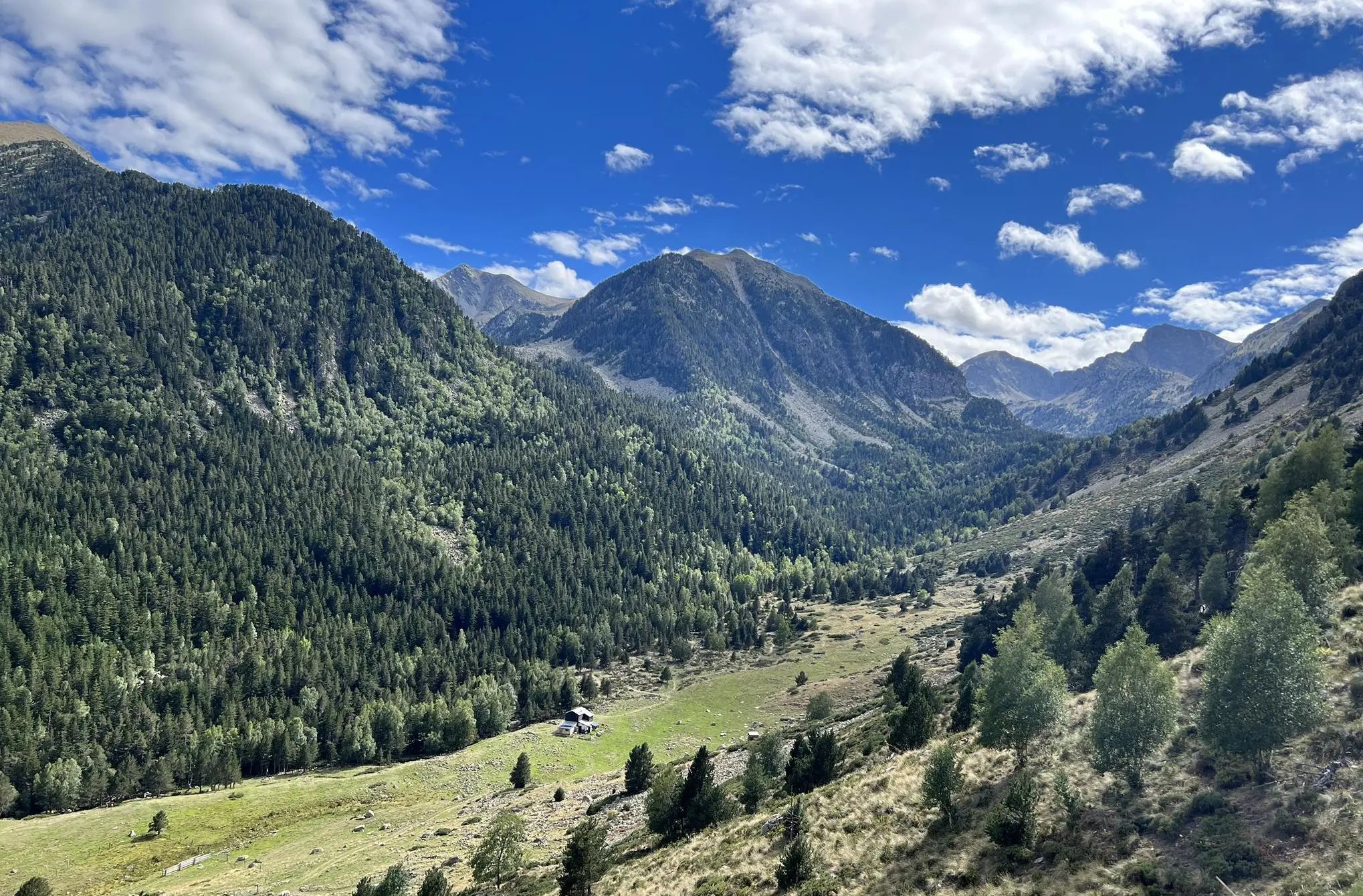
GR 36 long-distance footpath – Cross France from the Channel to the Pyrenees
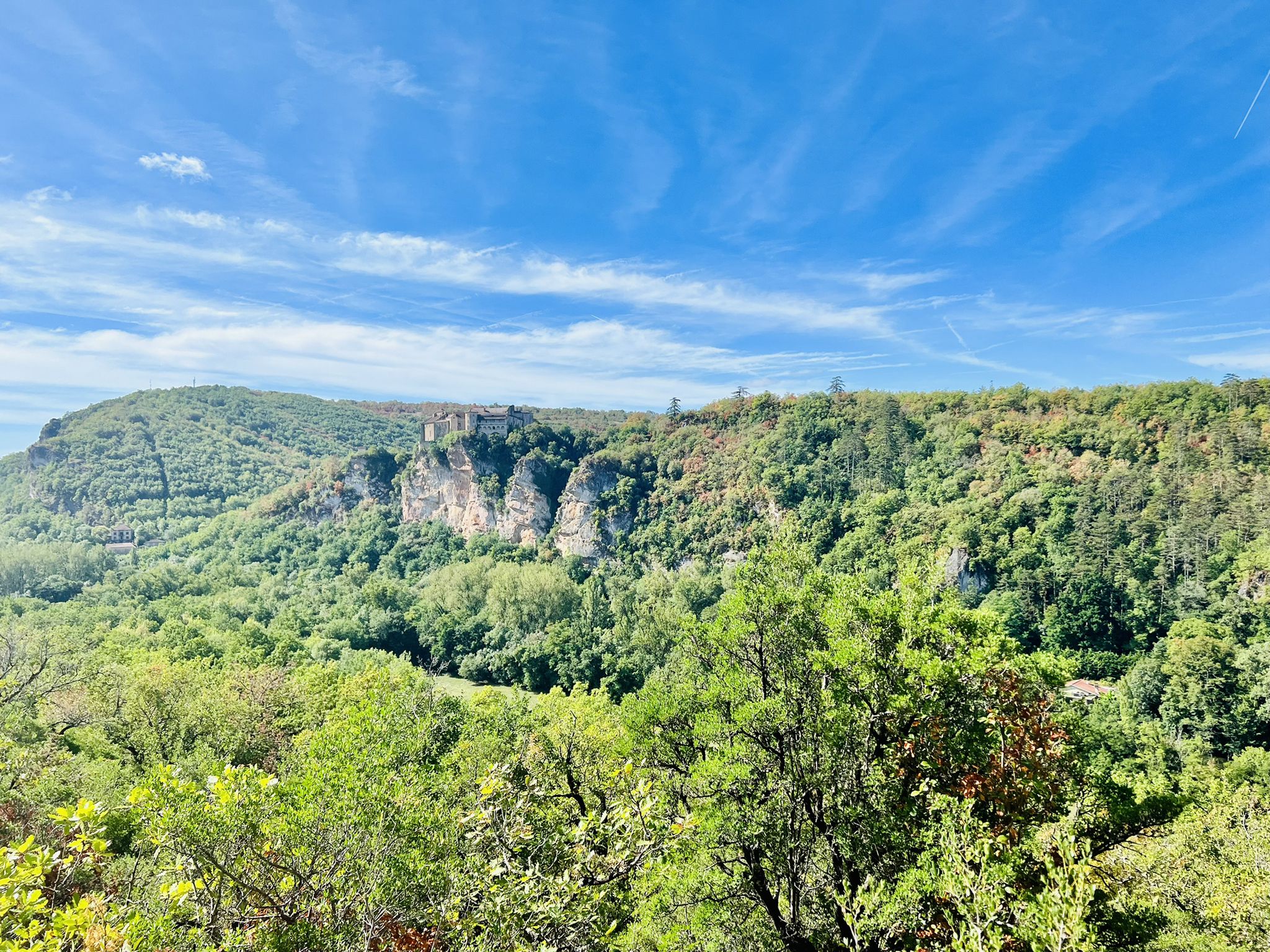
GR 46 — The Truant School
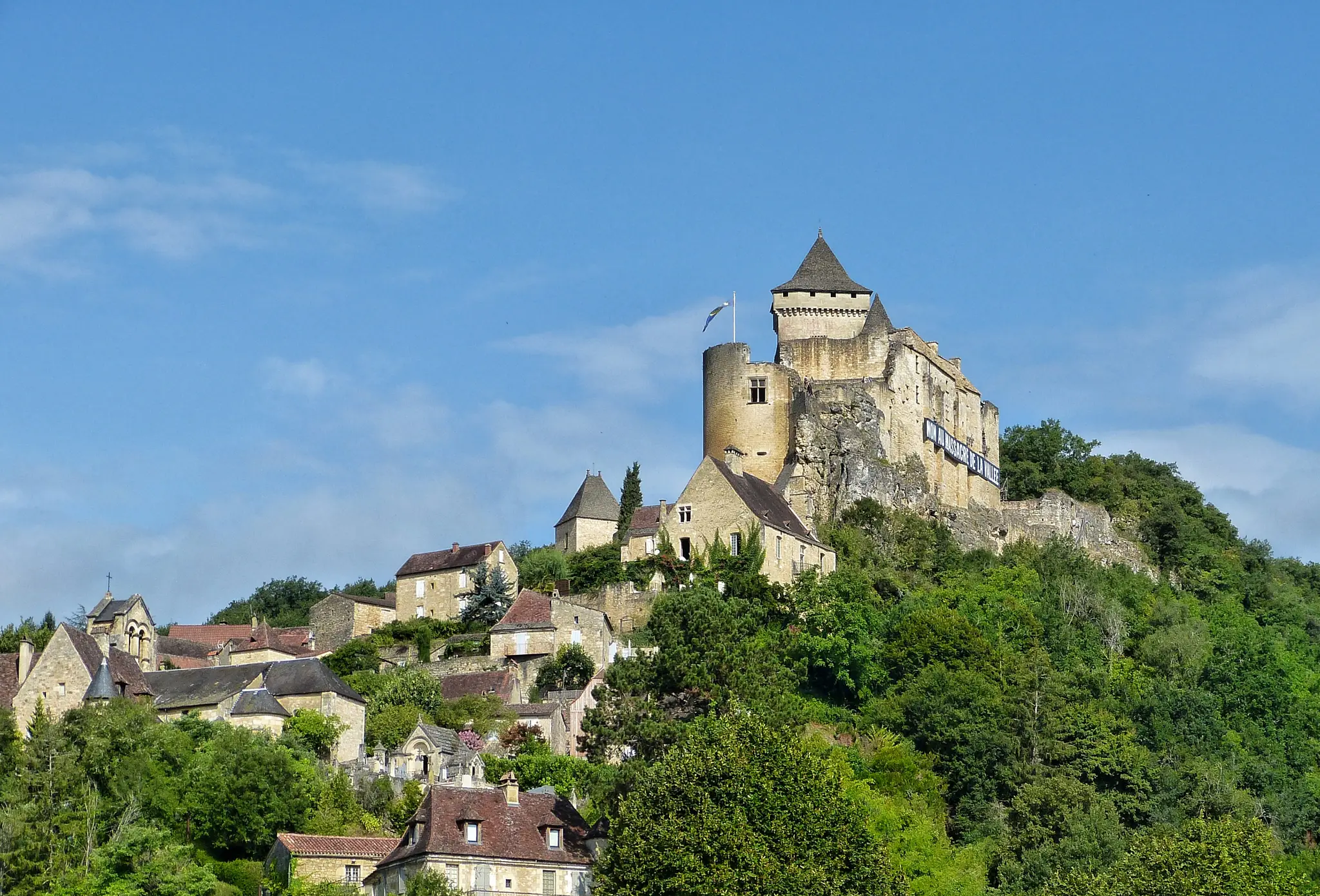
Le sud Sarladais — the Grand Tour of the Périgord noir
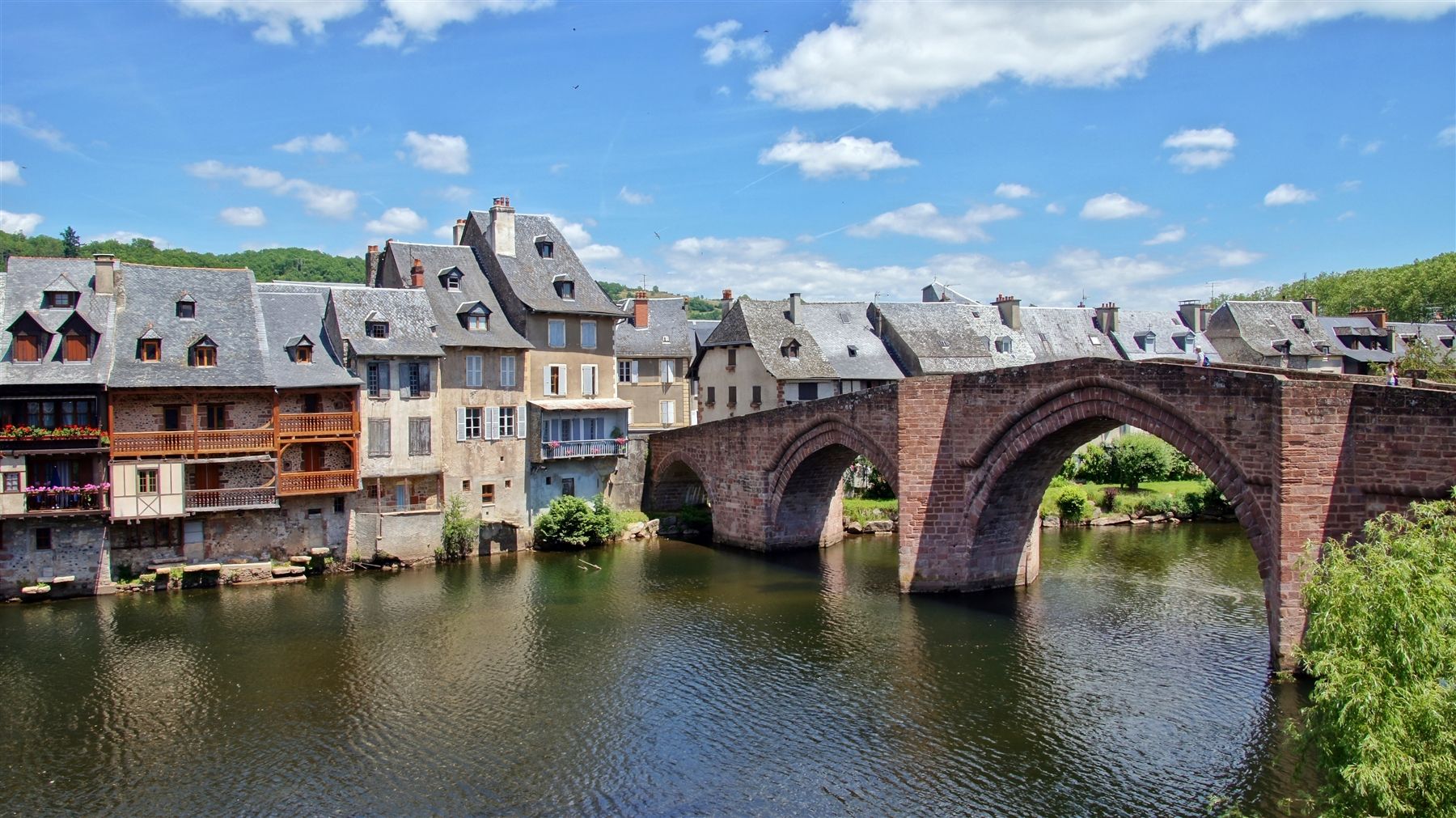
In the heart of France's Quercy region — the GR 651
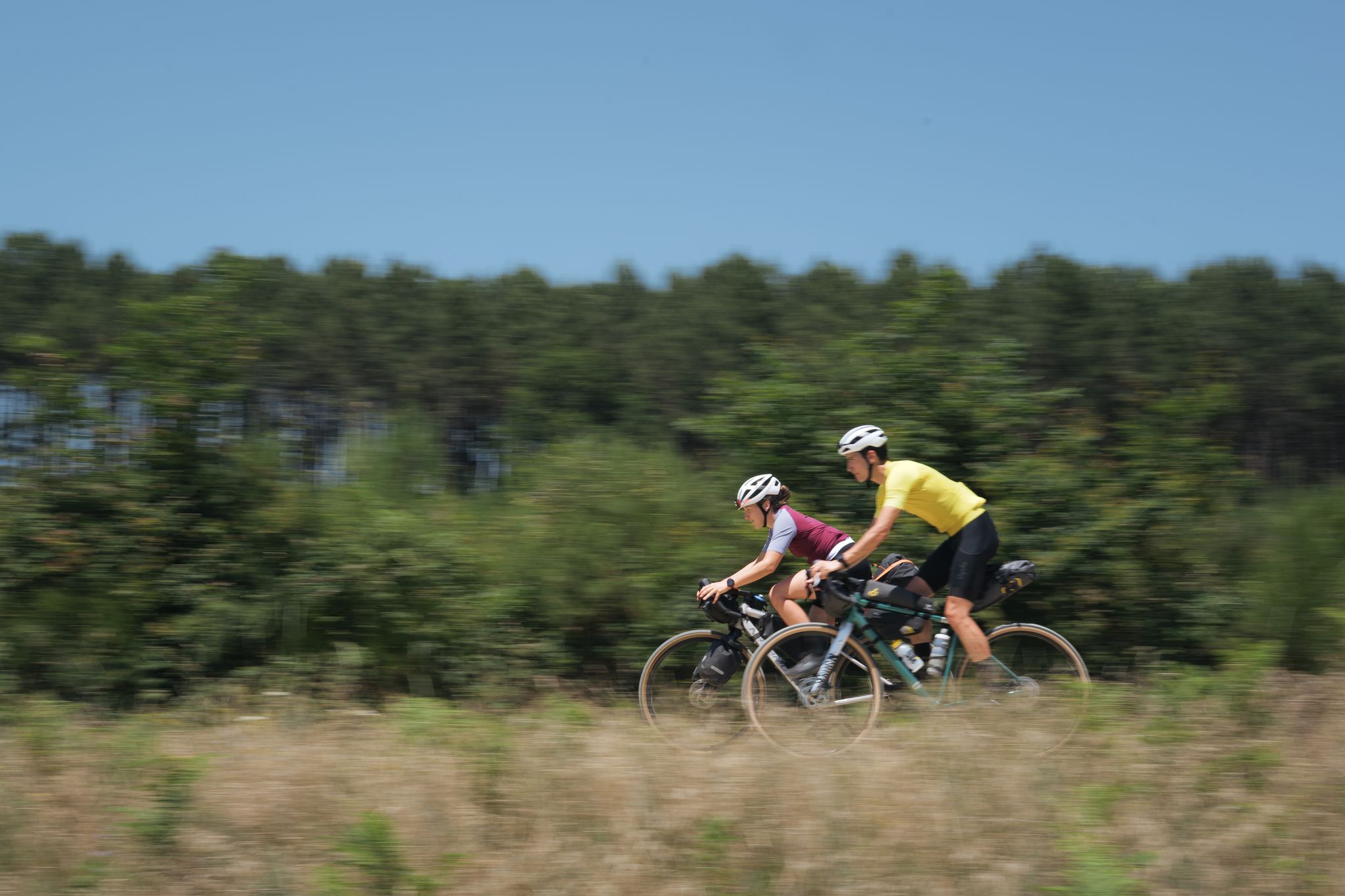
Off the beaten track in Lot-et-Garonne — MTB and gravel routes
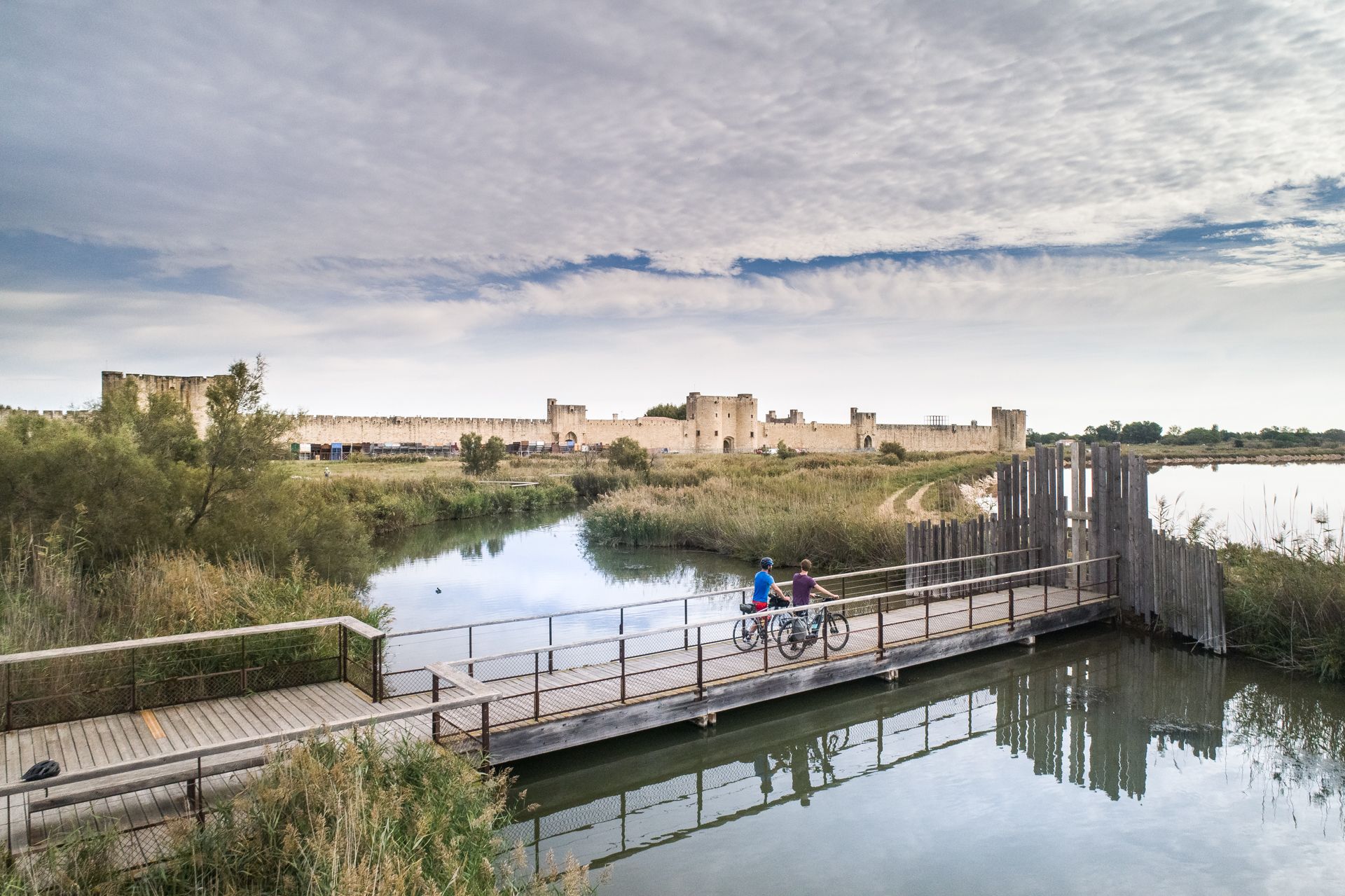
The most beautiful bike rides in Occitanie
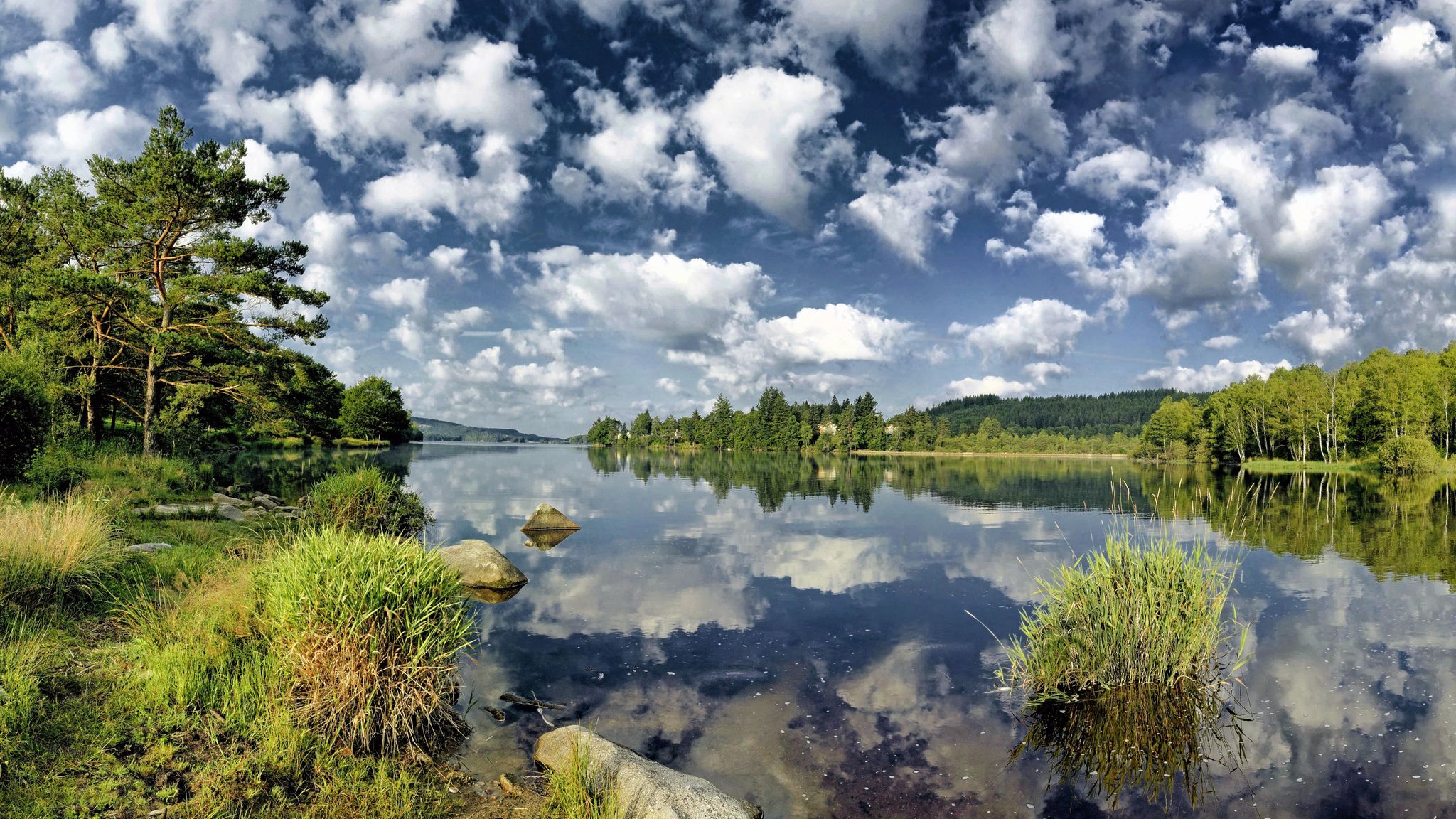
A bike Tour through the heart of France – La Vagabonde
Other adventures around Cahors


Tips from the Community

The Moulin Saint-James is a remarkable historic building located on the banks of the Lot, in Cahors, precisely along the Champollion quay right next to the Cabessut bridge. Long remaining an industrial wasteland after the cessation of its historic operation, it is the subject of a major rehabilitation project that is both real estate and energy-related.
0
0
Place de la Libération is the largest pedestrian square located in the heart of the historic center of Cahors (46000). Rich in history, it dates back to the Middle Ages and was called Place du Change in the 13th century. Today, this dynamic square hosts numerous local shops, café terraces, tea rooms, as well as various regular events such as flea markets, craft markets, and cultural activities.
0
0
The Valentré Bridge is one of the few fortified medieval bridges in the world. Its Gothic military architecture makes it a masterpiece of defense and engineering. 1308: The start of construction: The decision to build the bridge was made by the consuls of Cahors to secure the western access to the city and adapt to the flourishing trade. 1308-1378: An endless construction site: The work lasted nearly 70 years, slowed down by the Black Death and the Hundred Years' War. It is from this legendary slowness that the famous legend of the Devil was born. 1879: The great restoration: Having become dilapidated, the bridge underwent a major restoration led by the architect Paul Gout (a student of Viollet-le-Duc). He chose to add the famous sculpture of the little devil on the central tower to immortalize the legend. 1998: Worldwide recognition: The bridge was inscribed on the UNESCO World Heritage list as part of the Routes of Santiago de Compostela.
0
0
An essential monument of the Occitanie region, it is distinguished by its large domes on pendentives, among the largest in France. The cathedral is doubly classified: as a Historic Monument in France and as a UNESCO World Heritage Site as part of the Routes of Santiago de Compostela.
0
0
In Cahors, there isn't strictly a water clock (or clepsydra), but the city is home to a famous and unusual monumental ball clock. Located on Place Saint-Urcisse, in the heart of the old town, this kinetic work of art is often associated with water as it sits in the middle of a U-shaped fountain. It is a monumental mechanical clock weighing 2 tons and standing 3.5 meters high. It operates without electricity for its pendulum movement: its energy comes exclusively from the weight of 54 steel pinball balls (weighing 80 grams each) descending along metal rails. An unusual performance: The mechanism consumes 640 grams of balls per minute, or nearly 921 kg per day. The balls travel approximately 18,000 km per year within the structure. Once they reach the bottom, the balls are automatically rewound thanks to a small mechanical system.
0
0
The Halle de Cahors (historically known as Halle aux grains) is the heart and soul of Cahors's commercial life in the Lot department. This magnificent historic covered market hosts many artisans and food merchants, offering the best of the Quercy terroir products.
0
0
The Halle de Cahors (historically known as the Halle aux grains) is the heart and soul of Cahors' commercial life in the Lot department. This magnificent historic covered market is home to many artisans and food producers, offering the best of Quercy's local products.
1
0
Built at the end of the 13th century and remodelled in the 18th century following a fire in 1562, then again in 1881, the village church forms a single-nave stone vessel with a polygonal apse. The choir (Radiant Gothic) is covered. The stained glass windows, in very vivid colour ranges, depict the lives of Christ and Saint-Hilaire.
0
0
Frequently Asked Questions
How many hiking trails are accessible from bus stations around Cahors?
There are over 60 hiking trails around Cahors that are accessible from bus stations. These routes offer a diverse range of experiences, with 26 easy, 36 moderate, and 1 difficult trail to choose from.
What kind of landscapes can I expect on hikes accessible by bus from Cahors?
The region around Cahors offers a rich variety of landscapes. You can expect to traverse the dramatic Lot Valley with its limestone cliffs and vineyards, explore the 'mineral universe' of the Causses du Quercy Regional Natural Park featuring dry stone walls and ancient dolmens, or enjoy the gentle green hills of the Vers Valley. Many routes also offer stunning views overlooking the Lot River.
Are there any easy, family-friendly hikes accessible from Cahors bus stations?
Yes, there are many easy routes suitable for families. For instance, the iconic Bouziès to Saint-Cirq-Lapopie Towpath is an easy 4 km path carved into cliffs, featuring sculptures and leading to one of France's most beautiful villages. Another option is the Valentré Bridge – Saint Stephen's Cathedral loop from Cahors, which is an easy 6.8 km walk within the city's vicinity.
Which trails offer scenic viewpoints accessible by bus from Cahors?
Many trails provide excellent viewpoints. The hike to Mont Saint-Cyr, just outside Cahors, offers magnificent panoramic views of the city nestled in the Lot River's bend. Additionally, routes along the Lot Valley, such as the Albas to Luzech Towpath, provide picturesque vistas of the river and surrounding vineyards. The Valentré Bridge – Cahors Market Hall loop from Cahors also includes elevated sections with great views.
Can I find circular hiking routes starting from bus stations in Cahors?
Yes, several circular routes are available. For example, the Saint-Privat Church of Montcuq – Rouillac Country House loop from Montcuq is a moderate 8.1 km circular hike. Another option is the Scallop Shell Shelter – Limogne-en-Quercy loop from Limogne-en-Quercy, an easy 4.5 km loop.
What historical landmarks or natural features can I see along these bus-accessible trails?
The trails offer a wealth of historical and natural sights. You can encounter ancient dolmens and 'caselles' (dry-stone huts) in the Causses du Quercy. Along the Lot River, you might see the English Castle of Bouziès, impressive Cliffs Along the Lot River, and the Chartreux Fountain. The medieval village of Saint-Cirq-Lapopie is also a highlight accessible via a towpath.
Are there any dog-friendly hiking trails accessible from Cahors bus stations?
Many trails in the Cahors region are dog-friendly, especially those in natural areas like the Lot Valley and Causses du Quercy. It's always advisable to keep your dog on a leash, especially near livestock or in protected areas. Check specific route details on komoot for any restrictions, but generally, the region welcomes well-behaved dogs on trails.
What is the best time of year to hike around Cahors using bus access?
Spring and autumn are generally ideal for hiking around Cahors, offering pleasant temperatures and vibrant landscapes. Spring brings wildflowers, while autumn showcases beautiful fall foliage in the vineyards. Summer can be hot, so early morning or late afternoon hikes are recommended. Winter offers crisp air and quieter trails, though some services might be reduced.
What do other hikers enjoy most about the bus-accessible trails in Cahors?
The bus-accessible trails around Cahors are highly rated by the komoot community, with an average score of 4.47 out of 5 stars. Reviewers often praise the stunning natural beauty of the Lot Valley, the historical charm of villages like Saint-Cirq-Lapopie, and the convenience of accessing diverse landscapes directly from public transport hubs. The variety of terrain, from riverbanks to causse plateaus, is also frequently highlighted.
Are there any longer, more challenging point-to-point hikes accessible by bus from Cahors?
Yes, Cahors is a significant stop on the Via Podiensis (GR 65), one of the historic pilgrimage routes to Santiago de Compostela. Sections like "Via Podiensis: Mas-de-Vers - Cahors" and "Via Podiensis: Cahors - Montcuq" offer moderate to difficult point-to-point hiking experiences for those seeking longer treks, and these can often be accessed or departed from via regional bus services connecting to the main route.
Most popular routes around Cahors
Most popular attractions around Cahors

Get inspired with the komoot mobile app


Didn’t find what you were looking for?
Check out more Hikes throughout Cahors below and find the perfect route in your destination.
Explore more
Browse the best Hikes in other regions.
