Top 7 Mountain Passes around Garafía
Mountain passes around Garafía, a municipality in northwest La Palma, are characterized by rugged natural beauty and elevated routes. These high-altitude locations provide connections across a mountainous landscape. The area features significant elevation changes and challenging terrain. It is known for its preserved rural, natural, and ecological character.
Best mountain passes around Garafía
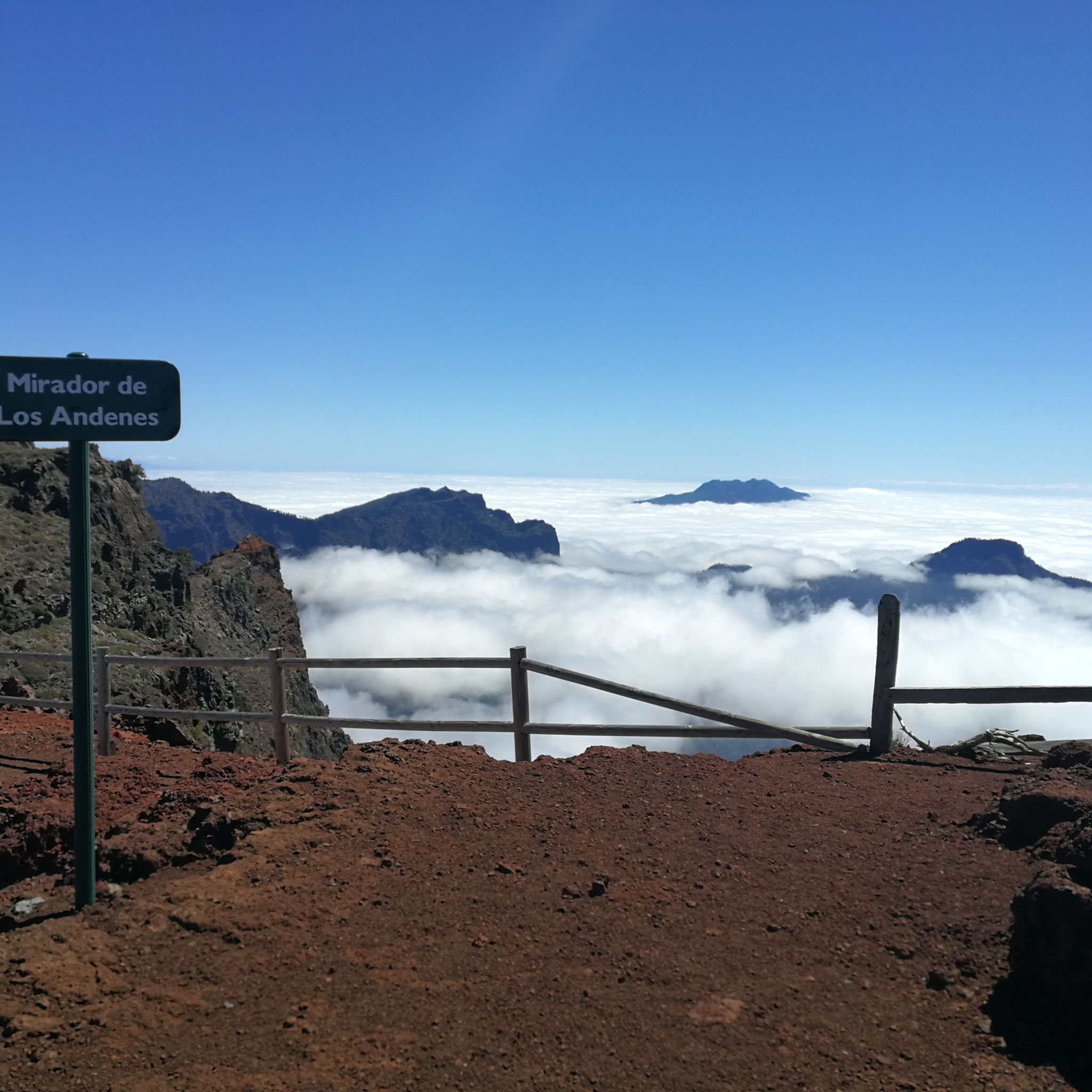
- The most popular mountain passes is Ascent to Roque de los Muchachos from Santa Cruz de la Palma, a mountain pass that is a demanding climb leading to 2426 meters above sea level. This route offers panoramic views and significant elevation gain.
- Another must-see spot is GR 131 El Bastion, a challenging trail with dramatic volcanic landscapes. This section of the GR 131 offers extensive views of the Caldera.
- Visitors also love Llano Negro Ascent, an intermediate climb with an average gradient of 6.8 percent. This pass is relatively open and offers vantage points along the road.
- Garafía is known for its challenging climbs, scenic trails, and cycle routes. The area offers a variety of mountain passes for different activity levels and preferences.
- The mountain passes around Garafía are appreciated by the komoot community, with 10 upvotes and 7 photos shared by visitors.
Last updated: July 1, 2026
Ascent to Roque de los Muchachos from Santa Cruz de la Palma
Highlight (Segment) • Mountain Pass
Especially back you can use the many trails left and right as a shortcut
take. On the approximately 33 km long section up to the top of the pass (2300 m)
you have to trample constantly without a meter going flat.
All of this with a gradient of 7 to 12% and over 500 curves.
There is hardly any traffic on the route, every now and then a car with tourists.
Translated by Google •
Tip by

LP-114 Road Between Santo Domingo and Las Tricias
Highlight (Segment) • Mountain Pass
The stage has little traffic and good asphalt.
Translated by Google •
Tip by

Sign up now to discover places like this
Get recommendations on the best single tracks, peaks, & plenty of other exciting outdoor places.
Sign up for free
GR 131 El Bastion
Highlight • Trail
Translated by Google •
Tip by

Llano Negro Ascent
Highlight (Segment) • Climb
The pass itself is pleasant to drive at 6.8 percent; you will climb 688 meters here. The road is in great condition. In addition, you don't have to worry about much traffic here.
The vegetation on the climb is relatively similar from bottom to top; at first you will pass individual houses directly on the road. At the top there are always vantage points on the side of the road where you can pause. The entire pass is relatively open and unforested, making it very vulnerable to wind on stormy days. This can be a bit uncomfortable, especially in the last stretch, on the long straight if there is a headwind.
Once you have reached the top, you have the decision to continue towards the Roque de los Muchachos, or you can take the route towards Roque del Faro and thus towards the north of the island.
Translated by Google •
Tip by

Roque del Faro Ascent
Highlight (Segment) • Climb
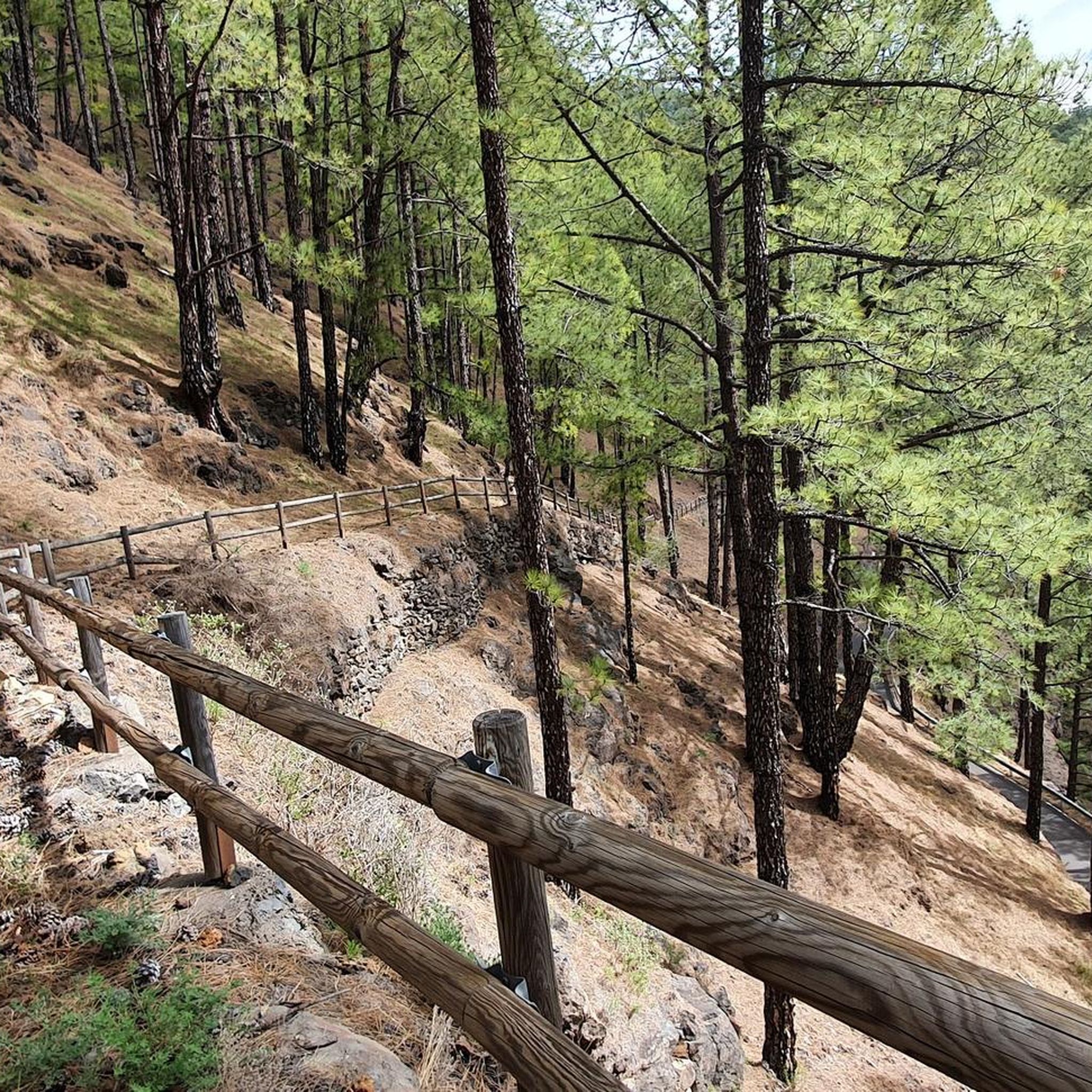
The pass then winds 8.30 kilometers through a wonderful jungle landscape. You will climb a total of 569 meters. On average, you'll get your money's worth here at 6.8 percent. However, there are also slightly flatter and even even sections of the route where there is time to breathe.
The asphalt is consistently fine. However, there are a few individual holes and rippled spots in the tar caused by the heat on the route. As is usually the case in the north of the island, car traffic is very manageable.
This pass is an important key climb if you want to either continue towards Roque de los Muchachos or continue towards the west side of La Palma.
Translated by Google •
Tip by
Sign up for free to discover even more mountain passes around Garafía.
Sign up for free
Already have an account?
Start today with a free account
Your next adventure awaits.
Login or Signup
Popular around Garafía
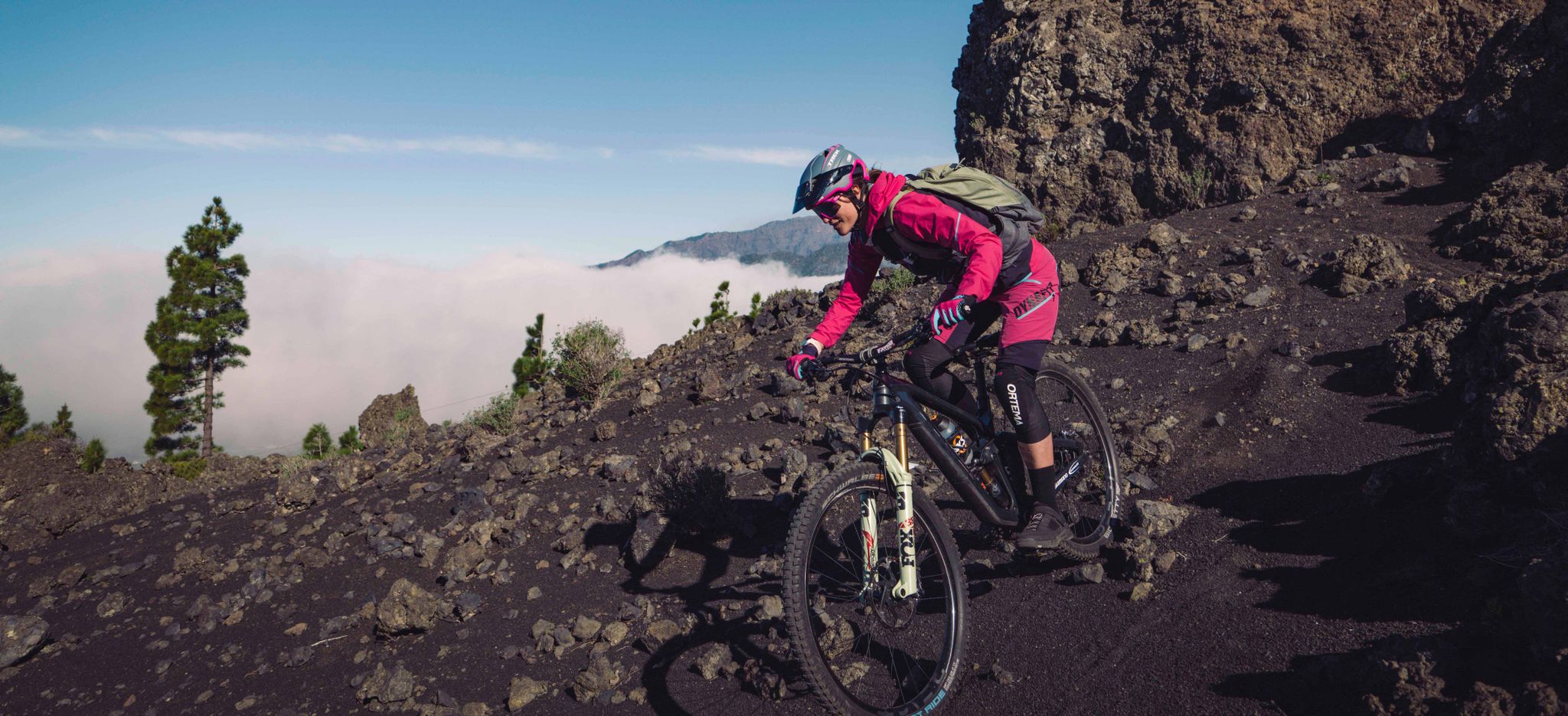
La Palma – my favourite Tours on the Canary Islands’ Isla Bonita
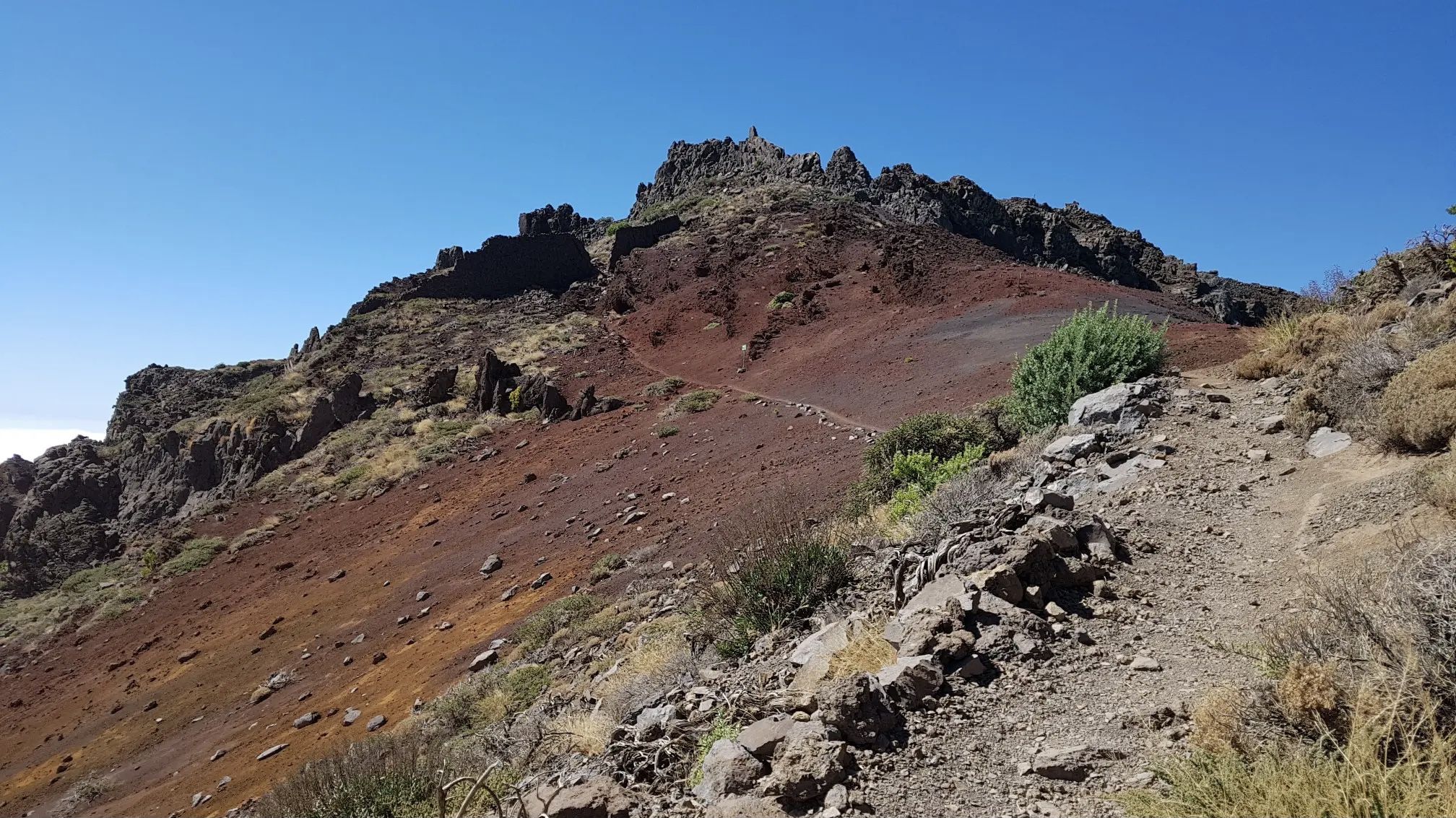
GR 131 El Bastón – La Palma in all its splendour
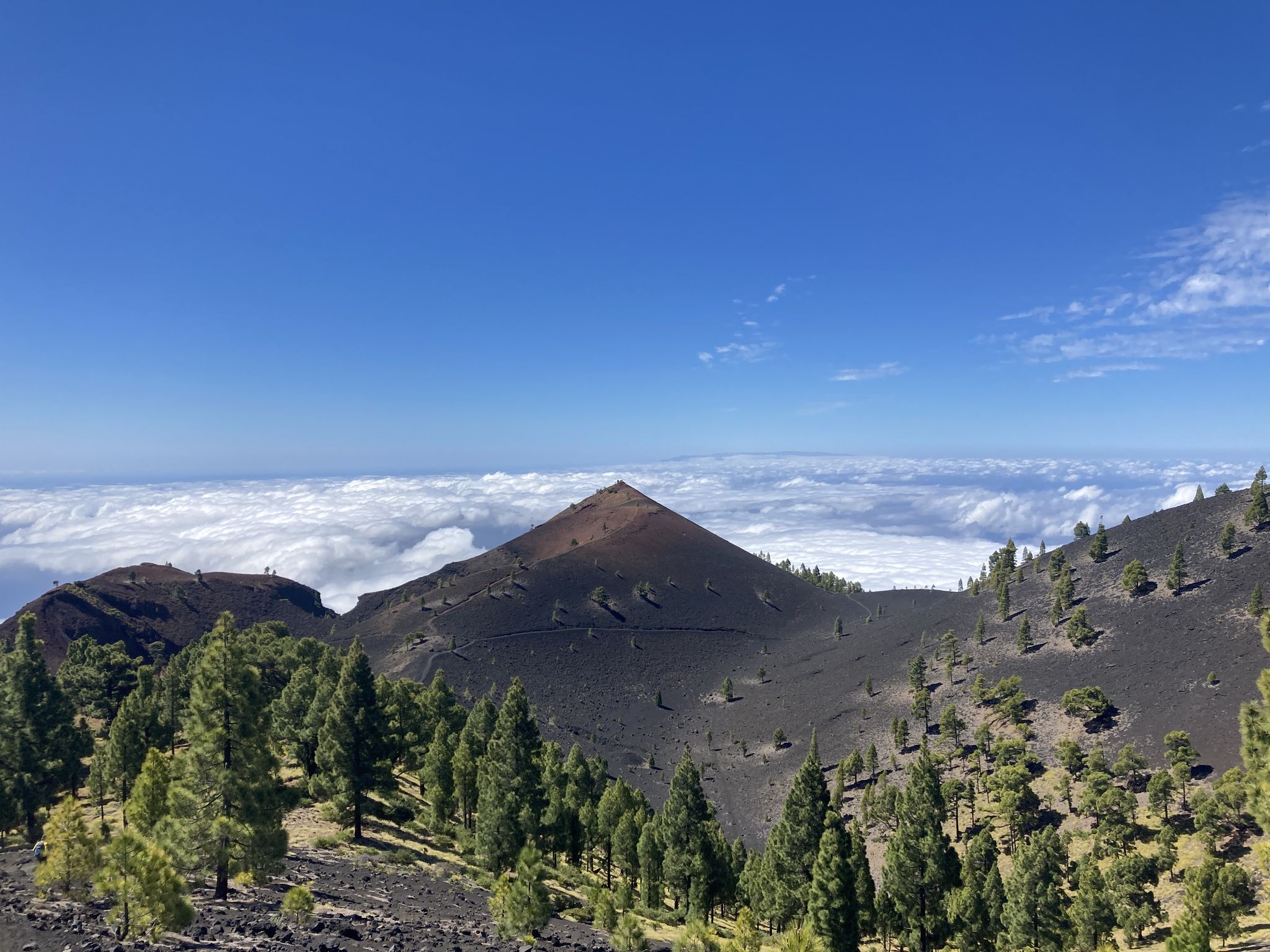
Transvulcania - traverse la Palma in the Canary Islands on the GR 131
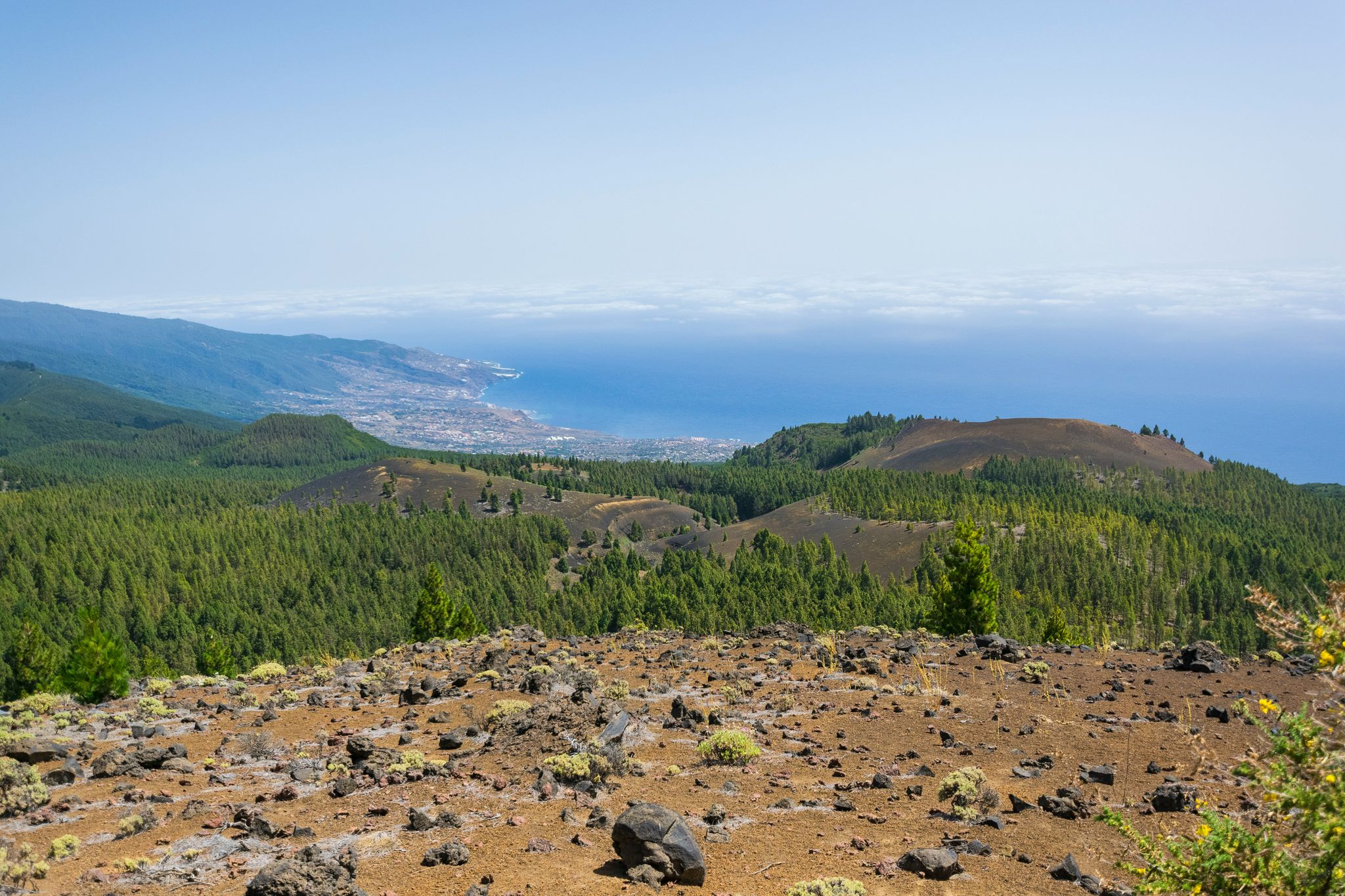
Around the beautiful island – La Palma Nature Trail (GR 130)
Hiking around Garafía
Road Cycling Routes around Garafía
MTB Trails around Garafía
Running Trails around Garafía
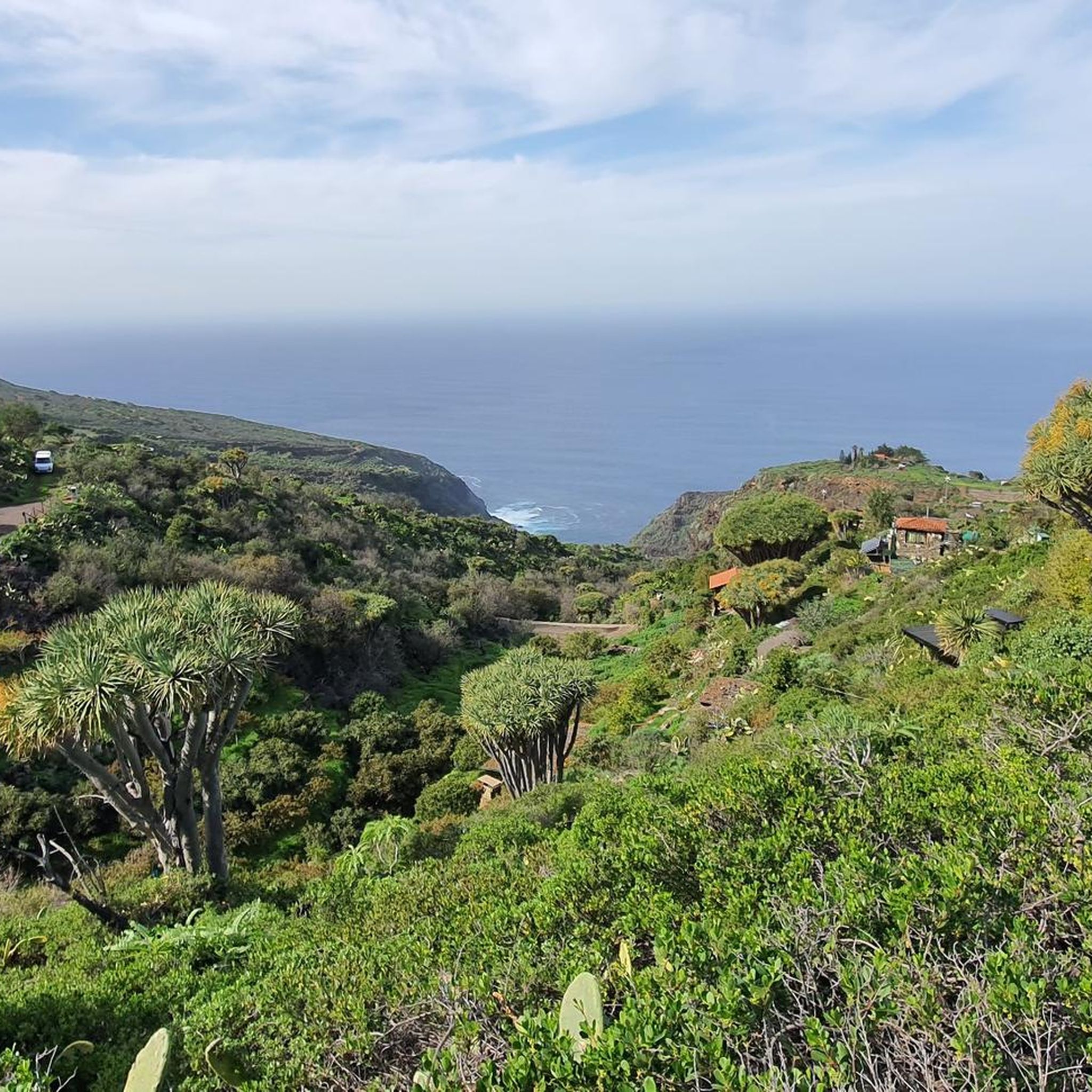
Cycling around Garafía
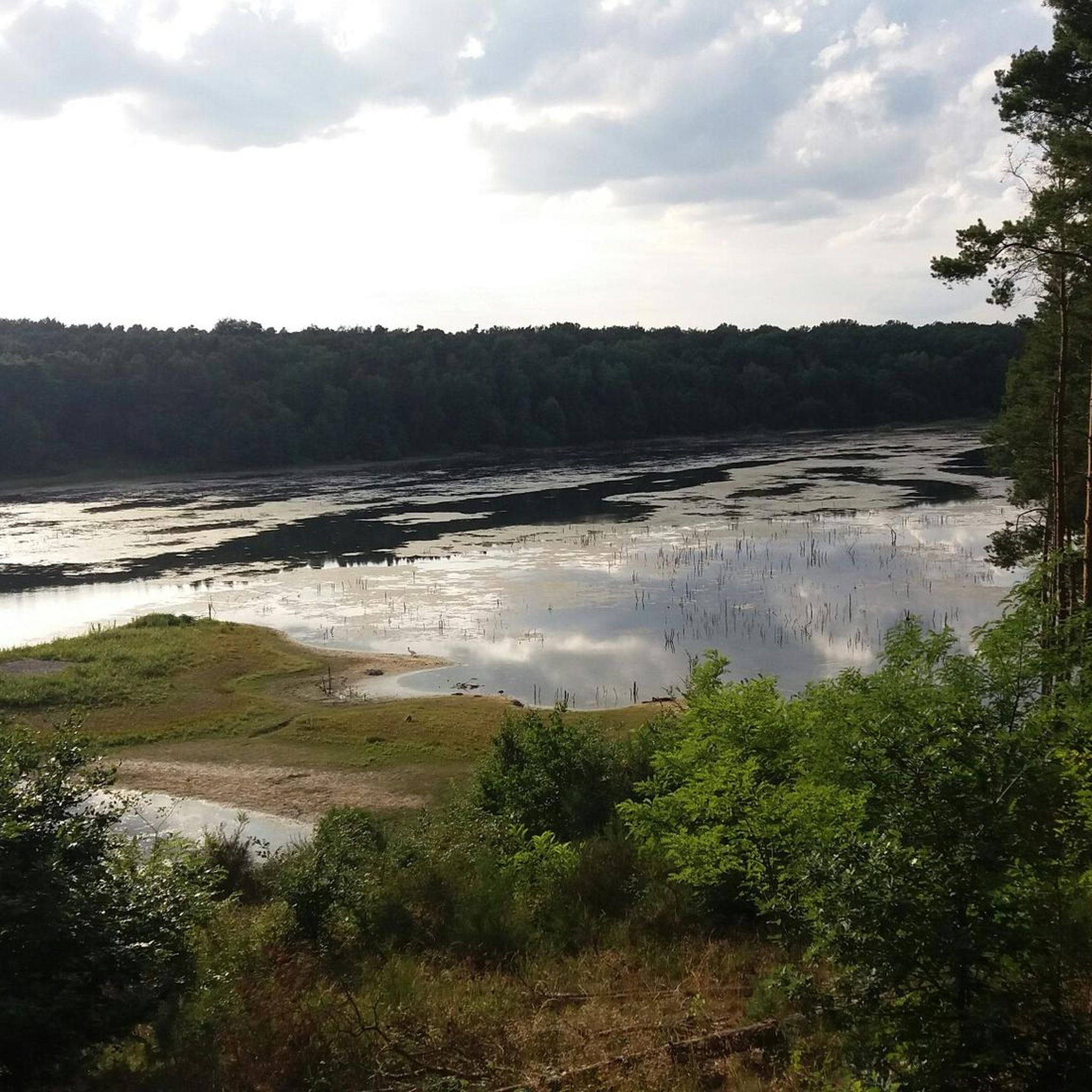
Mountain Hikes around Garafía
Other adventures around Garafía


Tips from the Community

The climb to Roque del Faro begins immediately after you have driven through the dark tunnel of the LP-1 to the village of Franceses. (Be careful, the tunnel is unlit, be sure to take off your sunglasses and drive through slowly if you don't have light.) The pass then winds 8.30 kilometers through a wonderful jungle landscape. You will climb a total of 569 meters. On average, you'll get your money's worth here at 6.8 percent. However, there are also slightly flatter and even even sections of the route where there is time to breathe. The asphalt is consistently fine. However, there are a few individual holes and rippled spots in the tar caused by the heat on the route. As is usually the case in the north of the island, car traffic is very manageable. This pass is an important key climb if you want to either continue towards Roque de los Muchachos or continue towards the west side of La Palma.
2
0
The "Llano Negro" climb leads from the coastal town of Santo Domingo 8 kilometers uphill to LP-1. Once you reach the top you also have the opportunity to get some food, as there is a supermarket and a gas station with a snack restaurant there. The pass itself is pleasant to drive at 6.8 percent; you will climb 688 meters here. The road is in great condition. In addition, you don't have to worry about much traffic here. The vegetation on the climb is relatively similar from bottom to top; at first you will pass individual houses directly on the road. At the top there are always vantage points on the side of the road where you can pause. The entire pass is relatively open and unforested, making it very vulnerable to wind on stormy days. This can be a bit uncomfortable, especially in the last stretch, on the long straight if there is a headwind. Once you have reached the top, you have the decision to continue towards the Roque de los Muchachos, or you can take the route towards Roque del Faro and thus towards the north of the island.
2
0

Very long and quite demanding climb that from the center of Santa Cruz leads up to the "Roque de Los Muchachos" at 2426 meters above sea level. In total there are almost 41 kilometers that must be covered to reach the desired summit, but during the entire journey you can admire the wonderful landscapes that gradually open up to our eyes. Overall it is a street with little traffic and very quiet; I highly recommend checking the weather conditions before venturing towards the top because temperatures can drop significantly in winter and finding yourself pedaling in temperatures close to zero is not such a remote eventuality as you might expect from an island of the Canaries
1
0

https://www.youtube.com/watch?v=dR59PSJ4vA8 The LP-4 highway, known as Carretera del Roque, is an impressive route in La Palma that extends for 47.84 kilometers. This mountain road leads to the Roque de Los Muchachos Astrophysical Observatory and the highest point of the island, connecting with the LP-403 in its final section. It begins in the Mirca neighborhood, in Santa Cruz de La Palma, goes up to the observatory and then descends to Hoya Grande in the Villa de Garafía. It is a spectacular route to enjoy panoramic views of the island.
0
0
The LP-4 highway, known as Carretera del Roque, is an impressive route in La Palma that extends for 47.84 kilometers. This mountain road leads to the Roque de Los Muchachos Astrophysical Observatory and the highest point of the island, connecting with the LP-403 in its final section. It begins in the Mirca neighborhood, in Santa Cruz de La Palma, goes up to the observatory and then descends to Hoya Grande in the Villa de Garafía. It is a spectacular route to enjoy panoramic views of the island.
0
0
Hard descent with continuous descents of the bike and some dangerous sections. The views are from another galaxy but I consider that unless you take it as a walk to take out the bike and push, there are more fun tracks and trials in other areas of the island. In my case, I abandoned the GR a few meters further on and after crossing a hell of stones and burned forest I reached a point where the descent was continuous for 60 minutes along some cartoonish tracks and paths.
1
0

This section of the LP-114 highway connects Santo Domingo with Las Tricias. The dense vegetation on both sides of the road creates a landscape that looks like something out of Jurassic Park. The stage has little traffic and good asphalt.
0
0
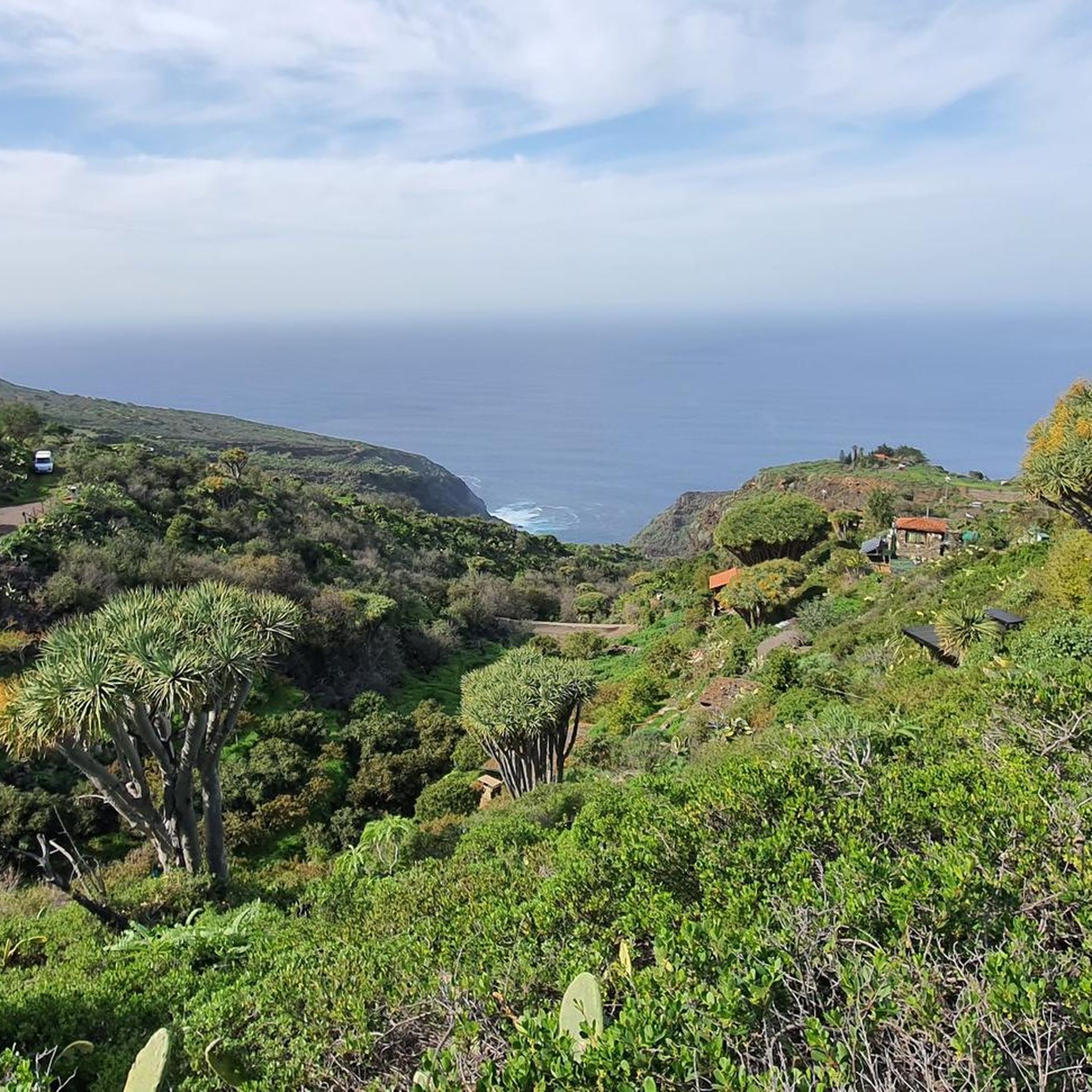
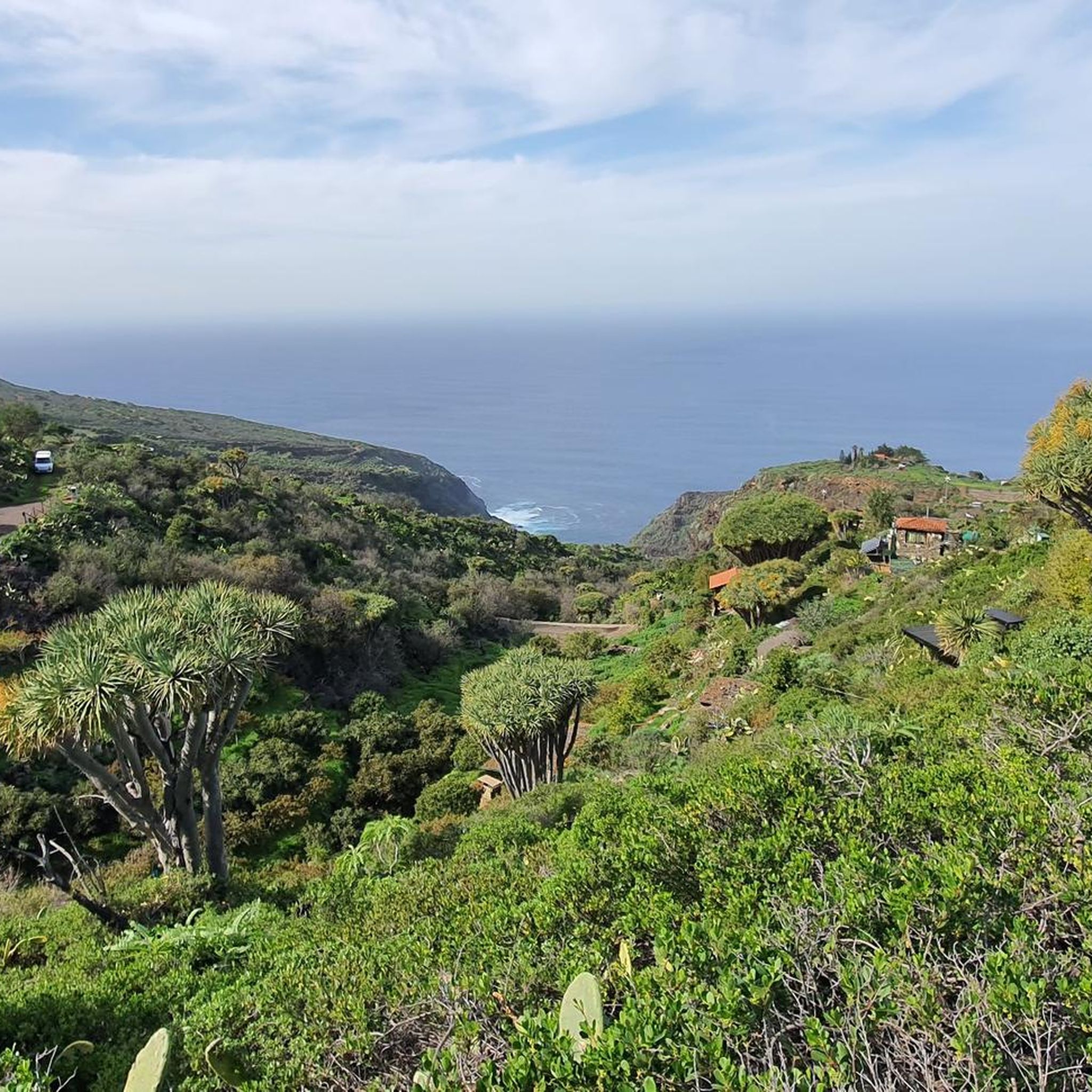
This climb to Las Tricias follows the LP-114, which you take as soon as you head back from Santo Domingo towards LP-1 and thus to the south/west side of the island. The highest point is reached about 1 kilometer after the town of Las Tricias. There you will find yourself at the fork in the road that leads towards Barlovento and Roque de los Muchachos, or towards Tijarafe. The road has recently been completely resurfaced and, as is usually the case in the north, there is little traffic on the road. With its 6.89 kilometers and 505 meters in altitude, this climb should definitely not be underestimated. The vegetation here is very green, you will pass many pretty dragon trees. The effects of the last forest fires can also be clearly seen on the pine trees. The last kilometers of the pass are the most difficult. Again and again you are faced with very steep ramps. In Las Tricias there is a supermarket that invites you to take a break and a beautiful photo spot with the typical Canarian church.
3
0
Frequently Asked Questions
What are some of the most scenic mountain passes around Garafía?
Garafía offers several routes with spectacular views. Beyond the well-known Ascent to Roque de los Muchachos from Santa Cruz de la Palma, which provides unparalleled panoramic views extending to neighboring islands on clear days, you can also explore the LP-114 Road Between Santo Domingo and Las Tricias. This route is known for its dense, 'Jurassic Park'-like vegetation and passes through areas with many beautiful dragon trees. The Roque del Faro Ascent also winds through a wonderful jungle landscape, offering a different kind of scenic beauty.
Are there challenging mountain trails in Garafía?
Yes, Garafía is renowned for its challenging terrain. The GR 131 El Bastion is a notable example, offering dramatic volcanic landscapes and extensive views of the Caldera. This trail is considered challenging, with some sections requiring careful navigation. The Ascent to Roque de los Muchachos also presents a demanding climb with significant elevation gain.
What kind of hiking trails can I find near Garafía's mountain passes?
The region around Garafía's mountain passes is crisscrossed with an extensive network of trails. You can find routes that are part of the GR 130, known as the 'Around the Beautiful Island – La Palma Nature Trail,' which passes through diverse landscapes including ravines and traditional villages. For specific hiking options, explore the Mountain Hikes around Garafía guide, which includes routes like the Roque de los Muchachos loop from the Observatory.
Are there any family-friendly mountain passes or routes in Garafía?
While many routes in Garafía are challenging, areas like La Zarza and La Zarcita offer more moderate hikes. These trails are rich in archaeological significance and provide an immersive natural experience. For a specific easy option, the Mountain Hikes around Garafía guide lists an easy Roque de los Muchachos loop from the Observatory, which is a shorter option suitable for families.
What is the best time of year to visit the mountain passes in Garafía?
The Garafía mountains can be visited year-round, but the best time depends on your preferences. For clear panoramic views and pleasant hiking conditions, spring and autumn are ideal. During winter, especially at higher elevations like Roque de los Muchachos, temperatures can drop significantly, and snow is possible, creating a picturesque but colder environment. The margins of the road to the top are adorned with beautiful violet flowers of Garafía and blue and rose tajinastes in bloom during spring.
What unique flora and fauna can I expect to see in the Garafía mountains?
The Garafía mountains are home to diverse flora and fauna. You can spot rare species of native plants, including the violet flower of Garafía and the blue and rose tajinastes, especially in bloom during spring. The area is also known for its ancient dragon trees, particularly around Las Tricias. As for fauna, seabirds like the Cory's shearwater can be observed, and the preserved natural character of the municipality supports various local species.
Are there opportunities for road cycling around Garafía's mountain passes?
Absolutely. Garafía offers excellent road cycling opportunities with challenging climbs and scenic routes. The Ascent to Roque de los Muchachos from Santa Cruz de la Palma is a very long and demanding climb popular with cyclists. The Llano Negro Ascent and Roque del Faro Ascent are also key climbs with good road conditions and manageable traffic. For more options, check out the Road Cycling Routes around Garafía guide.
What historical or cultural sites are near the mountain passes in Garafía?
Garafía boasts a rich cultural heritage. The areas of La Zarza and La Zarcita are significant for their archaeological sites, featuring ancient rock engravings. Additionally, villages like Las Tricias are known for their traditional Canarian architecture, offering a glimpse into the island's past. The GR 130 trail also connects various important places, providing insights into the island's traditional architecture and natural beauty.
Where can I find parking and trailheads for mountain passes in Garafía?
Many of the mountain passes and trails in Garafía have accessible starting points. For instance, the Roque de los Muchachos area has parking facilities near the Astrophysical Observatory, which serves as a trailhead for several routes. For climbs like the Llano Negro Ascent, you'll find parking in the coastal town of Santo Domingo. Always check specific route details for the most convenient parking and trailhead information.
What do visitors enjoy most about the mountain passes in Garafía?
Visitors frequently praise the unparalleled panoramic views, especially from high points like Roque de los Muchachos, where on clear days you can see other Canary Islands. The challenging nature of the climbs and trails, combined with the unique geological formations and diverse flora, also makes for a rewarding experience. The low light pollution also offers exceptional stargazing opportunities, adding another dimension to the visit.
What should I wear when hiking in the Garafía mountains?
Given the significant elevation changes and varied climate, it's advisable to dress in layers. Even on sunny days, temperatures can drop quickly, especially at higher altitudes or when the wind picks up. In winter, be prepared for extremely cold conditions and potential snow at the highest points. Sturdy hiking boots, waterproof outer layers, and sun protection are recommended for most trails.
Can I find food and drink options near the mountain passes?
While the mountain passes themselves are often remote, you can find amenities in nearby villages or at key points along the routes. For example, in Las Tricias, there is a supermarket, and at the top of the Llano Negro Ascent, you'll find a supermarket and a gas station with a snack restaurant. Some highlights, like the Ascent to Roque de los Muchachos, even mention a small fountain at the top.
What makes Roque de los Muchachos a significant mountain pass area?
Roque de los Muchachos is significant not only as the highest point on La Palma but also for hosting one of the world's most important astrophysical observatories. This area offers breathtaking panoramic views across the Caldera de Taburiente and to neighboring islands. It's also a hub for extensive hiking trails, including sections of the GR 131, and its unique climate and geology create a dramatic landscape, often with snow in winter, contrasting with its basaltic and reddish stones.
Most popular attractions around Garafía

Get inspired with the komoot mobile app


Explore more
See even more epic mountain passes by checking out these guides around Garafía:
