Top 4 Natural Monuments around Moorlinch
Best natural monuments around Moorlinch are found within the Somerset Levels and Moors, an area characterized by its unique ecological and geological features. This landscape features prominent hills, extensive wetlands, and diverse nature reserves. The region offers opportunities to observe wildlife and appreciate varied natural terrains.
Best natural monuments around Moorlinch
- The most popular natural monuments is Burrow Mump, a religious building and natural monument. This scheduled monument features a Grade I listed ruined church on its summit. At 79 feet high, it stands out from the flat land and offers panoramic views.
- Another must-see spot is Dundon Beacon Nature Reserve, an Iron Age hill fort and nature haven. This small area of higher land is ringed by ancient oak woodland and capped with a meadow, providing far-reaching views across the levels.
- Visitors also love Walton Hill, a viewpoint and Site of Special Scientific Interest. This hill rises above the flat landscape with a summit at 269 feet, offering excellent views and a thriving habitat for butterflies.
- Moorlinch is known for its prominent hills, extensive wetlands, and diverse nature reserves. The area offers a variety of natural monuments to see and explore, from elevated viewpoints to significant wildlife habitats.
- The natural monuments around Moorlinch are appreciated by the komoot community, with 13 upvotes and 29 photos shared by visitors.
Last updated: October 17, 2026
Burrow Mump
Highlight • Religious Site
Thanks to the Somerset Levels winter floods, Burrow Mump becomes somewhat of an island, like its cousin, Glastonbury Tor. A Norman motte and bailey castle was originally constructed here, but the only structure that remains is the impressive medieval church.
Tip by

Walton Hill
Highlight • Viewpoint
Tip by
Sign up now to discover places like this
Get recommendations on the best single tracks, peaks, & plenty of other exciting outdoor places.
Dundon Beacon Nature Reserve
Highlight • Natural Monument
Tip by

Wild Swimming in the River Parrett
Highlight • River
Tip by

Start today with a free account
Your next adventure awaits.


Tips from the Community

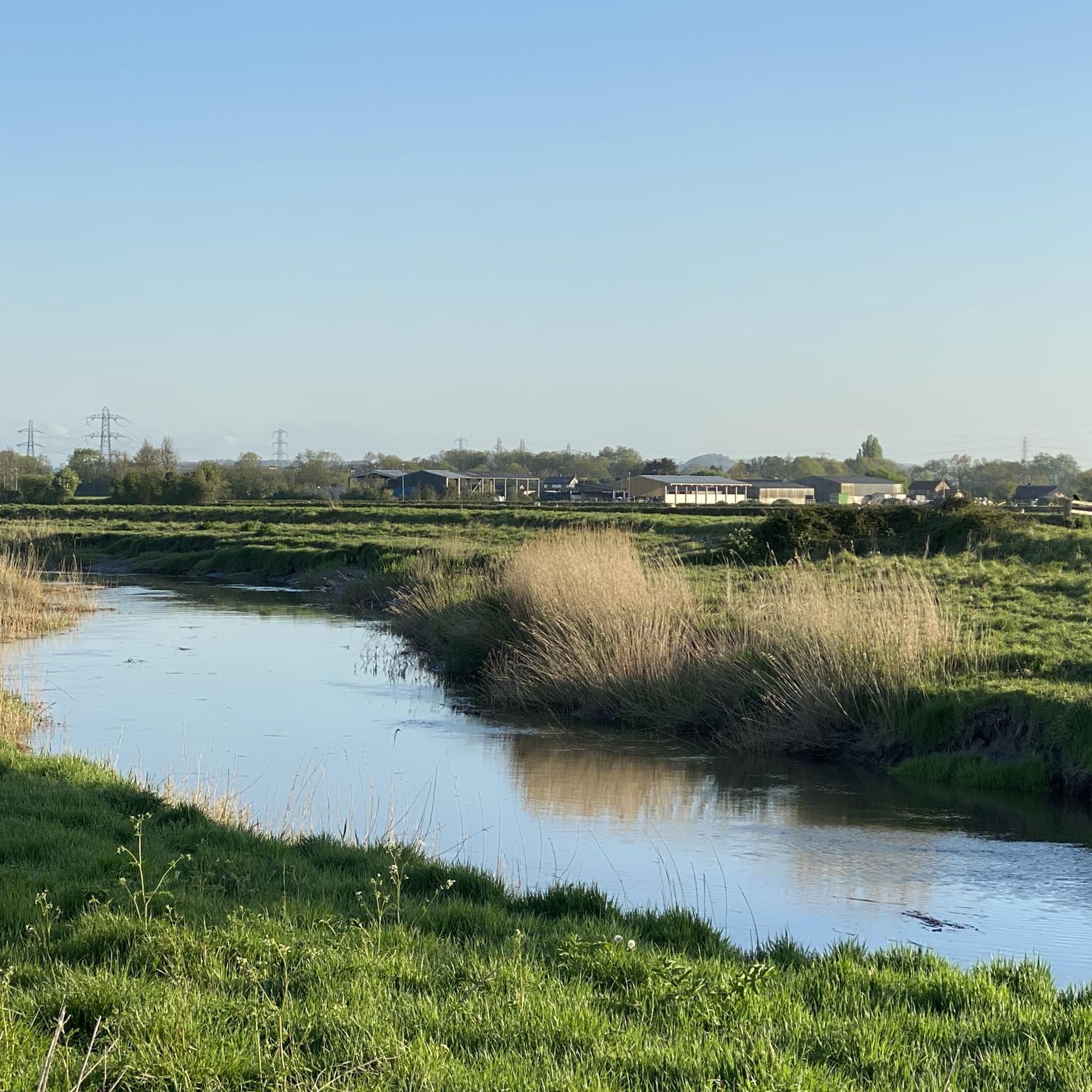
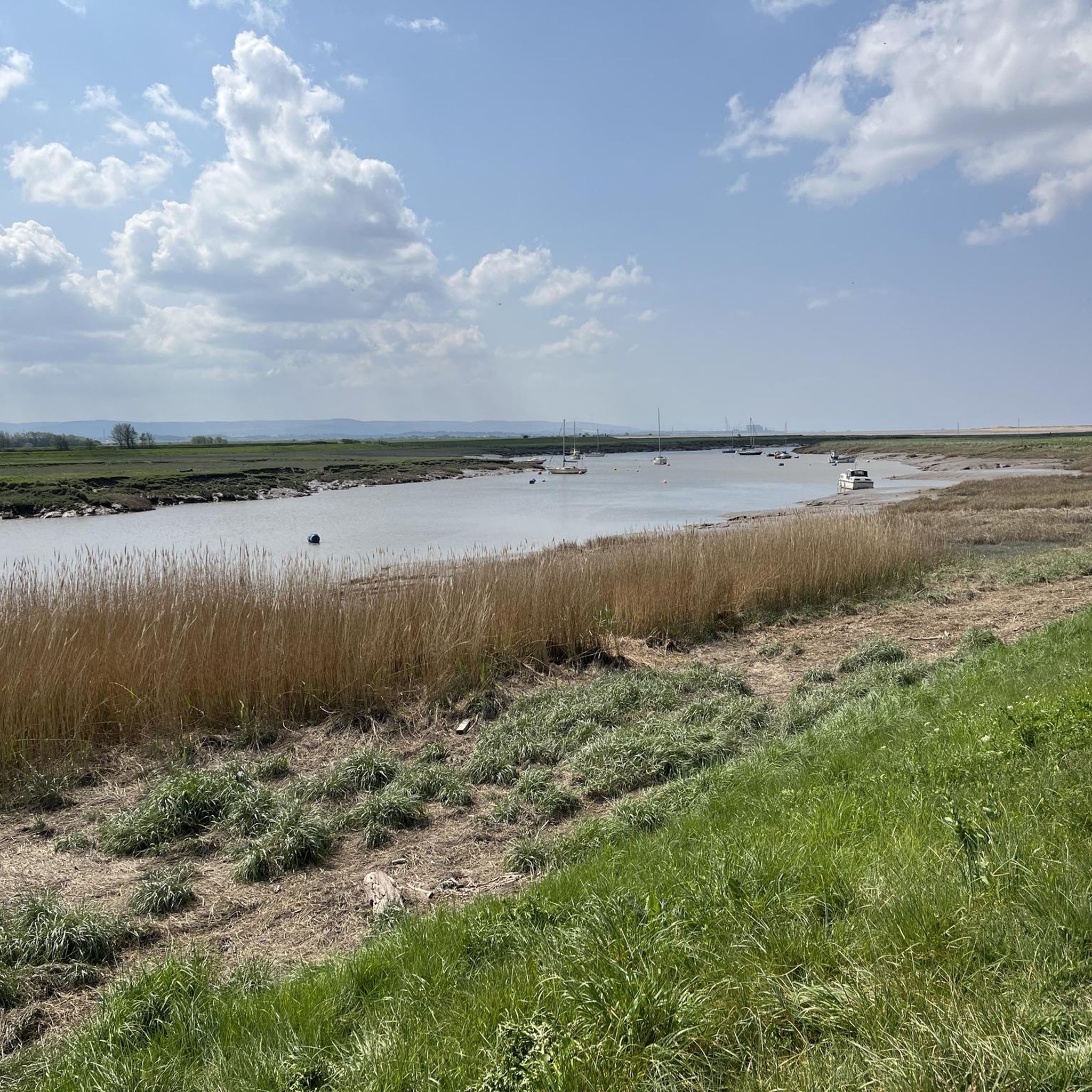
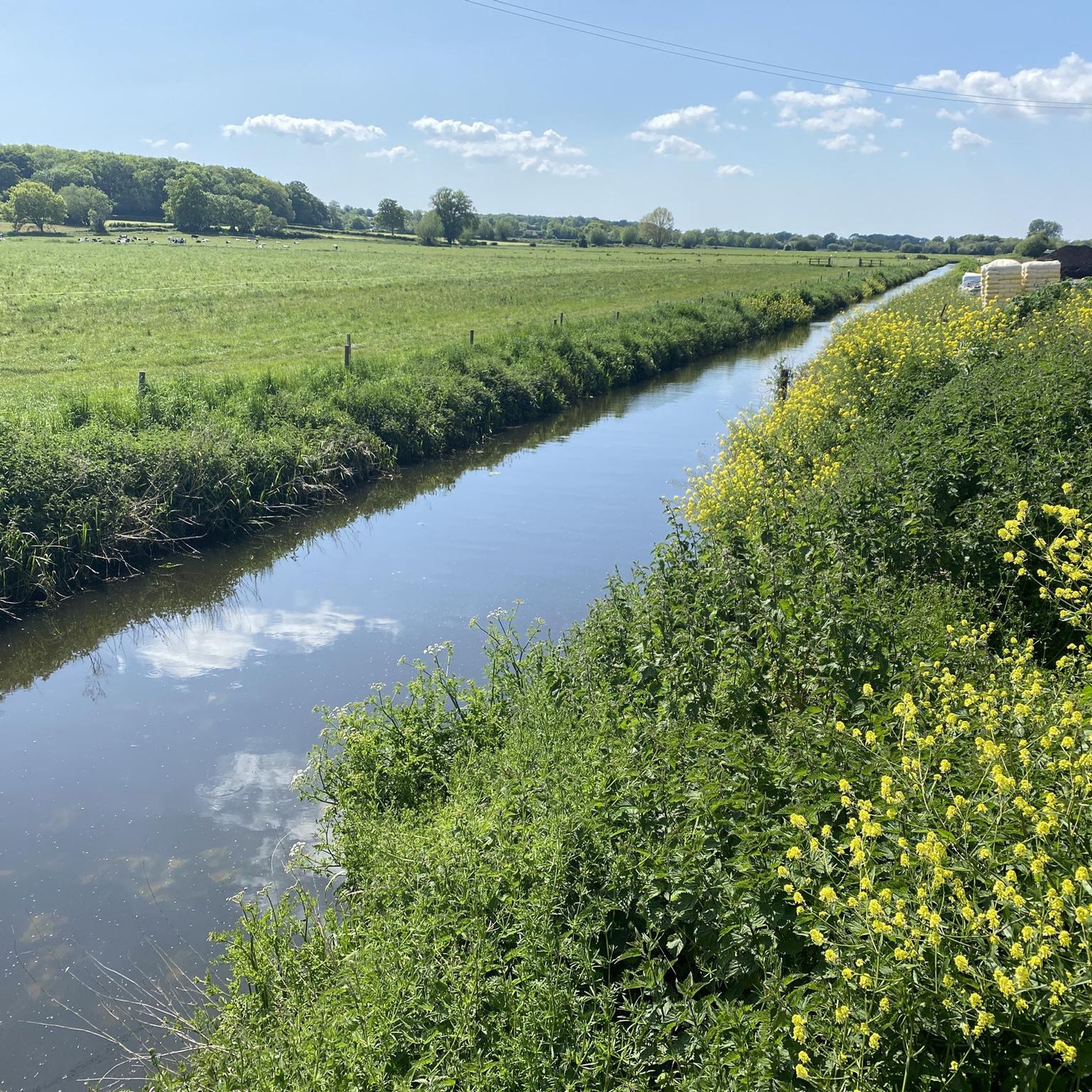
Dip your feet or go all in for some wild swimming in the River Parrett. There are small jetties near the riverside path.
0
0
Dip your feet or go all in for some wild swimming in the River Parrett. There are jetties along the riverside path.
0
0

Dundon Hill or Dundon Beacon is a Iron Age hill fort and nature haven. Managed by the Somerset Wildlife Trust this small area of higher land is ringed by ancient oak woodland and capped with a meadow. The views from the southern end of the plateau are far reaching across the levels where you get a gap in the trees.
0
0

A Site of Special Scientific Interest and owned by the National Trust, Walton Hill was quarried in the middle ages and is now a thriving habitat for butterflies and other plants and wildlife. The hill rises above the relatively flat landscape with a summit at 269 feet (82 m) that offers excellent views. At the western end stands an old windmill, now a private residence.
0
0
Rising above the village of Burrowbridge, this wonderfully named hill is a scheduled monument and is home to a Grade I listed ruined church on its summit. At 79 feet (24 m) high, it stands out from the flat land around and can be seen easily from the River Parrett Trail which passes by. Thanks to the Somerset Levels winter floods, Burrow Mump becomes somewhat of an island, like its cousin, Glastonbury Tor. A Norman motte and bailey castle was originally constructed here, but the only structure that remains is the impressive medieval church.
1
0
Frequently Asked Questions
What kind of natural features can I expect to see around Moorlinch?
The area around Moorlinch, part of the Somerset Levels and Moors, is characterized by its unique ecological and geological features. You'll find prominent hills offering panoramic views, extensive wetlands, and diverse nature reserves. Expect to see a mix of open water, reed beds, ancient woodlands, and lowland acid mire habitats.
Where can I go for wildlife spotting near Moorlinch?
For exceptional wildlife spotting, visit Westhay Moor National Nature Reserve, internationally renowned for its birdlife, including starlings, bitterns, and marsh harriers. Another excellent option is Shapwick Heath National Nature Reserve, part of the Avalon Marshes, where you can spot great white egrets, otters, and experience spectacular starling murmurations in season.
Are there any historical sites among the natural monuments around Moorlinch?
Yes, several natural monuments also hold historical significance. Burrow Mump features the ruins of a Grade I listed church on its summit, and was originally the site of a Norman motte and bailey castle. Dundon Beacon Nature Reserve is an Iron Age hill fort, ringed by ancient oak woodland.
What are the best viewpoints to appreciate the landscape?
For panoramic views of the Somerset Levels, Burrow Mump is an excellent choice, standing 79 feet high. Dundon Beacon Nature Reserve also offers far-reaching views across the levels from its meadow-capped summit. Additionally, Walton Hill, with its summit at 269 feet, provides excellent vistas.
Are the natural monuments around Moorlinch family-friendly?
Yes, many are. Westhay Moor National Nature Reserve is particularly noted as family-friendly, offering trails and hides for birdwatching. Shapwick Heath National Nature Reserve also has a fantastic gravel trail suitable for families. Always check specific site guidelines for accessibility and facilities.
What outdoor activities can I do near these natural monuments?
The area offers a variety of outdoor activities. You can find numerous running trails, such as the 'Calcott Complex loop from Edington' or 'Running loop from Moorlinch', which you can explore further in the Running Trails around Moorlinch guide. For cycling, consider routes like the 'Somerset Levels Wetlands – Sweets Tea Rooms loop from Moorlinch' from the Cycling around Moorlinch guide. Mountain biking options are also available, including the 'Ham Wall Nature Reserve – Willow Walk loop from Meare' in the MTB Trails around Moorlinch guide. You can also enjoy wild swimming in the River Parrett.
What is the best time to visit the natural monuments around Moorlinch?
The best time to visit depends on your interests. For birdwatching, autumn through to January/February is ideal at Westhay Moor National Nature Reserve to witness starling murmurations. Spring and summer offer lush landscapes and active wildlife. During winter floods, Burrow Mump can become an 'island', offering a unique sight.
Are there any natural monuments that are Sites of Special Scientific Interest (SSSI)?
Yes, Walton Hill is designated as a Site of Special Scientific Interest. It's a thriving habitat for butterflies, plants, and other wildlife, managed by the National Trust.
Can I find information about the wider network of nature reserves in Somerset?
Yes, for information on the broader network of National Nature Reserves in Somerset, including those near Moorlinch, you can refer to official government resources. For example, the UK government provides publications on Somerset's National Nature Reserves, which can offer further context on conservation efforts and other sites in the region. You can find more details at www.gov.uk.
What do visitors enjoy most about the natural monuments around Moorlinch?
Visitors particularly appreciate the panoramic views from elevated points like Burrow Mump and Dundon Beacon Nature Reserve. The rich biodiversity and birdwatching opportunities at reserves such as Westhay Moor National Nature Reserve are also highly valued. The unique character of the Somerset Levels, with its wetlands and prominent hills, offers a distinct natural experience.
Are there opportunities for wild swimming near Moorlinch's natural monuments?
Yes, you can experience wild swimming in the River Parrett. There are small jetties along the riverside path where you can dip your feet or go for a full swim.
Most popular attractions around Moorlinch

Get inspired with the komoot mobile app


Explore more
Extend your search for the best caves by checking out these guides of the top ones around Moorlinch:
