Top 9 Natural Monuments around Epping Forest
Best natural monuments around Epping Forest include a collection of ancient woodlands, geological formations, and historic earthworks. This vast expanse of ancient woodland, straddling Greater London and Essex, is situated on a ridge between the Lea and Roding rivers. It offers a connection to nature and a glimpse into millennia of natural and human history. The forest is recognized for its ecological importance, designated as a Site of Special Scientific Interest (SSSI) and a Special Area of Conservation (SAC).
Best natural monuments around Epping Forest
- The most popular natural monument is Dead Oak Tree on Oak Trail (Epping Forest), a viewpoint that is part of a moderately challenging walk. This ancient tree exemplifies the forest's living relics, supporting diverse wildlife and contributing to the area's historical atmosphere.
- Another must-see spot is Grimston's Oak (The Monarch of the Forest), a natural monument estimated to be up to 750 years old. This significant tree, also known as Bedford's Oak, stands as one of England's oldest oaks, with a girth exceeding 10 meters.
- Visitors also love Ambresbury Banks — Iron Age hillfort, an Iron Age hillfort with clearly visible earthworks. This site offers a blend of natural beauty and ancient history, providing insights into human presence in the woodland since at least the Iron Age.
- Epping Forest is known for its ancient and veteran trees, Iron Age hill forts, and diverse ponds and waters. Visitors can explore a variety of natural monuments, from ancient pollards to historical earthworks and scenic aquatic habitats.
- The natural monuments around Epping Forest are appreciated by the komoot community, with more than 130 upvotes and over 20 photos shared by visitors.
Last updated: October 15, 2026
Grimston's Oak (The Monarch of the Forest)
Highlight • Natural Monument
Tip by

The Deer Sanctuary, Epping Forest
Highlight • Forest
Tip by

Sign up now to discover places like this
Get recommendations on the best single tracks, peaks, & plenty of other exciting outdoor places.
Ambresbury Banks — Iron Age hillfort
Highlight • Forest
Tip by

Gernon Bushes Nature Reserve
Highlight • Forest
Tip by

Ancient Oak Tree in Epping Forest
Highlight • Natural Monument
There are nine waymarked trails within the woods, all make great runs if you fancy following them, or just head out and try the trails.
Tip by

Loughton Camp Iron Age Hill Fort
Highlight • Historical Site
Tip by
Dead Oak Tree on Oak Trail (Epping Forest)
Highlight • Viewpoint
Tip by

Chipping Ongar Castle Motte and Bailey
Highlight • Castle
Tip by

Coppiced Beech Wood in Epping Forest
Highlight • Natural Monument
Tip by

Cycling Path by the Lake
Highlight (Segment) • Trail
Tip by

Start today with a free account
Your next adventure awaits.
Popular around Epping Forest
London LOOP — Hiking a ring of greenspaces around the capital
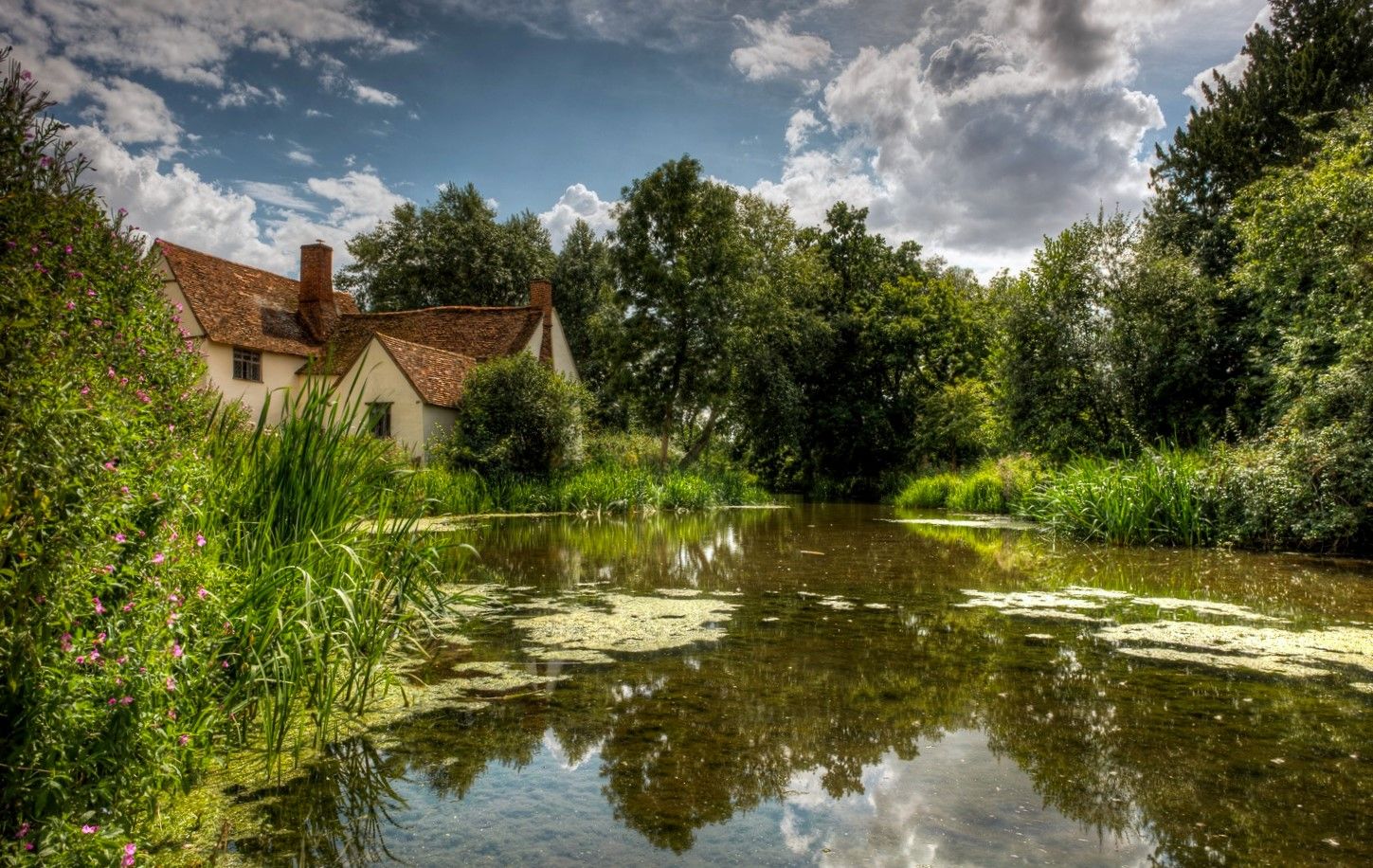
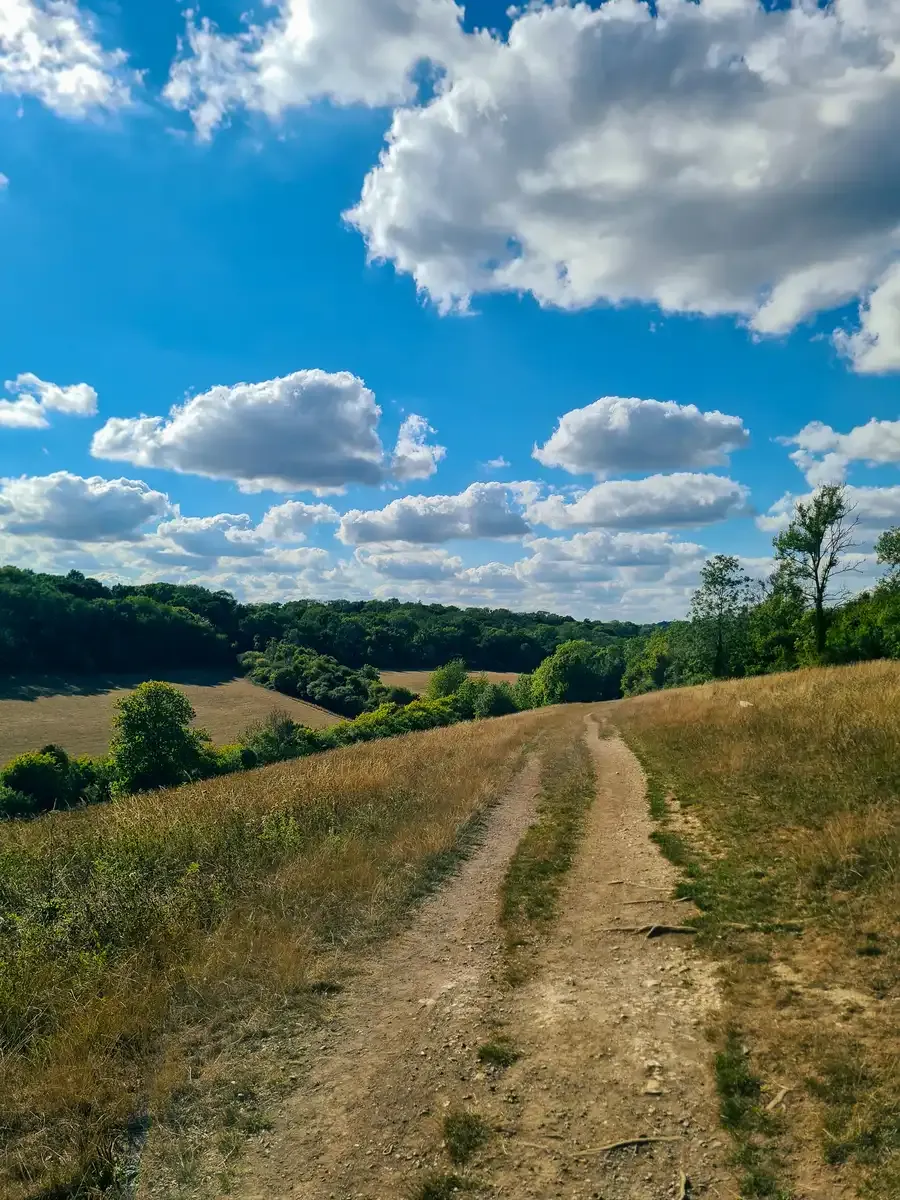
Essex Way — Step into a Romantic painting on a picturesque rural hike
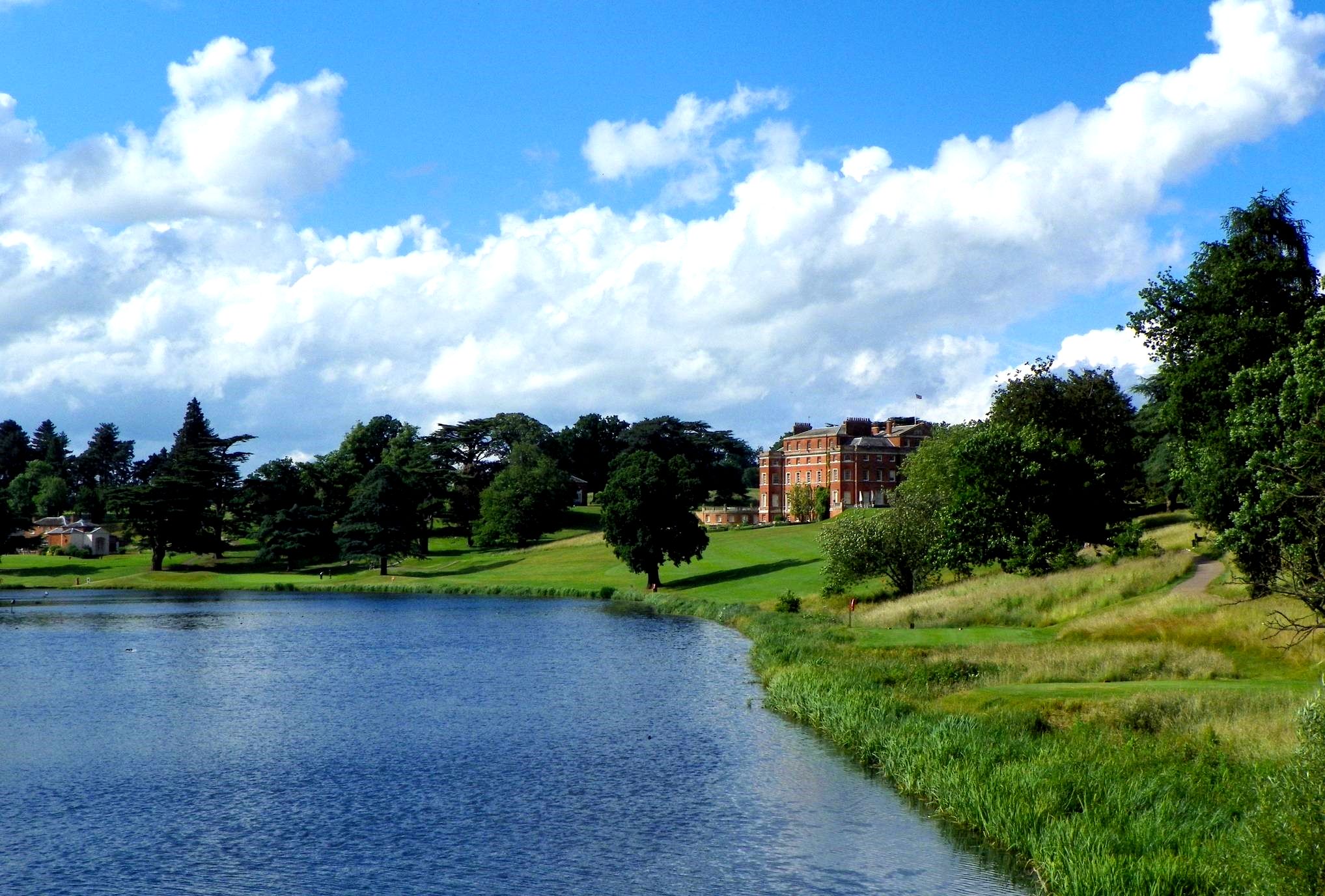
Lea Valley Walk — A riverside ramble from source to Thames
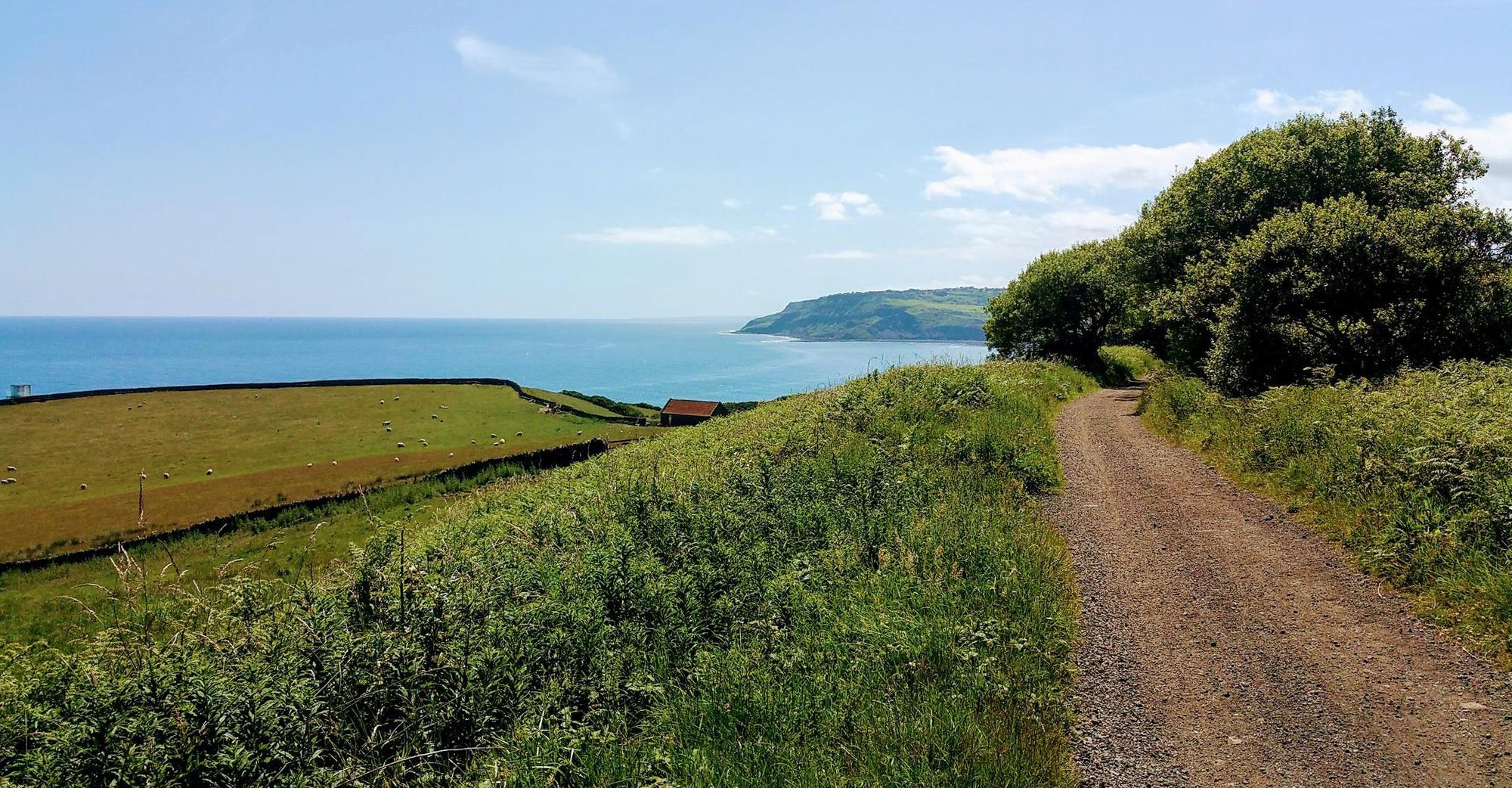
Family friendly cycle routes in England
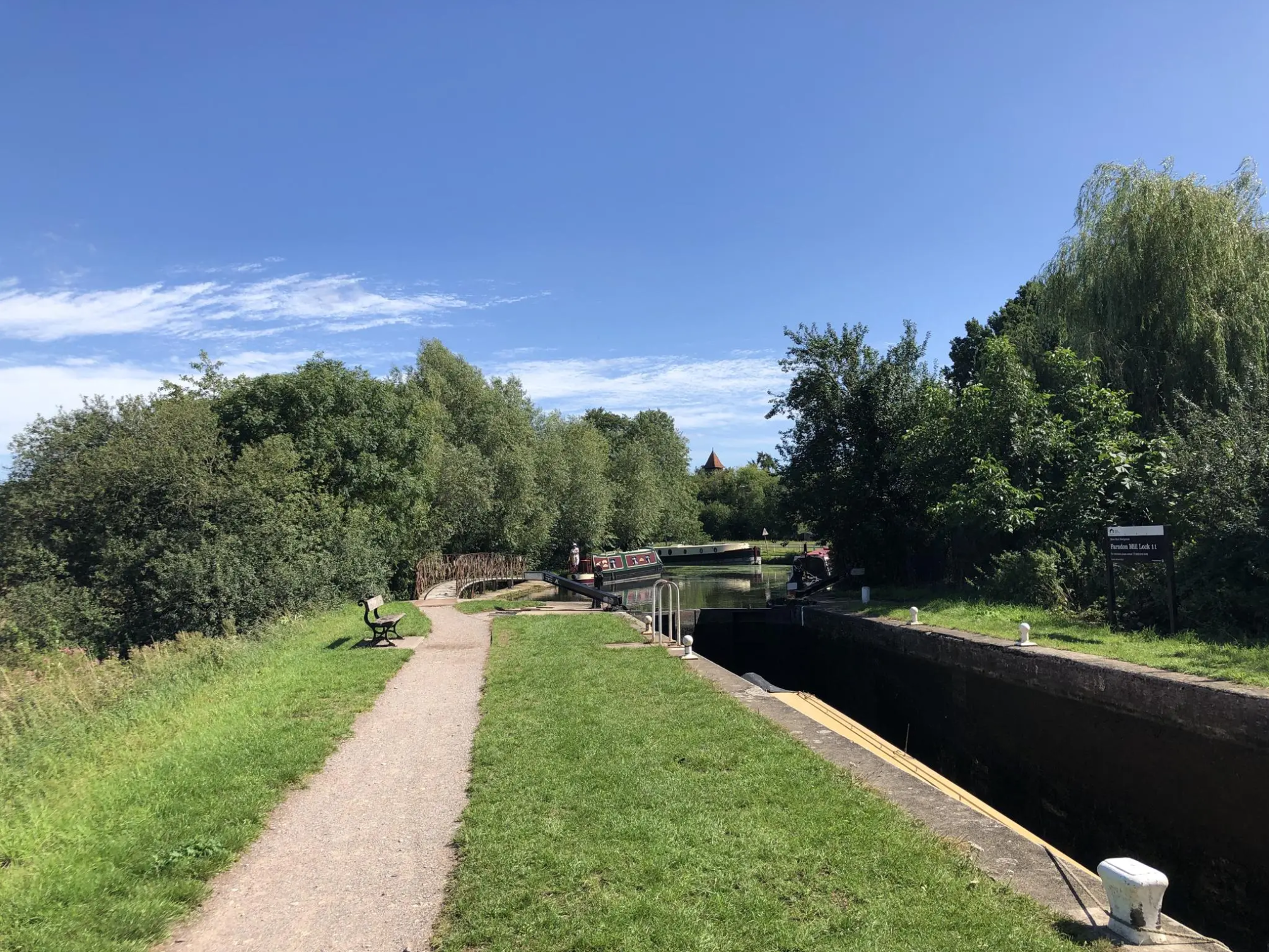
Forest hopping in Essex – Three Forests Way
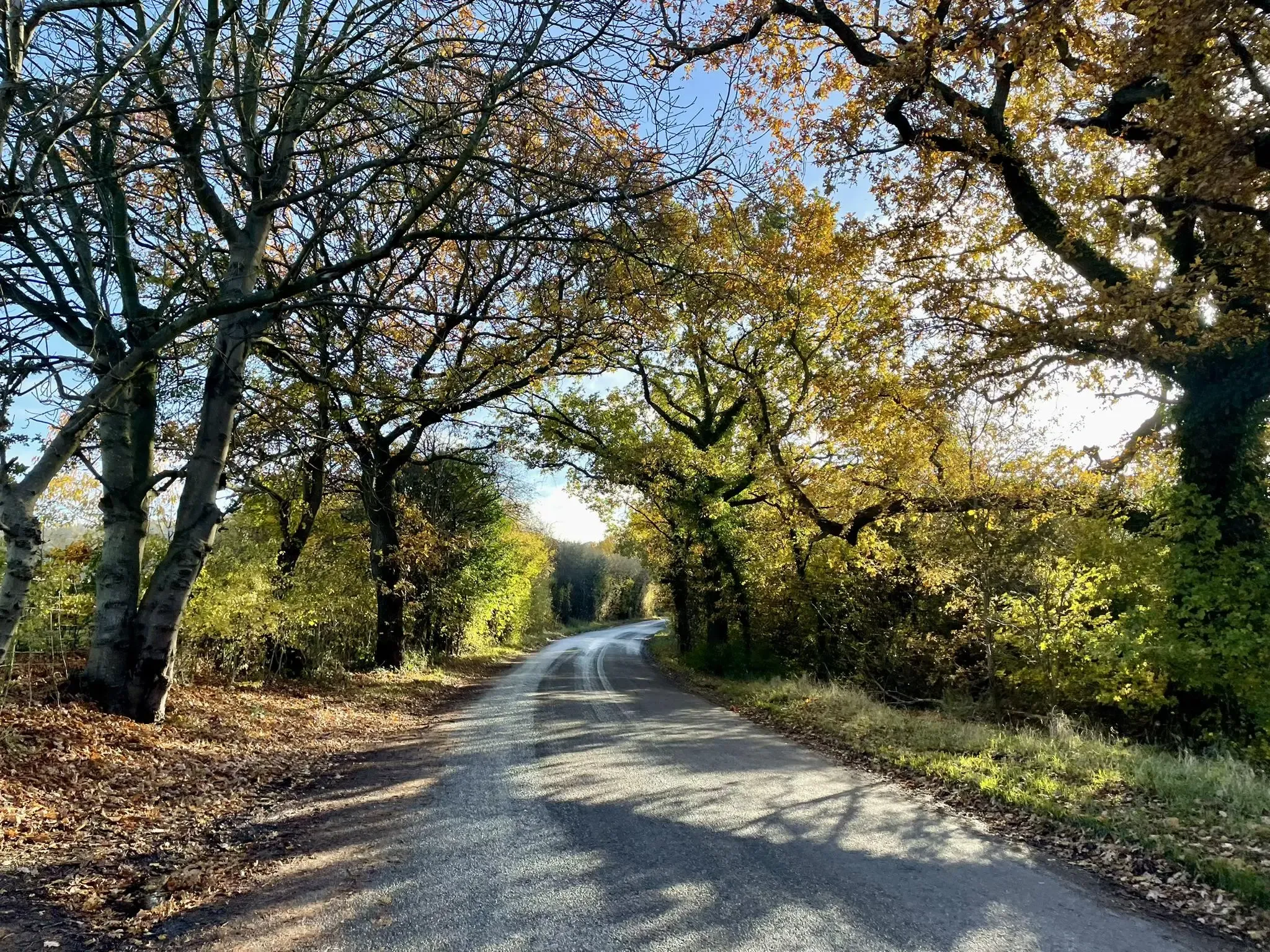
Adventures from the capital – northern & easterly road rides
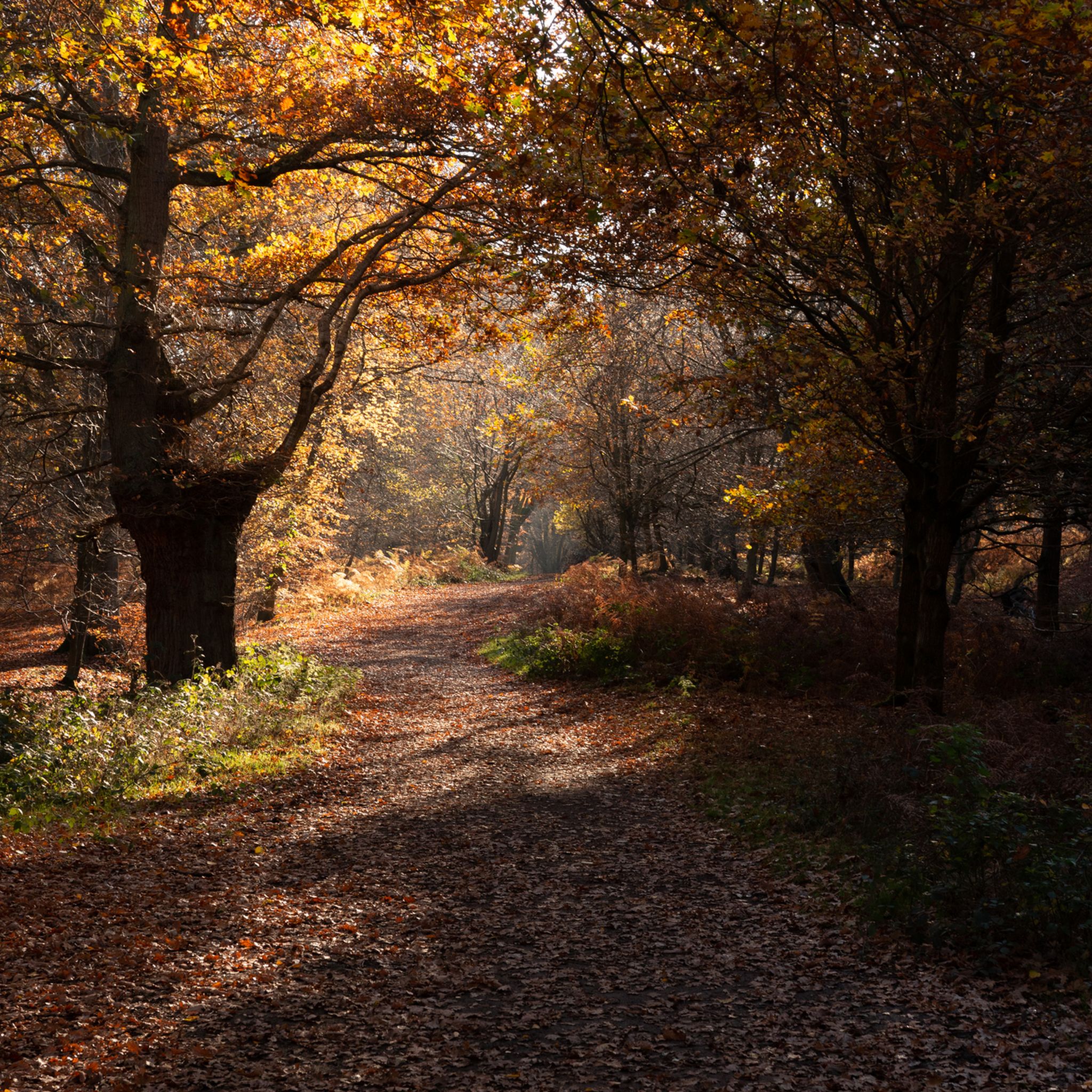
Hiking around Epping Forest
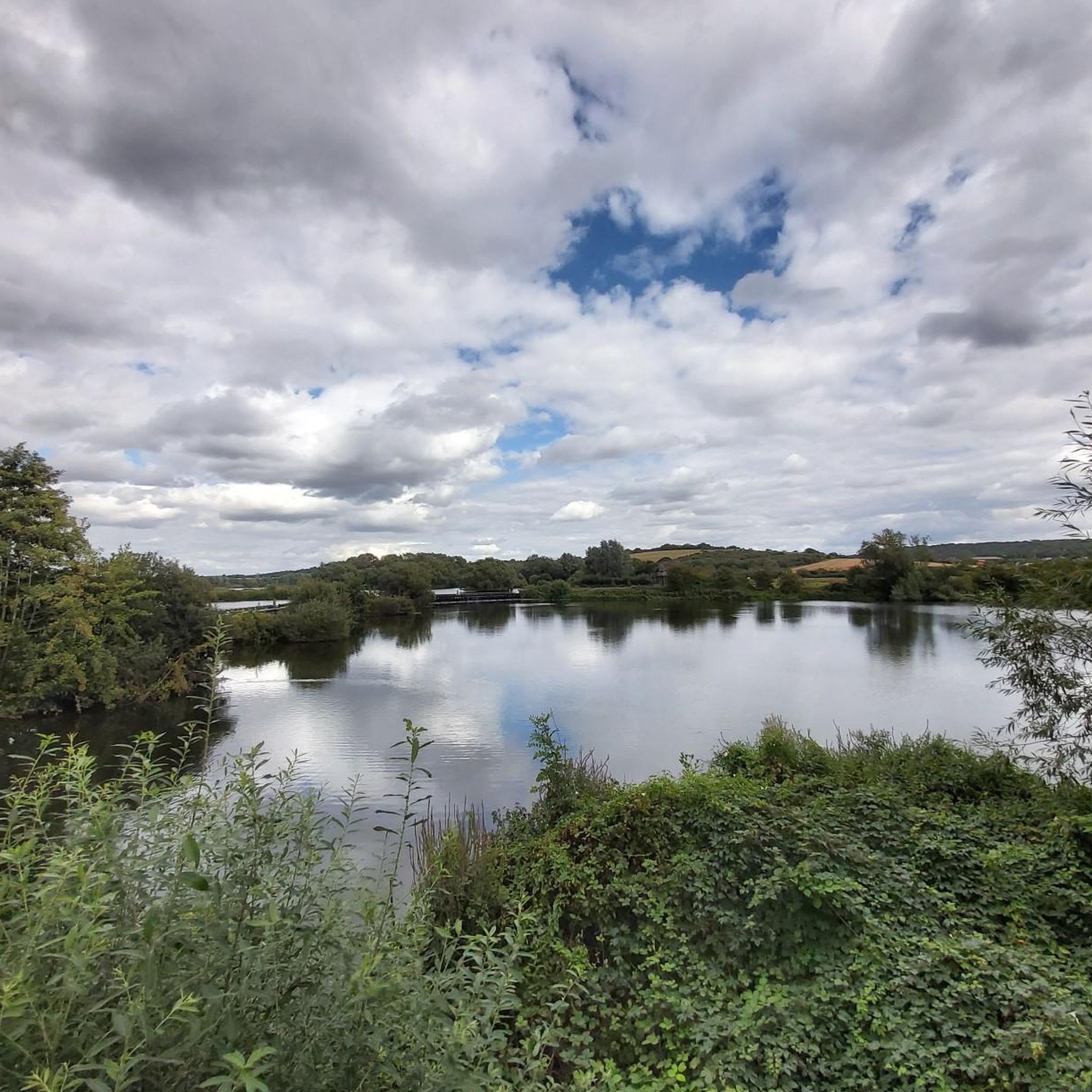
Running Trails around Epping Forest
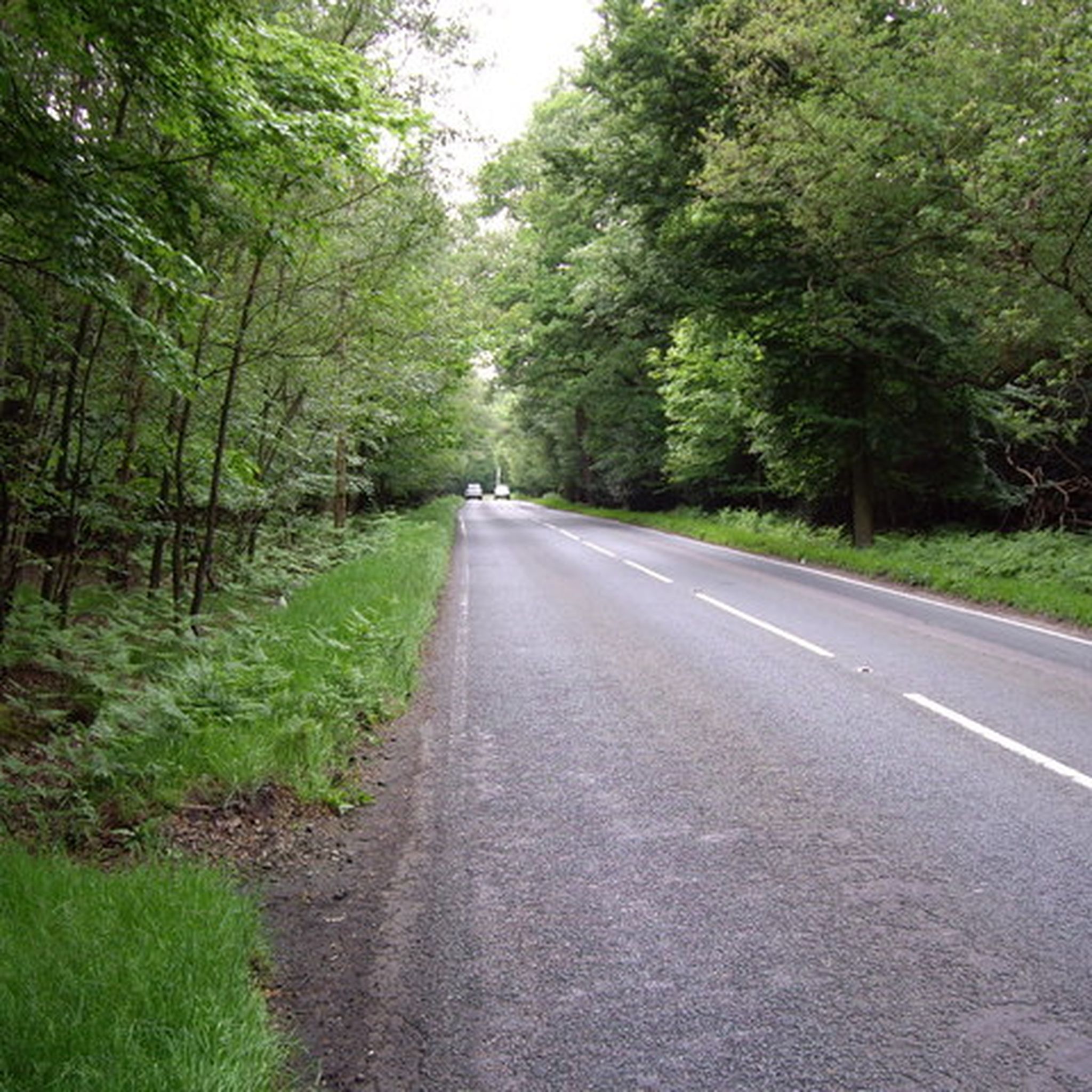
Road Cycling Routes around Epping Forest
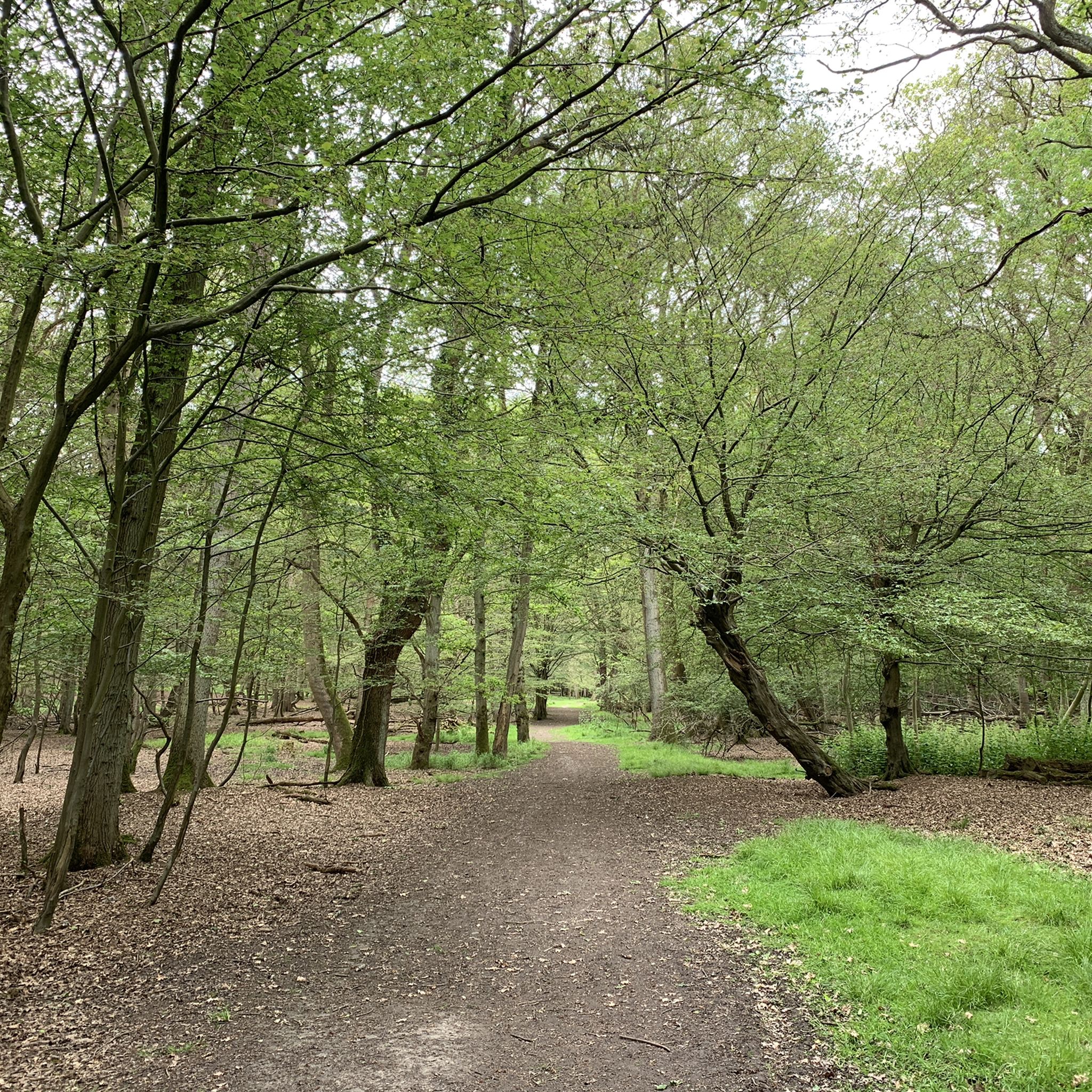
Cycling around Epping Forest
Other adventures around Epping Forest


Tips from the Community

Off the beaten path but once you find it, it is a sight to behold. Hard to miss once you see the carvings on the trunk
0
0

Added to the collection: komoot.com/de-de/collection/3600632/-naturdenkmaeler-besondere-baeume-und-weitere-schaetze-der-natur
0
0

A great place for a walk before paying a visit to the Garnon Bushes pub in Coopersale!🙂
0
0

This deer sanctuary is home to a population of fallow deer and is located on the edge of Epping Forest. The sanctuary is part of Epping Forest's long history of deer conservation, dating back to medieval times when the forest was a royal hunting ground.
1
0

The tree is estimated to be about 350 years old
0
0

An Iron Age hill fort and camp now within Epping Forest. It would have been busier here in around 500BCE when the camp was inhabited. The earth works which are still visible consist of a low bank and ditch encircling about 10 acres (4 hectares), this would have been the edge of the main camp.
1
0

It's often possible to spot the Deer Sanctuary's fallow deer inhabitants from the trails in this part of Epping Forest. Once a Royal hunting forest, Epping has had a long association with deer. The increase in road traffic through the forest in the 1950s meant deer were often getting hit by cars. The sanctuary was set up in 1959 to protect them.
0
0
An Iron Age hillfort once stood here, in the northern reaches of Epping Forest. The earthworks are still clearly visible and would have protected an area of 11 acres (4.5 hectares). The legend goes that Boudica's last stand against the Romans occurred here, though there's no actual evidence that this is the case.
0
0
Frequently Asked Questions
What types of natural monuments can I explore in Epping Forest?
Epping Forest is home to a diverse range of natural monuments, including ancient and veteran trees like Grimston's Oak (The Monarch of the Forest), ancient woodlands, unique geological formations, and significant Iron Age earthworks such as Ambresbury Banks — Iron Age hillfort. The forest also features numerous ponds and aquatic habitats.
Are there any ancient trees worth visiting in Epping Forest?
Absolutely. Epping Forest is renowned for its ancient and veteran trees, many of which are lapsed pollards. Notable examples include Grimston's Oak (The Monarch of the Forest), estimated to be up to 750 years old with a girth exceeding 10 meters, making it one of England's oldest oaks. You can also find the Dead Oak Tree on Oak Trail (Epping Forest), which is part of a moderately challenging walk.
What historical natural monuments can I find in Epping Forest?
Epping Forest integrates natural beauty with ancient history through its Iron Age hill forts. You can visit Ambresbury Banks — Iron Age hillfort and Loughton Camp Iron Age Hill Fort, both featuring clearly visible earthworks that demonstrate human presence in the woodland since at least the Iron Age.
Are there family-friendly natural monuments or activities in Epping Forest?
Yes, several natural monuments in Epping Forest are suitable for families. Grimston's Oak (The Monarch of the Forest) and The Deer Sanctuary, Epping Forest are both categorized as family-friendly. Exploring the ancient trees and earthworks offers an engaging experience for all ages. Many trails are also suitable for family walks.
What kind of wildlife can I expect to see near the natural monuments?
Epping Forest's ancient woodlands and diverse habitats support a rich array of wildlife. Near the ancient trees and ponds, you might spot rare fungi, insects, and bats. The Deer Sanctuary is a specific highlight for observing deer. The aquatic habitats are excellent for birdwatching, with swans, grebes, cormorants, and sometimes even otters.
Are there hiking trails that connect to the natural monuments in Epping Forest?
Yes, Epping Forest offers numerous hiking opportunities. For easy walks, consider routes like the Beech Trail or the Lea Valley Country Park loop. If you're looking for more moderate hikes, the Iris Pond – Epping Thicks loop or the Epping Thicks – Theydon Bois village loop are popular choices. You can find more details on these and other routes in the Hiking around Epping Forest guide.
What is the best time of year to visit the natural monuments in Epping Forest?
Epping Forest offers unique beauty throughout the year. Spring brings vibrant new growth and wildflowers, while autumn showcases stunning foliage, especially among the ancient trees. Summer is ideal for longer walks, and even winter offers a mysterious atmosphere among the gnarled pollards. The forest's diverse habitats ensure there's always something to appreciate.
Can I go mountain biking near the natural monuments in Epping Forest?
Yes, Epping Forest has several mountain biking trails. You can explore routes like the Epping Forest Loop from Loughton or the High Beech Tea Hut – The Big Drop loop. These trails offer varying difficulties, from easy to moderate. For more information on routes, check out the MTB Trails around Epping Forest guide.
What makes the ancient trees in Epping Forest so special?
The ancient trees in Epping Forest, particularly the lapsed pollards, are exceptional because they are among the oldest living plants in Europe, with some growing since Anglo-Saxon times. The practice of pollarding, which ceased in 1878, created their unique, gnarled forms and massive crowns. These trees are not just visually striking but also vital ecosystems, supporting a diverse range of rare fungi, insects, and bats.
Are there any nature reserves or specific areas for nature appreciation among the natural monuments?
Yes, Epping Forest itself is an ancient woodland and a designated Site of Special Scientific Interest (SSSI) and Special Area of Conservation (SAC), highlighting its ecological importance. Within the forest, you can visit Gernon Bushes Nature Reserve, which offers further opportunities for nature appreciation and exploring diverse habitats.
What are the geological features that shaped Epping Forest's landscape?
Epping Forest's varied landscape is a result of its unique geology. It sits on a ridge with underlying London Clay, topped by Claygate Beds, Bagshot Sand, and glacial gravel. Areas like High Beach are characterized by sand and gravel deposits. The varied soil types support the forest's diverse vegetation, and natural watercourses like Cobbins Brook showcase rare lowland geological features.
Most popular routes around Epping Forest
Most popular attractions around Epping Forest

Get inspired with the komoot mobile app


Didn’t find what you were looking for?
Find even more amazing natural monuments around Epping Forest by checking out the top Highlights region by region:
