Top 15 Natural Monuments around Parco Regionale Naturale dei Monti Lucretili
Best natural monuments around Parco Regionale Naturale dei Monti Lucretili are found in a diverse natural park near Rome. This area is characterized by its pre-Apennine topography, featuring wooded peaks, extensive karst plains, and narrow valleys. The park's landscape offers a blend of geological formations and ecological richness, making it a notable natural escape. It encompasses an area of 18,000 hectares, providing a significant natural habitat.
Best natural monuments around Parco Regionale Naturale dei Monti Lucretili
- The most popular natural…
Last updated: July 11, 2026
Pizzo Pellecchia
Highlight • Summit
Translated by Google •
Tip by

Monte Gennaro Meadow
Highlight • Natural
Translated by Google •
Tip by

Sign up now to discover places like this
Get recommendations on the best single tracks, peaks, & plenty of other exciting outdoor places.
Sign up for free
Lagustelli di Percile
Highlight • Lake
Translated by Google •
Tip by
Monte Guardia
Highlight • Summit
Translated by Google •
Tip by
Fraturno Lake
Highlight • Lake
Translated by Google •
Tip by

Sign up for free to discover even more natural monuments around Parco Regionale Naturale dei Monti Lucretili.
Sign up for free
Already have an account?
Start today with a free account
Your next adventure awaits.
Login or Signup
Popular around Parco Regionale Naturale dei Monti Lucretili
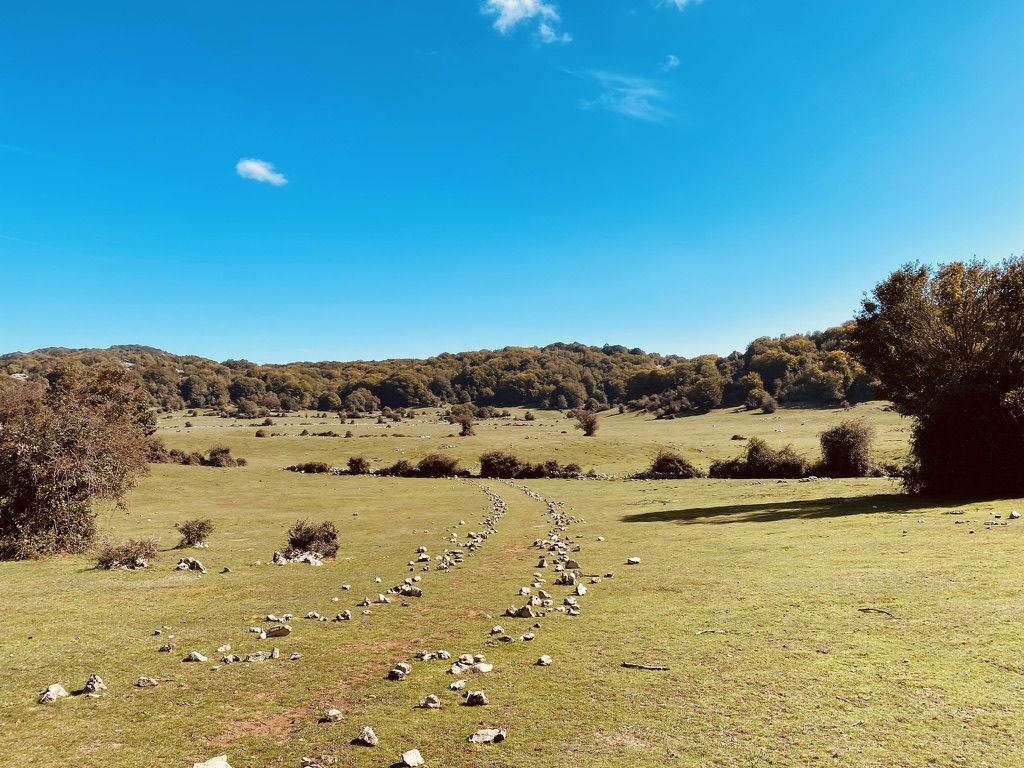
The ice mountain – hikes in Italy’s Lucretili Mountains
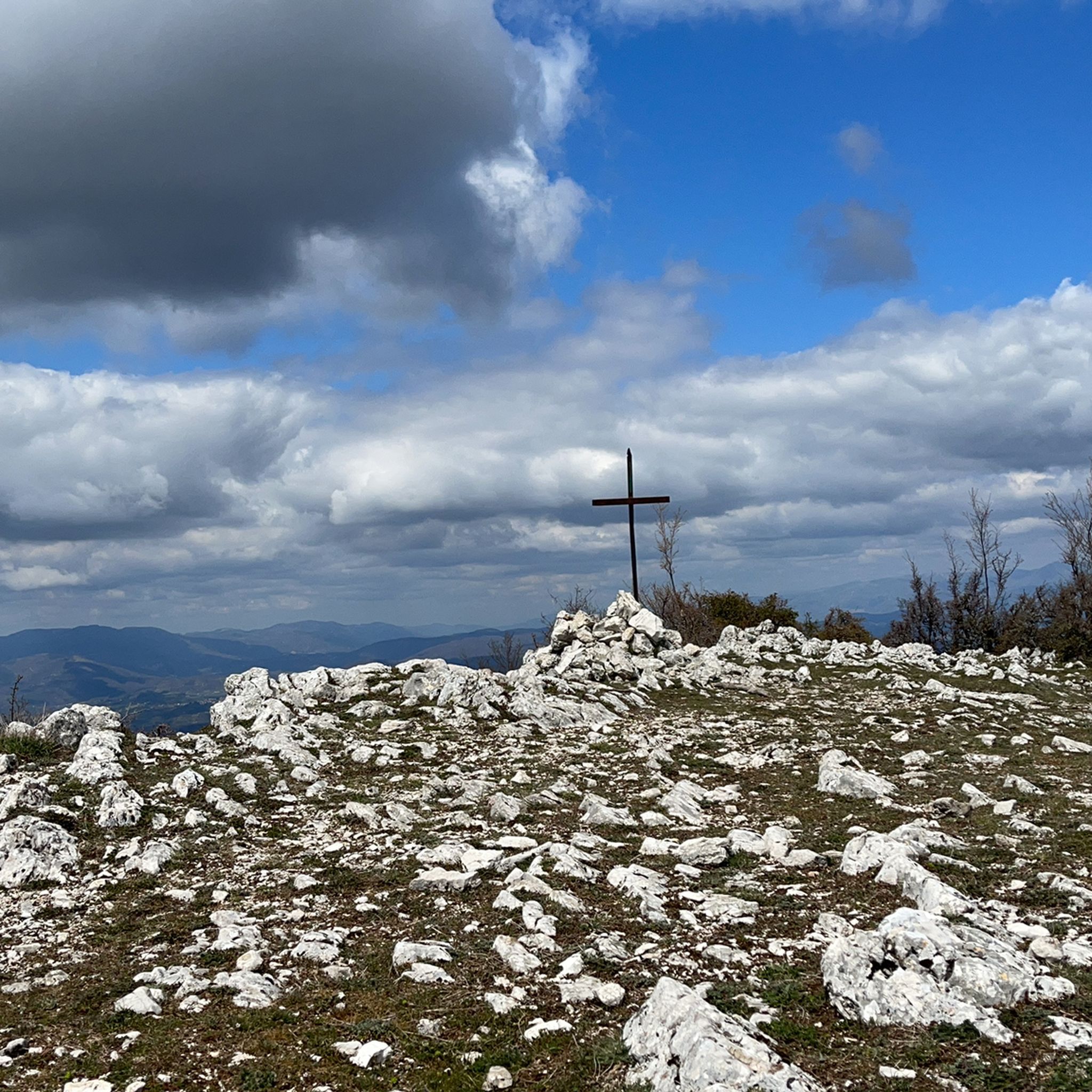
Hiking around Parco Regionale Naturale dei Monti Lucretili
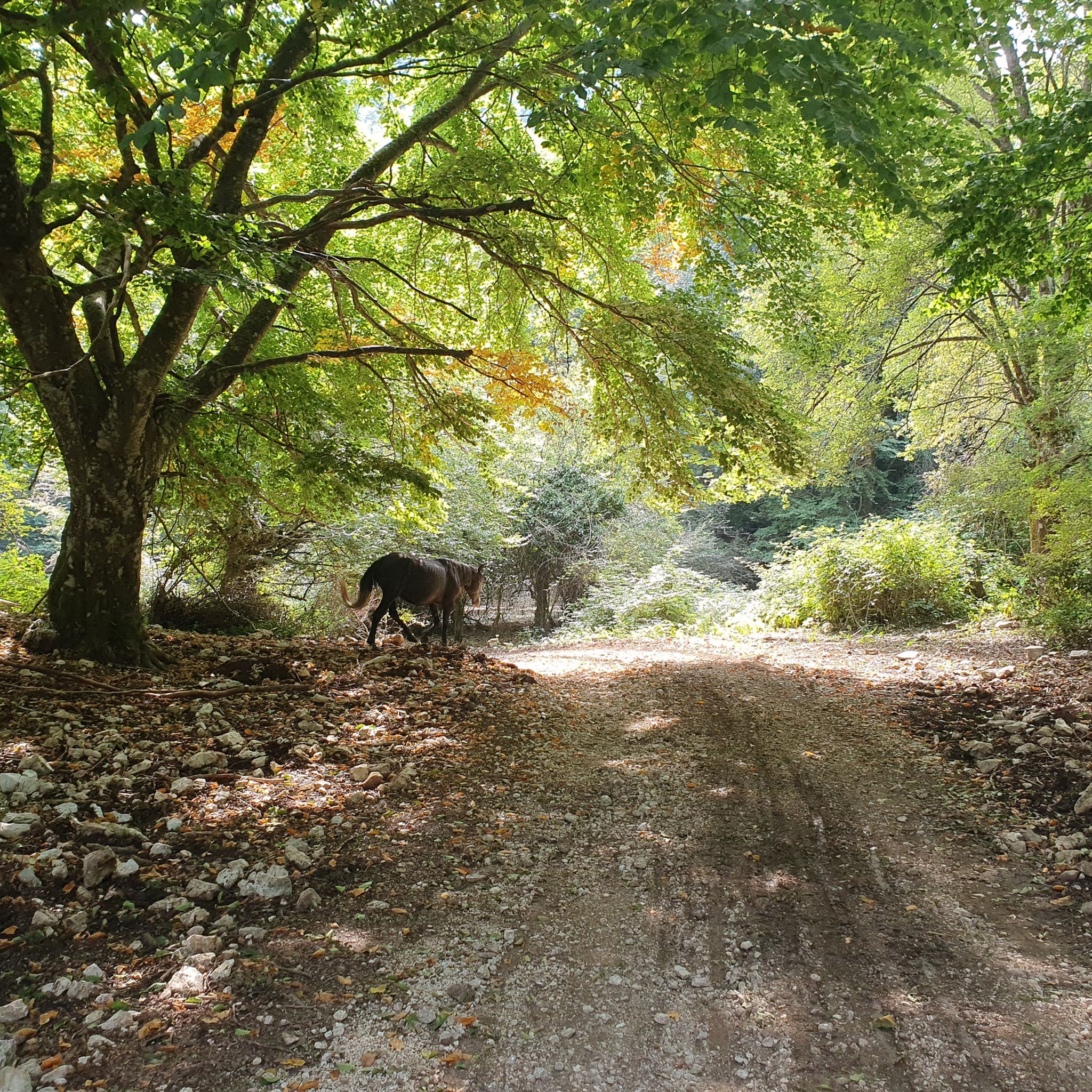
MTB Trails around Parco Regionale Naturale dei Monti Lucretili
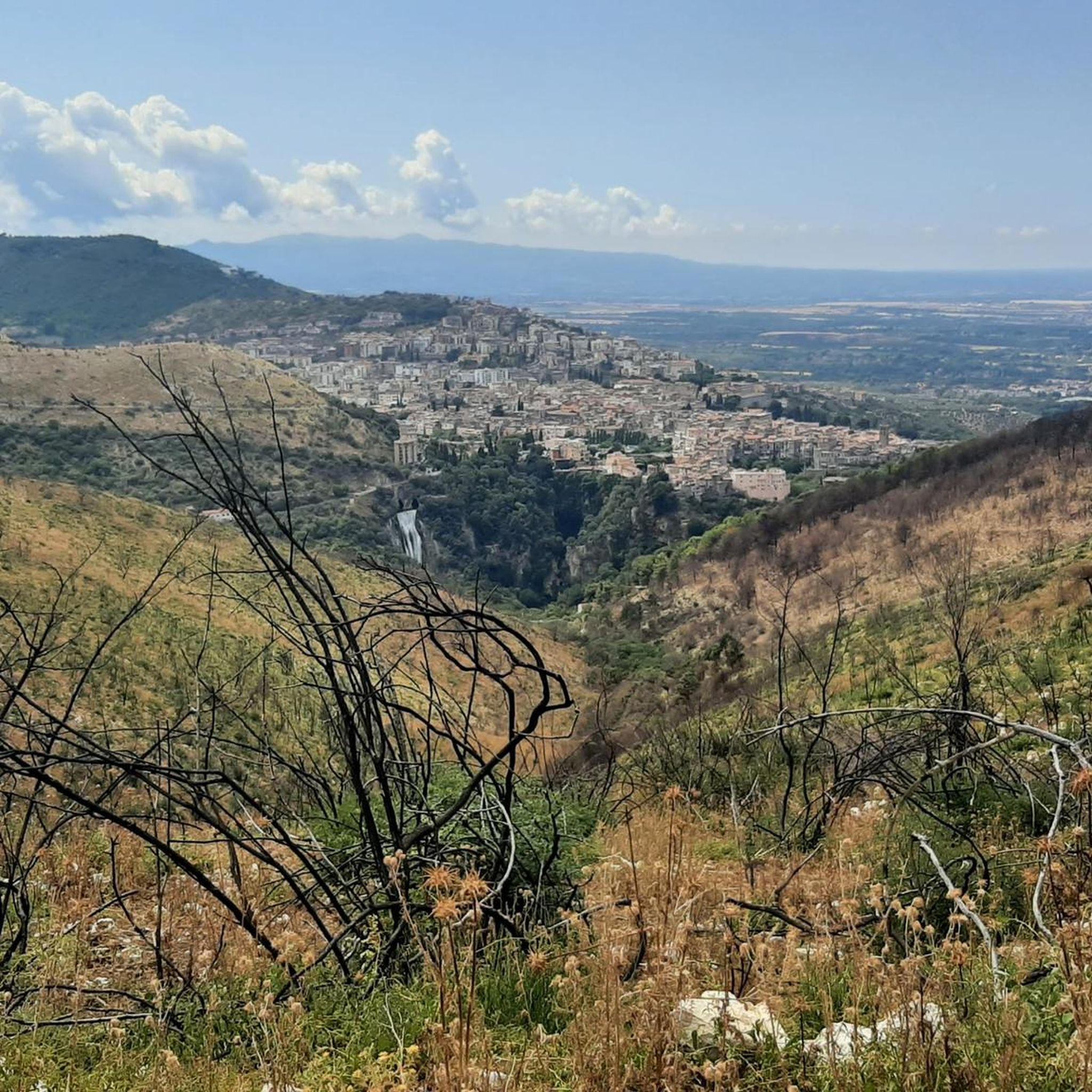
Running Trails around Parco Regionale Naturale dei Monti Lucretili
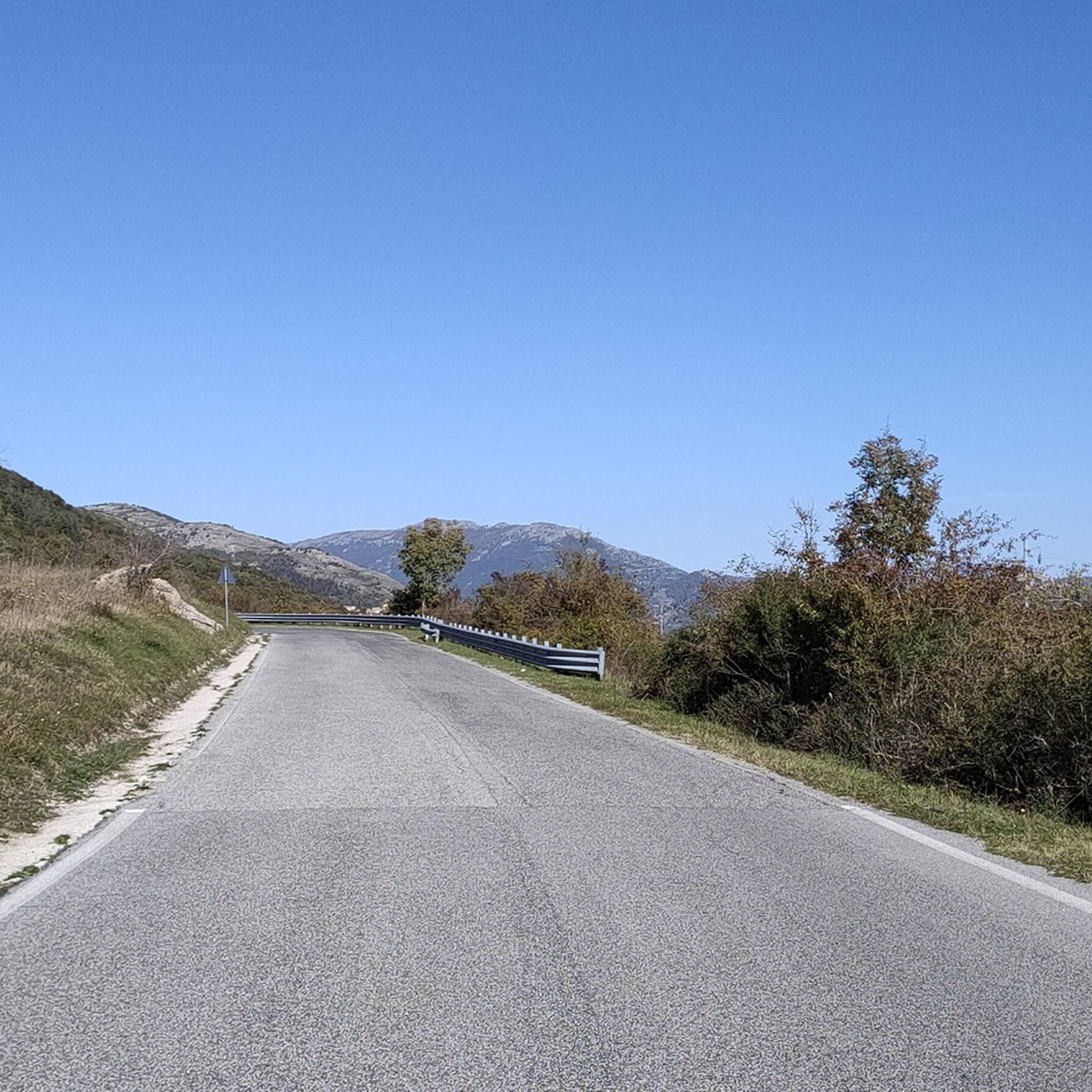
Road Cycling Routes around Parco Regionale Naturale dei Monti Lucretili
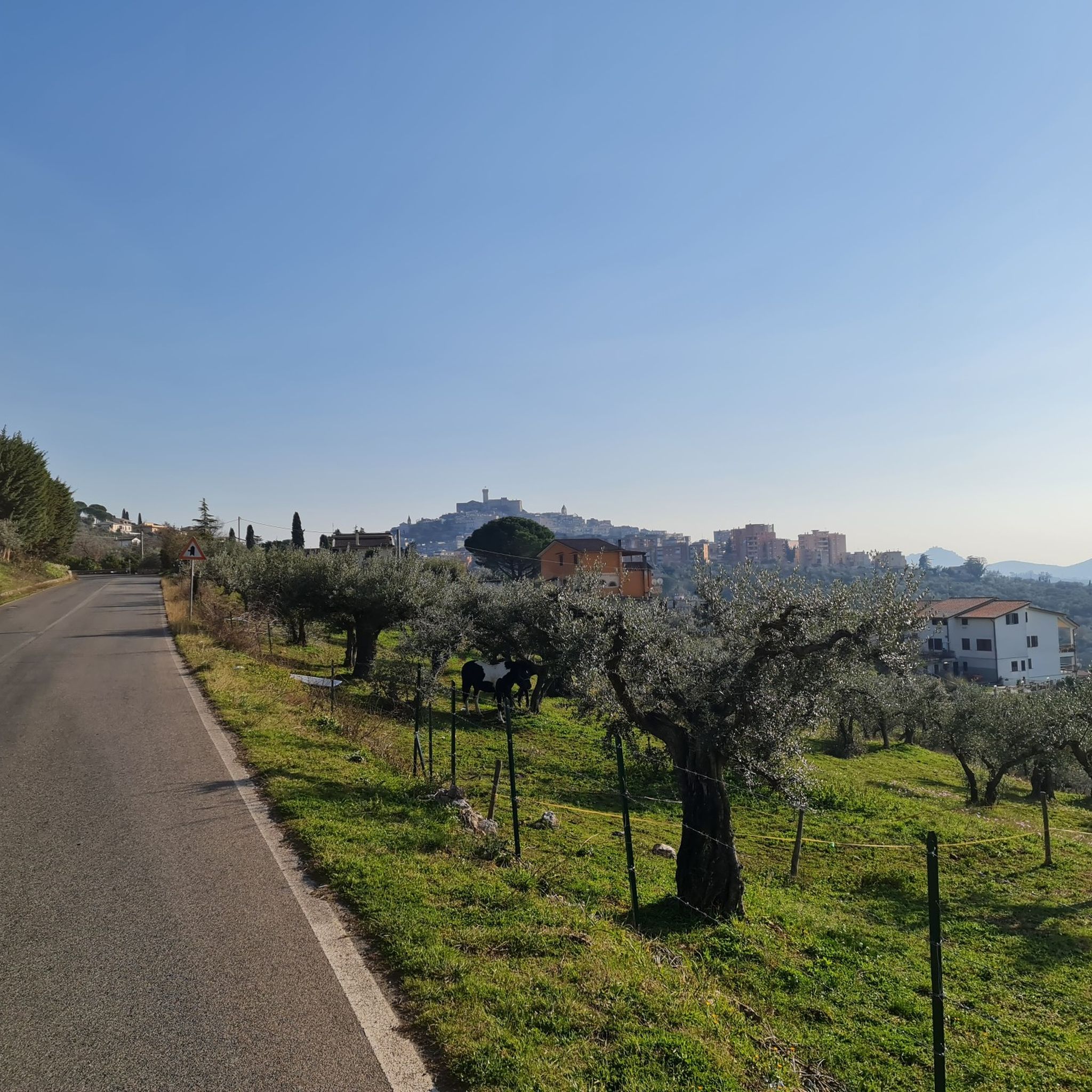
Cycling around Parco Regionale Naturale dei Monti Lucretili

Gravel biking around Parco Regionale Naturale dei Monti Lucretili
Other adventures around Parco Regionale Naturale dei Monti Lucretili

Tips from the Community

Suggestive to say the least, very low grass and populated by cows and horses. An excellent refreshment point before the summit!
0
1


wonderful place, the trail is very easy
1
0
"On the east side of the Lucretili Mountains, immersed in oak and fir woods, the two Percile lakes, also called "Lagustelli", seem to rest. They are two small bodies of water of karst origin protected by an integral reserve within the Natural Park Regional dei Monti Lucretili. The largest lake, with a diameter of almost 120 meters, is called Fraturno while the smaller one, located a few meters away, is called Marraone" (source: Lazio Nascosto)
0
0

Mount Guardia, or La Guardia, is the least known peak of the Lucretili mountains, perhaps due to its more secluded position compared to the nearby Pellecchia and Gennaro. The routes to reach this peak are longer than those to other areas of the park, but the view from here is worth all the effort.
3
0

Pizzo Pellecchia, with its 1330 meters, is the second peak of the Lucretili mountains. Pizzo Pellecchia and the top of Monte Pellecchia are part of the same wide mountain ridge and for this reason they have the same name. The name Pellecchia, in fact, derives from "penniculus" (pen), to indicate a place located on a steep hill.
1
0
These splendid lakes are a testimony of the karst phenomenon on the Lucretili mountains. The largest, the Fraturno lake, exposed to the sun, the smallest enclosed in a deep sinkhole. Immersing yourself in the Fraturno waters is a unique experience if you overcome the initial skepticism of the muddy bottom!
5
0
Large grassy clearing of karst nature, one kilometer long and about 500 meters wide. For hundreds of years it has been the destination of the transhumance of local shepherds. Today you can admire horses and cows grazing in the wild.
1
0
Frequently Asked Questions
What are the most popular natural monuments in Parco Regionale Naturale dei Monti Lucretili?
Visitors frequently enjoy the diverse natural monuments within the park. Among the most popular are the expansive Monte Gennaro Meadow, known for its karst landscape and grazing animals, and Pizzo Pellecchia, which offers panoramic views from its summit. The unique Lagustelli di Percile, a system of karst lakes, is also a highly appreciated natural wonder.
Are there family-friendly natural monuments to visit in the park?
Yes, several natural monuments are suitable for families. The Monte Gennaro Meadow is a great spot for a picnic and observing wild horses and cows. The trails leading to Lagustelli di Percile are also considered very easy, making them accessible for families with children.
What kind of geological features can I explore in Parco Regionale Naturale dei Monti Lucretili?
The park is rich in fascinating geological formations, primarily shaped by karst phenomena. You can explore significant karst depressions like the Lagustelli di Percile, which are sinkholes formed by underground dissolution. The park also features extensive karst plateaus, such as the Pratone of Monte Gennaro, and numerous subterranean caves formed by water erosion, some of which hold traces of ancient human presence.
What outdoor activities can I do near these natural monuments?
The Parco Regionale Naturale dei Monti Lucretili offers a wide range of outdoor activities. You can find numerous hiking trails, including routes to the summits of Monte Pellecchia and Monte Gennaro, which offer about 200 km of signposted footpaths. There are also dedicated running trails and cycling routes throughout the park, allowing you to explore its diverse landscapes.
What is the best time of year to visit the natural monuments?
Spring and autumn are generally ideal for visiting the natural monuments. In May, for instance, you might observe the blooming of irises around Pizzo Pellecchia. These seasons offer pleasant temperatures for hiking and enjoying the lush vegetation and vibrant colors of the landscape, including the reed beds and riparian vegetation around the Lagustelli di Percile.
Can I see wildlife at the natural monuments?
Yes, the park is home to diverse flora and fauna. The Lagustelli di Percile area is particularly important for its wetland ecosystem, supporting various bird species and significant populations of orchids. The caves within the karst plateaus provide refuge for animal species like bats. You might also encounter wild horses and cows grazing in areas like the Monte Gennaro Meadow.
What makes the Lagustelli di Percile unique?
The Lagustelli di Percile are unique karst lakes, recognized as a wetland of international importance under the Ramsar Convention. They consist of two distinct lakes: Fraturno, the larger, sun-exposed lake, and Marraone, a smaller, circular lake enclosed in a deep sinkhole. Their ecological value, serene environment, and the surrounding reed beds and orchids make them a significant natural monument.
Are there challenging hikes to natural monuments in the park?
Yes, for those seeking a challenge, the park offers more demanding routes. For example, reaching Monte Guardia involves longer routes compared to other areas, but the panoramic views from its summit are well worth the effort. The peaks of Monte Pellecchia and Monte Gennaro also offer extensive hiking opportunities with varying difficulty levels.
What should I know about visiting the mountain peaks like Monte Pellecchia and Monte Gennaro?
Monte Pellecchia and Monte Gennaro are the highest and most prominent mountains in the park, offering vast wild landscapes and panoramic views. They feature extensive woodlands and open plateaus. You can reach Pizzo Pellecchia, the second peak of the Lucretili mountains, and then continue along a panoramic ridge to Monte Pellecchia. These areas are ideal for nature enthusiasts seeking peaceful excursions and a sense of isolation.
Is there a specific natural monument that offers a great viewpoint?
Many natural monuments in the park offer excellent viewpoints. Pizzo Pellecchia is known for its panoramic ridge, providing expansive views. Similarly, the summit of Monte Guardia, though more secluded, rewards visitors with breathtaking vistas after a longer ascent.
How long should I plan for a visit to the natural monuments?
The duration of your visit depends on which natural monuments you plan to see and what activities you wish to undertake. A short visit to the easily accessible Lagustelli di Percile might take a few hours, while a hike to the summit of Pizzo Pellecchia or Monte Guardia could be a full-day excursion. The park offers about 200 km of signposted footpaths, allowing for visits ranging from a few hours to multiple days.
Most popular routes around Parco Regionale Naturale dei Monti Lucretili
Most popular attractions around Parco Regionale Naturale dei Monti Lucretili

Get inspired with the komoot mobile app


Explore more
Extend your search for the best caves by checking out these guides of the top ones around Parco Regionale Naturale dei Monti Lucretili:
