Top 8 Mountain Passes around Alta Garrotxa-Massís de les Salines
Best mountain passes around Alta Garrotxa-Massís de les Salines are found within a protected natural area in the eastern Pyrenean foothills of Girona, Catalonia. This region is characterized by rugged terrain, deep valleys, and diverse landscapes, spanning over 38,000 hectares. Limestone formations and karst topography define the area, offering unique features for exploration. The region provides a variety of mountain passes and challenging ascents for outdoor enthusiasts.
Best mountain passes around Alta Garrotxa-Massís de les Salines
- The most popular mountain…
Last updated: July 10, 2026
Pou de la Neu Pass
Highlight • Mountain Pass
Translated by Google •
Tip by

Sierra de Panissars
Highlight • Mountain Pass
Translated by Google •
Tip by

Sign up now to discover places like this
Get recommendations on the best single tracks, peaks, & plenty of other exciting outdoor places.
Sign up for free
Capsacosta Pass
Highlight • Mountain Pass
Translated by Google •
Tip by

Collada de Sentigosa
Highlight (Segment) • Mountain Pass
Translated by Google •
Tip by

Manrella Pass
Highlight • Mountain Pass
Translated by Google •
Tip by

Sign up for free to discover even more mountain passes around Alta Garrotxa-Massís de les Salines.
Sign up for free
Already have an account?
Start today with a free account
Your next adventure awaits.
Login or Signup
Popular around Alta Garrotxa-Massís de les Salines
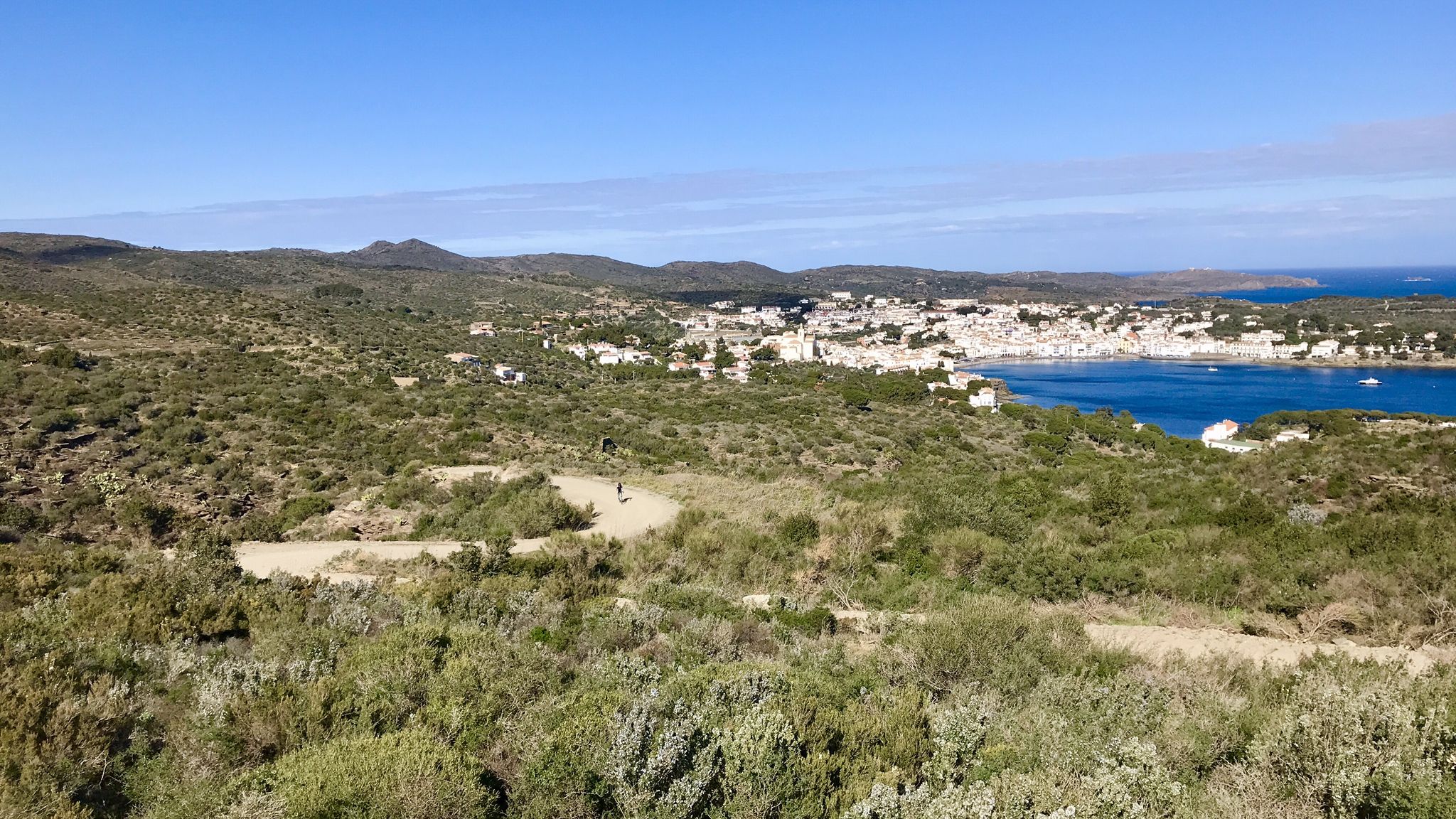
Garrotxa, Olot and Cap de Creus – gravel paradise in Spain
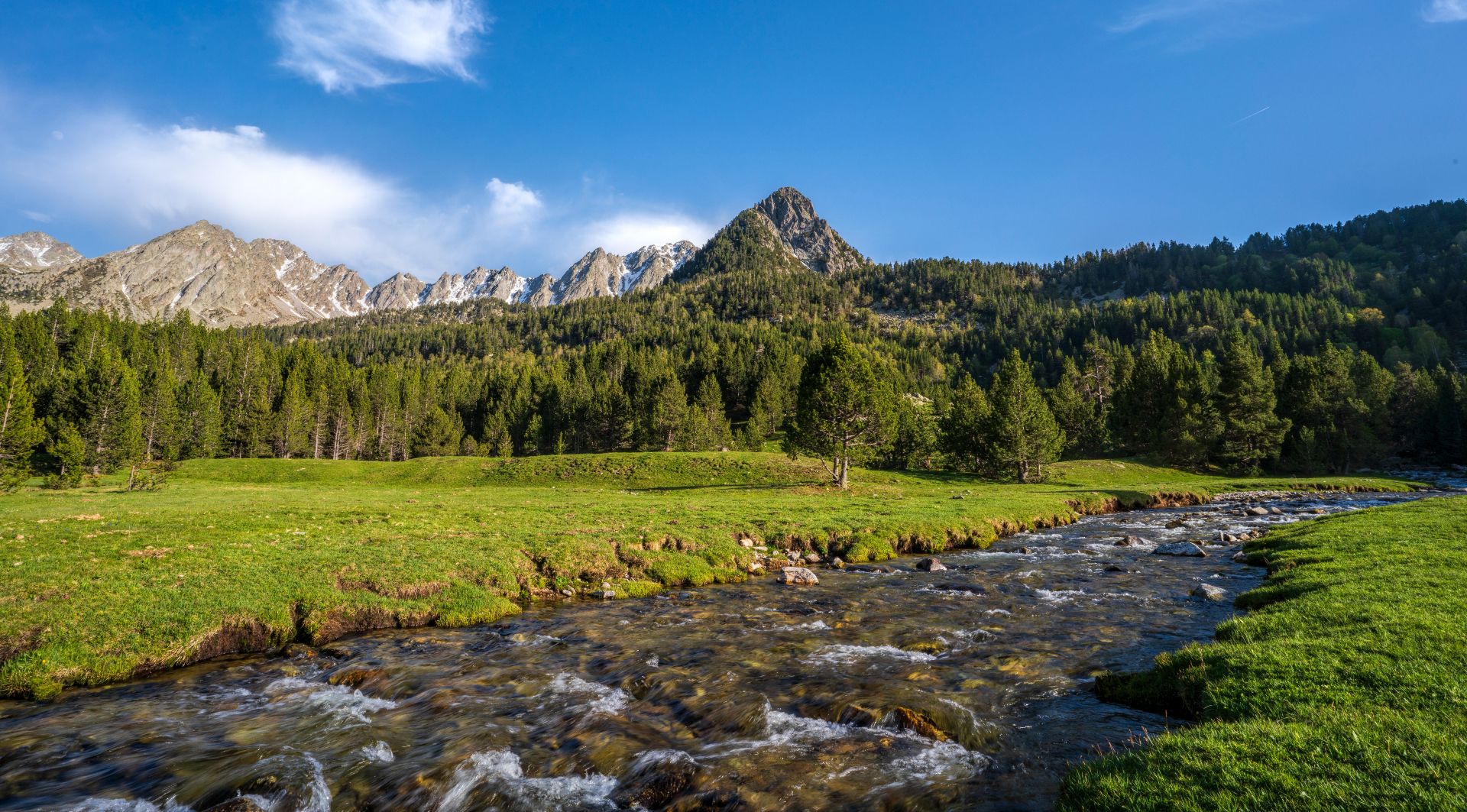
Catalonia and Andorra on the Pyrenean Trail – GR 11
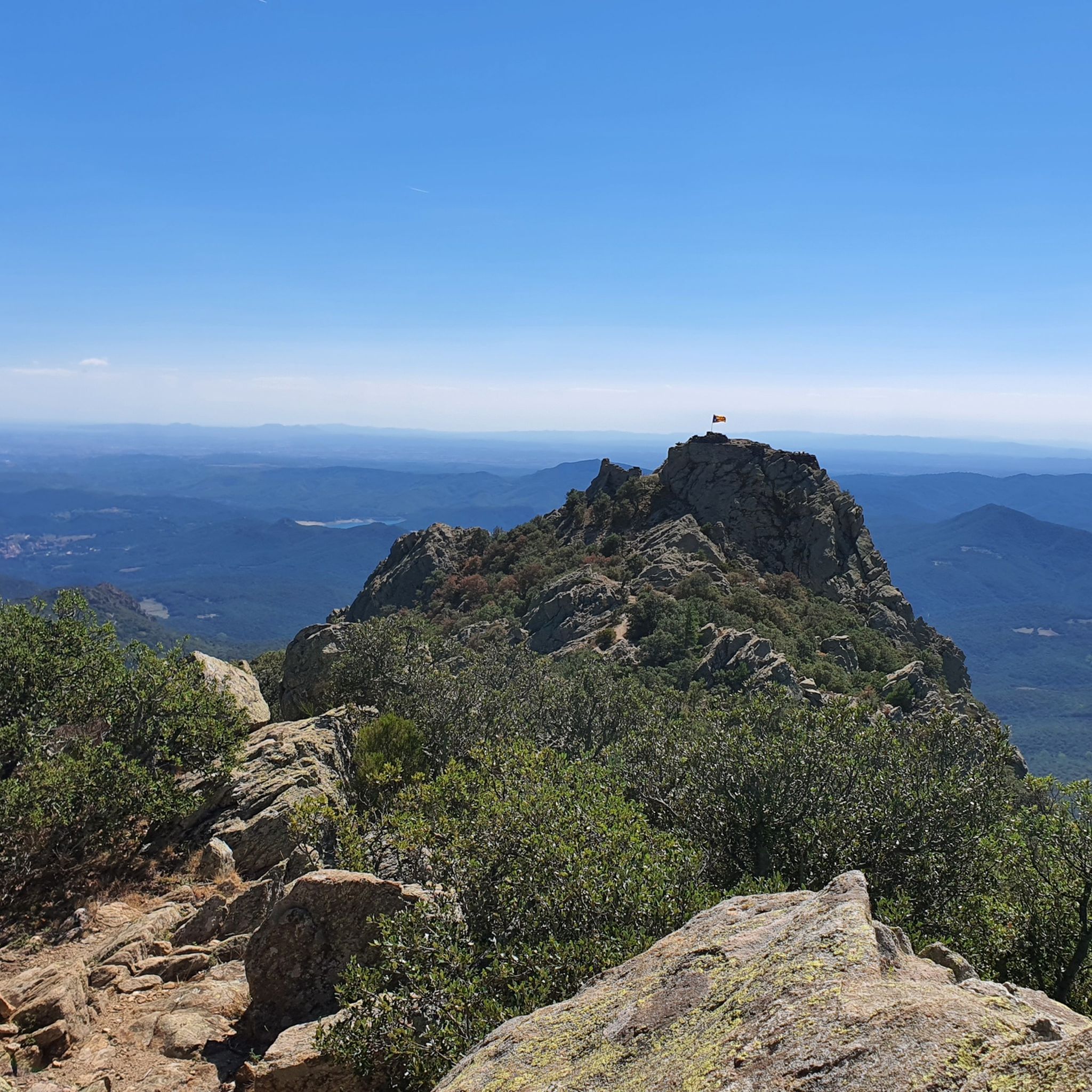
MTB Trails around Alta Garrotxa-Massís de les Salines
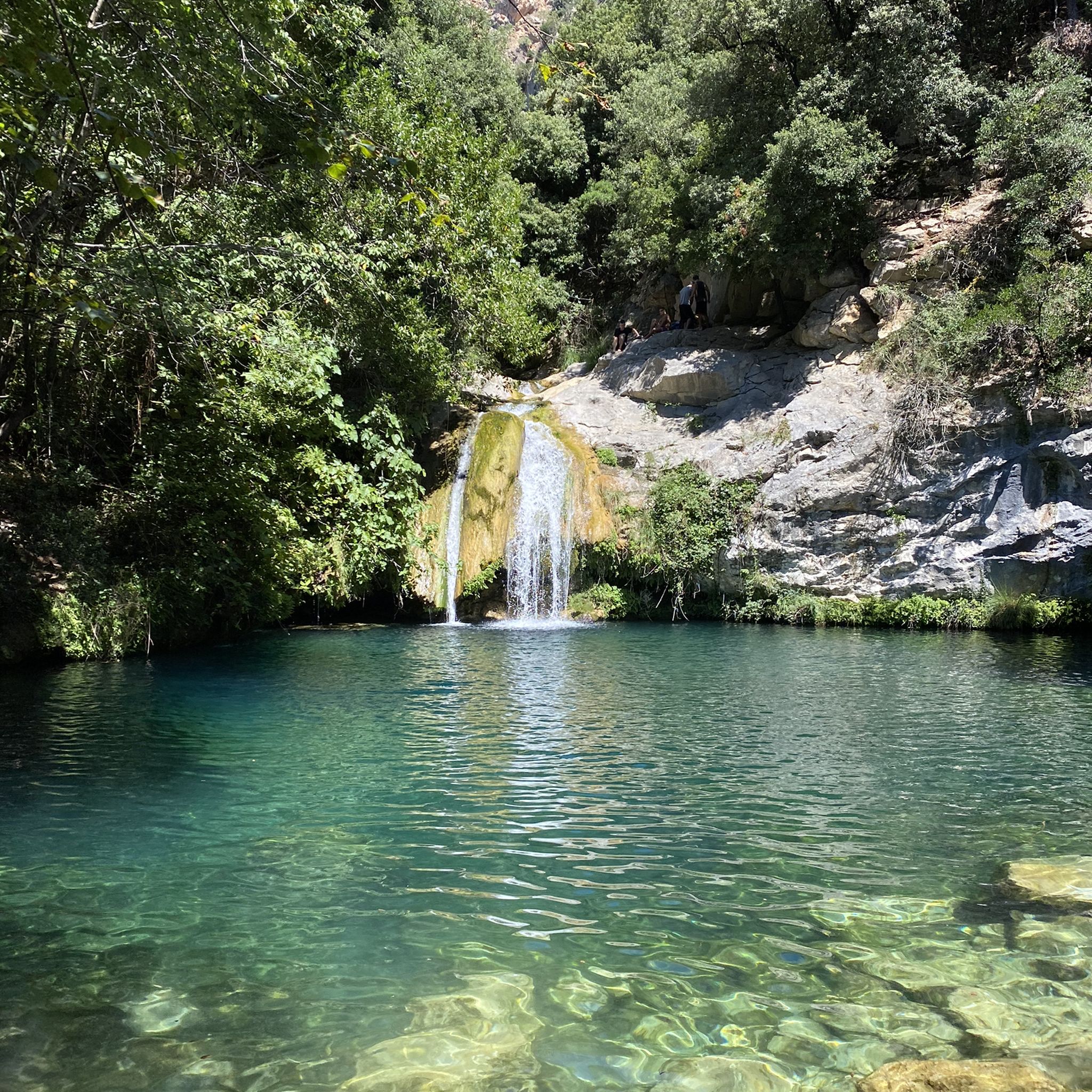
Hiking around Alta Garrotxa-Massís de les Salines
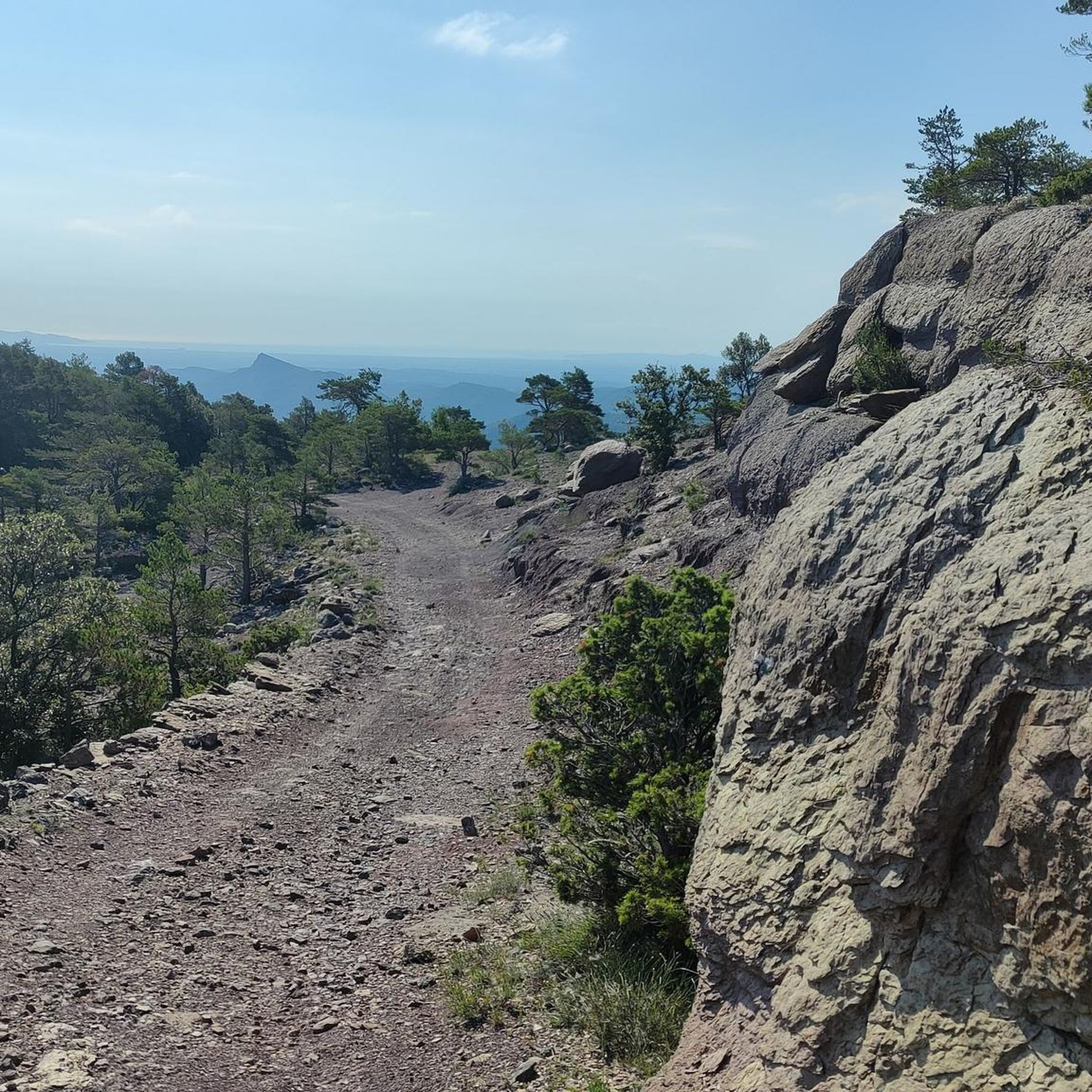
Cycling around Alta Garrotxa-Massís de les Salines
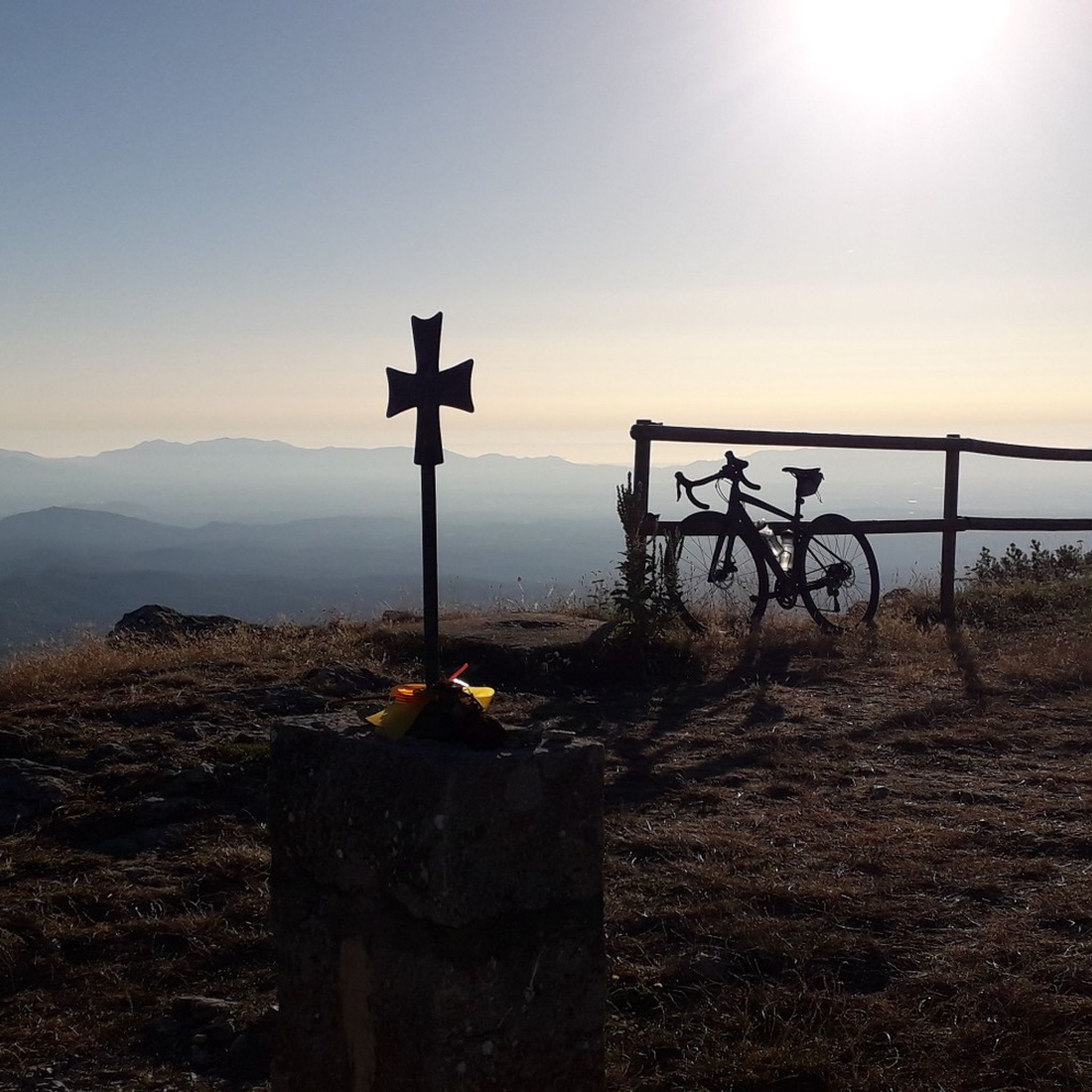
Road Cycling Routes around Alta Garrotxa-Massís de les Salines
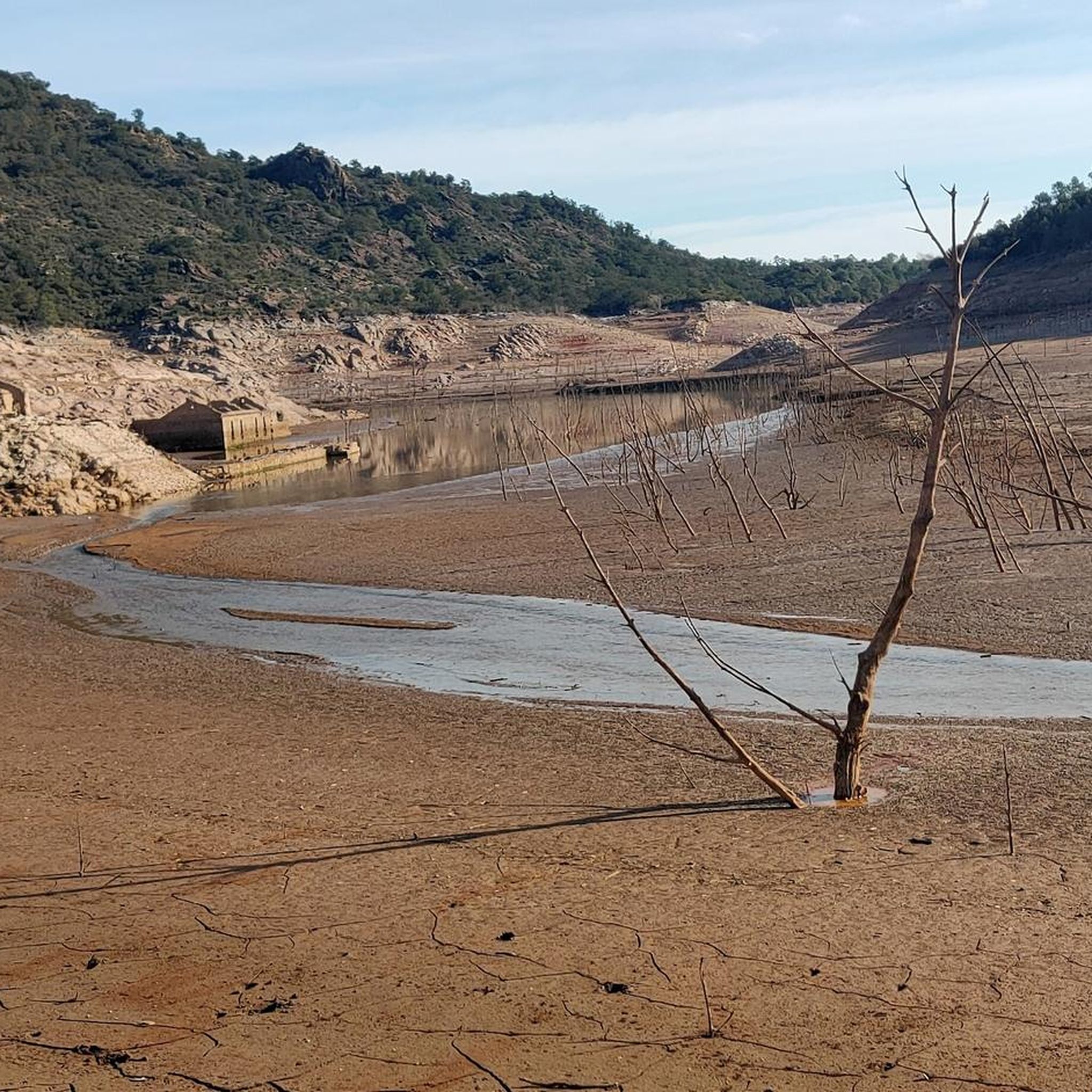
Running Trails around Alta Garrotxa-Massís de les Salines

Gravel biking around Alta Garrotxa-Massís de les Salines

Mountain Hikes around Alta Garrotxa-Massís de les Salines
Other adventures around Alta Garrotxa-Massís de les Salines


Tips from the Community

From Vorarlberg to Barcelona, we rode our gravel bikes up the French side – a great trail! Once you cross the border, you have to push. The trail is loose in places, with deep, eroded ruts and steep inclines. With fat tires and experience, you'd have fun here – otherwise: plan plenty of time, provisions, and water! 🔥
2
0

This pass was important as a passage between regions, especially in activities such as transhumance or the transport of goods. The snow wells that give the place its name were also key elements in the economy of the mountainous areas. The term "Pou de la Neu" refers to the snow or ice wells that were traditionally used to store snow during the winter. These structures, dug into the ground or built with stones, served to preserve ice that was later transported to the lower areas for use in food, medicine or food preservation.
1
0

Monument in memory of Luis Company, 1st President of the Generalitat of Catalonia, arrested by Vichy troops and given to the Francoists who executed him.
1
0

Shortly before reaching El Coll (coming from Olot) we can find a spring to supply water.
0
0
Asphalt road, I have marked the section that takes us to Sant Joan de les Abadesses, we turn off the Vallfogona road and go in search of Sant Joan de les Abadesses, a very beautiful descent that is appreciated when we come from the ascent from Olot. It is one of the sections of cycling that you must do if you do the Pirinexus from Girona to look for the border in the Coll d'Ares. I did it with the Gravel Bike.
0
0
The Coll de Panissars is a historic mountain pass located in the Sierra de l'Albera, which connects the regions of Rosselló and Alt Empordà, specifically the towns of El Pertús and La Jonquera. The pass has a hill to the west where the fortress of Bellaguarda is located, a few meters from the border. The pass has had important events such as being part of the Roman entrance to the peninsula, medieval complexes near the top, or being the site of epic battles.
1
0

This hiking pass is a real hub of hiking trails that go to both France and Spain. The views there are magnificent.
3
1

Long climb rewarded with a sign telling you how much you have worked.
0
0
Frequently Asked Questions
What are some of the most notable mountain passes in Alta Garrotxa-Massís de les Salines?
The region offers a variety of significant mountain passes. In Alta Garrotxa, you'll find the historically rich Capsacosta Pass, known for its tranquil roads and the ancient Roman Road. The challenging ascent to Mare de Déu del Mont, while a summit, is considered a demanding pass offering panoramic views. In Massís de les Salines, Pou de la Neu Pass is a popular hub for trails connecting France and Spain, and Roc de Frausa provides extensive vistas of the Pyrenees and the Mediterranean.
Which mountain passes offer the best panoramic views in the region?
For breathtaking panoramic views, consider the ascent to Mare de Déu del Mont, which provides vistas across the Empordà plain, Alta Garrotxa, and the southern Pyrenees. Roc de Frausa, located in the Serra de Les Salines, offers stunning views of the Canigou massif, the Roussillon plain, and the Bay of Roses. Additionally, Comanegra, the highest peak in the natural park, rewards adventurers with expansive views of the entire region, including glimpses of the ocean and southern France.
Are there any mountain passes with historical significance?
Yes, Capsacosta Pass is particularly notable for its historical importance, as the ancient Roman Road of Capsacosta, a cultural asset of national interest, runs through it. This route was once used by Romans and later for livestock. Another historically significant spot is Manrella Pass, which features a monument commemorating Lluís Companys, the 1st President of the Generalitat of Catalonia.
What kind of outdoor activities can I do near these mountain passes?
The region is a paradise for outdoor enthusiasts. You can explore numerous hiking trails, including challenging routes like the Puig de Bassegoda Loop from Albanyà or easier options like the Gorges of the Muga Trail. For cyclists, there are road cycling routes that incorporate passes like Capsacosta Pass and Collada de Sentigosa, as well as MTB trails for various skill levels.
Are there challenging ascents for experienced hikers or cyclists?
Absolutely. The ascent to Mare de Déu del Mont is considered a demanding pass with narrow, steep, and winding roads, featuring sections exceeding a 9% gradient. Puig de Bassegoda offers a challenging mountaineering experience with significant elevation gain and requires staples and chains in the final section. Comanegra, the highest peak, also presents an impressive ascent for experienced hikers.
Can I find quiet roads for cycling in the Alta Garrotxa-Massís de les Salines region?
Yes, several passes offer tranquil cycling experiences. Capsacosta Pass is known for its quiet road with minimal traffic, making it ideal for cyclists. Similarly, Coll de Bucs (773 m) provides a route with very little vehicle traffic, perfect for road biking through beautiful scenery.
Are there family-friendly mountain passes or trails in the area?
While many routes in the region are rugged, Capsacosta Pass is noted as family-friendly. Its tranquil road and continuous forests offer abundant shade, making it suitable for families to enjoy the natural beauty and historical significance of the area. When planning, look for trails categorized as 'easy' or 'moderate' within the nearby hiking guides.
What natural features characterize the mountain passes in Alta Garrotxa-Massís de les Salines?
The region is characterized by rugged terrain, deep valleys, and diverse landscapes. Limestone formations and karst topography are prominent, creating unique features. You'll encounter continuous forests providing ample shade, especially around passes like Capsacosta Pass. Many passes also serve as natural borders, offering views of different geographical features, from plains to other mountain ranges and even the Mediterranean Sea.
What do visitors enjoy most about the mountain passes in Alta Garrotxa-Massís de les Salines?
Visitors frequently highlight the magnificent views and the sense of connection to nature. The tranquility of roads with minimal traffic, the challenge of demanding ascents, and the historical significance of routes like the ancient Roman Road are also highly appreciated. Many enjoy the blend of physical activity with breathtaking scenery, especially from viewpoints like Mare de Déu del Mont and Roc de Frausa.
What is the best time to visit the mountain passes in Alta Garrotxa-Massís de les Salines?
As the region is located in the eastern Pyrenean foothills, spring and autumn generally offer the most pleasant weather for exploring, with milder temperatures and vibrant natural colors. Summer can be warm, but the continuous forests around many passes provide welcome shade. Winter can bring colder temperatures and potentially snow at higher elevations, offering a different, more challenging experience for those prepared.
Where can I find accommodation or places to eat near the mountain passes?
While specific establishments are not listed, the region has several charming villages such as Albanyà, Sadernes, and Beget. These villages typically offer accommodation options like guesthouses or rural hotels, as well as local cafes and restaurants where you can refuel after your adventures. It's advisable to check local listings for these towns when planning your visit.
Most popular routes around Alta Garrotxa-Massís de les Salines
Most popular attractions around Alta Garrotxa-Massís de les Salines

Get inspired with the komoot mobile app


Explore more
See even more epic mountain passes by checking out these guides around Alta Garrotxa-Massís de les Salines:
