Top 20 Natural Monuments around Alta Garrotxa-Massís de les Salines
Best natural monuments around Alta Garrotxa-Massís de les Salines are found in the eastern Spanish Pre-Pyrenees, a region characterized by rugged limestone landscapes and diverse ecosystems. This protected area features dramatic topography with deep valleys, towering cliffs, and extensive forests, alongside fascinating karst formations such as caves and sinkholes. The Massís de les Salines presents a Pyrenean landscape with varied forest ecosystems, including English oak and pine groves. These notable landmarks and natural features offer a range of opportunities for…
Last updated: July 10, 2026
Llierca Bridge
Highlight • Bridge
Tip by

Puig de Bassegoda
Highlight • Summit
Translated by Google •
Tip by

Sign up now to discover places like this
Get recommendations on the best single tracks, peaks, & plenty of other exciting outdoor places.
Sign up for free
Pou de la Neu Pass
Highlight • Mountain Pass
Translated by Google •
Tip by

Alta Garrotxa (Partial Nature Reserve of the Muga-Albanyà)
Highlight • Natural Monument
Translated by Google •
Tip by

Rocapastora Cliff
Highlight • Climb
Translated by Google •
Tip by

Sign up for free to discover even more natural monuments around Alta Garrotxa-Massís de les Salines.
Sign up for free
Already have an account?
Start today with a free account
Your next adventure awaits.
Login or Signup
Popular around Alta Garrotxa-Massís de les Salines
Garrotxa, Olot and Cap de Creus – gravel paradise in Spain
Catalonia and Andorra on the Pyrenean Trail – GR 11
MTB Trails around Alta Garrotxa-Massís de les Salines
Hiking around Alta Garrotxa-Massís de les Salines
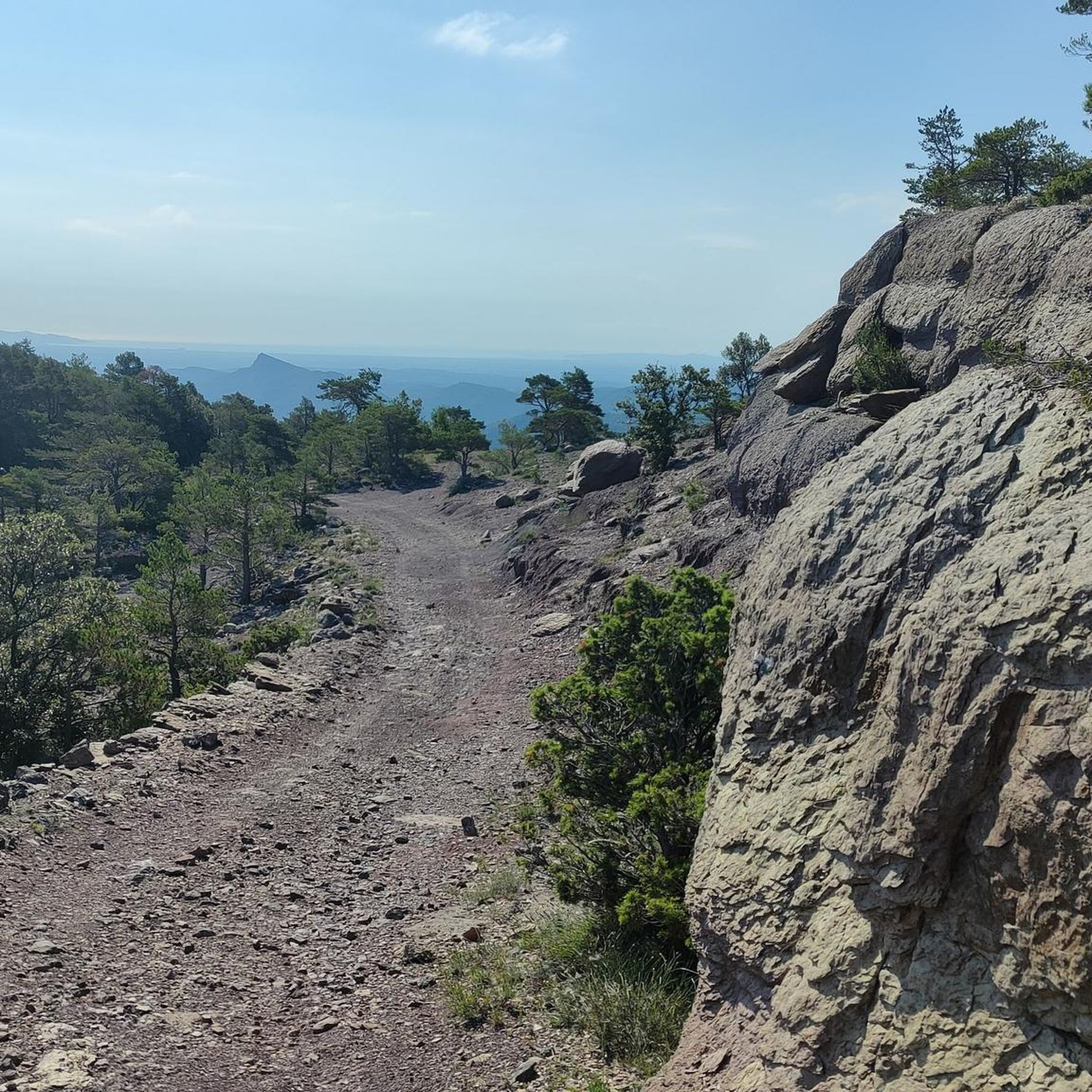
Cycling around Alta Garrotxa-Massís de les Salines
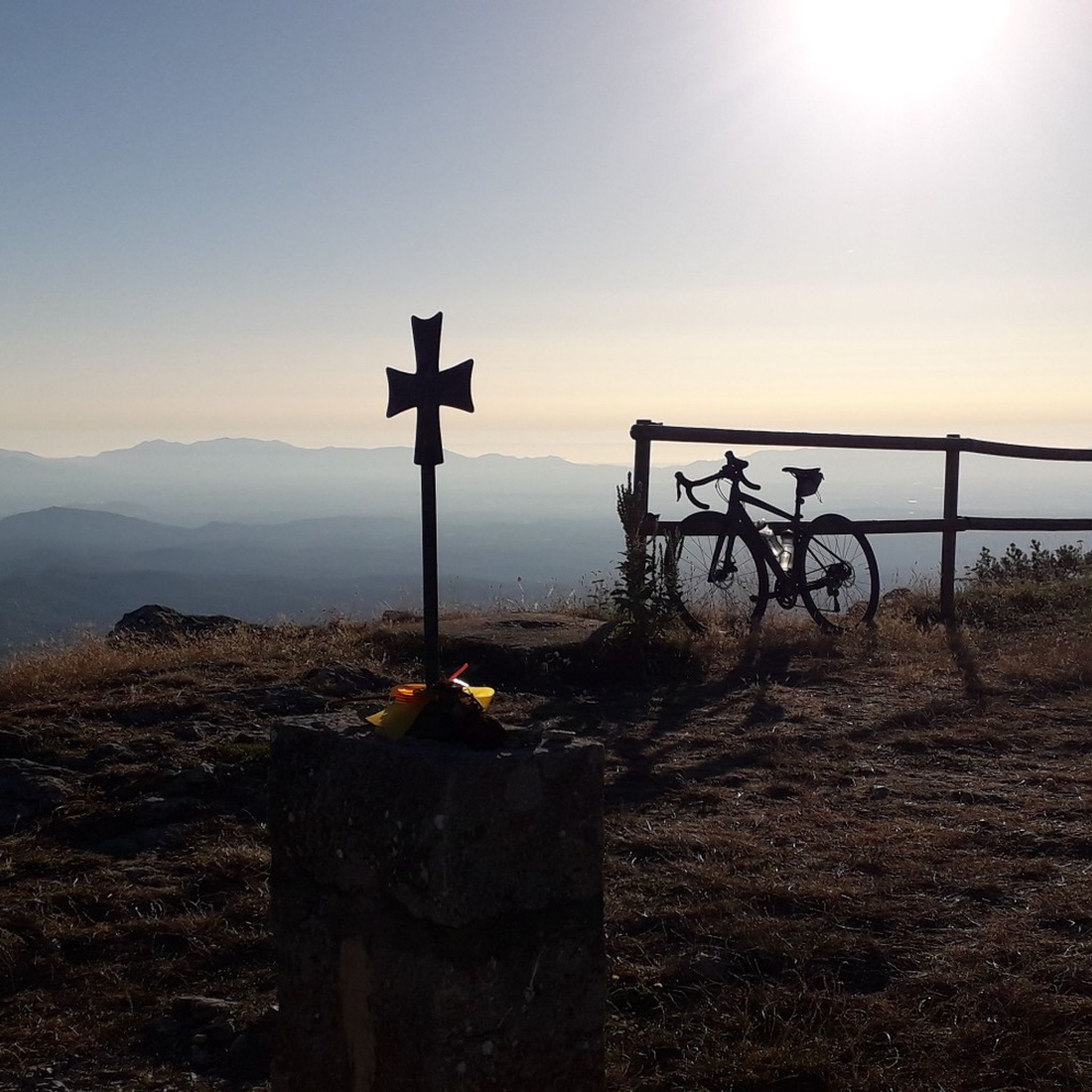
Road Cycling Routes around Alta Garrotxa-Massís de les Salines
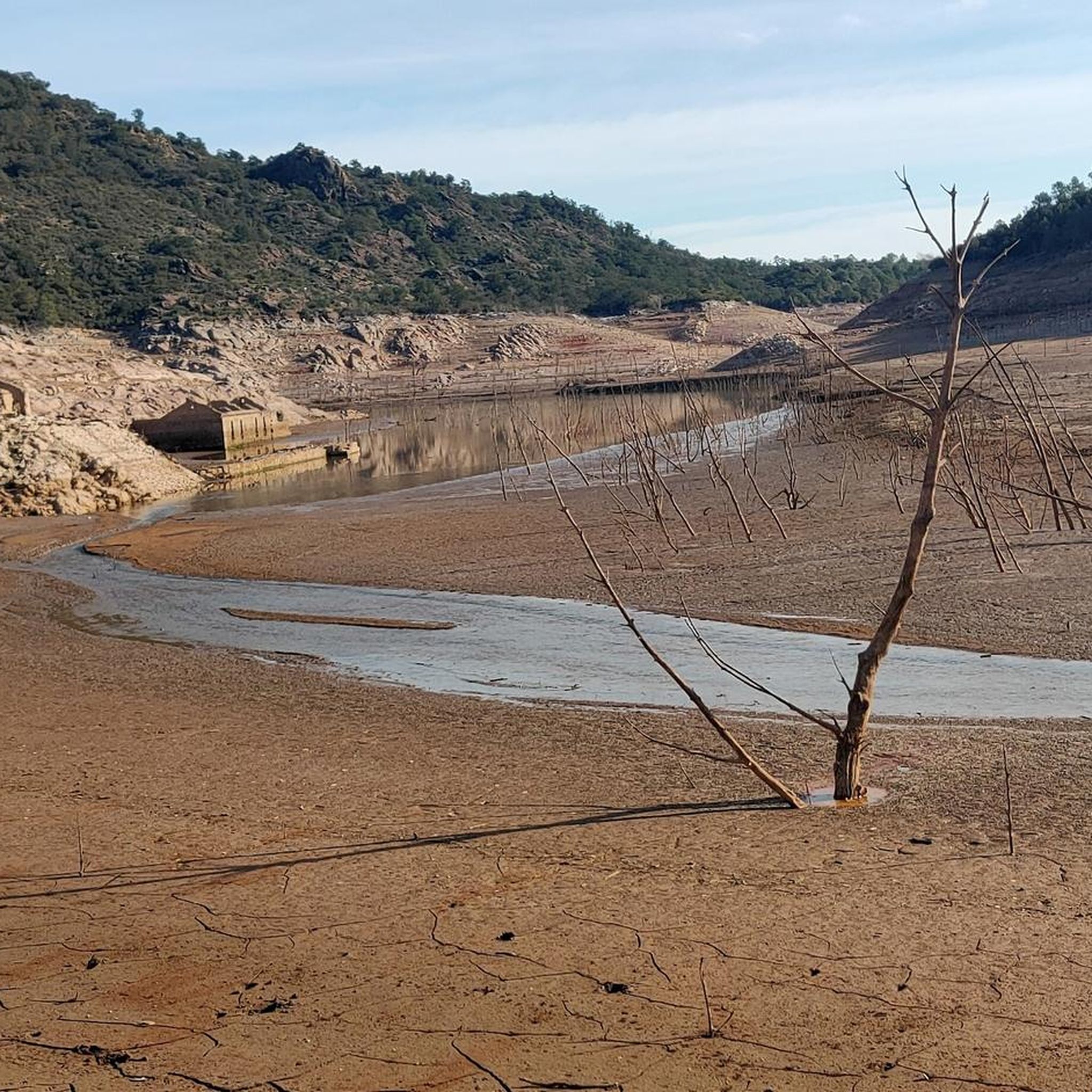
Running Trails around Alta Garrotxa-Massís de les Salines

Gravel biking around Alta Garrotxa-Massís de les Salines

Mountain Hikes around Alta Garrotxa-Massís de les Salines
Other adventures around Alta Garrotxa-Massís de les Salines


Tips from the Community

The area east of the bridge is not particularly suitable for gravel bikes. The bridge is definitely worth a visit.
0
0

This pass was important as a passage between regions, especially in activities such as transhumance or the transport of goods. The snow wells that give the place its name were also key elements in the economy of the mountainous areas. The term "Pou de la Neu" refers to the snow or ice wells that were traditionally used to store snow during the winter. These structures, dug into the ground or built with stones, served to preserve ice that was later transported to the lower areas for use in food, medicine or food preservation.
1
0

A Romanesque bridge worth seeing. Be sure to take a detour there and take a look. You can easily walk across it.
3
0

The Llierca Bridge, also called Pont de Sadernes, is a bridge 28 m high, 52 m long and 3 m wide. With a single, very slender arch, it crosses the Llierca river between Tortellà and Sadernes. Romanesque in style, although we do not know the date of its construction, there is evidence of its use since at least the 14th century, when it is documented that a toll was paid to cross it. The bridge was probably built by order of the barons of Sales, to facilitate trade between the farmhouses located west of the Llierca river with the towns of Tortellà and Besalú.
0
0

Within Alta Garrotxa is the Muga-Albanyà Partial Nature Reserve, which covers an area of approximately 5,000 hectares. This reserve is especially notable for its biodiversity and the presence of very diverse natural habitats, which include oak and holm oak forests, alpine meadows, crystal-clear rivers and unique geological formations. Some of the most notable places within the Muga-Albanyà Partial Nature Reserve include: The town of Albanyà: A small rural town surrounded by unspoilt nature and trails to explore. The Muga River: A river with crystal clear waters that meanders through the reserve, offering opportunities for fishing, hiking and enjoying nature. The Serra de Lliens: A mountain range with impressive panoramic views and hiking trails that allow you to explore the natural beauty of the region. El Puig de Bassegoda: An emblematic mountain that offers incomparable panoramic views of the Alta Garrotxa and the Pyrenees. The Hermitage of Santa Bàrbara: A hermitage located in a spectacular natural enclave, which offers a place of tranquility and contemplation.
2
0

This hiking pass is a real hub of hiking trails that go to both France and Spain. The views there are magnificent.
3
1

At 1,373 meters high, the Puig de Bassegoda is located on the border between the regions of La Garrotxa and Alt Empordà. The climb accumulates a lot of positive unevenness in a short distance. For this reason, in the last section it has staples and chains to help itself.
2
1
Frequently Asked Questions
What unique geological features can I explore in Alta Garrotxa?
The Alta Garrotxa region is renowned for its dramatic limestone relief, featuring deep valleys, towering cliffs, and extensive forests. You can explore fascinating karst features such as intricate cave systems, sinkholes, and exposed limestone pavements, which offer a glimpse into the Earth's powerful erosive forces. A notable example is the Rocapastora Cliff, which showcases the rugged terrain.
Which natural monuments offer the most impressive panoramic views?
For breathtaking panoramic views, consider visiting several peaks and passes in the region. Puig de Bassegoda, at 1,373 meters, provides exceptional 360-degree vistas from the Gulf of Roses to the majestic Canigó mountain. The Pou de la Neu Pass also offers magnificent views, serving as a hub for trails connecting France and Spain. Additionally, Comanegra (1,557 m) and Mare de Déu del Mont (1,123 m) are known for their expansive views of the surrounding landscapes and the Pyrenees.
Are there any historical or culturally significant natural monuments in the area?
Yes, the region combines natural beauty with rich history. The Llierca Bridge is a Romanesque bridge, built between the 13th and 14th centuries, spanning 52 meters and standing 28 meters above the water, offering historical charm. Mare de Déu del Mont, one of Catalonia's Emblematic Summits, features a traditional Virgin Mary shrine at its peak and is culturally significant, often referred to as 'the Gate of the Pyrenees'.
What types of outdoor activities can I do near these natural monuments?
The Alta Garrotxa-Massís de les Salines region is ideal for various outdoor activities. You can find numerous routes for hiking, mountain biking, and gravel biking. For example, there are challenging climbs like the one to Puig de Bassegoda, which includes sections with fixed staples and chains. You can explore more options, including easy hikes, by checking out the Easy hikes around Alta Garrotxa-Massís de les Salines guide, or for more adventurous rides, the MTB Trails around Alta Garrotxa-Massís de les Salines guide.
Are there challenging climbs for experienced hikers in the region?
Absolutely. The rugged terrain of Alta Garrotxa offers several challenging ascents. The climb to Puig de Bassegoda, for instance, involves a significant positive elevation gain over a short distance, with the final section requiring the use of fixed staples and chains. The Rocapastora Cliff also presents a challenging itinerary, with some sections requiring ropes, making it a rewarding experience for experienced hikers.
What do visitors particularly enjoy about the natural monuments in Alta Garrotxa-Massís de les Salines?
Visitors frequently praise the stunning views and the sense of immersion in untouched nature. For example, the Llierca Bridge is admired for its historical significance and the beautiful views across the river. The panoramic vistas from peaks like Puig de Bassegoda are highly rated, offering expansive scenery from the Gulf of Roses to Canigó. The region's diverse landscapes and challenging trails also contribute to a highly rewarding experience, as evidenced by over 100 upvotes and 70 photos shared by the komoot community.
What kind of forest ecosystems can be found in the Massís de les Salines?
The Massís de les Salines features diverse forest ecosystems, characterized by a blend of Mediterranean and Pyrenean elements. It is home to significant English oak and pine groves, creating a unique ecological transition zone. This varied forest environment is attractive for nature enthusiasts and offers opportunities for activities like mushroom picking, as well as observing distinct flora and fauna.
Are there easy hiking options available near the natural monuments?
Yes, despite the rugged terrain, there are easy hiking options suitable for various fitness levels. You can find several accessible trails that allow you to enjoy the natural beauty without extreme difficulty. For a comprehensive list of routes, refer to the Easy hikes around Alta Garrotxa-Massís de les Salines guide, which includes routes like the Gorges of the Muga Trail and the Valentí Bridge loop.
What is the best time of year to visit the natural monuments in Alta Garrotxa-Massís de les Salines?
The best time to visit largely depends on your preferred activities. Spring and autumn generally offer pleasant temperatures for hiking and exploring, with vibrant flora in spring and beautiful foliage in autumn. Summer can be warm, especially in the valleys, but higher elevations provide cooler conditions. Winter offers a different experience, with potential for snow in the higher parts of Massís de les Salines, which can be suitable for winter hiking for those prepared.
Can I find natural monuments that are part of a protected reserve?
Yes, the region includes protected areas. Within Alta Garrotxa, you'll find the Muga-Albanyà Partial Nature Reserve, which covers approximately 5,000 hectares. This reserve is notable for its rich biodiversity and diverse natural habitats, including oak and holm oak forests, alpine meadows, crystal-clear rivers, and unique geological formations. The Alta Garrotxa (Partial Nature Reserve of the Muga-Albanyà) highlight provides more details on this significant area.
Are there any natural monuments suitable for gravel biking?
Yes, the region offers excellent opportunities for gravel biking, allowing you to explore the diverse landscapes. Routes often pass by or near various natural monuments, providing scenic rides. You can find detailed gravel biking routes in the Gravel biking around Alta Garrotxa-Massís de les Salines guide, which includes options like the 'Gravel tour of the high Garrotxa from Albanyà' and routes passing the Llierca Bridge.
Most popular routes around Alta Garrotxa-Massís de les Salines
Most popular attractions around Alta Garrotxa-Massís de les Salines

Get inspired with the komoot mobile app


Explore more
Extend your search for the best caves by checking out these guides of the top ones around Alta Garrotxa-Massís de les Salines:
