Top 8 Lakes in South Australia
Best lakes in South Australia offer a diverse range of natural features, from vibrant pink salt lakes in the arid outback to serene freshwater havens and unique crater lakes. This region provides varied landscapes for exploration, including significant ecological and cultural sites. The lakes contribute to the area's distinct geography, supporting diverse wildlife and offering opportunities for outdoor activities.
Best lakes in South Australia
- The most popular lakes is Waterfall Gully, a waterfall area that includes a small lake. It serves as a starting point for walks into Cleland National Park and features a cafe.
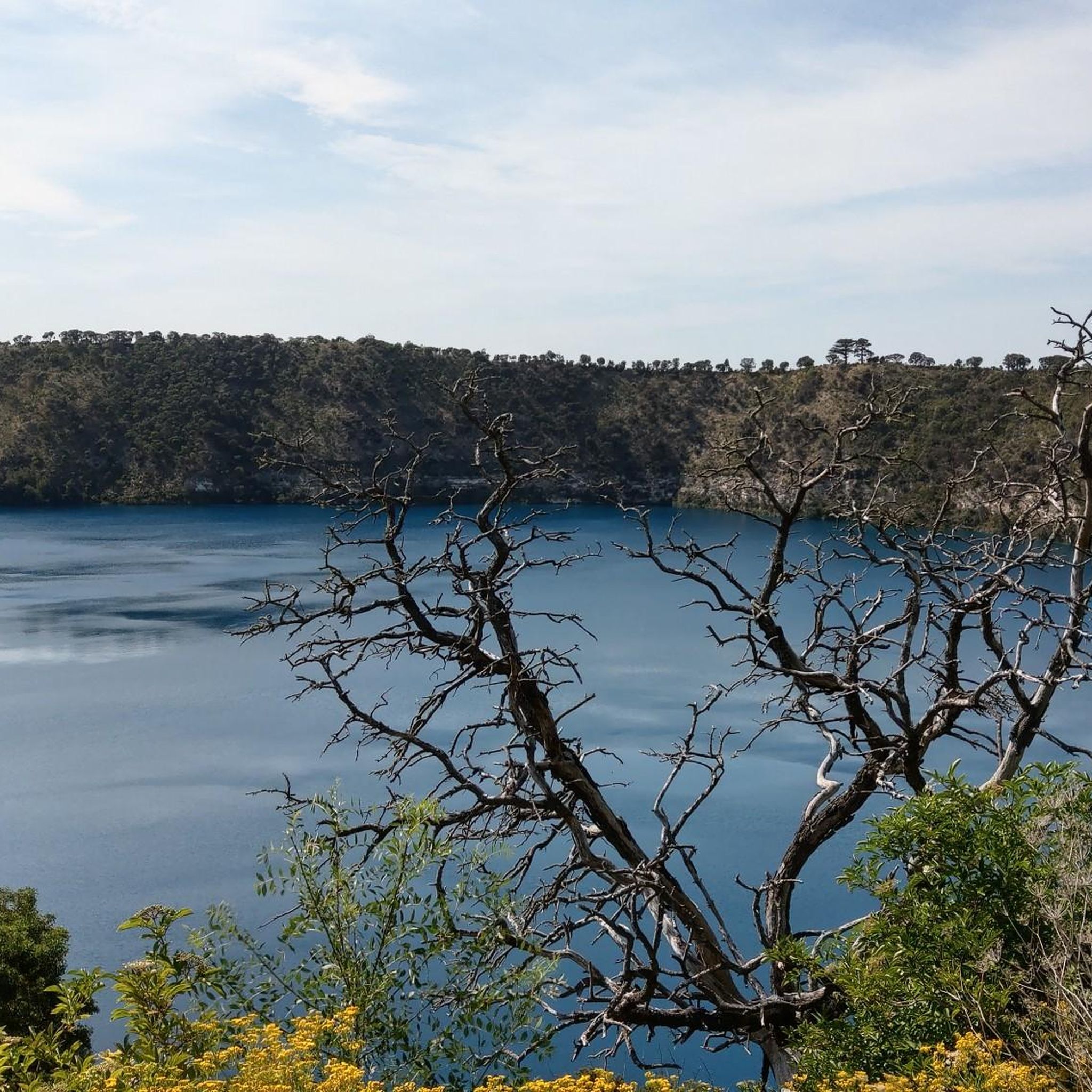
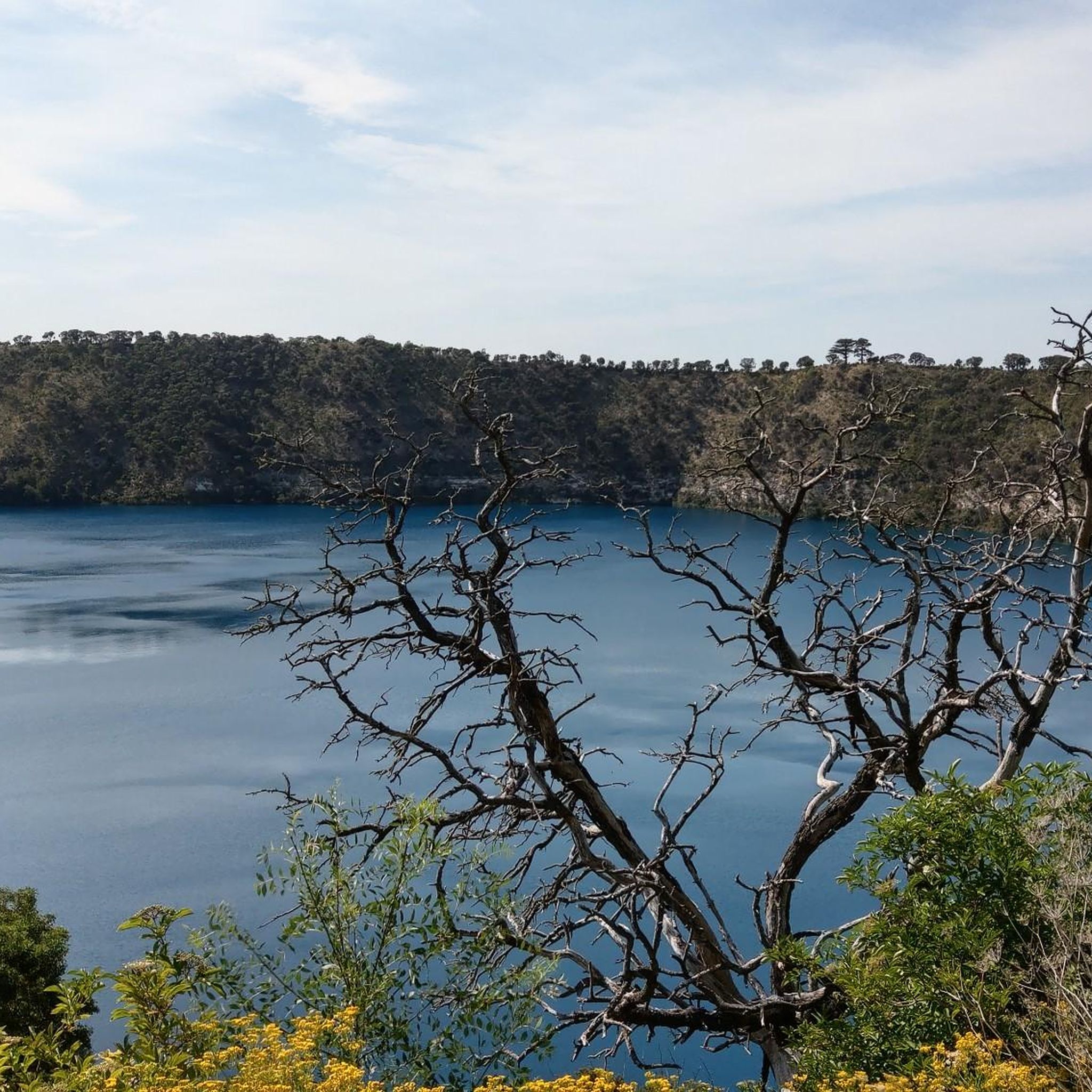
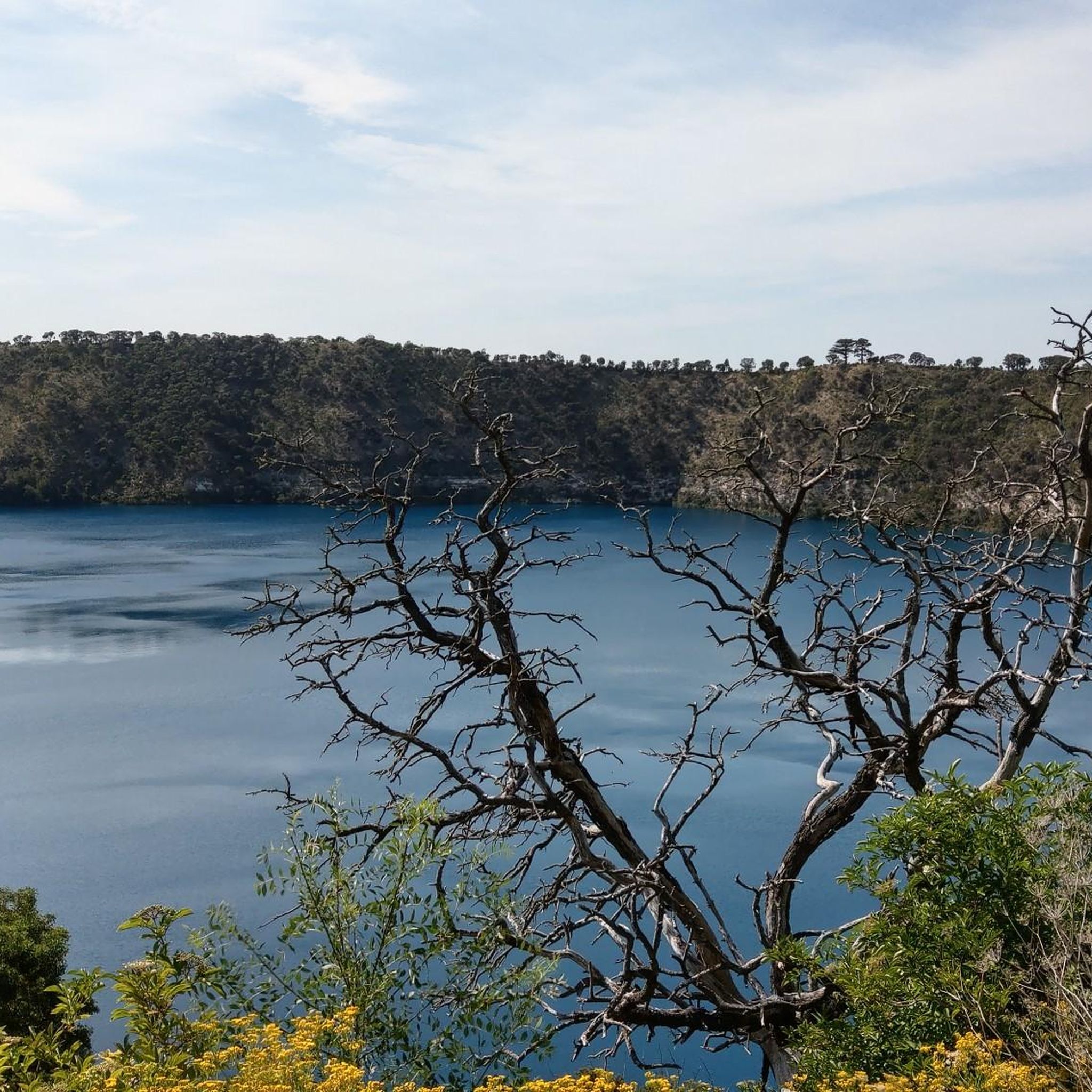
- Another must-see spot is Blue Lake / Warwar (Mount Gambier Crater Lake), a crater lake known for its seasonal color change. It transforms from a dull grey in winter to a vibrant cobalt blue in summer.
- Visitors also love Punchbowl Waterhole, a lake that offers a challenging hike to access. It is a spot for swimming with views of surrounding cliffs.
- South Australia is known for its pink salt lakes, freshwater lakes, and unique crater lakes. These diverse natural features offer a range of experiences from visual spectacles to water sports.
- The lakes in South Australia are appreciated by the komoot community, with more than 30 upvotes and over 15 photos shared.
Last updated: October 16, 2026
Waterfall Gully
Highlight • Waterfall
Tip by

Adam Linday Gordon Lookout
Highlight • Lake
Tip by

Sign up now to discover places like this
Get recommendations on the best single tracks, peaks, & plenty of other exciting outdoor places.
Blue Lake
Highlight • Lake
Tip by
Happy Valley Reservoir Reserve
Highlight • Lake
Tip by

Playford Lake
Highlight • Lake
Tip by
Shoreline Loop
Highlight (Segment) • Trail
Tip by
Punchbowl Waterhole
Highlight • Lake
Tip by

Para Wirra Lake
Highlight • Lake
Tip by

Pakapakanthi Wetlands
Highlight • Lake
Tip by

South Parklands Wetlands and Kangaroo Sculptures
Highlight • Natural
Tip by
Sign up for free to discover even more lakes in South Australia.
Already have an account?
Start today with a free account
Your next adventure awaits.
Other adventures in South Australia

Tips from the Community


Playford Lake is a charming body of water surrounded by picnic areas, open lawns, and the accessible Wood Duck Walk. The lake attracts ducks, turtles, and other waterbirds, making it one of the park’s best places for wildlife watching and a popular destination for families. Swimming and fishing are not permitted, but it’s a lovely place to take a peaceful stroll around its perimeter.
0
0

This lookout to the lake is named after Adam Lindsay Gordon who performed "Gordon's Leap" in 1864, jumping his horse onto the crater rim and back down. A sign by the parking lot tells you about his history.
0
0
Happy Valley Reservoir is a large water storage reserve in Adelaide, surrounded by protected bushland and open to the public for low-impact recreation. There is a network of walking and cycling tracks that circle the reservoir through easy terrain, with expansive views across the water and plenty of wildlife, including kangaroos who roam the area freely, and over 90 species of land and water birds that call this area home. Popular for hiking, birdwatching, and photography, this area combines a peaceful natural setting with well-managed access and facilities, including picnic and BBQ areas, making it a fantastic place to spend the day exploring and enjoying nature.
0
0
Shoreline Loop is an easy, well-formed walking and cycling trail that circles Happy Valley Reservoir, covering roughly 11 kilometres on mostly flat, compacted gravel paths. The loop follows the water’s edge through open grassland and regenerating bushland, with expansive reservoir views and plenty of birds and other wildlife, especially kangaroos, to see along the way. Popular for walking, running, and cycling, it’s a peaceful, accessible route with several lookout points and benches, ideal for a break to enjoy the scenery. The trail is open from 7:30 am to sunset, with gated access points that are locked overnight, so keep this in mind if you’re planning an early morning or later-day stroll through the park.
0
0

The Pakapakanthi Wetlands demonstrates how urban parks can support both nature and community needs. Designed as part of the Brown Hill Keswick Creek Stormwater Project, the wetland helps manage floodwater while improving stormwater quality before it moves downstream. Beyond flood protection, it creates habitat for birds and aquatic life and adds biodiversity to the parklands. The area also enhances the recreational and visual appeal of Victoria Park, showing how integrated urban water management can balance environmental health with city infrastructure.
0
0

Blue Lake / Warwar is a large, monomictic, crater lake located in a dormant volcanic maar associated with the Mount Gambier maar complex. The lake is situated near Mount Gambier in the Limestone Coast region of South Australia, and is one of four volcanic crater lakes originally on Mount Gambier maar. - Wiki
0
0
Frequently Asked Questions
What types of lakes can I find in South Australia?
South Australia offers a diverse range of lakes, including vibrant pink salt lakes in the outback, serene freshwater havens, and unique crater lakes. Each type provides distinct features and experiences, from stunning visual spectacles to opportunities for water sports and birdwatching.
Are there any pink salt lakes worth visiting in South Australia?
Yes, South Australia is famous for its spectacular pink salt lakes. Notable examples include Kati Thanda-Lake Eyre, Australia's largest lake, which transforms into a wetland after rains; Lake MacDonnell, known for its intense salmon hues contrasting with an adjacent turquoise lake; and Lake Bumbunga, offering accessible bubblegum pink colors near the Clare Valley. Another option is Lake Hart, an expansive pink salt flat ideal for stargazing.
What activities can I do at freshwater lakes in South Australia?
Freshwater lakes in South Australia offer a variety of activities. For example, Para Wirra Lake is a perfect spot for a picnic or a family walk. Lake Bonney is a popular destination for water sports like water skiing, windsurfing, fishing, jet skiing, and kayaking. Lake Coongie, a Ramsar Wetland, is excellent for birdwatching and kayaking, though motorboating and campfires are restricted to protect its pristine environment.
Are there family-friendly lakes or trails in South Australia?
Many lakes in South Australia are suitable for families. Waterfall Gully, which includes a small lake, is a great starting point for walks into Cleland National Park and has a cafe. Para Wirra Lake is ideal for picnics and walks with family. The Blue Lake / Warwar (Mount Gambier Crater Lake) also offers family-friendly viewing opportunities.
When is the best time to visit the lakes in South Australia?
The best time to visit depends on the lake and desired experience. The Blue Lake / Warwar is most vibrant in summer when its color changes to a striking cobalt blue. Pink salt lakes like Lake Bumbunga can have varying hues depending on the season, light, and weather. For Kati Thanda-Lake Eyre, significant rains transform it into a wetland, attracting abundant birdlife, which is a rare and spectacular event.
What are the best lakes for photography in South Australia?
South Australia's lakes offer incredible photographic opportunities. The pink salt lakes, such as Lake MacDonnell and Lake Bumbunga, provide stunning, ever-changing hues. The Blue Lake / Warwar is renowned for its dramatic seasonal color change, making it a captivating subject. The vast landscapes of Kati Thanda-Lake Eyre, especially during sunrise or sunset, also offer unique photographic potential.
Are there hiking trails near the lakes in South Australia?
Yes, there are several hiking opportunities near South Australian lakes. Waterfall Gully serves as a starting point for walks into Cleland National Park. The Mount Bold Reservoir area offers trails like the 1.4km Lookout Trail and longer 5km Forest Loop and 19km Wedgetail Trail. For more options, you can explore various routes in the Easy hikes in South Australia guide.
Can I go birdwatching at the lakes in South Australia?
Absolutely. Lake Coongie, part of an extensive wetland system fed by Cooper Creek, is a Ramsar Wetland of International Importance and a paradise for birdwatching due to its diverse birdlife. Kati Thanda-Lake Eyre also becomes a significant wetland teeming with birdlife after substantial rains, offering a spectacular natural display.
What unique natural features can I expect to see at South Australian lakes?
Beyond the vibrant pink salt lakes and the seasonally changing Blue Lake / Warwar, you can find other unique features. Piccaninnie Ponds are known for their exceptional underwater visibility, popular for diving and snorkeling. Mount Bold Reservoir offers a remote wilderness feel amidst densely forested hills. The vast saltpan of Kati Thanda-Lake Eyre, which occasionally fills to become a massive inland sea, is another remarkable natural phenomenon.
Are there any permits required to visit certain lakes or national parks?
Yes, permits may be required for certain areas. For instance, visiting Kati Thanda-Lake Eyre National Park may require permits, and it's advisable to check access conditions, especially seasonally. You can find more information regarding permits and access on the Parks SA website. Similarly, within Malkumba-Coongie Lakes National Park, activities like motorboating and campfires are restricted to maintain its pristine environment.
What cycling opportunities are available near South Australian lakes?
While specific cycling trails directly around all lakes aren't detailed, the region offers various cycling routes. For example, you can find numerous options in the Road Cycling Routes in South Australia guide for road cyclists, and the Gravel biking in South Australia guide for gravel biking enthusiasts, many of which pass through scenic areas of the state.
What do visitors enjoy most about the lakes in South Australia?
Visitors appreciate the diverse experiences offered by South Australia's lakes. Many enjoy the visual spectacle of the pink lakes and the intriguing color change of the Blue Lake / Warwar. Others value the active water sports at places like Lake Bonney or the tranquil birdwatching at Lake Coongie. The opportunity for photography, hiking, and immersing oneself in diverse natural landscapes, from arid outback to forested hills, is also highly valued.
Most popular routes in South Australia
Most popular attractions in South Australia

Get inspired with the komoot mobile app


Explore more
Still not found your perfect lake in South Australia? Check out the guides of these regions to see even more beautiful places.
