Top 9 Caves around Güímar
Best caves around Güímar are located in a municipality on Tenerife, an island known for its volcanic landscapes and significant cultural heritage. The region features numerous natural caves and volcanic tubes, many of which hold historical and archaeological importance. Güímar's terrain, shaped by ancient lava flows, offers diverse opportunities for exploring geological formations and historical sites. This area provides insights into the island's natural history and the ancient Guanche civilization.
Best caves around Güímar
- The most popular caves is Lava…
Last updated: June 20, 2026
Cave dwellings at the entrance to the Malpaís de Güímar
Highlight • Structure
Translated by Google •
Tip by

Steep Cliff and Cave Trail
Highlight • Trail
Translated by Google •
Tip by

Sign up now to discover places like this
Get recommendations on the best single tracks, peaks, & plenty of other exciting outdoor places.
Sign up for free
Cueva Honda
Highlight • Cave
Translated by Google •
Tip by

Lava Arch and Cave on the Coast
Highlight • Cave
Translated by Google •
Tip by

Lava tube cave in the Las Lagunetas Protected Landscape
Highlight • Cave
Translated by Google •
Tip by

Sign up for free to discover even more caves around Güímar.
Sign up for free
Already have an account?
Start today with a free account
Your next adventure awaits.
Login or Signup
Popular around Güímar
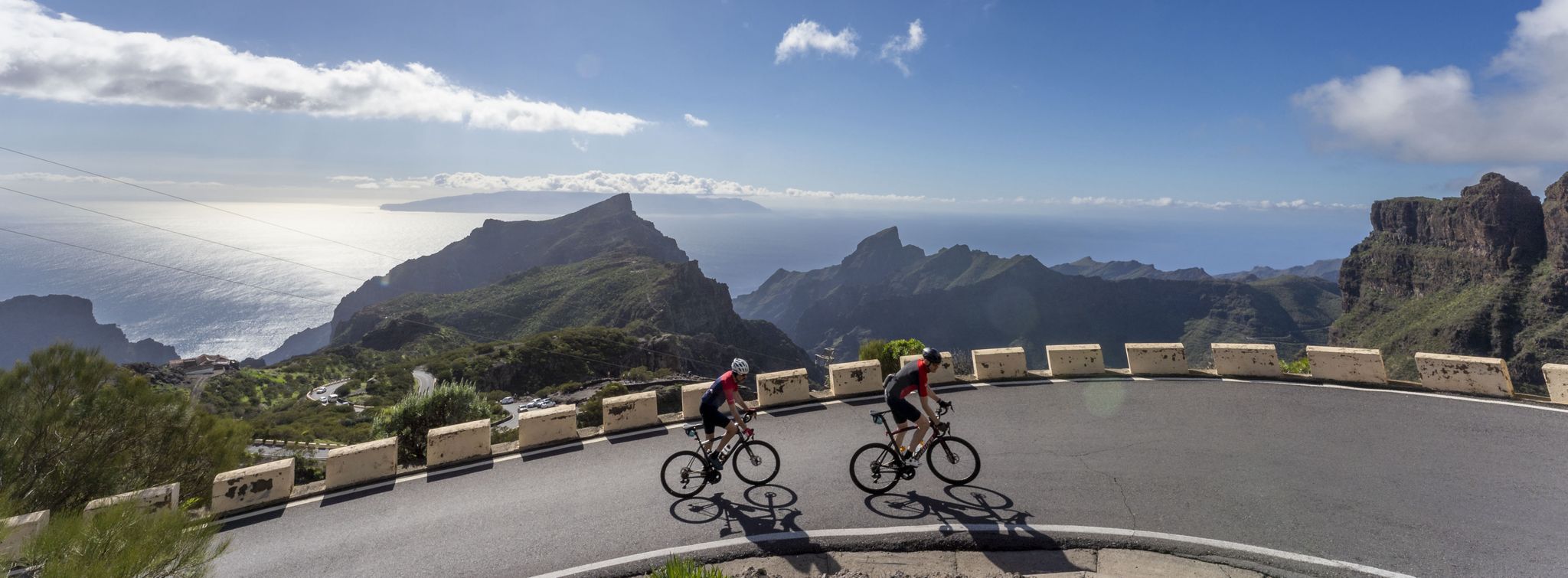
Canary Islands: With TOUR on Tenerife
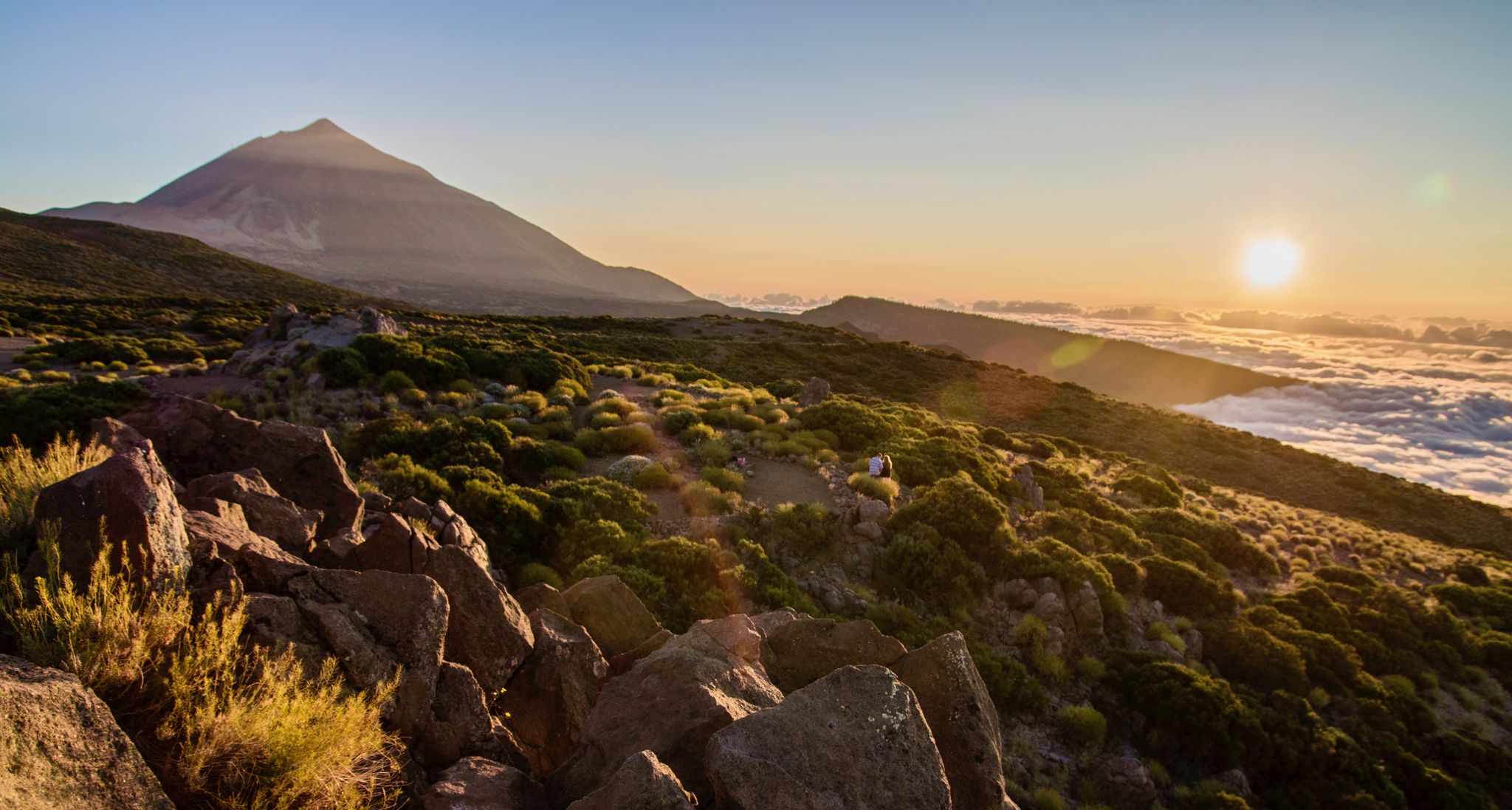
From volcanic peaks to pristine beaches – A hiking paradise in Tenerife
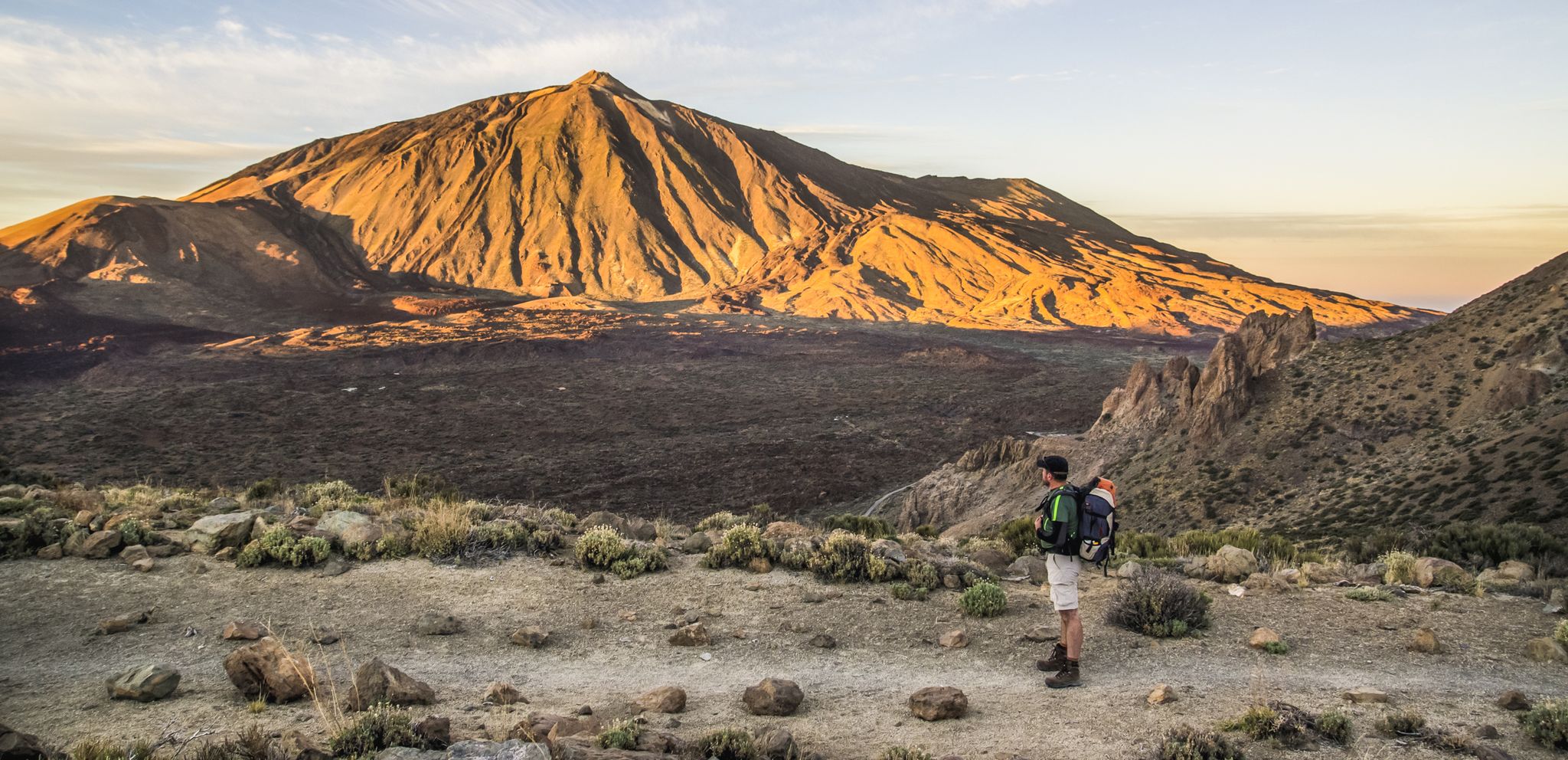
The most beautiful hiking adventures on Tenerife
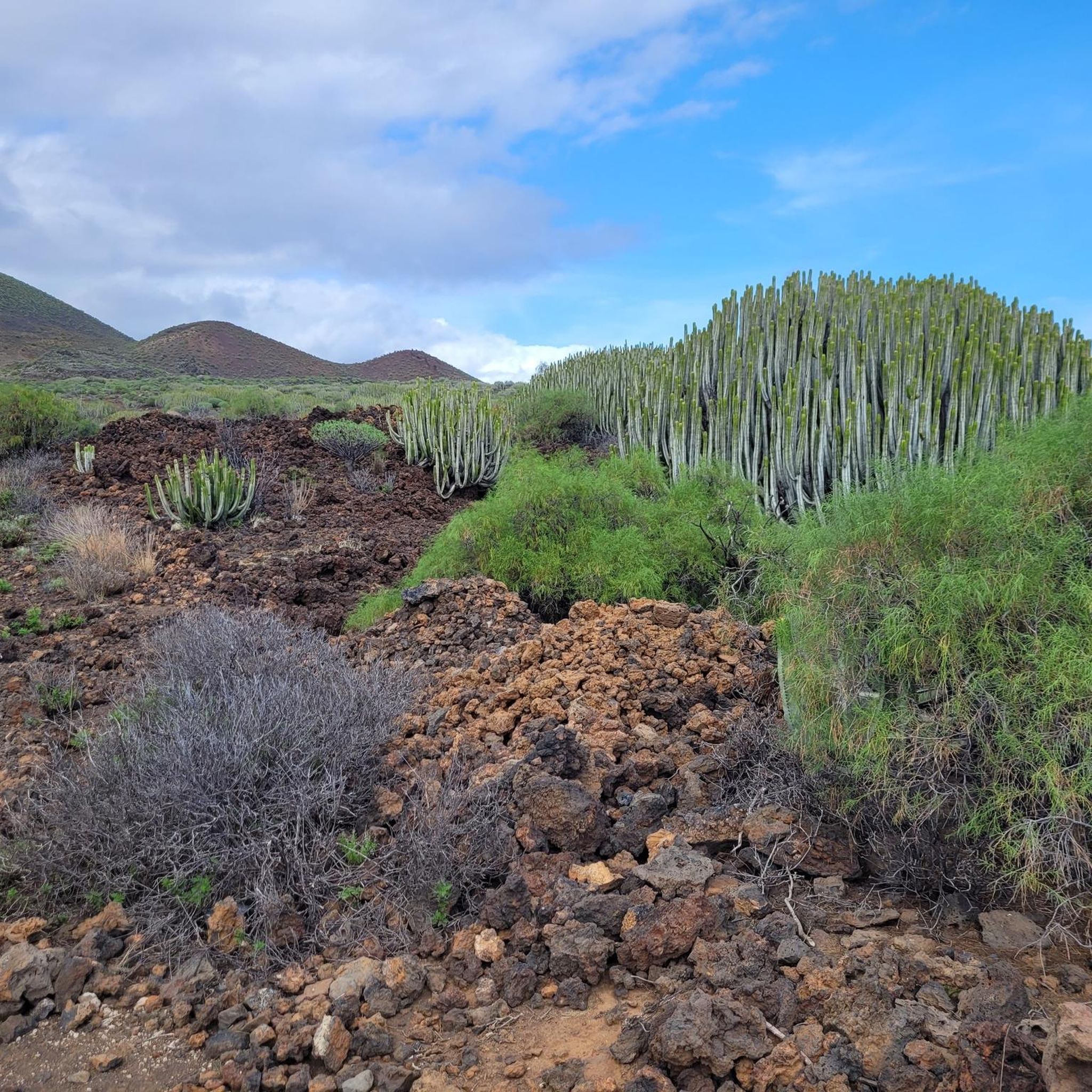
Hiking around Güímar
Road Cycling Routes around Güímar
Running Trails around Güímar
MTB Trails around Güímar
Cycling around Güímar

Gravel biking around Güímar
Mountain Hikes around Güímar


Tips from the Community

A beautiful hiking trail is located here in the Malpais de Guimar nature reserve and is highly recommended 👍🏻. The houses right on the Atlantic coast, some carved into the cliffs, look very interesting. The coastal path is stunningly beautiful and highly recommended 👍🏻. Hiking boots are recommended.
2
0
Spectacular to behold, but please maintain a safe distance. A visit is highly recommended and interesting.
1
0
The lava arches along the coast are a beautiful sight. The paths vary considerably, sometimes bumpy over rocks, with steep ascents and descents, and black sand beaches. However, they are manageable for hiking. Hiking poles are recommended.
4
0

There are two such "caves" on the route. They are obviously lava tubes, although one of them has been worked by human hands to a certain depth.
1
0

On the coastal hiking trail, always climb down to the coast...there are exciting views of the rocks
1
0

CAUTION! Steep slopes next to narrow paths, some slopes almost gone due to landslides. Take a headlamp with you as not all of the tunnels have windows. After waypoint 8, when you stop following the tunnels and follow the rusty water pipe, there is 1km of jungle! Long trousers and sleeves, goggles, and a machete is a good idea. It's been ages since anyone here has been as full of nettles/thistles as the old path. From the ascent onwards, it's a wide path. On the descent, the direct route marked is just the clearing under a power line, so there is often no path and it's not that pretty. We took the extension along the forest path. With these additional crossings, it was 21km.
2
0

Be careful! The animals that ended up in the cave weren't as careful!
0
0

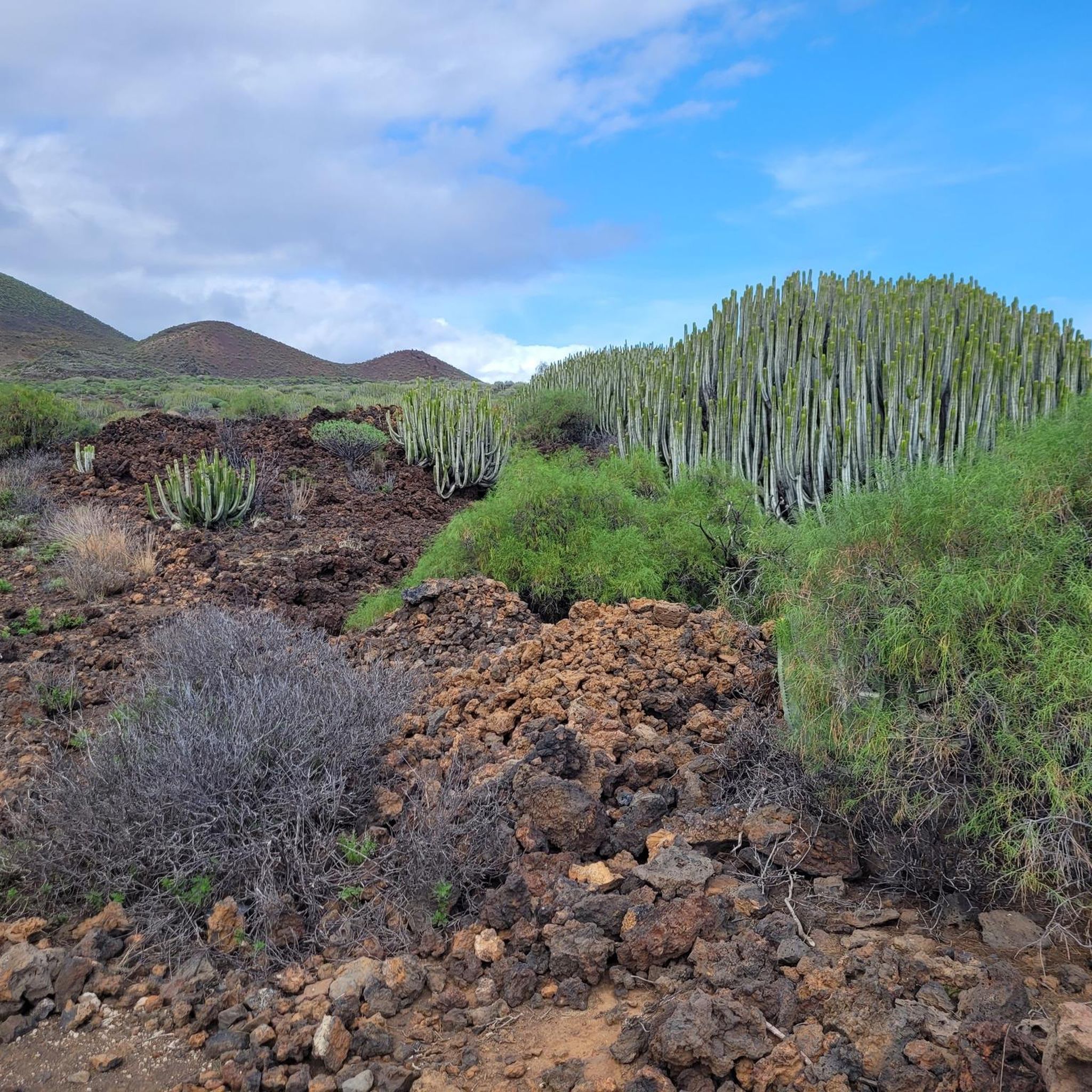
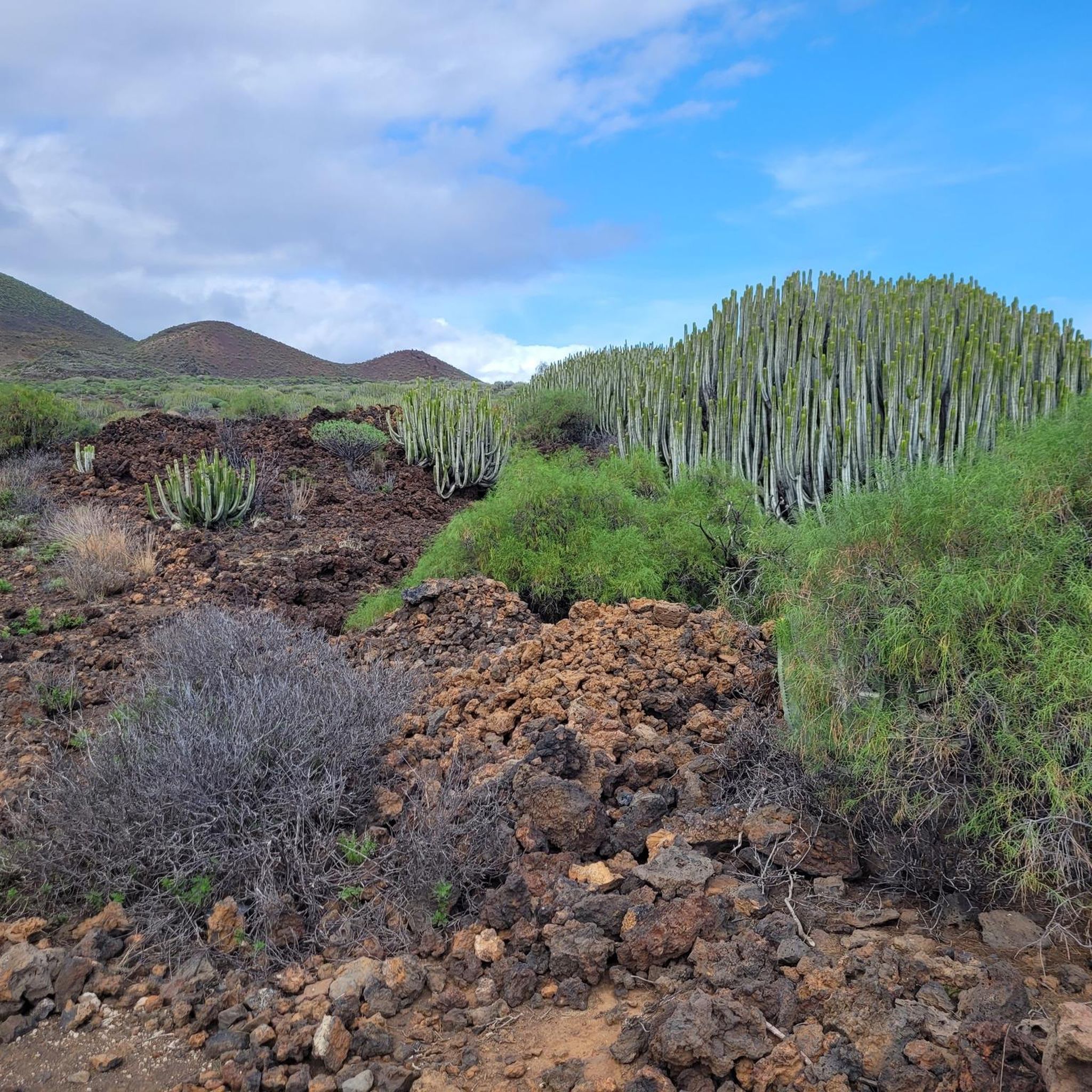
One of the most spectacular and original walks you can do in Tenerife, the Malpaís de Güimar coastal path simply seems to be from another planet. Although it is only about 4-5 km between El Socorro and Puertito de Güimar, due to the orography of the terrain you cannot walk at a good pace, so the distance that you would normally cover in an hour takes twice or triple as long.
1
0
Frequently Asked Questions
Which caves in Güímar offer significant historical and cultural insights?
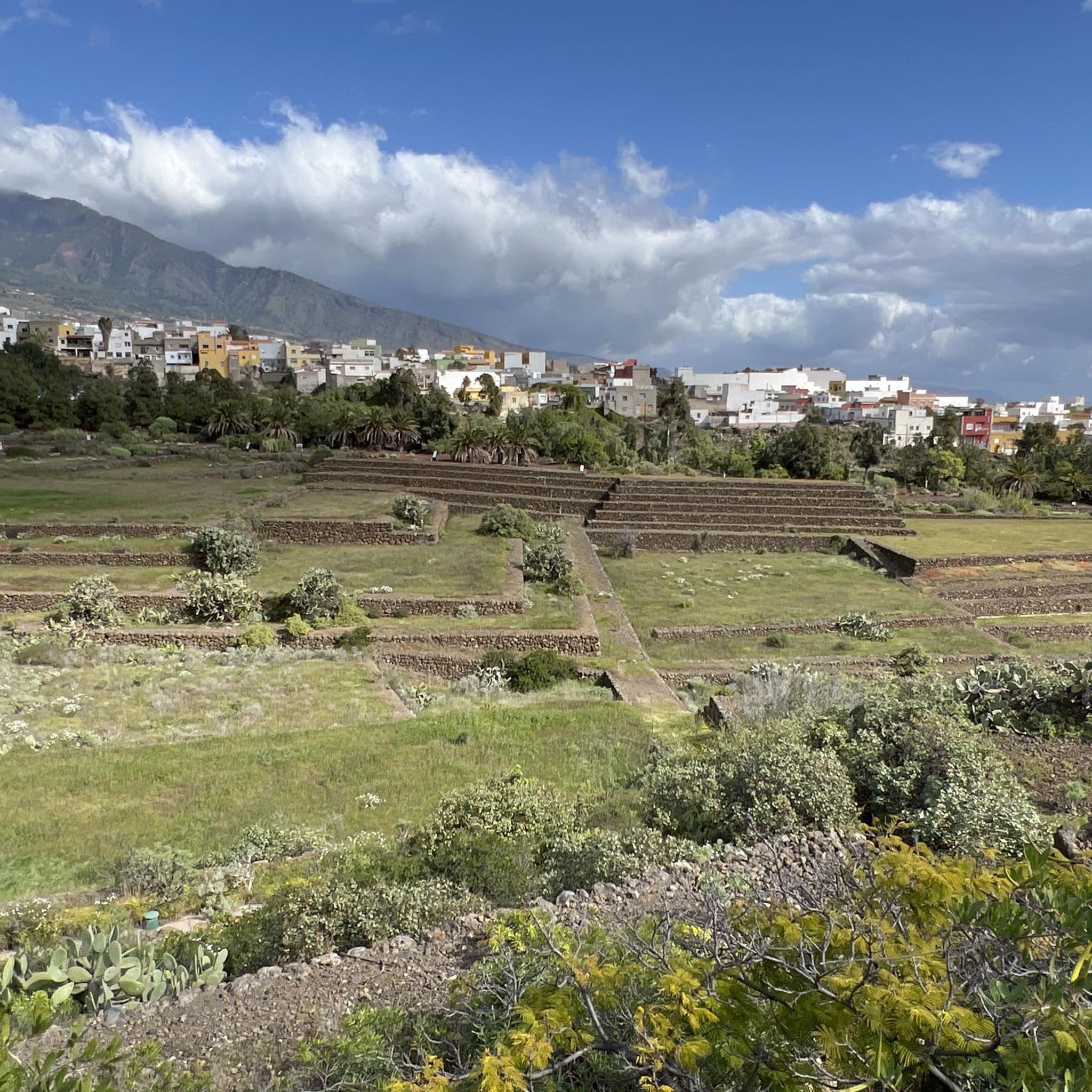
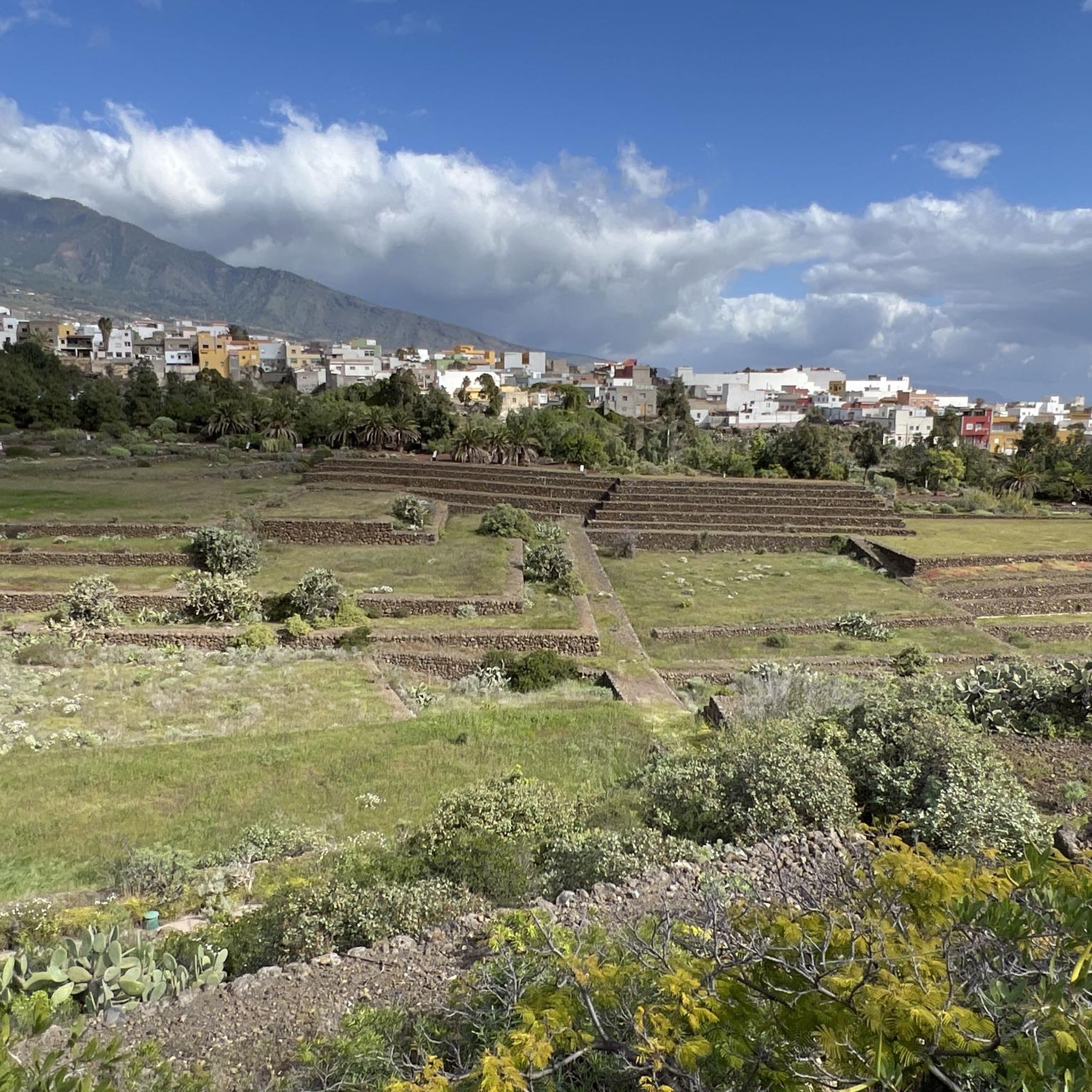
The Cueva de Chinguaro is immensely important, known as the traditional 'palace' of the Guanche king Acaimo and a site of religious syncretism. Additionally, the Cave dwellings at the entrance to the Malpaís de Güímar provide archaeological interest, showcasing ancient Guanche settlements. The Chacona Cave, located beneath Pyramid 1 of the Pirámides de Güímar, also served as a Guanche settlement.
Which caves highlight Güímar's volcanic landscape and geology?
For a tangible experience of Tenerife's volcanic origins, visit Cueva Honda, a volcanic tube approximately 150 meters long within the Malpaís de Güímar. The Lava Arch and Cave on the Coast also showcases impressive lava formations and arches along the coastline. Another notable site is the Lava tube cave in the Las Lagunetas Protected Landscape, which offers a glimpse into the region's unique geological structures.
What kind of footwear is recommended for exploring the caves and trails in Güímar?
Good sturdy footwear is essential, as many paths involve rocky sections, steep ascents, and descents. For areas like the Cave dwellings at the entrance to the Malpaís de Güímar, you'll be mostly on rocks. Hiking poles are also recommended for stability on varied terrain, especially along coastal trails with black sand beaches.
Are there any caves in Güímar that require special equipment for exploration?
Yes, some caves, like Cueva Honda, are described as challenging and may require climbing equipment to enter. For the Steep Cliff and Cave Trail, a headlamp is advised as not all tunnels have natural light. Always check specific requirements for each cave before visiting.
What do visitors enjoy most about the caves and surrounding areas in Güímar?
Visitors frequently appreciate the exciting views of the rocks along coastal hiking trails, especially near the Lava Arch and Cave on the Coast. The unique volcanic landscapes, historical significance of sites like the cave dwellings, and the opportunity for challenging hikes are also highly valued by outdoor enthusiasts.
What outdoor activities can I combine with a visit to the caves in Güímar?
The Güímar region offers diverse outdoor activities. You can explore various Mountain Hikes, enjoy Road Cycling Routes, or tackle MTB Trails. Many of these routes traverse the volcanic terrain and natural reserves where the caves are located, providing a comprehensive outdoor experience.
Are there hiking trails near the caves in Güímar?
Yes, many caves are situated within or near extensive hiking networks. For instance, exploring Cueva Honda can be combined with hiking in the Malpaís de Güímar Natural Reserve. The Lava Arch and Cave on the Coast is directly accessible via a coastal hiking trail. You can find various Mountain Hikes around Güímar that pass by or near these geological features.
Is the Malpaís de Güímar area suitable for exploring caves and trails?
The Malpaís de Güímar is a protected natural reserve characterized by its unique volcanic landscape, including 'aa' and 'pahoehoe' basaltic lava flows. It's an excellent area for exploring volcanic tubes like Cueva Honda and historical sites such as the Cave dwellings at the entrance to the Malpaís de Güímar. Be prepared for rocky paths and varied terrain.
What is the best time to visit the caves and trails in Güímar?
Tenerife generally enjoys a mild climate year-round. For outdoor activities like exploring caves and hiking, the cooler months from autumn to spring (October to May) are often preferred to avoid the peak summer heat, making for a more comfortable experience on the trails and within the caves.
Are there any viewpoints near the caves in Güímar?
Many of the cave locations offer scenic viewpoints. The Lava Arch and Cave on the Coast provides exciting views of the rocks along the coastline. The Cave dwellings at the entrance to the Malpaís de Güímar also serve as a viewpoint within the natural reserve, offering expansive views of the volcanic landscape.
Are the caves around Güímar generally family-friendly?
While some trails leading to caves might be manageable, many of the listed caves and their surrounding trails are described as 'intermediate' or 'challenging' due to rocky paths, steep sections, or the need for special equipment. For families, it's advisable to research specific cave accessibility and trail difficulty beforehand. The coastal paths near the Lava Arch and Cave on the Coast, while varied, are generally manageable for hiking.
Most popular attractions around Güímar

Get inspired with the komoot mobile app


Explore more
Extend your search for the best caves by checking out these guides of the top ones around Güímar:
