Top 5 Caves around Dos Aguas
Best caves around Dos Aguas, a municipality in Valencia, Spain, offers a diverse natural landscape characterized by its geological formations and river systems. The region is known for its variety of caves, from extensive underground systems to natural shelters integrated with waterfalls. These natural features provide opportunities for exploration and connection with the area's unique geology. Dos Aguas serves as a gateway to both local caves and significant natural attractions in the wider Valencian region.
Best caves around Dos Aguas
…Last updated: July 4, 2026
Turche Cave Waterfall
Highlight • Waterfall
Translated by Google •
Tip by

Cave of the Doves and Yátova Waterfall
Highlight • Cave
Translated by Google •
Tip by
Sign up now to discover places like this
Get recommendations on the best single tracks, peaks, & plenty of other exciting outdoor places.
Sign up for free
Tejador Cave
Highlight • Cave
Translated by Google •
Tip by

Cueva del Tornero
Highlight • Cave
Translated by Google •
Tip by

Start today with a free account
Your next adventure awaits.
Login or Signup
Tips from the Community

The road towards Cuevas del Turche is currently closed - construction site!
4
0

It's not much, but it's worth a visit, as it's very close to the route.
0
0

A great place to relax, refresh yourself in the water and simply rest from the blazing sun
3
0

The Pigeon Cave in Yátova is a fascinating place that offers a unique experience of exploration and contact with nature. The cave is more than 2 kilometers long and is full of geological formations such as stalactites, stalagmites and columns. In addition, it is home to incredible biodiversity with various species of bats and other animals. Don't forget to wear comfortable shoes and a flashlight to explore its galleries and rooms. In short, the Cueva de las Palomas is a must-see destination for lovers of adventure and nature. Enjoy this underground wonder! 🌟
8
1

Pack your swimming trunks 🩳 and bikini 👙 and cool off 👍
2
0
A wonderful area with lots of opportunities to cool off, jump in the water and have a picnic.
2
0

In summer if you don't go early in the morning you won't find a place. The best time will be spring and autumn, and during the week. Calmer. Essential place in Valencia.
2
1
The only equipment needed is a good camera as there are plenty of landscapes to photograph. The place is magical. There is the nearby campsite, both for tents, caravans and campers. You have to ask for permission and pay fees at the Yatova town hall.
2
1
Frequently Asked Questions
When is the best time to visit the caves around Dos Aguas?
Spring and autumn are generally considered the best seasons to visit the caves in the Dos Aguas region. During these times, the caves maintain a consistently cool temperature, offering a pleasant escape regardless of the external weather conditions.
Are there any family-friendly caves to explore near Dos Aguas?
Yes, several caves are suitable for families. The Turche Cave Waterfall is a very picturesque site with a recreational area, and you can even walk behind the waterfall. Another excellent option is the Cave of the Doves and Yátova Waterfall, which offers an accessible and fun exploration, even with children, and features a beautiful waterfall.
What kind of geological formations can I expect to see in the caves?
The caves in Dos Aguas showcase impressive geological formations sculpted by water over millennia. You can observe various speleothems such as stalactites, stalagmites, and columns. Some caves, like the Cueva de las Maravillas, also feature unique 'banderas' (cave formations resembling flags) and mineral infiltrations like shiny pyrite.
Are there caves suitable for beginners or those new to caving?
For those new to caving, the Cueva de las Maravillas offers an engaging journey with ascents and descents that generally do not require specialized technical equipment. It's described as an easy cave for enthusiasts, providing an authentic adventure without extreme technical difficulty.
What options are available for experienced cavers seeking a challenge?
Experienced cavers looking for a significant challenge should consider the Sima del Caballón. This spectacular vertical cave features several demanding shafts, including a 59-meter pit, and narrow passages requiring vertical caving techniques and prior experience.
What outdoor activities can I do near the caves in Dos Aguas?
The Dos Aguas region offers a variety of outdoor activities. You can find numerous hiking trails, including routes like 'Rocks – Beautiful trail loop from Dos Aguas'. There are also options for running and cycling, with routes that often pass by natural attractions and scenic viewpoints.
What should I wear when visiting the caves?
When visiting caves, it's advisable to wear comfortable shoes suitable for uneven terrain. Caves maintain a consistently cool temperature, so even on warm days, a light jacket or long sleeves are recommended. For exploration, especially in less developed caves, a flashlight is essential.
Are there any caves with historical significance in the area?
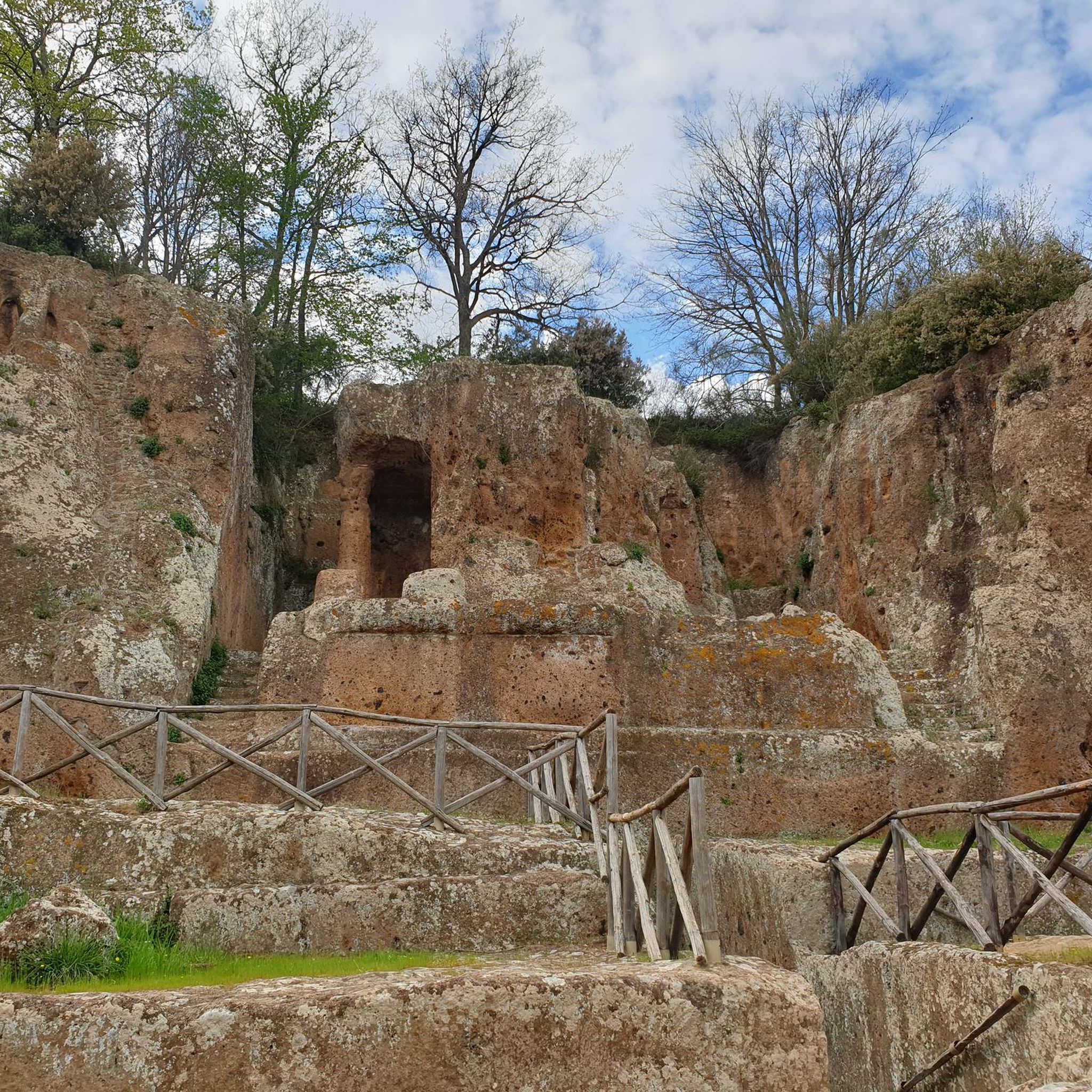
The Tejador Cave is notable for its historical association. Local stories tell of a goat herder who lived there for a long time, making it a picturesque and quiet place with a unique past.
What do visitors enjoy most about the caves around Dos Aguas?
Visitors frequently appreciate the unique natural beauty and the sense of adventure. Highlights like the Turche Cave Waterfall are loved for their picturesque scenery and the unique experience of walking behind a waterfall. The geological formations, the opportunity for exploration, and the diverse natural landscapes are also highly valued.
Can I find caves that are integrated with waterfalls or rivers?
Yes, the Dos Aguas region is known for its natural caves, some of which are integrated with waterfalls. The Turche Cave Waterfall features a 60-meter high waterfall cascading into a circular lake, and the Cave of the Doves and Yátova Waterfall also combines cave exploration with a stunning waterfall.
Are there any caves that are less crowded or more 'hidden'?
While specific 'hidden' caves are not widely publicized for safety and preservation, the region offers a diverse range. For a quieter experience, exploring some of the less-trafficked trails or visiting during off-peak seasons (outside of summer holidays) can lead to a more serene encounter with nature. The Tejador Cave, for instance, is described as a very picturesque and quiet place.
Most popular routes around Dos Aguas
Most popular attractions around Dos Aguas

Get inspired with the komoot mobile app


Explore more
Extend your search for the best caves by checking out these guides of the top ones around Dos Aguas:
