Top 10 Caves in La Gomera
Best caves in La Gomera are found on this volcanic island in the Canary Islands. La Gomera features a diverse landscape, from volcanic formations to historical dwelling sites. The island's rugged terrain and rich history offer unique opportunities for exploration. Its natural features and cultural heritage make it a compelling destination for those interested in geological and historical sites.
Best caves in La Gomera
- The most popular caves is White Caves, a cave that offers a very interesting destination for a hike. These small, abandoned caves provide insight into past human settlements.
- Another must-see spot is Chinguarime Beach, a beach with natural caves. The natural caves on the rocky slopes offer a popular place for visitors.
- Visitors also love Descent to Taguluche Gorge and Cave, a gorge and cave highlight. This route offers spectacular views and can be steep in parts.
- La Gomera is known for natural caves, historical dwelling sites, and religious sanctuaries. The island offers a variety of caves to see and explore, from ancient settlements to chapels.
- The caves in La Gomera are appreciated by the komoot community. The guide features 9 highlights, with 45 photos and 79 upvotes from users.
Last updated: May 13, 2026
White Caves
Highlight • Cave
Translated by Google •
Tip by

El Cedro Water Tunnel
Highlight • Structure
Translated by Google •
Tip by

Sign up now to discover places like this
Get recommendations on the best single tracks, peaks, & plenty of other exciting outdoor places.
Sign up for free
Chinguarime Beach
Highlight • Beach
Translated by Google •
Tip by

Goat Cave (Cueva de Cabras)
Highlight • Cave
Translated by Google •
Tip by

Cave Houses of La Gomera
Highlight • Structure
Translated by Google •
Tip by
Sign up for free to discover even more caves in La Gomera.
Sign up for free
Already have an account?
Start today with a free account
Your next adventure awaits.
Login or Signup
Popular around La Gomera
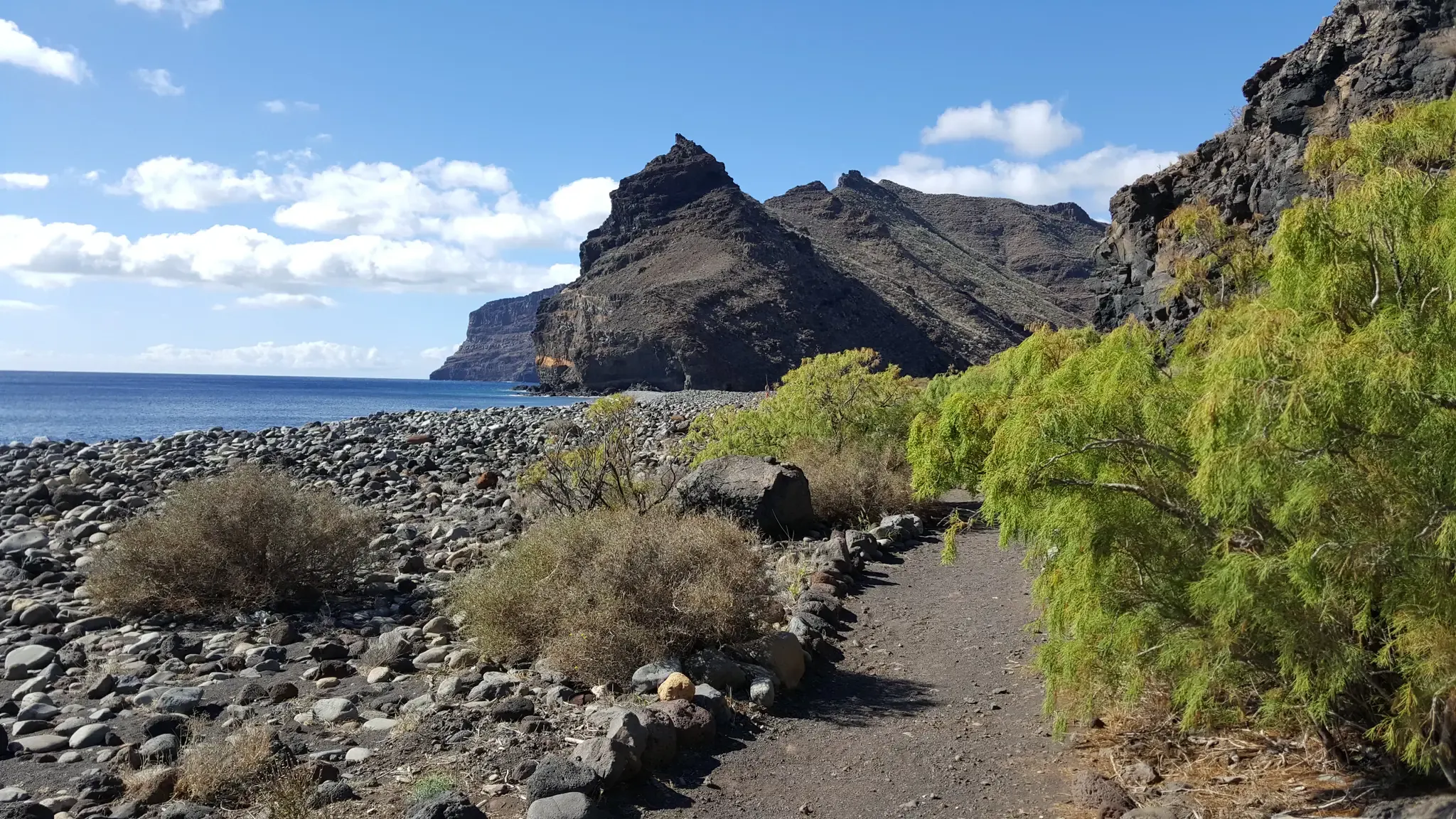
GR 132 – Up and down on an island loop of La Gomera
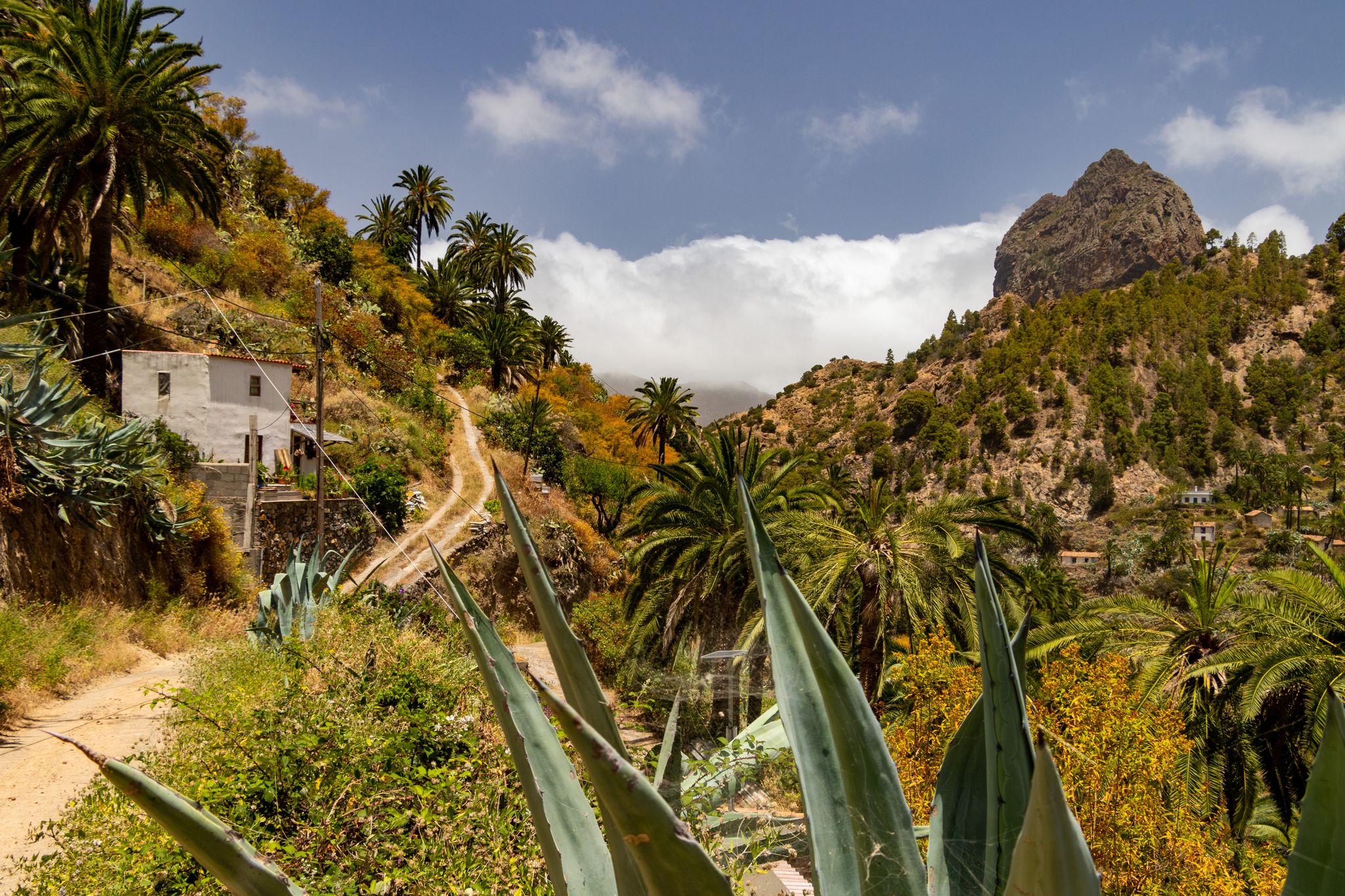
La Palma, El Hierro y La Gomera – explore the Canaries’ Green Islands on foot
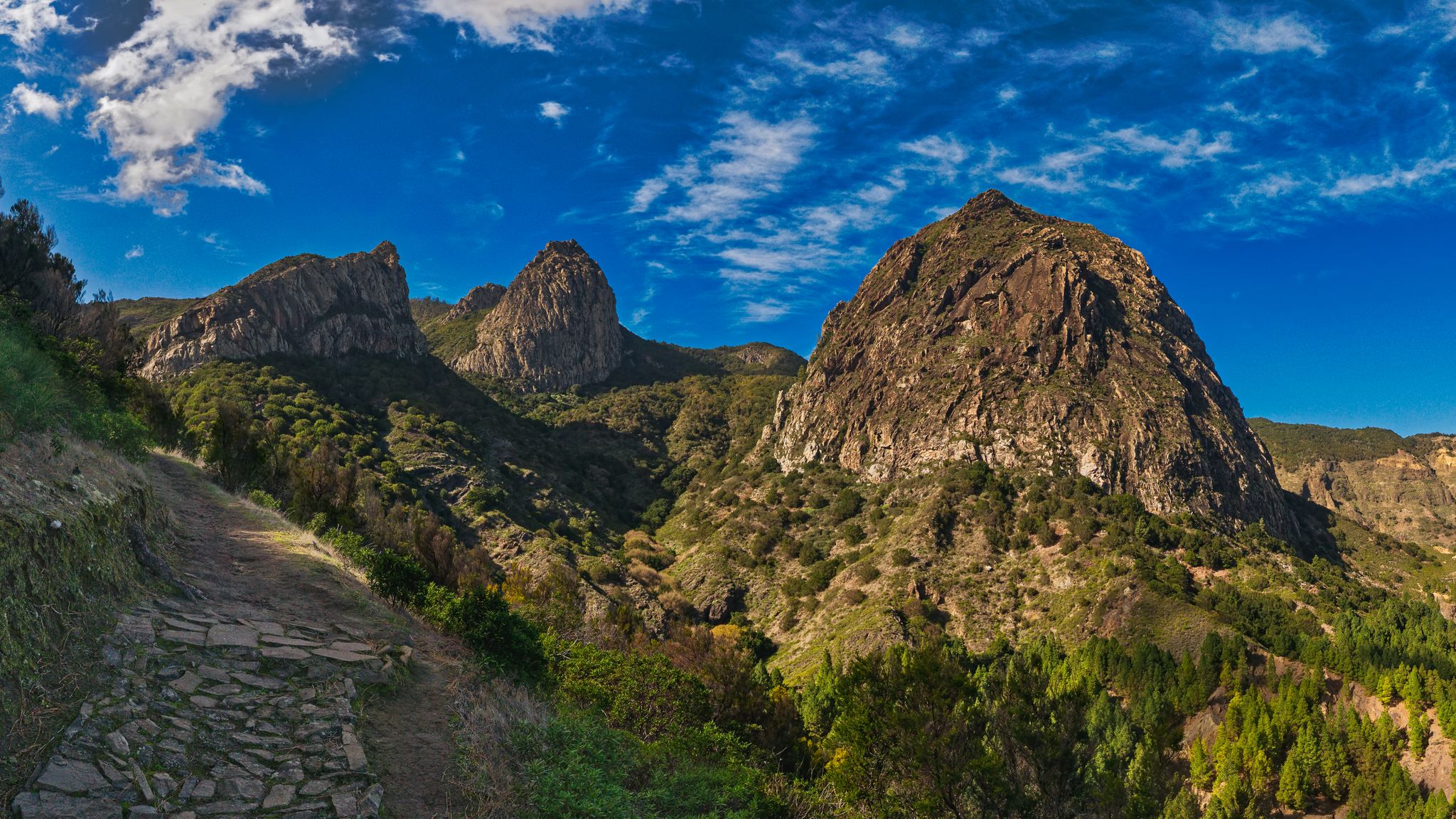
The magical island – Cumbres de La Gomera Natural Trail (GR 131)
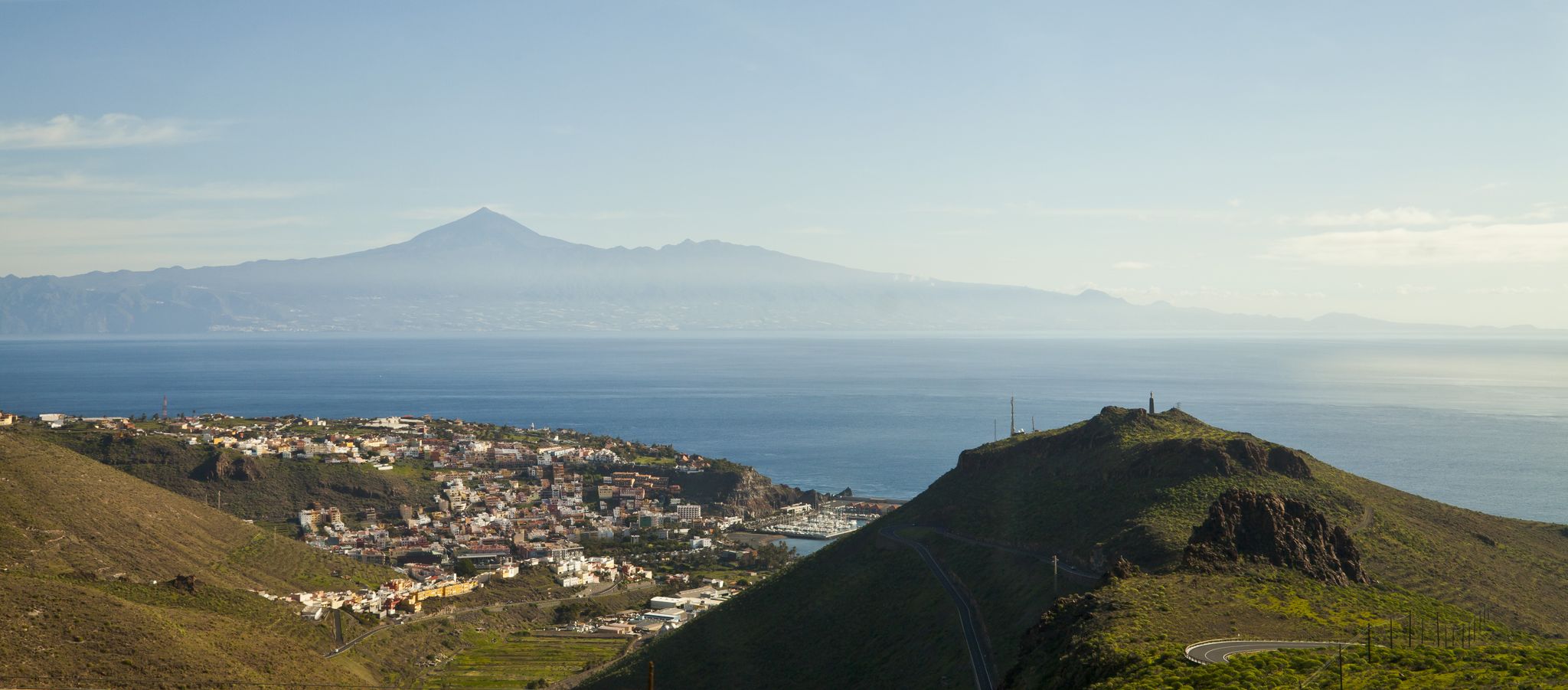
My favourite hikes on Tenerife and La Gomera

Gravel biking on Tenerife and La Gomera
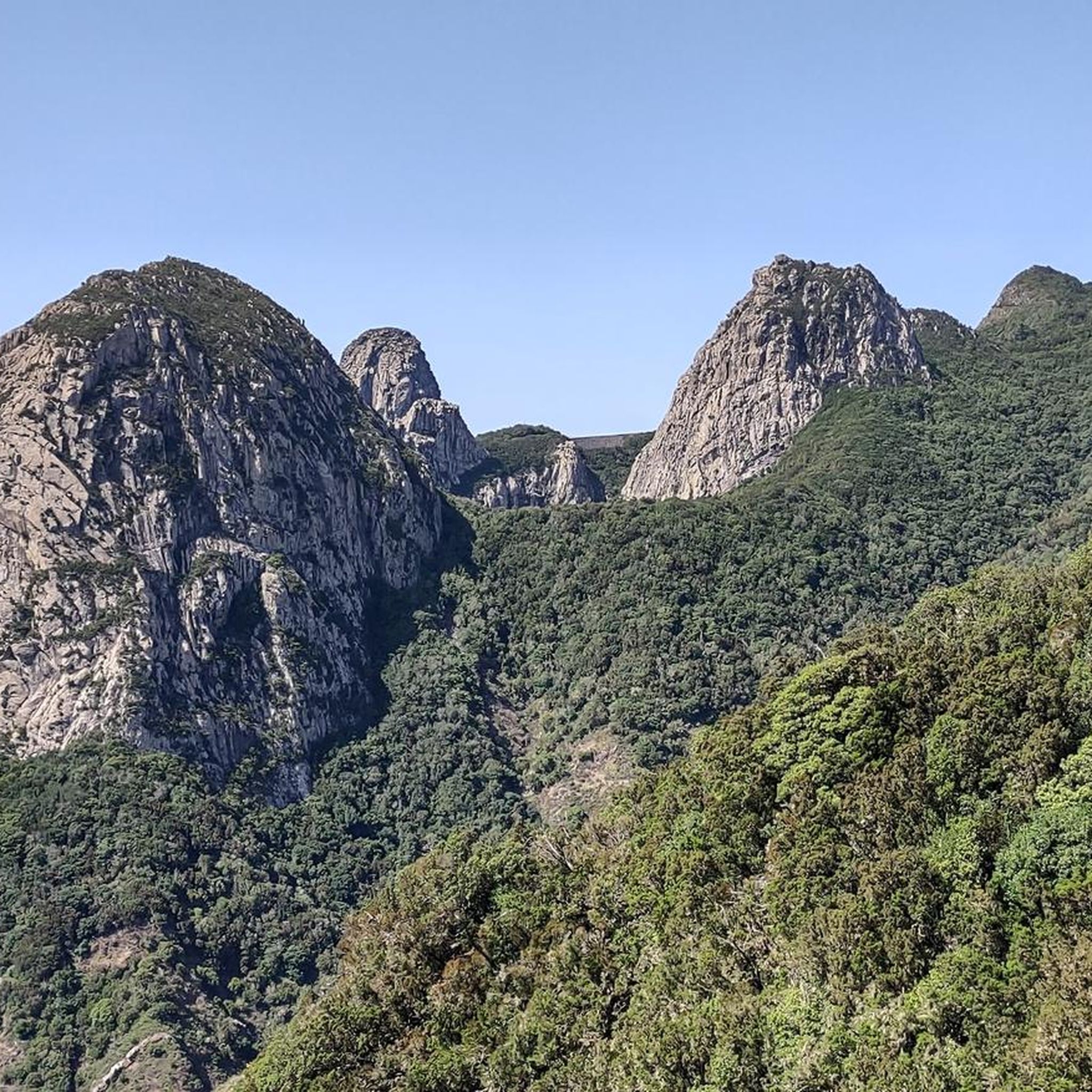
Hiking in La Gomera
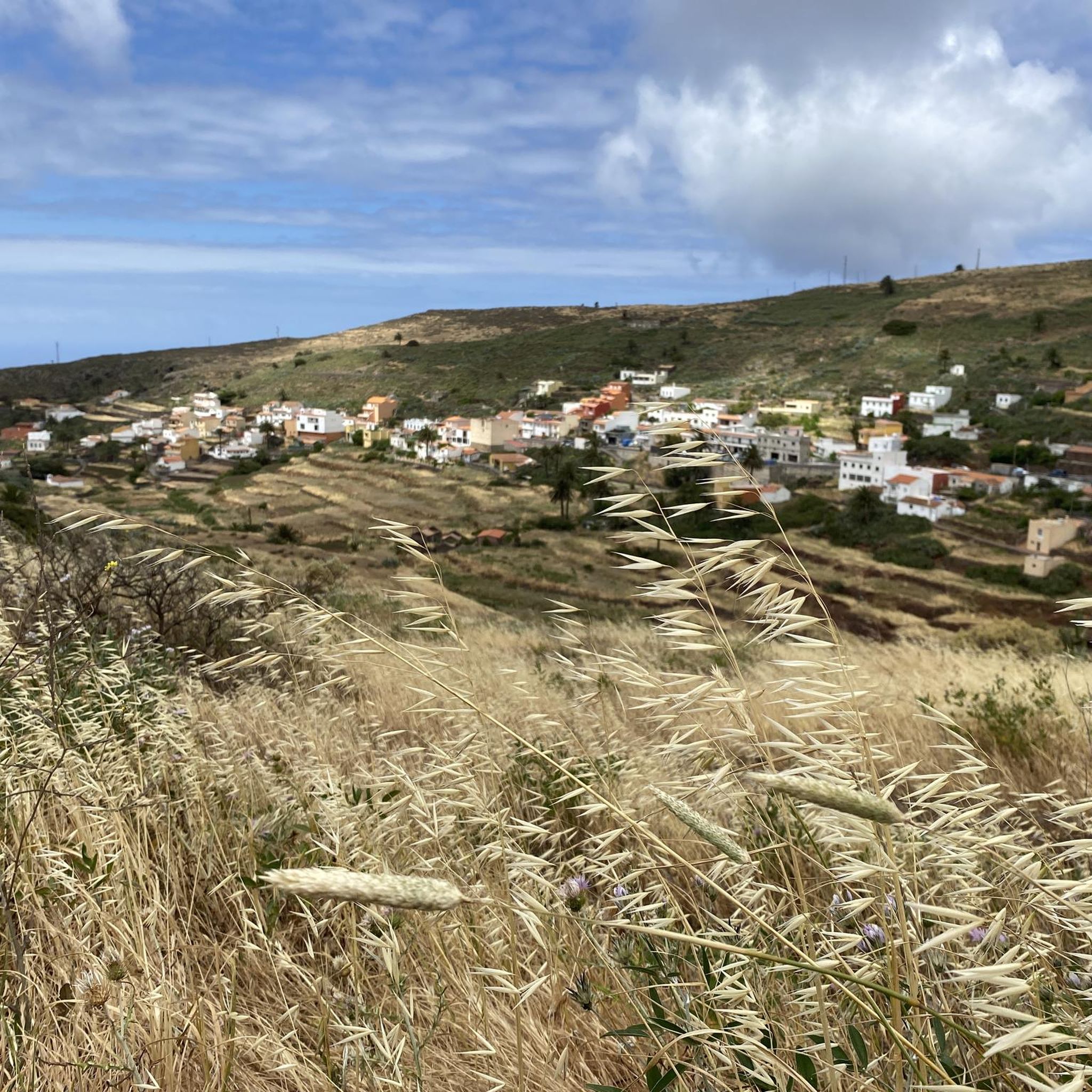
Running Trails in La Gomera
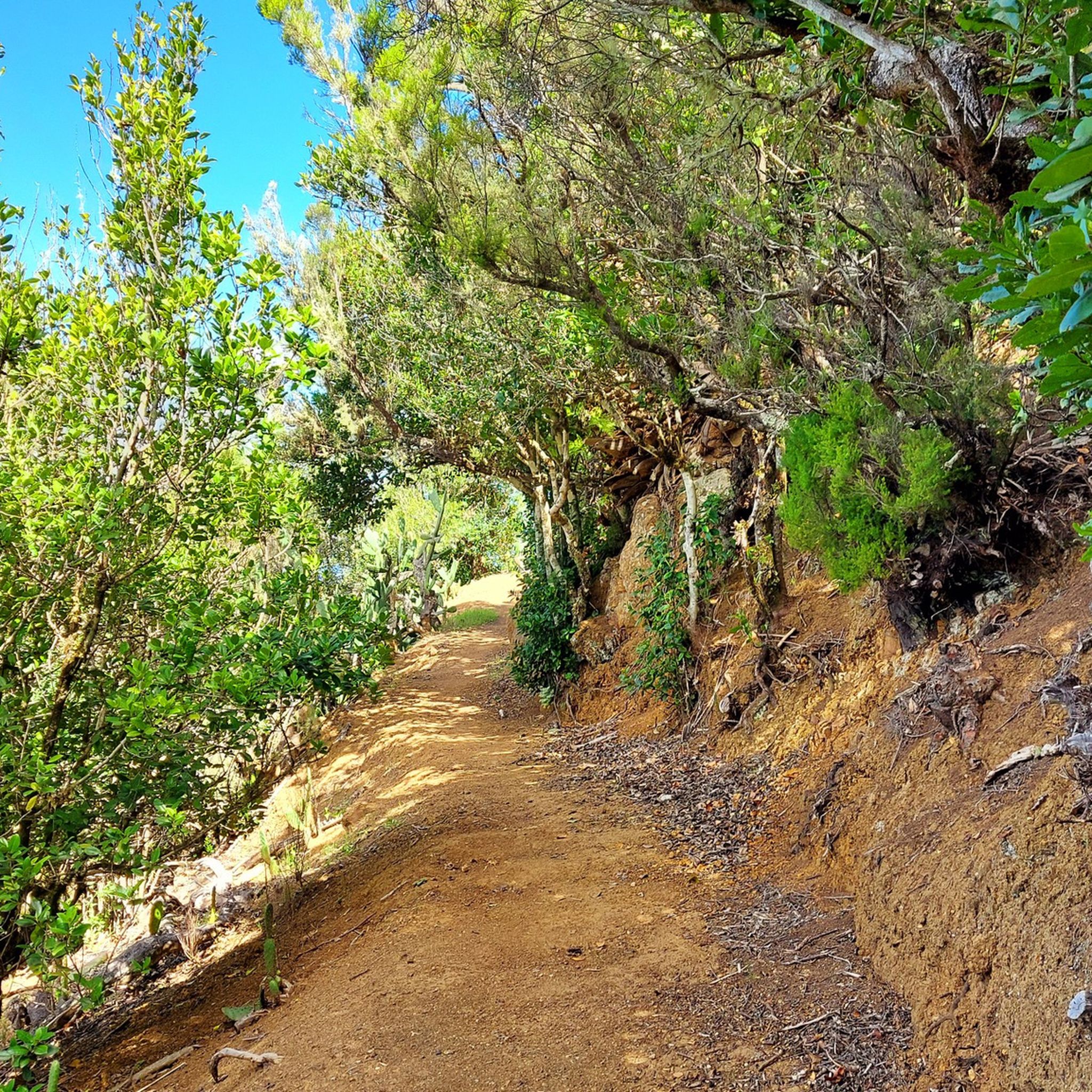
MTB Trails in La Gomera
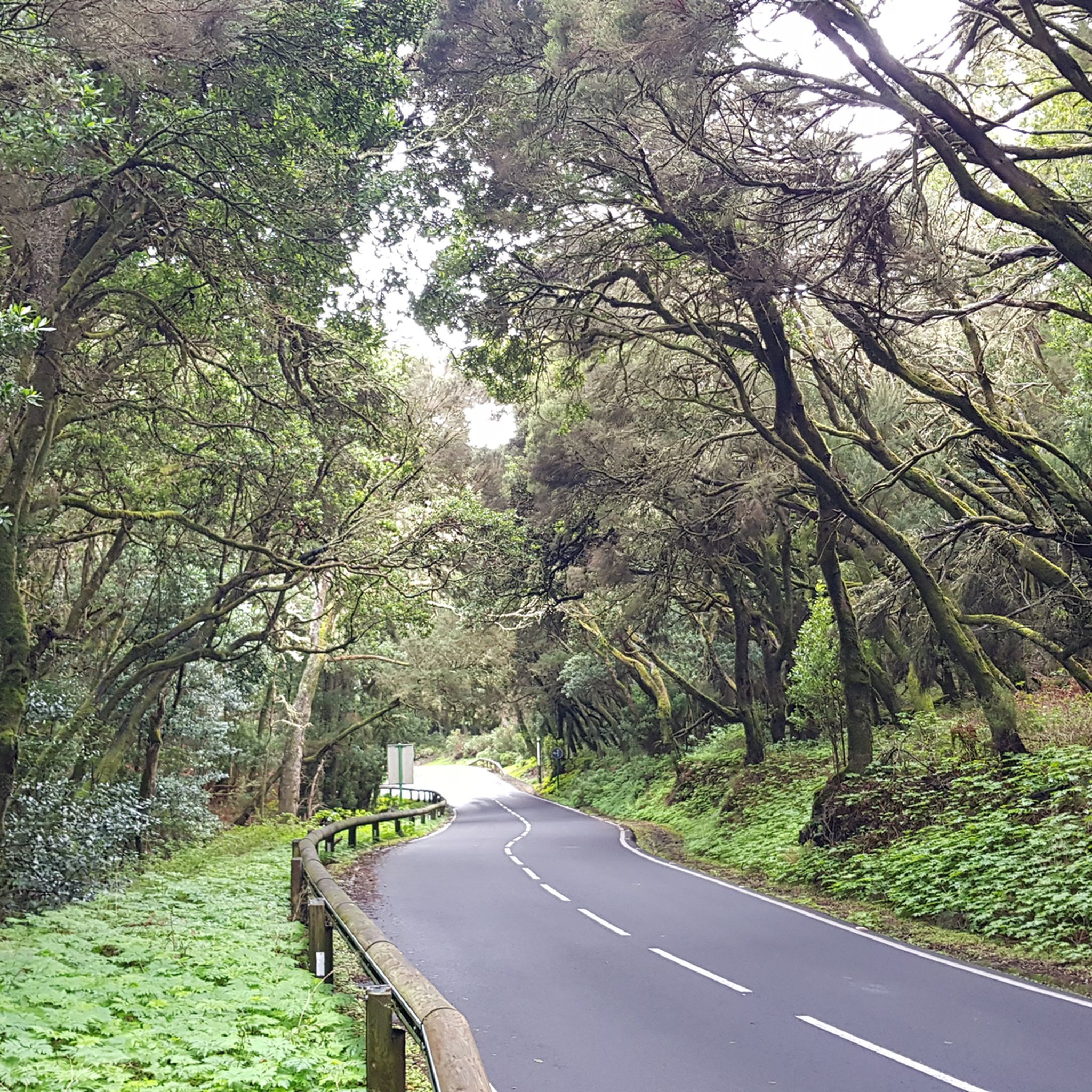
Road Cycling Routes in La Gomera
Cycling in La Gomera
Other adventures in La Gomera


Tips from the Community

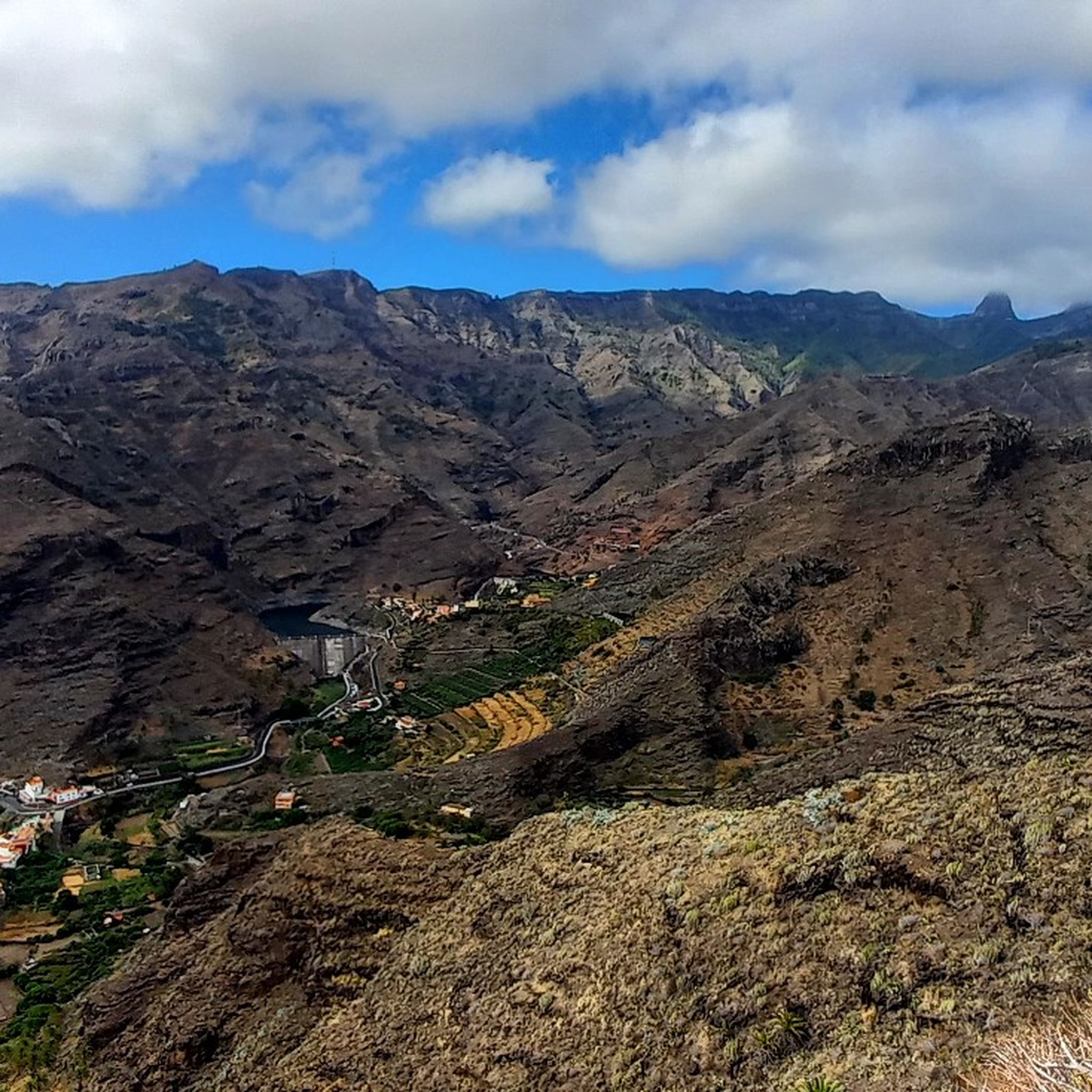
Enchanting stone houses that nestle under the rock faces of Valle Gran Rey.
0
0

The "White Caves" (Spanish: Cuevas Blancas or Casa de las Cuevas Blancas) on La Gomera are a former, now abandoned rock cave village. The dwellings were carved directly into the rock but should not be confused with the inhabited so-called "dropout caves", which are often found directly by the sea. Rather, they seem to be a testament to the former, simple way of life on the island. Probably already used in prehistoric times until the 15th century by the indigenous population before the Spanish conquest. After the conquest of La Gomera in the late 15th century (around 1488), the traditional use of caves apparently declined sharply. These caves (-houses) here were very likely occasionally used by shepherds or farm laborers until just before the turn of the millennium, but definitely no longer permanently as a main residence. The tour here via the so-called "Pole Path" is phenomenal - however - despite "defusing" - (now the path itself is wide and (almost) level to walk) not for people with a fear of heights. The "poles" are largely dismantled (good riddance!), what remains are rather "historical" railing fragments that provide psychological security. A great path that you should have done!
0
0

The white caves in the far east of La Gomera are a very interesting destination for a hike. The path there is very varied and offers great views 👍
0
0

05.12.24 Unfortunately it has completely collapsed, no way through is possible. The 30cm wide gap that was still there is now also buried.
2
2

Beautiful spot but hard to reach and not really worth it. U catch some scratches and bruises along the way to the end.
0
0


Beautiful lonely beach, but hardly suitable for swimming.
0
1
The houses integrate beautifully into the landscape
2
0
Frequently Asked Questions
What historical or archaeological significance do La Gomera's caves hold?
La Gomera's caves are rich in history. The Cueva de Guahedum, also known as Cueva del Conde or Cueva de Iballa, is a prehistoric site linked to the 1488 "Rebellion of the Gomeros" and shows evidence of habitation as early as the 1st century AD. Additionally, caves on Calvario Mountain (Tagaragunche) have revealed ancient burial sites, highlighting their archaeological and spiritual importance.
Are there any caves in La Gomera with religious or spiritual importance?
Yes, the island has several sites with religious significance. The Cave of the Doves Chapel (Virgin of Candelaria) houses a unique mini-chapel dedicated to the Virgin of Candelaria. The caves on Calvario Mountain are also considered a sacred place, with the hermitage of San Isidro Labrador located nearby.
Which caves offer the best views in La Gomera?
For stunning vistas, the White Caves on the northern cliffs provide picturesque views of the ocean and Tenerife. The area around the caves on Calvario Mountain also offers spectacular panoramas of the coastline, the Atlantic Ocean, Alajeró, and even El Alto de Garajonay on clear days. The Descent to Taguluche Gorge and Cave also promises spectacular views, though parts can be steep.
Are there family-friendly caves or cave-related activities in La Gomera?
While specific 'family-friendly' cave tours aren't highlighted, many caves are accessible via hiking trails suitable for families. For example, the natural caves at Chinguarime Beach offer a secluded spot for relaxation and exploration by the sea. Always check the difficulty of the approach trails before heading out with children.
What kind of natural features can I expect to see in La Gomera's caves?
La Gomera's caves, being on a volcanic island, often feature unique geological formations. You'll find natural shelters, rocky slopes, and formations shaped by the island's volcanic past. Some, like those at Chinguarime Beach, are natural sea caves, while others, like the White Caves, are notable for their distinctive appearance and historical use.
Can I find hiking trails that lead to or past caves in La Gomera?
Yes, many caves are integrated into hiking routes. The White Caves are a popular destination for a varied hike with great views. The Descent to Taguluche Gorge and Cave is another trail offering a challenging route to a cave. You can also find trails near the Goat Cave (Cueva de Cabras), which is part of a hike from Arure to Valle Gran Rey.
Are there any unique or unusual caves to visit in La Gomera?
Beyond the historical and scenic caves, La Gomera also has some unique examples. The Cave of the Doves Chapel (Virgin of Candelaria) is a mini-cave housing a chapel, offering a blend of natural formation and religious devotion. The island also has 'hippie caves' in areas like Argaga beach, historically used as temporary homes, and even modern 'artificial safe social caves' in Valle Gran Rey with basic amenities.
What kind of outdoor activities can I do near the caves in La Gomera?
The rugged landscape around La Gomera's caves is ideal for various outdoor activities. You can find numerous hiking opportunities, including waterfall hikes like those detailed in the Waterfall hikes in La Gomera guide. The island is also popular for cycling, with challenging routes through the Garajonay National Park, as seen in the Cycling in La Gomera guide and Road Cycling Routes in La Gomera guide.
What is the best time of year to visit caves in La Gomera?
La Gomera enjoys a mild climate year-round, making its caves generally accessible throughout the seasons. However, for hiking and outdoor exploration around the caves, the cooler, drier months from autumn to spring (October to May) are often preferred. Summer can be warm, but the coastal caves offer a refreshing escape.
What should I bring when exploring caves or trails leading to them in La Gomera?
When exploring caves or their access trails, it's advisable to wear sturdy hiking shoes, bring water, and carry a headlamp or flashlight, especially if you plan to venture inside. Some trails, like the Descent to Taguluche Gorge and Cave, can be steep, so a good head for heights is beneficial. Always check local conditions and weather forecasts before your trip.
Are there any caves in La Gomera that were historically used as dwellings?
Yes, several caves on La Gomera have a history of human habitation. The White Caves on the northern cliffs were historically inhabited by farmers, offering a glimpse into the self-sufficient lives of past islanders. The Cueva de Guahedum also has significant archaeological evidence of early human settlement.
Most popular routes in La Gomera
Most popular attractions in La Gomera

Get inspired with the komoot mobile app


Explore more
Extend your search for the best caves by checking out these guides of the top ones in La Gomera:
