The best running trails in La Gomera
4.4
(79)
2,297
runners
114
runs
Jogging routes in La Gomera traverse a remarkably diverse landscape, characterized by ancient laurel forests, dramatic coastlines, and deep ravines. The island's volcanic origin has sculpted a rugged terrain with steep slopes and craggy peaks, offering varied running environments. From urban routes to challenging mountain trails, La Gomera provides a unique blend of natural features for runners.
Best jogging routes in La Gomera
- The most popular jogging route is Camino de la Mérica – trail running from Valle Gran Rey, an 8.0 miles (12.9 km) trail that takes 2 hours 26 minutes to complete. This route offers challenging ascents and views over Valle Gran Rey.
- Another top favourite among local runners is Natural Monument Roque Cano – circular via the summit of Chigueré from Playa de Vallehermoso, a difficult 8.1 miles (13.0 km) path. This route features prominent volcanic rock formations and panoramic vistas.
- Local runners also love the Alto de Garajonay - circular trail running from Pajarito, a 2.9 miles (4.6 km) trail leading through Garajonay National Park, often completed in about 36 minutes.
- Jogging in La Gomera is defined by ancient laurel forests, dramatic coastlines, and volcanic formations. The extensive network of routes offers options for various ability levels, from easy paths to demanding mountain trails.
- The routes in La Gomera are highly rated by the komoot community with an average score of 4.5 stars from over 75 reviews. More than 2300 runners have used komoot to explore La Gomera's varied terrain.
Last updated: June 23, 2026
37
runners
12.9km
02:26
800m
800m
Hard run. Very good fitness required. Sure-footedness, sturdy shoes and alpine experience required.
5.0
(1)
45
runners
Hard run. Very good fitness required. Sure-footedness, sturdy shoes and alpine experience required.

Sign up for free
9
runners
4.59km
00:36
120m
120m
Moderate run. Good fitness required. Mostly accessible paths. Some sure footedness required.
4.0
(1)
4
runners
5.51km
00:45
220m
220m
Moderate run. Good fitness required. Mostly accessible paths. Some sure footedness required.
4.3
(12)
300
runners
5.52km
00:35
50m
50m
Moderate run. Good fitness required. Mostly paved surfaces. Suitable for all skill levels.
Get access to more routes and recommendations from other explorers.
Sign up for free
Already have an account?
Our route recommendations are based on thousands of hikes, rides, and runs completed by other people on komoot.
Start today with a free account
Your next adventure awaits.
Login or Signup
Popular around La Gomera
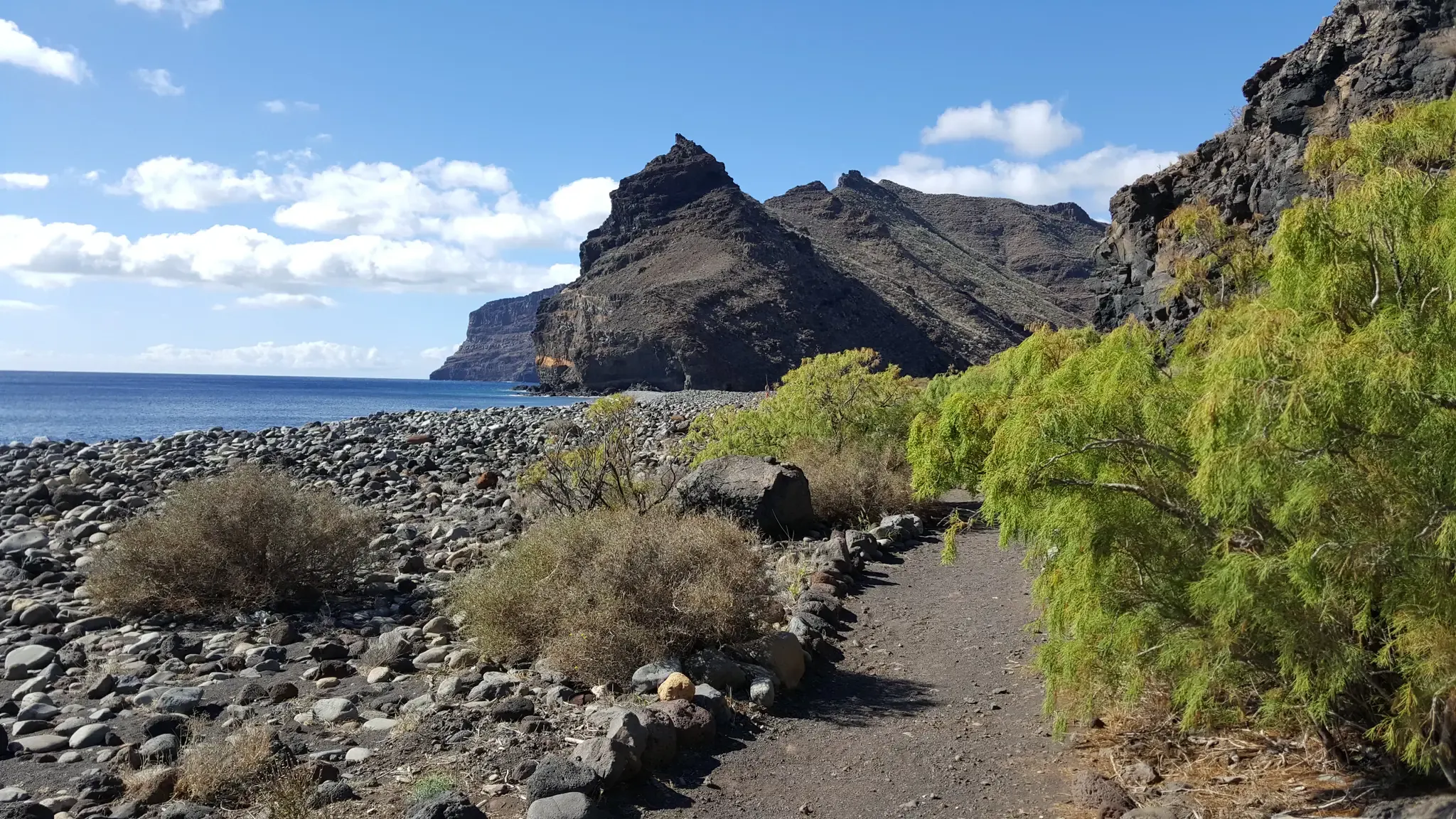
GR 132 – Up and down on an island loop of La Gomera
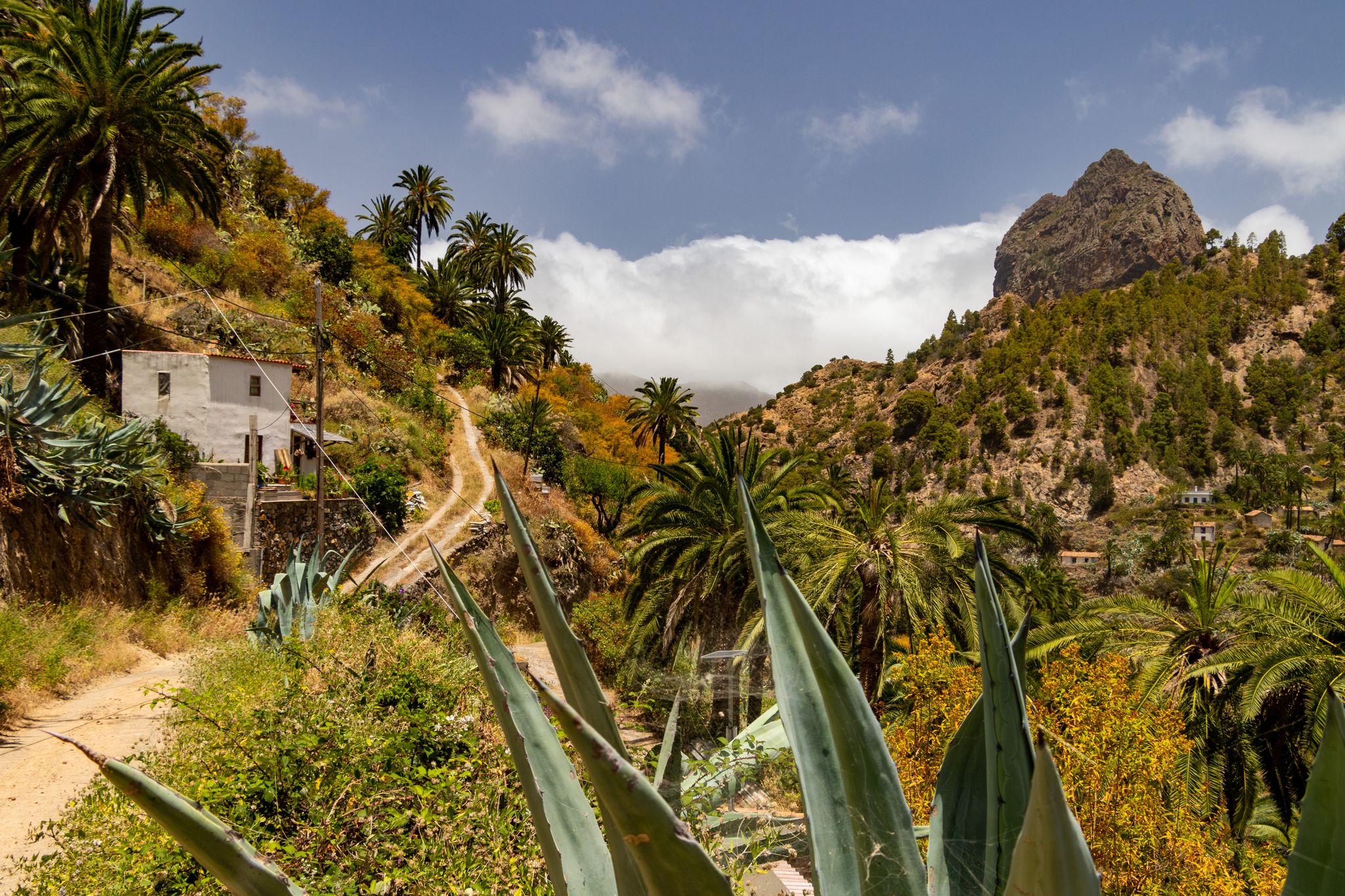
La Palma, El Hierro y La Gomera – explore the Canaries’ Green Islands on foot
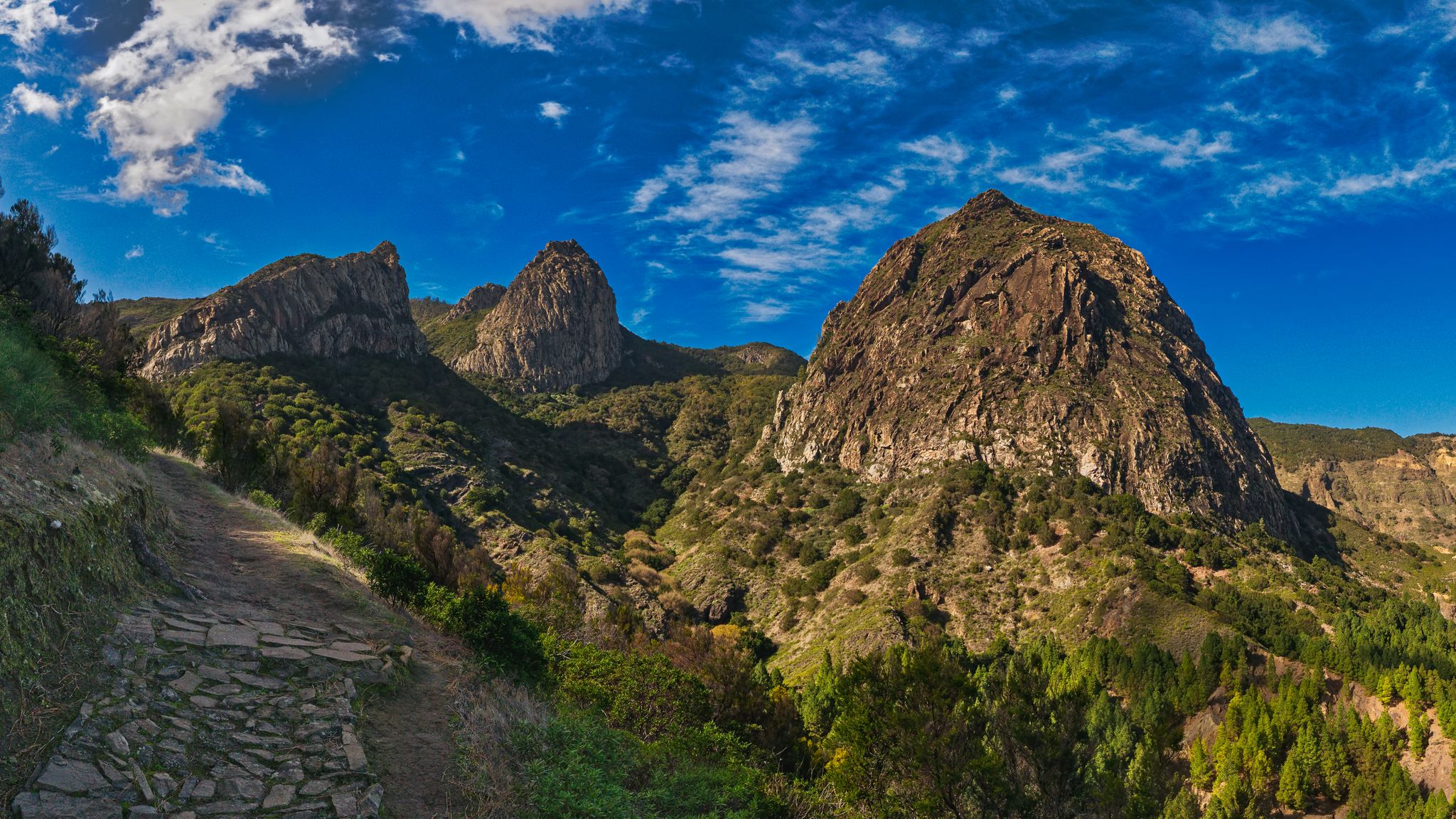
The magical island – Cumbres de La Gomera Natural Trail (GR 131)
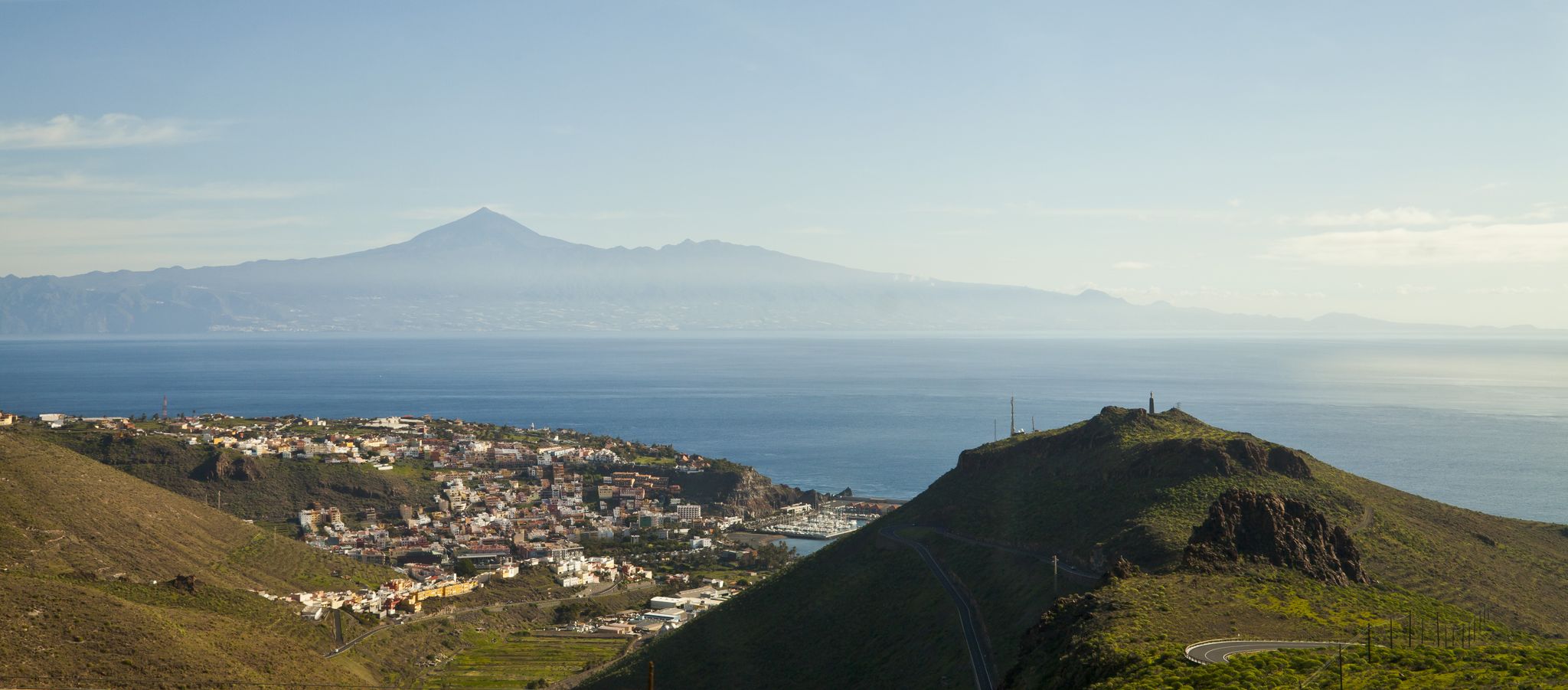
My favourite hikes on Tenerife and La Gomera
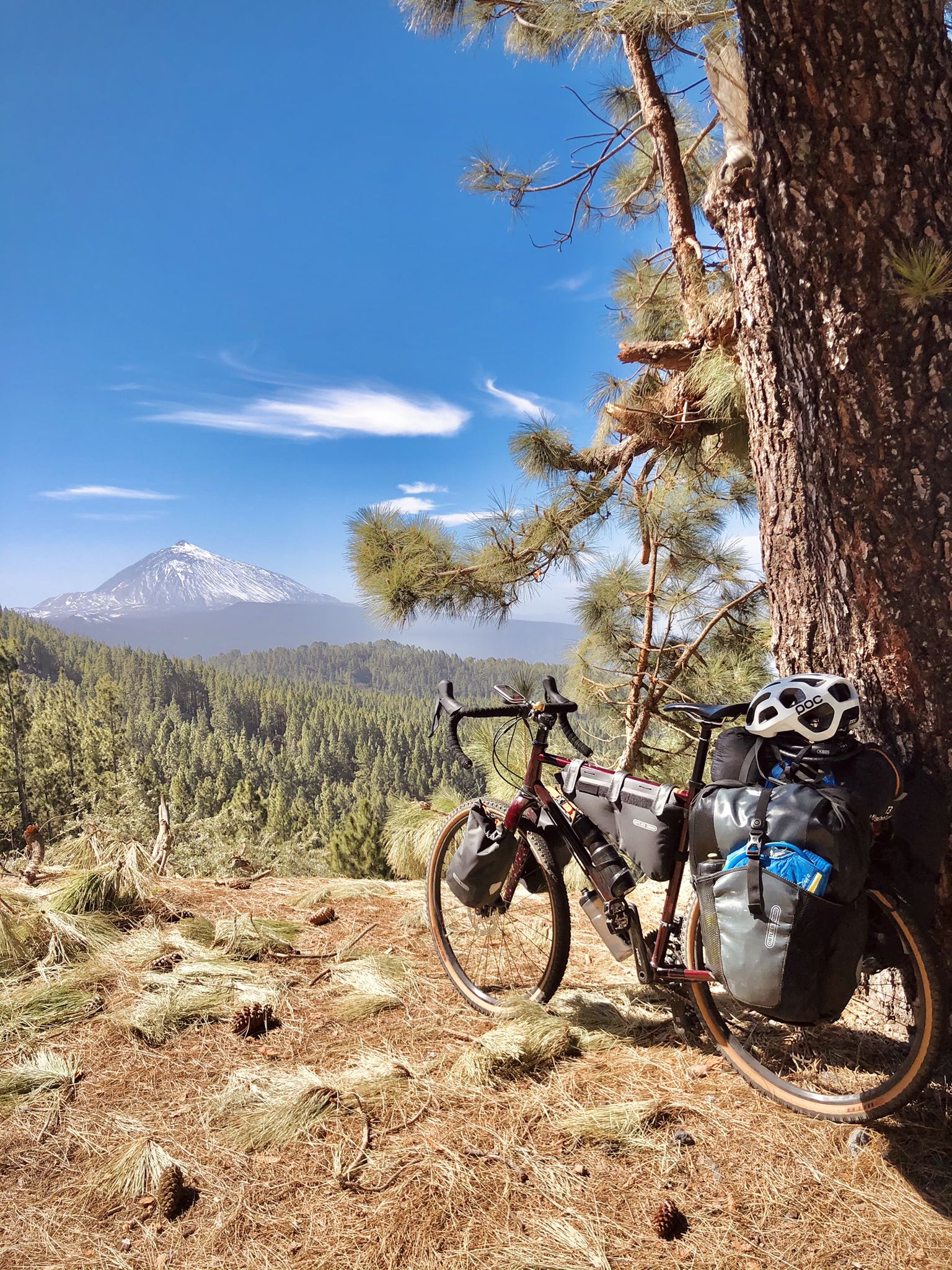
Gravel biking on Tenerife and La Gomera
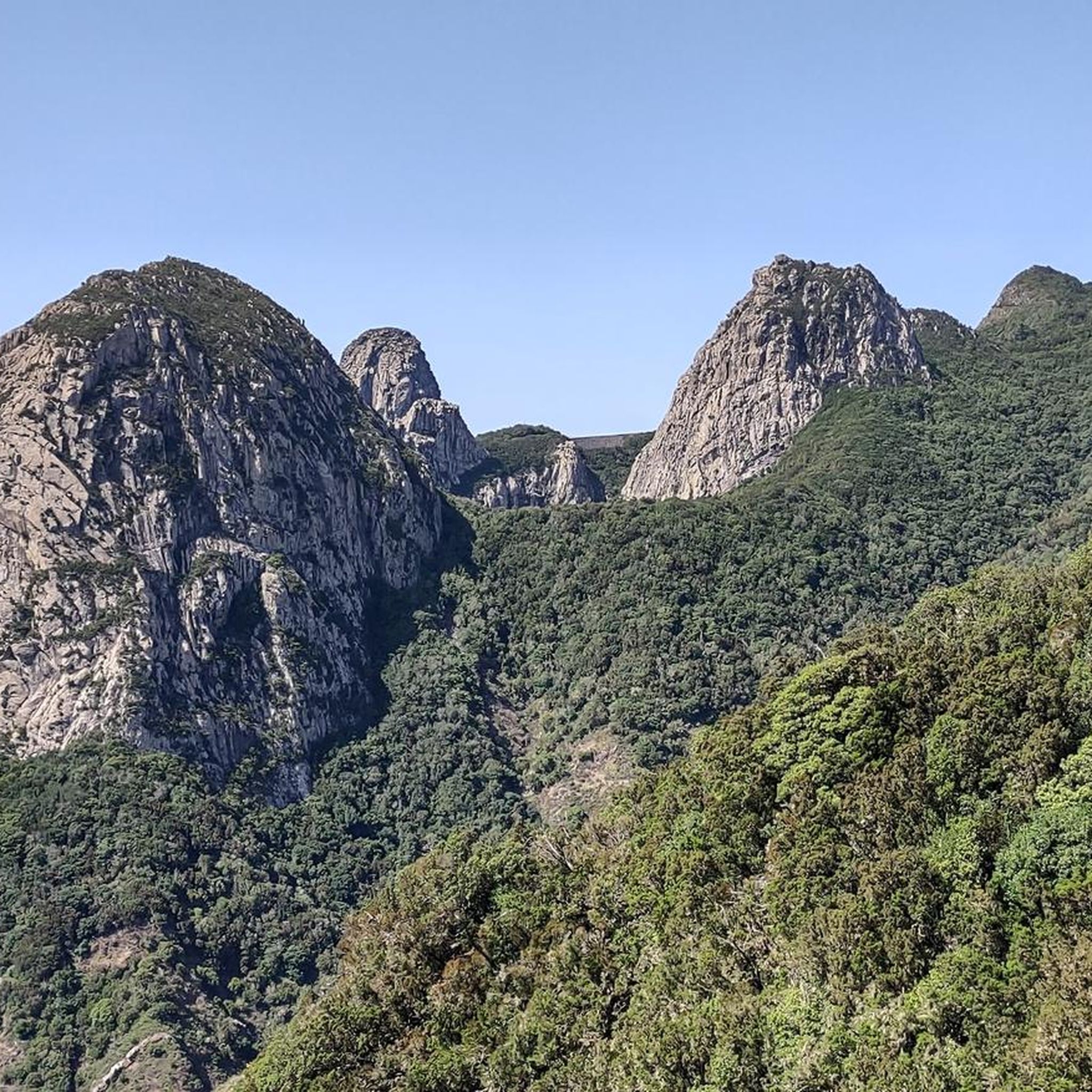
Hiking in La Gomera
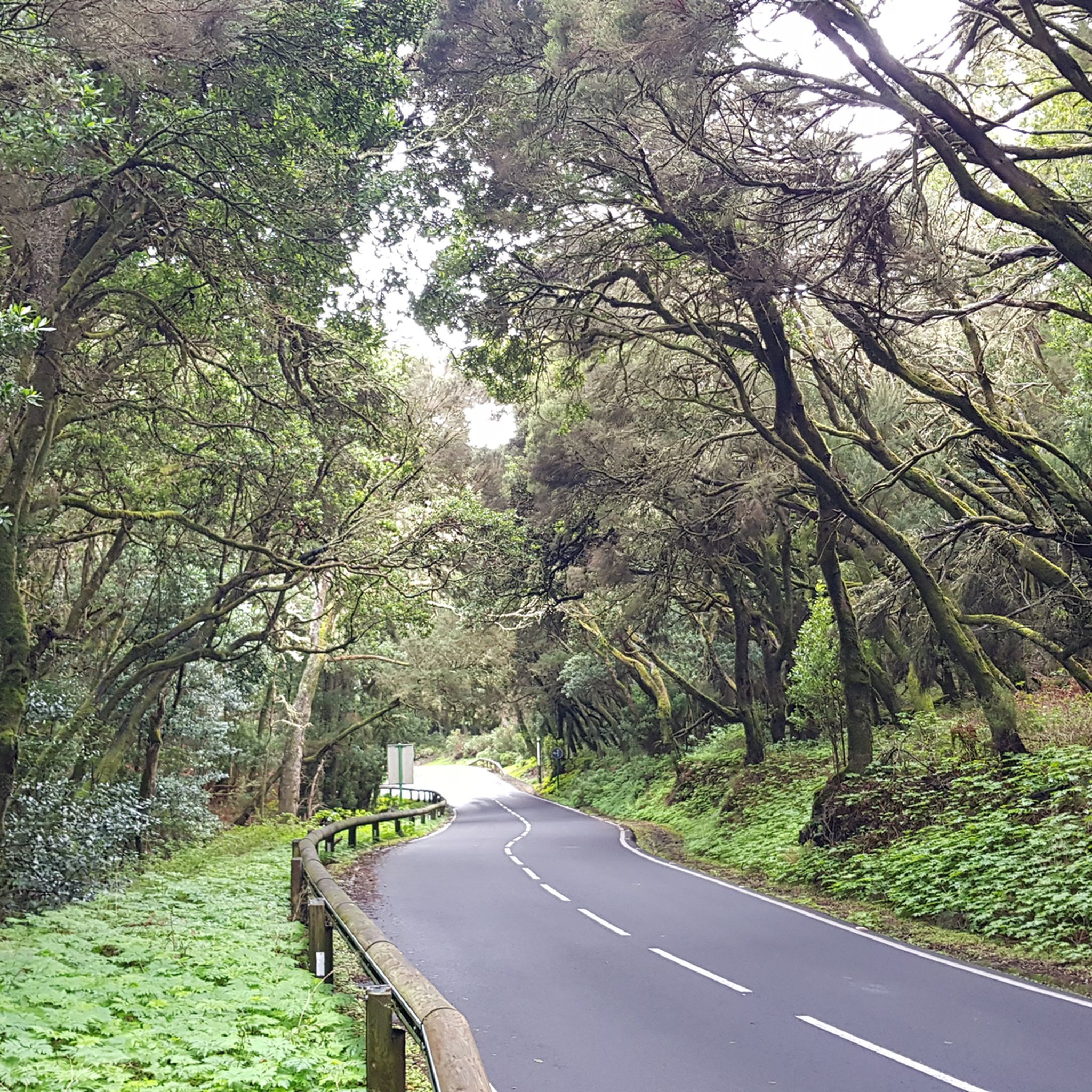
Road Cycling Routes in La Gomera
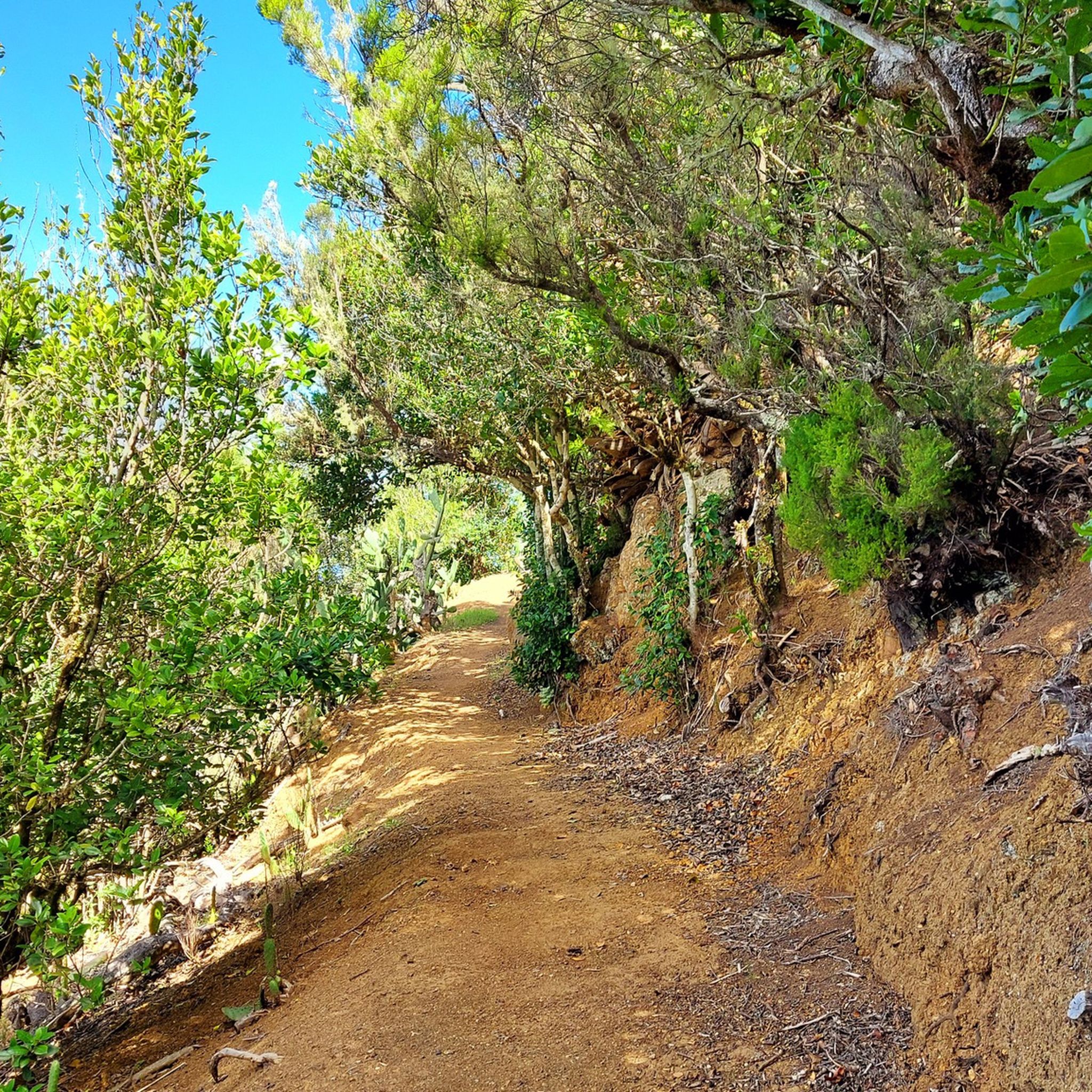
MTB Trails in La Gomera
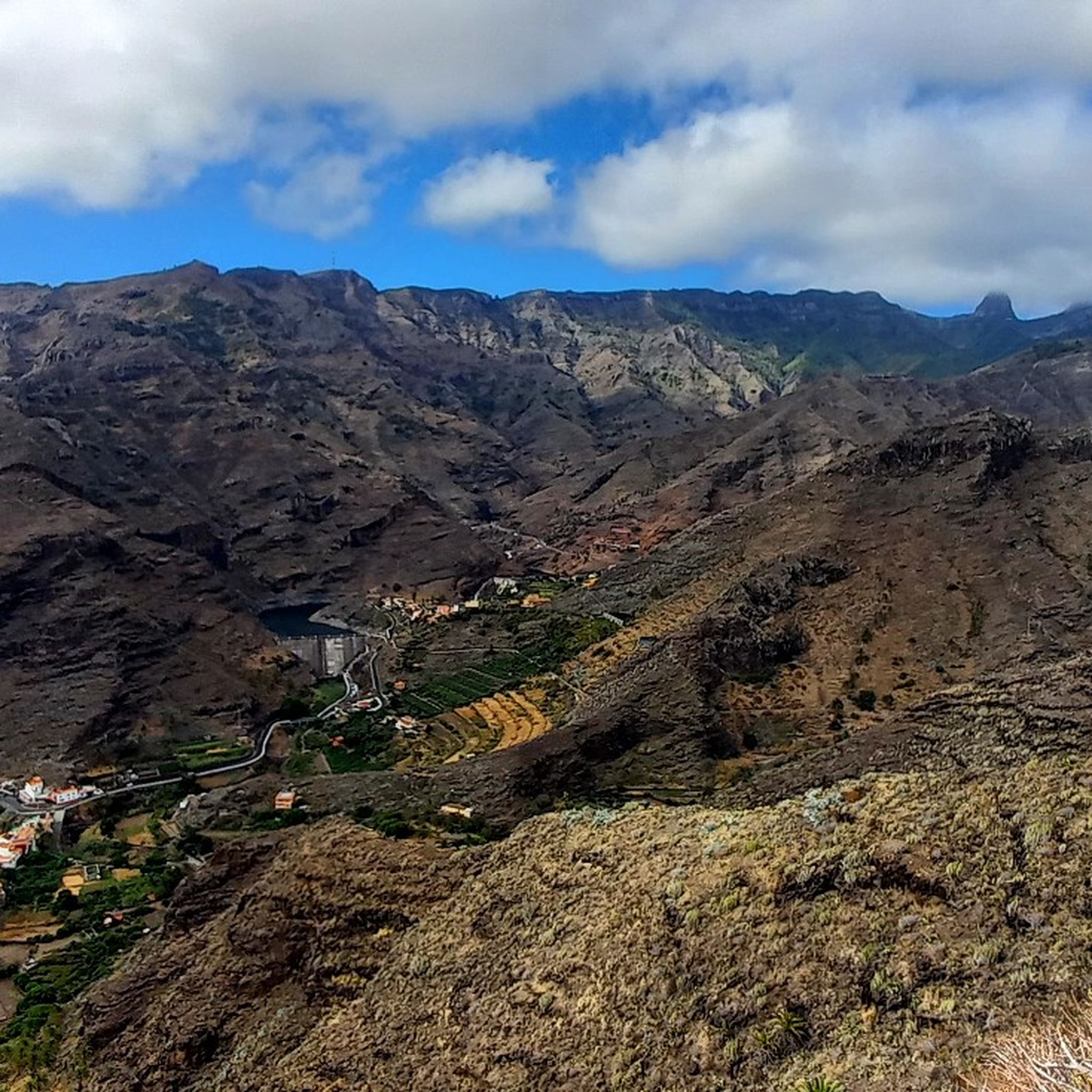
Cycling in La Gomera
Mountain Hikes in La Gomera
Other adventures in La Gomera


Tips from the Community

La Mosca, or La Mouche, was a French privateer sunk off Vallehermoso in 1801, during the naval conflicts between France and England. According to local history, the ship arrived pursued by three English warships, and its captain, finding himself cornered, decided to run the corvette aground on the beach rather than surrender it intact to the enemy. Anglo-French sources cite the pursuit by HMS Diamond and link the episode to March 6, 1801. For years, the shipwreck left real traces in the area: cannons, bullets, metal fragments, and wooden remains documented on Vallehermoso beach; in 1969, two large bronze cannons, each weighing about a thousand kilos, were even recovered. Between history and legend, La Mosca remains one of the most powerful tales of this northern coast: a pursued ship, a captain with no way out, and a sea that still today seems capable of swallowing everything.
1
0
Small volcanic beach located below the northern cliffs of La Gomera, in a much wilder and more authentic setting than a tourist one. Here the Atlantic enters with force and the coast combines black sand with large pebbles polished by the sea, creating that characteristic landscape of the island. Even so, the area is very well equipped, with umbrellas, a beach bar, restrooms, and a quiet atmosphere perfect for stopping after a hike. Very close to here, ancient storms and shipwrecks caused by the harshness of this northern coast are remembered, where the ocean and the wind have always marked the life of Vallehermoso.
1
0
The so-called Castillo del Mar is not a historical or defensive castle, but a large structure built on the coast of Vallehermoso as part of an old recreational and maritime project. For years it functioned as a leisure area linked to the sea and the natural pools in the area, becoming one of the most recognizable places on the northern coast of La Gomera. The most striking thing is its location: built practically over the Atlantic and constantly battered by the sea and storms. Strong waves damaged the structure greatly over the years, and it ended up becoming almost a kind of "modern ruin" facing the ocean, much photographed for the contrast between concrete, waves, and volcanic cliffs.
1
0
This black sand and pebble beach hides one of La Gomera's most curious stories: the shipwreck of the ship “La Mosca” at the beginning of the 19th century. According to documents and oral tradition, the French vessel ended up running aground on this coast while fleeing or seeking refuge from English ships and Atlantic storms. For years, cannons and wreckage appeared on the seabed and some were even seen embedded in the old walls of the breakwater. Today the area is much quieter: sunshades, a relaxed atmosphere, and a wild beach surrounded by enormous volcanic cliffs. And right next door, it is highly recommended to stop at Bar Pirata for a bite to eat after the route. Simple cuisine, local produce, and that kind of place where a cold beer and any dish taste even better facing the Atlantic.
1
0

From El Drago, a short climbing tour over large stones leads to the GR hiking trail.
0
0

Great beach with a bay for swimming.
0
0

Moni has already noted everything very well, and I'd like to agree. The Hotel Valle Gran Ray is right across the street. It's a very good place to stay; cleanliness is a top priority there. The staff is always very attentive and tries to ensure our stay is pleasant. When the weather is nice, breakfast is served on the terrace with the wonderful sound of the sea in front of you. Many items from the breakfast buffet are freshly prepared on request. The swimming pool is a great place to cool off after a hike and work on a tan. We would be happy to book the Valle Gran Ray again.
3
0

Hautacuperche is one of the most famous rebels of La Gomera. Since 2007, he has been commemorated with a bronze statue on the beach of Valle Gran Rey. In 1488, Hautacuperche led a rebellion of the locals against the Spanish occupiers. The inhabitants of La Gomera suffered from various oppressions by the Spanish occupier Hernan de Peraza. When the Guanche princess Iballa was finally persecuted, the council of natives decided on a rebellion. Rebellion against the Spaniards In 1488, Hautacuperche is said to have killed Hernan de Perza in the cave. Thereupon Pedro de Vera, the governor of Gran Canaria, issued the order to kill all men over 15 years of age who belonged to certain tribes. The women and children were to be enslaved. The outcome was tragic, but Hautacuperche was given the highest respect. Leader of the insurgents In the summer of 2007, a monument was erected to Hautacuperche: his statue stands imposingly on the beach of Valle Gran Rey. The location is very close to the Baja del Secreto, from where Hautacuperche is said to have set out to lead the Rebelion der Gomeros. Bronze statue in Valle Gran Rey Cast entirely in bronze, the statue of Hautacuperche impresses with a height of four meters. It stands in La Puntilla in Valle Gran Rey, directly opposite the Hotel Gran Rey at the beach entrance with its back to the sea.
2
0
Frequently Asked Questions
How many running routes are available in La Gomera?
La Gomera offers a wide variety of running routes, with over 120 trails available for exploration. These routes cater to different fitness levels, from easy paths to demanding mountain trails.
What kind of terrain can I expect on running trails in La Gomera?
You can expect incredibly diverse terrain. La Gomera's volcanic origin has sculpted a rugged landscape with deep ravines, steep slopes, and craggy peaks. Runners can experience everything from the dense, misty laurel forests of Garajonay National Park to coastal footpaths and challenging mountain trails.
What is the best time of year for jogging in La Gomera?
Thanks to its year-round spring-like climate, La Gomera is an excellent destination for jogging at any time. The mild temperatures make it comfortable for outdoor activities throughout the year, though the cooler, shaded trails of Garajonay National Park are particularly pleasant during warmer months.
Are there running routes suitable for beginners in La Gomera?
Yes, La Gomera offers several easy running routes perfect for beginners. While many trails are challenging, you can find around 10 routes classified as easy, providing a gentler introduction to the island's beautiful landscapes.
What are some challenging trail running options for experienced runners?
Experienced trail runners will find plenty of demanding options, with over 80 routes classified as difficult. Trails like Camino de la Mérica – trail running from Valle Gran Rey offer significant ascents and descents, providing an excellent workout and panoramic views.
Can I find circular running routes in La Gomera?
Yes, many of La Gomera's running trails are circular, allowing you to start and finish at the same point. For example, the Alto de Garajonay - circular trail running from Pajarito takes you through the stunning Garajonay National Park in a loop.
Are there any running trails that pass by waterfalls?
Yes, La Gomera features trails that lead to or near beautiful waterfalls. You can explore areas like the Barranco de Arure, where you might encounter highlights such as the Arure Waterfall or the Waterfall in Barranco de Arure. For more details, check out the guide on Waterfalls in La Gomera.
What natural landmarks or viewpoints can I see while running in La Gomera?
La Gomera is rich in natural landmarks and viewpoints. You can run past iconic volcanic rock formations known as 'roques,' such as Roque Cano, or enjoy breathtaking vistas from numerous 'miradores' (viewpoints) like Mirador de Abrante. The Natural Monument Roque Cano – circular via the summit of Chigueré from Playa de Vallehermoso route offers views of this prominent feature.
Are there family-friendly jogging routes in La Gomera?
While many trails are rugged, there are easier, shorter routes that can be suitable for families, especially those with older children. Look for trails classified as 'easy' or 'moderate' with less elevation gain, often found closer to villages or along coastal promenades.
Can I bring my dog on the running trails in La Gomera?
Regulations regarding dogs on trails can vary, especially within protected areas like Garajonay National Park. It's always best to check local signage or official park guidelines for specific routes to ensure dogs are permitted, and if so, whether they need to be on a leash.
Is parking available near the running trails in La Gomera?
Yes, parking is generally available near the starting points of many popular running trails, particularly in and around villages or designated trailheads. However, it's advisable to check specific route descriptions for parking information, especially for more remote trails.
How can I reach the running trails using public transport?
La Gomera has a public bus system (Guagua) that connects many towns and villages, making it possible to access several trailheads. Key areas like Valle Gran Rey, Hermigua, and Vallehermoso are well-served. Planning your route in advance and checking bus schedules is recommended to align with your running plans.
Are there any specific rules or permits required for trail running, especially in Garajonay National Park?
Generally, no specific permits are required for trail running on the established paths in La Gomera, including within Garajonay National Park. However, it's crucial to respect park rules, stay on marked trails, and protect the natural environment. Always check for any updated regulations before your visit.
What do other runners enjoy the most about jogging in La Gomera?
The running routes in La Gomera are highly rated by the komoot community, with an average score of 4.5 stars from over 75 reviews. Runners often praise the island's incredibly diverse landscapes, from the ancient laurel forests to dramatic coastlines, and the challenging yet rewarding ascents that offer spectacular panoramic views.
Most popular routes in La Gomera
Most popular attractions in La Gomera

Get inspired with the komoot mobile app


Explore more
Browse the best Running Trails & Routes in other regions.
