The best MTB trails in La Gomera
4.2
(234)
1,037
riders
43
rides
Mountain biking in La Gomera offers diverse terrain across its volcanic landscapes and unique ecological zones. The island features a network of trails, including ancient "caminos reales," that traverse desert-like agave areas, mountainous canyons, and lush laurisilva cloud forests. Riders can expect significant elevation gains and varying distances, providing challenging routes for experienced mountain bikers.
Best mountain bike trails in La Gomera
- The most popular mountain bike trail is Garajonay National Park Loop from Laguna Grande, a 23.7 miles…
Last updated: June 23, 2026
4.3
(6)
23
riders
38.1km
03:29
980m
980m
Hard mountain bike ride. Very good fitness required. Advanced riding skills necessary. Some portions of the route may require you to push your bike.
4.3
(3)
17
riders
31.5km
03:41
1,260m
1,260m
Hard mountain bike ride. Very good fitness required. Advanced riding skills necessary. Some portions of the route may require you to push your bike.

Sign up for free
5.0
(1)
10
riders
31.7km
03:31
1,210m
1,210m
Hard mountain bike ride. Very good fitness required. Advanced riding skills necessary. Some portions of the route may require you to push your bike.
4.7
(41)
174
riders
56.7km
05:34
1,760m
1,760m
Hard mountain bike ride. Very good fitness required. Advanced riding skills necessary. Some portions of the route may require you to push your bike.
4.6
(33)
139
riders
49.9km
05:00
1,840m
1,840m
Hard mountain bike ride. Very good fitness required. Advanced riding skills necessary. Some portions of the route may require you to push your bike.
Get access to more routes and recommendations from other explorers.
Sign up for free
Already have an account?
Our route recommendations are based on thousands of hikes, rides, and runs completed by other people on komoot.
Start today with a free account
Your next adventure awaits.
Login or Signup
Popular around La Gomera
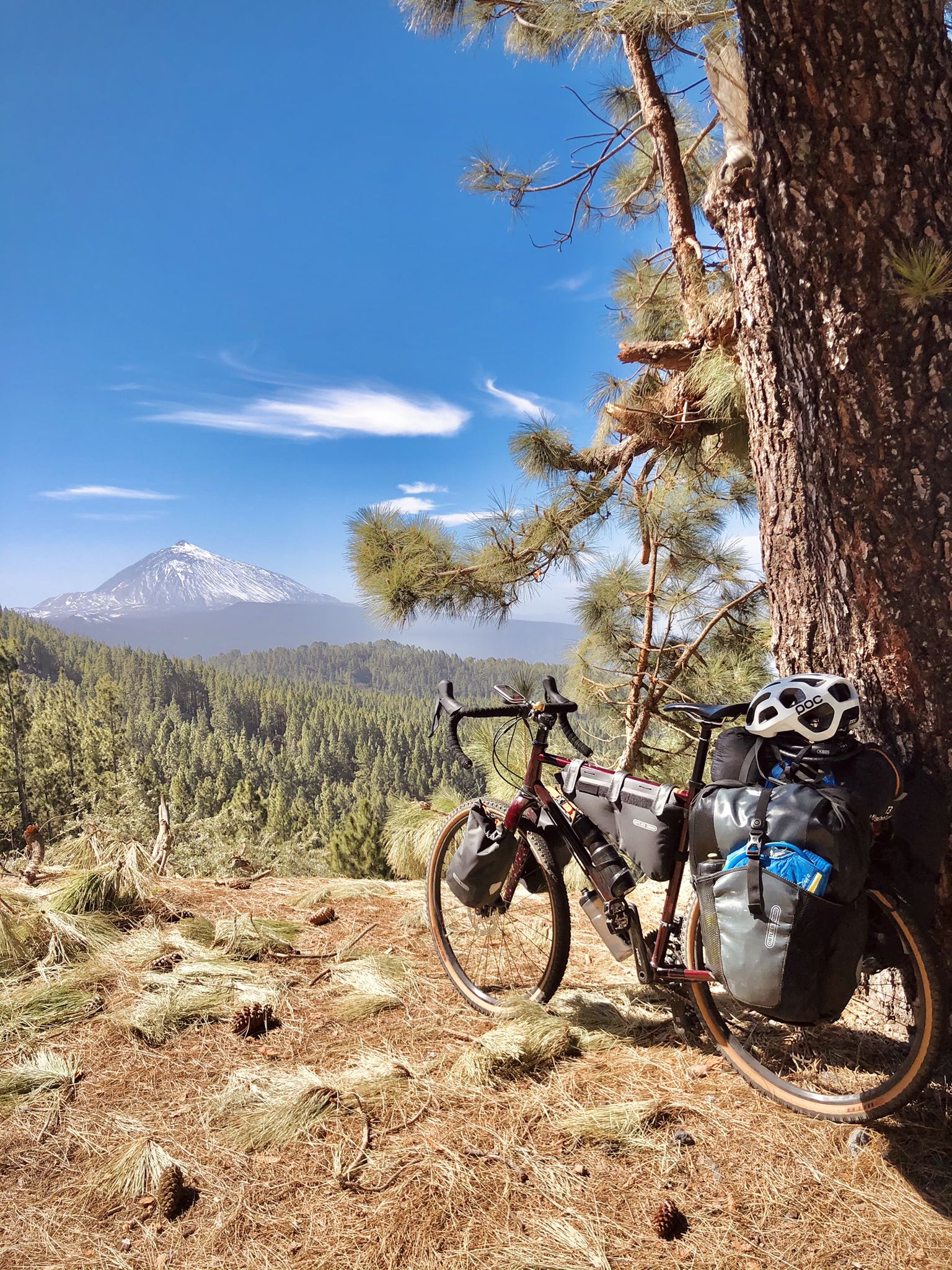
Gravel biking on Tenerife and La Gomera
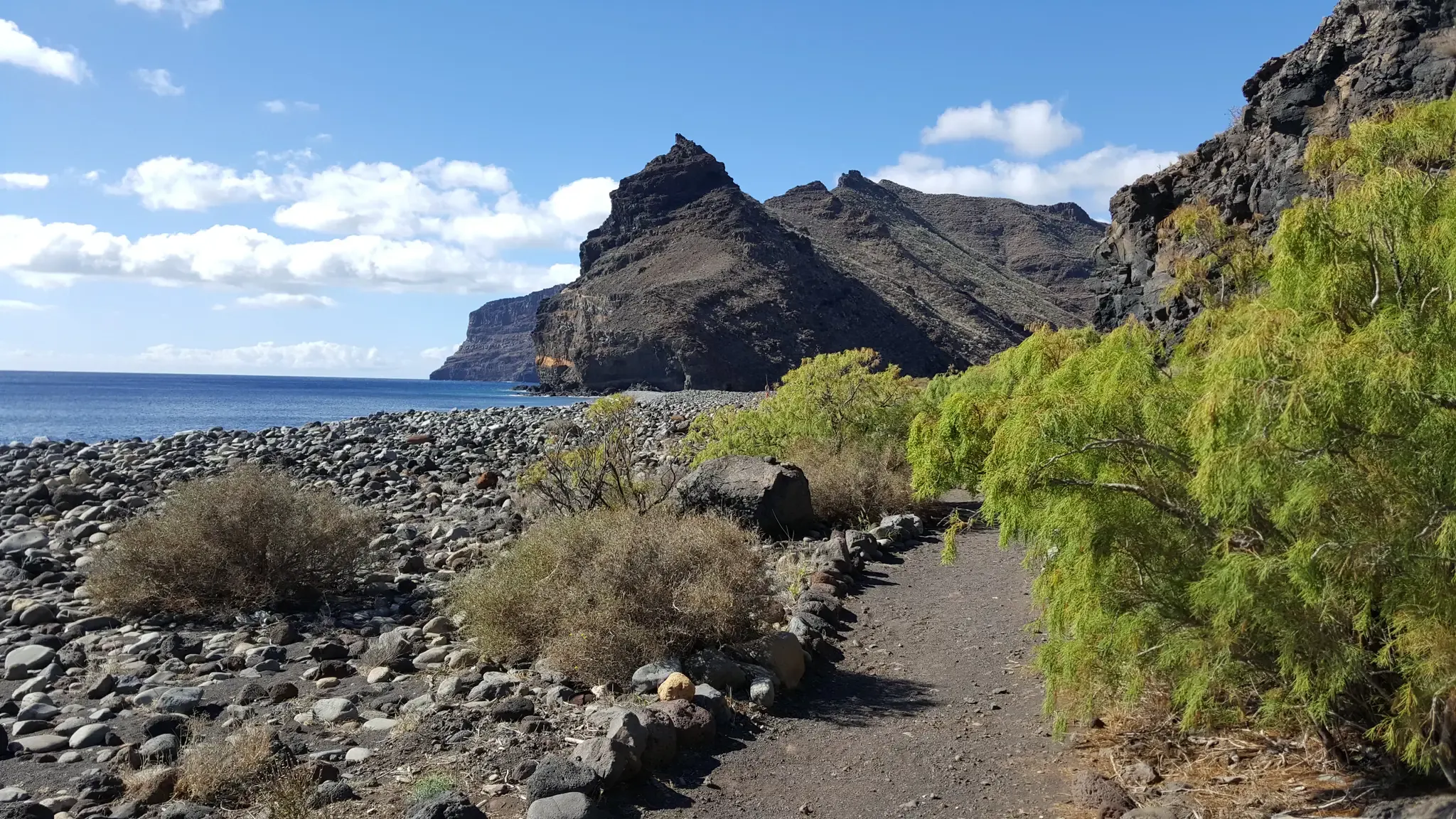
GR 132 – Up and down on an island loop of La Gomera
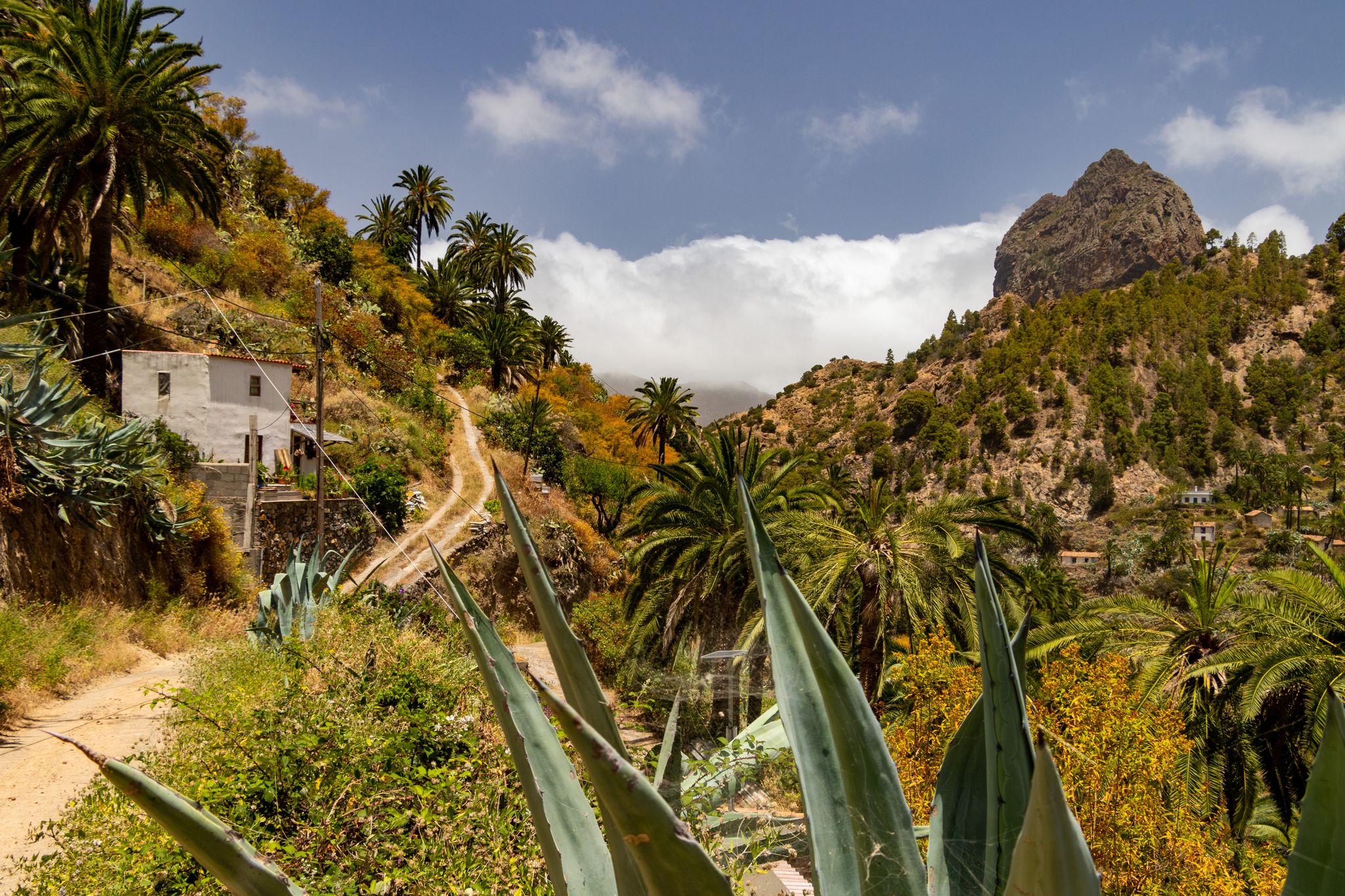
La Palma, El Hierro y La Gomera – explore the Canaries’ Green Islands on foot
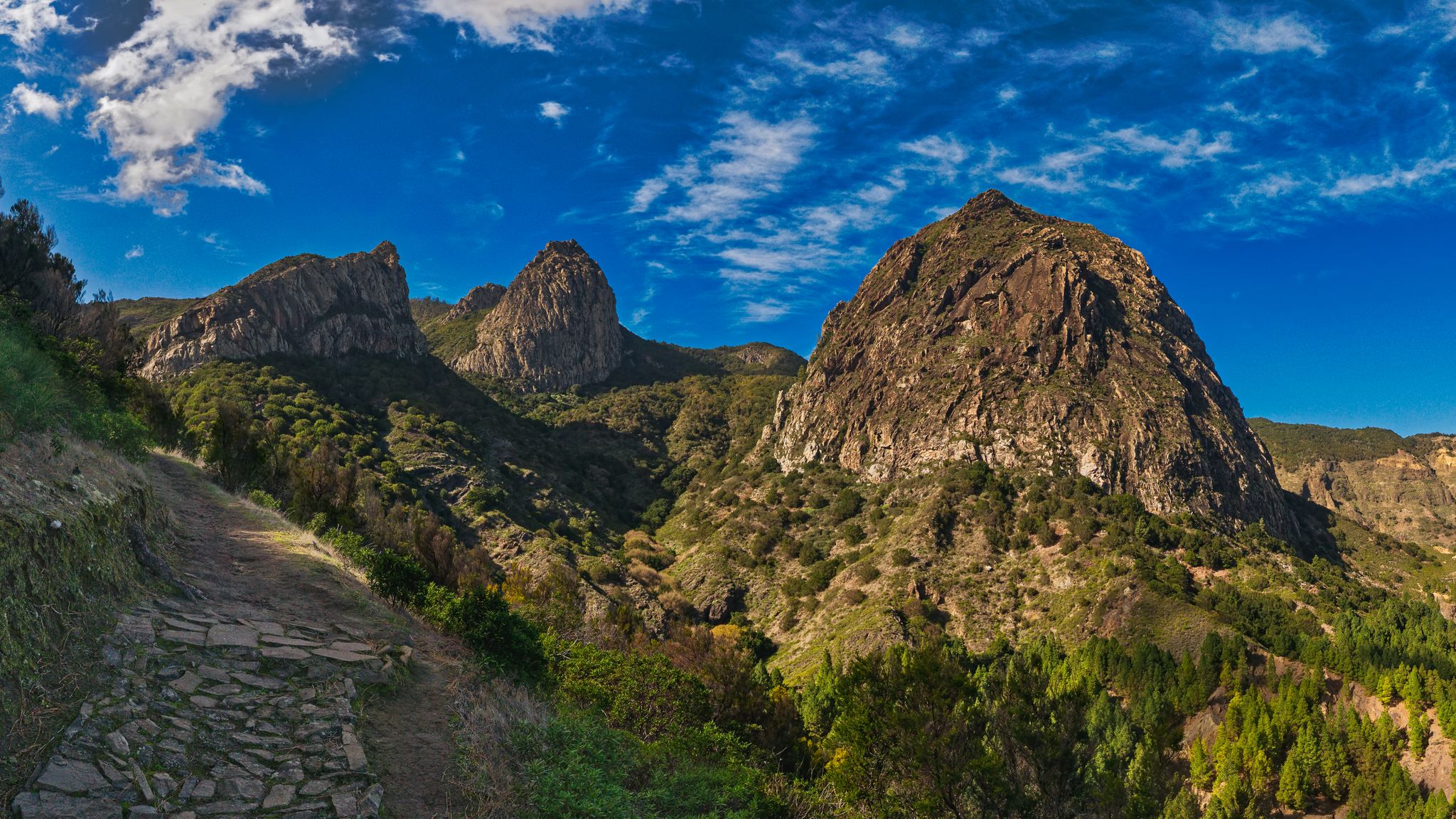
The magical island – Cumbres de La Gomera Natural Trail (GR 131)
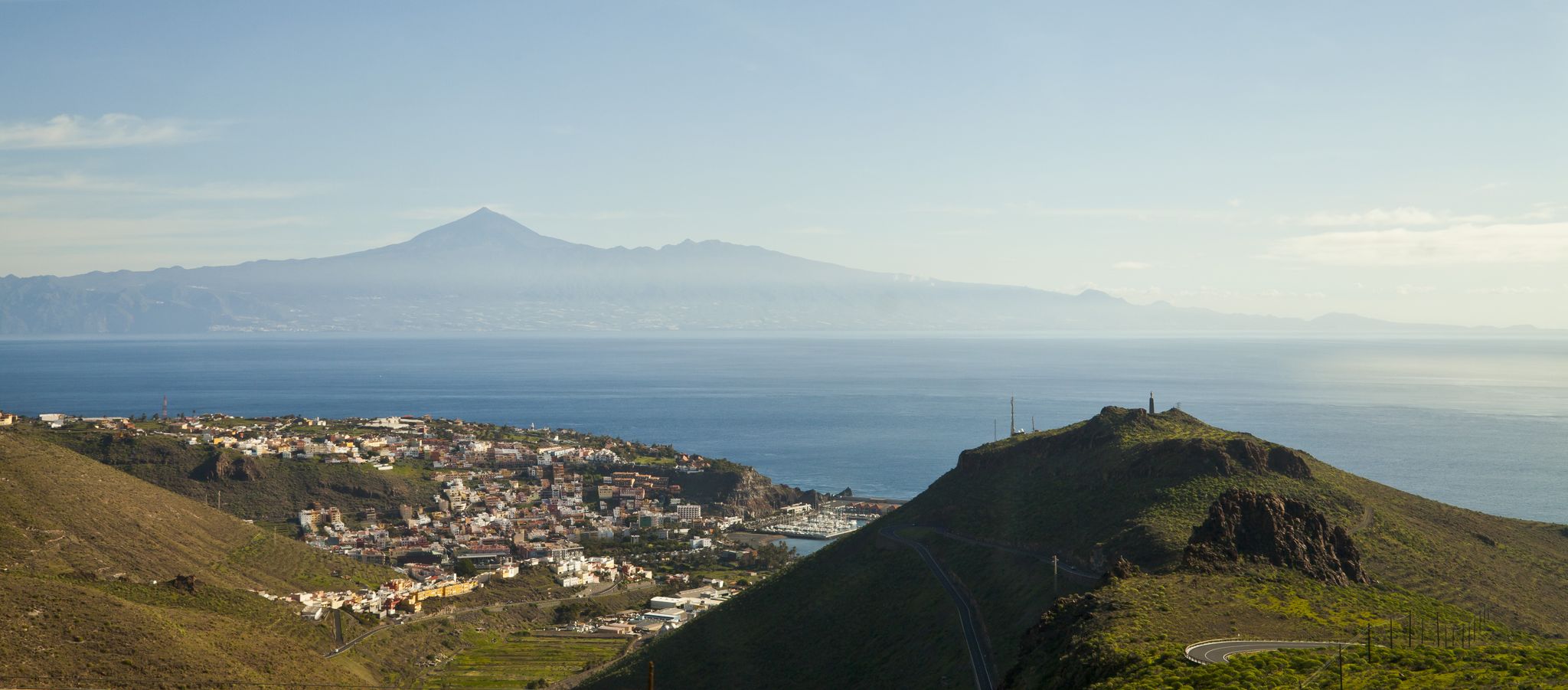
My favourite hikes on Tenerife and La Gomera
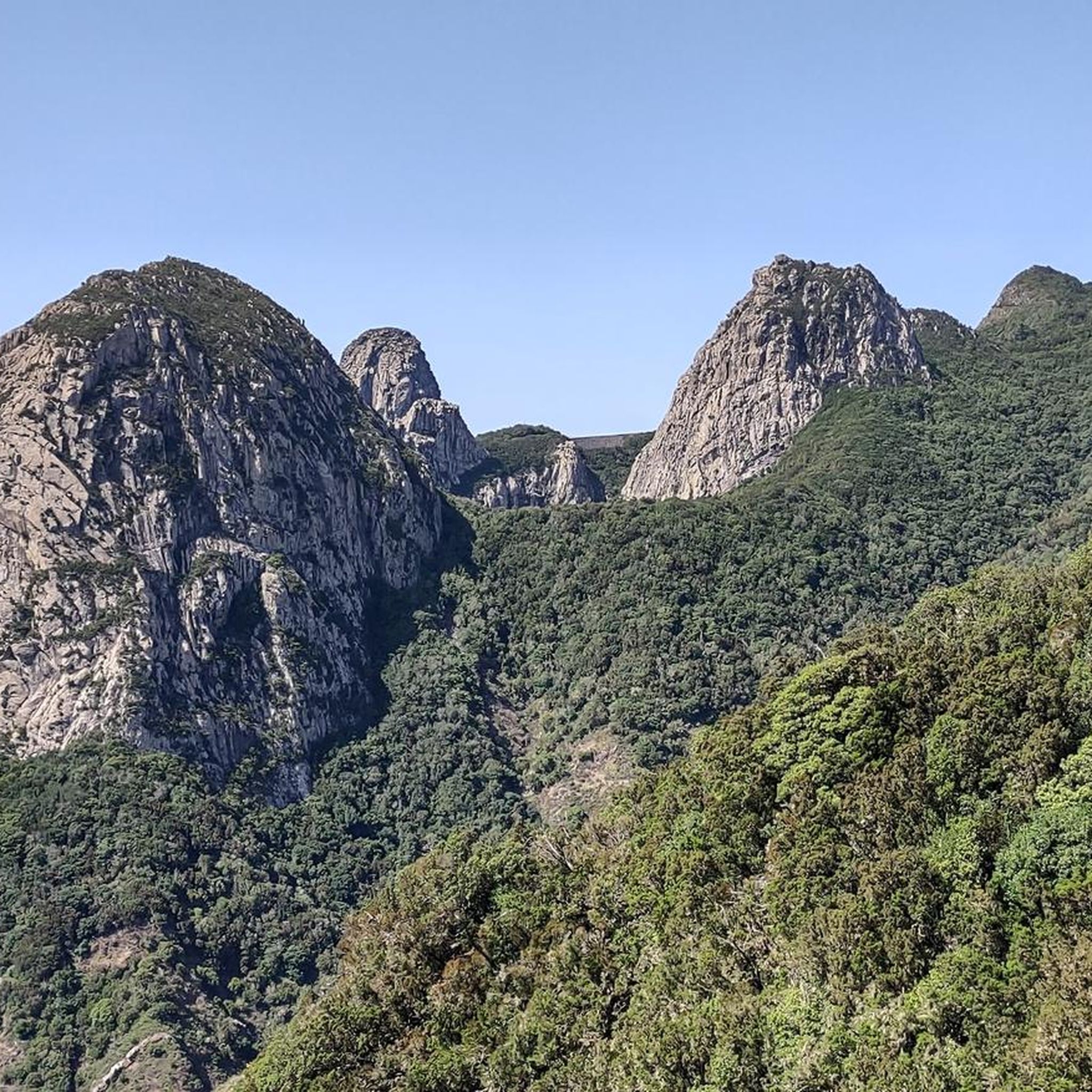
Hiking in La Gomera
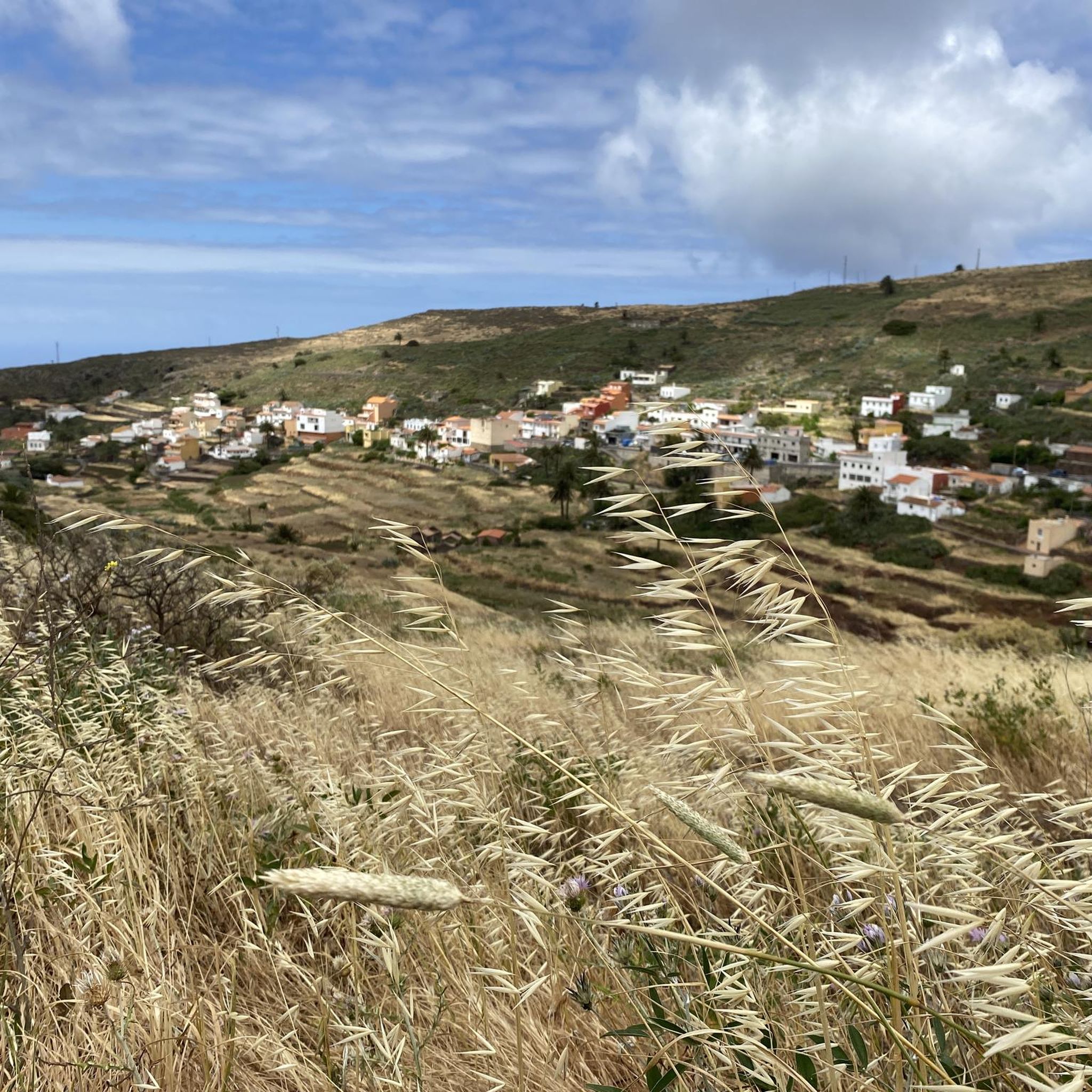
Running Trails in La Gomera
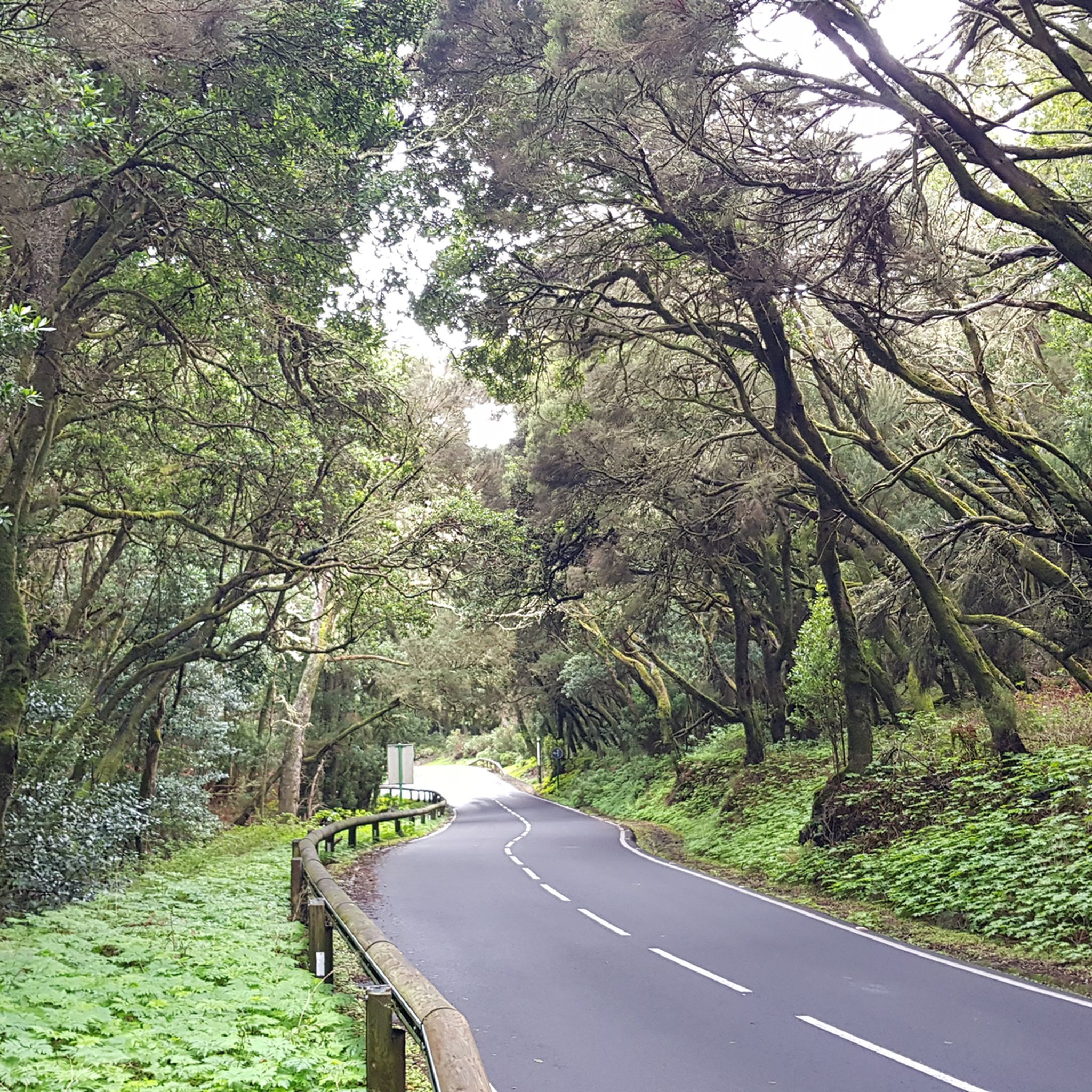
Road Cycling Routes in La Gomera
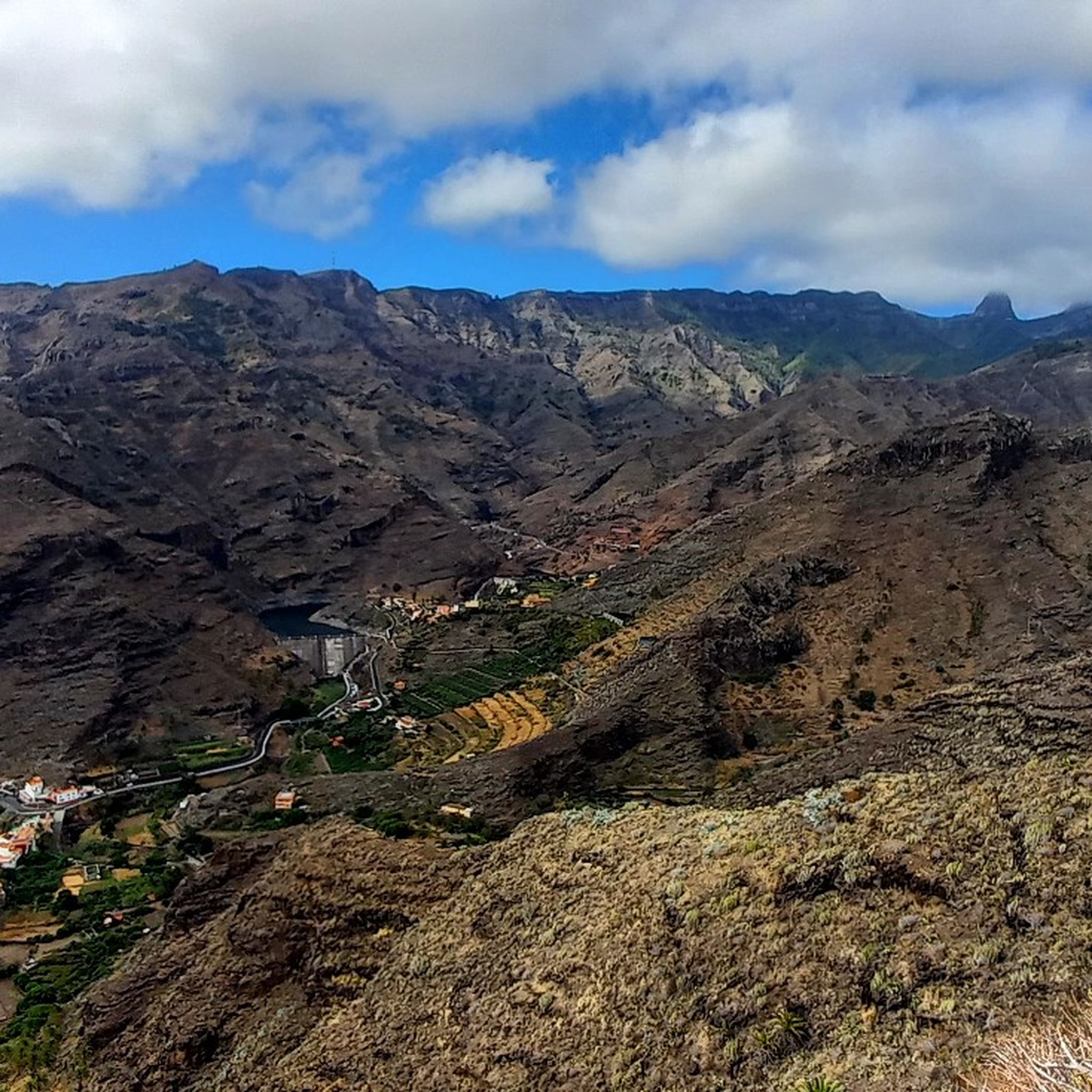
Cycling in La Gomera
Mountain Hikes in La Gomera
Other adventures in La Gomera


Tips from the Community

One of the most authentic and technical sections in western La Gomera. The trail starts relatively fluidly between mountains and ravines, but gradually transforms into the typical cobbled Gomera path, with rock, natural steps, and tight turns that force you to choose your line carefully. After Tazo comes the more serious part: old donkey paths paved with stone, very physical and technical in some points, especially for MTB. There are fast and fun sections, but also others where it is advisable to slow down and read the terrain calmly. The landscape constantly rewards the effort: deep ravines, open views towards the Atlantic, and a sense of isolation very typical of this part of the island. Before reaching Alojera, you still have to pedal a bit more uphill, so it's advisable to save some energy. It is one of those trails where La Gomera shows its wildest and most traditional side.
0
0
A very popular stopping area within Garajonay National Park, next to one of the most used parking lots for accessing trails, forest tracks, and viewpoints in the upper part of La Gomera. Here the landscape changes constantly: fog, humidity, laurel forest, and clearings from which enormous views open up towards the island's ravines. It is a strategic point for cyclists and hikers because it connects several park routes and allows easy connection to summit roads. Garajonay's laurel forest is one of the oldest and rarest forests in Europe, a humid ecosystem that survived from prehistoric times thanks to the trade winds. That's why this area has such a distinct atmosphere from the rest of the Canary Islands. Very close by, there is usually total silence... until the wind moves the trees or the fog rolls in suddenly.
0
0
A very well-known stop on the GM-1 road, going up from Vallehermoso towards the upper area of Garajonay. It's one of those strategic points on La Gomera where there are usually cars, cyclists, and motorcyclists stopping to rest, have coffee, or eat something before continuing their route along the summit. The access is fully asphalted and very convenient from Vallehermoso. From here you can easily connect with mountain roads that lead towards the area of El Cercado, Arure, Monte de Ayamosna, and several viewpoints from which you can see Teide on clear days. The restaurant is known for traditional Gomera cuisine, especially grilled meats, stews, almogrote, cheeses, and homemade dishes. The area is also famous for the historic Chorros de Epina, well-known springs on the island associated with ancient legends and popular beliefs. It's one of those places where many people end up stopping even if they hadn't planned it.
3
0
La Fortaleza is a large volcanic formation located in the west-central part of La Gomera, near Chipude. It is an ancient volcanic plug that resisted erosion for millions of years, becoming isolated and elevated above the surrounding ravines. At an altitude of approximately 1,243 meters, it was a sacred place for the ancient gomeros and today it is one of the island's most emblematic landscapes, with spectacular views towards the mountains, ravines, and the Atlantic.
1
0
“Route 4 is short but seems to enter directly into a Jurassic forest, with dense laurisilva and moss-covered trees everywhere. Route 6, from Laguna Grande, allows you to traverse a wider part of the heart of Garajonay between old gomero paths and areas where you can still see how the forest recovered after the 2012 fire. Two easy but very atmospheric routes.”
1
0
A small mountain hermitage located in one of the wettest and quietest areas of northern La Gomera. The surroundings are notable for the large trees and the frequent fog that enters from the peaks, creating an atmosphere very different from the island's coast. The Virgen de Las Nieves has a strong tradition in the Canary Islands and is usually associated with high, cool places linked to water and the trade winds. It is a simple, but very authentic stop, surrounded by nature and silence. 0 0
0
0
El Roque de Agando is probably the most iconic and photographed rock formation on La Gomera. It is a huge volcanic plug formed by very resistant rock that was exposed after millions of years of erosion. While the rest of the volcanic terrain gradually disappeared, this gigantic needle remained standing, dominating the entire landscape in the center of the island. It rises to an altitude of about 1,250 meters and is part of a group of volcanic rocks visible from much of Garajonay. Its vertical and isolated silhouette, especially when it appears shrouded in mist or illuminated by the setting sun, gives it an almost unreal appearance. The road that passes by the rock is considered one of the most spectacular on La Gomera and is a classic spot to stop and contemplate the landscape. For the ancient inhabitants of Gomera, it also held symbolic and territorial importance, and even today it remains one of the island's great natural emblems. The contrast between the dark rock, the green ravines, and the low clouds creates one of the most recognizable images of the Canary Islands.
1
0
El Roque de Agando is probably the most iconic and photographed rock formation on La Gomera. It is a huge volcanic plug formed by very resistant rock that was exposed after millions of years of erosion. While the rest of the volcanic terrain gradually disappeared, this gigantic needle remained standing, dominating the entire landscape in the center of the island. It rises to an altitude of about 1,250 meters and is part of a group of volcanic rocks visible from much of Garajonay. Its vertical and isolated silhouette, especially when it appears shrouded in mist or illuminated by the low sun, gives it an almost unreal appearance. The road that passes by the roque is considered one of the most spectacular on La Gomera and is a classic spot to stop and contemplate the landscape. For the ancient inhabitants of La Gomera, it also had symbolic and territorial importance, and even today it remains one of the island's great natural emblems. The contrast between the dark rock, the green ravines, and the low clouds creates one of the most recognizable images of the Canary Islands.
2
0
Frequently Asked Questions
What kind of mountain biking terrain can I expect in La Gomera?
La Gomera offers incredibly diverse mountain biking terrain, from ancient 'caminos reales' and narrow winding paths to newer trails. You'll traverse desert-like agave landscapes, mountainous canyons, and lush evergreen cloud forests, particularly within the Garajonay National Park. Expect significant elevation gains and varied surfaces, making for a challenging and rewarding ride.
Are there mountain bike trails suitable for beginners in La Gomera?
While La Gomera is known for its challenging terrain, with the majority of routes rated as difficult, there are a few moderate options available. Currently, there are no trails specifically categorized as easy. Riders should be prepared for significant elevation changes and technical sections.
What are some notable natural attractions I can see while mountain biking in La Gomera?
La Gomera is rich in natural beauty. You can explore the ancient laurisilva forests of Garajonay National Park, a UNESCO World Heritage Site. Keep an eye out for dramatic volcanic formations like the iconic Roque de Agando. The island also features stunning viewpoints, deep ravines, and even waterfalls like Arure Waterfall.
Can I find circular mountain bike routes in La Gomera?
Yes, many of the mountain bike routes in La Gomera are designed as loops, allowing you to start and end in the same location. Examples include the Garajonay National Park Loop from Laguna Grande, the Majona Park and Enchereda Loop, and the GR 132: Vallehermoso and Alojera Loop.
What do other mountain bikers say about the trails in La Gomera?
The mountain bike trails in La Gomera are highly rated by the komoot community, with an average score of 4.4 stars from over 180 reviews. Riders often praise the island's diverse and dramatic landscapes, the challenging nature of the routes, and the unique experience of riding through ancient forests and volcanic terrain.
Are there any mountain bike routes that offer sea views?
Absolutely. Given La Gomera's rugged coastline and dramatic cliffs, many routes offer spectacular sea views. Trails that descend towards the coast or traverse ridgelines often provide panoramic vistas of the Atlantic Ocean. For instance, the Viewing platform – View of Valle Gran Rey loop from La Calera offers stunning perspectives of the iconic Valle Gran Rey and the sea.
What is the best time of year for mountain biking in La Gomera?
La Gomera enjoys a mild, year-round climate, making it an excellent destination for mountain biking almost any time. However, the cooler, drier months from autumn to spring (roughly October to May) are often preferred, as temperatures are more comfortable for strenuous activity and there's less chance of heavy rainfall, especially in the higher elevations.
Can I rent e-bikes or find guided tours in La Gomera?
Yes, La Gomera is well-equipped to support mountain bikers. E-bikes are readily supported, making the significant elevation gains more accessible for many riders. You can find bike rentals and guided tours available on the island, which can be a great way to explore the trails with local expertise.
How many mountain bike trails are available in La Gomera?
There are over 30 mountain bike routes documented in La Gomera, offering a wide range of experiences. These include 8 moderate and 26 difficult trails, ensuring options for riders seeking a challenge.
Are there any particularly long or challenging mountain bike routes in La Gomera?
Yes, La Gomera offers several long and challenging routes with significant elevation gains. For example, the Viewing platform – View of Valle Gran Rey loop from La Calera is a difficult 55.6 km route with over 1700 meters of elevation gain, typically taking over 5 hours to complete. Another demanding option is the View of Valle Gran Rey – Santa Clara Hermitage loop from La Calera, which is 50.2 km long with over 1800 meters of ascent.
What unique geological features can be seen in La Gomera?
La Gomera's volcanic past has created striking geological formations. Beyond the famous Roques, such as Roque de Agando, you can also find impressive basaltic columns known as Los Organos on the northern coast. These natural monuments are a testament to the island's dramatic origins.
Most popular routes in La Gomera
Most popular attractions in La Gomera

Get inspired with the komoot mobile app


Explore more
Browse the best MTB trails in other regions.
