The best gravel rides around Labastide-Marnhac
4.3
(15)
97
riders
29
rides
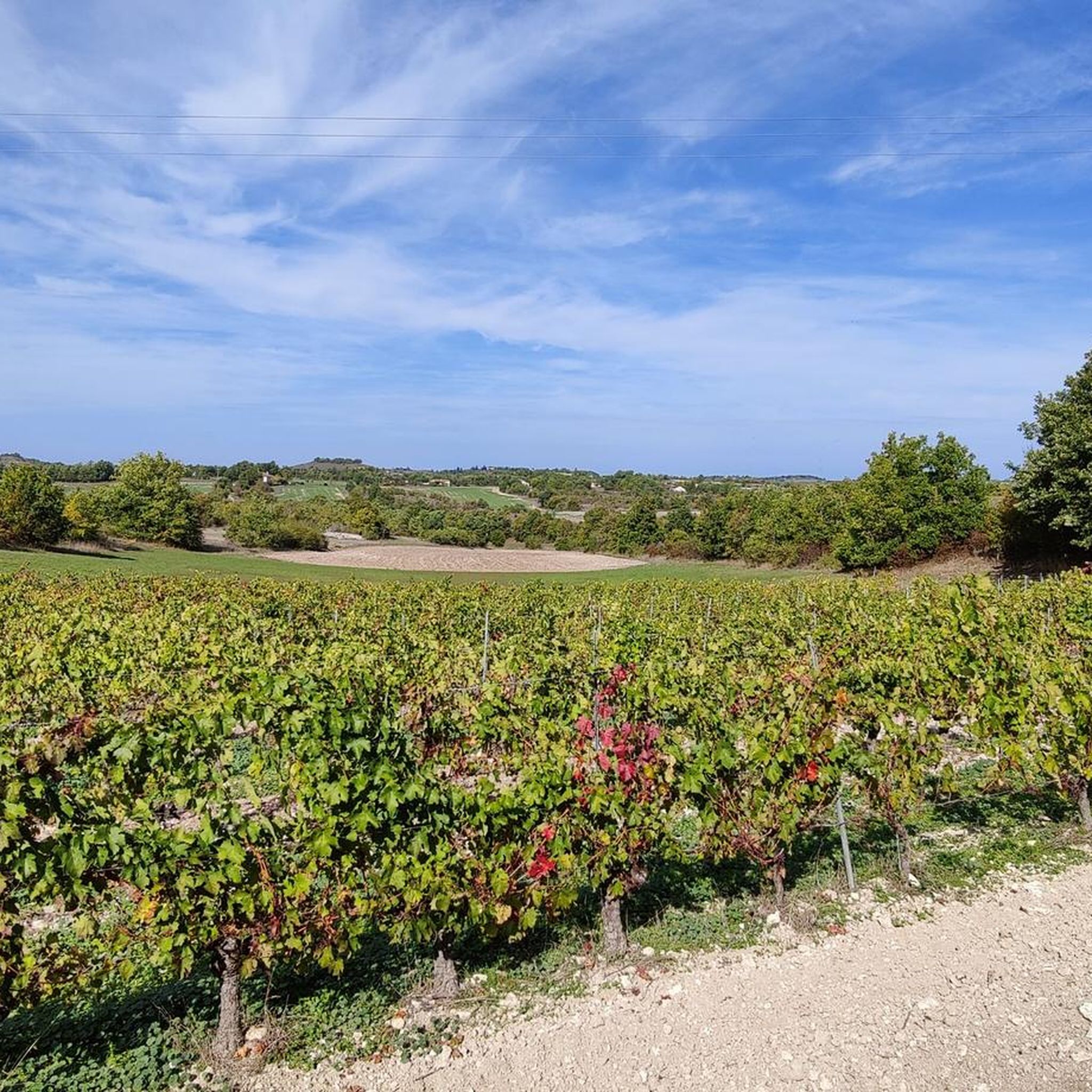
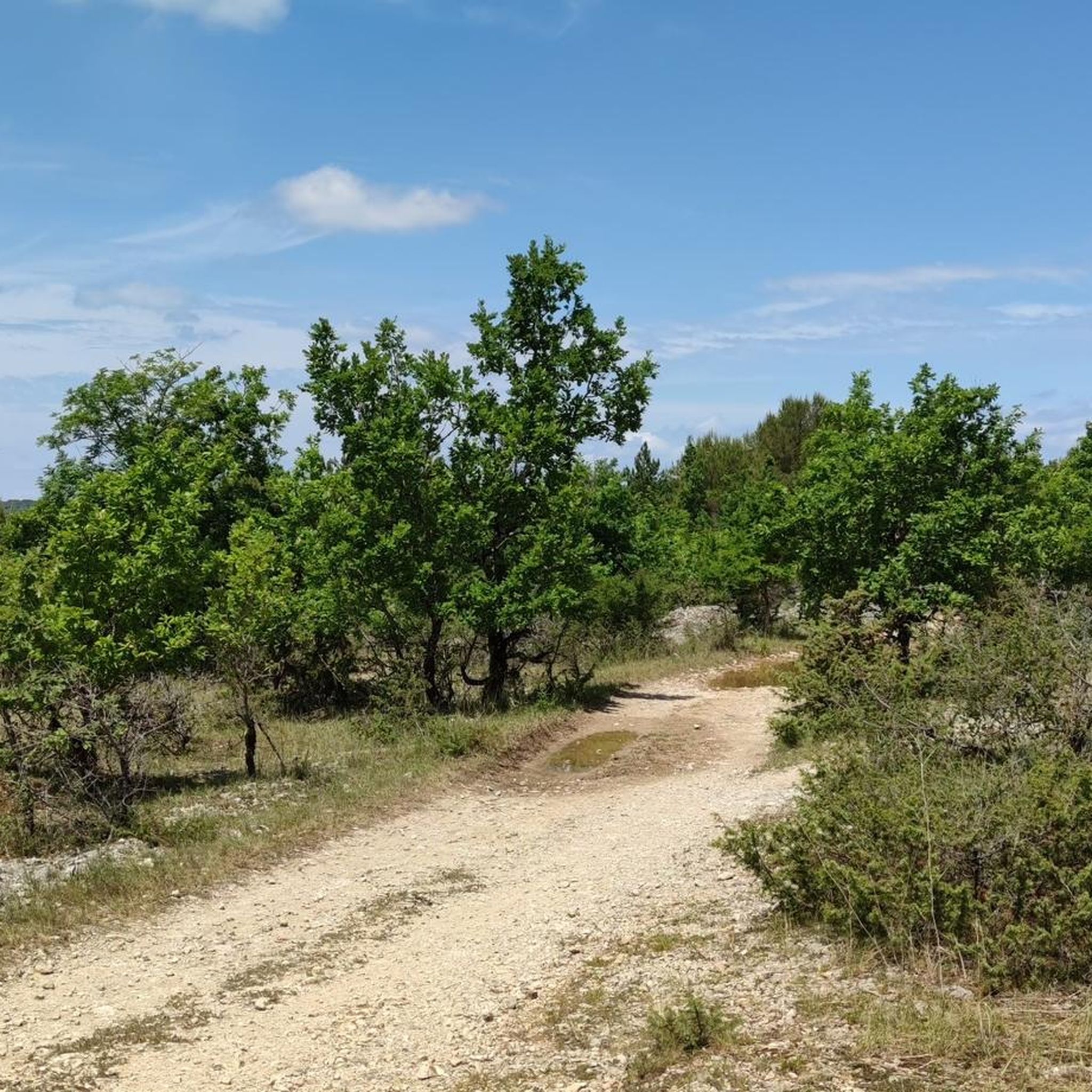
Gravel biking around Labastide-Marnhac offers diverse terrain in the Lot department of the Occitanie region. The landscape features rolling green hills, forest tracks, and stony limestone plateaus known as *causses*. Cyclists can explore the vast plains of Quercy Blanc, characterized by tranquil settings and distinctive dry stone huts. This region provides varied conditions suitable for gravel cycling.
Best gravel bike trails around Labastide-Marnhac
- The most popular gravel bike trail is Cazelle de Trespoux – Labastide-Marnhac loop from Trespoux-Rassiels, a…
Last updated: October 19, 2026
4.5
(2)
9
riders
53.2km
03:49
660m
670m
Hard gravel ride. Very good fitness required. Mostly paved surfaces. Suitable for all skill levels.
4.5
(2)
9
riders
Hard gravel ride. Very good fitness required. Mostly paved surfaces. Suitable for all skill levels.

11
riders
33.6km
03:08
870m
870m
Hard gravel ride. Very good fitness required. Mostly paved surfaces. Suitable for all skill levels.
9
riders
83.5km
06:24
1,540m
1,540m
Hard gravel ride. Very good fitness required. Mostly paved surfaces. Suitable for all skill levels.
4.0
(1)
4
riders
34.7km
02:17
360m
360m
Moderate gravel ride. Good fitness required. Mostly paved surfaces. Suitable for all skill levels.
Get access to more routes and recommendations from other explorers.
Already have an account?
Our route recommendations are based on thousands of hikes, rides, and runs completed by other people on komoot.
Start today with a free account
Your next adventure awaits.
Tips from the Community

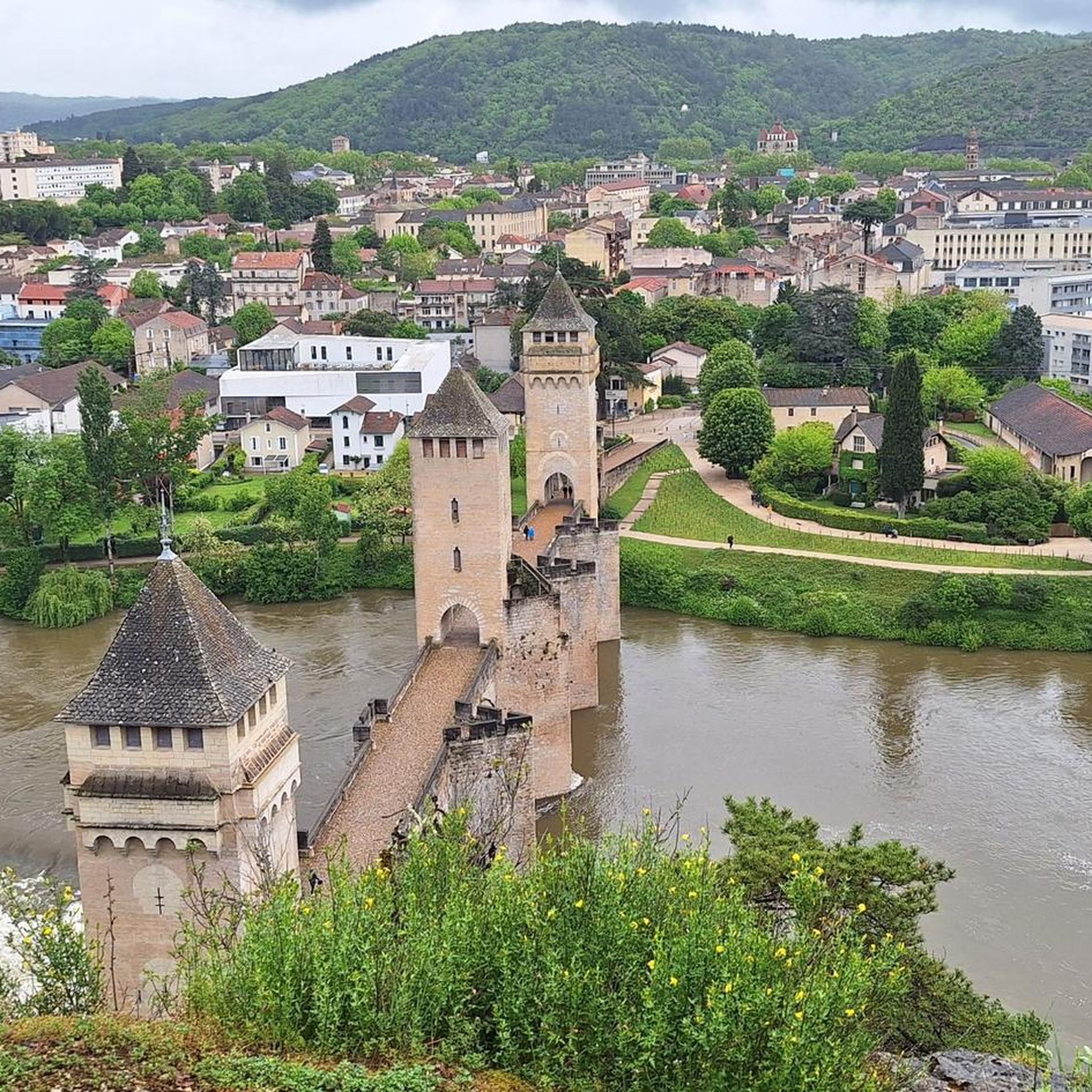
The Valentré Bridge is one of the few fortified medieval bridges remaining in the world. Its Gothic military architecture makes it a masterpiece of defense and engineering. 1308: The start of construction: The decision to build the bridge was made by the consuls of Cahors to secure the western access to the city and adapt to the flourishing trade. 1308-1378: An endless construction site: The work lasted nearly 70 years, slowed down by the Black Death and the Hundred Years' War. It is from this legendary slowness that the famous legend of the Devil was born. 1879: The great restoration: Having become dilapidated, the bridge underwent a major restoration led by the architect Paul Gout (a student of Viollet-le-Duc). He chose to add the famous sculpture of the little devil on the central tower to immortalize the legend. 1998: Worldwide recognition: The bridge was inscribed on the UNESCO World Heritage list as part of the Routes of Santiago de Compostela.
0
0
The first bridge of Cabessut, called the "Pont Neuf", was built of stone in the 13th century by the consuls and clergy of the town. It originally had two defensive towers which were destroyed in 1816. The old stone bridge was demolished in the early 20th century (around 1906) to make way for a wider structure.
0
0
L'Ange de Lazaret, a monumental bronze by sculptor Marc Petit (born in Saint-Céré in the Lot), is placed facing the tympanum of the north portal of the cathedral.
0
0
An essential monument of the Occitanie region, it is distinguished by its large domes on pendentives, among the largest in France. The cathedral is doubly classified: as a Historic Monument in France and as a UNESCO World Heritage Site as part of the Routes of Santiago de Compostela.
0
0
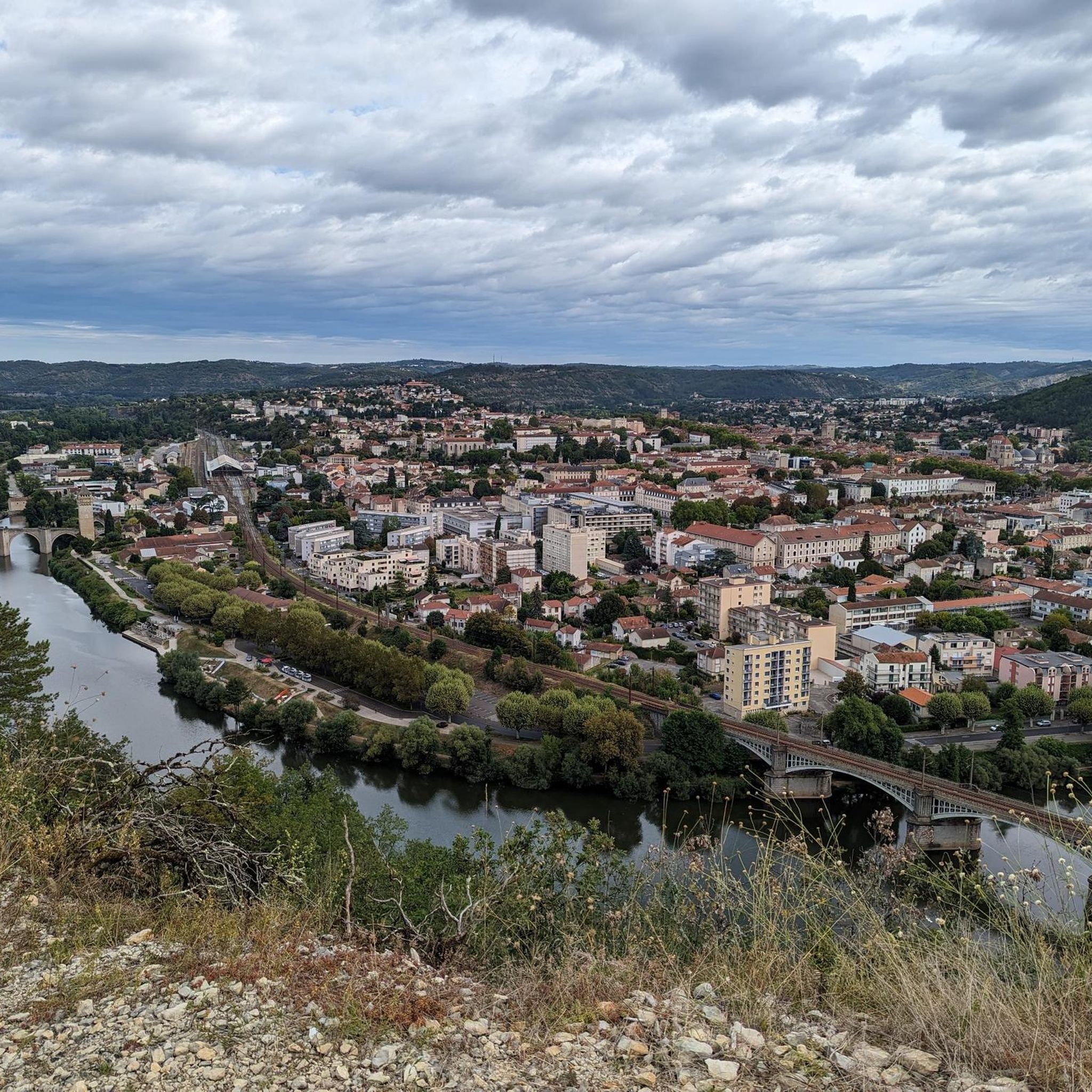
Built within a wide meander of the Lot river, the town features a unique fortified silhouette and preserved heritage that earns it the label of "City of Art and History".
0
0
The Halle de Cahors (historically known as the Halle aux grains) is the heart and soul of Cahors' commercial life in the Lot department. This magnificent historic covered market is home to many artisans and food producers, offering the best of Quercy's local products.
1
0
Built at the end of the 13th century and remodelled in the 18th century following a fire in 1562, then again in 1881, the village church forms a single-nave stone vessel with a polygonal apse. The choir (Radiant Gothic) is covered. The stained glass windows, in very vivid colour ranges, depict the lives of Christ and Saint-Hilaire.
0
0
Montcuq is a superb medieval hilltop village with a rich heritage in the heart of Quercy Blanc: La Tour de Montcuq: A majestic 12th-century keep that proudly overlooks the village. Built between the late 12th and early 13th centuries under the authority of the Counts of Toulouse.Destruction of the castle: During the Albigensian Crusade and the treaties with the King of France, the local lord had to dismantle the ramparts. Only this keep survived.Particularities: It has a rectangular (or trapezoidal) shape and a square turret housing a unique spiral staircase. Scientifically, the name has nothing lewd about it: it comes from the Occitan Moncuc, which simply means a conical hill or a fortified hill.
0
0
Frequently Asked Questions
What are the typical characteristics of gravel bike trails around Labastide-Marnhac?
The gravel bike trails in Labastide-Marnhac are characterized by diverse terrain, including forest tracks, stony causses (limestone plateaus), and the vast plains of Quercy Blanc. You'll encounter rolling green landscapes and often see distinctive dry stone huts known as caselles and gariottes along the way.
What are the difficulty levels of gravel bike trails in this region?
The trails around Labastide-Marnhac offer a range of difficulty levels. While there are no routes specifically classified as 'easy' in our current selection, you'll find several 'moderate' and 'difficult' options. For example, the Labastide-Marnhac – Labastide-Marnhac Church loop from Labastide-Marnhac is a moderate 34.7 km route.
Are there any circular gravel bike routes available?
Yes, many of the gravel routes in the area are designed as loops. For instance, you can explore the Cazelle de Trespoux – Labastide-Marnhac loop from Trespoux-Rassiels, which is a challenging 54 km circuit, or the moderate Labastide-Marnhac – Labastide-Marnhac Church loop from Labastide-Marnhac.
What natural features or landmarks can I expect to see on the gravel trails?
Beyond the scenic rolling green landscapes and the unique dry stone huts, the region offers extensive views, particularly across the Quercy Blanc area. The Towards – View of Vers loop from Quercy is known for its expansive vistas.
Are there any historical sites or attractions near the gravel routes?
Yes, the wider area around Labastide-Marnhac is rich in heritage. Just 7 kilometers away in Cahors, you can visit the historic Valentré Bridge and the impressive Saint Stephen's Cathedral. There are also several castles in the vicinity, such as Château de Mercuès.
Is parking available at the trailheads for gravel biking?
While specific parking details for each trailhead are best checked on individual route pages, Labastide-Marnhac itself serves as a common starting point for several routes, including the Labastide-Marnhac – Labastide-Marnhac Church loop, suggesting parking options are available within the village.
How accessible are the gravel trails by public transport?
Labastide-Marnhac is situated in a rural part of the Lot department. Public transport options directly to trailheads might be limited. It's advisable to check local bus schedules or consider driving to the starting points, especially for routes that begin outside the main village.
What do other gravel bikers enjoy most about gravel biking in Labastide-Marnhac?
The area is highly rated by the komoot community, with an average score of 4.4 stars from over 10 reviews. Reviewers often praise the varied terrain, from forest tracks to open plains, and the tranquil settings of the Quercy Blanc region, making for a scenic and engaging ride.
Are there any longer, more challenging gravel routes for experienced riders?
Yes, for experienced riders seeking a challenge, routes like the Towards – View of Vers loop from Quercy offer a difficult 83 km path with significant elevation gain, providing extensive views across the region.
What is the best time of year to go gravel biking in Labastide-Marnhac?
The Occitanie region generally offers pleasant conditions for cycling during spring and autumn, with milder temperatures and beautiful natural colors. Summer can be warm, but early mornings are often ideal. Winter rides are possible, but conditions on forest tracks and *causses* might vary with rainfall.
Are the gravel trails around Labastide-Marnhac suitable for families?
While many routes are classified as moderate to difficult, the region's diverse terrain means some sections might be suitable for families with older children who have some gravel biking experience. It's recommended to review individual route details for distance, elevation, and surface type to determine suitability for your family.
Can I bring my dog on the gravel bike trails?
Generally, dogs are welcome on public trails in France, especially in rural areas, provided they are kept under control, ideally on a leash, and that you clean up after them. However, always check for specific local regulations or private land restrictions along your chosen route.
Most popular routes around Labastide-Marnhac
Most popular attractions around Labastide-Marnhac

Get inspired with the komoot mobile app


Explore more
Browse the best Gravel rides in other regions.
