Santa Rosa And San Jacinto Mountains National Monument
Santa Rosa And San Jacinto Mountains National Monument
The best walks and hikes in Santa Rosa And San Jacinto Mountains National Monument
4.7
(239)
4,222
hikers
78
hikes
Hiking in Santa Rosa And San Jacinto Mountains National Monument offers diverse terrain, transitioning from arid desert to alpine forests across approximately 280,000 acres. The monument features dramatic elevation changes, rising sharply from arid desert floors to over 10,000 feet at Mount San Jacinto Peak. This creates a variety of ecosystems, including unique palm oases, desert washes, chaparral, pinyon pines, and high-elevation forests. The landscape is characterized by an 11,000-foot vertical gain over just 12 miles, showcasing significant geological features.
…Last updated: October 11, 2026
5.0
(4)
63
hikers
12.2km
03:58
740m
220m
Embark on a dramatic journey through multiple climate zones on the San Jacinto Peak and Round Valley Loop. You'll traverse dense pine forests and meadows in Round Valley, where wildflowers…
4.0
(1)
89
hikers
28.5km
09:16
2,140m
20m
The Pacific Crest Trail segment from Snow Creek to Fuller Ridge offers a dramatic and difficult hiking experience. You will journey 17.7 miles (28.5 km) through shifting landscapes, gaining an…

4.5
(2)
23
hikers
11.1km
03:13
280m
280m
Embark on the Dry Wash Loop Trail for a moderate hiking experience that takes you through desert creek beds and canyons. This 6.9-mile (11.1 km) loop features an elevation gain…
5.0
(2)
3
hikers
5.95km
02:31
710m
30m
The San Jacinto Peak from the Tramway offers a dramatic transition from desert views to high-altitude alpine wilderness, all packed into a challenging 3.7-mile (5.9 km) hike. You'll ascend through…
5
hikers
7.78km
02:28
300m
300m
Embark on the Garstin, Shannon and Henderson Trail Loop for a moderate hike offering expansive views of the Coachella Valley. This 4.8-mile (7.8 km) route involves a significant climb of…
Get access to more routes and recommendations from other explorers.
Already have an account?
Our route recommendations are based on thousands of hikes, rides, and runs completed by other people on komoot.
Start today with a free account
Your next adventure awaits.
Popular around Santa Rosa And San Jacinto Mountains National Monument

Pacific Crest Trail from Mexico to Canada – 4,200 kilometres of wilderness
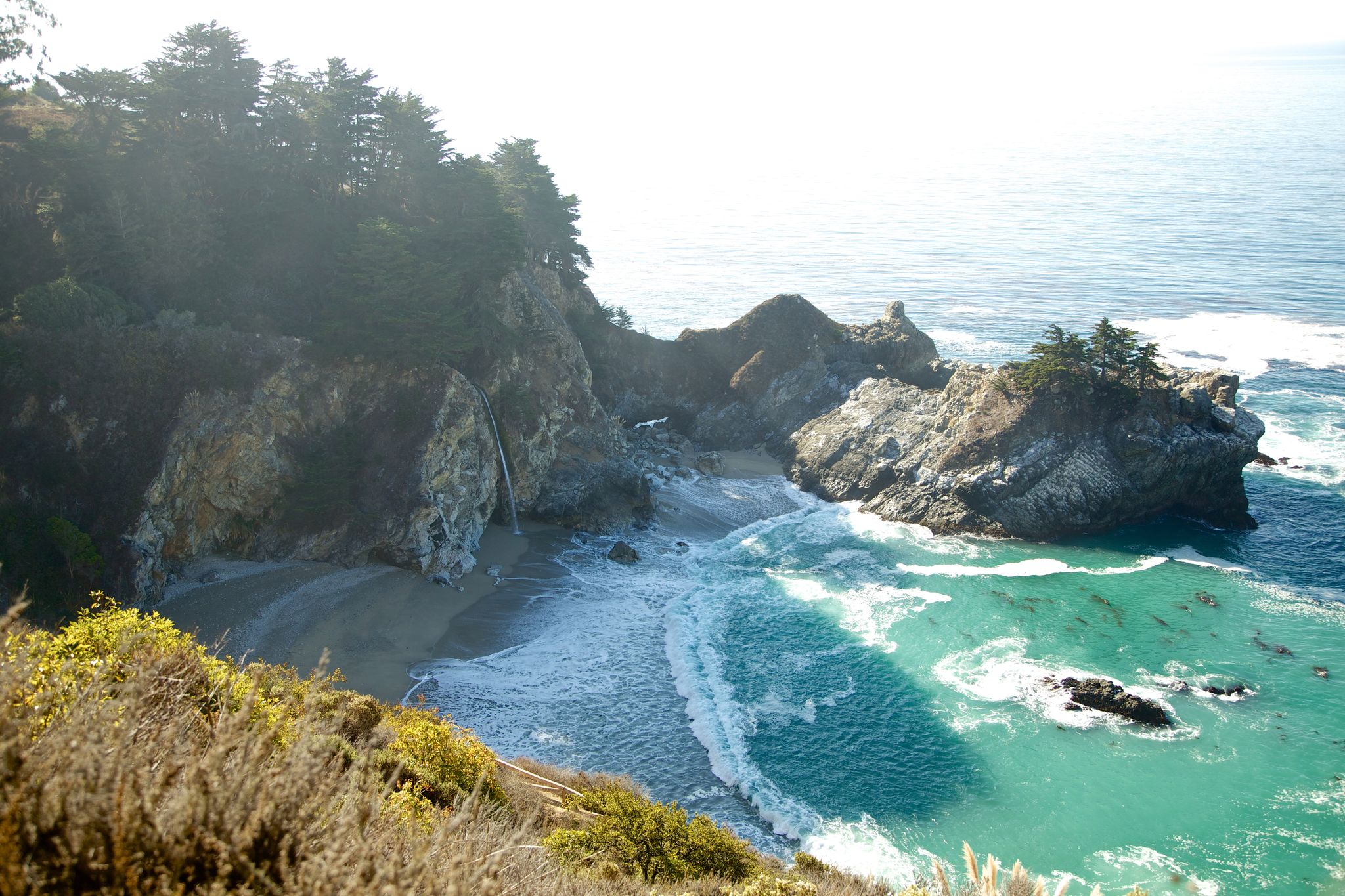
The tour of your life – music trails on the Pacific coast
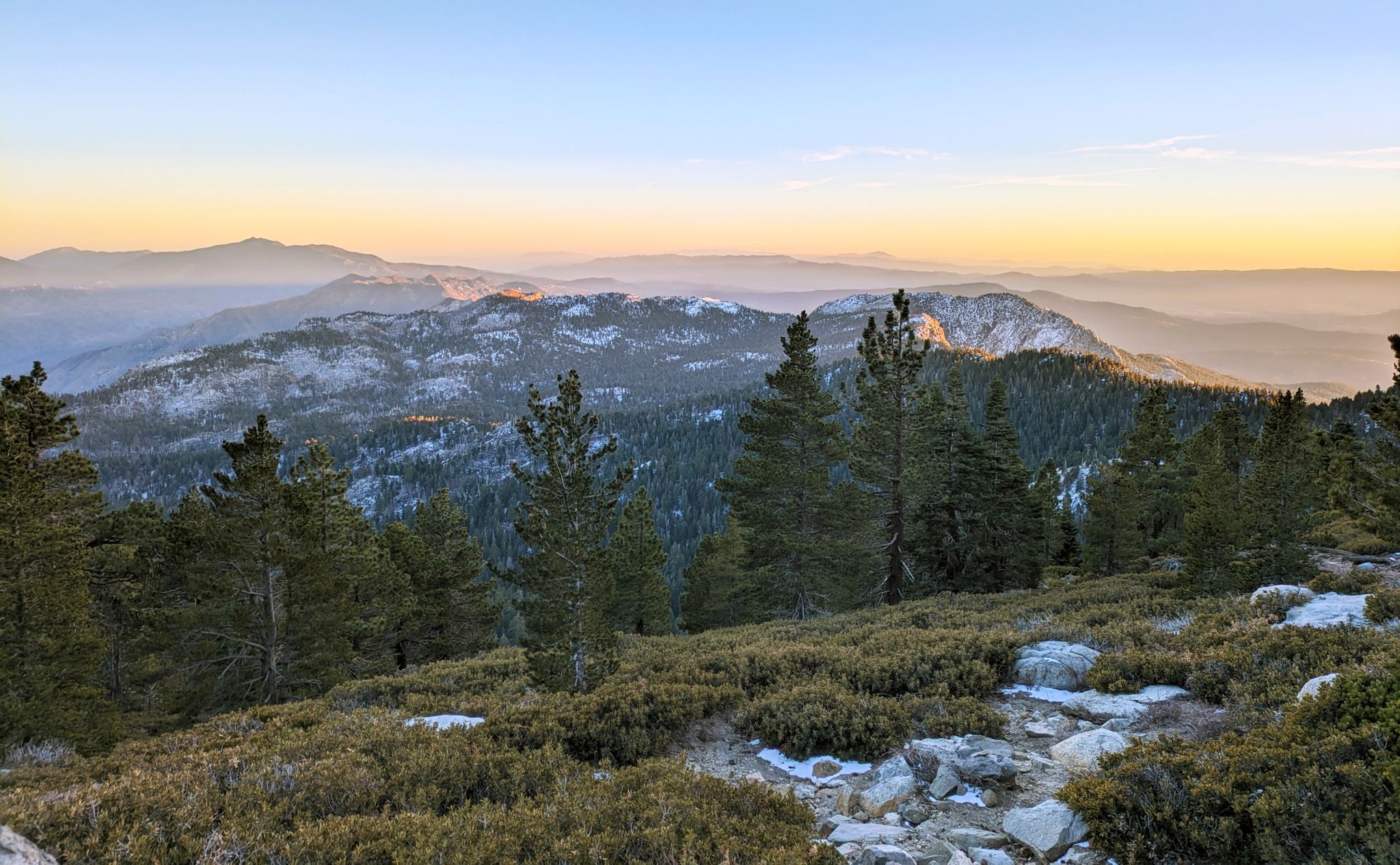
Climbing Mount San Jacinto on the Deer Springs Trail
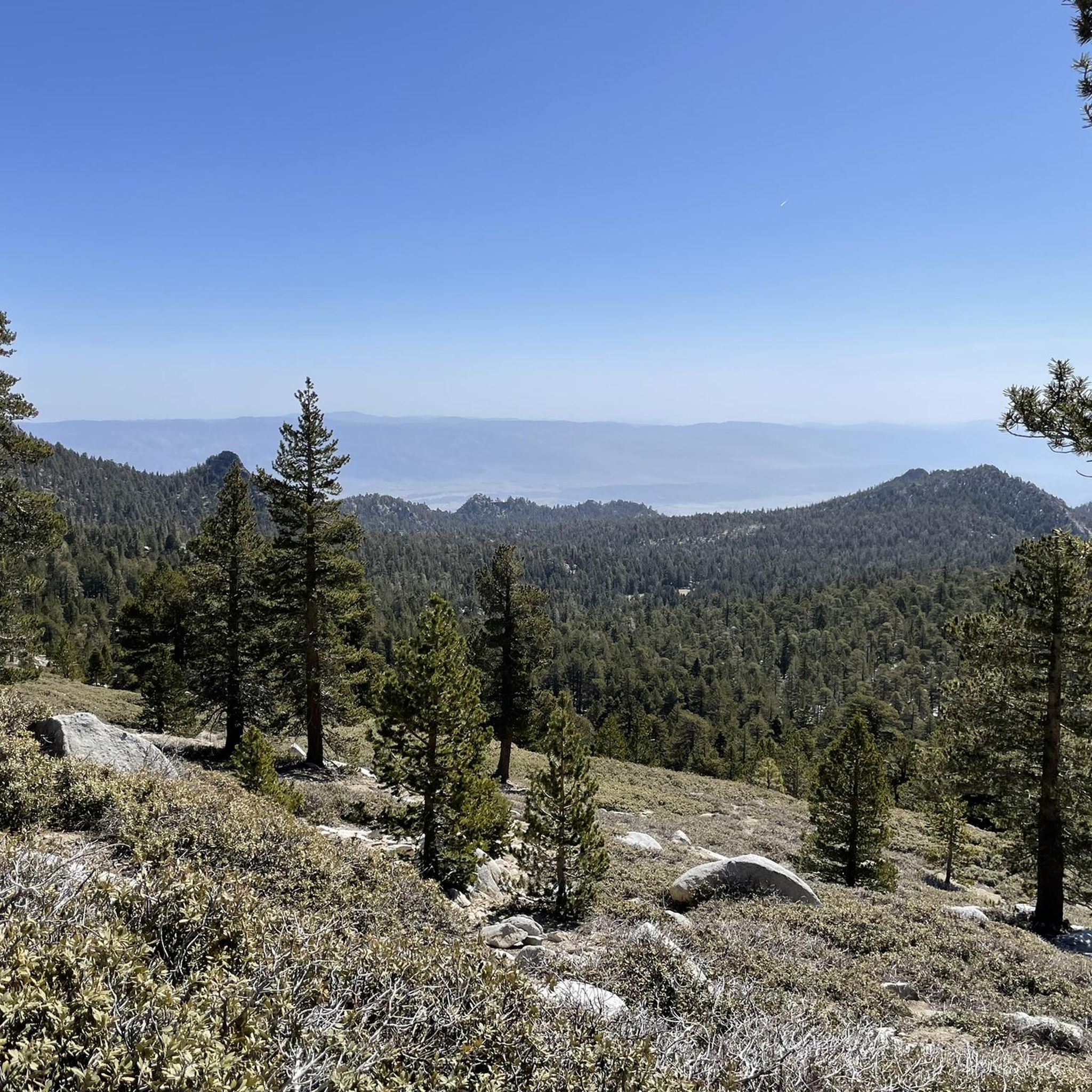
Running Trails in Santa Rosa And San Jacinto Mountains National Monument
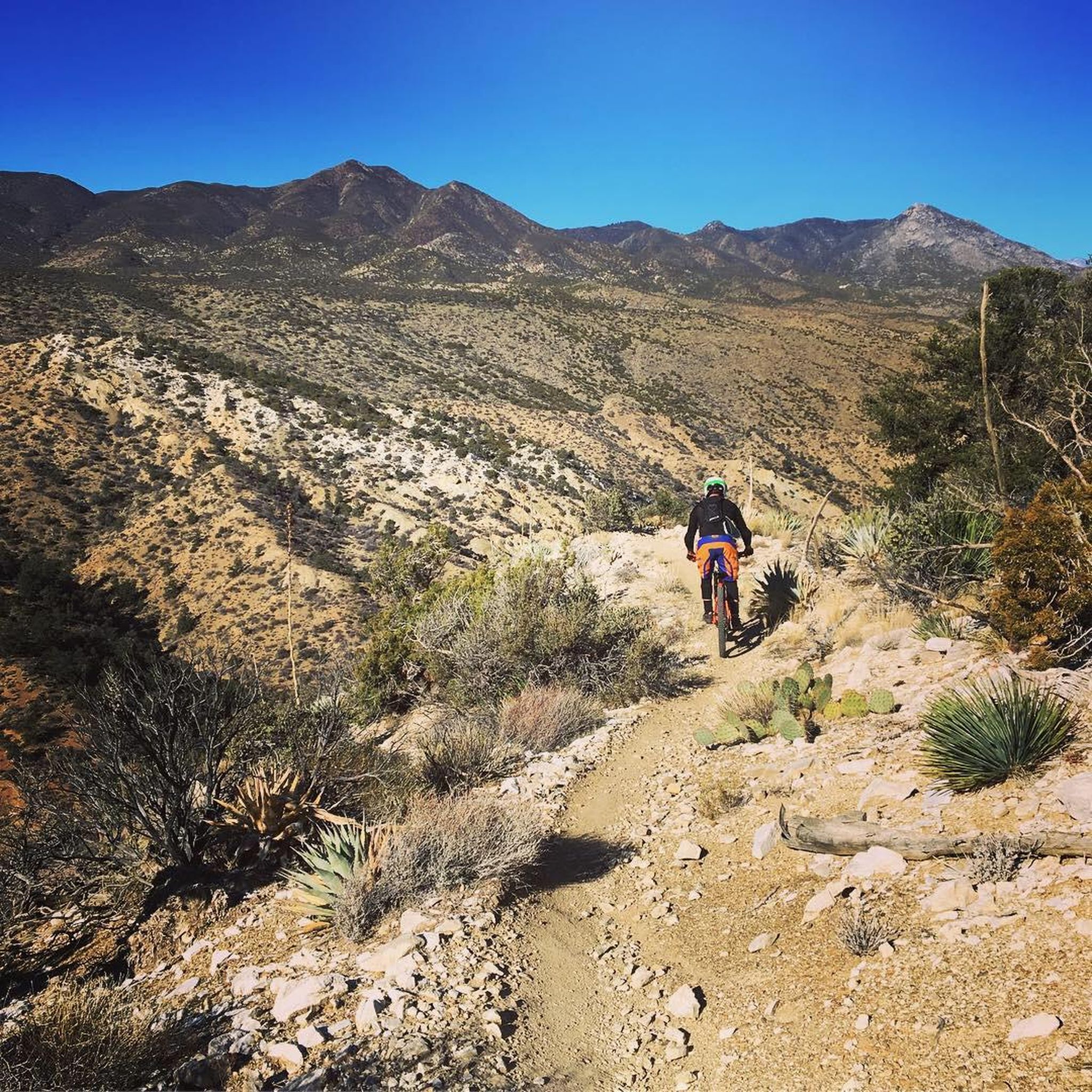
MTB Trails in Santa Rosa And San Jacinto Mountains National Monument
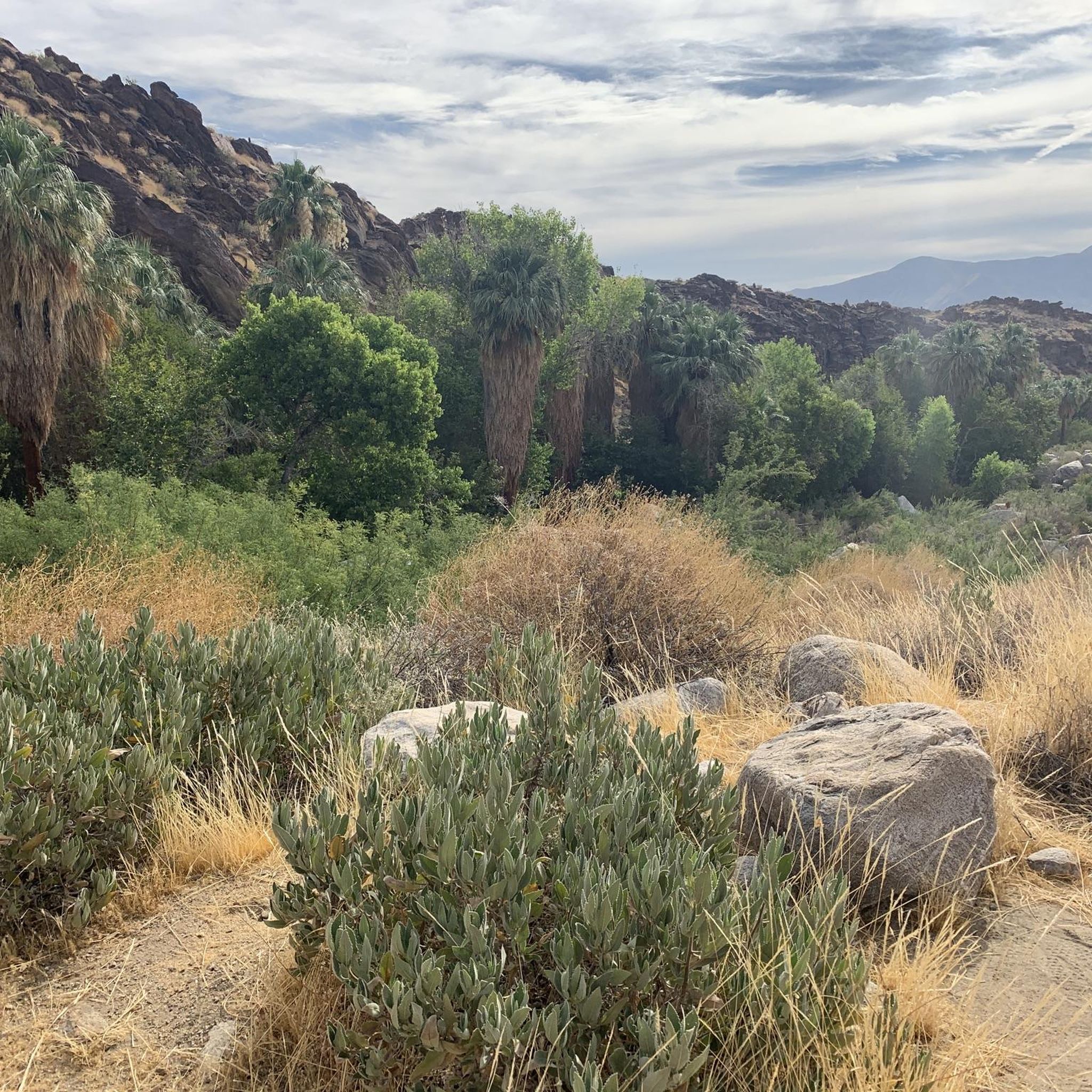
Cycling in Santa Rosa And San Jacinto Mountains National Monument
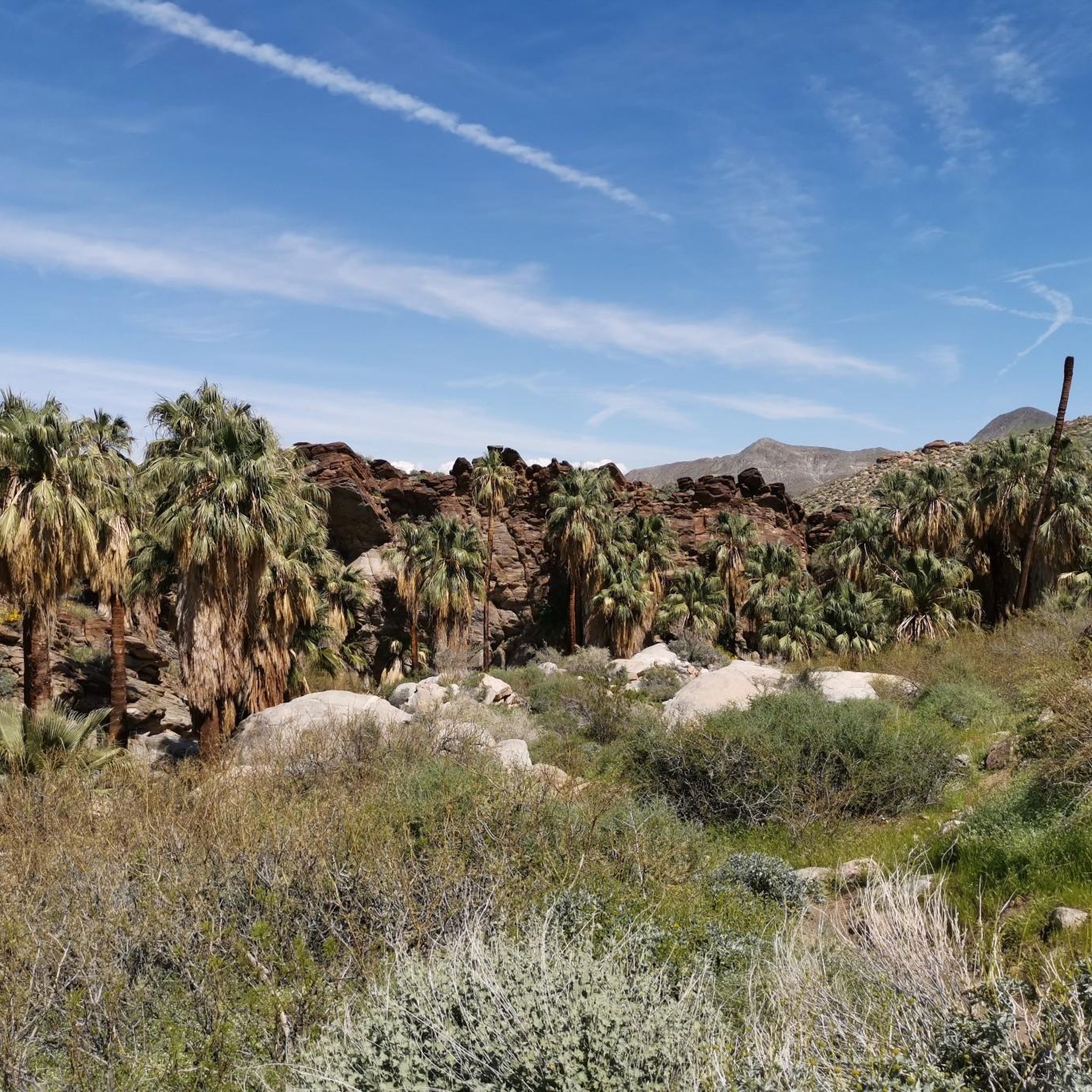
Road Cycling Routes in Santa Rosa And San Jacinto Mountains National Monument
Other adventures in Santa Rosa And San Jacinto Mountains National Monument


Tips from the Community

Round Valley is one of the designated campgrounds at San Jacinto State Park. It is a primitive camp, with no other amenities than a couple of cabin toilets and a fountain (the water needs to be purified). The area is very large and there are several plots to choose from, spread across a beautiful coniferous forest through which a crystalline stream runs.
0
0

Wellman Divide is at a trail junction at 9700 feet above sea level. From here you can choose to go... South on Wellman's Cienaga Trail... East on Round Valley trail, taking you back to the restaurant... Or North on Peak Trail to the San Jacinto Summit.
0
0

With 10,883 feet, Mount San Jacinto is the highest peak in the San Jacinto Mountains. There is a network of hiking trails around the summit and the San Jacinto State Park itself. If the weather turns for the worst, you can find shelter in a little hut close to the summit. You can either take a hike from Idyllwild on the west side of the mountain or Palm Springs on the east side. There is also an aerial tramway you can use to get into the San Jacinto Wilderness. If you feel adventurous, you can cross the mountain range using the Pacific Crest Trail.
0
0
As you might expect, the Peak Trail leads you to the summit of Mount San Jacinto and the shelter hut below. There is snow very likely at least until late spring if not into early summer.
5
0
This observation deck has binoculars to look down on the desert below. Behind you is the San Jacinto wilderness!
0
0
Snow Creek Road is a popular spot for trail magic that is provided for hikers of the Pacific Crest Trail and much appreciated along this hot section.
3
0
Cross over Snow Creek Paved Road momentarily. In one direction is the massive San Jacinto, and the other Cabazon and the windmill farms.
0
0
Turn a corner to some of the first views over the desert going north off San Jacinto. As you descend down the Pacific Crest Trail, the environment changes from pine forest to bouderous desert.
0
0
Frequently Asked Questions
How many hiking trails are available in Santa Rosa And San Jacinto Mountains National Monument?
The Santa Rosa And San Jacinto Mountains National Monument offers a wide network of trails, with over 50 hiking routes documented on komoot. These range from easy strolls to challenging mountain ascents, catering to various skill levels.
What kind of landscapes can I expect to see while hiking here?
Hikers will experience a dramatic transition of landscapes, from arid desert floors with magnificent palm oases to chaparral brush, pinyon pines, and eventually alpine forests at higher elevations. The monument is known for its stunning scenic backdrops and diverse ecosystems.
Are there easy trails suitable for families or beginners?
Yes, there are many easy options. Approximately 23 of the routes on komoot are rated as easy. For instance, the Andreas Canyon loop — Palm Springs is a gentle 1.7 km path. The Ed Hastey Garden Trail around the Visitor Center is also an accessible concrete path introducing native plants.
Are there challenging routes for experienced hikers?
Absolutely. For those seeking a challenge, there are 9 difficult routes available. The monument's terrain rises dramatically to over 10,000 feet, offering strenuous climbs and rewarding views. Sections of the Pacific Crest Trail also traverse the monument.
What natural features or landmarks can I see along the trails?
The monument is rich in natural landmarks. You can explore significant palm oases like Palm Canyon, discover seasonal waterfalls such as Tahquitz Falls, and ascend to prominent peaks like San Jacinto Peak. The Andreas Canyon Oasis is another notable highlight.
What is the best time of year to visit for hiking?
Lower elevation trails are best enjoyed from November through April when temperatures are milder. For higher elevation trails, the ideal time is from May through October, as these areas can be snow-capped during cooler months.
Are there any circular routes available?
Yes, many trails in the monument are designed as loops, offering varied scenery without retracing your steps. Examples include the Desert View Trail loop from Peaks Restaurant and the Andreas Canyon loop.
What do other hikers enjoy most about hiking in Santa Rosa And San Jacinto Mountains National Monument?
The area is highly rated by the komoot community, with an average score of 4.9 stars from over 100 reviews. Hikers often praise the dramatic elevation changes, the unique transition from desert to alpine environments, and the well-maintained trails leading to stunning viewpoints and natural oases.
Is parking available at the trailheads?
Yes, parking is generally available at various trailheads and visitor centers throughout the monument. It's advisable to check specific trail information or the Visitor Center for details on parking facilities for your chosen route.
Are permits required for hiking in certain areas?
Some areas within the monument, particularly those managed by the Agua Caliente Band of Cahuilla Indians (like the Indian Canyons), may require an entrance fee or permit. For higher elevation wilderness areas, especially those accessed via the Palm Springs Aerial Tramway, specific permits might be necessary for overnight stays or certain routes. It's best to check with the local authorities or the Visitor Center before your hike.
What kind of wildlife can I spot while hiking?
The monument is home to a high level of biodiversity. You might spot bighorn sheep, various desert birds, and other desert wildlife. Always maintain a respectful distance and be aware of your surroundings, as rattlesnakes and other creatures are native to the area.
Where can I find more information or maps for my hike?
The Santa Rosa and San Jacinto Mountains National Monument Visitor Center, located off Highway 74, is an excellent resource. It provides interpretive displays on the monument's geology and ecology, maps, and knowledgeable staff to help you plan your adventures. You can also find general information on the BLM website.
Most popular routes in Santa Rosa And San Jacinto Mountains National Monument
Most popular attractions in Santa Rosa And San Jacinto Mountains National Monument

Get inspired with the komoot mobile app


Explore more
Browse the best Hikes in other regions.
