Top 12 Castles around Aspangberg-St.Peter
Best castles around Aspangberg-St.Peter are situated in a region characterized by its varied terrain, including hills and valleys. This area offers a blend of natural landscapes and historical sites. The castles often occupy strategic elevated positions, providing historical context to the surrounding environment. Exploring these structures allows for an understanding of the cultural heritage of the region.
Best castles around Aspangberg-St.Peter
- The most popular castles is Grimmenstein Castle, a castle that is a striking, partially restored hilltop structure with…
Last updated: July 1, 2026
Grimmenstein Castle
Highlight • Castle
Translated by Google •
Tip by

Krumbach Castle
Highlight • Castle
Translated by Google •
Tip by

Sign up now to discover places like this
Get recommendations on the best single tracks, peaks, & plenty of other exciting outdoor places.
Sign up for free
Feistritz Castle
Highlight • Castle
Translated by Google •
Tip by

Wartenstein Castle
Highlight • Castle
Translated by Google •
Tip by

Ziegersberg Castle
Highlight • Castle
Translated by Google •
Tip by

Sign up for free to discover even more castles around Aspangberg-St.Peter.
Sign up for free
Already have an account?
Start today with a free account
Your next adventure awaits.
Login or Signup
Popular around Aspangberg-St.Peter
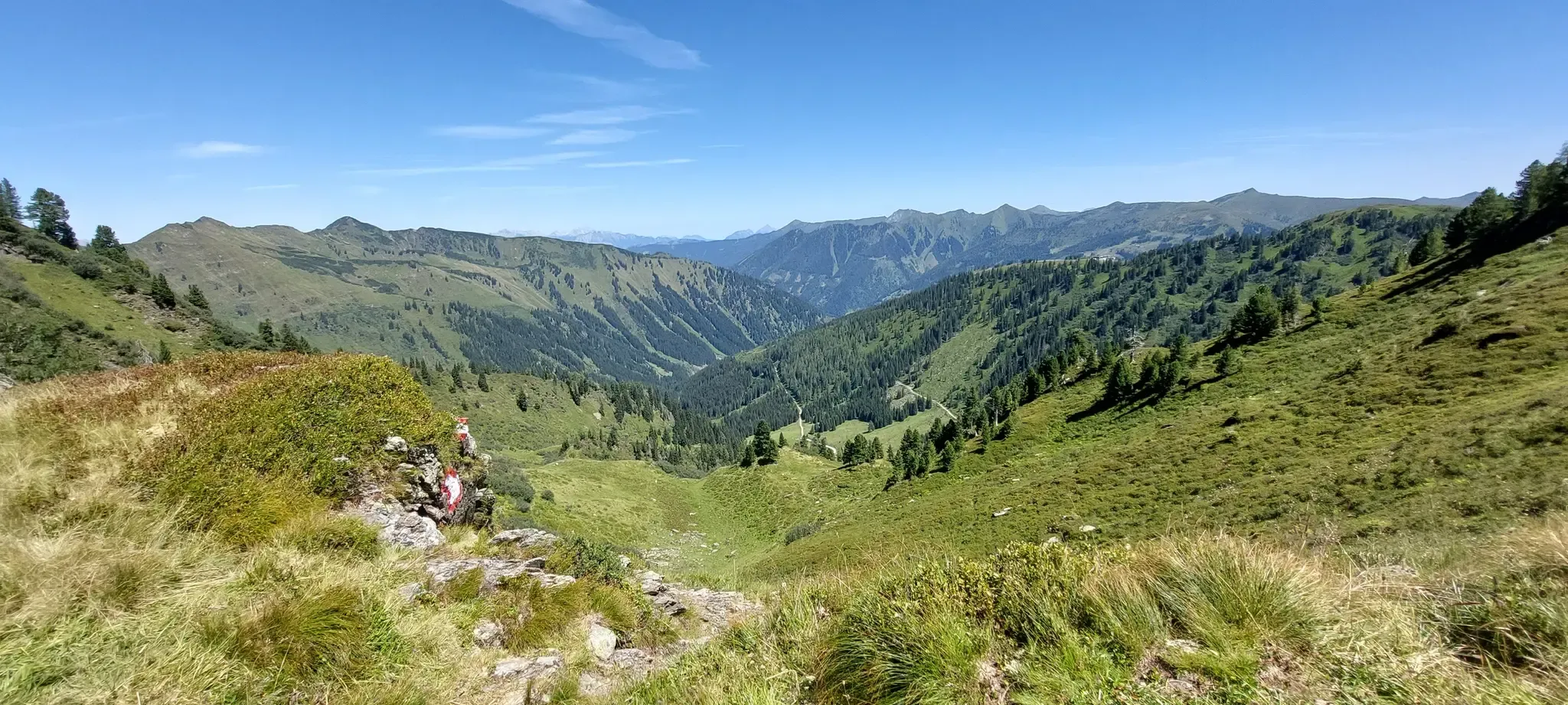
Central Alps Trail Eastern Section – Discover Austria
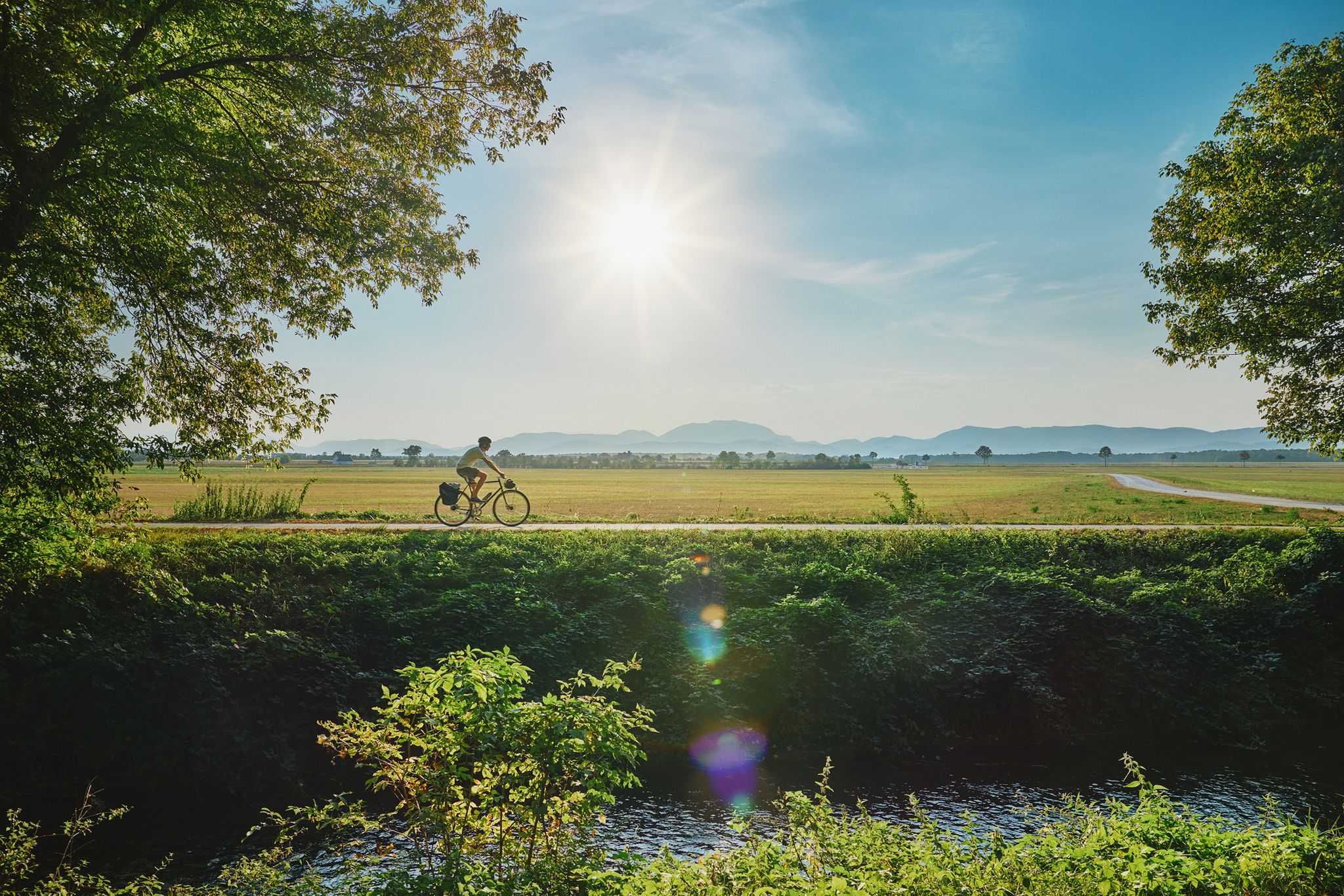
Superb cycling in the Vienna Alps – every day a new route
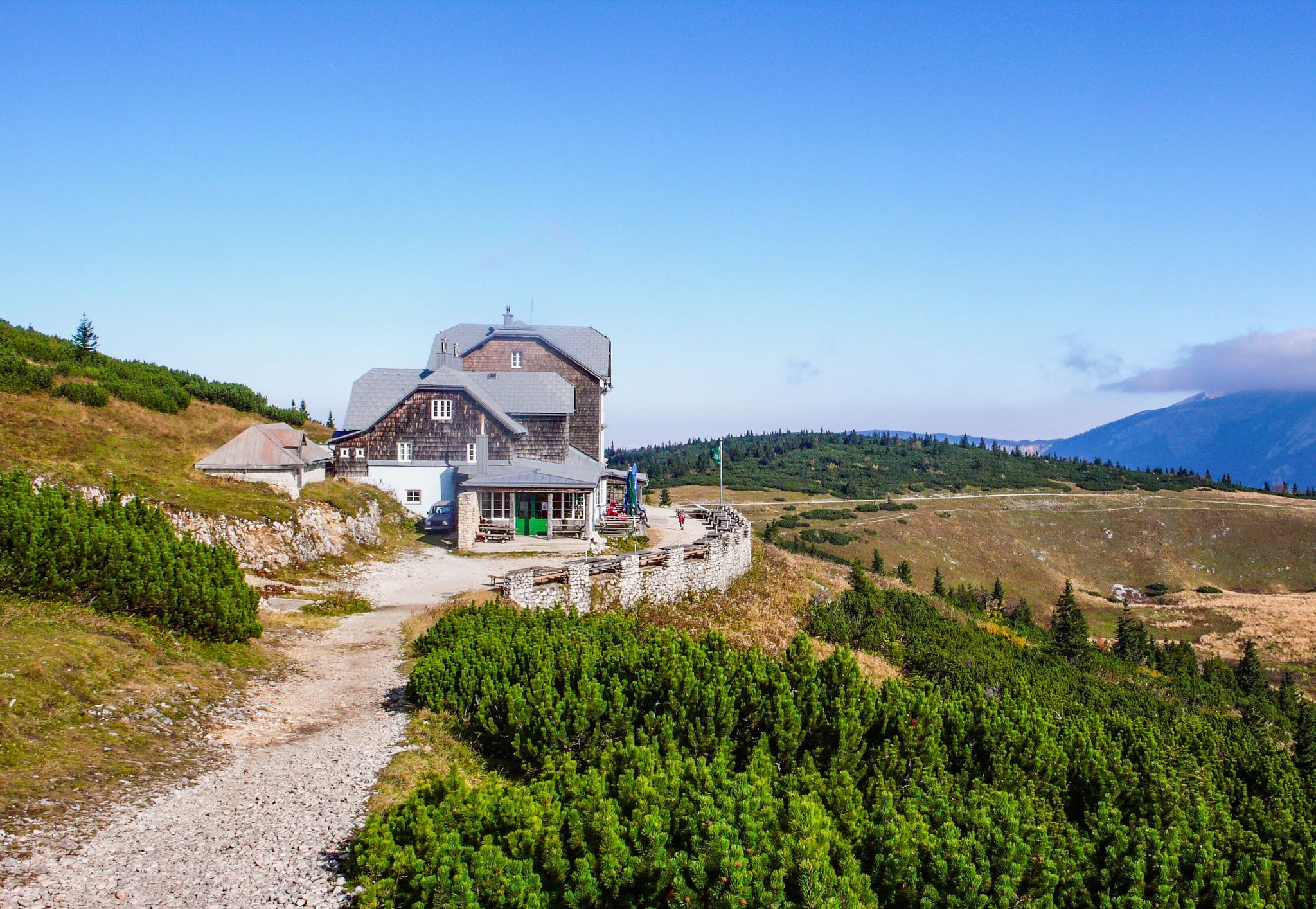
Hut fun in Austria’s Schneebergland
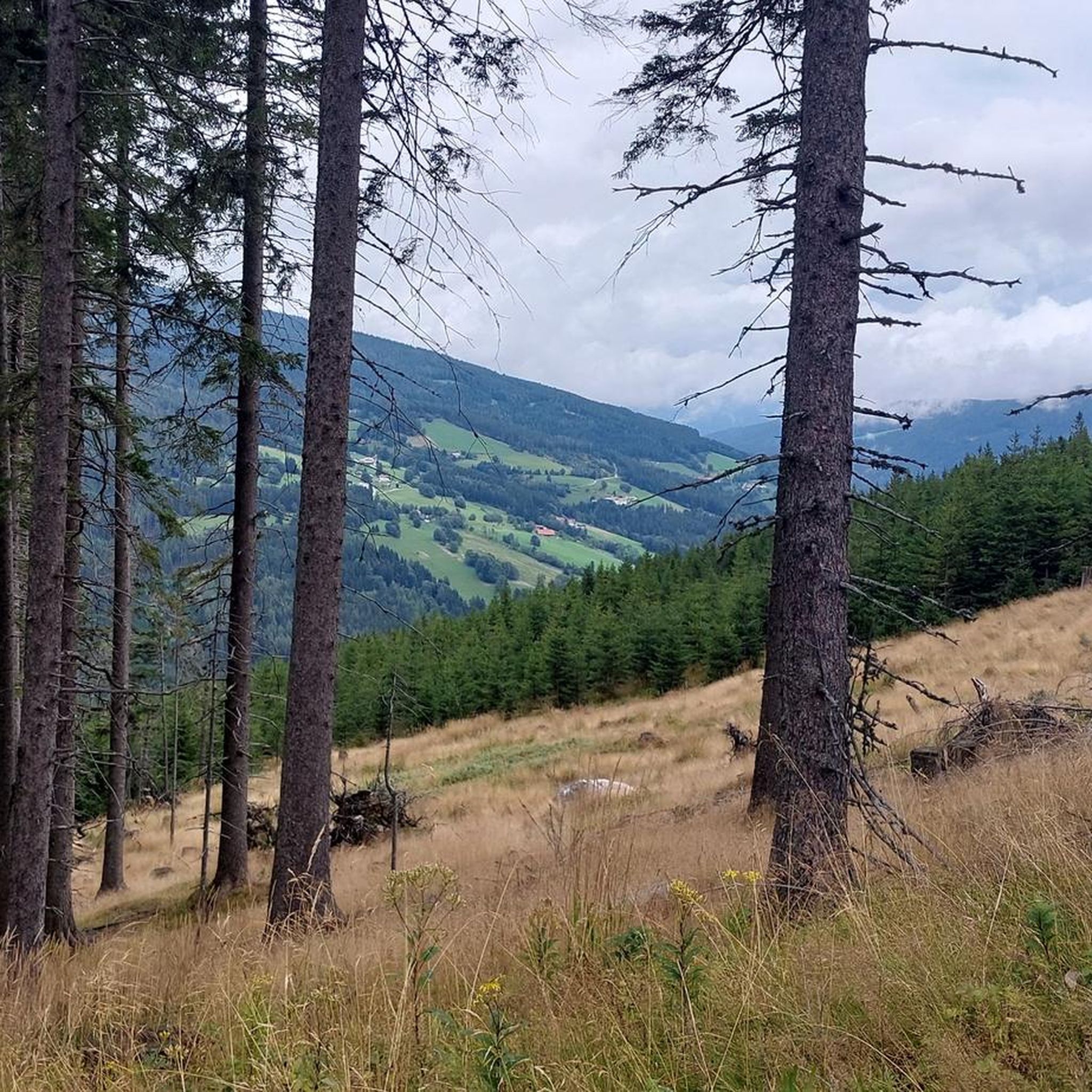
Hiking around Aspangberg-St.Peter
MTB Trails around Aspangberg-St.Peter
Cycling around Aspangberg-St.Peter

Gravel biking around Aspangberg-St.Peter
Road Cycling Routes around Aspangberg-St.Peter
Mountain Hikes around Aspangberg-St.Peter
Running Trails around Aspangberg-St.Peter


Tips from the Community

The first castle was built in the 13th century as a reaction to the Hungarian invasions at the end of the early Middle Ages. It was largely destroyed during the Hungarian invasions in 1246 and 1260. The reconstruction partly has a castle character. In 1394, the lordship with all its accessories was bequeathed by the last Krumbacher, Hans von Krumbach, to Pilgrim III. von Puchheim, a maternal uncle of his, and his brothers, and remained in the possession of the Puchheims for over 200 years. In 1629, the lordship came into the possession of the Counts of Pálffy-Erdöd family. During the Second Siege of Vienna in 1683, Krumbach was besieged in vain by the Turks. After the revolutionary year of 1848, the serfdom relationship was abolished, thus the "Herrschaft Krumbach" came to an end. In 1875, the estates were sold by the Palffy family to the Wiener Neustadt lawyer Anton Riehl, after which there were frequent changes of ownership.
0
0
The then owner of the Ziegersberg estate, Dr. Jakob Singer, had a modern castle built about 700 m from the old castle ruins in the years 1896/97 by the Viennese master builder Dr. Franz Schönthaler.
1
0
The Feistritz Castle was probably built in the second quarter of the 12th century by ministeriales. The castle was owned by the Pottendorfers from the 14th century until 1488 and by the Zinzendorfers until 1537.
1
0
The castle, sometimes called Burg Vordergrimmenstein since the 19th century, while the former castle on the summit of the 758 m high Kulmriegel was also called Burg Hochgrimmenstein and a former castle southwest of the Kulmriegel at the end of the Kunzgraben were designated as Hintergrimmenstein.
1
0

Wartenstein Castle sits majestically overlooking the Schwarza Valley. This historic complex has shaped the landscape on the edge of the Rax region for centuries. From here, breathtaking views of the surrounding mountains and valleys unfold.
6
0

18 km cycle path towards Styria
0
0

Well-preserved, privately owned castle, not open to the public. More details: https://de.wikipedia.org/wiki/Burg_Wartenstein
1
0
Since 2020, it has been a private elite school (https://krumbach.school/de/). The annual tuition fee is at least €40,000.
0
0
Frequently Asked Questions
What types of castles can I explore around Aspangberg-St.Peter?
The region around Aspangberg-St.Peter offers a diverse range of historical structures, including fortified castles, impressive hilltop castles, and atmospheric castle ruins. This variety allows visitors to explore different architectural styles and historical periods.
Are there any castles that offer guided tours?
Yes, Grimmenstein Castle, a striking, partially restored hilltop structure, offers guided tours from March to October on weekends. It's a great way to learn about its 13th-century origins and modern redesign. You can find more details about this castle here.
Can I visit Feistritz Castle?
Feistritz Castle, an imposing structure above the Feistritz valley, was extensively renovated in the 1920s. While it no longer houses an army museum, it now functions as an event center and opens its doors for group events and art lovers. More information can be found here.
Are there any castle ruins to explore for a historical experience?
Absolutely. The Ruins of Hochgrimmenstein Castle on Kulmriegel Summit offer a unique historical experience. Located on the 795m Kulmriegel summit, only the wall remains of the square keep have survived, providing a picturesque spot with a rest bench and summit cross. You can discover more about this ruin here.
What outdoor activities can I combine with a castle visit in the region?
The area around Aspangberg-St.Peter is excellent for combining castle visits with outdoor activities. You can find various options for mountain hikes, cycling tours, and easy hikes. Many castles are situated on elevated positions, offering scenic routes to reach them.
Are there any castles that offer great viewpoints?
Yes, several castles provide excellent viewpoints. Grimmenstein Castle and Kranichberg Castle are both noted for their elevated positions. Additionally, Wartenstein Castle sits majestically overlooking the Schwarza Valley, offering breathtaking views of the surrounding mountains and valleys. You can learn more about Wartenstein Castle here.
Is Kranichberg Castle open to the public?
Kranichberg Castle, a former fortified castle from the 13th century, was once a summer residence for the Archdiocese of Vienna. While it has been privately owned and is currently not always open, there are plans for it to be used for tourism in the future. You can find more details about its history and location here.
What do visitors particularly enjoy about the castles around Aspangberg-St.Peter?
Visitors appreciate the historical context and the scenic beauty surrounding the castles. Many enjoy the opportunity to explore partially restored structures like Grimmenstein Castle, or the quiet, reflective atmosphere of ruins such as Hochgrimmenstein Castle. The combination of history and nature, often with rewarding views, is a common highlight.
Are there any castles that are privately owned and can only be viewed from the outside?
Yes, Wartenstein Castle is privately owned and can typically only be viewed from the outside. Despite this, its majestic position overlooking the Schwarza Valley makes it a significant landmark and offers impressive views. You can find more information about its history here.
What is the historical significance of the castles in this region?
The castles around Aspangberg-St.Peter, such as Grimmenstein Castle (13th century), Feistritz Castle (12th century), and Kranichberg Castle (13th century), reflect centuries of regional history. They often occupied strategic elevated positions, serving as fortifications and residences, and their stories are intertwined with the broader cultural heritage of the area, including periods of conflict and renovation.
Are there any easy hiking trails that lead to or near castles?
While specific trails directly to each castle vary, the region offers a selection of easy hikes that could be combined with a visit to a nearby castle. For example, the Ruins of Hochgrimmenstein Castle on Kulmriegel Summit is accessible via a path to the summit, providing a rewarding, less strenuous option for exploring a historical site.
Most popular routes around Aspangberg-St.Peter
Most popular attractions around Aspangberg-St.Peter

Get inspired with the komoot mobile app


Explore more
Looking for the best castles somewhere else? Discover other guides around Aspangberg-St.Peter:
