Attractions and Places To See in Hawai'I Volcanoes National Park - Top 20
Best attractions and places to see in Hawai'I Volcanoes National Park encompass a vast landscape of 335,259 acres, featuring two of the world's most active volcanoes, Kīlauea and Maunaloa. This region showcases diverse environments, from rugged lava fields and lush rainforests to significant cultural heritage sites. Visitors can explore unique geological formations, ancient petroglyphs, and various trails that highlight the ongoing volcanic processes and natural recovery. The park offers a unique opportunity to observe active volcanic landscapes and learn about…
Last updated: April 24, 2026
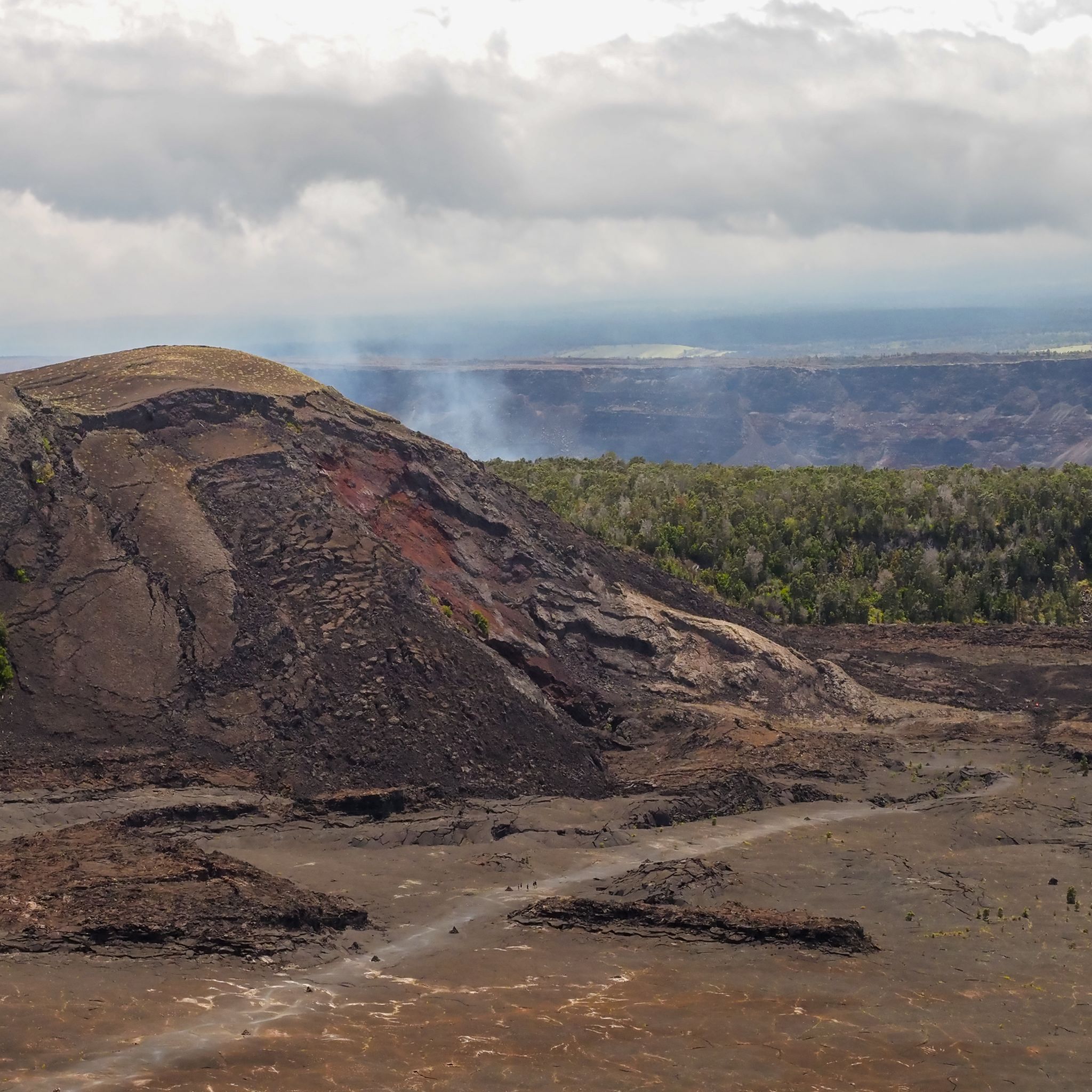
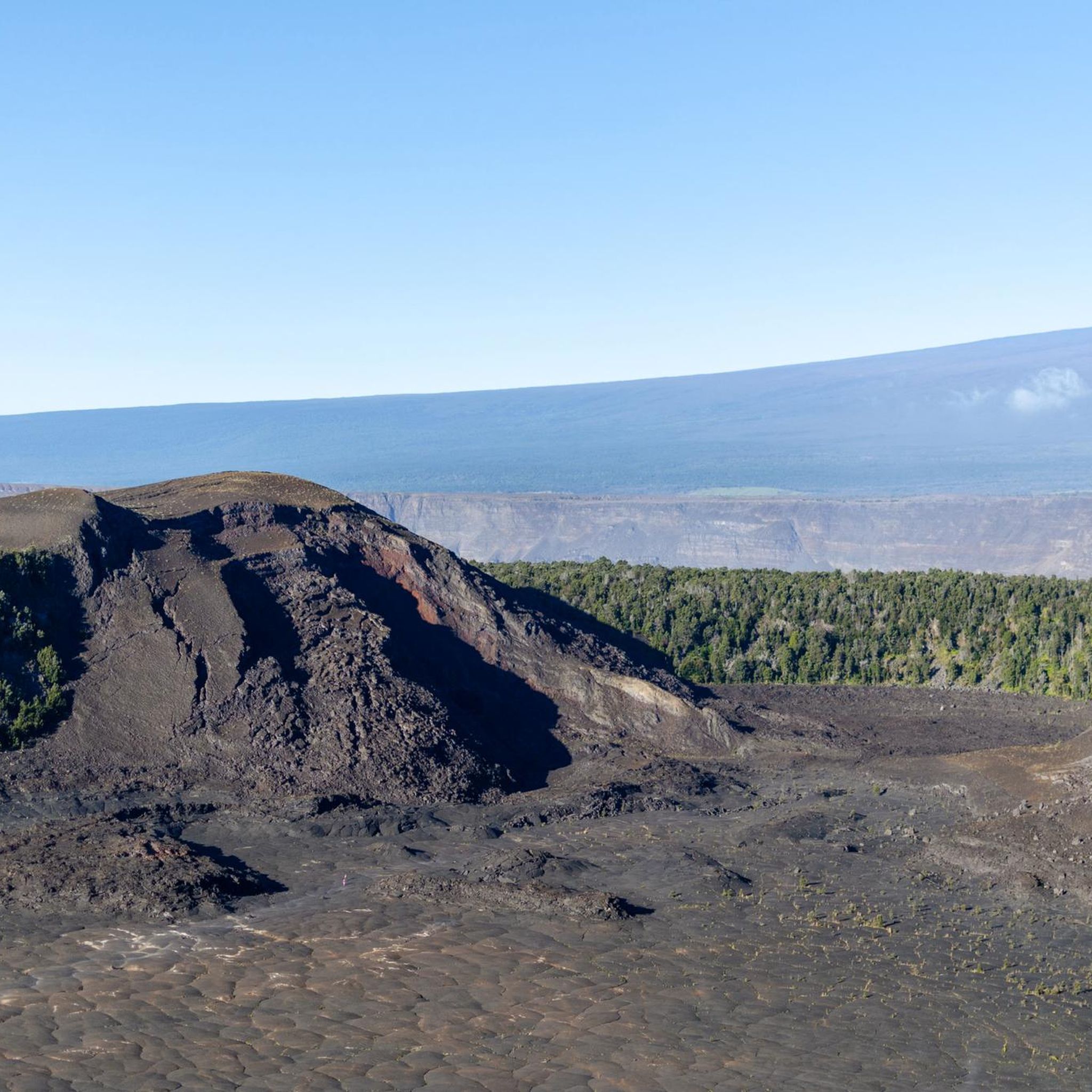
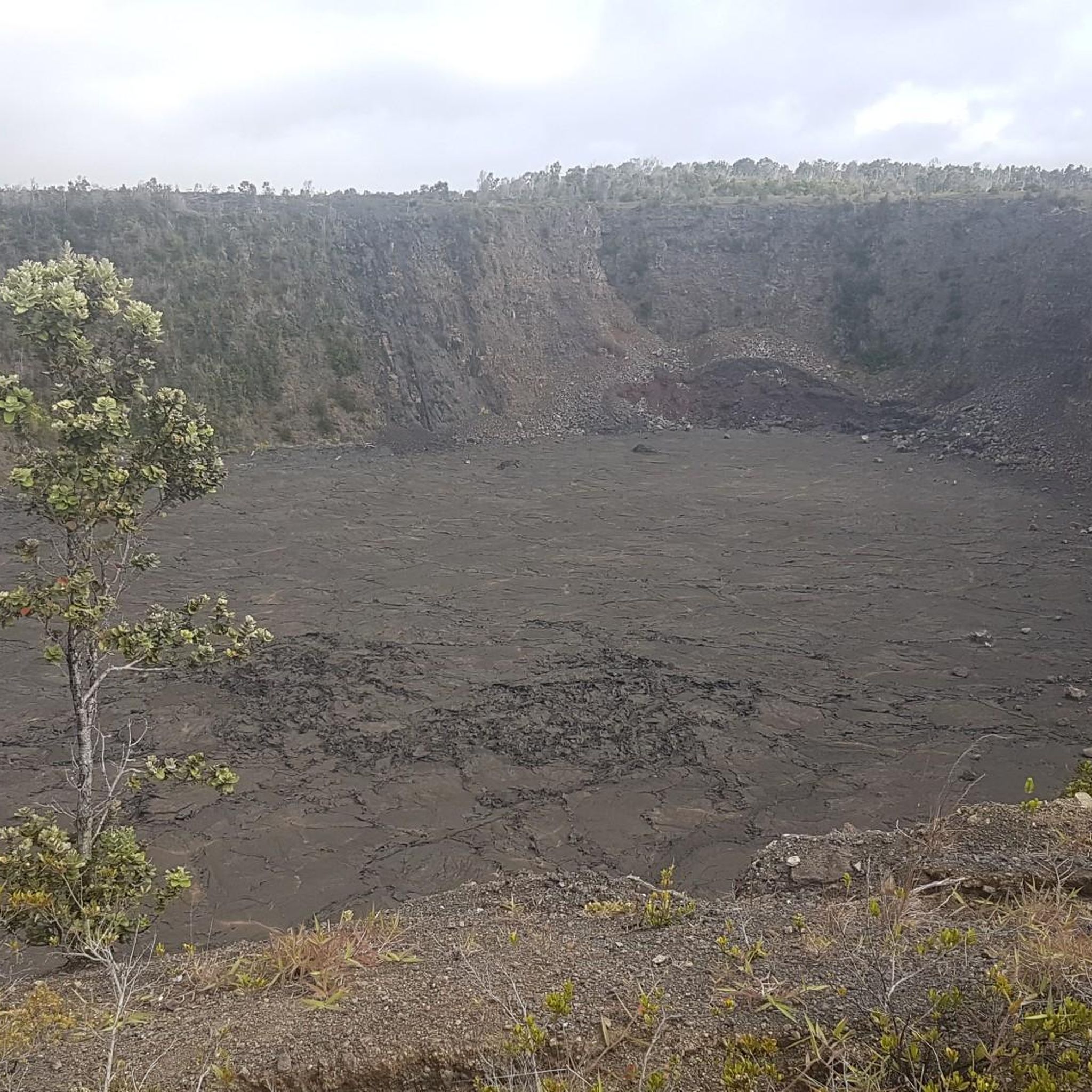
Kīlauea Iki Crater Trail
Highlight (Segment) • Trail
Translated by Google •
Tip by

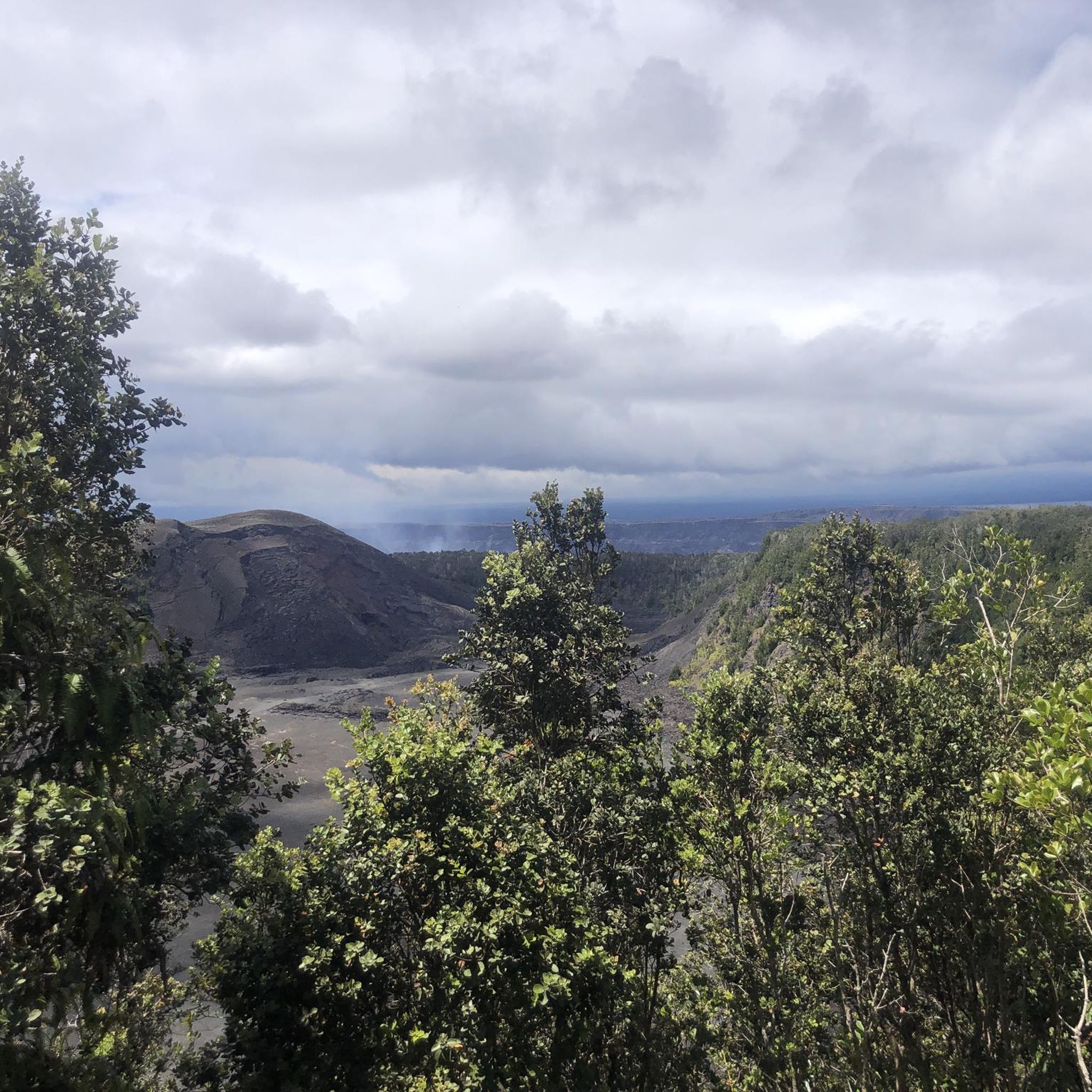
Kīlauea Iki West Overlook
Highlight • Viewpoint
Tip by

Sign up now to discover places like this
Get recommendations on the best single tracks, peaks, & plenty of other exciting outdoor places.
Sign up for free
Nāhuku (Thurston Lava Tube)
Highlight (Segment) • Cave
Translated by Google •
Tip by

Puʻuloa Petroglyphs
Highlight • Historical Site
Translated by Google •
Tip by

Kīlauea Visitor Center
Highlight • Rest Area
Tip by
Sign up for free to discover even more attractions in Hawai'I Volcanoes National Park.
Sign up for free
Already have an account?
Start today with a free account
Your next adventure awaits.
Login or Signup

Other adventures in Hawai'I Volcanoes National Park

Tips from the Community

interesting petroglyphs at a place sacred to the indigenous population
2
0
impressive 500-meter-long tunnel in the lava flow
2
0
The center is closed for renovations until August 2026
2
0

Never seen anything like this before
0
1
World class, like a moonwalk
2
0

This 500-year-old lava tube was created by a river of lava. Nowadays the lava tube is lit for visitors from 8am-8pm, and the National Park Service urges you to be avoid touching the tube's walls and any hanging roots, as they support entire ecosystems of very delicate organisms. Parking around the lava tube is extremely scarce, but you can hike here along the Crater Rim Trail, which offers many more parking opportunities.
1
0

Iki Trail is a must in Volcano National Park
0
1
You have to do it once. Great landscape
3
0
Frequently Asked Questions
What unique geological features can I explore in Hawai'i Volcanoes National Park?
The park is renowned for its volcanic landscapes. You can walk through the 500-year-old Nāhuku (Thurston Lava Tube), an underground passage formed by ancient lava flows. Other features include the dramatic Kīlauea Crater and Caldera, areas of intense geothermal activity like the Steam Vents and Sulphur Banks, and the Hōlei Sea Arch, a rock formation carved by the ocean from a 550-year-old lava flow.
Are there any significant cultural or historical sites to visit?
Yes, the park is rich in cultural heritage. A must-see is Puʻuloa Petroglyphs, a sacred archaeological site with over 23,000 ancient rock carvings, some dating back over 500 years. These petroglyphs depict humans, animals, canoes, and geometric designs. The park also contains various historic trails, fossilized footprints, shelter caves, heiau (Hawaiian temples), and stone walls.
What are some of the best trails for hiking in the park?
Among the most popular is the Kīlauea Iki Crater Trail, which leads through a diverse landscape, starting in a rainforest and descending into a volcanic crater. The Devastation Trail offers an easy, paved walk across cinder from a 1959 eruption. For more options, you can explore various routes on the Hiking in Hawai'I Volcanoes National Park guide.
Are there family-friendly attractions or activities in Hawai'i Volcanoes National Park?
Absolutely. The Nāhuku (Thurston Lava Tube) is a popular family-friendly attraction where visitors can easily walk through an ancient lava tube. The Kīlauea Visitor Center is also family-friendly, offering exhibits and information. The Devastation Trail is an easy, paved walk suitable for most ages.
What options are available for visitors with mobility challenges or those seeking accessible attractions?
The Kīlauea Visitor Center is wheelchair accessible, providing a good starting point for information and exhibits. The Devastation Trail is an easy, paved walk that is also wheelchair accessible, offering views of the volcanic landscape. Many overlooks along Crater Rim Drive also provide accessible viewpoints.
When is the best time to visit Hawai'i Volcanoes National Park?
Hawai'i Volcanoes National Park is open 24 hours a day, year-round, and offers a unique experience in any season. The weather can vary significantly with elevation, from warm coastal areas to cooler, sometimes rainy, summit regions. Generally, the park is less crowded during the shoulder seasons (spring and fall), but volcanic activity is unpredictable and can occur at any time, making any visit potentially spectacular.
What kind of outdoor activities can I do besides hiking in the park?
Beyond hiking, the park offers opportunities for running and road cycling. You can find various running trails, including sections of the Crater Rim Trail, detailed in the Running Trails in Hawai'I Volcanoes National Park guide. For cyclists, scenic drives like Chain of Craters Road and Mauna Loa Road offer challenging routes, which you can explore further in the Road Cycling Routes in Hawai'I Volcanoes National Park guide.
What do visitors particularly enjoy about Hawai'i Volcanoes National Park?
Visitors are often impressed by the dramatic volcanic landscapes, describing the Kīlauea Iki Crater Trail as a 'lunar landscape' and 'too beautiful'. The unique experience of walking through the Nāhuku (Thurston Lava Tube), knowing hot lava once flowed there, is also highly appreciated. The ancient Puʻuloa Petroglyphs are considered 'impressive' and 'definitely worth walking the kilometers' to see.
Where can I learn more about the park's geology and current conditions?
The Kīlauea Visitor Center is the essential first stop. It provides up-to-date information on park conditions, maps, exhibits, and the latest updates on volcanic activity and eruptions. Ranger activities are also available to help you understand the park's geology.
Are there any easy or beginner-friendly hiking trails in the park?
Yes, for an easy and accessible experience, the Devastation Trail is a paved walk that showcases the aftermath of a volcanic eruption and the recovery of nature. The Nāhuku (Thurston Lava Tube) also offers an easy walk through an illuminated lava tube. The Kīpukapuaulu Trail is another easy loop through native forestland, known for birdwatching.
Can I see active volcanic activity in Hawai'i Volcanoes National Park?
The park is home to two of the world's most active volcanoes, Kīlauea and Maunaloa. While active eruptions are not guaranteed, opportunities to witness volcanic activity, such as glowing lava at night from overlooks like Keanakākoʻi Overlook, or steam vents, are possible. The Kīlauea Visitor Center provides the most current information on volcanic activity.
What should I wear when visiting Hawai'i Volcanoes National Park?
Given the diverse environments, it's best to dress in layers. Temperatures can vary from warm coastal areas to cooler, often windy, and sometimes rainy conditions at higher elevations. Sturdy, closed-toe shoes are recommended for hiking on uneven volcanic terrain. Bring rain gear, sun protection (hat, sunscreen), and plenty of water, especially for longer trails.
Are there any scenic drives in the park?
Yes, the park offers two main scenic drives. Crater Rim Drive encircles the Kīlauea caldera, providing access to numerous trails, overlooks, and geothermal features. Chain of Craters Road is an 18.8-mile drive that descends from the Kīlauea summit to the coast, passing through recent lava flows and offering views of brand-new land formed by volcanic activity, including the Hōlei Sea Arch.
Most popular routes in Hawai'I Volcanoes National Park
Most popular attractions in Hawai'I Volcanoes National Park

Get inspired with the komoot mobile app


Explore more
Still not found the Highlight you’re looking for? See guides of the top attractions in other regions:
