Attractions and Places To See in Haleakala National Park - Top 20
Best attractions and places to see in Haleakala National Park encompass a diverse range of natural and cultural sites across its Summit and Kīpahulu Districts. The park features the massive Haleakalā volcano, offering landscapes from volcanic terrain to lush rainforests. It is recognized for its unique ecosystems, housing a high percentage of endemic species, and holds significant cultural importance for Native Hawaiians. Visitors can explore various climate zones, from subalpine desert to humid subtropical lowlands.
Best attractions and places to…
Last updated: August 25, 2026
Waimoku Falls
Highlight • Waterfall
Translated by Google •
Tip by

Haleakalā Visitor Center
Highlight • Rest Area
Translated by Google •
Tip by

Sign up now to discover places like this
Get recommendations on the best single tracks, peaks, & plenty of other exciting outdoor places.
Sign up for free
Keonehe‘ehe‘e Trail (Sliding Sands) Middle Segment
Highlight (Segment) • Trail
Translated by Google •
Tip by
Summit Building
Highlight • Summit
Translated by Google •
Tip by
Pīpīwai Trail Bamboo Forest and Waterfalls
Highlight (Segment) • Trail
Translated by Google •
Tip by
Sign up for free to discover even more attractions in Haleakala National Park.
Sign up for free
Already have an account?
Start today with a free account
Your next adventure awaits.
Login or Signup
Popular around Haleakala National Park
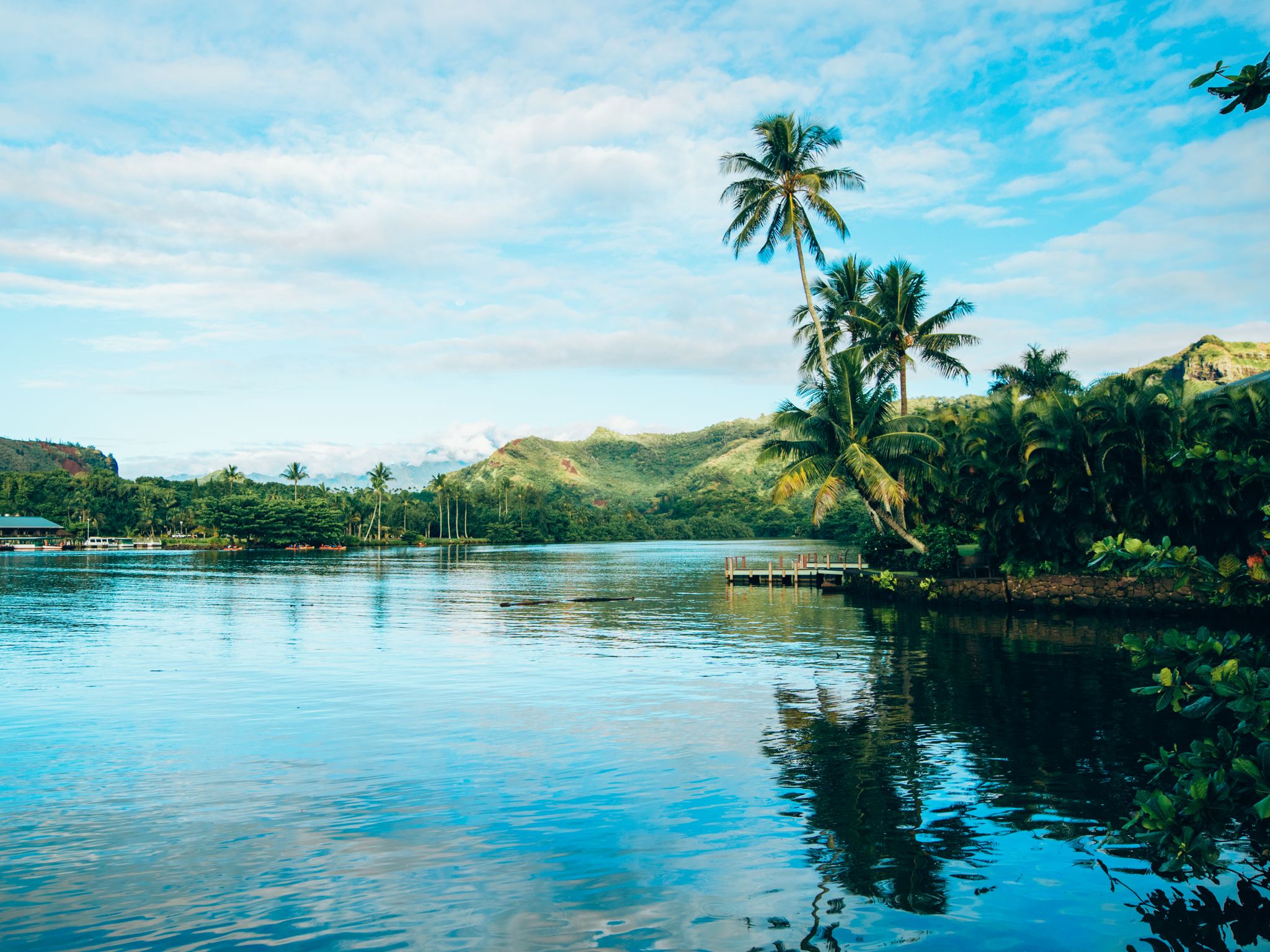
Pearls in the Pacific – exploring Hawaii's islands on foot
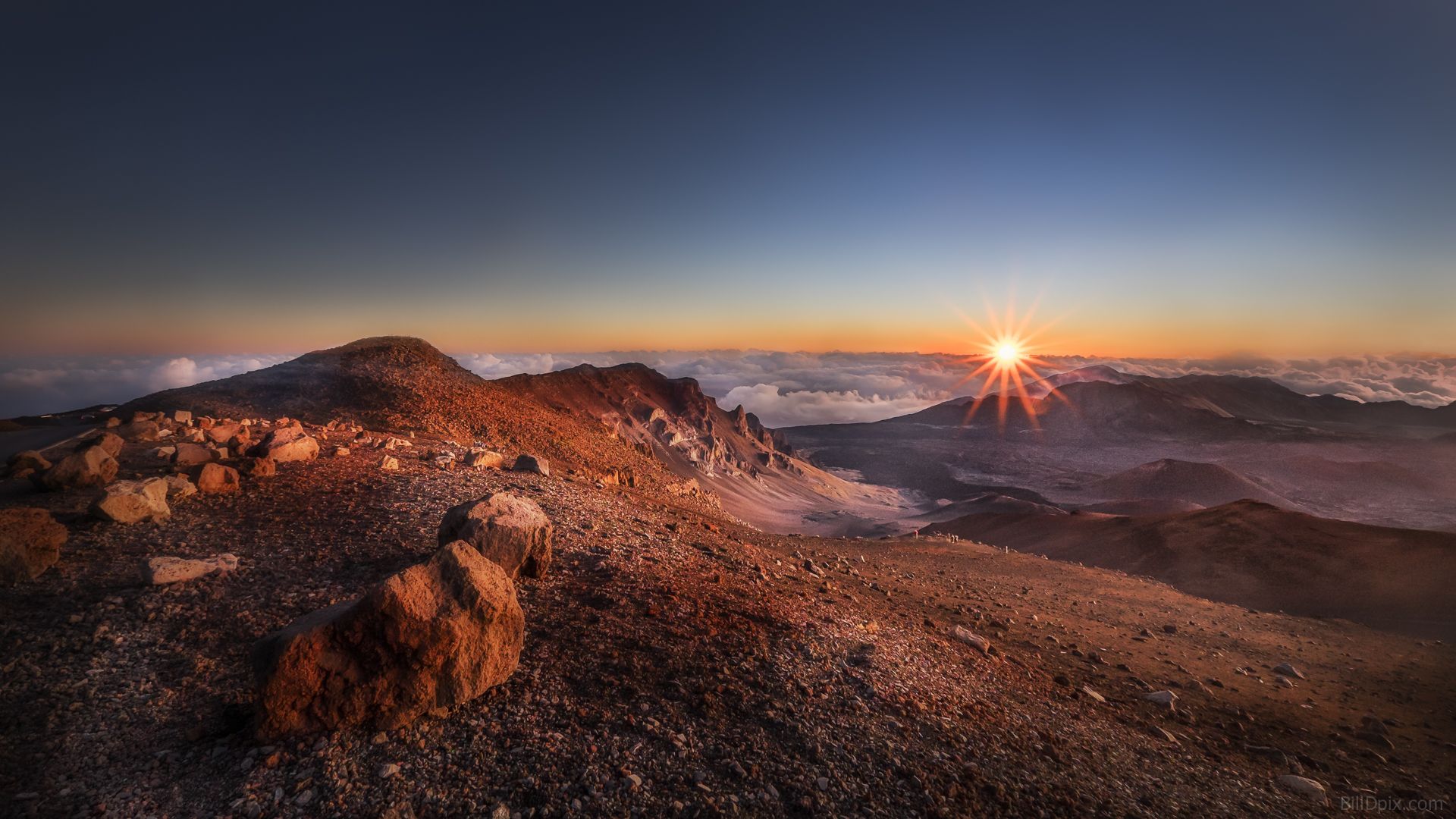
Explore Haleakala Volcano in Hawaii – 2 days between Mars and the Sun
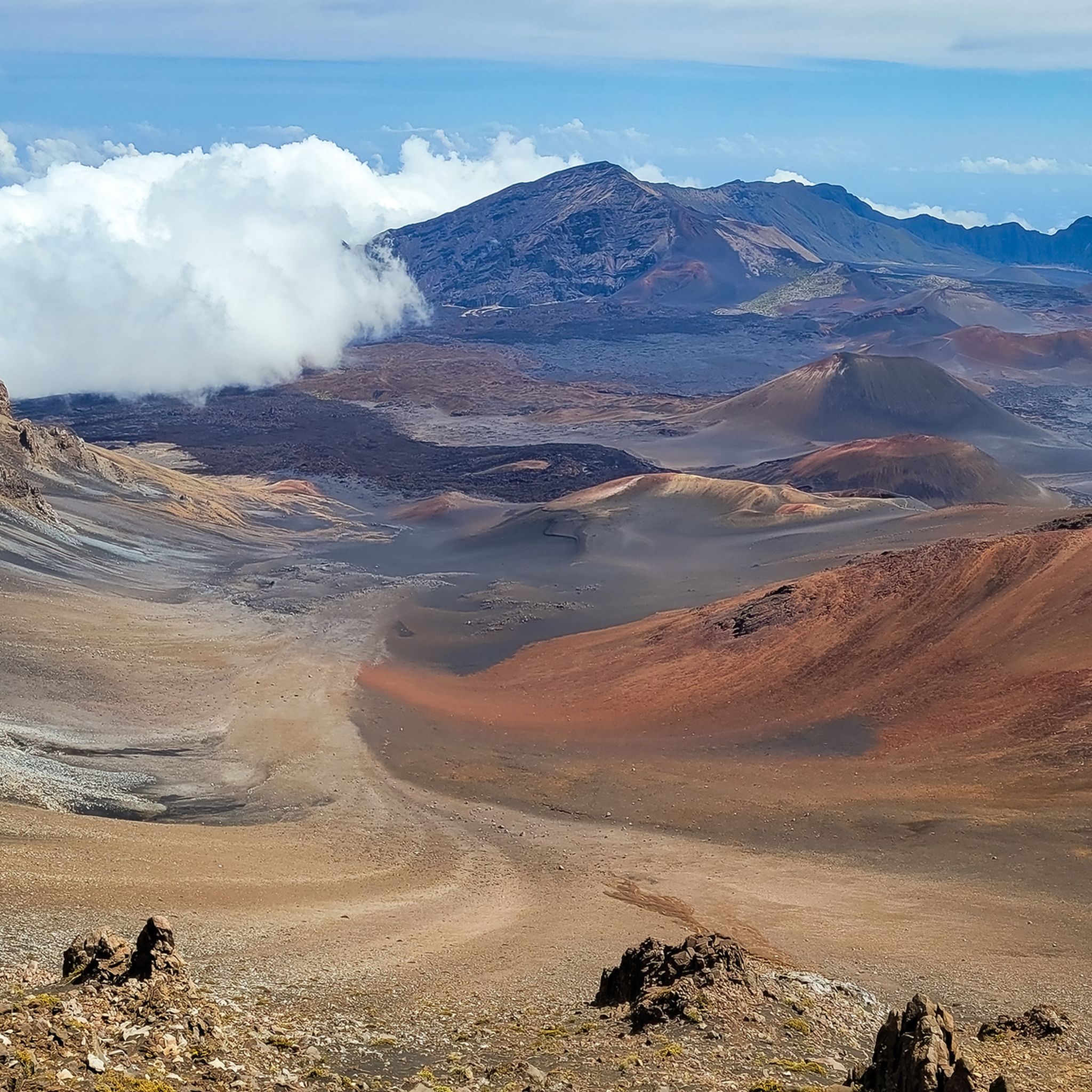
Hiking in Haleakala National Park
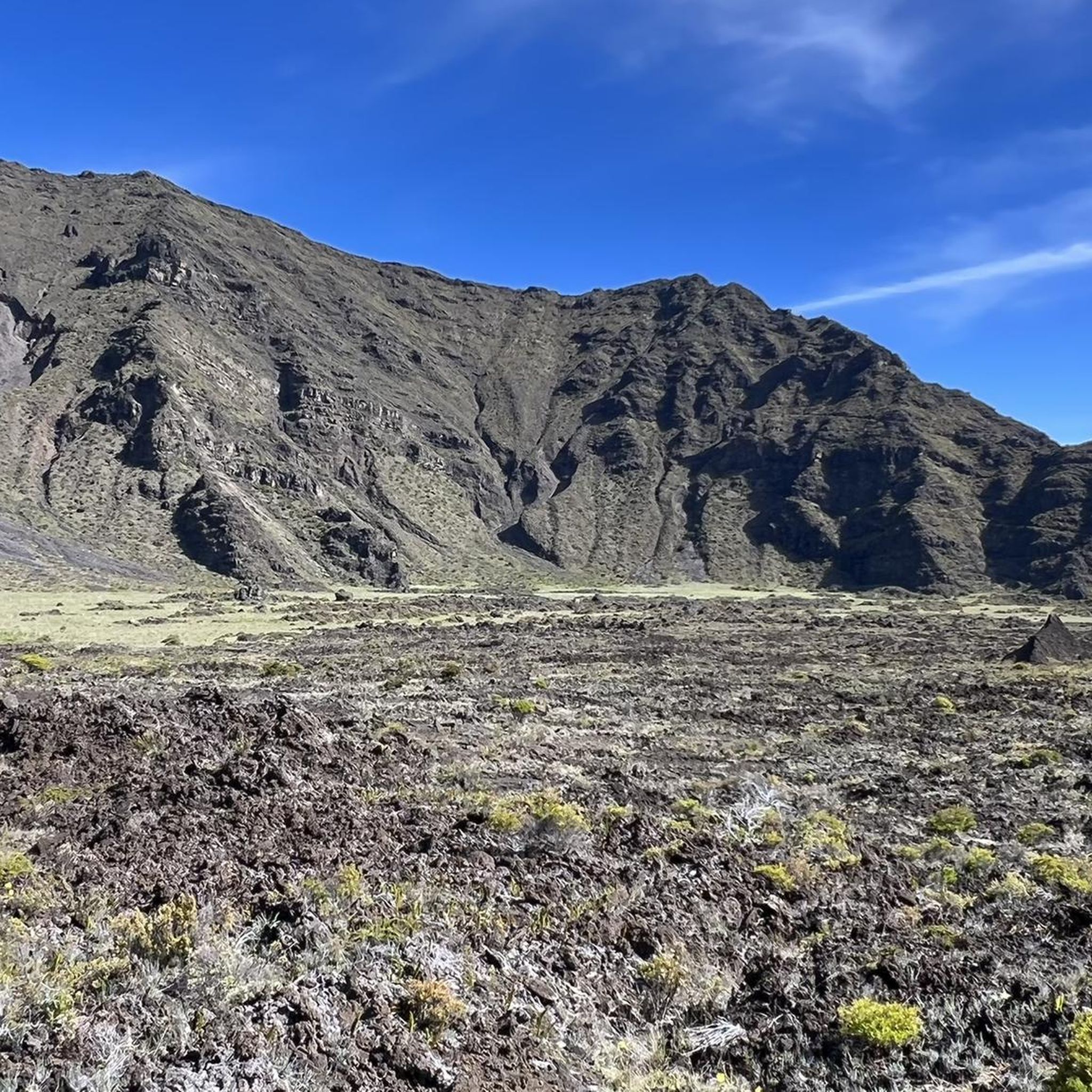
Cycling in Haleakala National Park
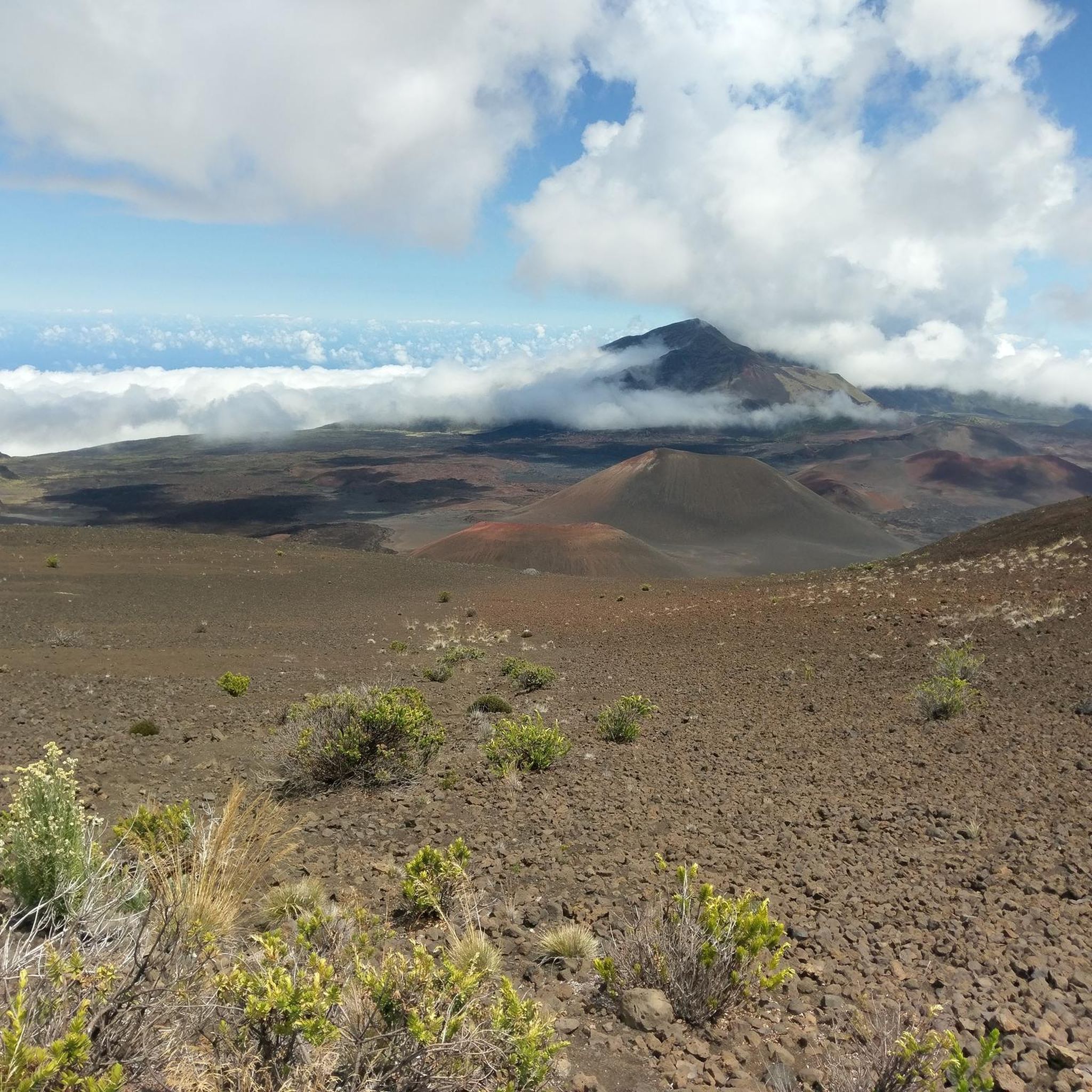
Running Trails in Haleakala National Park
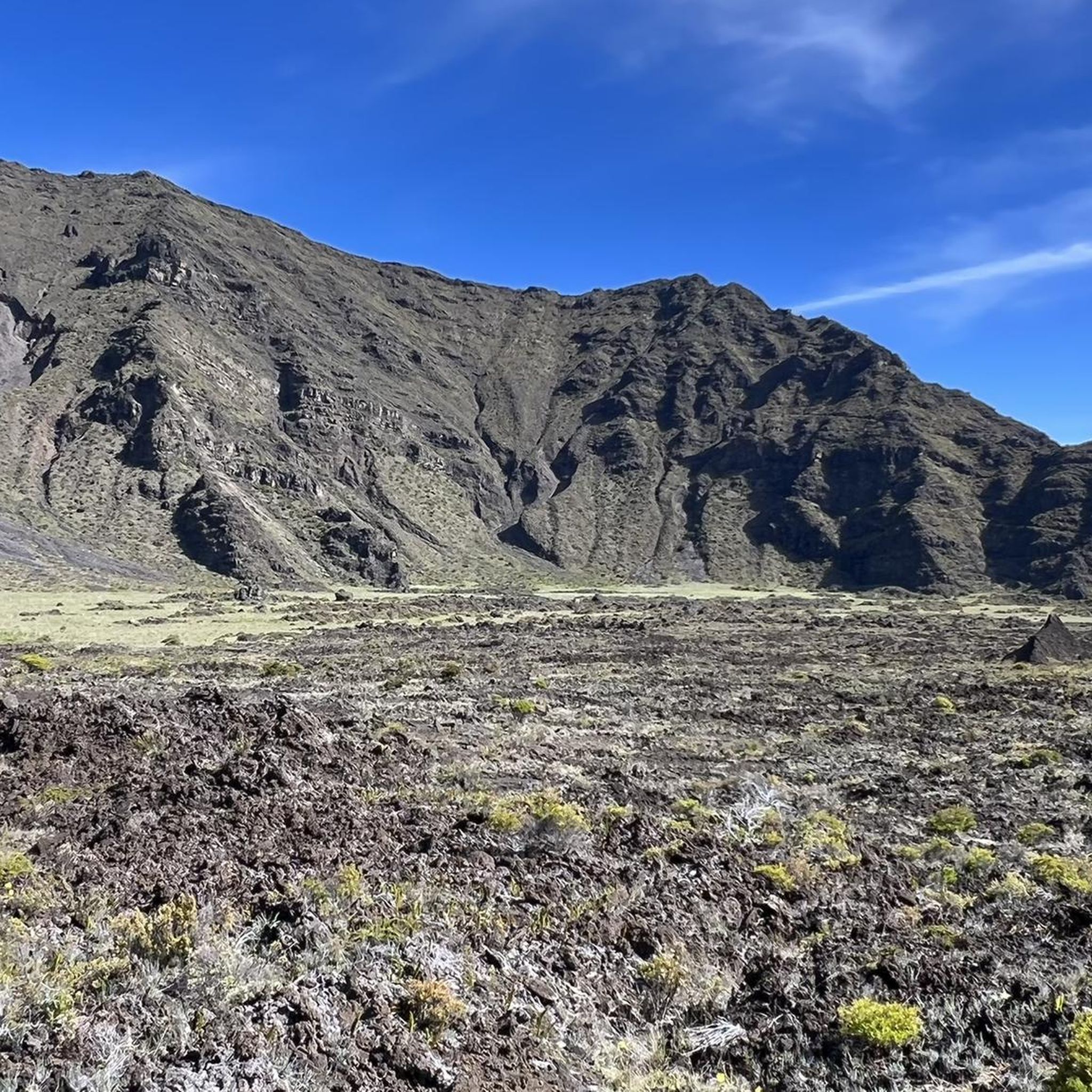
Road Cycling Routes in Haleakala National Park
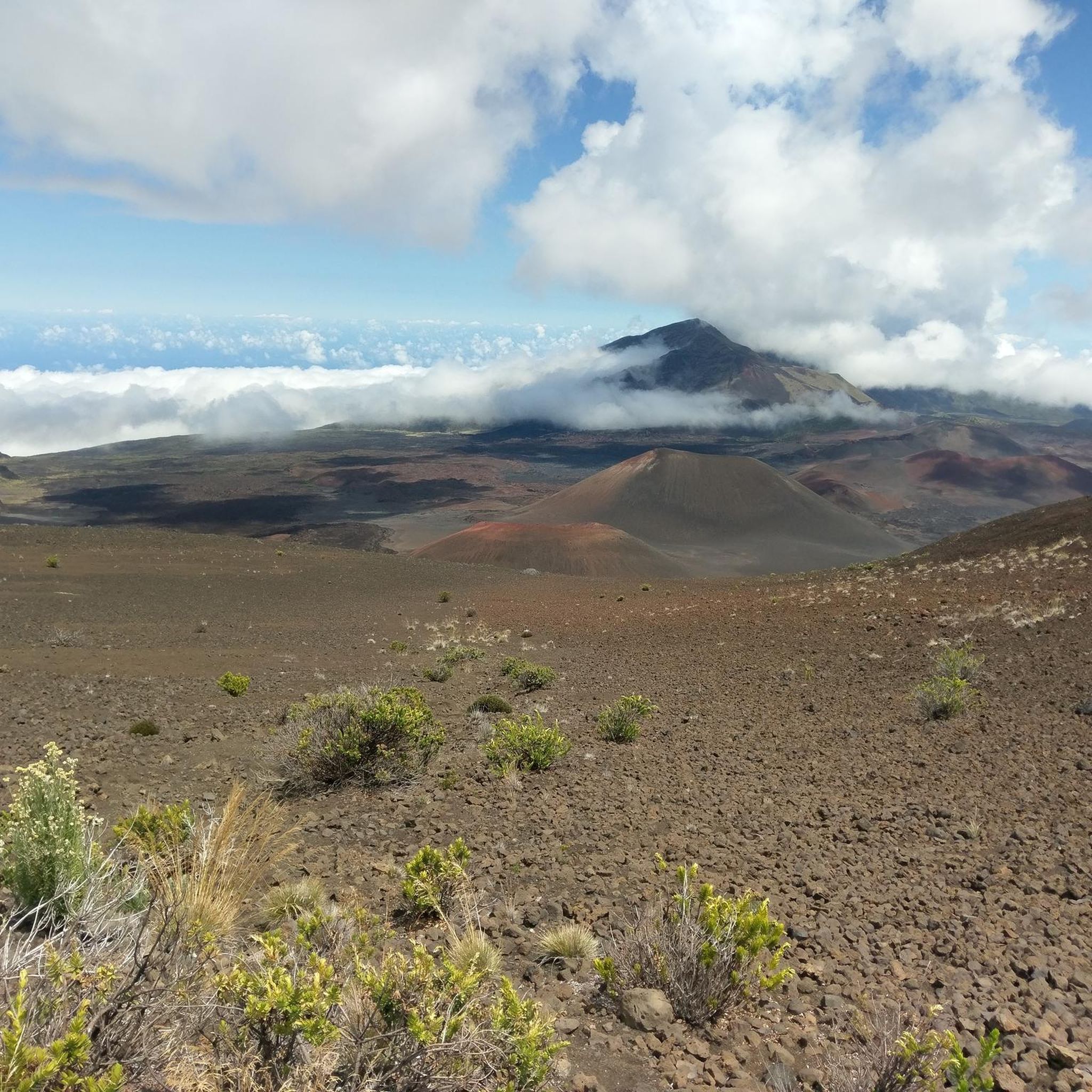
MTB Trails in Haleakala National Park


Tips from the Community

A remarkable natural spectacle, accessible via an easy hike, partly along wooden plank paths. Direct access is prohibited.
0
0

This is a wonderful drive on an excellent road up to 3060 m altitude. We drove partly through clouds and short before the summit it cleared up and we got awarded with an outstanding view around the island.
0
0

This majestic waterfall cascades down a sheer lava rock wall for 400 feet, creating a boulder-strewn pool at its base. It is one of the tallest waterfalls on Maui and boasts breathtaking views of the surrounding landscape. You will be greeted with mist, wind, and a vast jungle rock face that will leave a lasting impression. While you may be tempted to take a dip in the pool below, it's important to note that getting too close to the waterfall can be dangerous due to the risk of falling rocks from its 400-foot drop.
0
0
The Visitor Center is open daily, with outside accessible restrooms available 24 hours daily. Inside, there are panoramic orientation tables of the landscape and knowledgeable staff that can provide information on the history of Haleakalā, which means house of the sun, and its importance to the indigenous peoples. The view from here is stunning, and if you plan early, this is an excellent spot to watch the sunrise, which has been a visitor attraction since the late 1800s.
0
0

You will expend a lot of energy on the loose black sand towards the crater floor. Ok going down, but if you plan to go back up this way, it is taxing. Wear gaiters if available prevent sand and small rocks from getting into your shoes.
1
0

Breathtakingly beautiful! A must have
0
0

Wild boars and bamboo "knocking" in the wind...great!
4
0
Frequently Asked Questions
What are some of the most popular trails for exploring Haleakala National Park?
For a unique volcanic experience, the Keonehe‘ehe‘e Trail (Sliding Sands) Middle Segment offers a grandiose play of colors as you descend into the Haleakalā Crater. In contrast, the Kīpahulu District features the Waimoku Falls trail, a 400 ft waterfall reached via a boardwalk through a beautiful bamboo forest.
Are there any family-friendly activities or trails in Haleakala National Park?
Yes, the Haleakalā Visitor Center is a great starting point for families, offering panoramic views and educational insights into the park's history. While many trails can be challenging, shorter walks around the summit area or the initial parts of trails like the Pipiwai Trail (leading to Waimoku Falls) can be suitable for families, depending on their fitness levels.
What are the best viewpoints in Haleakala National Park?
The summit area offers breathtaking panoramic views. The Haleakalā Visitor Center is an excellent spot, especially for sunrise viewing. The Summit Building also provides spectacular vistas, often above the clouds, and is a must-see on Maui.
What unique natural features can I expect to see in the park?
Haleakalā National Park is home to diverse natural features. The immense Haleakalā Crater presents a surreal, Mars-like landscape with cinder cones. Along the Keonehe‘ehe‘e Trail (Sliding Sands), you can encounter unique formations like Split Rock, where the trail passes directly between two parts of a large rock. The Kīpahulu District, in contrast, features lush bamboo forests and cascading waterfalls like Waimoku Falls.
What is the best time to visit Haleakala National Park?
Haleakalā National Park offers different experiences throughout the day and year. Sunrise viewing from the summit is highly popular, but requires reservations. The park's diverse climate zones mean weather can vary significantly; the summit is always colder than the base, so layering is essential regardless of the season. For specific weather patterns, it's advisable to check forecasts closer to your visit.
Are there opportunities for outdoor activities like running or cycling near the attractions?
Yes, Haleakala National Park offers various outdoor activities. For runners, you can explore running trails that include routes to Waimoku Falls via the Pīpīwai Trail or the Keonehe‘ehe‘e (Sliding Sands) Trail. Cyclists can find challenging cycling routes and road cycling routes, such as the ascent to Haleakalā via the Park Headquarters Visitor Center.
What should I pack for a visit to Haleakala National Park, especially for sunrise viewing?
Due to the high elevation, temperatures at the summit can be significantly colder than at sea level, even in Hawaii. For sunrise viewing or any visit to the summit, it's crucial to pack warm layers, including a jacket, hat, and gloves. Sturdy shoes are recommended for hiking. Don't forget water, snacks, and sunscreen.
How can I experience the cultural significance of Haleakala National Park?
Haleakalā holds profound cultural and spiritual significance for Native Hawaiians. While many areas are reserved for traditional rituals, visitors can learn about this heritage at the Haleakalā Visitor Center, which provides information on the park's importance to indigenous peoples. Observing the sunrise from the summit, a practice with deep historical roots, also connects visitors to this cultural legacy.
Are there any specific permits required to visit Haleakala National Park?
Yes, reservations are required for sunrise viewing at the Haleakalā summit due to its popularity. It's essential to secure these permits in advance, as they are often booked quickly. Standard park entrance fees also apply, which can sometimes be covered by passes like the Hawaii Tri-Park Pass.
What are some less crowded spots or activities in Haleakala National Park?
While the summit sunrise is popular, exploring trails deeper into the crater, such as the full Keonehe‘ehe‘e Trail (Sliding Sands), can offer a more solitary experience. The Kīpahulu District, though popular, can feel less crowded if visited early or late in the day, allowing for a more serene walk through the bamboo forest to Waimoku Falls.
What do visitors enjoy most about Haleakala National Park?
Visitors frequently highlight the breathtaking views, especially the sunrises and sunsets from the summit, often above the clouds. The unique volcanic landscapes of the crater and the stark contrast with the lush, tropical Kīpahulu District, particularly the bamboo forest leading to Waimoku Falls, are also highly appreciated. Many find the experience of traversing diverse ecosystems and witnessing the natural beauty to be sensational and unforgettable.
Most popular routes in Haleakala National Park
Most popular attractions in Haleakala National Park

Get inspired with the komoot mobile app


Explore more
Still not found the Highlight you’re looking for? See guides of the top attractions in other regions:
