Attractions and Places To See in District of Columbia - Top 20
Best attractions and places to see in District of Columbia include a concentration of iconic landmarks and significant cultural sites. The region is characterized by its urban landscape interspersed with notable natural features like the Potomac River and Rock Creek Park. These areas offer green spaces and opportunities for outdoor activities within the metropolitan environment. Visitors can explore a diverse range of historical monuments, museums, and natural attractions.
Best attractions and places to see in District of Columbia
- The most…
Last updated: October 10, 2026
Lincoln Memorial
Highlight • Monument
Tip by

World War II Memorial
Highlight • Monument
Tip by
Sign up now to discover places like this
Get recommendations on the best single tracks, peaks, & plenty of other exciting outdoor places.
Washington Monument
Highlight • Monument
Tip by

White House
Highlight • Monument
On the south side you can still see the seat of government quite well from a distance.
Translated by Google •
Tip by

Capitol Reflecting Pool
Highlight • Lake
Translated by Google •
Tip by

U.S. Capitol
Highlight • Monument
Translated by Google •
Tip by

Vietnam Veterans Memorial
Highlight • Monument
Tip by
Martin Luther King Jr. Memorial
Highlight • Monument
Translated by Google •
Tip by
Beach Drive, Rock Creek Park
Highlight (Segment) • Cycleway
Tip by

Smithsonian National Museum of Natural History
Highlight • Monument
Translated by Google •
Tip by
Sign up for free to discover even more attractions in District of Columbia.
Already have an account?
Start today with a free account
Your next adventure awaits.
Popular around District Of Columbia
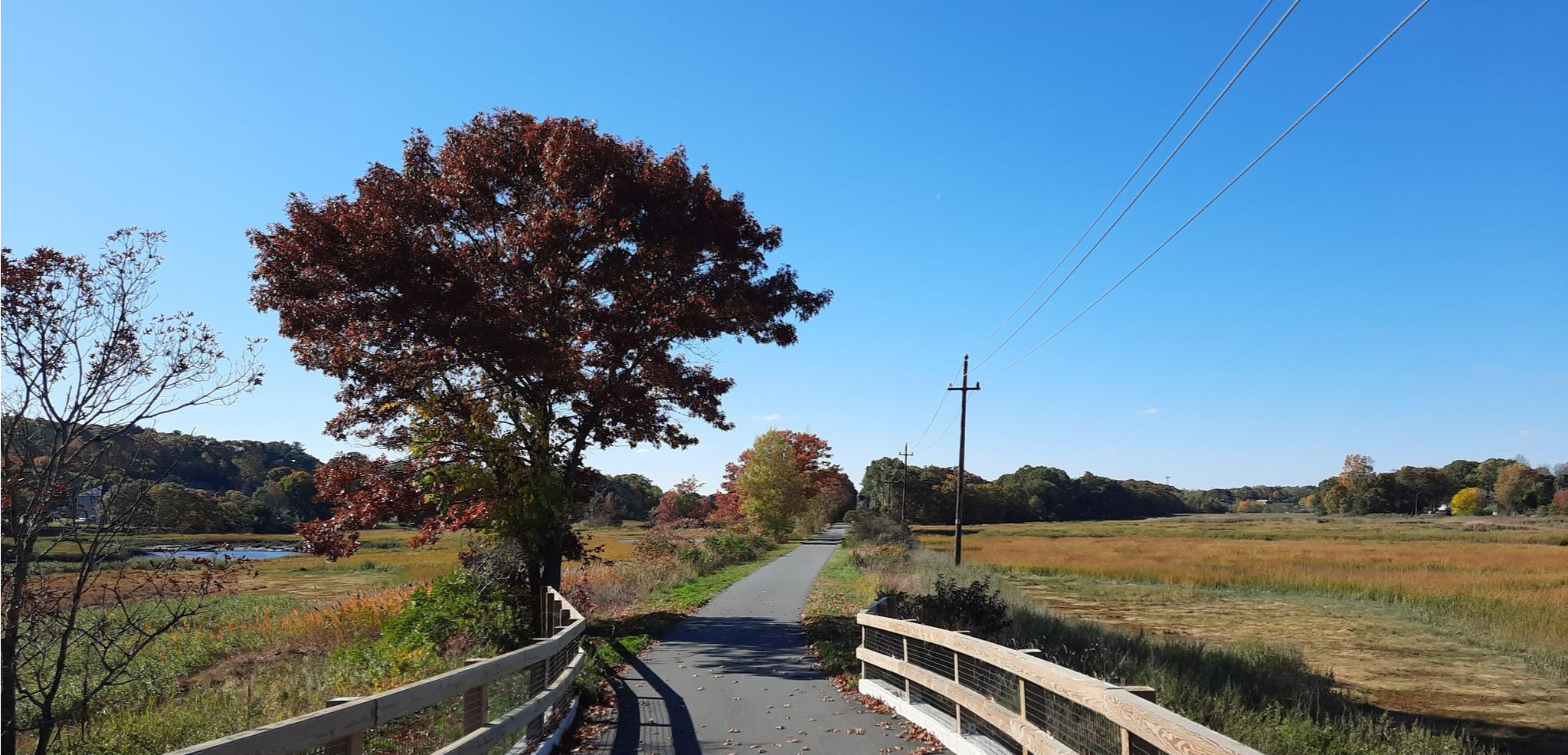
East Coast Greenway — An unforgettable ride along the Atlantic Seaboard
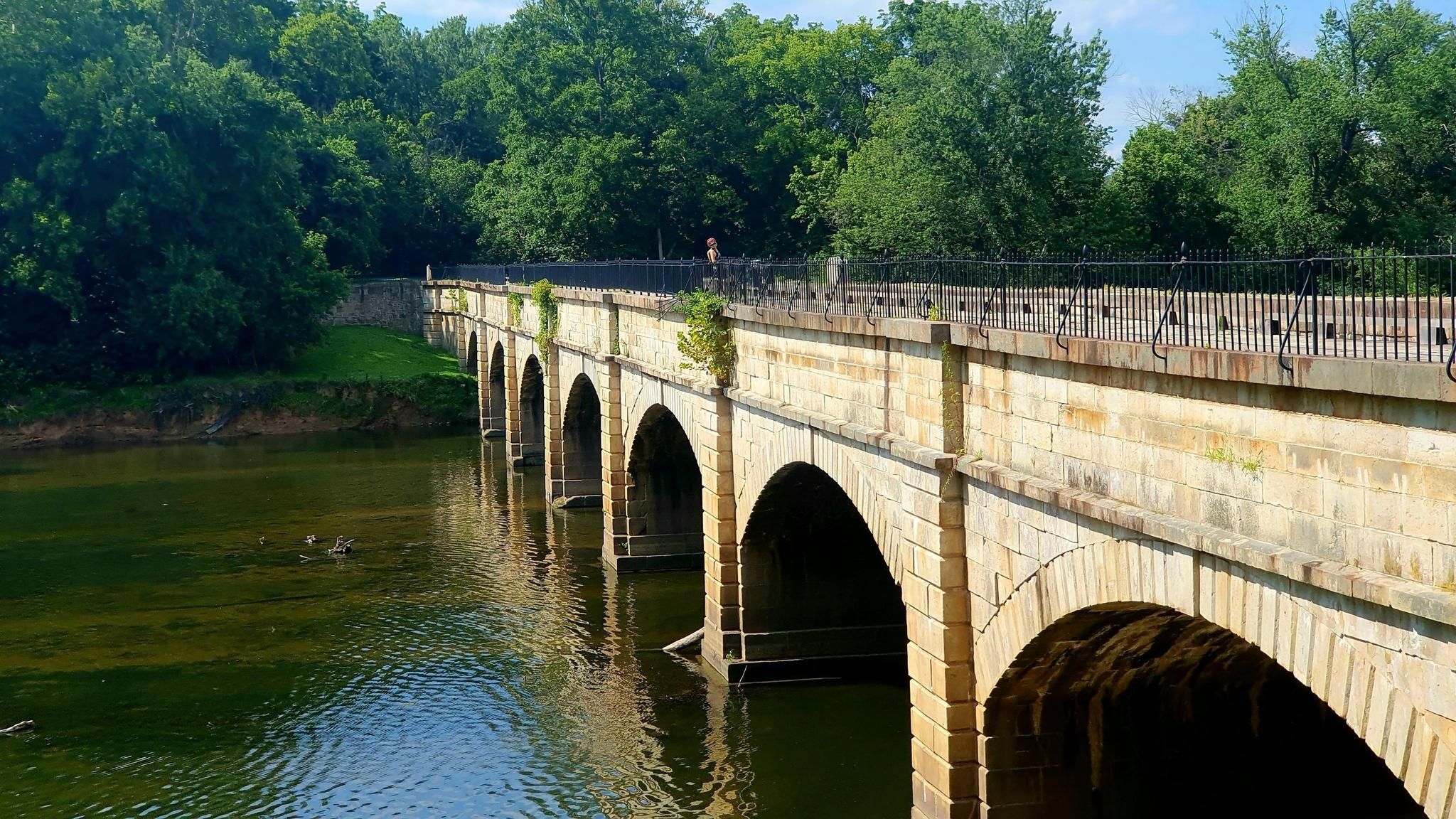
Potomac Heritage National Scenic Trail — Exploring a historic corridor
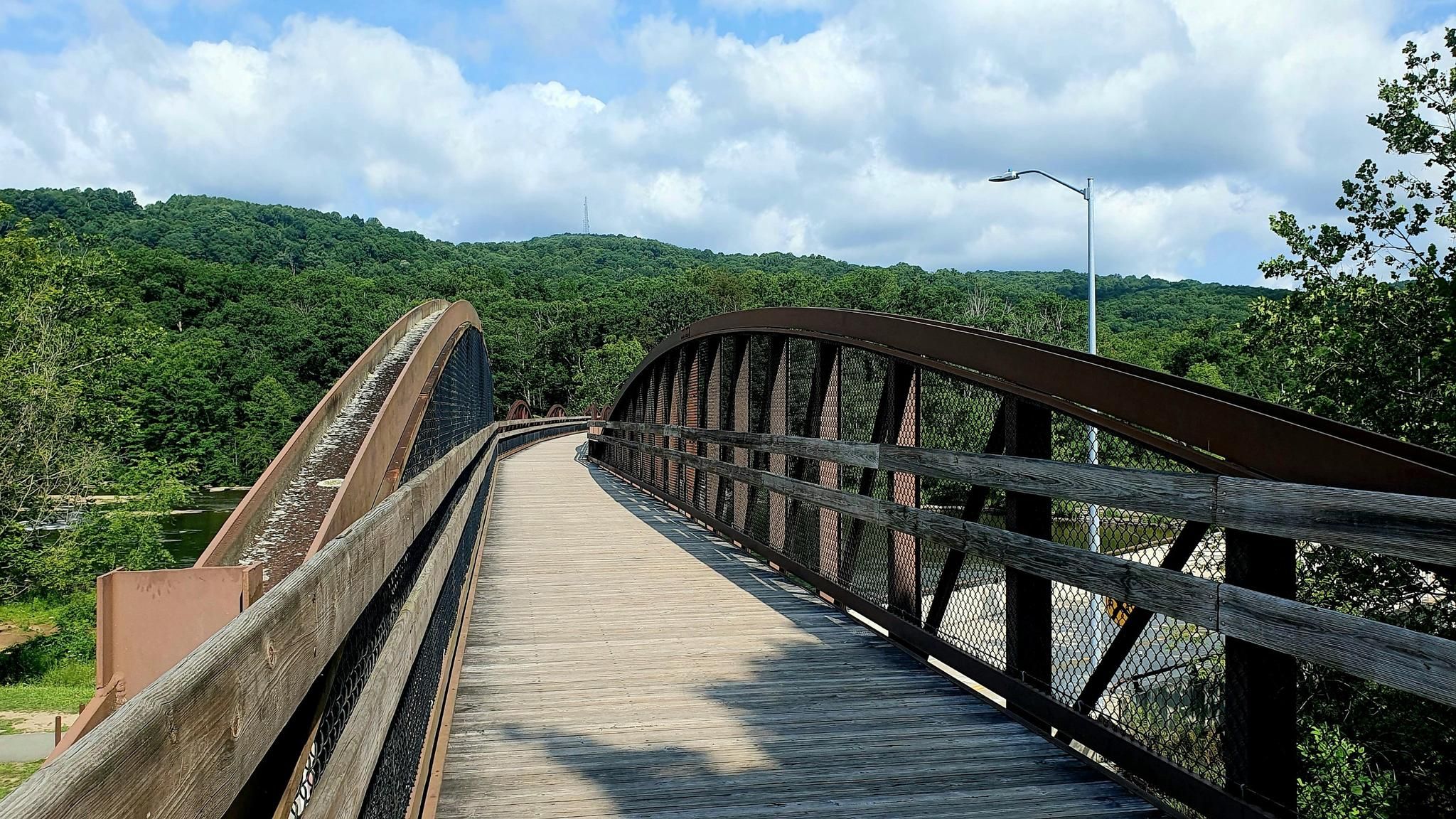
Potomac Heritage National Scenic Trail — Cycle the nation's river
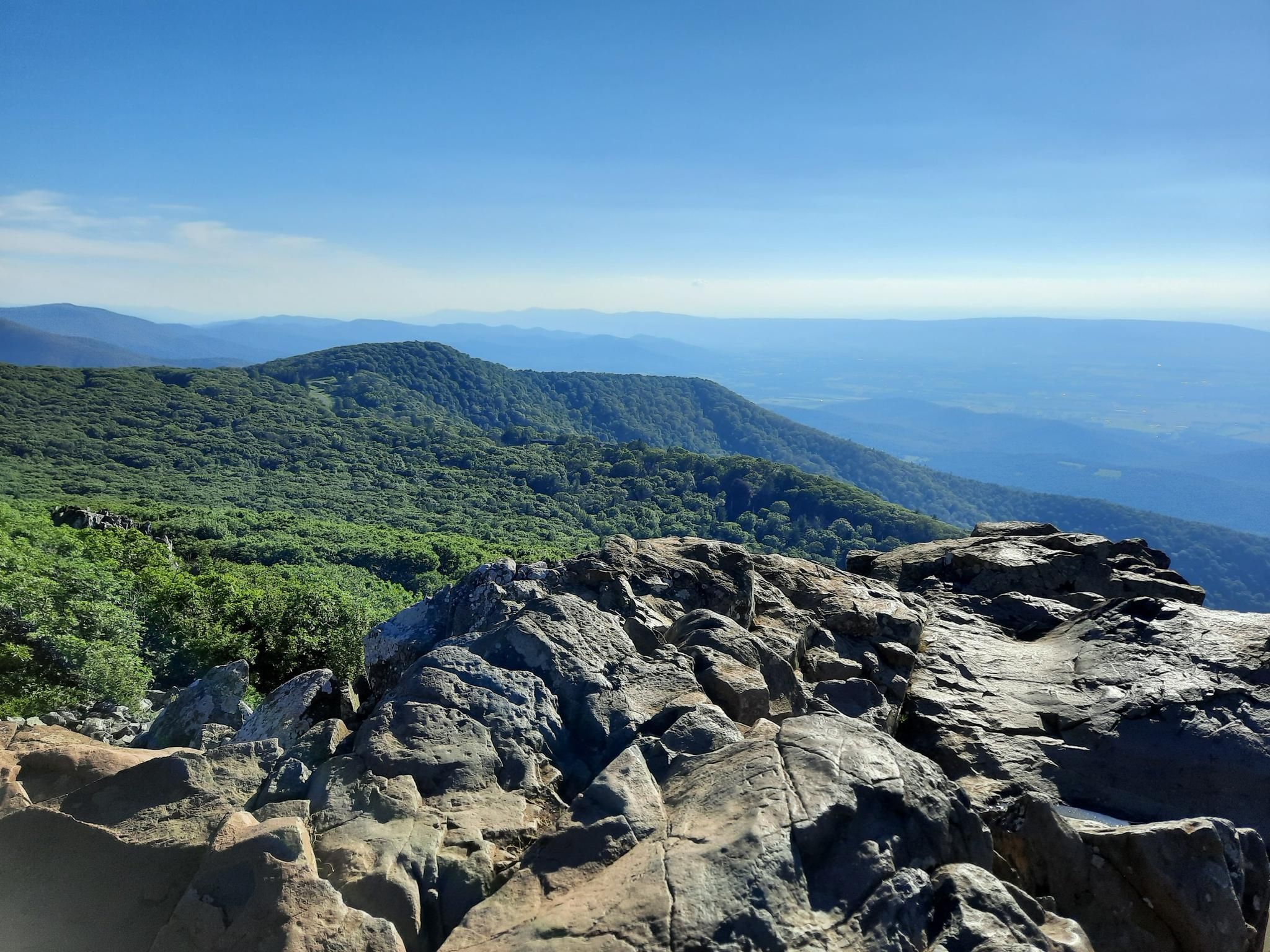
Stunning views, waterfalls and adventures in northeast USA
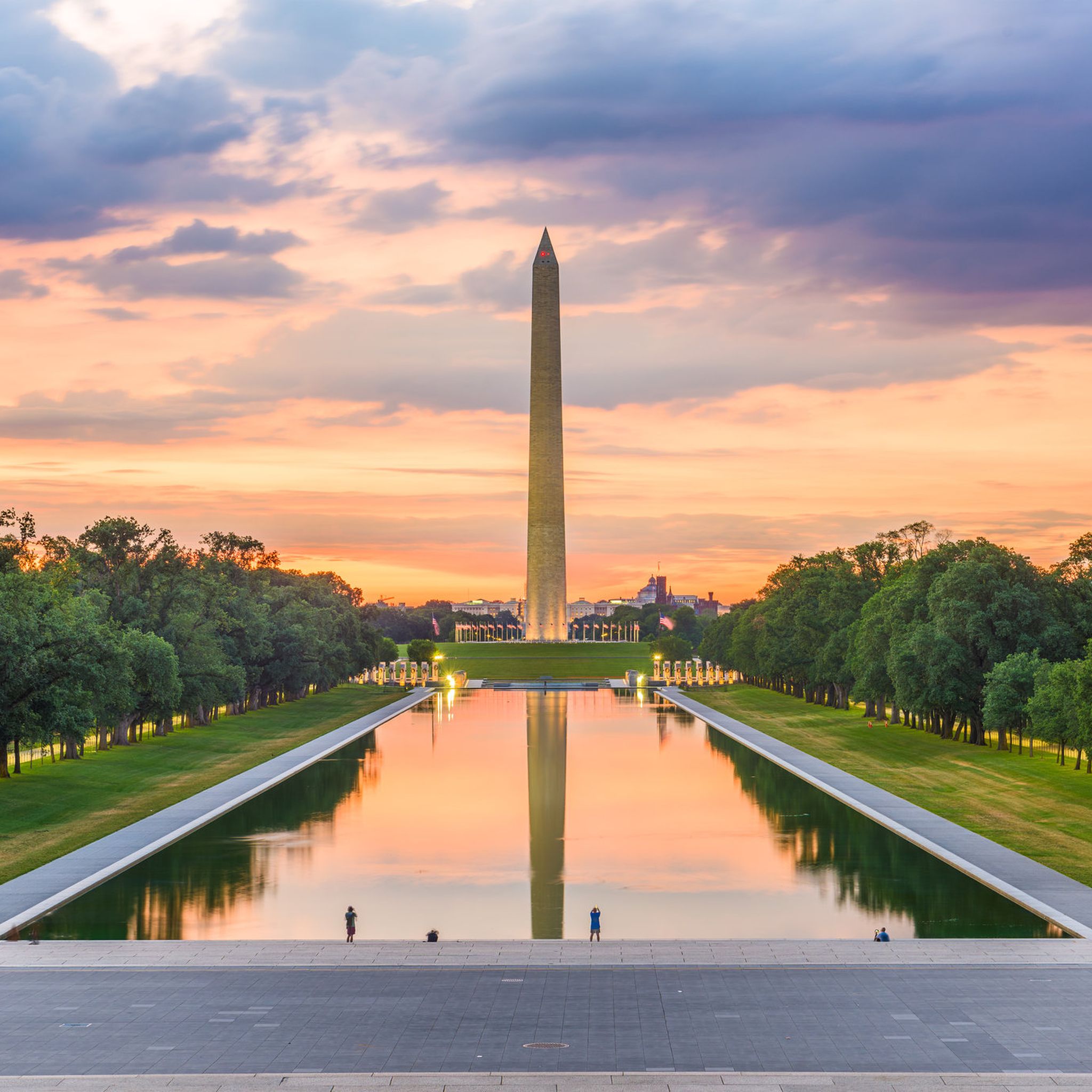
Hiking in District of Columbia
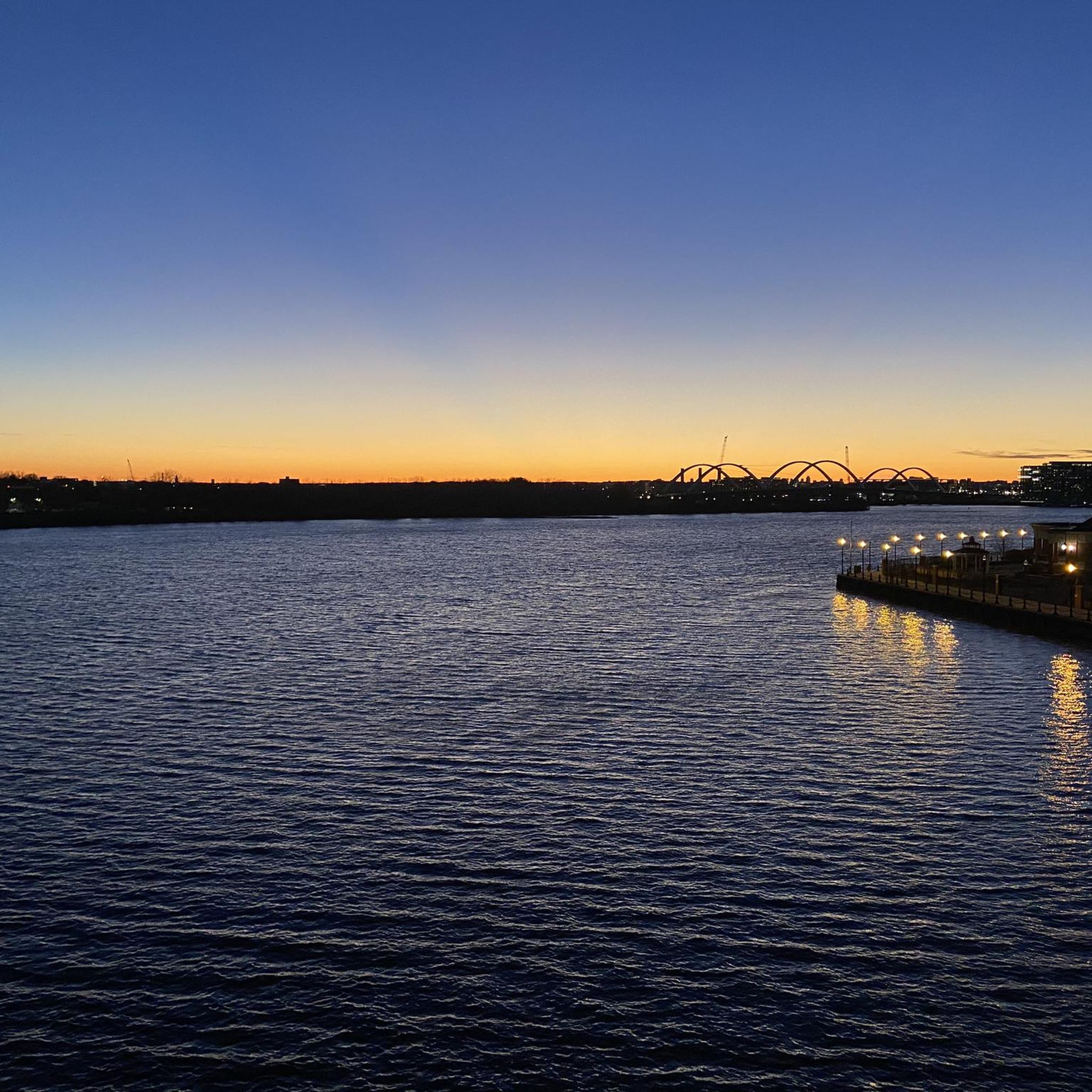
Road Cycling Routes in District of Columbia

Cycling in District of Columbia
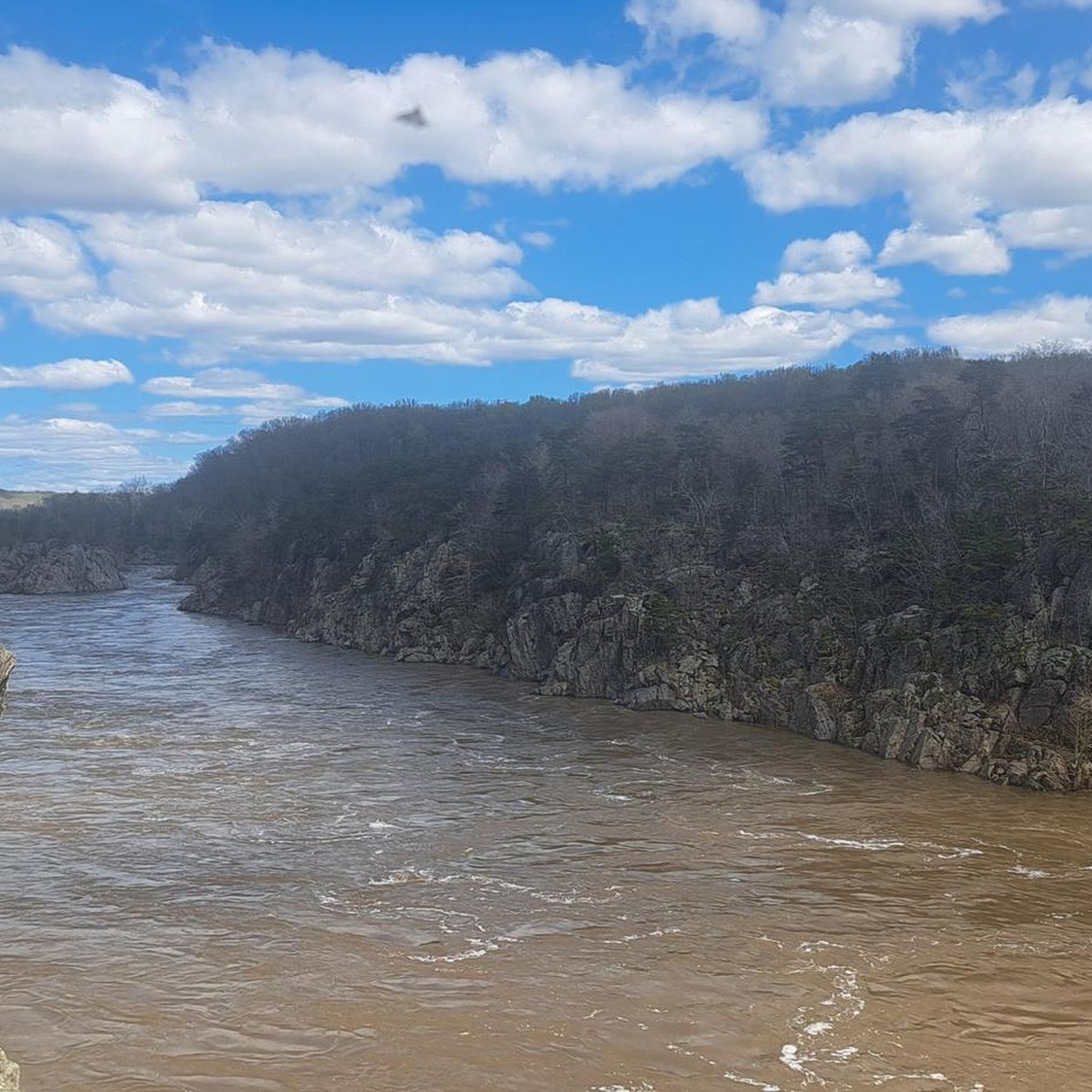
Running Trails in District of Columbia
Gravel biking in District of Columbia
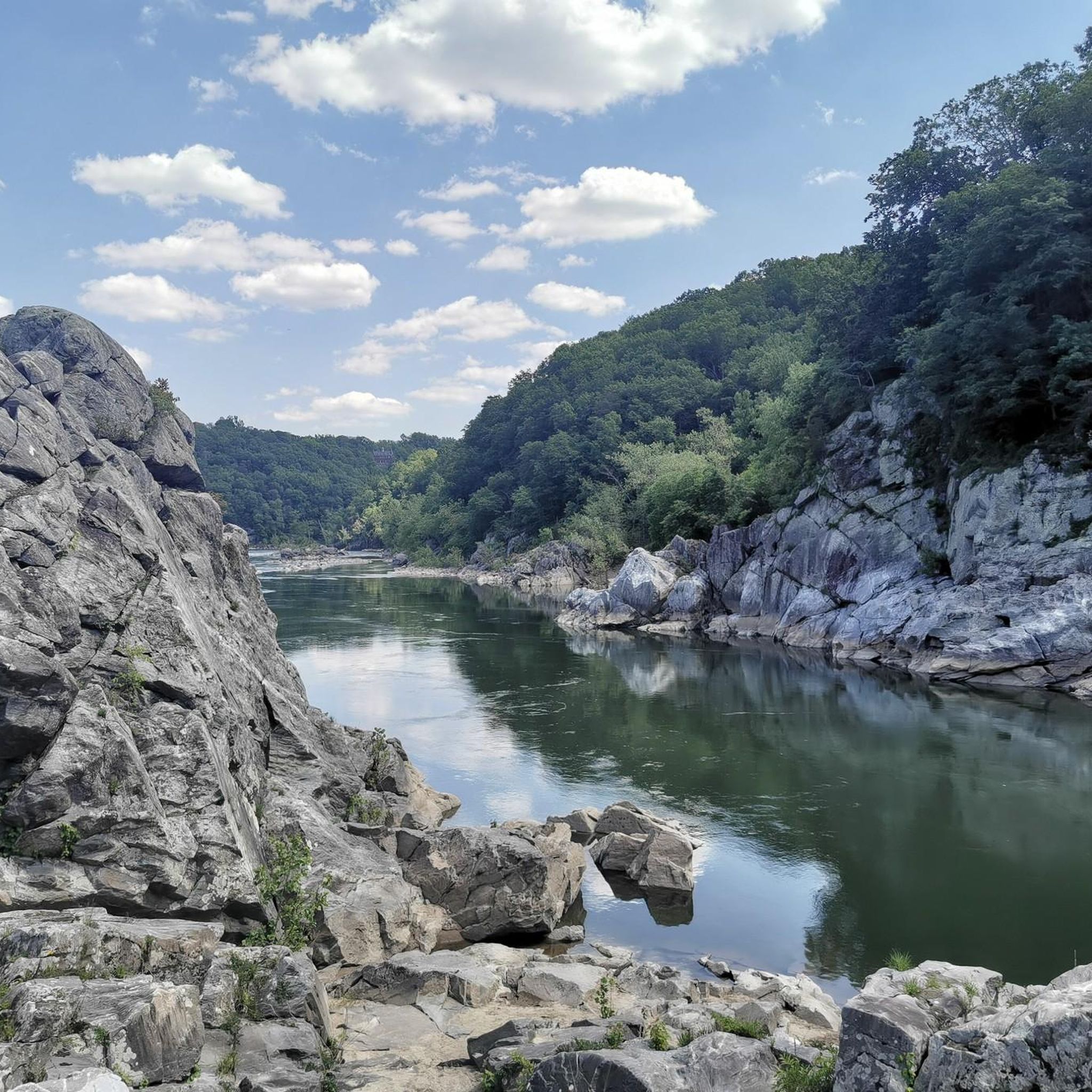
MTB Trails in District of Columbia
Other adventures in District of Columbia


Tips from the Community


An impressive museum. And like all public museums in Washington, admission is free.
0
0


great museum with very good exhibitions
0
0
This is a wonderful museum with great exhibits and exhibitions. It's modern and very easy to understand.
0
0

Martin Luther King Jr Memorial, Washington, United States 🇺🇸 The Martin Luther King Jr. Memorial stands as a powerful tribute to the iconic civil rights leader. Located in Washington D.C., near the National Mall, the memorial captures the essence of Dr. King's legacy through a striking sculpture and inscriptions of his memorable quotes. The centerpiece is the "Stone of Hope," a massive granite sculpture depicting Dr. King emerging from two other stones, symbolizing the struggle for justice and equality. The memorial's design incorporates elements that reflect Dr. King's philosophy and the civil rights movement. The surrounding plaza features a wall inscribed with excerpts from his speeches and writings, inviting visitors to reflect on his profound impact. The cherry trees that line the Tidal Basin, where the memorial is situated, add a touch of serenity to the site, creating a space for contemplation and remembrance. Visiting the Martin Luther King Jr. Memorial offers a deeply moving experience. It serves as a reminder of the ongoing pursuit of equality and justice, inspiring visitors to carry on Dr. King's dream. The memorial's location near other significant landmarks in the nation's capital makes it an essential stop for anyone seeking to understand American history and the fight for civil rights.
4
0
Frequently Asked Questions
What are some family-friendly attractions in District of Columbia?
District of Columbia offers many attractions suitable for families. Iconic landmarks such as the Lincoln Memorial, Washington Monument, and U.S. Capitol are generally family-friendly. Many Smithsonian museums, including the National Museum of Natural History and the National Air and Space Museum, offer engaging exhibits for all ages and free admission. Rock Creek Park also provides extensive green spaces and trails for outdoor family activities.
Which attractions in District of Columbia are wheelchair accessible?
Many of D.C.'s major attractions are designed to be accessible. The Lincoln Memorial, World War II Memorial, Washington Monument, Capitol Reflecting Pool, Vietnam Veterans Memorial, Martin Luther King Jr. Memorial, and Korean War Veterans Memorial are all noted for their wheelchair accessibility. Most Smithsonian museums are also fully accessible.
What natural features can I explore in District of Columbia?
Despite being a major city, D.C. offers several significant natural features. The Potomac River and Anacostia River provide scenic views and recreational opportunities. Rock Creek Park is a vast urban oasis with trails for hiking, biking, and horseback riding. The Tidal Basin is famous for its cherry trees and offers a tranquil setting. The United States National Arboretum and Kenilworth Park & Aquatic Gardens showcase diverse plant collections and unique wetlands.
Are there good hiking trails near the attractions in District of Columbia?
Yes, District of Columbia offers various hiking opportunities, particularly within its green spaces. Rock Creek Park features numerous trails suitable for different difficulty levels. For more detailed information on routes, you can explore the Hiking in District of Columbia guide, which includes trails like the moderate 'Memorial Trail via Jefferson Memorial' and easy loops on Theodore Roosevelt Island.
What are some notable historical sites beyond the main monuments?
Beyond the prominent memorials, D.C. is rich in historical sites. You can visit Ford's Theatre, the site of Abraham Lincoln's assassination, which also functions as a museum. The Library of Congress is a stunning architectural marvel and one of the largest libraries globally. Georgetown is a historic district known for its charming streets and architecture. For a deeper dive into American history, consider a visit to Arlington National Cemetery or George Washington's Mount Vernon just outside the city.
What is the best time of year to visit District of Columbia attractions?
Spring (March to May) is popular for the cherry blossoms around the Tidal Basin and pleasant weather for sightseeing. Fall (September to November) also offers comfortable temperatures and beautiful foliage. Summers can be hot and humid, while winters are generally cold, though indoor attractions remain accessible year-round.
Are there any unique or lesser-known attractions in District of Columbia?
For unique experiences, consider the International Spy Museum, which offers interactive exhibits on espionage. The United States National Arboretum provides a peaceful escape with diverse plant collections. Hillwood Estate, Museum & Gardens showcases Russian imperial art and French decorative art in a beautiful setting. Eastern Market is one of the city's few remaining public markets, offering local goods and food.
What indoor attractions are available for rainy days in District of Columbia?
D.C. has an abundance of indoor attractions perfect for rainy days. The Smithsonian Institution operates numerous world-class museums, many with free admission, including the National Museum of Natural History, National Air and Space Museum, and National Museum of African American History and Culture. Other options include the National Gallery of Art, United States Holocaust Memorial Museum, and the International Spy Museum.
Can I find mountain biking trails in District of Columbia?
Yes, there are mountain biking opportunities in District of Columbia. Areas like Rock Creek Park offer trails suitable for mountain biking. For specific routes and difficulty levels, refer to the MTB Trails in District of Columbia guide, which lists routes such as the 'Fishing Shore Beach – Chesapeake & Ohio Canal Trail loop'.
What do visitors enjoy most about the attractions in District of Columbia?
Visitors frequently appreciate the historical significance and impressive scale of D.C.'s monuments and memorials, often finding them awe-inspiring. The free access to many world-class museums, particularly those of the Smithsonian, is also highly valued. The city's green spaces, like Rock Creek Park, are enjoyed for providing a natural escape within the urban environment.
Are there any attractions in District of Columbia that are dog-friendly?
While many indoor attractions and memorials have restrictions, D.C. offers several dog-friendly outdoor spaces. Rock Creek Park has numerous trails where leashed dogs are welcome. The National Mall's expansive green areas are also popular for walks with dogs, though specific memorial interiors or buildings may not permit pets. Always check individual attraction rules before visiting.
How can I get to attractions using public transport in District of Columbia?
District of Columbia has an extensive public transportation system, primarily the Metrorail (subway) and Metrobus, making it easy to access most major attractions. Many key sites, including those on the National Mall and Smithsonian museums, are within walking distance of Metro stations. Using public transport is often recommended due to limited parking in popular areas.
Most popular routes in District of Columbia
Most popular attractions in District of Columbia

Get inspired with the komoot mobile app


Didn’t find what you were looking for?
Are you keen on exploring more awesome places nearby? Browse our guides:
Explore more
Still not found the Highlight you’re looking for? See guides of the top attractions in other regions:
