The best gravel rides in District of Columbia
5.0
(9)
359
riders
25
rides
Gravel biking in District of Columbia features a network of diverse trails that combine urban accessibility with natural beauty. The region is characterized by river paths, historical towpaths, and expansive green spaces, providing varied terrain for gravel cycling routes. Riders can explore the C&O Canal Towpath, Rock Creek Park, and routes along the Potomac River, which offer a mix of flat sections and gentle elevation changes. These best gravel bike trails in Washington D.C. traverse both developed areas and more rugged natural environments.
Best gravel bike trails in District of Columbia
- The most popular gravel bike trail is Francis Scott Key Bridge – Horseshoe Bend at Great Falls loop from Dupont Circle, a 29.9 miles (48.3 km) trail that takes 3 hours 37 minutes to complete. This route follows sections of the C&O Canal Towpath and offers views of the Potomac River.
- Another top favourite among local gravel bikers is Horseshoe Bend at Great Falls – Pennyfield Lock loop from East Falls Church, a difficult 62.1 miles (99.9 km) path. This route includes significant sections of the C&O Canal Towpath and passes by Great Falls.
- Local gravel bikers also love the Beach Drive, Rock Creek Park – Francis Scott Key Bridge loop from Shaw–Howard University, a 36.9 miles (59.4 km) trail leading through Rock Creek Park, often completed in about 4 hours 24 minutes.
- Gravel biking in District of Columbia is defined by historical towpaths like the C&O Canal, the urban green spaces of Rock Creek Park, and paths along the Potomac River. The network offers options for various ability levels, from easy river-side rides to more challenging routes with moderate climbs.
- The routes in District Of Columbia are highly rated by the komoot community with an average score of 4.9 stars from over 9 reviews. More than 200 gravel bikers have used komoot to explore District Of Columbia's varied terrain.
Last updated: October 14, 2026
5.0
(6)
113
riders
Moderate gravel ride. Good fitness required. Mostly paved surfaces. Suitable for all skill levels.
57
riders
33.3km
02:01
180m
180m
Moderate gravel ride. Good fitness required. Mostly paved surfaces. Suitable for all skill levels.

5.0
(1)
18
riders
34.3km
01:58
210m
210m
Moderate gravel ride. Good fitness required. Mostly paved surfaces. Suitable for all skill levels.
15
riders
Moderate gravel ride. Good fitness required. Mostly paved surfaces. Suitable for all skill levels.
9
riders
Easy gravel ride. Great for any fitness level. Mostly paved surfaces. Suitable for all skill levels.
5.0
(1)
14
riders
20.8km
01:21
130m
130m
Hard gravel ride. Great for any fitness level. You may need to push your bike for some segments of this route.
13
riders
Moderate gravel ride. Good fitness required. Mostly paved surfaces. Suitable for all skill levels.
9
riders
Moderate gravel ride. Good fitness required. Mostly paved surfaces. Suitable for all skill levels.
17
riders
41.6km
02:33
240m
240m
Moderate gravel ride. Good fitness required. Mostly paved surfaces. Suitable for all skill levels.
4
riders
Hard gravel ride. Very good fitness required. Mostly paved surfaces. Suitable for all skill levels.
Get access to more routes and recommendations from other explorers.
Already have an account?
Our route recommendations are based on thousands of hikes, rides, and runs completed by other people on komoot.
Start today with a free account
Your next adventure awaits.
Popular around District Of Columbia
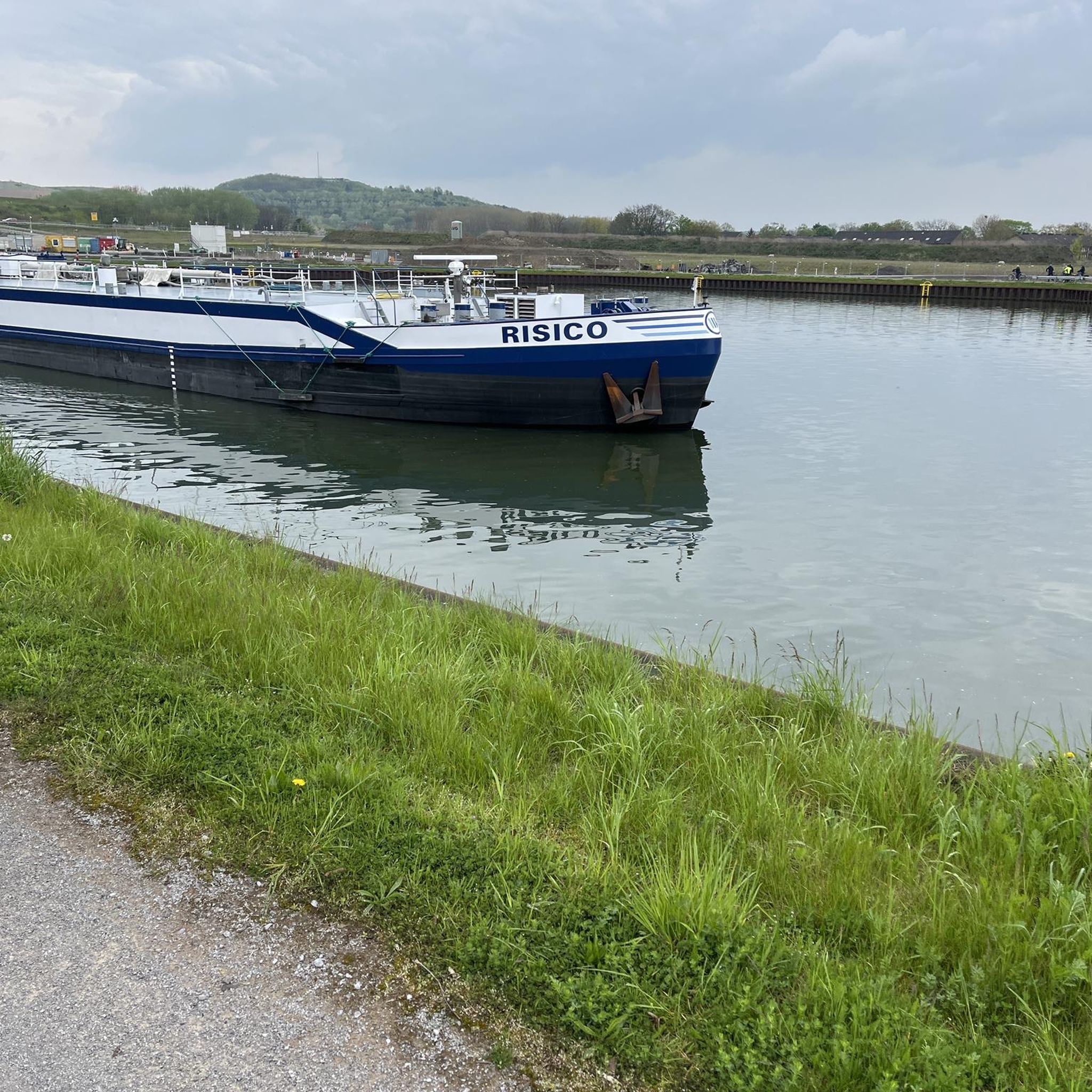
Gravel biking in Rock Creek Park And Piney Branch Parkway
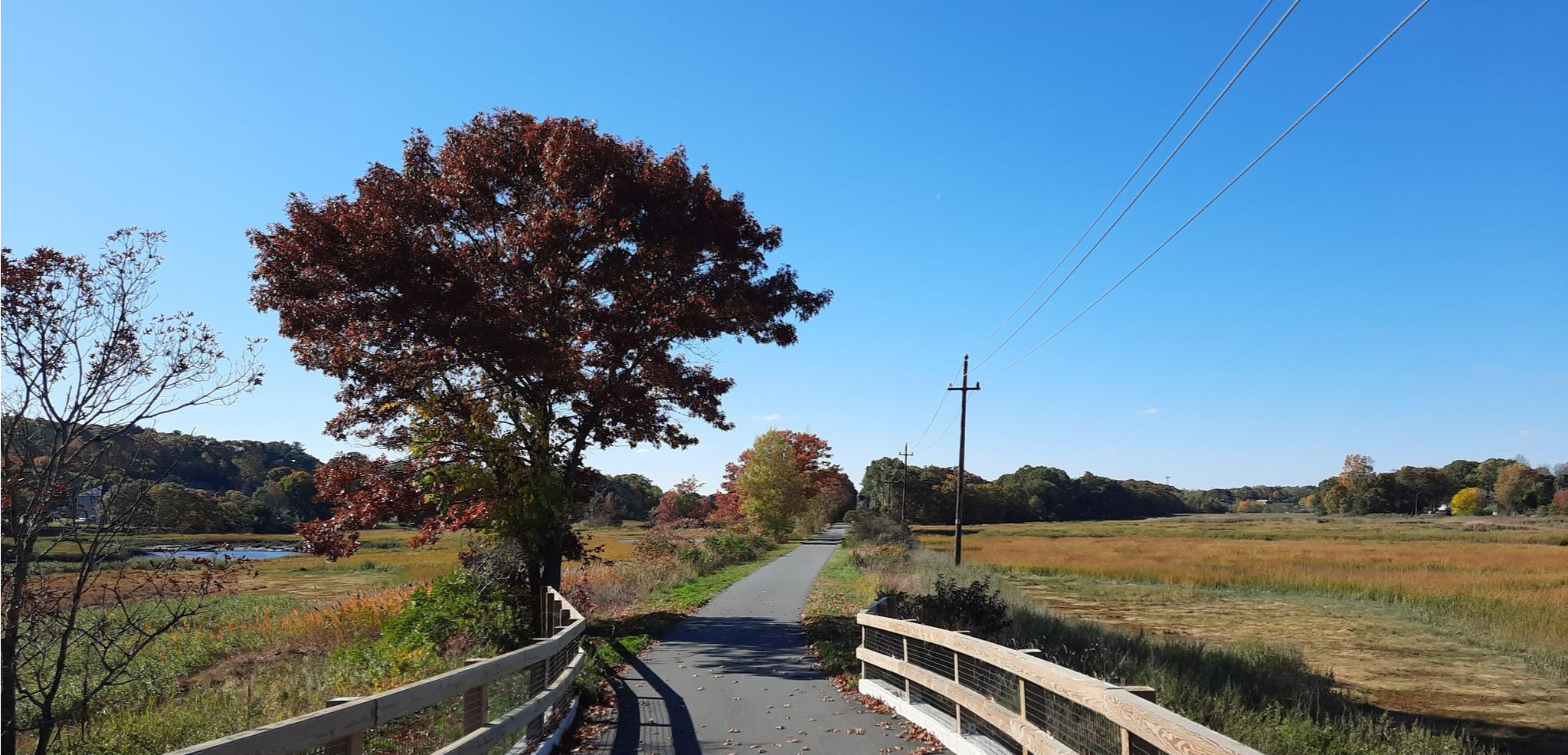
East Coast Greenway — An unforgettable ride along the Atlantic Seaboard
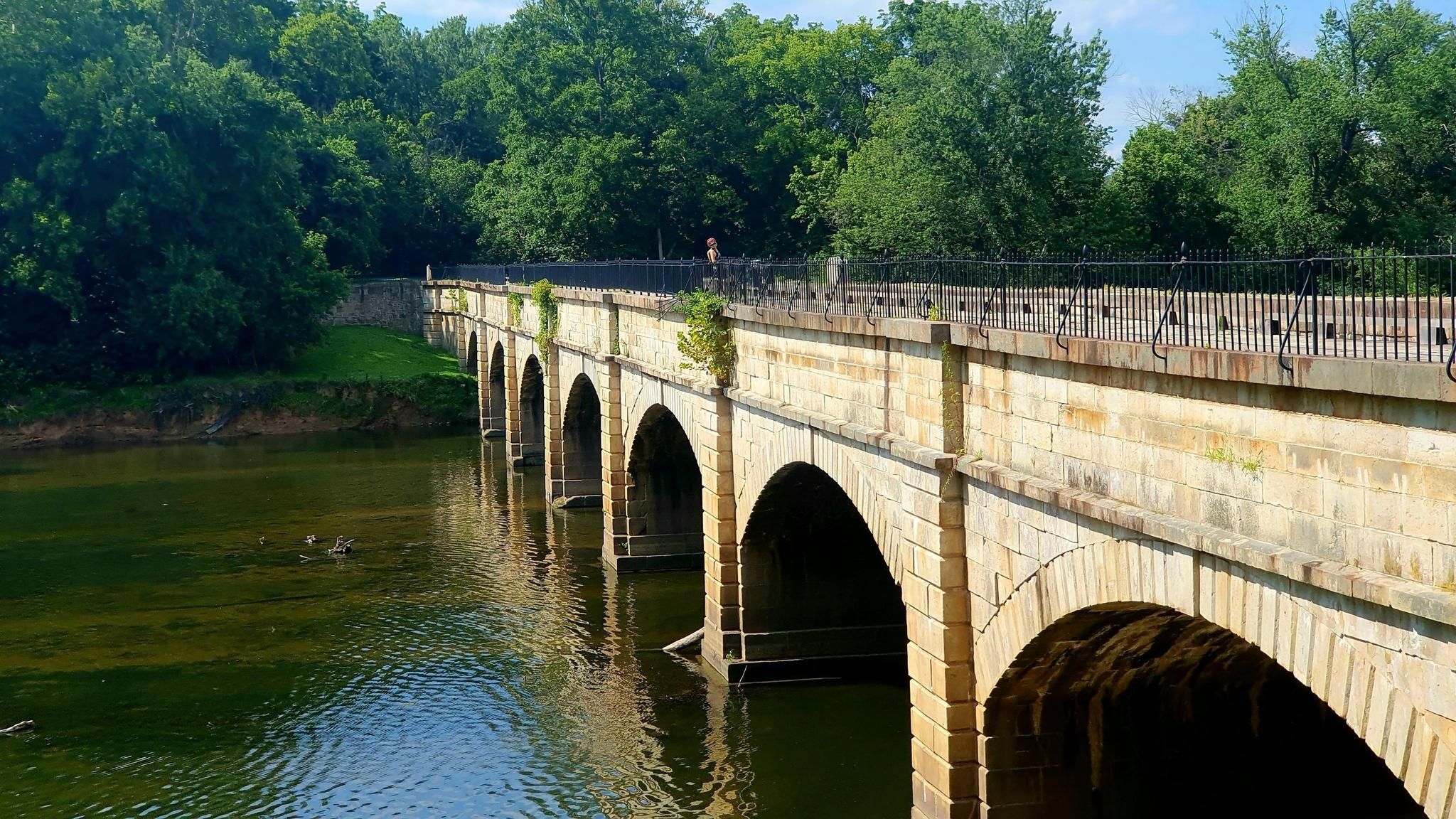
Potomac Heritage National Scenic Trail — Exploring a historic corridor
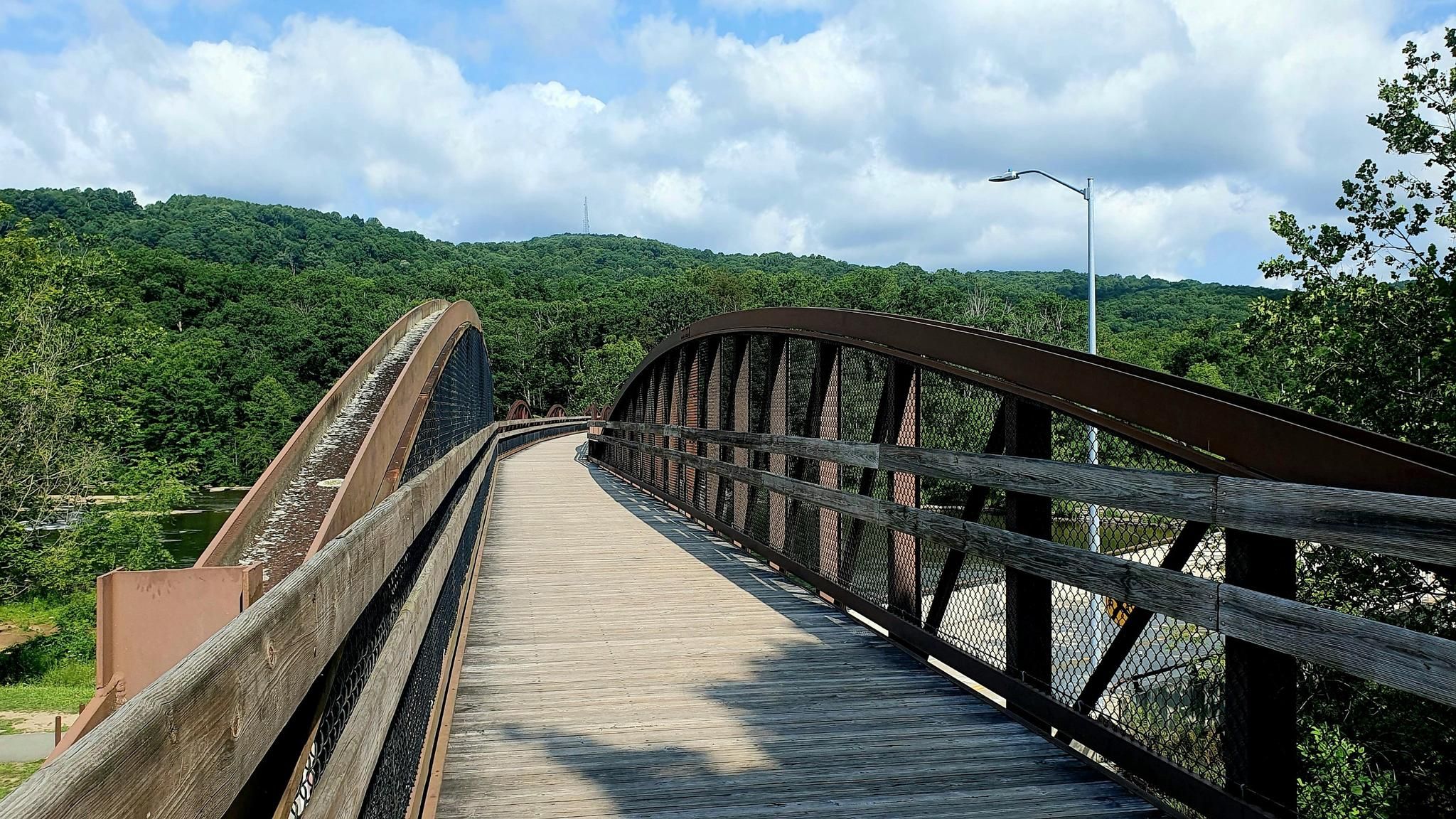
Potomac Heritage National Scenic Trail — Cycle the nation's river
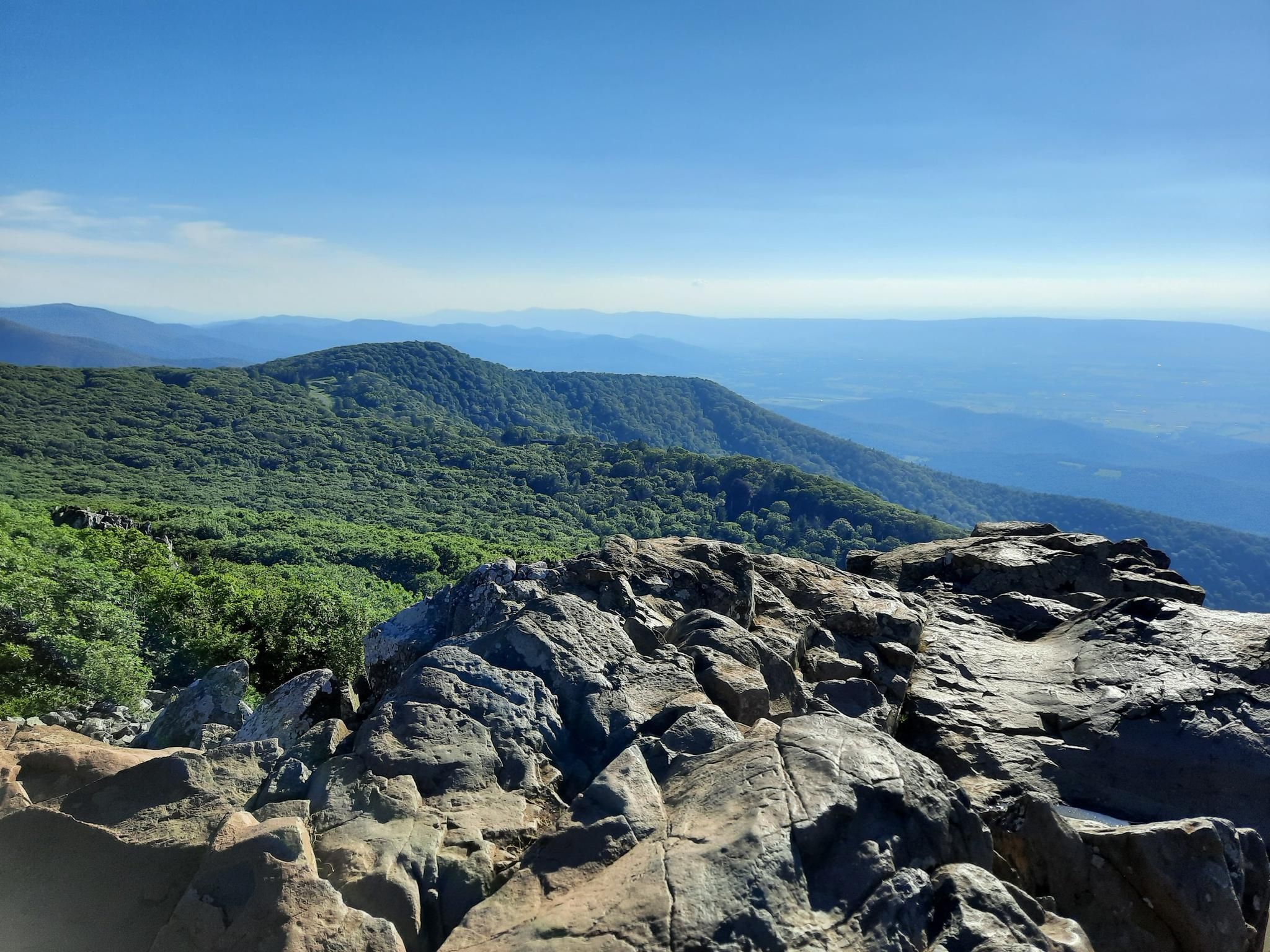
Stunning views, waterfalls and adventures in northeast USA
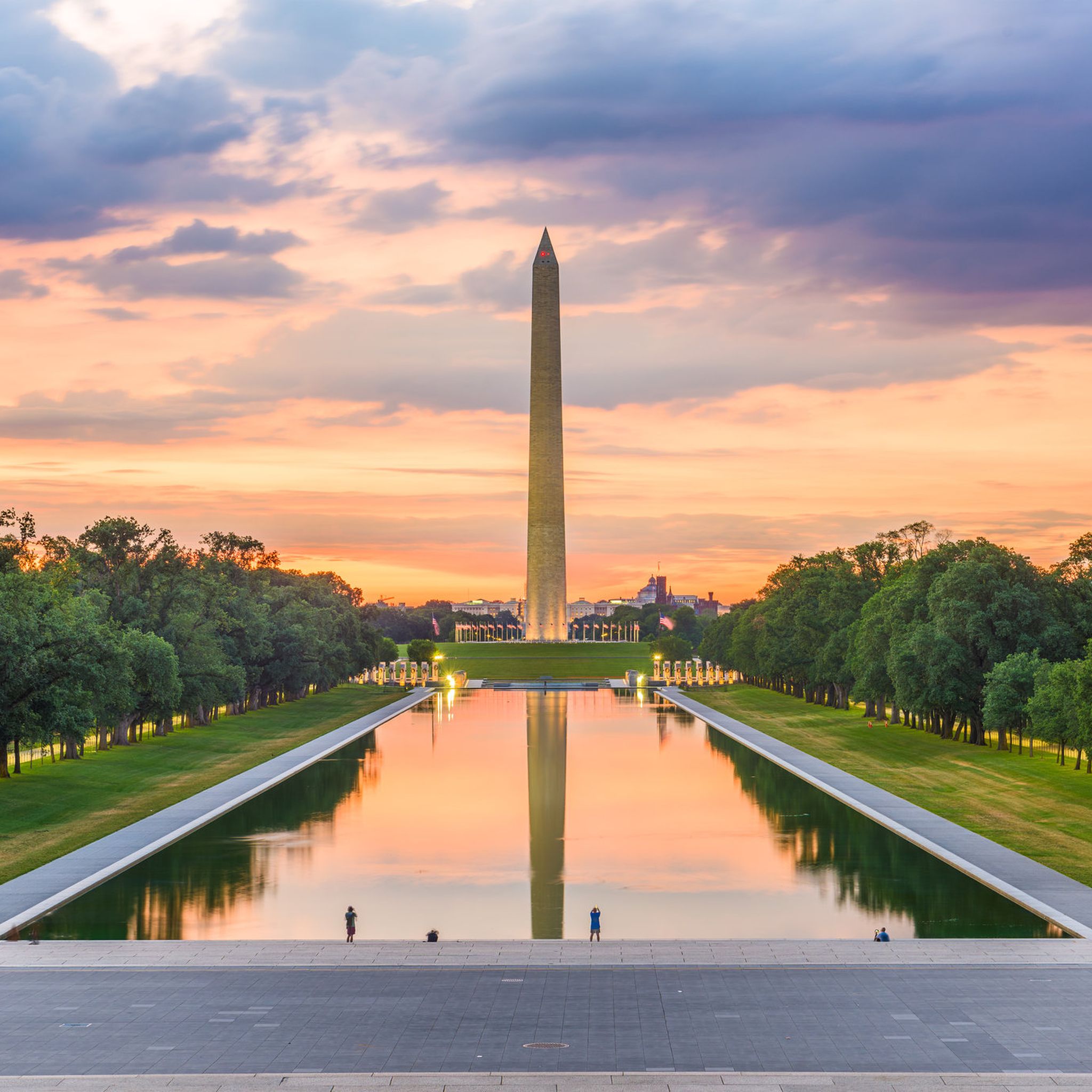
Hiking in District of Columbia
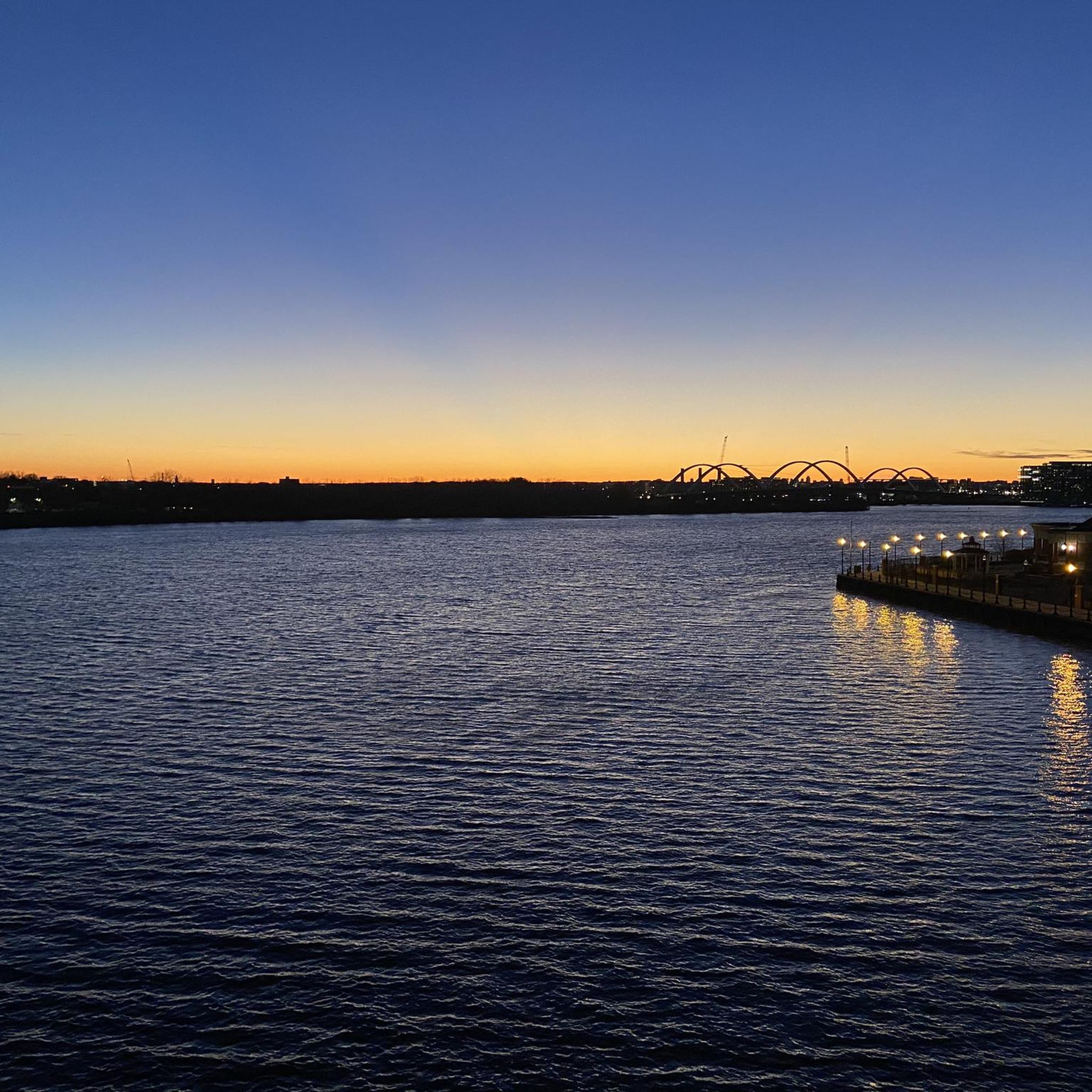
Road Cycling Routes in District of Columbia
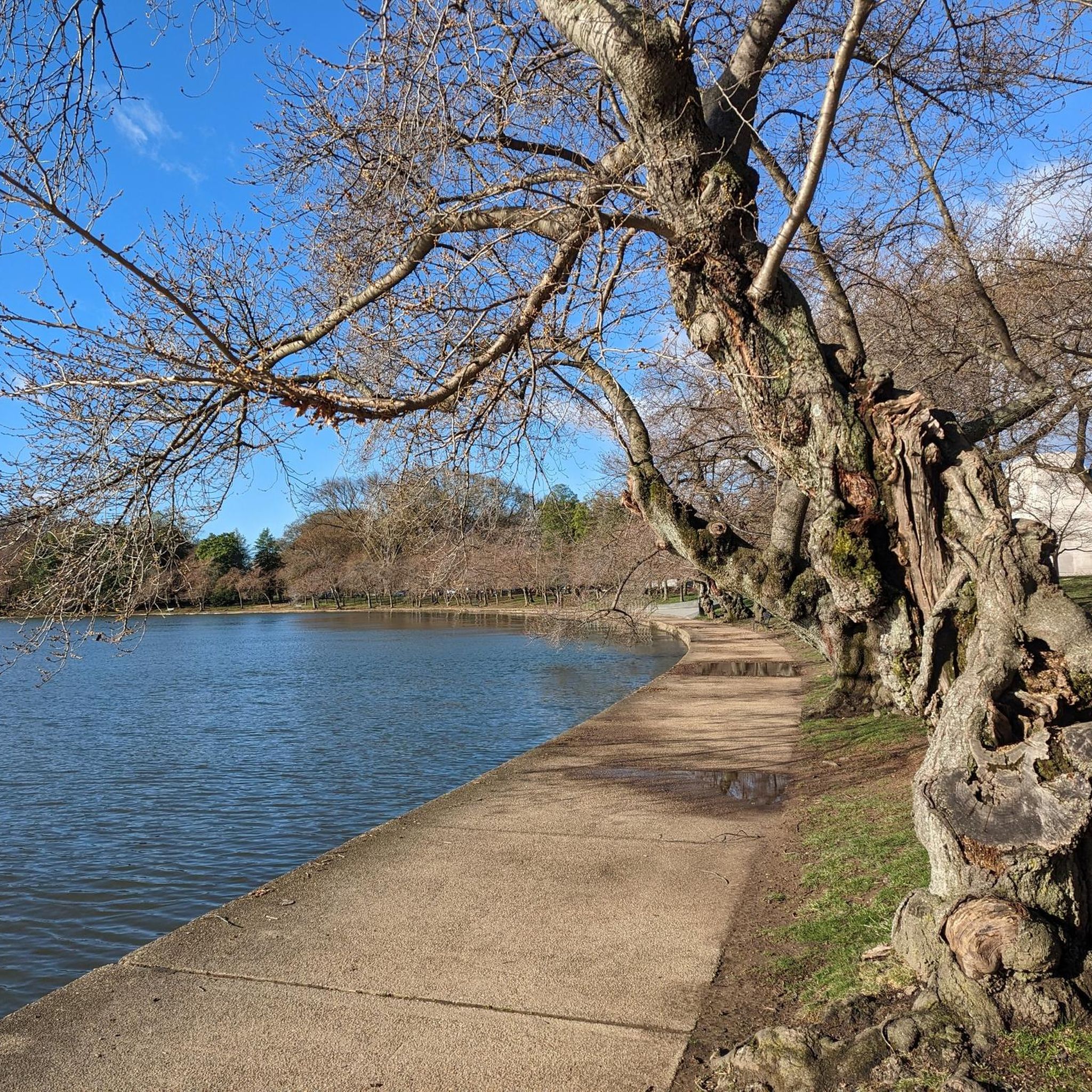
Cycling in District of Columbia
Running Trails in District of Columbia
MTB Trails in District of Columbia
Other adventures in District of Columbia


Tips from the Community

Great inexpensive food, close to the C&O and Crescent trails.
0
0

The Mount Vernon Trail is a beautiful 18-mile paved multi-use trail. It runs from Mount Vernon to Theodore Roosevelt Island. This stretch runs through Daingerfield Island and has great views of the Potomac River.
0
0

As you ride onto the wide canal bend, you’re met with serene water views—Widewater is a beautiful lake that serves as habitat for many bird and wildlife species. It’s an ideal spot to pause, do some birdwatching, and soak in the calm before continuing your journey along the Potomac and the Chesapeake & Ohio canal.
0
0
This towpath is as much about the journey as the destination. Cruise past historic locks, aqueducts, and shady woodlands along a trail with gentle grades and rich history. Pause at scenic river overlooks or old lockhouses for a quick rest.
0
0


Enjoy easy access to the Great Falls, a popular destination for photographers, hikers, and expert kayakers. Though not exceptionally tall, the falls surge with force as the Potomac River carves through ancient, metamorphic rock.
1
0
Lock 21, aka Swains Lock, is a lock house and campsite. It was built in the 1830s and transported items such as grain and coal between Georgetown and Cumberland. It was named after the Swain family and John Swain, who helped build the canal, and Jesse Swain, the lockkeeper. The family lived here until 2006.
1
0
Lock 22, aka Pennyfield Lock, was built between 1829 and 1831, and the name came from the misspelling of the Pennifield family name. It has been restored and offers overnight stays to recreate the rustic feeling from that period.
1
0
Frequently Asked Questions
How many gravel bike trails are available in District of Columbia?
District of Columbia offers a diverse network of over 20 gravel bike trails. These routes cater to various skill levels, including 2 easy, 14 moderate, and 7 difficult options, ensuring there's a ride for every gravel biking enthusiast.
Are there gravel routes suitable for beginners or families in District of Columbia?
Yes, there are several options ideal for beginners and families. The C&O Canal Towpath, for instance, offers a largely flat, historic dirt and stone trail, perfect for a relaxed ride. For a specific easy route, consider the Potomac River – Crossing Over the C&O Canal loop from Foggy Bottom–GWU, which is just over 11 miles long with minimal elevation changes.
What kind of terrain can I expect on gravel bike trails in District of Columbia?
The terrain varies significantly. You'll find historical dirt and stone towpaths along the C&O Canal, winding trails through the forests and along streams in Rock Creek Park, and paved sections that connect these natural areas. Some routes in the surrounding counties, like Loudoun and Fauquier, offer more challenging historic gravel roads with significant climbing and views of the Blue Ridge Mountains.
Are there any notable landmarks or natural features to see along the gravel routes?
Absolutely. Many routes offer scenic views and pass by significant landmarks. For instance, the C&O Canal Towpath features historical sites from the Colonial era. You can also explore areas near Rock Creek Park, which is a sprawling urban oasis. Other highlights include the Korean War Veterans Memorial and the Capitol Reflecting Pool, which are accessible via some routes.
What is the best season for gravel biking in Washington D.C.?
Spring and fall are generally considered the best seasons for gravel biking in Washington D.C. The weather is mild, and the natural scenery is at its peak, with blooming flowers in spring and vibrant foliage in autumn. Summer can be hot and humid, while winter may bring colder temperatures and occasional snow, which can affect trail conditions.
Are there any circular gravel bike routes in the District of Columbia area?
Yes, many of the gravel routes in the area are designed as loops, offering a convenient way to start and end your ride at the same point. A popular moderate option is the Francis Scott Key Bridge – Horseshoe Bend at Great Falls loop from Dupont Circle, which covers nearly 30 miles and includes sections of the C&O Canal Towpath.
Where can I find parking for gravel bike trails in D.C.?
Parking availability varies by trail. For routes along the C&O Canal Towpath, there are numerous access points with parking lots, particularly outside the immediate city center. For trails within Rock Creek Park, designated parking areas are available. For urban-accessible routes like the Capital Crescent Trail, parking can be found in nearby neighborhoods or commercial garages, though it may require a fee.
Can I access gravel bike trails using public transport in D.C.?
Many gravel bike trails in District of Columbia are well-connected to public transportation. The Capital Crescent Trail, for example, has several access points near Metro stations. The C&O Canal Towpath can also be reached from various points that are accessible via public transit, especially in the Georgetown area.
Are there any challenging gravel bike routes for experienced riders?
Experienced riders seeking a challenge will find several difficult routes in the D.C. area. The Horseshoe Bend at Great Falls – Crossing Over the C&O Canal loop from Bethesda is a demanding 45.9-mile route with significant elevation changes, incorporating sections of the C&O Canal Towpath and passing by Great Falls.
What do other gravel bikers enjoy most about gravel biking in District of Columbia?
The area is highly rated by the komoot community, with an average score of 4.9 stars. Reviewers often praise the unique blend of urban accessibility and natural beauty, the historical significance of trails like the C&O Canal Towpath, and the variety of terrain that caters to different skill levels.
Are there any gravel routes that pass by waterfalls?
Yes, the area around Great Falls Park offers opportunities to experience dramatic waterfalls on the Potomac River. Routes that incorporate sections near Great Falls, such as the Great Falls – Horseshoe Bend at Great Falls loop from American University, will bring you close to these impressive natural features.
Are dogs allowed on gravel bike trails in District of Columbia?
Many trails in the D.C. area are dog-friendly, provided dogs are kept on a leash. The C&O Canal Towpath and trails within Rock Creek Park generally welcome leashed dogs. However, it's always best to check specific park regulations or trail signage before heading out, as rules can vary.
Can I find amenities like cafes or bike shops near the gravel trails?
Yes, many popular gravel trails are conveniently located near urban centers or towns where you can find amenities. The Capital Crescent Trail, for example, connects Georgetown to Silver Spring, passing through areas with cafes, restaurants, and bike shops. Similarly, sections of the C&O Canal Towpath near D.C. and Bethesda offer access to various services.
Most popular routes in District of Columbia
Most popular attractions in District of Columbia

Get inspired with the komoot mobile app


Didn’t find what you were looking for?
Check out more Gravel rides throughout District Of Columbia below and find the perfect route in your destination.
Explore more
Browse the best Gravel rides in other regions.
