The best road cycling routes around Hågadalen-Nåsten
4.5
(122)
3,066
riders
183
rides
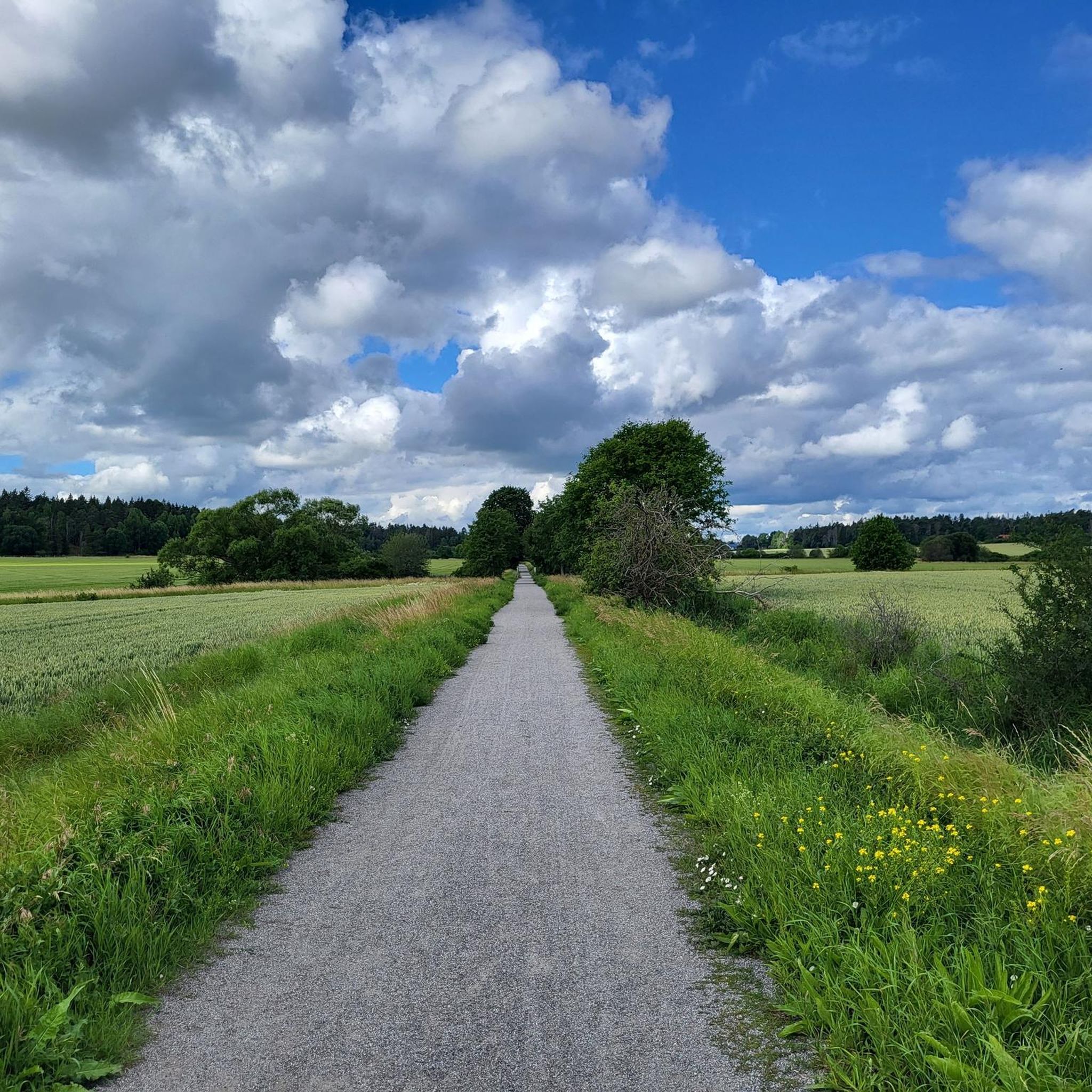
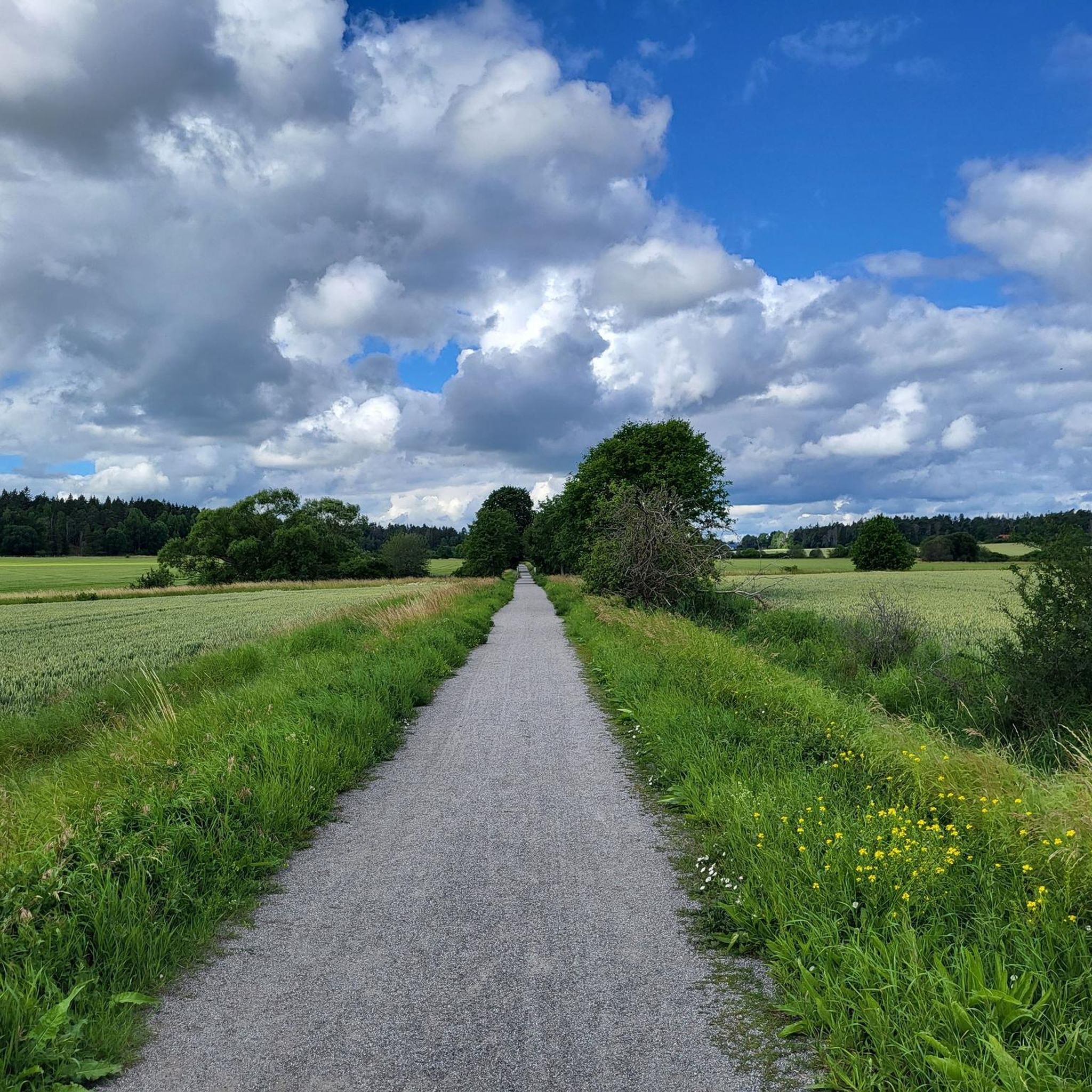
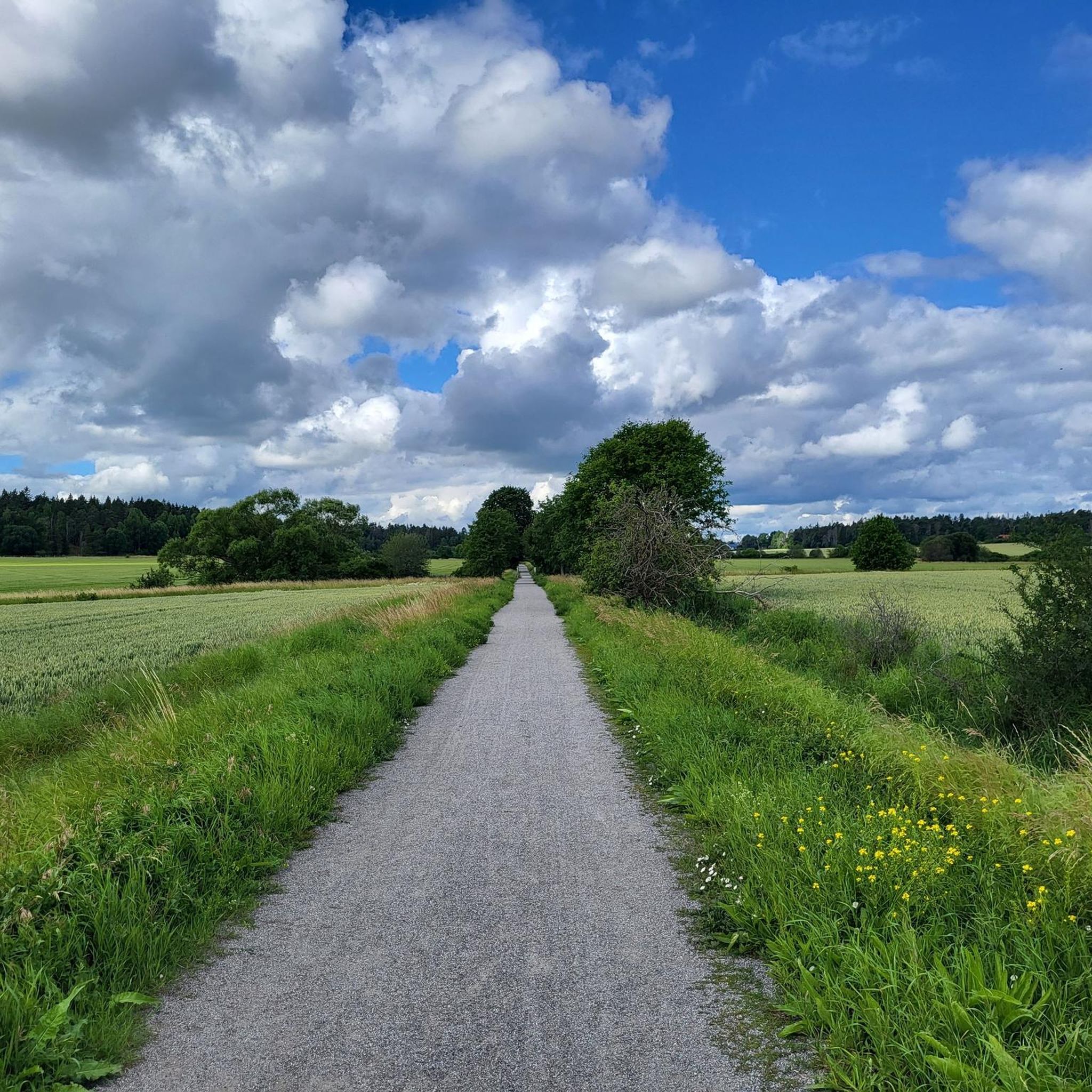
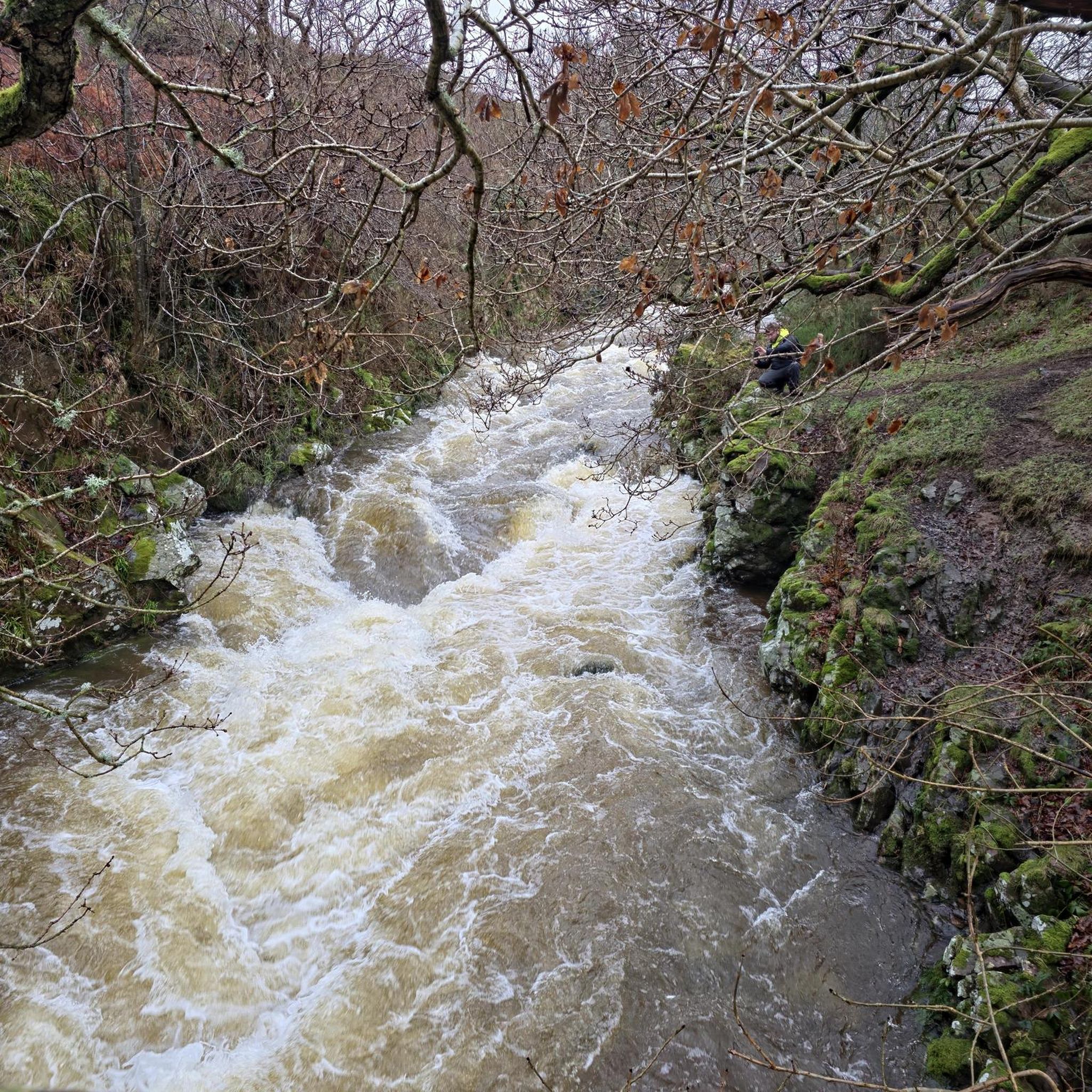
Road cycling around Hågadalen-Nåsten offers diverse and accessible landscapes just west of Uppsala, Sweden. The reserve spans approximately 17 square kilometers, featuring an open cultural landscape with fields and pastures in Hågadalen, contrasted by the varied terrain of the Nåsten forest area with old-growth forests, marshlands, and rocky outcrops. The Håga River carves a ravine at Kvarnbo, and the area includes historical sites like Hågahögen, providing panoramic views. This combination of natural and cultural features creates varied conditions for road…
Last updated: July 15, 2026
5.0
(1)
21
riders
85.2km
03:24
320m
320m
Moderate road ride. Good fitness required. Mostly well-paved surfaces and easy to ride.
19
riders
Moderate road ride. Good fitness required. Mostly well-paved surfaces and easy to ride.

Sign up for free
13
riders
62.4km
02:34
360m
360m
Moderate road ride. Good fitness required. Mostly well-paved surfaces and easy to ride.
10
riders
53.4km
02:14
280m
280m
Moderate road ride. Good fitness required. Some segments of this route may be unpaved and difficult to ride.
11
riders
33.0km
01:18
130m
130m
Easy road ride. Great for any fitness level. Mostly well-paved surfaces and easy to ride.
Get access to more routes and recommendations from other explorers.
Sign up for free
Already have an account?
Our route recommendations are based on thousands of hikes, rides, and runs completed by other people on komoot.
Start today with a free account
Your next adventure awaits.
Login or Signup

Tips from the Community

The anatomy hall is really worth seeing and is worth the visit alone.
2
0

The Gothic Uppsala Cathedral (Uppsala Domkyrka), consecrated in 1435, is the cathedral of the Archdiocese of Uppsala, the parish church of the Uppsala Cathedral parish, and a national shrine of the Church of Sweden. It houses the relics of Sweden's national saint, Saint Erik, and a relic of Saint Bridget. The church is traditionally the coronation and burial church for Swedish kings and queens. Following a fire in the former cathedral (in Gamla Uppsala), the Pope granted permission in 1258 to move the bishopric to present-day Uppsala (then Östra Aros). The move to Domberget took place in 1273. Initially, the existing Saint Erik Chapel was used for services while French builders, under the direction of Etienne de Bonneuil, began constructing a new cathedral. The construction would continue for over a century and a half. The cathedral's towers are the tallest church towers in Scandinavia, reaching 118.7 meters. The most powerful of its five church bells, called Storan, weighs 7,360 kilograms, making it Sweden's largest church bell. The Church of Sweden estimates that around half a million people visit Uppsala Cathedral each year.
12
0
A unique feature of this building is the medical lecture hall, the "Anatomical Theater" (Theatrum anatomicum). The dome in the center of the building was constructed between 1662 and 1663. Medical professor Olof Rudbeck the Elder intended to perform dissections here before an audience of colleagues and students. The Anatomical Theater rises above the other roofs of the Gustavianum, allowing ample light to enter through its many windows. Its basic structure is modeled on the classical Greek amphitheater, but it is built at a significantly steeper angle and offers only standing room for spectators, enabling them to get as close as possible. The theater could accommodate 200 spectators. Rudbeck's lecture hall was long considered the most important theater of its kind in Europe. The hall still exists and is occasionally used for concerts, lectures, or other events.
11
0
The Gustavianum is the oldest surviving building of Uppsala University. It has housed the University Museum since 1997. After a five-year renovation, it reopened on June 24, 2024. Construction of this new, larger building, intended to supplement the teaching facilities of the Academia Carolina, began in 1622. It contained lecture halls, a printing press, a student dining room, student dormitories, and later, a library. With the demolition of the old Academia Carolina in 1778, the Gustavianum became the university's main building until the new university building was constructed in 1887.
12
0

At the end of the 1980s, the cathedral received a relic of the hip bone of St. Birgitta from the Birgittine sisters. A modern reliquary was created for this purpose and is located in the Finsta choir. The design of the shrine is inspired by the habit of the Order of the Redeemer. The five red drops of blood symbolize the five wounds of Christ. Birgitta's parents and siblings are also buried in the choir. The shrine of Saint Erik is also located here, which is why the cathedral is also called Erik's Cathedral.
5
0
The grave of the renowned Swedish naturalist Carl von Linné is also located here
5
0

The Gothic St. Eric's Cathedral, also known as Erik's Cathedral, is the tallest church building in Scandinavia at 118.7 metres. The cathedral is both the coronation and burial place of many Swedish kings and the seat of an Evangelical Lutheran archbishop.
4
0

Uppsala University reopened in June -24 after thorough renovations. Fantastic collections related to the University’s history. Worth a detour! Https://www.uu.se/en/gustavianum
3
0
Frequently Asked Questions
How many road cycling routes are available in Hågadalen-Nåsten?
There are nearly 200 road cycling routes around Hågadalen-Nåsten, offering a wide variety of options for different skill levels and preferences. You'll find routes ranging from easy to difficult, with the majority being moderate.
Are there easy road cycling routes suitable for beginners in Hågadalen-Nåsten?
Yes, Hågadalen-Nåsten offers approximately 50 easy road cycling routes. These routes typically feature well-paved surfaces and minimal elevation gain, making them ideal for beginners or those looking for a relaxed ride. An example is the Roadbike loop from Hamberg, which is an easy 33 km ride.
What kind of terrain can I expect on road cycling routes in Hågadalen-Nåsten?
The terrain in Hågadalen-Nåsten is quite varied. You'll encounter open cultural landscapes with fields and pastures, tranquil forests, and the gently winding Håga River valley. While most routes are on well-paved roads, some may include segments with more elevation gain or even gravel paths, such as the old railway line between Uppsala and Enköping (Hågabanan).
What notable landmarks or attractions can I see along the road cycling routes?
Hågadalen-Nåsten is rich in historical and natural attractions. You can cycle past sites like King Björn's Mound, a Bronze Age chieftain's grave offering panoramic views. The area also features the ravine at Kvarnbo, where the Håga River has carved a deep gorge, and the Old Uppsala–Enköping Railway Gravel Path, which provides a pleasant surface for biking.
Are there any circular road cycling routes in the area?
Yes, many of the road cycling routes in Hågadalen-Nåsten are designed as loops, allowing you to start and end at the same point. For example, the Börje Church – Ulva Kvarn Mill loop from Uppsala-Näs kyrka is a popular circular route that covers 85 km.
What do other road cyclists enjoy most about cycling in Hågadalen-Nåsten?
The area is highly rated by the komoot community, with an average score of 4.4 stars from over 90 reviews. Cyclists often praise the diverse landscapes, from open fields to tranquil forests, and the well-maintained paths. The combination of natural beauty and historical sites also makes for a rewarding experience.
Are there routes that offer scenic viewpoints?
Absolutely. From the summit of King Björn's Mound, you can enjoy panoramic views of the Hågadalen valley. Additionally, routes like Mora Stones – View of fields towards Uppsala loop from Stora Djurgården offer expansive vistas across the open cultural landscapes towards Uppsala.
Are there road cycling routes with historical significance?
Yes, the region is steeped in history. Besides King Björn's Mound, the area is connected to Carl Linnaeus, with two "Linnéstigar" (Linnaeus's trails) passing through. The Linné’s Hammarby – Lakeside Beach With Pier loop from Tomtebo is an example of a route that takes you through terrain with historical connections.
What is the typical elevation gain on road cycling routes in Hågadalen-Nåsten?
Elevation gain varies significantly depending on the route's difficulty. Easy routes have minimal climbs, while moderate routes can feature more substantial ascents. For instance, the Salnecke Slottscafé loop from Tomtebo, a moderate route, includes around 275 meters of elevation gain over its 53 km distance.
Can I find facilities like picnic spots or shelters along the routes?
Yes, the reserve is equipped with some facilities to enhance your cycling experience. You might find designated spots like the Picnic Spot on Fjärilstigen Trail or shelters such as the Håga Ångar Shelter, perfect for a break during your ride.
Are there any challenging road cycling routes for experienced riders?
While the majority of routes are moderate, Hågadalen-Nåsten does offer about 20 more difficult road cycling routes. These routes typically involve more significant elevation gains and potentially longer distances, providing a good challenge for experienced cyclists looking to push their limits.
Most popular routes around Hågadalen-Nåsten
Most popular attractions around Hågadalen-Nåsten

Get inspired with the komoot mobile app


Explore more
Browse the best Road cycling routes in other regions.
