Attractions and Places To See around Saint-Point - Top 20
Best attractions and places to see around Saint-Point include a blend of historical landmarks, cultural sites, and natural features. This region in France offers visitors opportunities to explore significant historical locations and enjoy picturesque natural landscapes. Notable sites range from ancient castles to expansive lakes, providing diverse points of interest.
Best attractions and places to see around Saint-Point
- The most popular attractions is Vergisson Rock, a natural monument that offers an unmissable viewpoint at 485 meters above sea level.…
Last updated: October 9, 2026
Cluny
Highlight • Settlement
Translated by Google •
Tip by

Roche de Solutré
Highlight • Natural Monument
Translated by Google •
Tip by

Sign up now to discover places like this
Get recommendations on the best single tracks, peaks, & plenty of other exciting outdoor places.
Tunnel du bois clair
Highlight • Other
Translated by Google •
Tip by

Vergisson Rock
Highlight • Natural Monument
Translated by Google •
Tip by

Cluny
Highlight • Other
Translated by Google •
Tip by

Sign up for free to discover even more attractions around Saint-Point.
Already have an account?
Start today with a free account
Your next adventure awaits.
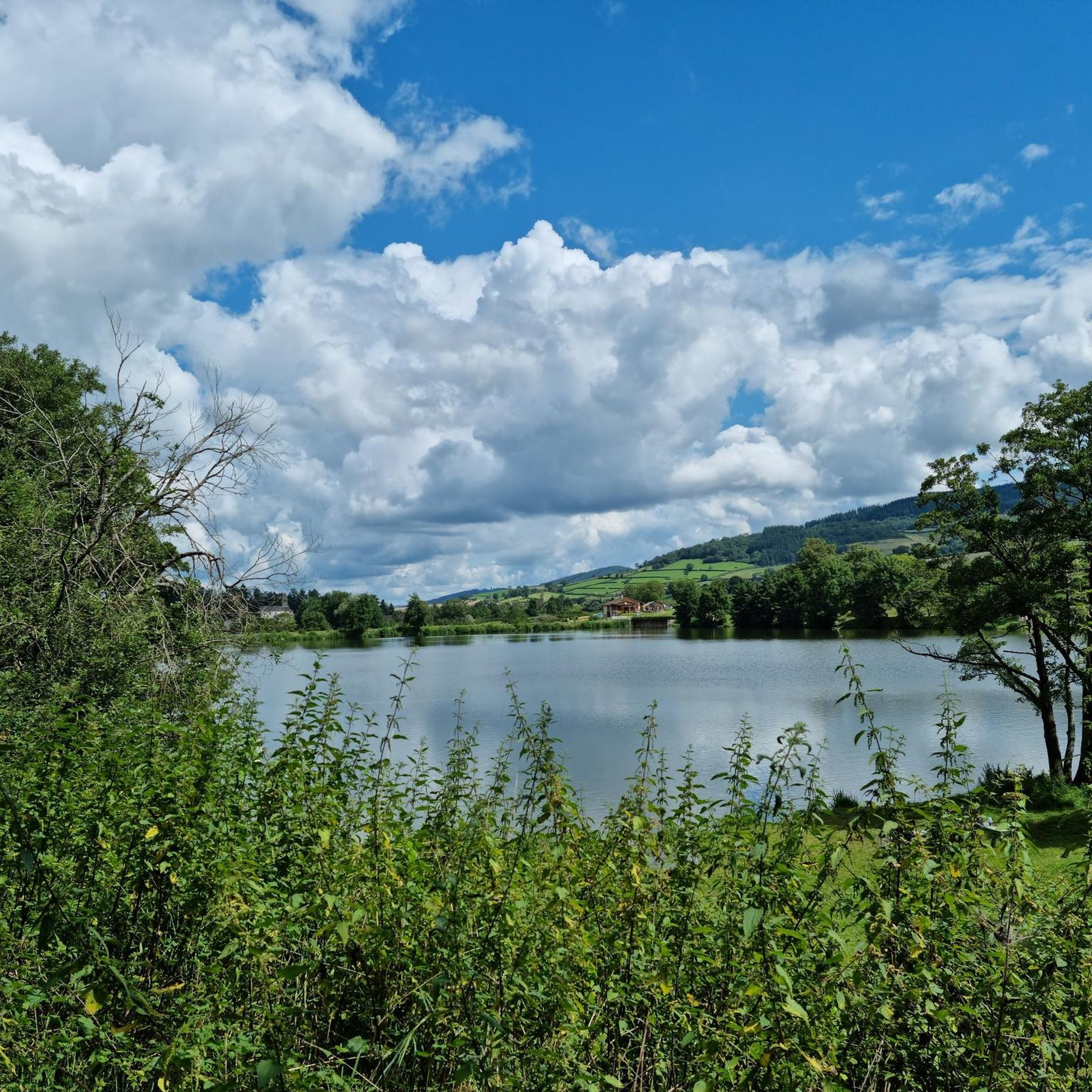
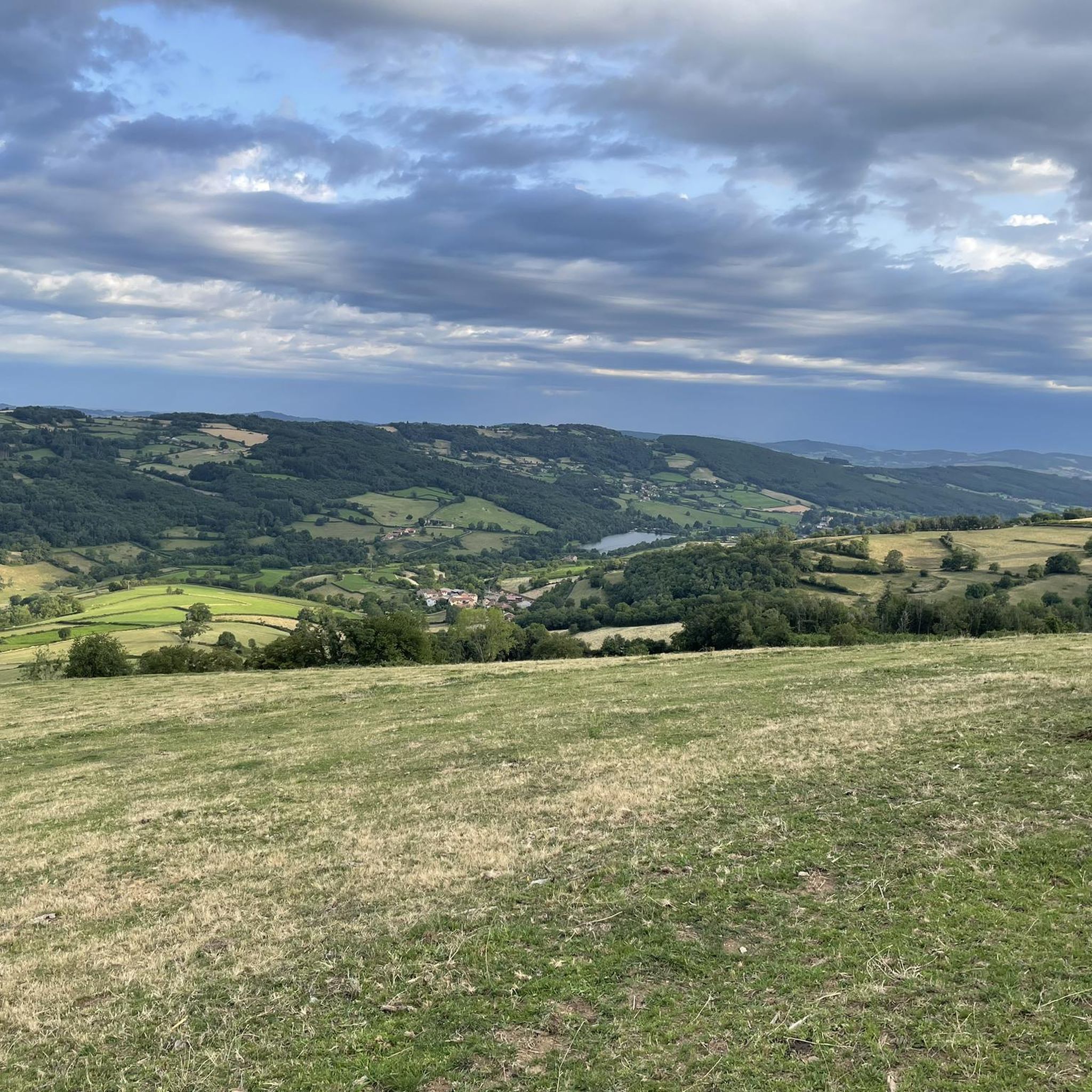
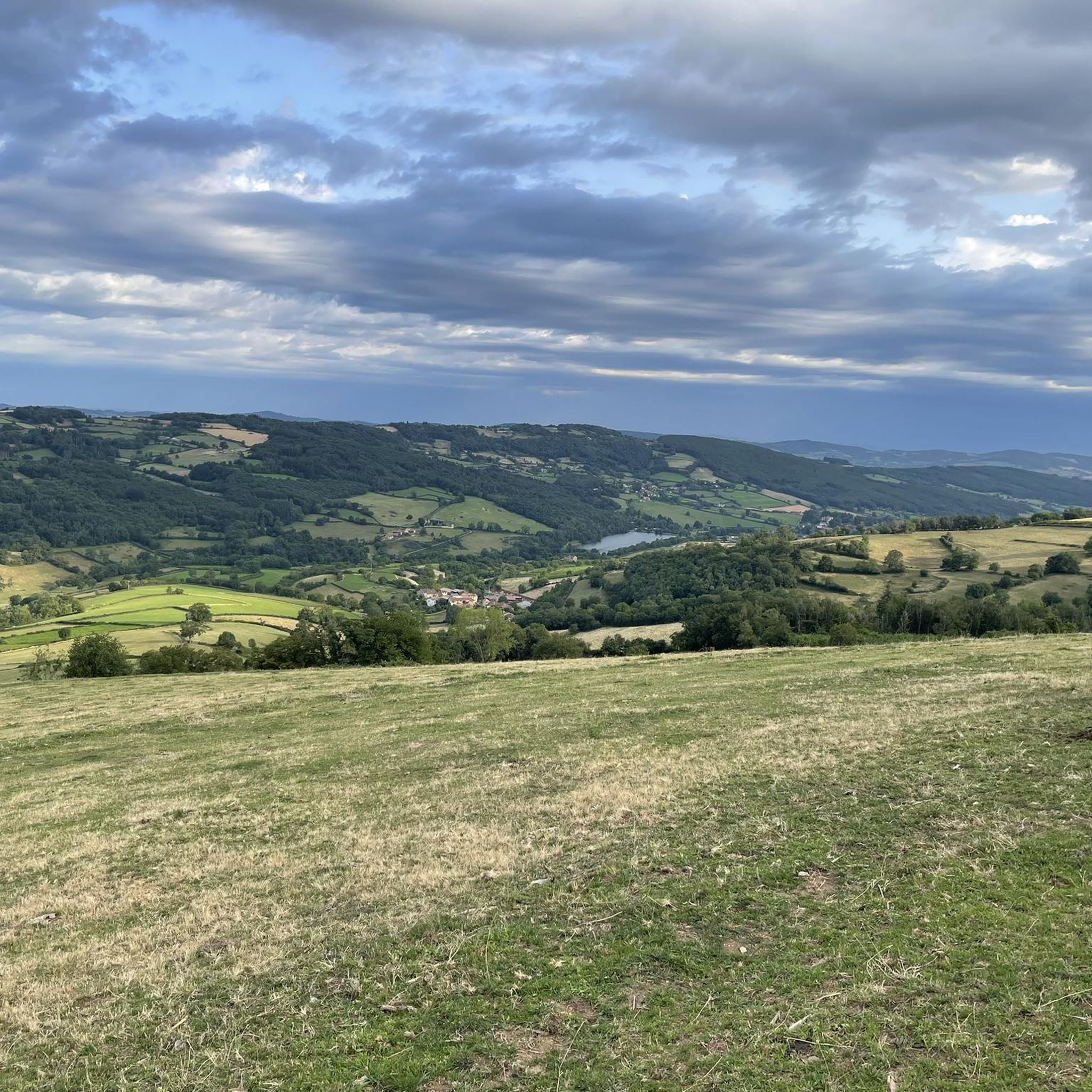
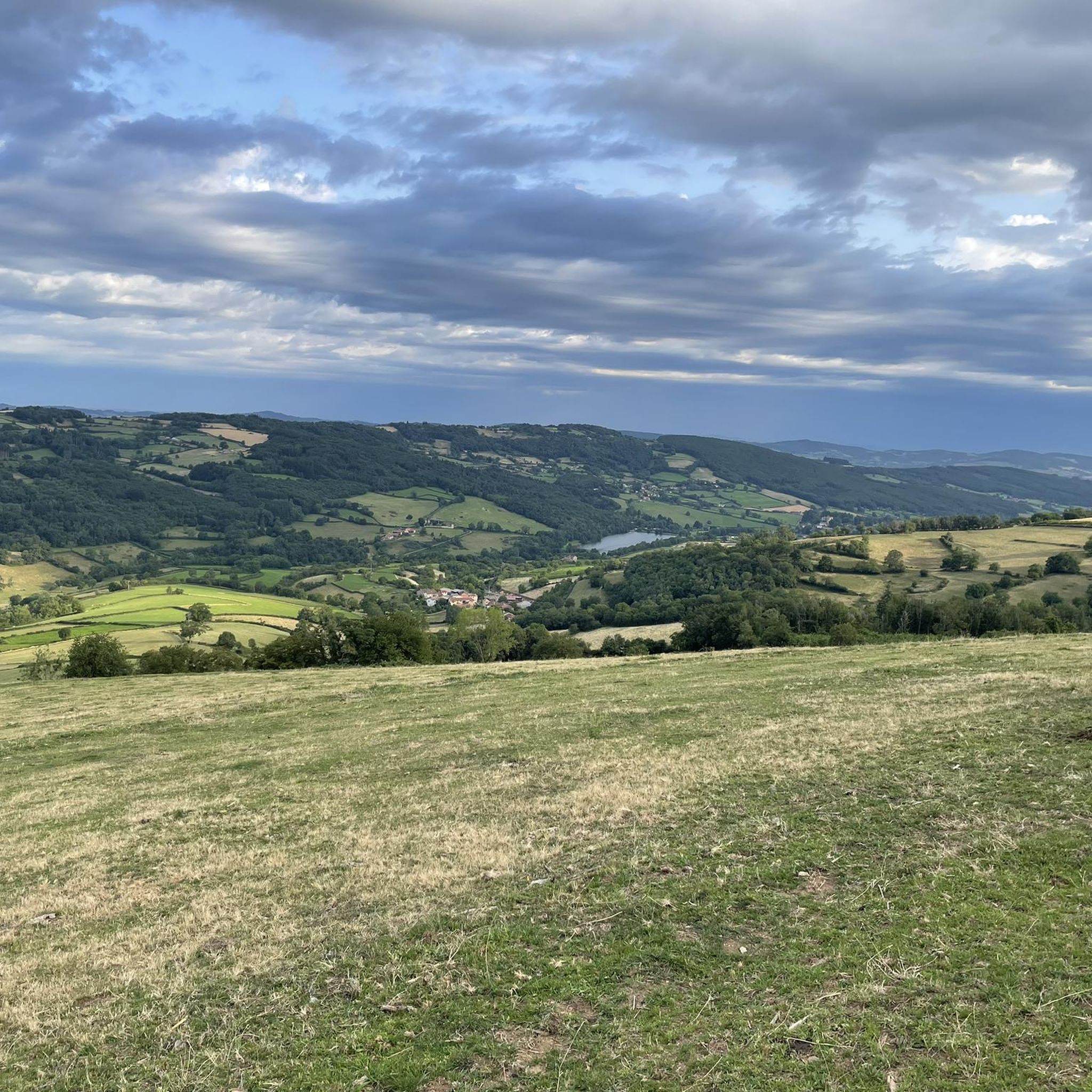
Tips from the Community

The temperature is very pleasant in the tunnel, summer and winter.
0
0

The historic town of Cluny, located in the Bourgogne-Franche-Comté region, can best be admired from the viewing platform of the famous Cheese Tower (Tour des Fromages), from which you can enjoy a striking 360-degree view over the historic rooftops and the gentle, green hills of Southern Burgundy. Cluny is world-renowned for its Benedictine abbey, founded in 910 AD. In the High Middle Ages, the abbey was the starting point of the pioneering Cluniac reform movement and developed into the head of a Europe-wide monastic order with over 1,200 monasteries.
0
0
The rock is located in the south of the Burgundy region (Département Saône-et-Loire), not far from the town of Mâcon. Its distinctive profile rises out of a vast "sea of vines". The vineyards shown belong to the well-known Mâconnais wine region and produce renowned white wines such as Pouilly-Fuissé. The entire area is protected as a Grand Site de France and is also one of the most important prehistoric sites in Europe.
3
0
In the Middle Ages, the abbey was one of the most influential spiritual and cultural centers in Europe. Cluny was the mother house of the Cluniac Reform and headed a federation of over 1,200 monasteries. The third abbey church (Cluny was the largest church in the Christian world until the construction of St. Peter's Basilica in Rome). Of the once-mighty complex, only parts of the southern transept remain today, as the abbey was largely used as a quarry and demolished after the French Revolution.
1
0

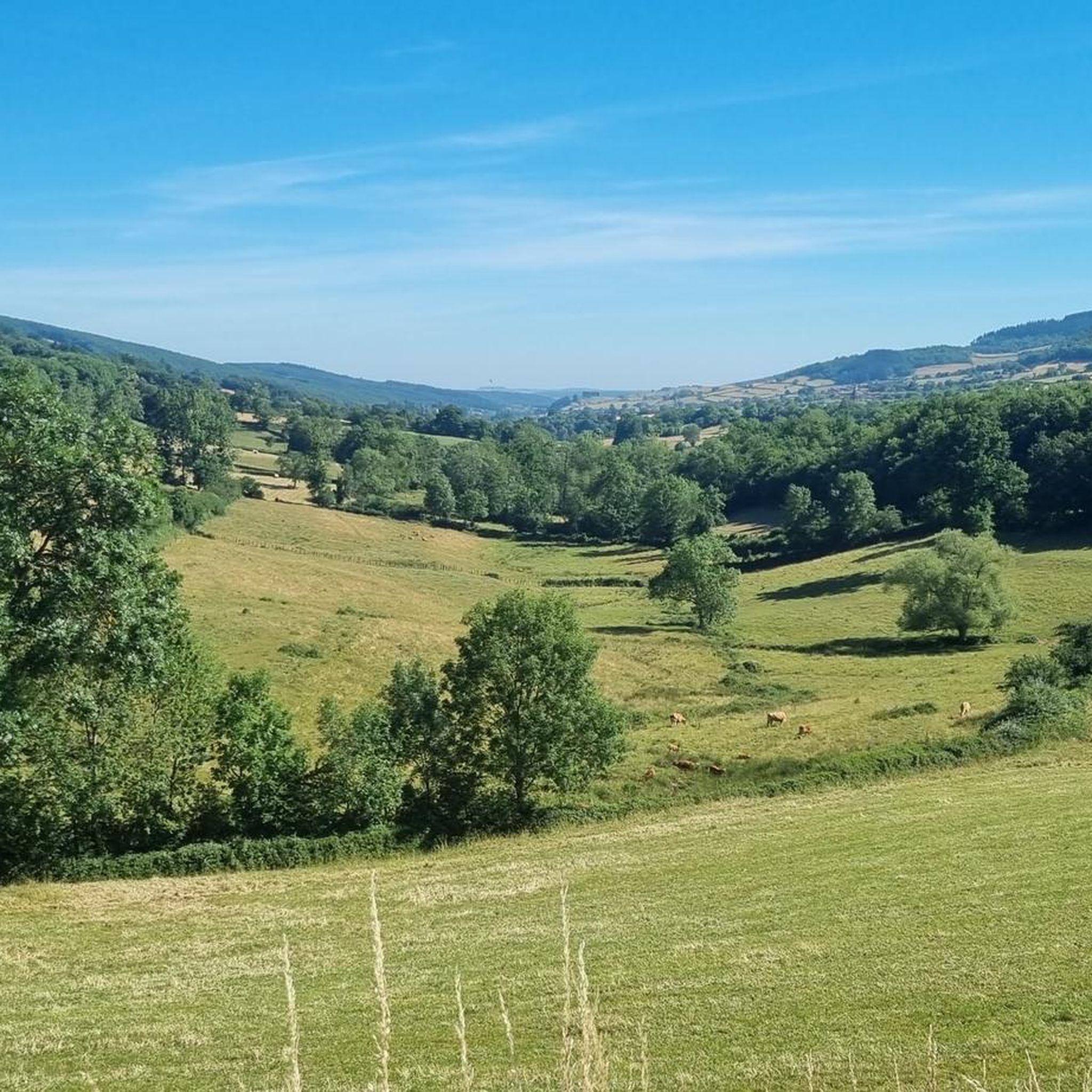
Magnificent view across the countryside all the way to Mâcon
3
0

A perfect complement to the Solutré rock and Mont de Pouilly.
2
0
The town of Cluny was based on the Benedictine monastery (Cluniac Abbey), founded in 910. The abbey was the starting point and center of the Cluniac reform at the beginning of the 10th century. Cluny reached its peak membership at the beginning of the 12th century with approximately 400 monks. The last abbey church (Cluniac 3) was the world's largest Romanesque basilica and, until the construction of today's St. Peter's Basilica in Rome, the largest church in Christendom. The church had seven towers. Although large parts of the building were destroyed, the remaining relics are absolutely remarkable and make a visit to Cluny an unforgettable experience!
2
0
Frequently Asked Questions
What natural features can I explore around Saint-Point?
The region boasts several impressive natural features. The most prominent is Lac de Saint-Point, France's third-largest natural lake, offering picturesque landscapes and various water activities. You can also visit Vergisson Rock and Roche de Solutré, both natural monuments providing spectacular panoramic views.
Are there any significant historical or cultural sites to visit?
Yes, Saint-Point is rich in history and culture. The town of Cluny, centered around its historic Benedictine monastery, showcases remarkable relics of the Cluniac Abbey. Additionally, the village of Saint-Jacques-des-Arrêts is a charming stop with pilgrim connections. The Château de Saint-Point, once the residence of poet Alphonse de Lamartine, offers a glimpse into his life and works, complete with his tomb and a Romanesque church nearby.
What kind of outdoor activities are available near these attractions?
The area around Saint-Point is excellent for outdoor enthusiasts. Lac de Saint-Point is ideal for non-motorized water sports like canoeing, kayaking, sailing, and stand-up paddleboarding, as well as fishing. There's also a 23 km path encircling the lake, perfect for walking. For cycling, you can explore various routes, including Road Cycling Routes, Gravel biking, and MTB Trails.
Where can I find scenic viewpoints in the Saint-Point area?
For breathtaking views, head to Vergisson Rock, which offers a unique panorama of the Beaujolais valley. Another must-see is Roche de Solutré, providing spectacular vistas over the Mâconnais vineyards from its 495-meter summit.
Are there family-friendly attractions or activities around Saint-Point?
Yes, Lac de Saint-Point is very family-friendly, featuring two supervised beaches, Les Grangettes and Oye et Pallet, during the summer months. The 23 km path around the lake is also suitable for family walks. The Tunnel du bois clair, Europe's longest bicycle tunnel, offers a unique and fun experience for families with bikes.
What is the best time to visit Saint-Point?
The best time to visit depends on your interests. Summer is ideal for enjoying the supervised beaches and water sports at Lac de Saint-Point. Autumn is particularly beautiful around the lake, known for its shimmering colors as the leaves change, making it perfect for scenic walks.
Are there any unique or 'hidden gem' spots to discover?
Beyond the main attractions, consider visiting Port-Titi on the edge of Lac de Saint-Point. This picturesque former fishing port is an ideal spot for a picnic and offers a charming, tranquil atmosphere. The Communal Orchard (Le Verger Communal) also provides a local, natural experience.
What do visitors enjoy most about the attractions around Saint-Point?
Visitors frequently praise the stunning panoramic views from natural monuments like Roche de Solutré and Vergisson Rock. The historical significance of Cluny and the beauty of Lac de Saint-Point are also highly appreciated, with many enjoying the diverse outdoor activities and serene environment.
Can I find places to eat or stay near the attractions?
Yes, in the charming village of Saint-Jacques-des-Arrêts, you'll find the rural inn of the Stops, known for its copious and tasty dishes, and a communal campsite. The area around Lac de Saint-Point also offers various options, and La Pimenterie is mentioned as a local place to discover in Saint-Point.
Are there any unique cycling experiences in the area?
Cyclists can enjoy the Tunnel du bois clair, which is Europe's longest bicycle tunnel, stretching 1600 meters. It's open seasonally from April 14th to June 30th and offers a memorable ride. The region also features numerous Road Cycling, Gravel biking, and MTB Trails.
What is the significance of the Château de Saint-Point?
The Château de Saint-Point is historically and literarily significant as the residence of the renowned French Romantic poet Alphonse de Lamartine from 1820. Visitors can explore the restored castle with its original furnishings, objects, and memorabilia from Lamartine's life, and see his complete literary works. His tomb is also located in the English-style park near a Romanesque church.
Can I go swimming in Lac de Saint-Point?
Yes, Lac de Saint-Point offers opportunities for swimming. During the summer months, there are two supervised beaches, Les Grangettes and Oye et Pallet, making it a safe and enjoyable spot for a refreshing dip.
Most popular routes around Saint-Point
Most popular attractions around Saint-Point

Get inspired with the komoot mobile app


Explore more
Still not found the Highlight you’re looking for? See guides of the top attractions in other regions:
