The best cycling routes around Saint-Point
4.5
(313)
2,736
riders
125
rides
Touring cycling routes around Saint-Point navigate a diverse landscape featuring Lake Saint-Point, the Jura Mountains, and the Haut Jura Regional Natural Park. The region offers varied terrain, from routes circling the lake with continuous water views to paths traversing forests and valleys. Cyclists encounter both gentle gradients and more challenging climbs, particularly in the mountainous areas.
Best touring cycling routes around Saint-Point
- The most popular touring cycling route is Tunnel du bois clair – Bois Clair Tunnel loop from Tramayes…
Last updated: June 26, 2026
4.0
(2)
25
riders
42.9km
02:46
560m
560m
Hard bike ride. Very good fitness required. Mostly paved surfaces. Suitable for all skill levels.
5.0
(2)
17
riders
36.5km
02:16
350m
350m
Moderate bike ride. Good fitness required. Mostly paved surfaces. Suitable for all skill levels.

Sign up for free
5.0
(1)
7
riders
26.6km
01:43
330m
330m
Moderate bike ride. Good fitness required. Mostly paved surfaces. Suitable for all skill levels.
4.0
(1)
8
riders
54.9km
03:43
860m
860m
Hard bike ride. Very good fitness required. Mostly paved surfaces. Suitable for all skill levels.
8
riders
67.7km
04:18
780m
780m
Hard bike ride. Very good fitness required. Mostly paved surfaces. Suitable for all skill levels.
Get access to more routes and recommendations from other explorers.
Sign up for free
Already have an account?
Our route recommendations are based on thousands of hikes, rides, and runs completed by other people on komoot.
Start today with a free account
Your next adventure awaits.
Login or Signup
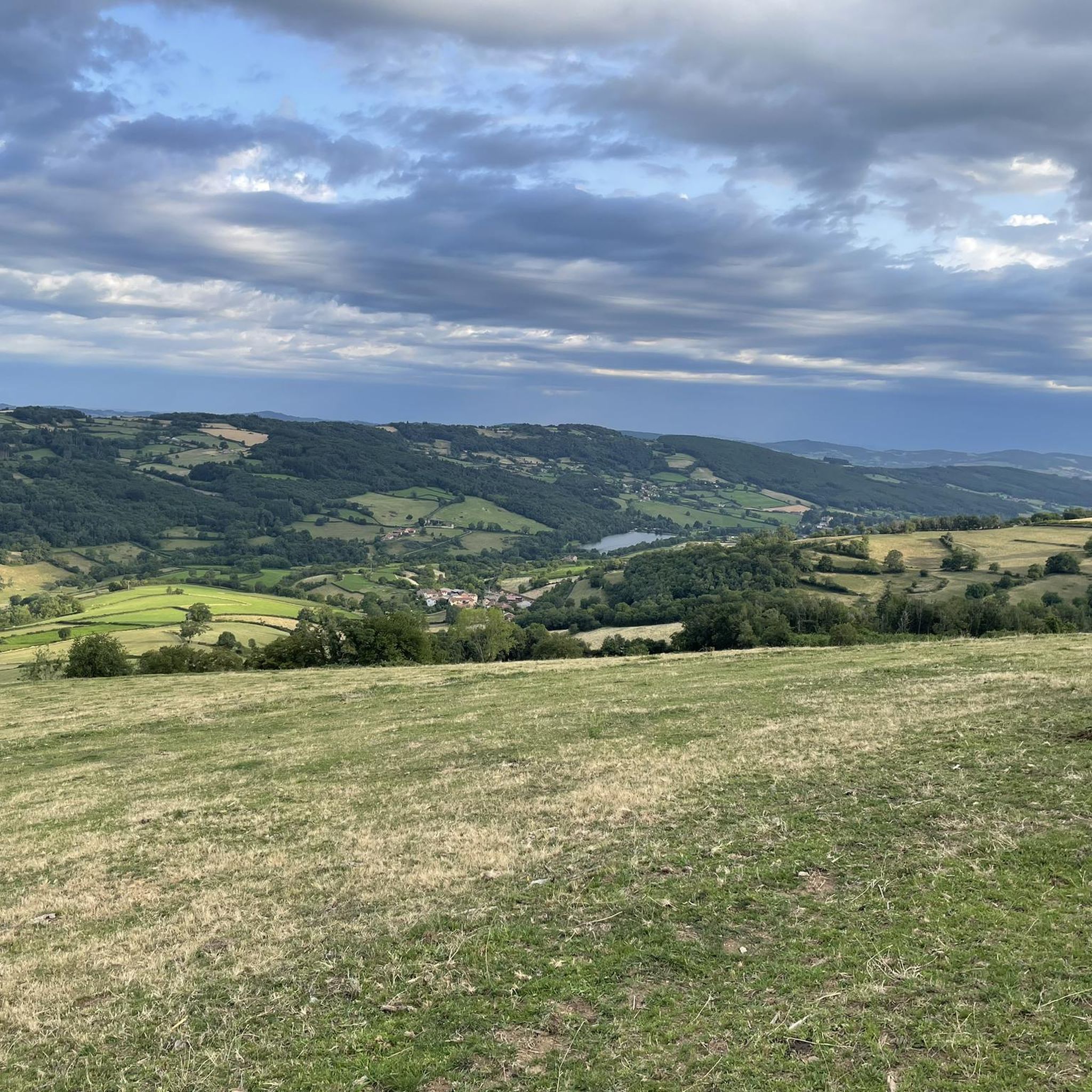
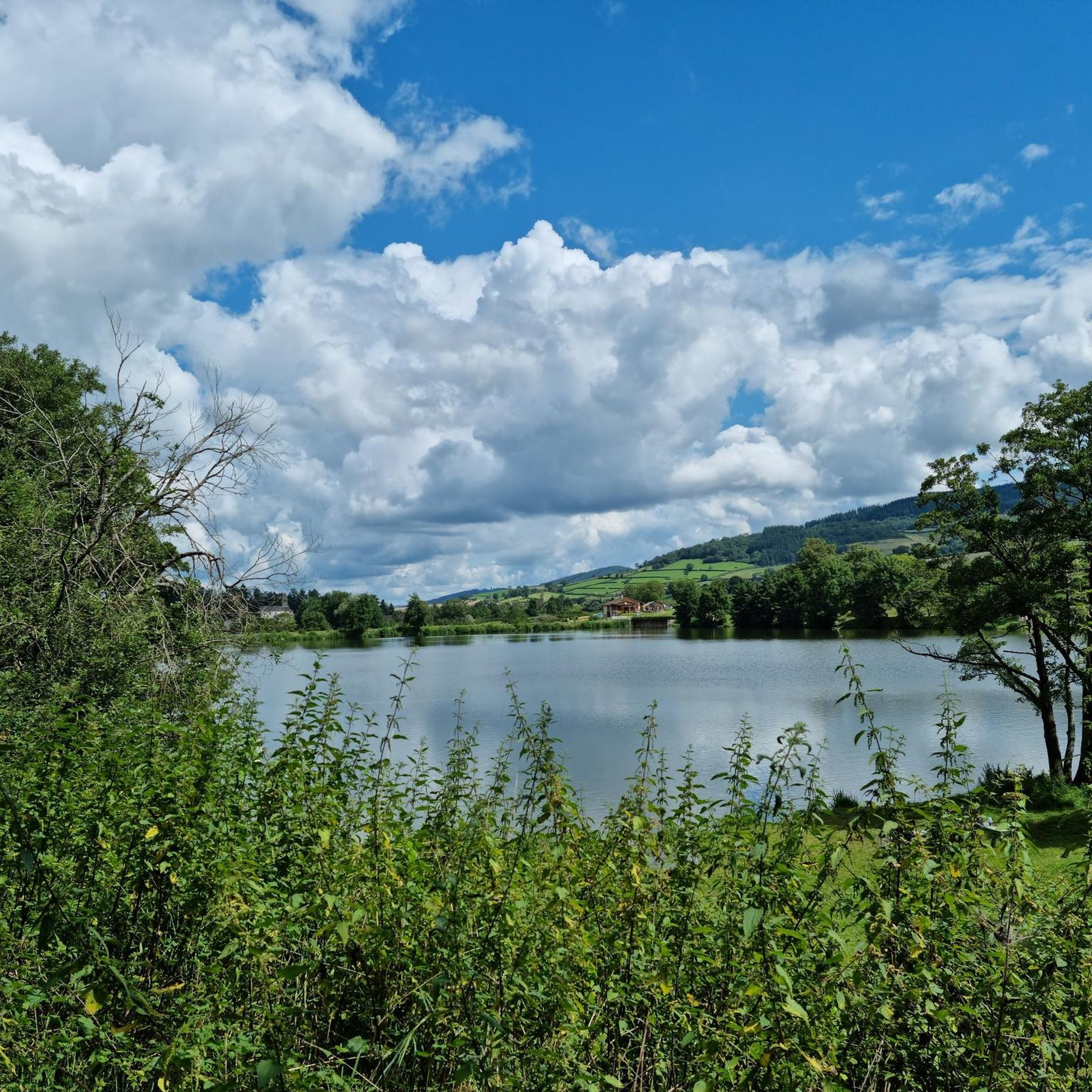
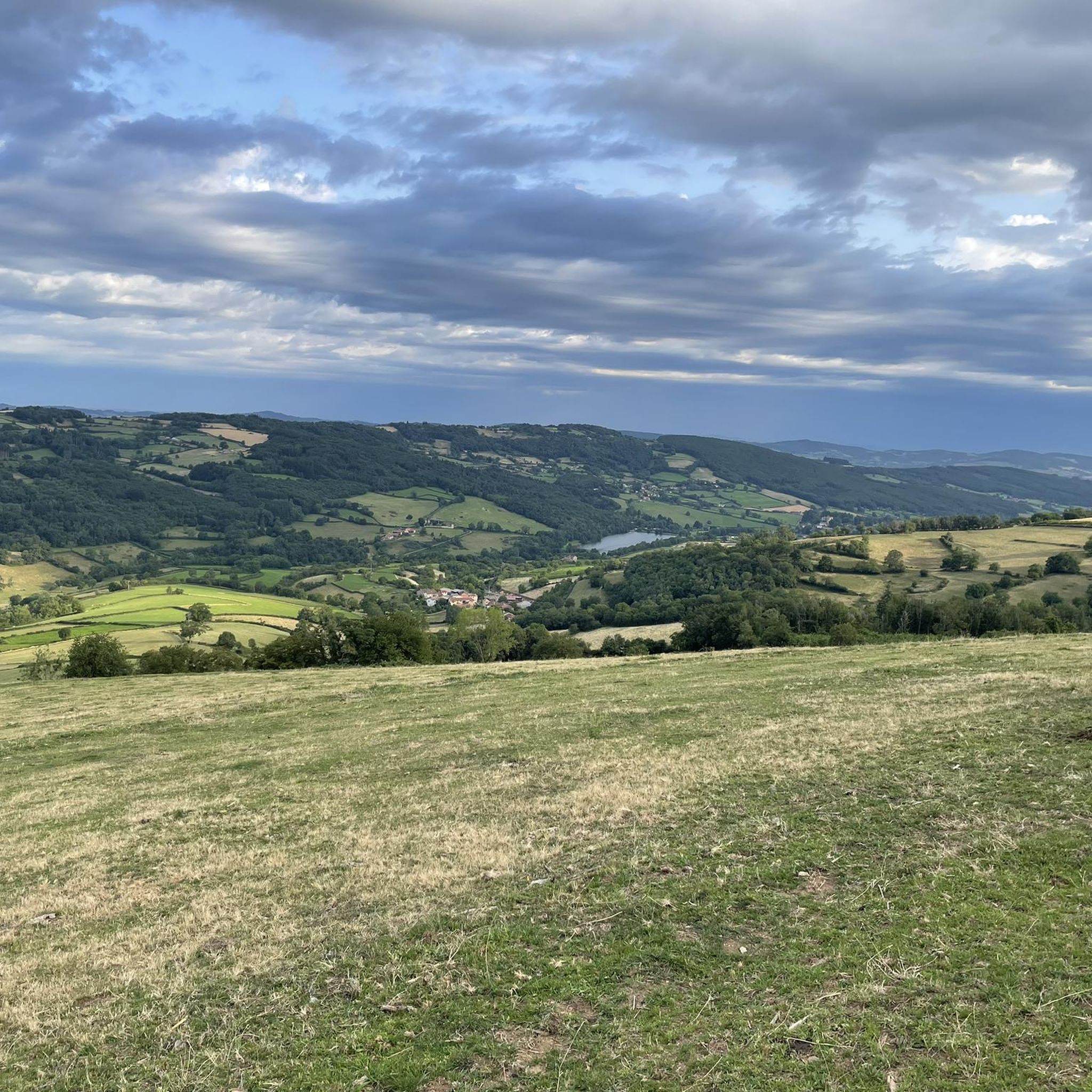
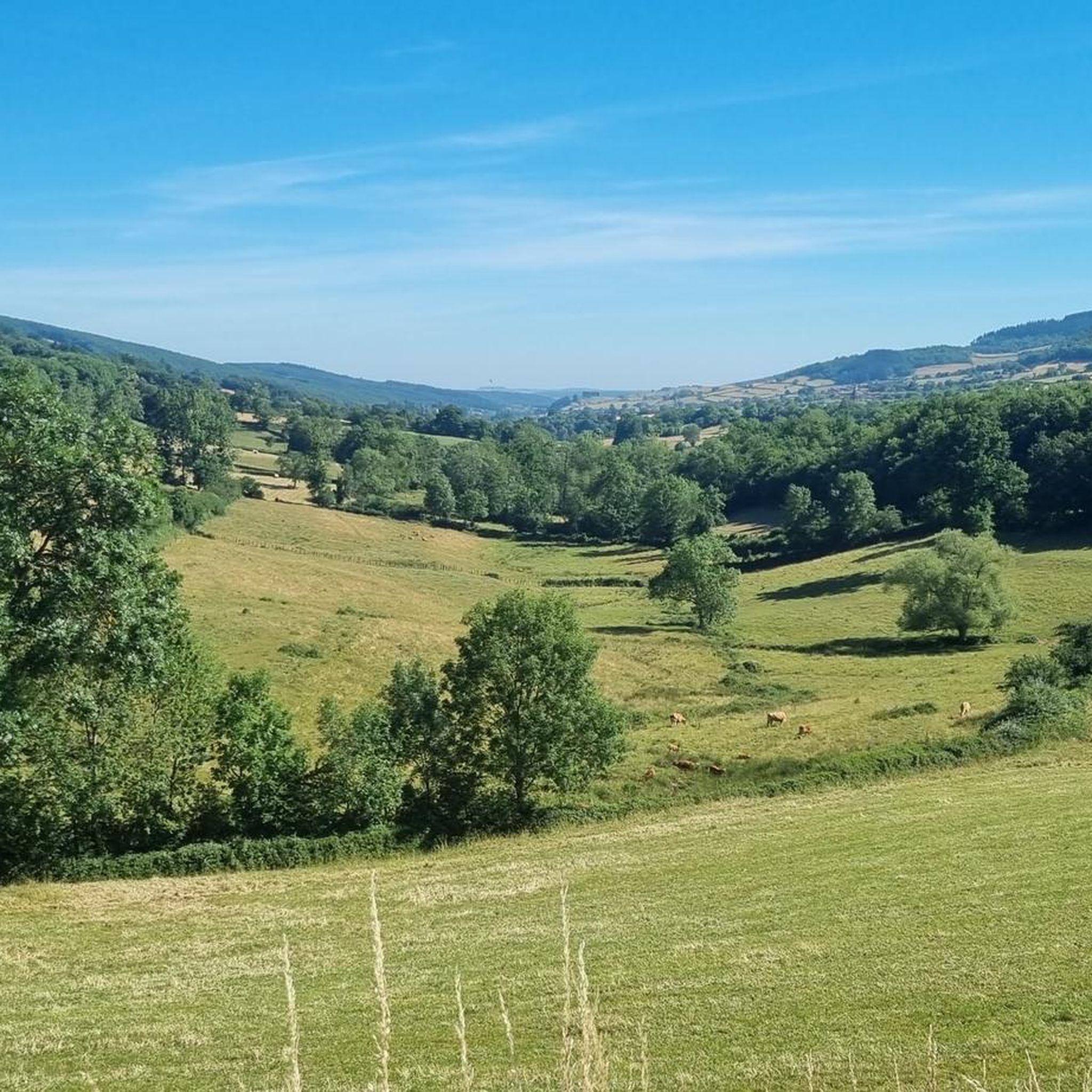
Tips from the Community

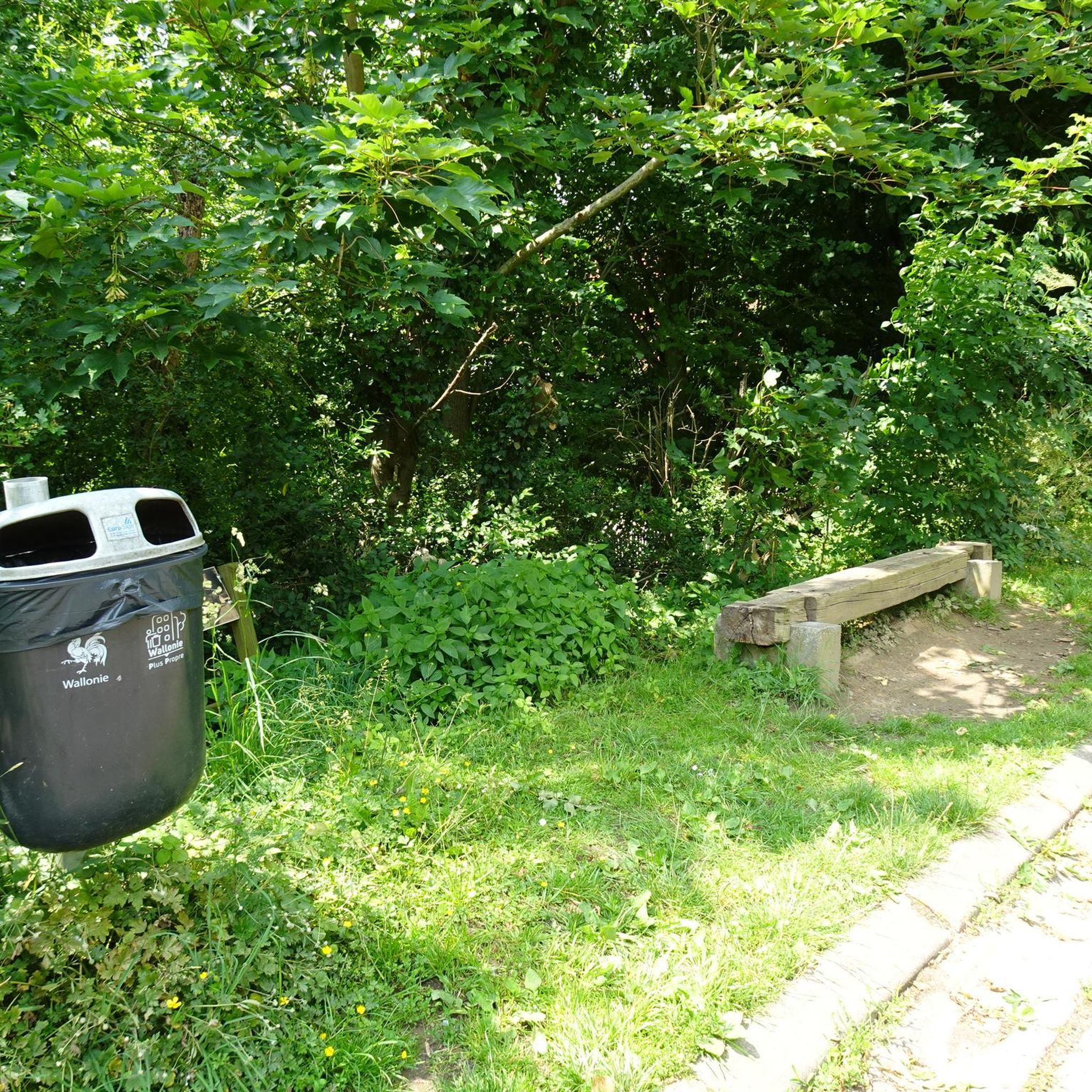
Magnificent ride mostly in the shade on level, smooth ground.
1
0
The church of Saint-Valentin de Jalogny is a historic Roman Catholic church in the municipality of Jalogny in the Saône-et-Loire department. Built in the Romanesque style, the structure was erected in the 12th century. It replaced an earlier place of worship from 969, which had been built by the famous monks of the nearby Cluny Abbey. The striking, four-story bell tower with a pyramidal tent roof was built directly next to the choir. The lower part is preserved in its original state, while the upper floor was raised in the 19th century.
0
0
The Château de Saint-Point (also known as Château de Lamartine) in the Burgundy region originally dates from the 12th and 14th centuries. From 1820, it served as the residence for the famous French poet and politician Alphonse de Lamartine. Lamartine had the castle restored in the Anglo-Gothic style, which gives it its distinctive, romantic appearance with the round corner towers. It is a listed monument and can be visited as a museum.
1
0
The Château de Pierreclos is a historic, Romanesque castle complex and a renowned winery. Its origins date back to the 9th to 11th centuries, beginning with a Romanesque chapel. In the 13th century, the complex was expanded into a medieval fortress. Today, it is protected as a private historical monument. The castle is located on a rocky outcrop that has been used for viticulture since the 6th century. The Pidault family's winery produces organically certified white and red wines (including Pouilly-Fuissé and Mâcon-Pierreclos).
1
0
The KKriegerdenkmal commemorates the fallen of the World Wars. In November 1943, the site played a role in the French Resistance when local Maquisards (resistance fighters) marched to the monument to lay a wreath, despite the German occupation.
0
0
The Église Saint-Barthélemy is a charming village church, rebuilt in the 19th century in the neo-Gothic style. It has a historical, considerably older bell tower in the Romanesque style. The church is part of the Roman Catholic parish of Sainte-Marie-sous-Dun in the Diocese of Autun.
0
0
The lake is located in the French region of Bourgogne-Franche-Comté, in the département of Doubs, at an altitude of around 850 meters. After Lac du Bourget and Lac d'Annecy, it is the third largest natural lake in France. It is a very popular swimming lake in the summer and offers opportunities for kayaking, windsurfing, and stand-up paddling. There is also a popular hiking trail around the entire lake, approximately 20 kilometers long.
1
0
The lake is located in the Doubs department in the French region of Bourgogne-Franche-Comté at an altitude of around 850 meters. After Lac du Bourget and Lac d'Annecy, it is the third largest natural lake in France. It is a very popular lake for swimming in the summer and offers opportunities for kayaking, windsurfing, and stand-up paddling. There is also a popular hiking trail around the entire lake, approximately 20 kilometers long.
1
0
Frequently Asked Questions
How many touring cycling routes are available around Saint-Point?
There are over 130 touring cycling routes available around Saint-Point, offering a wide range of options for different skill levels and preferences.
What is the general difficulty level of touring cycling routes in Saint-Point?
The touring cycling routes in Saint-Point offer a diverse range of difficulties. You'll find approximately 7 easy routes, 49 moderate routes, and 76 difficult routes, ensuring options for cyclists of all experience levels.
Are there touring cycling routes suitable for beginners in Saint-Point?
Yes, Saint-Point offers several routes suitable for beginners. These typically feature gentler gradients and shorter distances, often found around Lake Saint-Point. Look for routes marked as 'easy' in the guide.
What natural features can I expect to see while cycling around Saint-Point?
While touring cycling around Saint-Point, you can expect to encounter the stunning Lake Saint-Point, the diverse landscapes of the Jura Mountains, and parts of the Haut Jura Regional Natural Park. Some routes also feature picturesque marshlands and offer views of prominent peaks like Mont d'Or.
Are there any historical landmarks or points of interest along the touring cycling routes?
Yes, several routes pass by or offer views of interesting landmarks. For instance, you might encounter the historic Cluny Abbey town or the unique Tunnel du bois clair. Other notable natural monuments in the wider region include Roche de Solutré and Vergisson Rock.
Are there any circular touring cycling routes around Saint-Point?
Yes, many touring cycling routes in the Saint-Point area are circular, allowing you to start and end at the same point. Examples include the popular Lake Saint-Point – Tramayes loop from Saint-Point and the longer Tramayes – Lake Saint-Point loop from Tramayes.
Is it possible to cycle around Lake Saint-Point?
Absolutely! Lake Saint-Point is a central attraction for cyclists. Its long and narrow shape makes it ideal for circumnavigation, offering continuous views of the water and surrounding natural beauty. The Lake Saint-Point – Tramayes loop from Saint-Point is a great example of a route that explores the lake's perimeter.
What is the best time of year for touring cycling in Saint-Point?
The best time for touring cycling in Saint-Point is generally from spring through autumn. During these seasons, the weather is most favorable, and the natural landscapes are at their most vibrant. The region's mountainous terrain means that winter can bring colder temperatures and snow, making some routes less accessible.
Are there options for family-friendly touring cycling in Saint-Point?
Yes, Saint-Point offers family-friendly touring cycling options, particularly around Lake Saint-Point. These routes tend to be less strenuous, often on mostly paved surfaces, and provide beautiful scenery without significant climbs, making them enjoyable for all ages.
What do other touring cyclists enjoy the most about touring cycling in Saint-Point?
The touring cycling routes in Saint-Point are highly rated by the komoot community, with an average score of 4.6 stars from over 300 reviews. Cyclists often praise the diverse landscapes, from the serene lake views to the challenging mountain ascents, and the well-maintained paths that cater to various skill levels.
Are there any particularly challenging touring cycling routes in Saint-Point?
For experienced cyclists seeking a challenge, Saint-Point offers several difficult routes with significant elevation gain. The Tunnel du bois clair – Bois Clair Tunnel loop from Tramayes, for example, is a difficult route featuring substantial climbing and a unique tunnel passage.
Can I find routes that combine cycling with exploring charming villages?
Many touring cycling routes in the Saint-Point region pass through charming villages and towns. The extensive Great Jura Crossing (GTJ) by Bike, which traverses the Jura Mountains, is known for connecting numerous emblematic villages like Morteau, Pontarlier, and Mouthe, offering opportunities to explore local culture and history.
Most popular routes around Saint-Point
Most popular attractions around Saint-Point

Get inspired with the komoot mobile app


Explore more
Browse the best Cycling routes in other regions.
